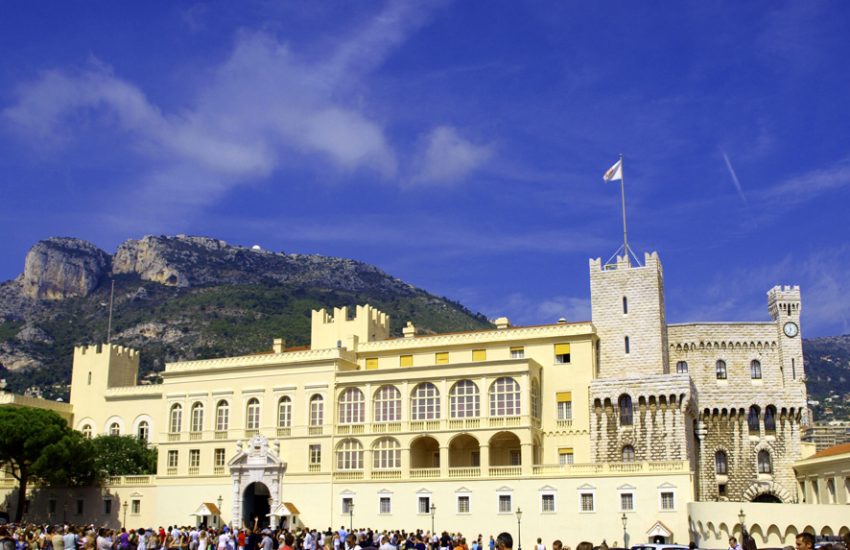
In the old city of Hyderabad, close to the great arches of the Charminar, lies a palace that was for generations the true seat of power of the Nizams, the fabulously wealthy rulers of the state. Chowmahalla Palace was where the Nizams held their court, received their guests, and staged the ceremonies of their reign, and its grand halls, glittering chandeliers, and quiet courtyards still breathe the atmosphere of that vanished world.
Its name means, in essence, the four palaces, and the complex is a serene composition of courtyards, pavilions, and halls, built and extended over more than a century in a style that blends the traditions of Mughal India, Persia, and Europe. At its heart stands a durbar hall of extraordinary splendour, its ceiling ablaze with Belgian crystal chandeliers, where the Nizams sat enthroned and where new rulers were proclaimed.
After the age of the Nizams passed, the palace declined, until a great restoration, since honoured internationally, brought it back to life as a museum. Today visitors can wander its courts, marvel at its durbar hall, admire the vintage motor cars of the Nizams, and step directly into the world of one of the richest dynasties the world has known. In the sections that follow you will get to know the palace, the dynasty it served, and the treasures it holds.

In This Article
- The Seat of the Nizams
- The Meaning of the Four Palaces
- The Nizams of Hyderabad
- A Palace Built Over a Century
- The Grand Durbar Hall
- Chandeliers, the Throne, and the Making of Kings
- The Clock That Has Ticked for Centuries
- A Blend of East and West
- Rolls-Royces and the Treasures of a Court
- Decline and a Celebrated Revival
- A Living Museum of a Vanished Court
- The Palace on Film
- Visiting Chowmahalla Today
The Seat of the Nizams
Chowmahalla Palace lies in the historic heart of Hyderabad, not far from the city’s famous landmarks, a walled world of courtyards and pavilions set amid the bustle of the old city. Where the great hilltop palace of Falaknuma served as a guest house and showpiece, Chowmahalla was the official seat of the Nizams, the place most bound up with the daily business and high ceremony of their rule.

Passing through its gates, the visitor leaves the noise of the city behind and enters a sequence of calm, formal courtyards, framed by elegant buildings in pale stone and stucco. The atmosphere is one of ordered serenity, a deliberate contrast to the crowded streets outside, and it conveys at once the dignity and refinement of the court that once centred here.
The complex today, though reduced from its original extent, remains substantial, arranged around its courtyards and dominated by its grand halls. It is both a palace and, now, a museum, its rooms and courts opened to visitors who come to experience the world of the Nizams and to admire the architecture and treasures gathered within its walls.
To arrive at Chowmahalla is thus to arrive at the ceremonial and administrative heart of the old Hyderabad state, the place from which the Nizams presided over their realm. Its courts and halls were the setting for the most important events of the dynasty, and even now, as a museum, it retains the aura of a place where great matters were once decided and great ceremonies performed.
There is a useful contrast to be drawn with the other great Hyderabad palace on its hill. If the hilltop palace was the face the Nizams turned toward their guests, all spectacle and views, Chowmahalla was the working heart of the dynasty, the place where the real ceremonies of rule were performed. To understand the Nizams fully, you need both, and Chowmahalla is where their authority actually resided.
The Meaning of the Four Palaces
The name Chowmahalla derives from words meaning four palaces, a reference to the character of the complex as a group of palatial buildings rather than a single structure. Arranged around its courtyards, the buildings together form a harmonious ensemble, and the name captures the way the palace is composed of distinct but related parts, united into a single grand whole.
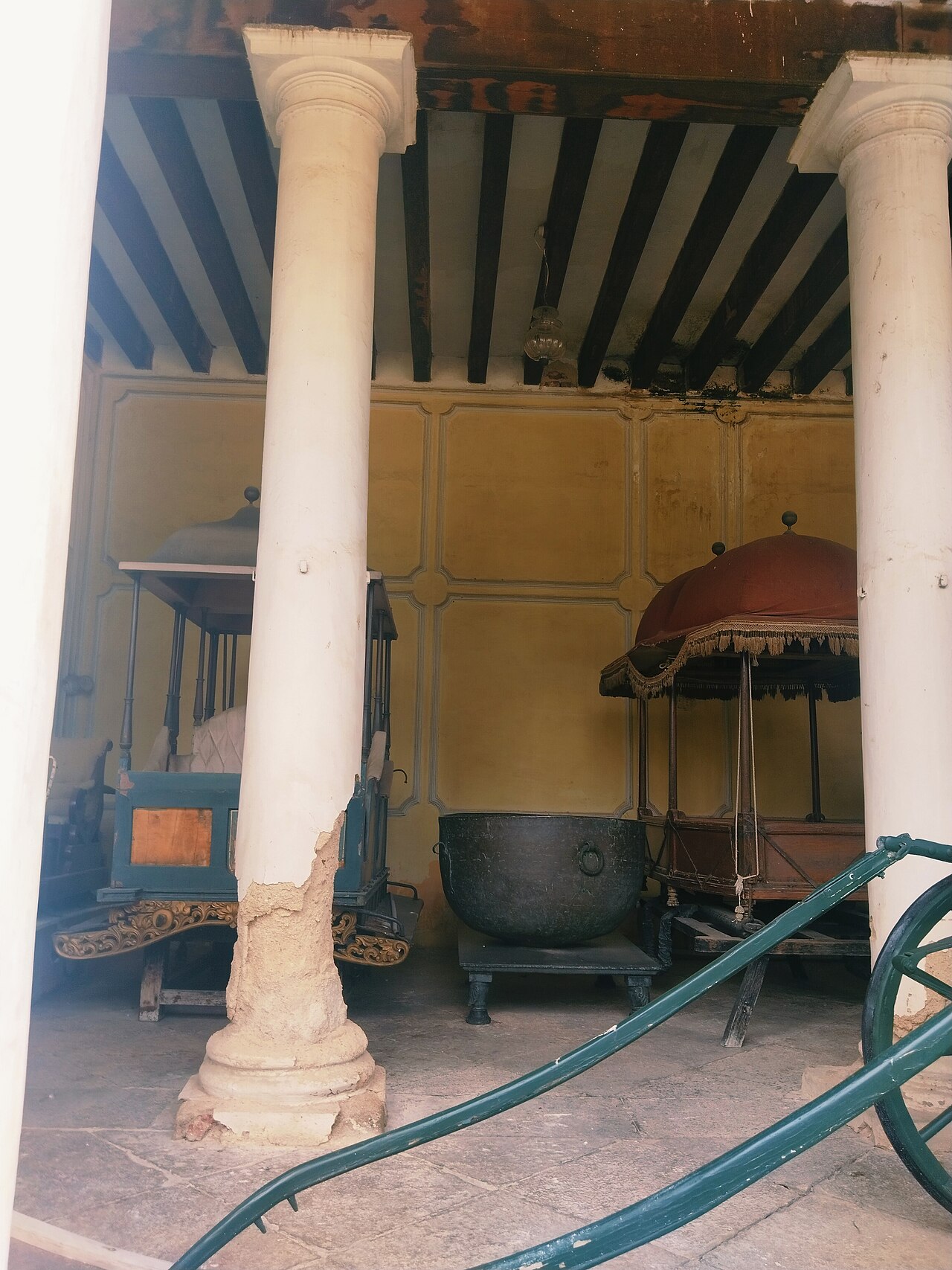
The complex is organised principally around courtyards, notably a southern and a northern court, each framed by ranges of buildings and pavilions. These courtyards give the palace its calm, formal character, providing ordered open spaces around which the life of the court was arranged, from ceremony to administration to the private life of the ruler and his household.
This arrangement, of palaces and pavilions gathered around courts, reflects the traditions of Islamic and Persian palace architecture, in which the courtyard is central to the whole conception. The buildings open onto and are organised by the courts, and moving through the complex means passing from one court to another, each with its own character and function.
The name and the layout together express the essential nature of Chowmahalla as a palace-city in miniature, a collection of grand buildings arranged with care around ordered open spaces. It is this composition, serene and balanced, that gives the palace much of its beauty, and understanding it as four palaces around their courts is the key to appreciating the whole.
Part of the pleasure of a visit lies simply in moving from court to court, feeling the mood change as you pass from one to the next, from the more formal and ceremonial to the quieter and more domestic. The palace unfolds in sequence rather than all at once, and that unfolding is part of its art.
The Nizams of Hyderabad
Chowmahalla was the seat of the Asaf Jahi dynasty, the line of rulers known as the Nizams, who governed the great state of Hyderabad. Rising to power in the eighteenth century as the old Mughal Empire fragmented, the Nizams established one of the largest and wealthiest of the princely states of India, ruling a vast territory in the Deccan from their capital at Hyderabad.

The wealth of the Nizams was legendary, and one of them was reckoned in his time among the richest people on earth. Their court was a centre of culture, refinement, and splendour, blending Islamic and Indian traditions, and their patronage extended to architecture, the arts, learning, and religion. Chowmahalla was the ceremonial and administrative heart of this rich and powerful court.
As the official palace of the Nizams, Chowmahalla was where the rulers held their durbars, or formal courts, received important visitors, and conducted the ceremonies of state. It was here, in the grand durbar hall, that new Nizams were formally recognised and enthroned, so that the palace was bound up with the very succession and legitimacy of the dynasty.
The Nizams ruled until the middle of the twentieth century, when Hyderabad was integrated into independent India and their sovereign power came to an end. Yet the memory and heritage of the dynasty endure, and nowhere more vividly than at Chowmahalla, the palace that was the setting for so much of their history, and that now preserves and displays the world they created.
The very wealth of the dynasty has become the stuff of legend, wrapped in tales of jewels beyond counting and treasuries no one could fully inventory. Whatever the exaggerations, the reality was extraordinary enough, and Chowmahalla was the stage on which that reality was made visible to the world, in ceremony, in architecture, and in the sheer abundance of beautiful things.
Their long rule left a deep imprint on the Deccan that is felt to this day.
A Palace Built Over a Century
Chowmahalla was not built all at once but took shape over a long period, its construction beginning in the eighteenth century and continuing, with additions and extensions, into the nineteenth. Successive Nizams contributed to the growth and embellishment of the complex, so that the palace as it reached its full form was the work of generations, reflecting the tastes and ambitions of several rulers.

This long process of building gave the complex its rich and varied character, combining structures of different periods and drawing on a range of architectural influences. The palace grew around its courtyards, with grand halls, pavilions, and ranges of rooms added over time, until it formed the extensive complex that served as the seat of the dynasty at its height.
In its heyday the palace was considerably larger than what survives today, extending over a much greater area before parts were lost over the years. Even so, the surviving complex, with its courtyards and its great durbar hall, preserves the essential grandeur of the original and conveys the scale on which the Nizams built and lived.
The building of Chowmahalla over more than a century mirrors the history of the dynasty itself, growing and elaborating as the power and wealth of the Nizams increased. Each generation left its mark, and the result is a palace that is not a single statement but an accumulation of splendour, a layered monument to the long rule of one of India’s greatest princely houses.
Because it grew slowly, the palace also records changing tastes across the generations, so that a discerning eye can read the shifting fashions of the court in the details of its successive parts. It is less a single design than a family album written in stone and stucco.
The Grand Durbar Hall
The ceremonial heart of Chowmahalla is its great durbar hall, a magnificent chamber that was the setting for the most important events of the Nizams’ rule. It was here that the rulers held their formal courts, received homage, and staged the ceremonies of state, and here that new Nizams were recognised and enthroned, making the hall the very centre of the dynasty’s ceremonial life.

The hall is a space of great splendour, designed to overwhelm all who entered with the majesty of the Nizam. At its heart stood the royal seat, a raised platform on which the ruler would sit enthroned, elevated above the assembled court, so that the whole architecture of the hall focused attention on the person of the sovereign in the most dignified and imposing way.
To be received in the durbar hall was to experience the full grandeur of the Hyderabad court. The assembled nobles and guests, the ceremony and protocol, the splendour of the setting, all combined to impress upon everyone present the wealth, power, and dignity of the Nizam. The hall was, in effect, a theatre of sovereignty, staging the majesty of the dynasty.
Even now, empty of its court, the durbar hall retains its power. To stand in it, beneath its glittering ceiling, looking toward the platform where the Nizams once sat enthroned, is to sense the ceremony and grandeur that once filled the space, and to understand why this hall, above all the rooms of the palace, was the true heart of the rule of the Nizams.
The name of the hall itself carries a sense of the sacred and the ceremonial, marking it as a space set apart from ordinary life. It was not a room one entered casually, but the solemn centre of the state, approached with protocol and reverence, and that sense of gravity still lingers in the empty chamber today.
For the dynasty, no other room in the state carried quite this weight of meaning, and it remains the reason most visitors come.
Chandeliers, the Throne, and the Making of Kings
The glory of the durbar hall is its ceiling, from which hang rows of magnificent chandeliers of Belgian crystal, filling the great chamber with sparkling light. These chandeliers, numerous and dazzling, are among the most celebrated features of the whole palace, transforming the hall into a space of shimmering splendour worthy of the ceremonies held beneath them.

The cascades of crystal, when lit, create an atmosphere of extraordinary richness, their light reflected and multiplied throughout the hall. Such chandeliers were a mark of the wealth and cosmopolitan taste of the Nizams, who furnished their palace with the finest products of Europe alongside the traditions of India, and they remain a highlight for every visitor to the palace.
Beneath the chandeliers, the raised platform marked the seat of the Nizam, and it was here that the solemn ceremony of enthroning a new ruler took place. The recognition and installation of a Nizam in this hall was among the most significant events of the dynasty, binding the new ruler to his throne in the presence of his court, in the most splendid setting the state could provide.
Together the chandeliers and the throne platform make the durbar hall a concentrated image of the Nizams’ rule: European luxury and Indian sovereignty, dazzling splendour and solemn ceremony, combined in a single space. It is little wonder that the hall is the climax of any visit to Chowmahalla, the room where the magnificence and the meaning of the palace come most vividly together.
Restoring and maintaining so many pieces of antique crystal is itself a considerable undertaking, each chandelier a small chandelier-shaped puzzle of glass and metal. That they hang and shine again is one of the quiet triumphs of the palace’s revival, and part of why the durbar hall makes the impression it does.
Lit for a special occasion, the hall must have been one of the most dazzling interiors in all of India.
The Clock That Has Ticked for Centuries
Among the most beloved features of Chowmahalla is its clock, mounted on a tower over one of the palace’s gateways, which has famously kept time for a very long span of years. Known by a name linking it to the ceremonial part of the palace, the clock has been ticking for around two and a half centuries, its mechanism faithfully maintained across the generations.

That the same clock should have marked the hours through the entire later history of the dynasty and beyond gives it a special poignancy. It ticked through the reigns of successive Nizams, through the great ceremonies in the durbar hall below, through the decline of the palace and its later restoration, a small, steady witness to the passing of an age.
The clock is cared for with pride, its continued working a point of honour and a link to the palace’s long history. In a place so bound up with the memory of a vanished court, the ticking of the ancient clock is a reminder that time has continued to pass, and that the palace, though its rulers are gone, endures and is kept alive.
For visitors, the clock tower is one of the charming details that bring the palace to life. Standing in the courtyard, aware that the mechanism above has been keeping time since long before the events that ended the age of the Nizams, one feels the depth of history the palace embodies, measured out, hour by hour, by a clock that has never stopped.
Staff still wind and tend it in the old way, and there is something moving in that small, faithful labour, a mechanism kept alive by human hands long after the court it once served has passed into history. Visitors often pause simply to listen.
Few sounds in Hyderabad connect the present so directly to the age of the Nizams.
A Blend of East and West
The architecture of Chowmahalla is a graceful synthesis of styles, combining the traditions of Mughal, Persian, and Rajput India with elements drawn from European neoclassical architecture. This blend reflects the cosmopolitan world of the Nizams, who looked both to their Islamic and Indian heritage and to the fashions of Europe, and who created in their palace a distinctive and harmonious style of their own.
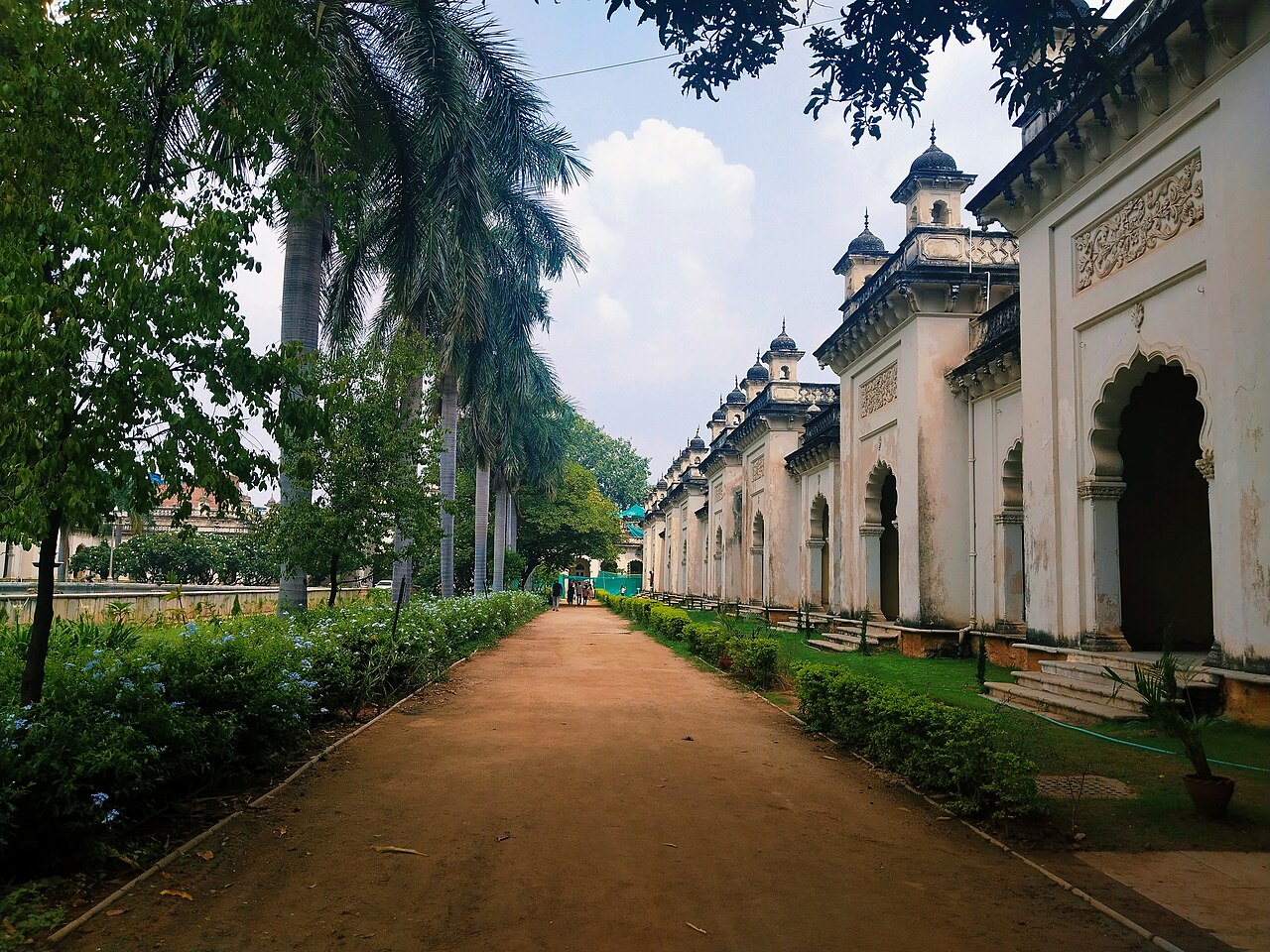
Persian influence is strong in the conception of the palace as courts and pavilions, and it is said that parts of the complex were inspired by a great palace of the Persian world, reflecting the cultural links between Hyderabad and the wider Islamic and Persianate sphere. Alongside this run the arches, domes, and ornament of Indian tradition and the columns and classical detail of European design.
The result is a palace of elegant restraint, its beauty lying in proportion, harmony, and fine detail rather than in overwhelming scale or ostentation. The pale stucco surfaces, the ordered courtyards, the graceful pavilions, and the richly decorated halls combine into an architecture that is both dignified and refined, expressing the cultivated taste of the Nizams.
This fusion of East and West gives Chowmahalla its particular character among the palaces of India. It is neither purely Mughal nor purely European but a genuine blend, the architectural expression of a court that stood at a meeting point of cultures. To appreciate the palace is to appreciate that synthesis, embodied in every court and hall of the seat of the Nizams.
What holds the many influences together is a consistent sense of measure. Nothing shouts; everything is proportioned. In an age when wealth often expressed itself in excess, the Nizams chose, at Chowmahalla, an architecture of calm and balance, and that restraint is precisely what gives the palace its lasting elegance.
It is a palace that rewards the slow, attentive eye.
Rolls-Royces and the Treasures of a Court
Among the most popular attractions of Chowmahalla today is its collection of vintage motor cars, a display that vividly conveys the wealth and modern tastes of the Nizams. Pride of place goes to grand old automobiles, including a celebrated early Rolls-Royce, machines that once carried the rulers of Hyderabad and that now stand as gleaming reminders of a princely age that embraced the luxuries of the new century.

These cars are only part of the wealth of objects the palace displays. The collections include the furnishings, weapons, costumes, and treasures of the Nizams, along with objects of daily and ceremonial use, gathered to convey the life of the court in all its richness. Together they turn the palace into a vivid museum of the material culture of the dynasty.
The vintage cars in particular capture the imagination, symbolising the way the Nizams combined ancient royal tradition with the most modern comforts and technologies of their day. A ruler who held court beneath Belgian chandeliers in a centuries-old durbar hall might also ride through his capital in one of the finest motor cars in the world, and the palace preserves both sides of that world.
For visitors, the collections greatly enrich a tour of the palace, adding the fascination of the objects to the beauty of the architecture. Moving from the grand durbar hall to the courtyards where the vintage cars are displayed, one encounters the full range of the Nizams’ world, from the solemn ceremonies of state to the pleasures and luxuries of one of the richest courts on earth.
Children and adults alike tend to linger longest here, drawn by the gleam of the old machines. The cars make the vanished world of the Nizams suddenly tangible and near, for a grand old automobile speaks of a life one can almost imagine sharing, in a way that thrones and chandeliers, for all their splendour, sometimes cannot.
Together the cars and the court treasures tell one story: a dynasty that lived at the meeting point of old splendour and new invention.
Decline and a Celebrated Revival
After the end of the Nizams’ rule and the great political changes of the twentieth century, Chowmahalla, like so many princely palaces, fell into decline. No longer the seat of a ruling dynasty, the complex suffered from neglect and the loss of much of its original extent, and its future, like that of many such monuments, came into question.
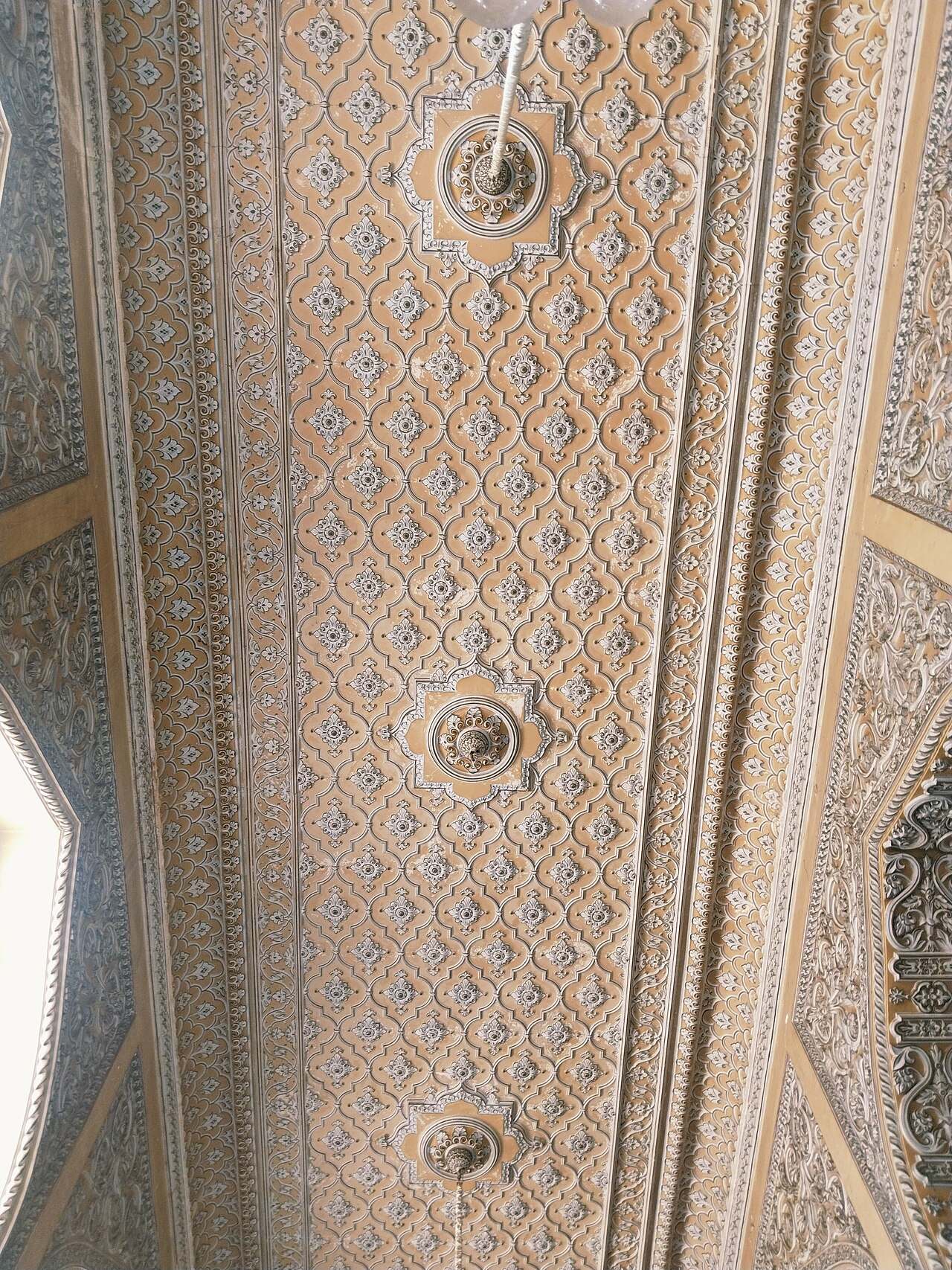
Its revival came through a major restoration undertaken by the Nizam’s family, a careful and ambitious project to repair and conserve the palace and to open it to the public as a museum. The work addressed the fabric of the buildings, the courtyards, and the treasures, returning much of the complex to its former splendour and giving it a new life and purpose.
This restoration was widely admired and earned international recognition for the quality of its conservation, a mark of the care and skill with which the project was carried out. The revival of Chowmahalla stands as an example of successful heritage conservation, saving a great palace from decline and making it once again a place of beauty and significance.
The transformation of the neglected palace into a celebrated museum has ensured the survival of one of Hyderabad’s greatest monuments. Where once its future was uncertain, Chowmahalla is now cared for and cherished, its halls and courtyards restored, its treasures displayed, and its story told to the many visitors who come to experience the world of the Nizams.
The involvement of the Nizam’s own family in the rescue gives the story a particular fittingness. Rather than let the ancestral seat crumble, the descendants of the dynasty chose to save it and to share it, turning a private inheritance into a public treasure and ensuring that the memory of the court would be kept by the very people best placed to keep it.
Its rescue is now often cited as a model for others.
A Living Museum of a Vanished Court
Today Chowmahalla functions as a museum, one of the most important and popular attractions of Hyderabad, where the heritage of the Nizams is preserved and displayed within the very palace that was their seat. Visitors can explore the courtyards, the grand durbar hall, and the ranges of rooms, and admire the collections of treasures, costumes, and vintage cars.
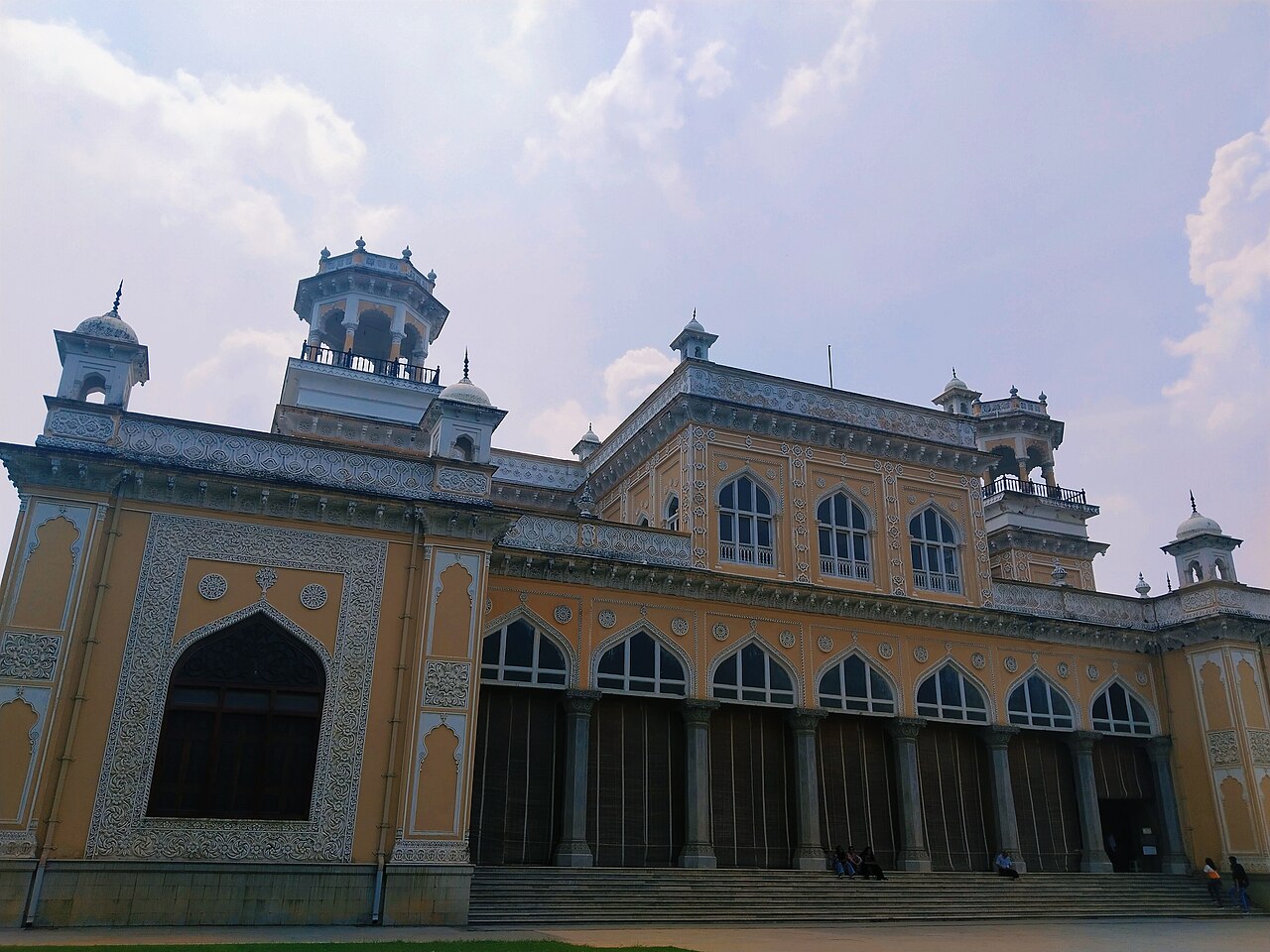
The palace is also used, in keeping with its grandeur, as a venue for cultural events and occasions, and its beautiful courts and halls have attracted attention as settings for celebrations and for filming. In these ways the palace continues to play an active role in the cultural life of the city, its splendour once again put to use rather than merely preserved.
As a museum, Chowmahalla offers a uniquely direct encounter with the world of the Nizams. Because the treasures are displayed in the palace that was the dynasty’s own seat, the setting and the collections reinforce one another, allowing visitors to imagine the ceremonies and daily life that once filled the courts and halls, and to grasp the wealth and refinement of the court.
The palace thus serves as a keeper of memory, ensuring that the extraordinary story of the Nizams and their capital is not forgotten. In its restored halls and courtyards, the vanished court lives on, and visitors from around the world come to walk where the Nizams once held court, and to encounter, in one of the great palaces of India, the splendour of a princely age.
It has become, in a sense, a place where the city meets its own past, where residents and visitors alike come to understand the dynasty that gave Hyderabad so much of its character, from its monuments to its famous cuisine and courtly culture.
In that role it feels less like a relic than a rediscovery.
The Palace on Film
The elegance and splendour of Chowmahalla, its serene courtyards, its glittering durbar hall, its treasures and vintage cars, are best appreciated in motion, and the short film below offers a tour that brings the palace and its story to life. Watching it alongside the images in this article helps convey the atmosphere of the seat of the Nizams.

If you are planning a visit to Hyderabad, a video like this is a fine way to prepare, helping you recognise the palace’s highlights, from the durbar hall and its chandeliers to the courtyards and the collections, and to understand the history of the Nizams and their remarkable state. It sets the palace in the context of the old city and its wider heritage.
And if a visit lies beyond your plans for now, the film lets you explore the palace of the Nizams from afar. Let it play, and imagine yourself walking through the courts of Chowmahalla, into the great durbar hall beneath its Belgian chandeliers, in the ceremonial heart of one of the richest dynasties the world has known.
Visiting Chowmahalla Today
For travellers to Hyderabad, Chowmahalla Palace is one of the essential sights of the city, easily combined with a visit to the nearby landmarks of the old city. The palace is open to visitors as a museum, and exploring its courtyards, its grand durbar hall, and its collections is a memorable experience, offering a direct encounter with the world of the Nizams.

A visit rewards attention to the highlights: the great durbar hall with its Belgian chandeliers and throne platform, the serene courtyards, the ancient clock, and the collections of treasures and vintage cars. Together these convey both the ceremony and the daily luxury of the court, and allow visitors to appreciate the palace as the living heart of a great dynasty.
As at any historic palace and museum, visitors should treat the buildings and their contents with care, following the guidance about photography and access, and taking the time to absorb the atmosphere as well as the individual sights. The palace rewards an unhurried visit, allowing its serene courts and splendid halls to work their effect.
However you come to it, Chowmahalla offers a rare and vivid encounter with the world of the Nizams of Hyderabad, among the richest and most cultivated rulers of their age. To walk its courtyards and stand in its durbar hall is to step directly into the ceremonial heart of their rule, and to experience, in one of the great restored palaces of India, the enduring splendour of a princely court.
Mornings are often the most pleasant time to explore the courts, before the heat of the day settles over the old city.
Palaces Nearby
If the world of the Nizams has drawn you in, these two other palaces of the Indian south make a natural next stop.
- Padmanabhapuram, the Great Wooden Palace of the Travancore Kings — the largest wooden palace in Asia, seat of the Travancore kings.
- Thirumalai Nayakkar Mahal, the Hall of Giant Pillars in Madurai — the Nayak palace of colossal columns and rafterless domes.
You May Like

Vaduz Castle, the Hilltop Home of Liechtenstein’s Reigning Prince