How did Alaçatı differentiate itself from other towns?
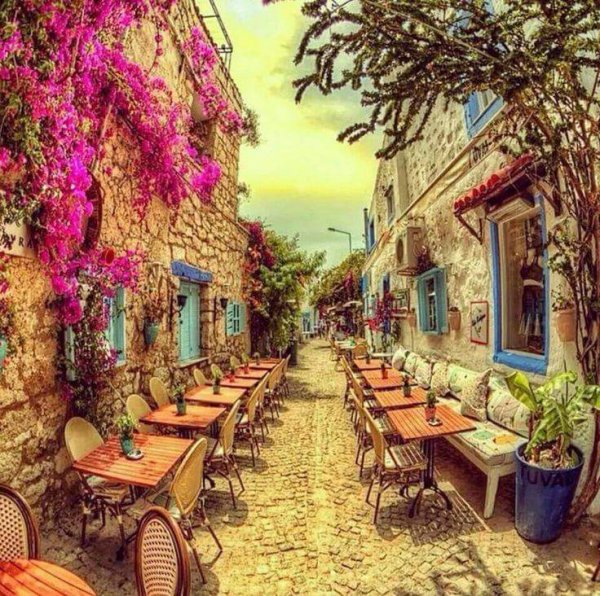
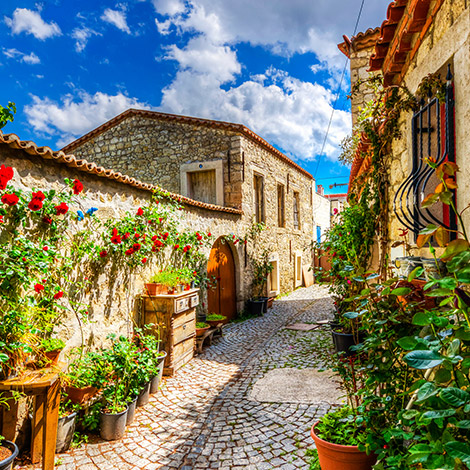
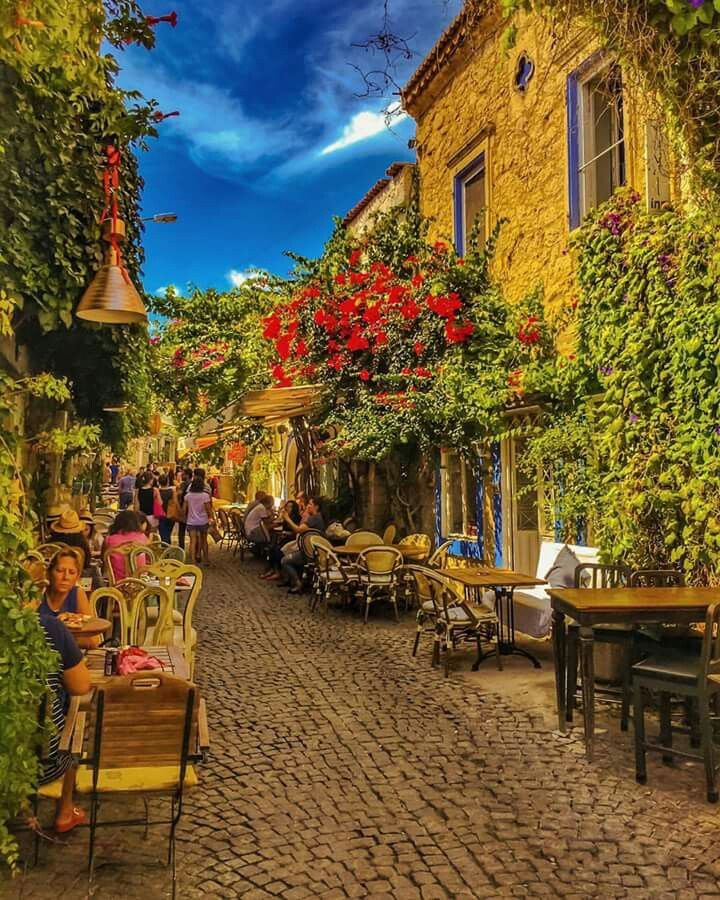
Preserved intact, stone houses, the youngest of which was 100 years old, were repaired one by one; small hotels and restaurants were opened. You can stay in Alacati, Turkey’s most beautiful small hotel, you can eat the finest food in the restaurant. Alaçatı has been declared an “urban site”, the buildings in our town have to be preserved exactly and it is no longer possible to build a new multi-storey building that is not suitable for traditional architecture.
Alaçatı is one of the most important windsurfing centers in the world, and many international competitions are held in our town. Alaçatı beaches have the cleanest seas and the most beautiful beaches of the Mediterranean. Our Municipality does not allow loud music to be broadcast until the morning or opening bars or discotheques in Alaçatı. You cannot see plastic chairs in cafes in Alaçatı. The streets in Alaçatı are still covered with cobblestone. You will come across classical music concerts in the streets of Alaçatı.
Two or single-storey stone houses overshadow the narrow streets of Alaçatı covered with cobblestone. This historical architectural texture is the most important economic value of Alaçatı.
Alaçatı has become one of the controlled developing and protected towns of our country, perhaps the most beautiful, due to the fact that our town was discovered intact and those who settled by restoring stone houses attach importance to conservation. In Alaçatı houses, white stone extracted from the region and hardened after processing is used. This stone reflects the age of the buildings by wrapping over time.
In Alaçatı houses, the lower floor walls are thicker than the first floor walls. The mortar (with soil, lime, straw, egg whites, etc.) used instead of cement in wall construction keeps houses warm in winter and cold in summer. Some houses used stone in all of them, some used stone in the ground floor and brick or wood in the upper floor.
Newly built houses in our town are built in accordance with the old style with village plaster using bricks, since stone is a costly construction material. As can be seen in most of the old houses, plaster and stucco ornaments were used in abundance to protect from external factors. It is used on the walls where the stone is desired to be displayed without plastering, without further processing the stone, only by correcting the excess protrusions and preserving the natural appearance. Stones are placed horizontally in different sizes without making them into a regular rectangle, and small stones are used in between. Stone veneer or slate coating used to give the appearance of a stone wall in an Alaçatı house is definitely the applications that reduce the image quality of the building.
The old Alaçatı houses protected by plaster were painted with light lime whitewash. These are shades of white and oxide yellow. Door and window edges are framed in indigo blue in many homes. Colors such as pink, green, blue and red do not exist in Alaçatı culture.
The walls of the houses with an inner garden (courtyard), which are 2-4 meters high, are 50 cm thick. The windows of the houses are made straight or arched and are vertical and long. Horizontal and wide windows are not used. For earthquake resistance, doors and windows should be at least 1 m from the building corners. located away. In general, thick walls prevent sunlight from spreading through the window opening into the room. For this reason, the spaces of the windows facing into the building are enlarged, allowing more light to enter.
Door and window shutters are the most important elements that decorate the building. Therefore, no materials other than wood or iron are used. Turkish style tiles were used in Alaçatı houses. Roof corner decorations are made using two grooved tiles called “eagle wings”. In Alaçatı houses, the floor coverings are covered with wood, slate, natural color and classical patterned tile plates. In the floors between floors made entirely of wood, after the thick carriers are placed in rectangular or round form, the underfloor wefts are discarded and the floorboard is nailed. In ancient times, the ground floors of Alaçatı houses were used to store tobacco or shelter animals; upper floors were used as living spaces.
The center of Alaçatı was declared an “urban site” in 2006. It is forbidden to repair old houses without fidelity or to build new buildings that contain elements contrary to the traditional architectural fabric. Today, many stone houses, small hotels, restaurants, cafes and shopping points that have been repaired contribute to the economy of Alaçatı.
Where is Izmir – Alacati