Most palaces are built to be lived in for generations. Mikhailovsky Castle, the strange red fortress in the heart of St. Petersburg, was built out of fear, lived in for just forty days, and became the scene of one of the most dramatic murders in Russian history. It is a palace with a very short, very dark story at its core, and that story haunts the place to this day.
The castle was the obsession of the emperor Paul, a ruler so convinced that enemies were closing in that he built himself a moated stronghold in the middle of his own capital, ringed with water and drawbridges, where he believed he would finally be safe. The irony, as everyone who visits soon learns, is that he was killed in his own bedroom within weeks of moving in, and the fortress he trusted could not save him.
This is the first of three articles on a set of grand St. Petersburg city palaces, buildings that stand not in distant parks but in the busy heart of the old imperial capital. Mikhailovsky Castle is the most dramatic of them, a blood-orange fortress wrapped in legend, and by the end you will understand why it is as famous for its ghosts and its history as for its considerable architectural beauty.
In This Article
- Arriving at the Red Fortress
- A Palace Built Out of Fear
- The Architecture of a Defensive Palace
- The Mystery of the Red Walls
- Moats, Drawbridges, and Island Defenses
- Grand Interiors Behind the Walls
- Forty Days and a Murder
- The Castle Church of Saint Michael
- From Fortress to Engineers Castle
- A Museum of Portraits and History
- The Courtyard and the Monument to Peter
- The Castle on Film
- Visiting Mikhailovsky Castle Today
Arriving at the Red Fortress
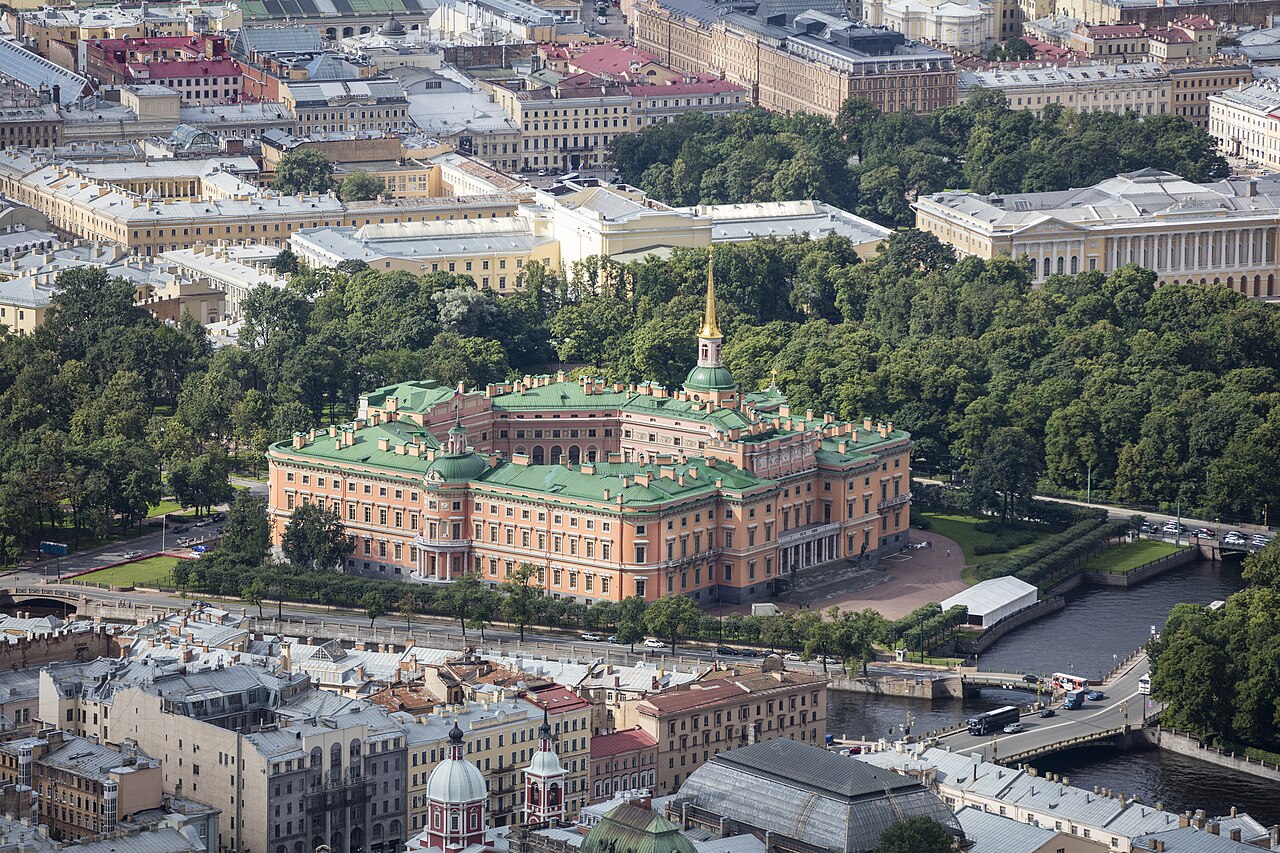
Your first impression of Mikhailovsky Castle is its color. In a city of pale yellows, greens, and blues, this great building glows a deep reddish orange, a shade so distinctive that it stops you in your tracks. Combined with its massive, somewhat severe form, the color gives the castle an air that is both beautiful and faintly menacing, unlike anything else in St. Petersburg.
The building sits apart from the ordinary flow of the city, originally surrounded by water on all sides, a true island fortress in the middle of the capital. Even today, with some of the moats gone, you can feel that it was designed to stand alone, separated and defended, a palace that turned its back on the world around it. It is a castle in the fullest sense, not just in name.
There is a weight and seriousness to the place that reflects its origins. This was not built for pleasure or display but for survival, by a ruler who trusted almost no one, and the architecture carries that anxious, defensive spirit. Approaching it, you sense that you are coming to a stronghold rather than a mere residence.
Take a moment to walk around as much of the exterior as you can, noticing the different facades, each designed with its own character. The castle presents a different face in each direction, and understanding its island setting and its varied fronts prepares you for the intense, concentrated history that unfolded within these walls in the space of just a few weeks.
A Palace Built Out of Fear
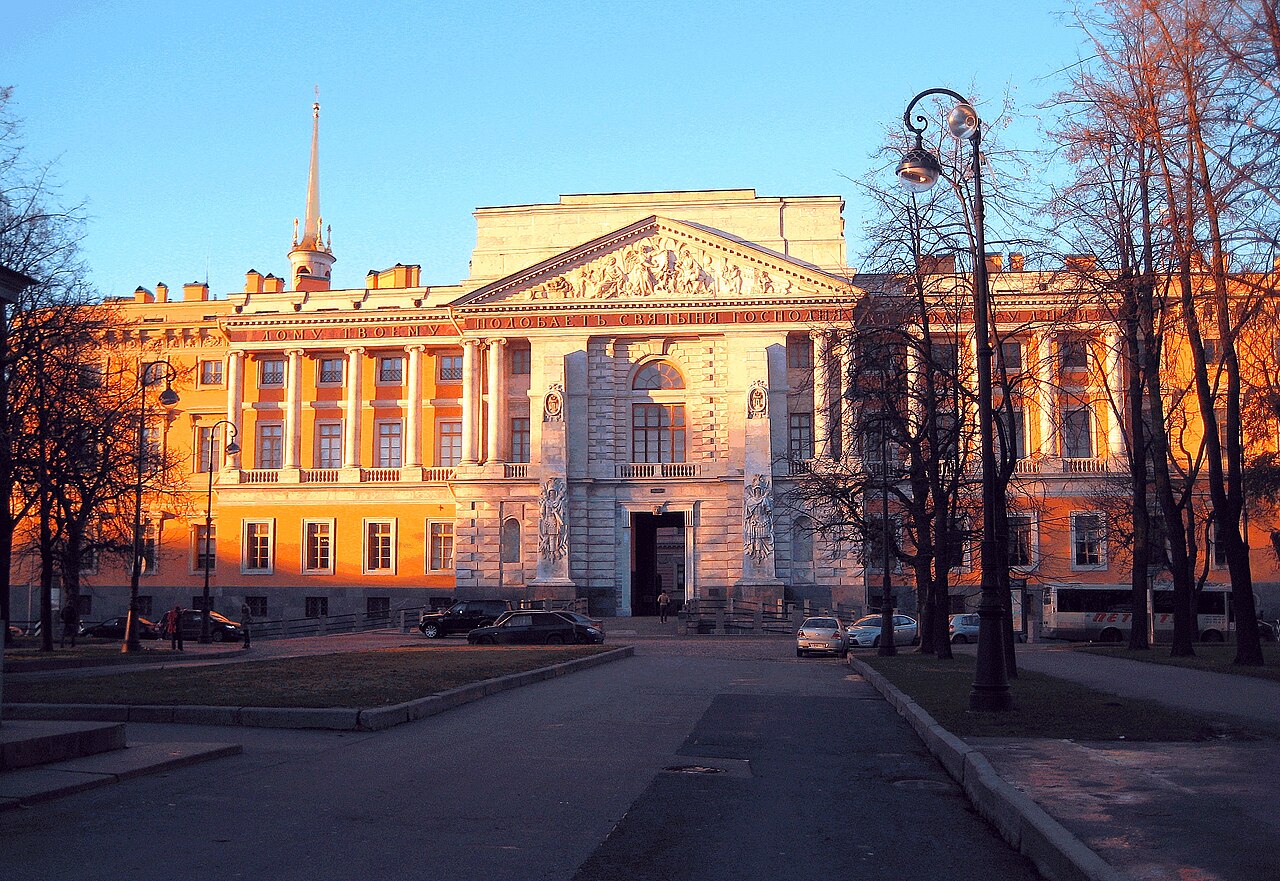
To understand Mikhailovsky Castle you must understand the fears of the man who built it. The emperor Paul came to the throne haunted by insecurity, deeply aware that his own father had been overthrown and killed, and convinced that conspirators surrounded him. Rather than live in the existing imperial palaces, he resolved to build a fortress where he could feel secure.
Paul chose the site of an older palace, which he had demolished, and poured enormous resources into raising his new stronghold as quickly as possible. Speed was essential, driven by his impatience and his anxiety, and the castle rose at remarkable pace, a measure of how urgently the emperor wanted a safe home of his own making.
The design reflected his obsession with security at every turn. The castle was surrounded by moats and canals, approached by drawbridges, and conceived as a defensible island in the heart of the city. Every feature spoke of a ruler determined to wall himself off from the dangers he believed were closing in, trusting stone and water to protect him.
There is something deeply poignant, even tragic, in this. The castle is the physical form of one man’s dread, an enormous, expensive attempt to build safety out of masonry. That the attempt failed so quickly and so completely gives the whole building its peculiar, melancholy power, a monument to fear that could not, in the end, keep fear at bay.
The emperor’s suspicion extended to almost everyone around him, and the castle was in part an attempt to escape the influence and the plots he sensed in the established palaces of the court. By building anew, on his own terms and in his own image, he hoped to break free of the networks he distrusted and to rule from a base that owed nothing to the past. The castle was, in this sense, a declaration of independence as much as a refuge.
The Architecture of a Defensive Palace

Mikhailovsky Castle was the work of talented architects who blended palace and fortress into a single bold design. The building combines grand classical elements with a massive, almost martial solidity, and each of its four facades was given a distinct treatment, so that the castle presents a different architectural character depending on the direction from which you see it.
The result is a building of real sophistication beneath its stern exterior. The architects managed to satisfy the emperor’s demands for defense while still creating a residence of genuine grandeur, with imposing entrances, fine proportions, and rich detailing. It is a fortress that never forgets it is also a palace for an emperor.
The famous reddish color is itself part of the architectural statement, setting the castle dramatically apart from the pastel classicism of the surrounding city. Various legends have grown up to explain the choice of this unusual shade, adding to the building’s air of mystery, but whatever its origin, the color is now inseparable from the castle’s identity.
Walking around and through the building, you can appreciate how the architects solved the puzzle of combining splendor with security. Grand rooms sit behind defensive walls, elegant facades rise above what were once moats, and the whole composition holds together as a coherent, if unusual, masterpiece of its age, shaped entirely by the special demands of its royal patron.
The speed of construction, driven by the emperor’s impatience, meant that enormous numbers of workers and vast quantities of material were marshalled to raise the castle in a remarkably short time. Building materials were even taken from other projects to hurry the work along, a sign of how completely the emperor’s will dominated the enterprise and of the urgency that shaped every stage of its creation.
The Mystery of the Red Walls

Of all the castle’s features, its color provokes the most curiosity. The deep reddish orange of the walls is so unusual for St. Petersburg that visitors naturally ask why the building was painted this way, and over the years a number of romantic legends have arisen to explain it, mixing fact and folklore in a way that suits the castle’s dramatic reputation.
One popular story links the color to a lady of the court and a token she dropped, said to have inspired the emperor to have the castle painted in its shade. Whether or not there is any truth in such tales, they have become part of the building’s lore, and guides delight in recounting them as you stand before the glowing walls.
Beyond the legends, the color had a real visual impact. In a city committed to harmony and restraint, the castle’s bold hue was a statement of difference, marking it out as the personal creation of a single willful ruler rather than one more polite facade in the civic ensemble. It announced that this building played by its own rules.
Today the restored color remains one of the castle’s defining features and a favorite subject for photographers, especially when the low northern sun sets the walls ablaze. Standing before them, you understand how a simple choice of paint can become part of a building’s soul, forever tying the look of Mikhailovsky Castle to the strange, intense story of the man who built it.
Whatever the truth, the color has proved astonishingly durable as a part of the city’s imagination. Generations of residents and visitors have fixed on it as the castle’s signature, and its restoration to the original shade was treated as an important act of recovering the building’s authentic character. The red walls are not a detail but the very face the castle shows the world.
Moats, Drawbridges, and Island Defenses

The defensive features were the whole point of Mikhailovsky Castle, and in its original form the building was a genuine island, surrounded on all sides by water. Rivers and specially dug canals isolated it from the surrounding city, and access was controlled by drawbridges that could be raised to seal the emperor inside his fortress.
These were not symbolic defenses but real ones, designed to make the castle difficult to approach and easy to secure. Guards, gates, and the surrounding water combined to create a stronghold in the heart of the capital, an attempt to recreate the security of a medieval castle in the age of classical palaces and elegant embankments.
Over time, as the fears that built them faded, many of the moats and canals were filled in, and the castle lost its island character, becoming more firmly joined to the city around it. Traces of this watery past remain, however, and knowing that the building once stood surrounded by moats transforms how you see it, revealing the anxious logic behind its form.
Imagining the castle as it first stood, ringed with water and bristling with drawbridges, is key to understanding it. It was a fortress first and a palace second, and every elegant room inside was wrapped in a shell of defenses meant to keep its owner alive. The gap between that intention and what actually happened is the heart of the castle’s dark fascination.
The engineering involved in creating this island was itself impressive, requiring the digging of canals and the management of water in a city already famous for its waterways. The emperor’s fortress thus became part of the larger story of St. Petersburg as a city built on and around water, even as it sought to use that water as a shield against the dangers its owner so deeply feared.
Grand Interiors Behind the Walls

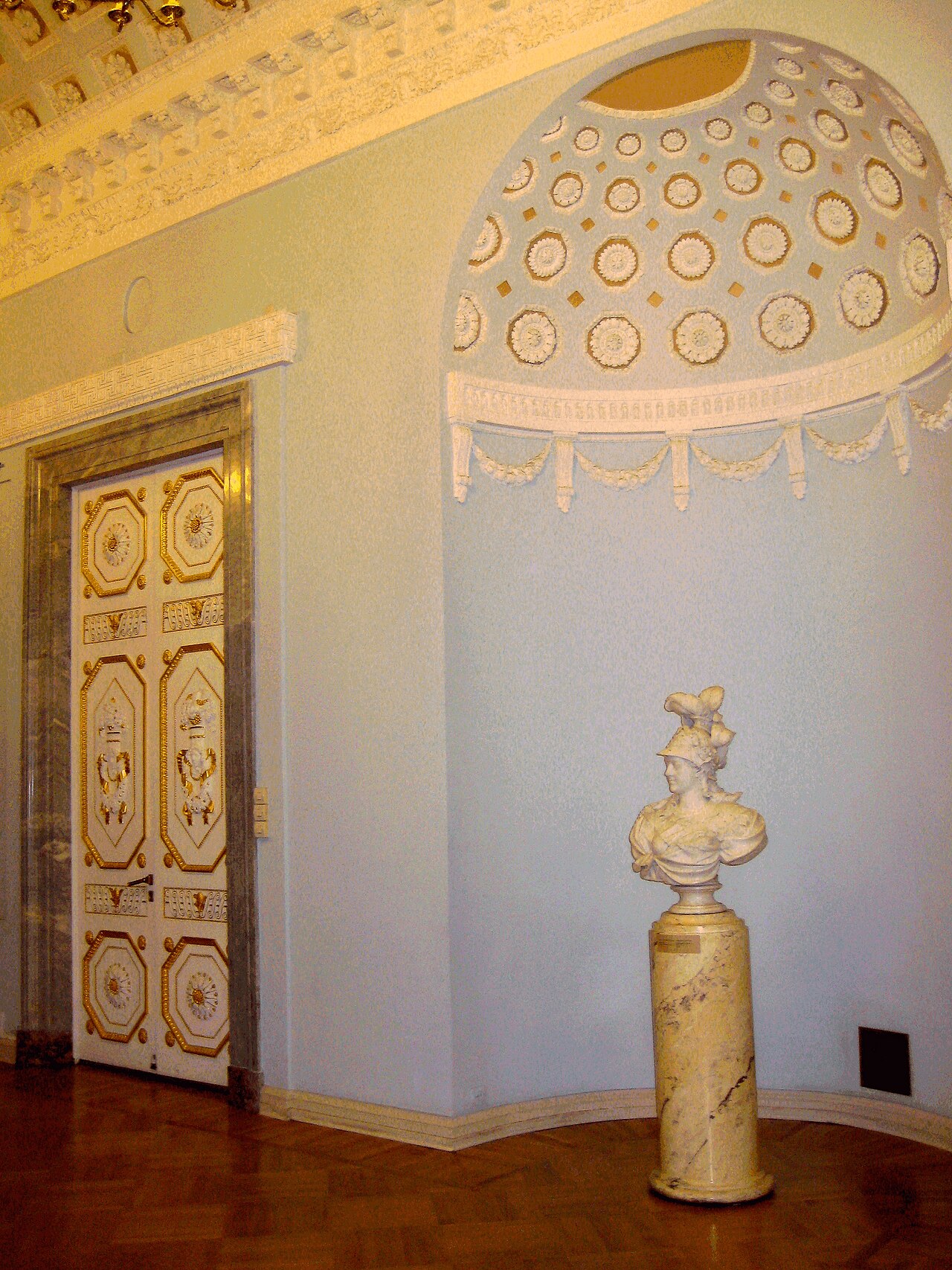
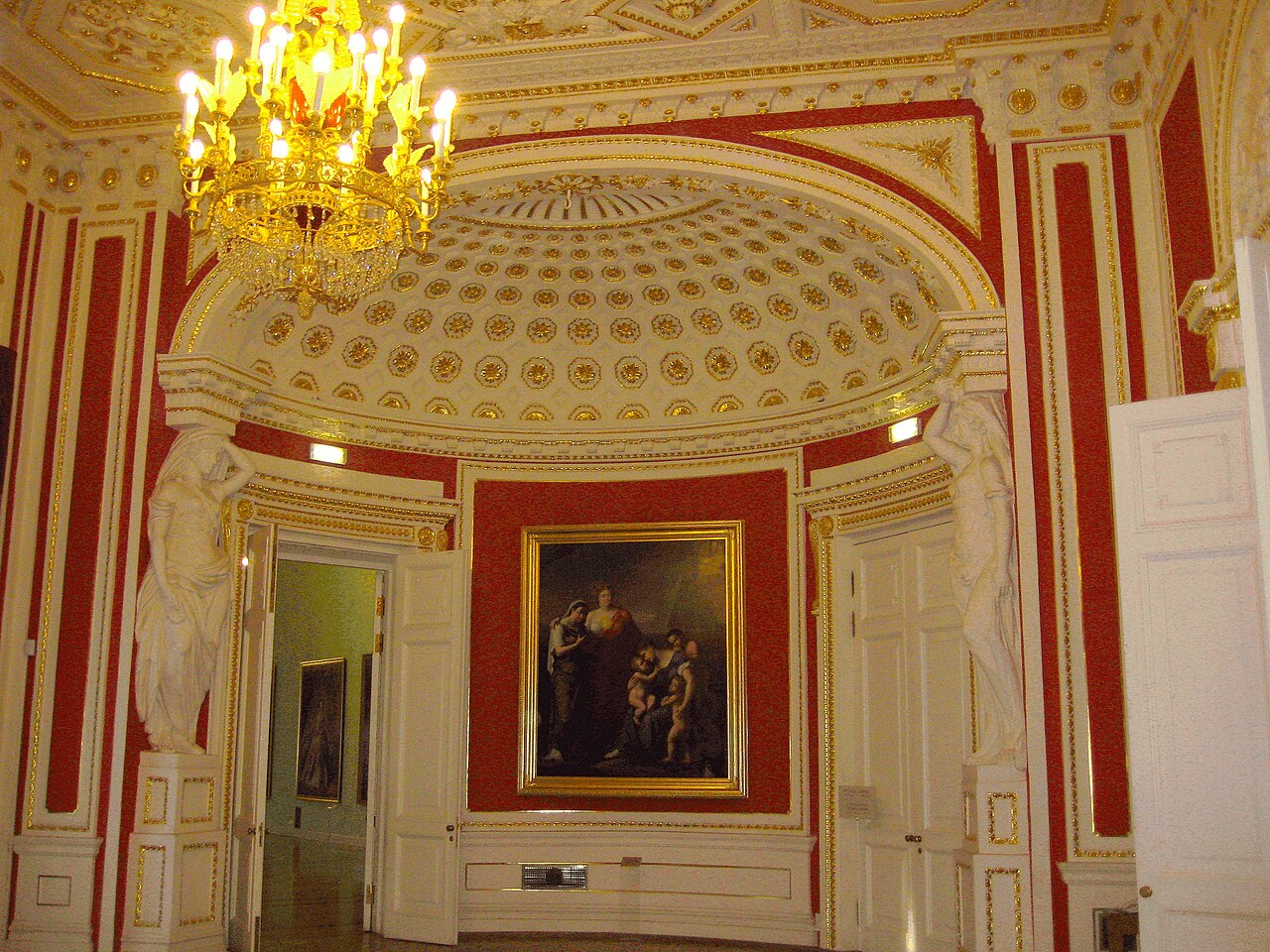
Inside its defensive shell, Mikhailovsky Castle contained sumptuous interiors worthy of an emperor. State rooms, galleries, and private apartments were decorated with the richness expected of an imperial residence, with fine materials, elaborate detailing, and grand proportions that contrasted sharply with the fortress-like exterior.
The emperor spared no expense in fitting out his new home, determined that it should be as magnificent as it was secure. Marble, gilding, paintings, and sculpture filled the rooms, creating an environment of luxury within the protective walls. For the short time he lived there, Paul inhabited a palace of real splendor, however anxious his reasons for building it.
Many of these interiors were altered or lost in the long period after the emperor’s death, when the castle was put to other uses, but restoration has recovered a sense of their original grandeur. Walking through the rooms today, you can appreciate both the artistry of the decoration and the strange contrast between such beauty and the fear that surrounded its creation.
The interiors also set the scene for the castle’s defining drama. These same elegant rooms, so recently finished and so lavishly decorated, became the setting for the murder that ended the emperor’s reign only forty days after he moved in. Knowing this, the splendor takes on a haunted quality, beauty shadowed by the violence that unfolded within it.
The recovery of these interiors has been a careful, scholarly effort, piecing together what the original rooms looked like from documents, drawings, and surviving fragments. The result lets visitors experience something close to the splendor the emperor knew, and it stands as a tribute to the restorers who brought these spaces back from decades of alteration and decline.
Forty Days and a Murder
The central fact of Mikhailovsky Castle’s history is as stark as it is dramatic. The emperor moved into his completed fortress, the safe home he had built with such urgency and expense, and was assassinated there within about forty days. The very walls meant to protect him became the setting for his death, carried out by conspirators from within his own circle.
The murder was the work of insiders, people close enough to reach the emperor despite all his precautions, which is the cruel irony at the heart of the story. No moat or drawbridge could guard against betrayal from within, and the elaborate defenses proved useless against the real threat, which came not from outside but from among those he knew.
The details of that night have been told and retold, dramatized in histories and legends, and they lend the castle an atmosphere no amount of restoration can dispel. The room where it happened, the speed of the tragedy, the collapse of the emperor’s desperate hopes for safety, all combine into one of the most memorable episodes in the story of imperial Russia.
After the murder, the imperial family abandoned the castle, unwilling to live in a place so marked by violence. The building that had taken such effort and fear to create stood suddenly empty, its purpose gone, and this abrupt abandonment is why its later history took such a different turn, from royal fortress to school and, eventually, museum.
The contrast between the effort of building and the brevity of occupation is almost impossible to overstate. Years of labor, immense expense, and the concentrated will of an emperor produced a fortress that served its intended purpose for barely more than a month. Few buildings carry such a stark lesson about the limits of power and precaution, and it is this that gives the castle its enduring grip on the imagination.
In the aftermath, the castle’s reputation darkened further, and stories of hauntings and unquiet spirits attached themselves to the place, as they often do to sites of sudden violence. These legends, true or not, have become part of the castle’s identity, drawing visitors fascinated by its grim history and adding yet another layer to its already dramatic character.
The Castle Church of Saint Michael

The castle takes its name from the Archangel Michael, to whom its church was dedicated, and the building was conceived with a strong religious dimension. A church was incorporated into the structure, giving the fortress-palace a spiritual heart and reflecting the emperor’s own devout and somewhat mystical temperament.
The dedication to Saint Michael, the warrior archangel, was fitting for a defensive castle, linking the building’s martial purpose to a powerful protective figure. For a ruler seeking safety, placing his stronghold under the patronage of the great defending angel carried obvious meaning, blending faith and fortification in a single gesture.
The castle church, with its decoration and its place within the larger building, added to the sense that this was more than a mere residence. It was a complete world, combining home, fortress, and place of worship, designed to meet all the needs of an emperor who intended to withdraw into it and rule from behind its walls.
Visiting the church today, you encounter another layer of the castle’s rich character. The religious spaces remind you that the building was shaped by a particular, intense personality, one for whom faith and fear were closely intertwined, and they deepen the sense of the castle as a deeply personal creation rather than a routine palace.
The emperor’s choice to name the whole castle after the archangel also fixed the building’s identity for all time. Long after his death, and through all its later uses as a school and a museum, the name has endured, a permanent reminder of the devout and anxious ruler whose vision called the castle into being.
From Fortress to Engineers Castle
After the imperial family abandoned it, the castle found an unexpected second life. It was handed over to a military engineering school, and for many years it served as an academy training engineers, which is why the building became widely known as the Engineers’ Castle, a name it still carries alongside its original title.
This long chapter as a school shaped the building’s identity for generations. Within its grand but haunted walls, students pursued their studies, and the fortress built by a fearful emperor became a place of learning and discipline. The transformation from royal stronghold to educational institution is one of the more surprising turns in its story.
Among those associated with the school was the great writer Fyodor Dostoevsky, who studied engineering here before turning to literature. The connection adds a literary dimension to the castle’s history, linking the dark, dramatic building to one of the towering figures of Russian letters, and giving visitors another reason to feel the weight of history in its corridors.
This phase also helped ensure the building’s survival. By serving a continuing practical purpose, the castle was maintained and used rather than abandoned to decay, so that it endured through the centuries to reach us today. Its time as the Engineers’ Castle is as much a part of its character now as its brief, tragic life as an imperial fortress.
The building’s long service as a school also means that countless individuals passed through its halls over the generations, so that its history is not only one of emperors and murders but also of ordinary students and teachers who lived and worked within its walls. This human continuity softens the castle’s dark reputation, reminding us that even a building born of fear could become a place of learning and daily life.
A Museum of Portraits and History
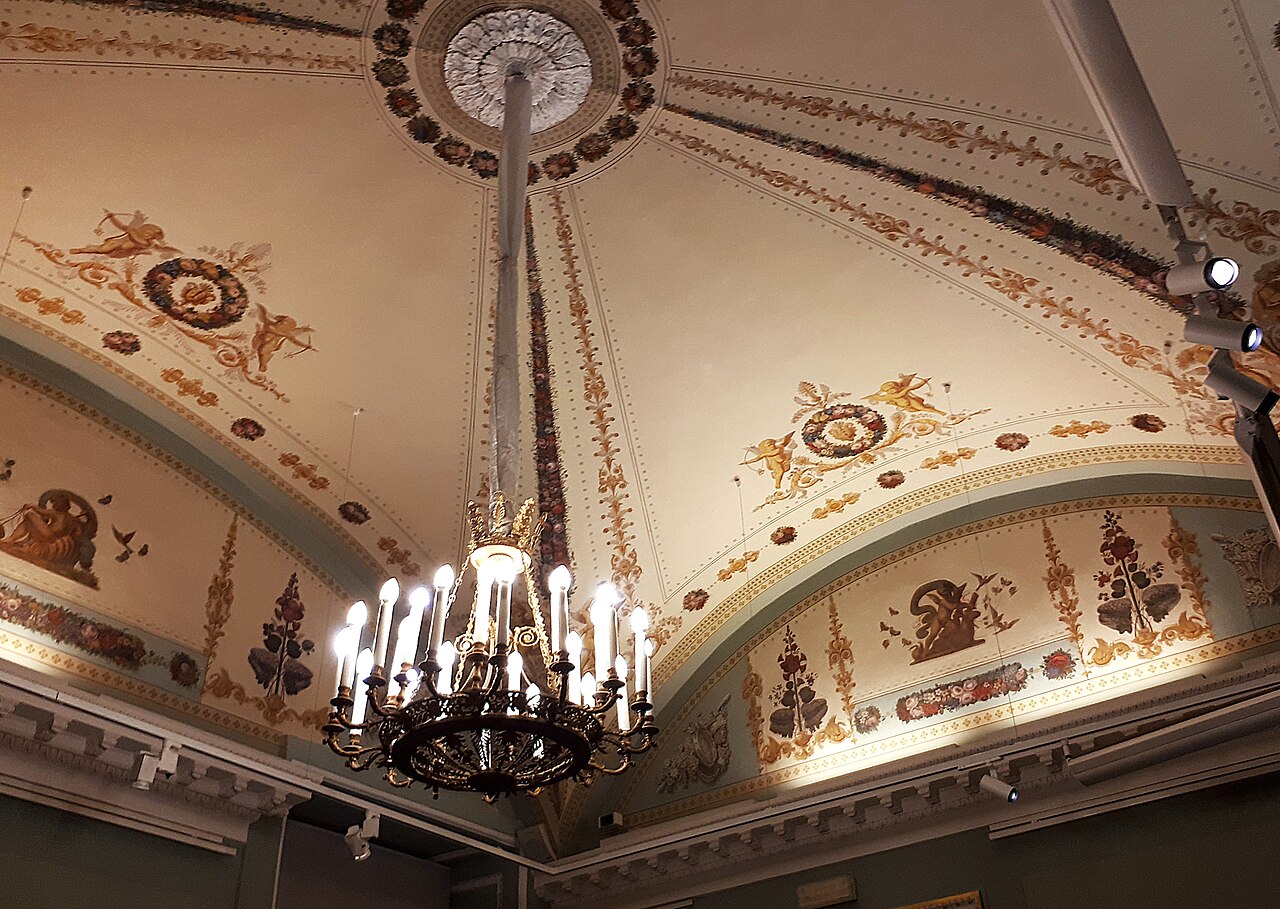
In more recent times Mikhailovsky Castle has become a museum, forming part of the great Russian Museum and opening its doors to the public. After careful restoration, its interiors now display art and tell the story of the building and the emperor who created it, giving visitors access to a place once sealed off from the world.
The castle is particularly associated with portraiture and historical collections, its grand rooms providing a fitting setting for images of the rulers and figures of the imperial past. Walking through galleries hung with such portraits, within the very walls where so much history unfolded, creates a powerful sense of connection to the people and events of earlier centuries.
The museum role has also allowed the full drama of the castle’s story to be presented to visitors. Exhibits and tours bring to life the building of the fortress, the fears of its creator, and the murder that ended his reign, so that the history is not merely background but a central part of the experience of visiting.
This latest chapter has secured the castle’s place as one of St. Petersburg’s essential sights. Restored, interpreted, and open to all, it stands today as both a work of art and a window into one of the most dramatic episodes of Russian history, its dark story preserved and shared rather than hidden behind defensive walls.
For visitors, the museum setting offers the chance to move at leisure through rooms that were once among the most closely guarded in the empire. Where the emperor once sealed himself away behind moats and drawbridges, anyone may now wander, a quiet reversal that is itself a kind of commentary on the passing of the fears and powers that built the place.
The Courtyard and the Monument to Peter
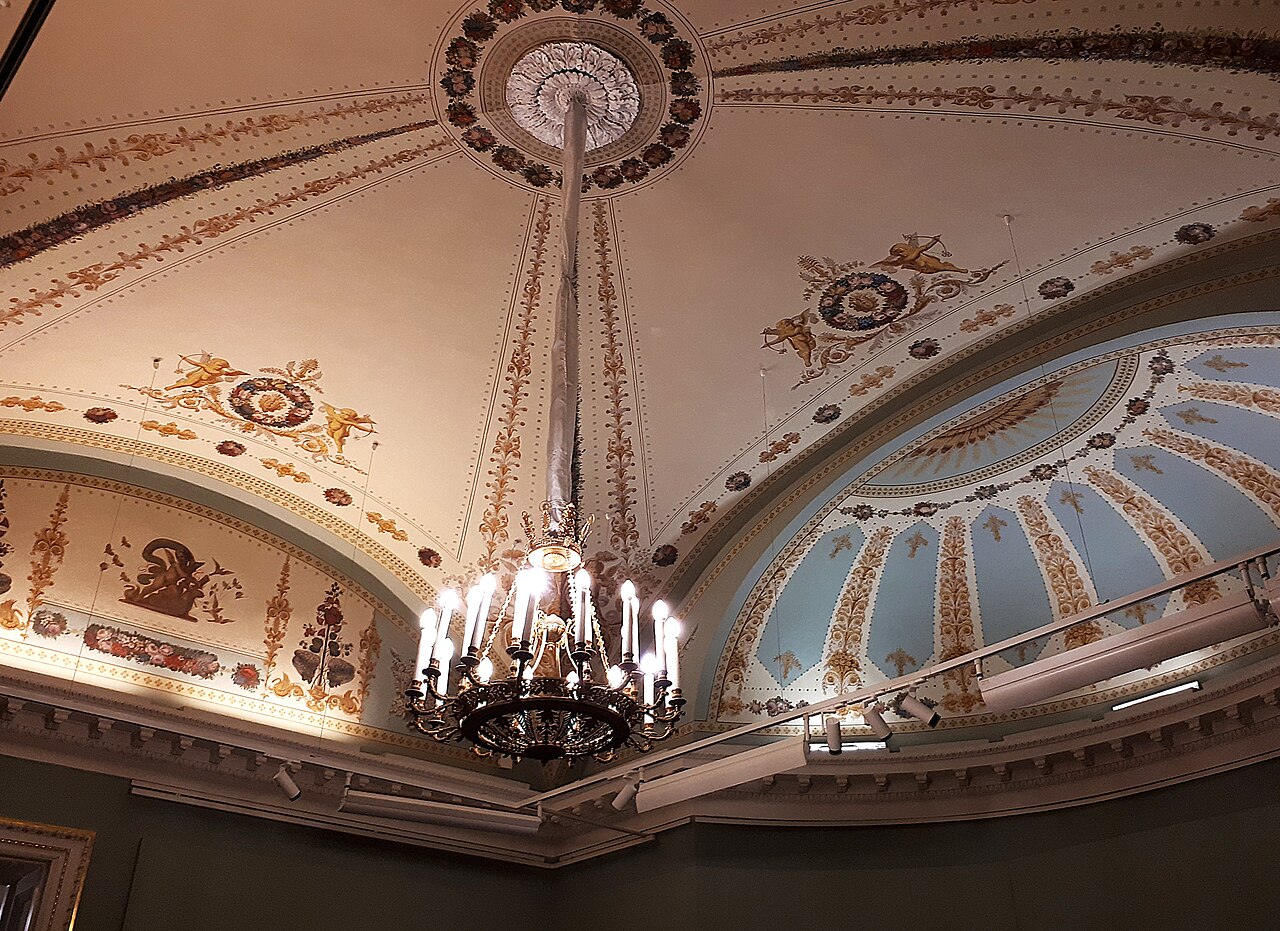
Beyond the famous walls, the castle has an inner world worth seeking out, including its courtyard and the monument that stands before the building. In front of the castle rises an equestrian statue of Peter the Great, placed there on the emperor’s orders, a deliberate link between the new ruler and the founder of the city and the dynasty.
The statue carries its own history and meaning. By setting up a monument to Peter before his fortress, the emperor claimed a connection to the great reforming tsar and to the legitimacy of the imperial line, turning the approach to the castle into a statement about dynasty and power as much as a work of decoration.
The castle’s courtyard, enclosed within the defensive walls, formed the private heart of the complex, a protected space at the center of the island fortress. Standing in it, you feel how completely the building turned inward, creating a sealed world for its anxious owner, shut off from the city that surrounded it on every side.
Exploring these spaces completes the picture of the castle as a self-contained universe. From the monument that framed its public face to the courtyard hidden at its core, every element was designed to serve the vision of a single ruler, and together they help you grasp the scale of his ambition and the depth of his fears.
The Castle on Film

Because so much of Mikhailovsky Castle’s power lies in its atmosphere, a video walkthrough is a fine way to appreciate it before or after a visit. On film you can take in the striking red walls, the different facades, and the grand interiors, and get a sense of how the building sits within the city it once held at a wary distance.
As you watch, keep the castle’s story in mind, the fearful emperor, the island fortress, the forty days, and the murder. Seeing the rooms and the setting while knowing what happened there gives the footage a charge that pure architecture alone would not carry, and helps you feel the strange blend of beauty and dread that defines the place.
Video also helps convey the scale and the restored splendor of the interiors, which can be hard to picture from descriptions. Following a camera through the recovered state rooms and the castle church, you gain a vivid sense of the world the emperor built and so briefly inhabited, before his fortress became first a school and then a museum.
Visiting Mikhailovsky Castle Today
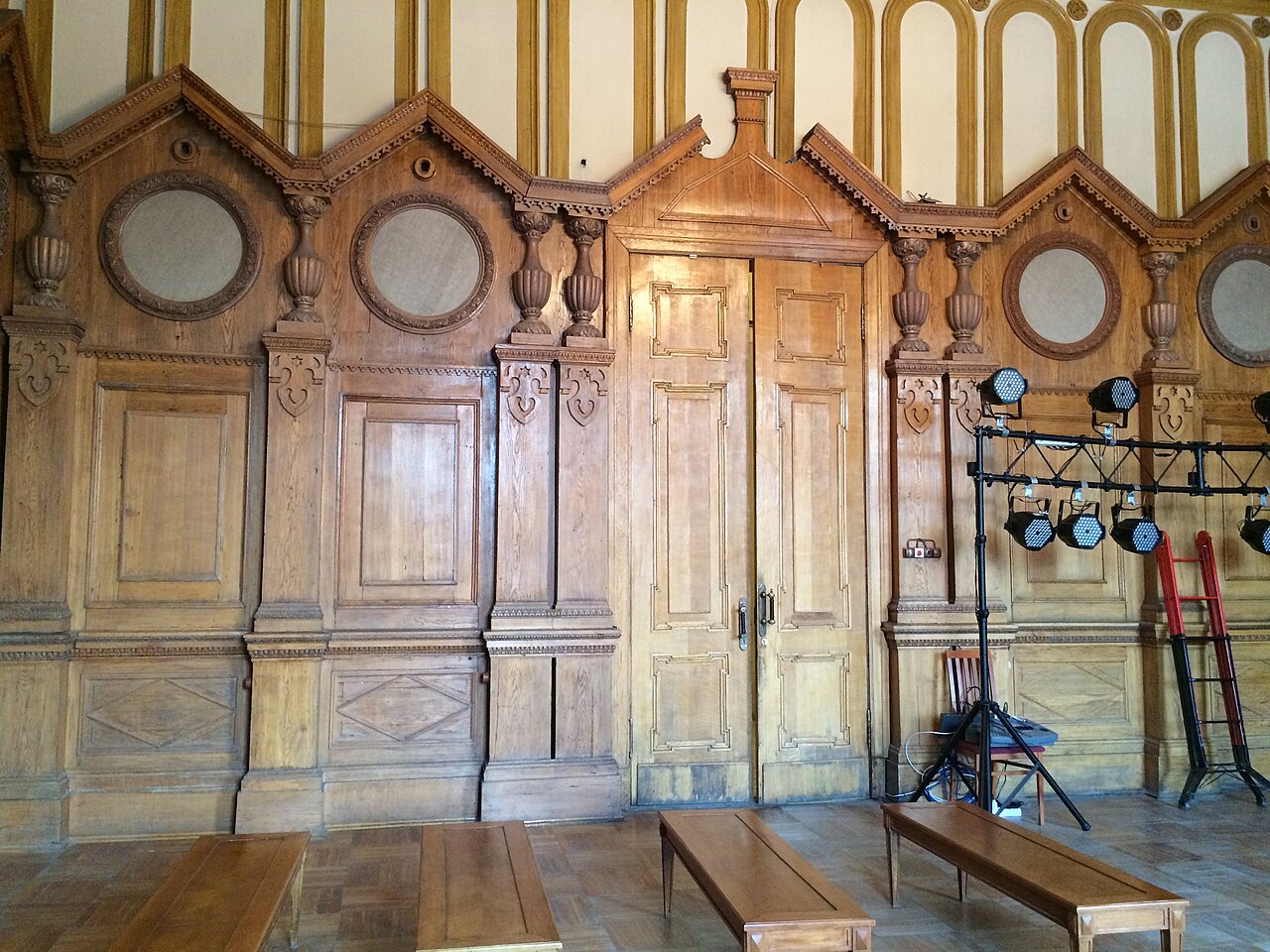
Today Mikhailovsky Castle is open to visitors as part of the Russian Museum, standing conveniently in the center of St. Petersburg within easy reach of many other major sights. You can tour the restored interiors, see the collections, visit the castle church, and learn the dramatic story of the emperor and his short-lived fortress.
Its central location makes it easy to include in a day of exploring the city on foot, and it pairs naturally with nearby museums, gardens, and palaces. Because it is part of a larger museum organization, it is worth checking current opening hours and ticketing arrangements before you visit, especially if you plan to see several related sites.
Give yourself time to appreciate both the architecture and the history. The building rewards slow looking, from the famous red walls outside to the grand rooms within, and knowing the story of its creation and the murder at its heart transforms a simple museum visit into an encounter with one of the most haunting episodes of imperial Russia.
You will find the castle in central St. Petersburg near the Summer Garden; see the map below to help plan your route: see the map below. Whether you come for the striking architecture, the dark and dramatic history, or the art it now holds, Mikhailovsky Castle offers an experience unlike any other palace in the city, a fortress of fear turned into a place of beauty and memory.
If you are interested in the darker and stranger corners of Russian history, few places reward a visit as richly as this one. The combination of striking architecture, a vivid and terrible story, and fine collections makes Mikhailovsky Castle far more than a routine stop, and many visitors find it one of the most memorable buildings in a city full of palaces.
View the location on Google Maps
Palaces Nearby
If you are exploring the grand city palaces of Saint Petersburg, these two pair naturally with a visit here:
You May Like
Konopiste the Bohemian Castle of a Doomed Archduke


One thought on “Mikhailovsky Castle, the Red Fortress Where an Emperor Died in Forty Days”