
Bold, brash, and impossible to ignore, the Centre Pompidou is one of Paris’s most distinctive buildings and home to Europe’s largest museum of modern and contemporary art. With its skeleton worn on the outside — a riot of colorful pipes and tubes — it was revolutionary and controversial when it opened in 1977, and remains a landmark of modern architecture. Inside, it houses an outstanding collection of 20th- and 21st-century art.
A Building Turned Inside Out
Designed by architects Renzo Piano and Richard Rogers, the Centre Pompidou broke every rule. All the things normally hidden inside a building — the pipes, ducts, escalators, and structural supports — were placed on the outside and color-coded (blue for air, green for water, yellow for electricity, red for movement). This freed up vast, flexible exhibition spaces within, and created an instantly recognizable, much-debated icon.
The Modern Art Collection
The heart of the Pompidou is the Musée National d’Art Moderne, whose collection spans the great movements of modern art. Here you can see works by Picasso, Matisse, Kandinsky, Pollock, Warhol, and countless others, charting the journey from Fauvism and Cubism through to contemporary installations. It’s a thrilling overview of how art transformed over the last century.

More Than a Museum
The Centre Pompidou has always been conceived as a lively cultural hub, not just a gallery. It houses a major public library, spaces for cinema and performance, and a constant program of bold temporary exhibitions. The lively square in front, often filled with street performers, is a destination in its own right and a great place to people-watch.
The View from the Top
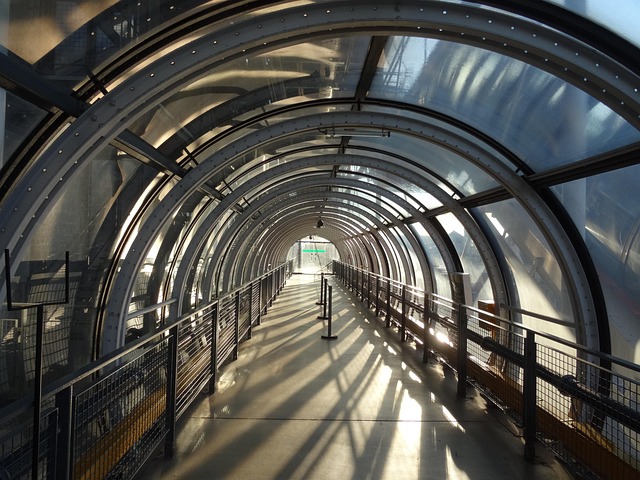
One of the Pompidou’s great pleasures is riding the external escalators that snake up the front of the building inside transparent tubes. As you ascend, a superb panorama of Paris unfolds, and the top floor offers one of the best free-feeling city views, taking in landmarks across the rooftops.
Planning Your Visit
Important: the Centre Pompidou has begun a major multi-year renovation and is expected to be largely closed for several years, with parts of its collection touring other venues in the meantime. Before planning a visit, check the latest status and what’s currently open. The building stands in the Beaubourg area near Rambuteau and Châtelet stations, within easy walking distance of Le Marais and Notre-Dame.
More Paris guides: explore the full Paris Travel Guides series.


