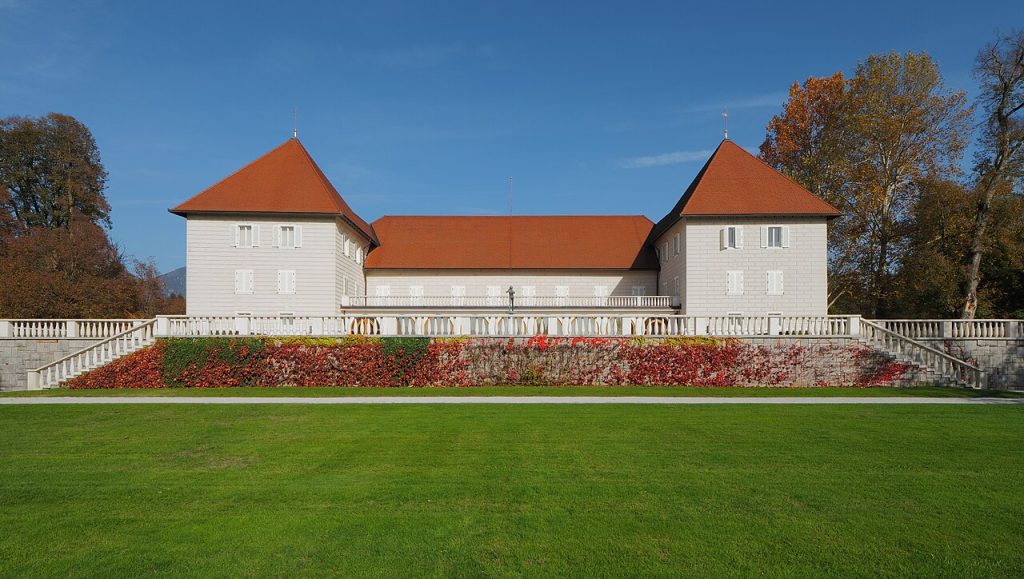
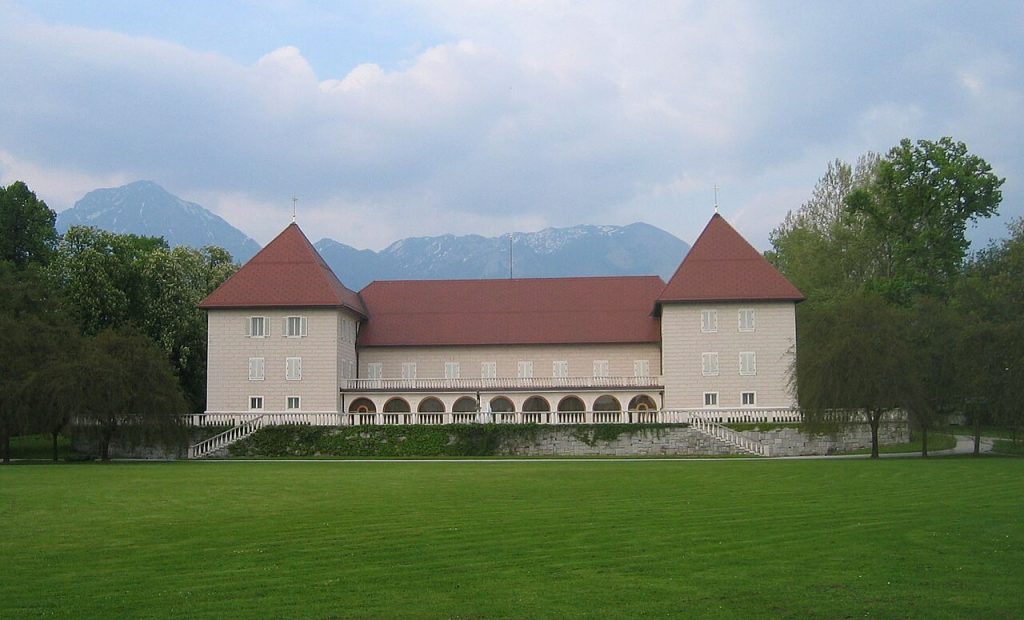
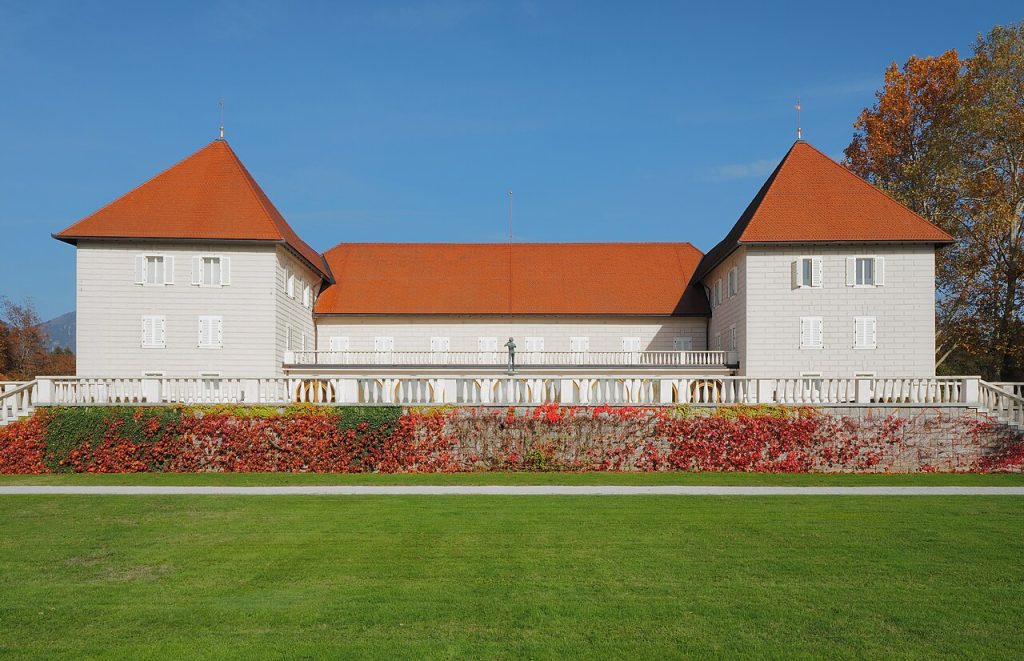
Twenty minutes north of Ljubljana, on the edge of the Alpine foothills above Kranj, a white Renaissance manor with four corner towers sits in a park of lakes, meadows and old oaks that covers five hundred hectares. This is Brdo pri Kranju, Brdo Castle, the protocol estate of the Republic of Slovenia, where every visiting head of state since independence has been received, where the European Union held its summits during Slovenia’s presidencies and where the leaders of the western Balkans meet each year in the Brdo-Brijuni process. It is the country’s Camp David and its Chequers, and it is open, in a controlled way, to the public.
The house was built in 1510 by the Egkh family, passed in the eighteenth century to the Zois, iron barons and patrons of the Slovenian enlightenment, was bought in 1935 by Prince Paul of Yugoslavia as a summer residence, and after 1945 became the favourite country house of Josip Broz Tito, who hunted in the park and entertained Nikita Khrushchev, Haile Selassie and a long list of other guests here. The Slovenian state inherited it in 1991 and has kept it as the stage on which the small new country meets the world.
Walk the park with me from the gate to the lakes and the house, with the Zois, the prince, the marshal and the summits in order. The contents are below.
In This Article
- A Park Below the Alps
- 1510: The Egkh Build a Manor
- The Zois Family and the Iron Fortune
- Žiga Zois and the Slovenian Enlightenment
- The Nineteenth Century and a Changing Estate
- Prince Paul Buys a Summer Home
- War and Confiscation
- Tito’s Favourite House
- Khrushchev, Haile Selassie and the Guest List
- 1991: The State’s Protocol Estate
- EU Presidencies and the Brdo-Brijuni Process
- The Rooms and the Art Collection
- Lakes, Horses and the Open Park
- Brdo on Video
- Visiting Brdo Castle Today
- Palaces Nearby
A Park Below the Alps
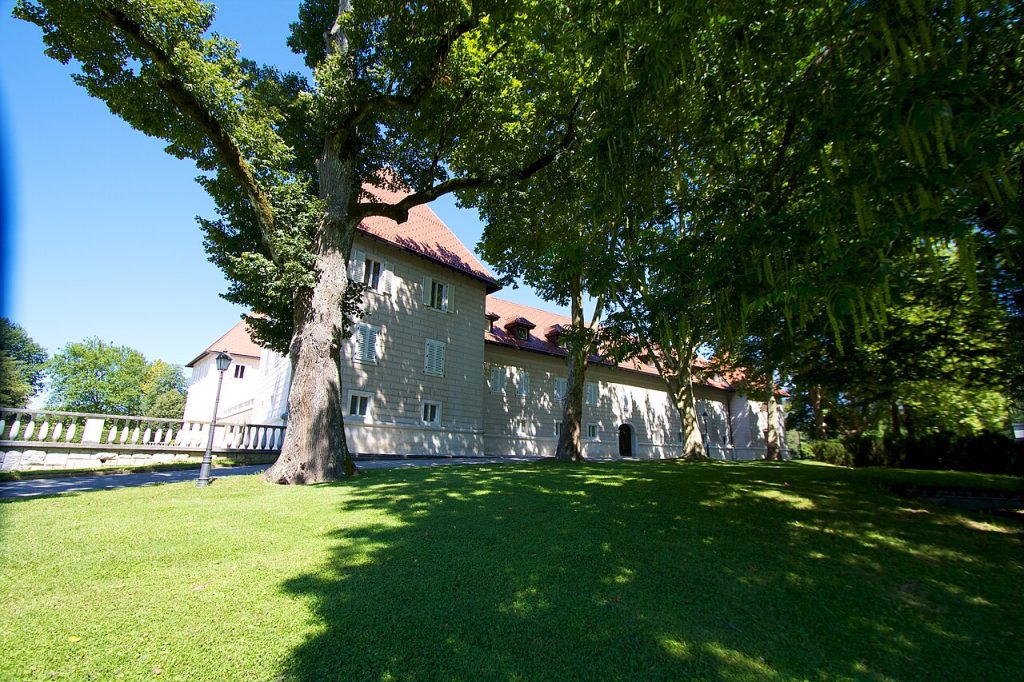
The Brdo estate lies between Kranj and the village of Predoslje, on a gently rolling terrace above the Sava plain with the Kamnik-Savinja Alps as its backdrop. The park, which is enclosed by a wall and fence, covers about five hundred hectares of meadow, oak and spruce forest and eleven artificial lakes made over the centuries for fish, mills and ornament. The house stands at the centre on a slight rise, white and square with its four towers, and the long approach from the gate runs between lawns and old trees.
Now, stop here at the gate and look along the drive. The house is small for a royal residence and modest for a presidential one, and that is the point: Brdo has always been a country retreat rather than a seat of power, chosen by princes and marshals for its quiet. The mountains close the view to the north, and the lakes lie in the hollows to either side.
1510: The Egkh Build a Manor
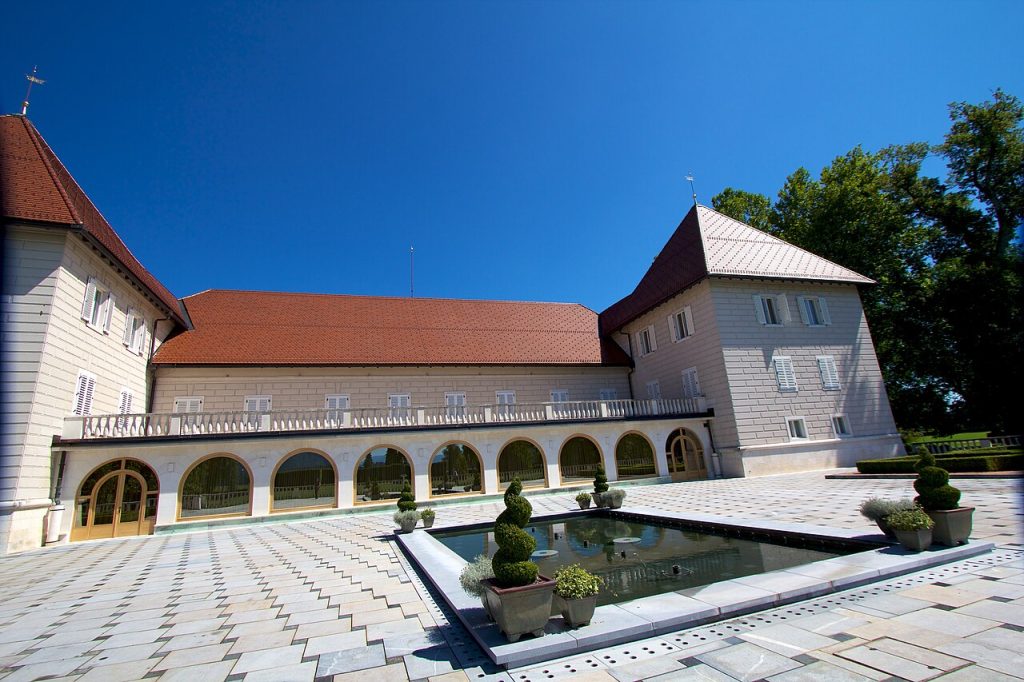
The manor was built in 1510 by the Egkh, a noble family of Carniola who held land around Kranj, as a square Renaissance house with a tower at each corner, an arcaded courtyard and a moat, more a fortified country residence than a castle. The plan survives: the house you see is still the Egkh square with its towers, though the moat has gone and the windows and roofs have been altered many times. A small chapel and farm buildings stood beside it, and the first fishponds were dug in the meadows.
The Egkh held Brdo for more than two centuries. In the eighteenth century, like many Carniolan families, they ran out of heirs or money, and in 1753 the estate was bought by a man whose name would make it famous.
The Zois Family and the Iron Fortune
Michelangelo Zois was a merchant from the Bergamo region who came to Ljubljana, made a fortune trading the iron of the Carniolan foundries to Italy and the Mediterranean, and was made a baron by Maria Theresa. He bought Brdo in 1753 as the country seat of his new barony, enlarged the house, laid out the park in the Baroque manner with avenues and ponds and built a chapel. For the next century and a half the Zois family divided their time between their town palace in Ljubljana and the manor at Brdo, and the name of the estate and the name of the family became one.
The Zois fortune was built on iron, and the foundries of the Upper Sava valley, the mines of the Karavanke and the forges at Bohinj were theirs. Brdo was where the money came to rest, and under Michelangelo’s son it became something more.
Žiga Zois and the Slovenian Enlightenment
Žiga Zois, Sigismund in German, inherited the barony in 1777 and became the central patron of the Slovenian national revival. A mineralogist of European reputation, a collector and a man of enormous culture who spoke most of the languages of Europe, he gathered around him the writers, grammarians and historians who first made Slovenian a literary language: Anton Tomaž Linhart, who wrote the first Slovenian plays and history; Valentin Vodnik, the first Slovenian poet of note; Jernej Kopitar, the great Slavic philologist, who began as Zois’s secretary. He paid for their books, lent them his library and corrected their manuscripts, and the circle met in his Ljubljana palace and at Brdo.
Zois was crippled by gout in his later years and moved around Ljubljana in a wheeled chair of his own design, but he never stopped working, and the mineral zoisite is named after him. Now, stop here in the salon and think of the small group of men who, in rooms like this, decided that a peasant language could become a literature.
The Nineteenth Century and a Changing Estate
Žiga Zois died childless in 1819 and the barony passed to his nephews, who ran Brdo as a model agricultural and forestry estate through the nineteenth century while the iron fortune slowly declined under competition from the great works of Styria and Bohemia. The park was replanted in the English manner with specimen trees, the lakes were stocked with fish and the farm was known for its cattle and horses. The house was modernised but not greatly changed, and the family kept it until the twentieth century.
After the First World War Carniola became part of the new Kingdom of Yugoslavia, the Zois were an Austrian family in a South Slav state and the estate’s future was uncertain. In 1935 the family sold it, and the buyer was a prince.
Prince Paul Buys a Summer Home
Prince Paul Karađorđević, cousin of King Alexander of Yugoslavia, became regent for the boy king Peter II after Alexander’s assassination in Marseille in 1934, and in 1935 he bought Brdo as a summer residence for his family. Paul was an Oxford-educated aesthete and art collector, married to Princess Olga of Greece, and he refurnished the house in the comfortable English country style he loved, hung it with pictures from his collection and brought his family here each summer to escape the heat of Belgrade. The Slovenian mountains reminded Olga of Switzerland, and the children learned to ride in the park.
Paul’s regency ended in March 1941, when he signed the Tripartite Pact with Germany under duress and was overthrown by a coup two days later. He went into exile in Kenya and South Africa, and he never saw Brdo again.
War and Confiscation
Germany annexed Upper Carniola in April 1941 and the Brdo estate, as royal property, was seized by the occupation authorities and used by the Gauleiter and the German administration. The house survived the war without serious damage, though the furnishings were plundered and the park neglected, and the partisans operated in the hills to the north. In 1945 the new communist Yugoslavia confiscated the estate from the exiled prince along with all royal property, and it passed to the federal government.
The question of what to do with it was answered almost at once by the man who now ruled Yugoslavia, who liked hunting, liked the Slovenian Alps and liked a comfortable house.
Tito’s Favourite House
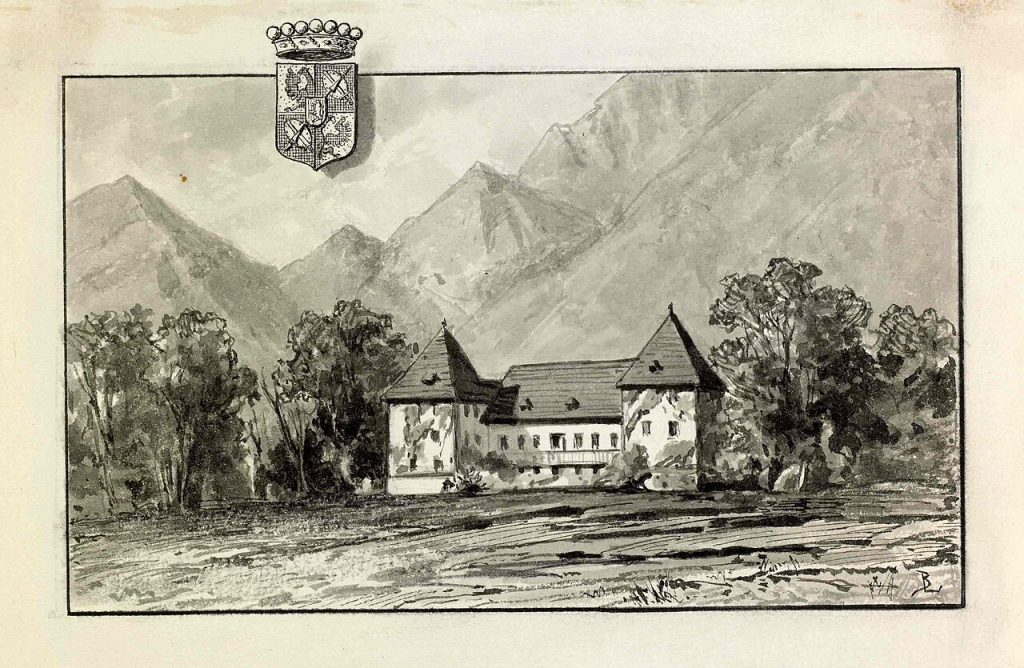
Josip Broz Tito took Brdo as one of his residences in 1945 and came to love it above the others. He hunted deer and pheasant in the park, fished in the lakes, kept horses, planted trees and spent part of almost every year here, often in the early summer before moving to Brijuni on the Adriatic. The house was enlarged with a new wing for guests and staff, a hunting lodge was built in the park and the estate was run as a model farm whose produce supplied the marshal’s table.
The rooms Tito used, with their mid-century furniture, hunting trophies and the desk at which he received reports, have been kept and can be seen on the guided tour, and they are a time capsule of the Yugoslav 1950s and 1960s. Now, stop here in the marshal’s study and remember that the decisions of a non-aligned state of twenty million people were sometimes taken at this desk between a morning’s hunting and lunch.
Khrushchev, Haile Selassie and the Guest List
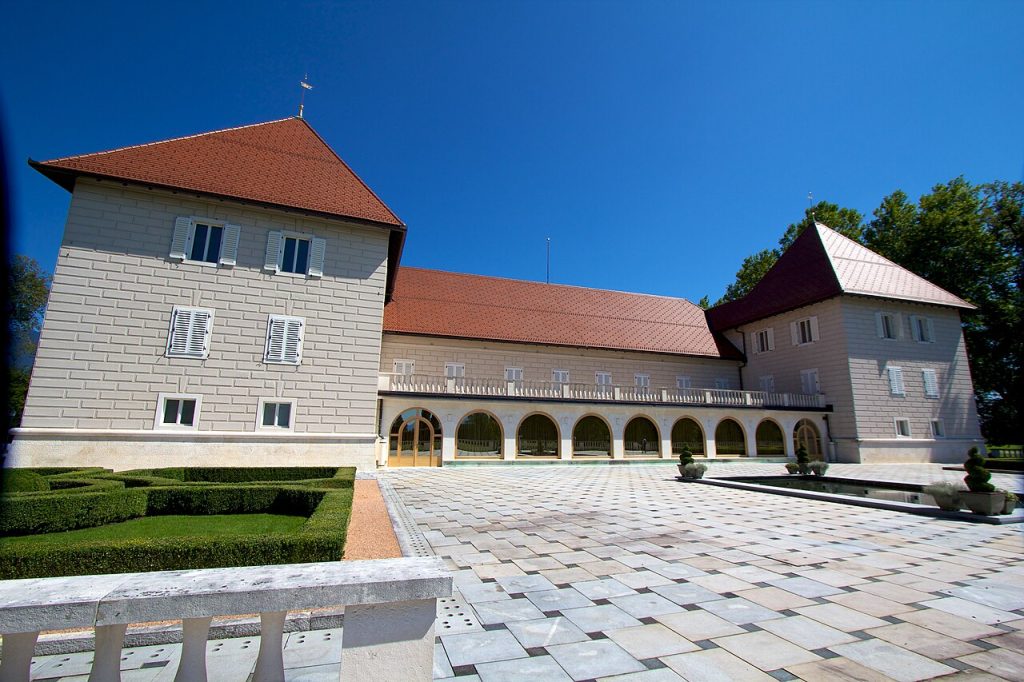
Tito’s guests at Brdo were the guest list of the Cold War’s third way. Nikita Khrushchev came in 1955 on the visit that repaired Soviet-Yugoslav relations after the break of 1948; Emperor Haile Selassie of Ethiopia stayed here; so did presidents and prime ministers from Africa and Asia, the leaders of the non-aligned movement, and a stream of western politicians and businessmen. The guest wing was built for them, and the estate’s horses, boats and hunting were put at their disposal. Photographs of the visits line the corridors.
The house also served the Slovenian republican leadership, which held meetings and receptions here, and in the 1970s a modern congress centre and hotel were built in the park at a discreet distance from the manor, so that the estate could host conferences without disturbing the house.
1991: The State’s Protocol Estate
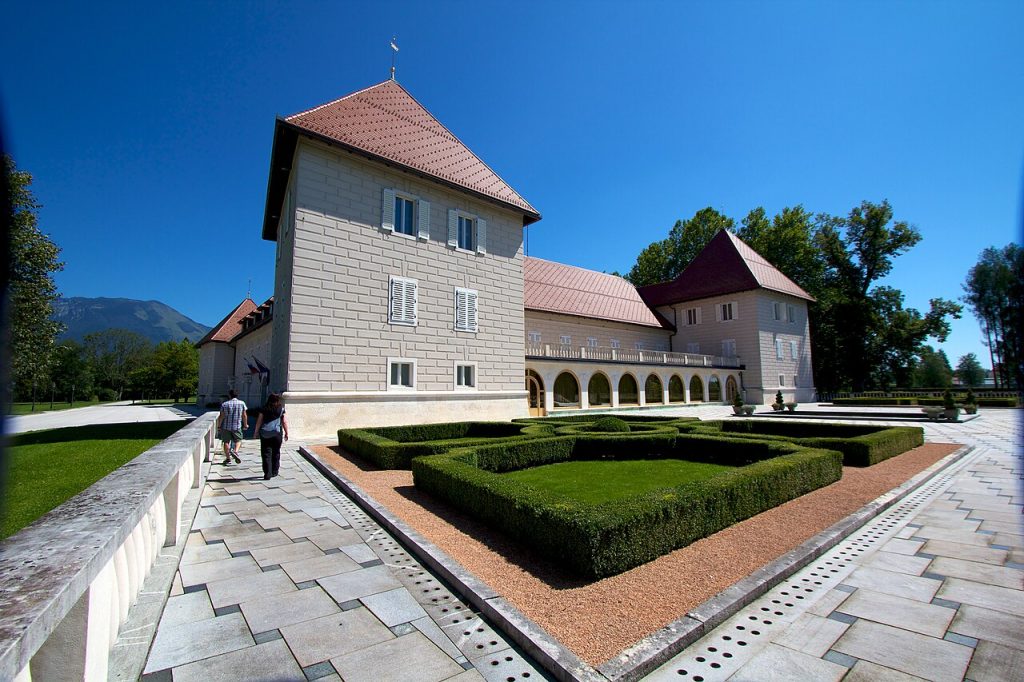
When Slovenia declared independence in June 1991 the Brdo estate passed to the new republic, which made it the official protocol estate of the state, the place where the president, the prime minister and the government receive foreign guests. The house was restored, the park was opened to the public and the hotel and congress centre were rebuilt. Every visiting head of state since 1991 has been received at Brdo, from Pope John Paul II and Queen Elizabeth II to the presidents of the United States, Russia and China, and the state’s grandest dinners are held in the manor’s salons.
The estate also keeps the protocol stud, the presidential carriage horses and the state’s hunting grounds, and the Slovenian national football team trains in the sports centre in the park. It is a small country’s whole ceremonial apparatus in one park.
EU Presidencies and the Brdo-Brijuni Process
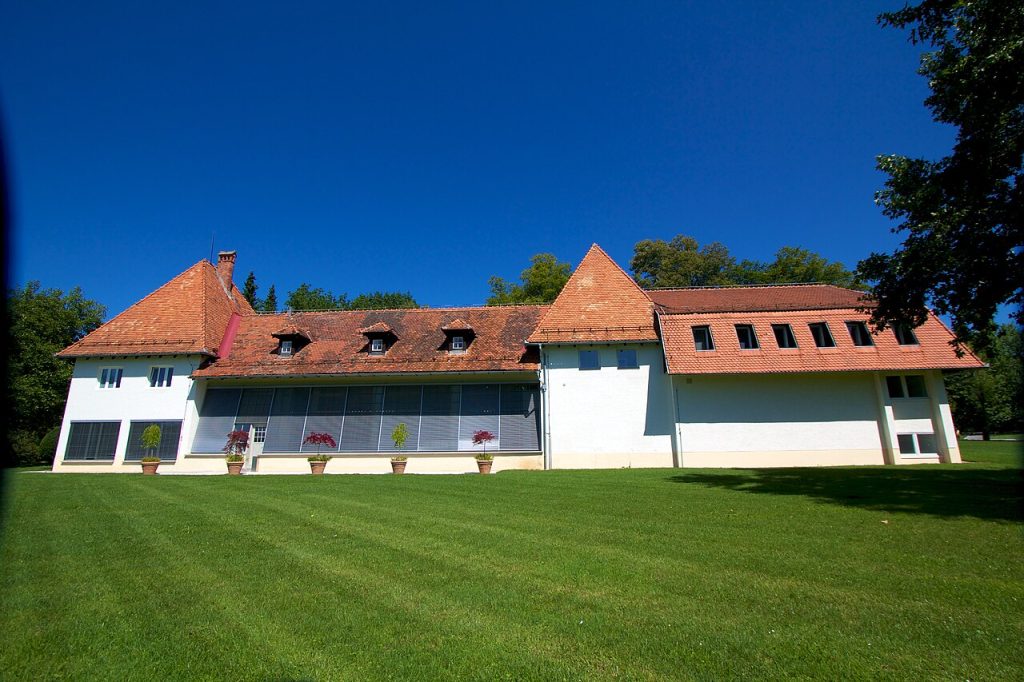
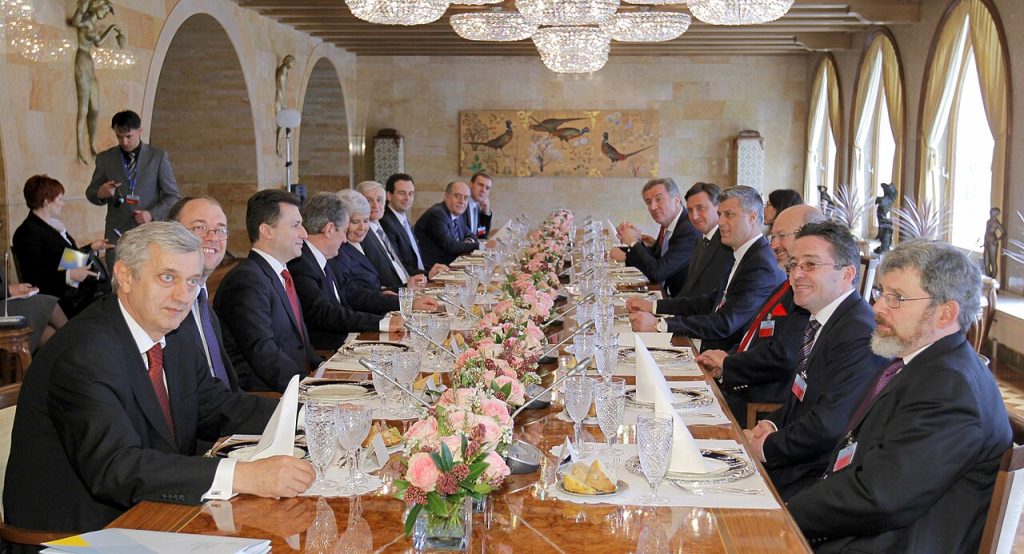
Brdo’s great moments as a diplomatic stage came with Slovenia’s presidencies of the Council of the European Union in 2008 and 2021, when ministers and heads of government of all the member states met in the congress centre and dined in the manor; the 2021 EU-Western Balkans summit was held here, as was the 2008 EU-Russia summit with Dmitry Medvedev. Since 2013 the estate has also been one of the two homes of the Brdo-Brijuni process, the annual meeting of the presidents of Slovenia, Croatia and the western Balkan states that alternates between here and Tito’s old island retreat at Brijuni.
The house works for these events because it is small and private: leaders can walk in the park, talk on the terrace and dine in a room that seats forty, and the security perimeter is the estate wall. Now, stop here on the terrace and look at the lawn where the summit photographs are taken, with the Alps as the backdrop every photographer wants.
The Rooms and the Art Collection
The manor’s rooms are a layered collection: Renaissance vaults from the Egkh house, Baroque stuccoes from the Zois, English furniture from Prince Paul, mid-century pieces from Tito and a state collection of Slovenian painting from the nineteenth and twentieth centuries assembled since 1991, with works by Ivana Kobilca, Rihard Jakopič and the Impressionists of the Ljubljana school. The chapel keeps its Baroque altar. The guided tour covers the ground-floor salons, the dining room where state dinners are held, the marshal’s rooms and the chapel.
The collection is not large, but it is chosen to tell the country’s story to foreign guests, and the tour explains who sat where and what was decided, which gives the small rooms an interest out of proportion to their size.
Lakes, Horses and the Open Park
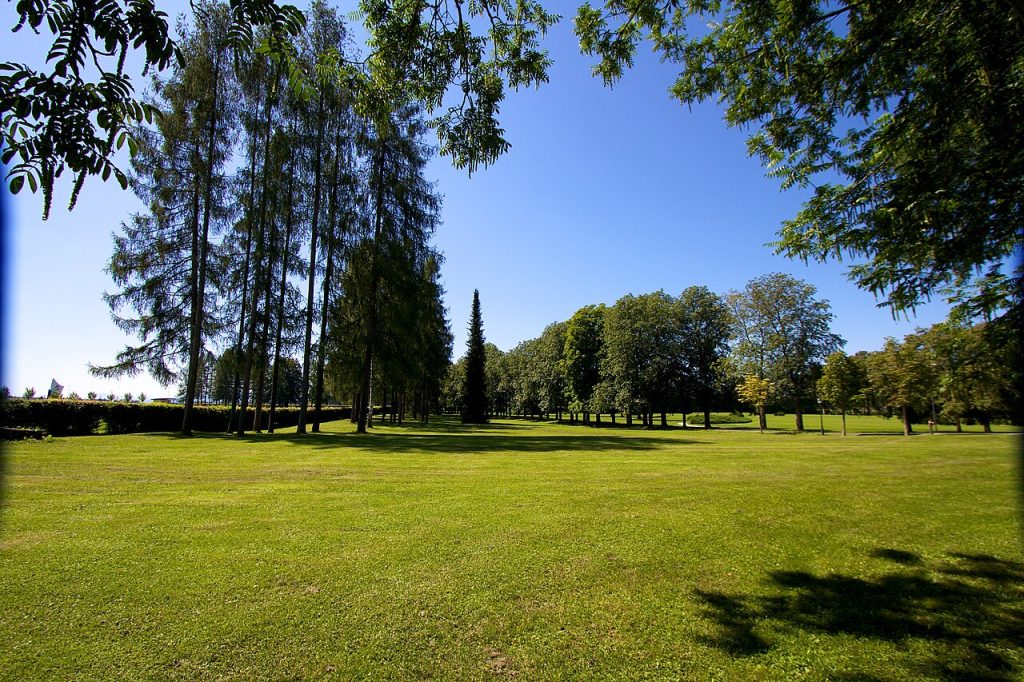
The park is open to walkers and cyclists on marked paths that lead between the lakes, through the oak forest and along the old Zois avenues, with the house visible at the centre and the Alps on the skyline. The lakes hold fish and water birds, the meadows are grazed by the estate’s cattle and the protocol stud’s Lipizzaner and carriage horses can be seen in the paddocks. The hotel and restaurant in the park are open to the public, and the estate hosts concerts, a summer festival and horse events.
Now, stop here on the dam of the largest lake and look back at the house across the water. The Egkh built it for quiet, the Zois for culture, Prince Paul for summer and Tito for hunting, and the republic has kept it for the quiet that makes diplomacy possible. It is the most relaxed seat of state power in Europe.
Brdo on Video
Before you plan your trip, take a few minutes to see Brdo Castle in motion. The video below gives a good sense of the setting, the scale of the buildings and the atmosphere of the grounds.
Visiting Brdo Castle Today
The Brdo park is open daily to the public free of charge, except during state events, when all or part of the estate may be closed at short notice; check before travelling. The manor itself is visited only on guided tours, which must be booked in advance through the estate and run on set days, and which cover the salons, the marshal’s rooms and the chapel in about an hour. The hotel, restaurant and café in the park are open daily, and the estate hires bicycles and organises carriage rides in season.
Brdo is twenty-five minutes north of Ljubljana and ten minutes from Kranj by car, with a bus from Kranj to Predoslje; Ljubljana airport at Brnik is a few minutes away. Bled is half an hour to the north-west and Ljubljana Castle half an hour to the south. Here is the exact spot: Brdo Castle on Google Maps.
Palaces Nearby
If you have enjoyed this palace, the region holds more remarkable residences. Here are two more well worth adding to your journey:
You May Like
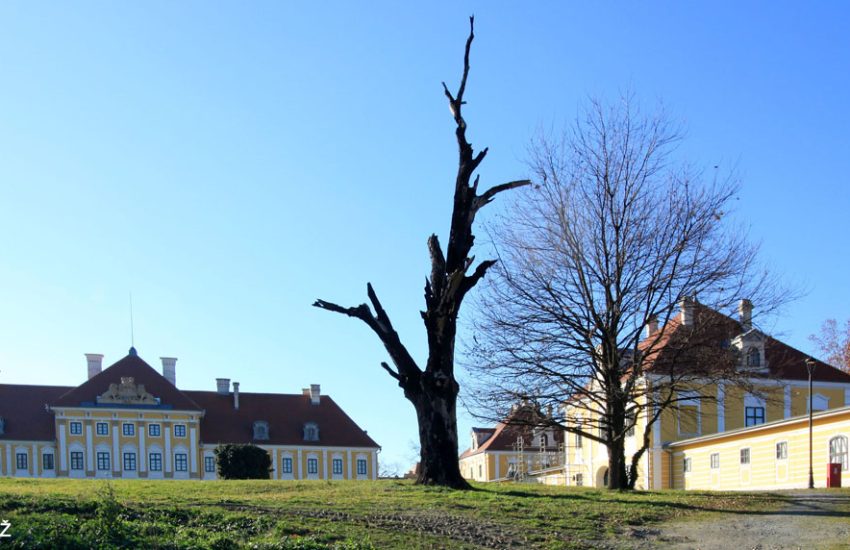
Eltz Manor in Vukovar and the Palace That Rose From the Rubble