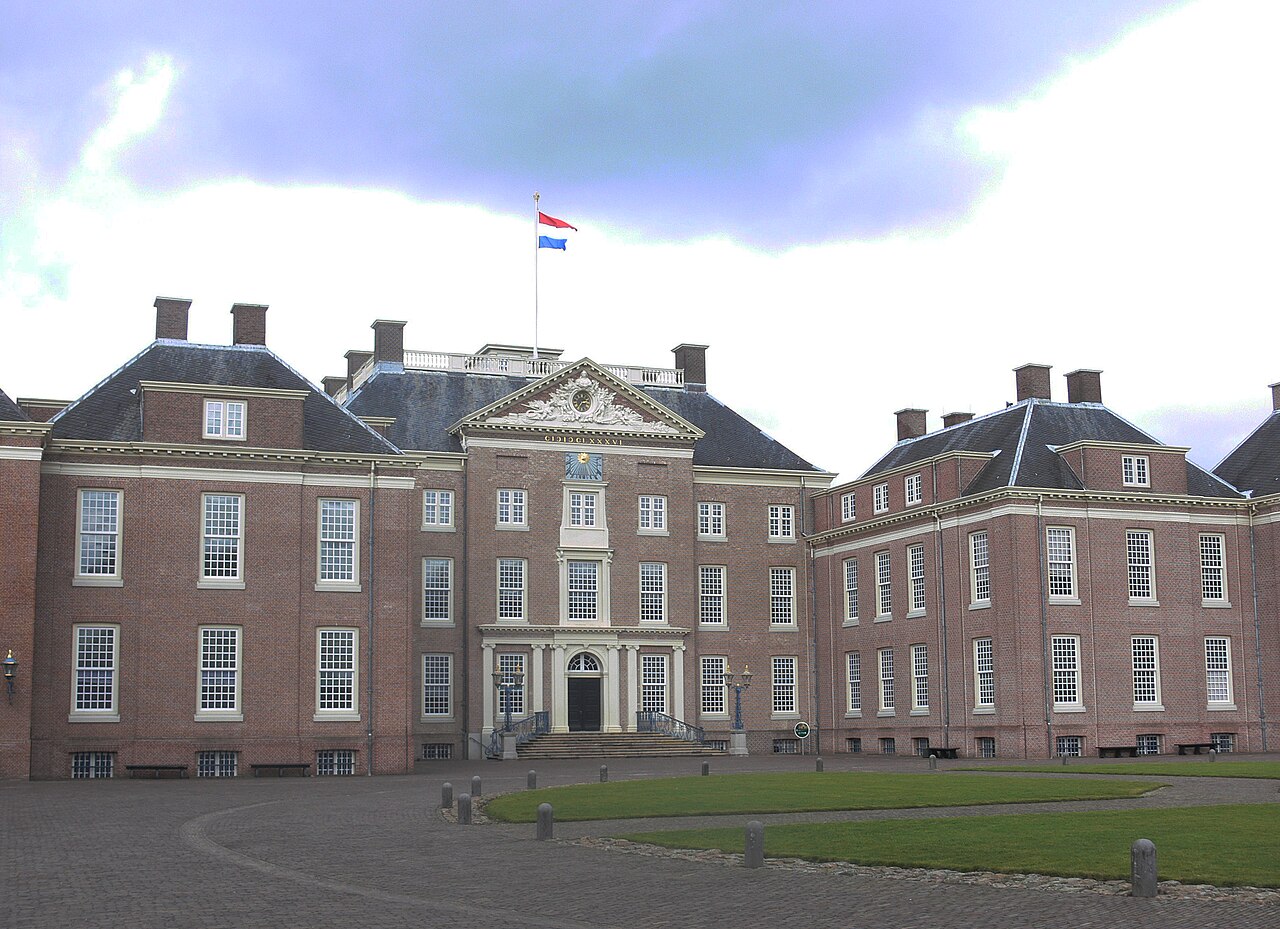
In the wooded countryside near the Dutch town of Apeldoorn stands a palace that has been called the Versailles of the Netherlands. Het Loo, built in the seventeenth century for the great prince of the House of Orange who would also become King of England, is a masterpiece of Dutch Baroque architecture, and behind it lie some of the most magnificent formal gardens in Europe, restored in our own time to their original splendour after centuries of change.
For three hundred years Het Loo was a residence of the House of Orange-Nassau, the dynasty at the heart of the Dutch nation, from the stadtholders who led the young republic to the kings and queens of the modern Netherlands. Generations of the royal family lived, hunted, and relaxed here, until the last royal resident died in the twentieth century and the palace passed to the nation as a museum.
Its story is bound up with one of the most famous royal couples in history, the prince and princess who together took the thrones of England, Scotland, and Ireland, and who built Het Loo as their beloved country retreat. Today, restored and renewed, the palace and its recreated Baroque gardens offer one of the finest windows anywhere into the world of seventeenth-century royalty. In the sections that follow you will get to know the palace, its gardens, the dynasty that built it, and its long life as a royal home and a museum.
In This Article
- A Palace and Its Gardens
- The House of Orange
- The Prince Who Became a King
- Building a Dutch Baroque Retreat
- Red Brick and Elegant Symmetry
- The Magnificent Formal Gardens
- Gardens Lost and Found
- Inside the Royal Rooms
- Three Centuries of a Royal Home
- From Royal Home to National Museum
- Stables, Carriages, and Treasures
- The Palace and Gardens on Film
- Visiting Het Loo Today
A Palace and Its Gardens
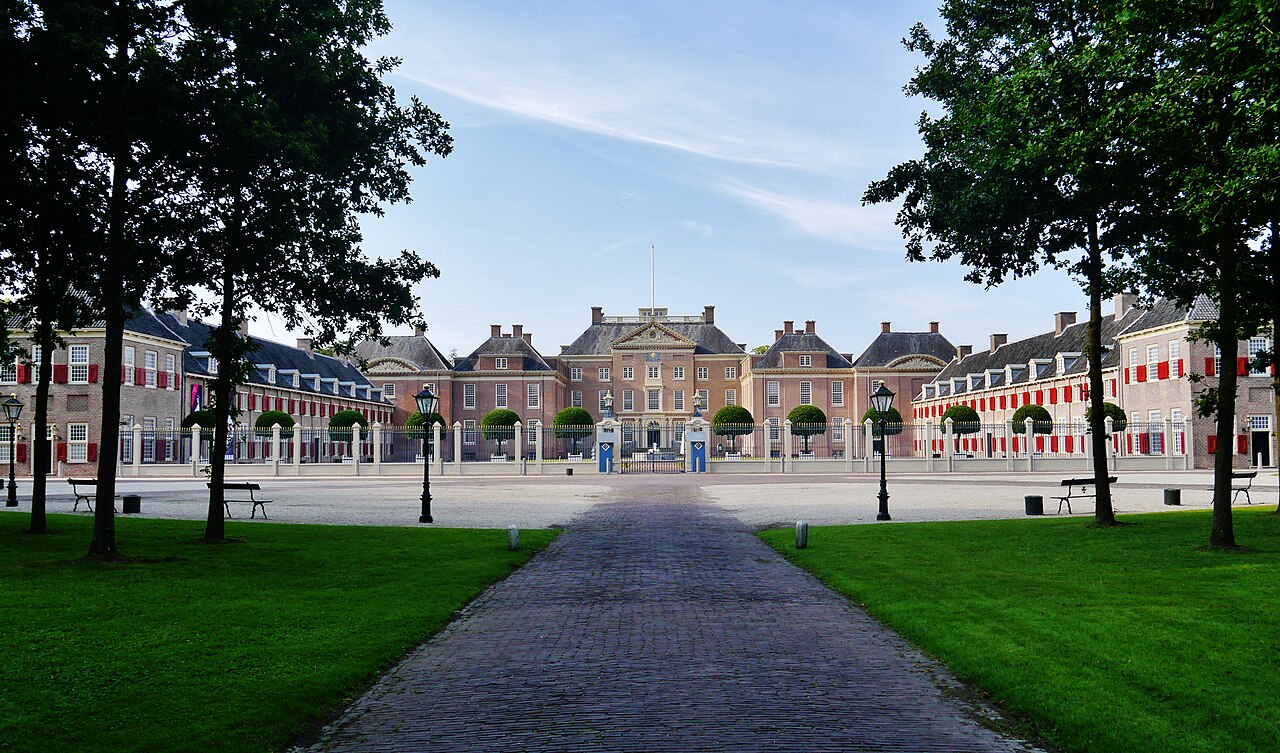
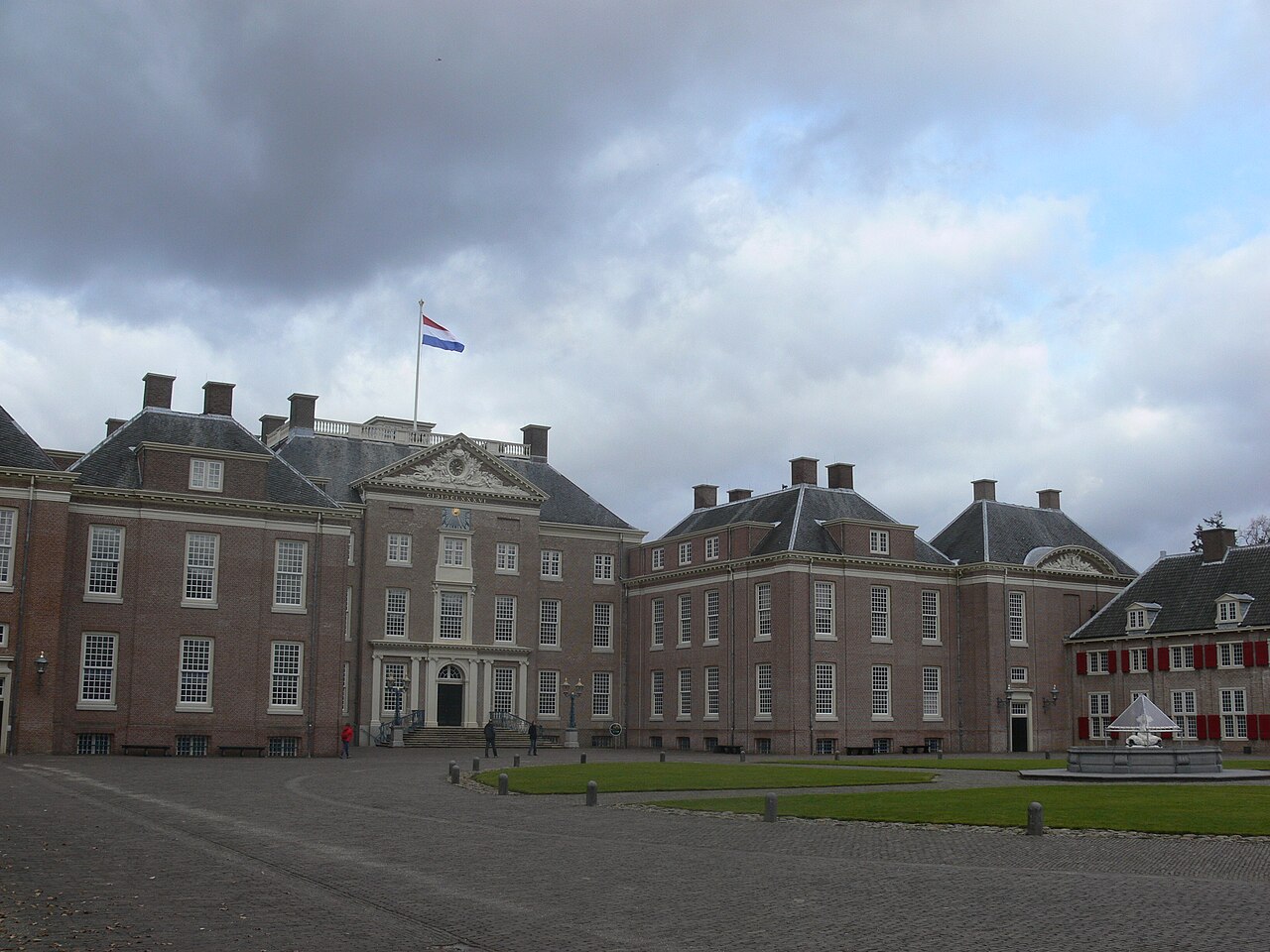
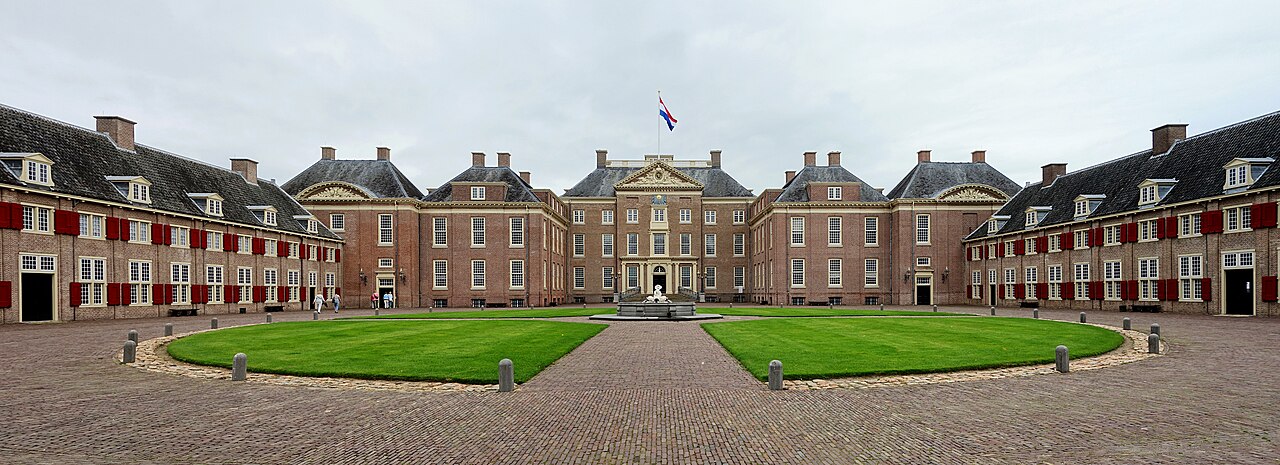
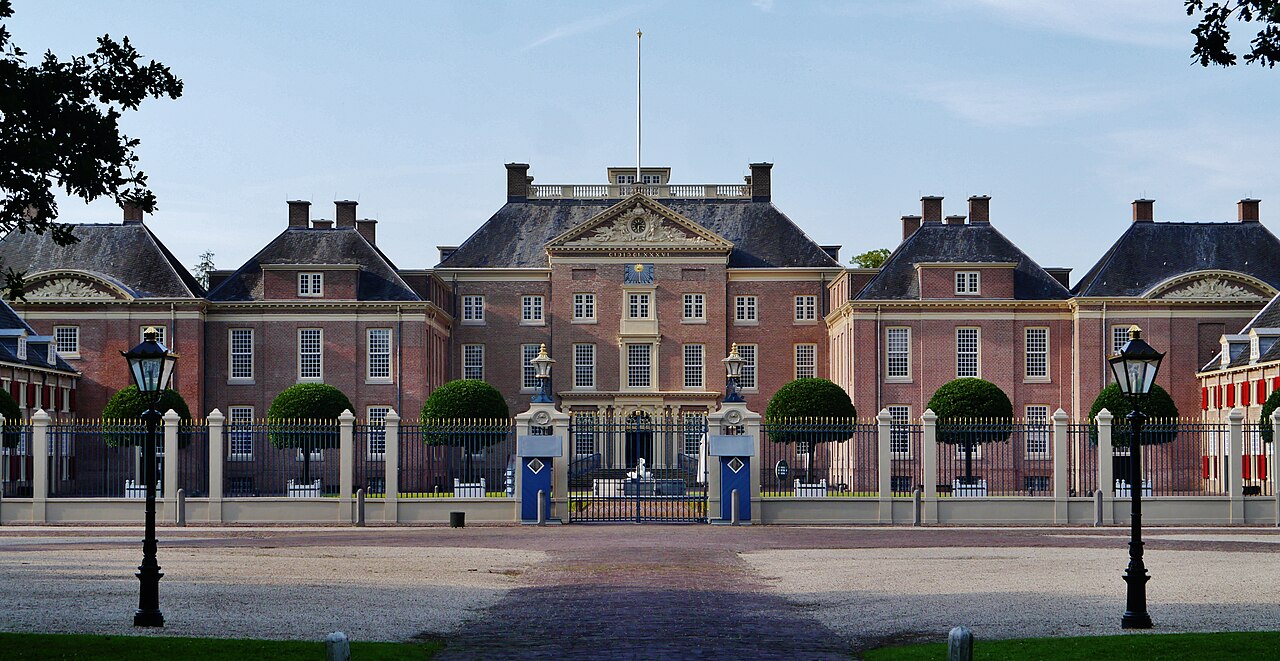
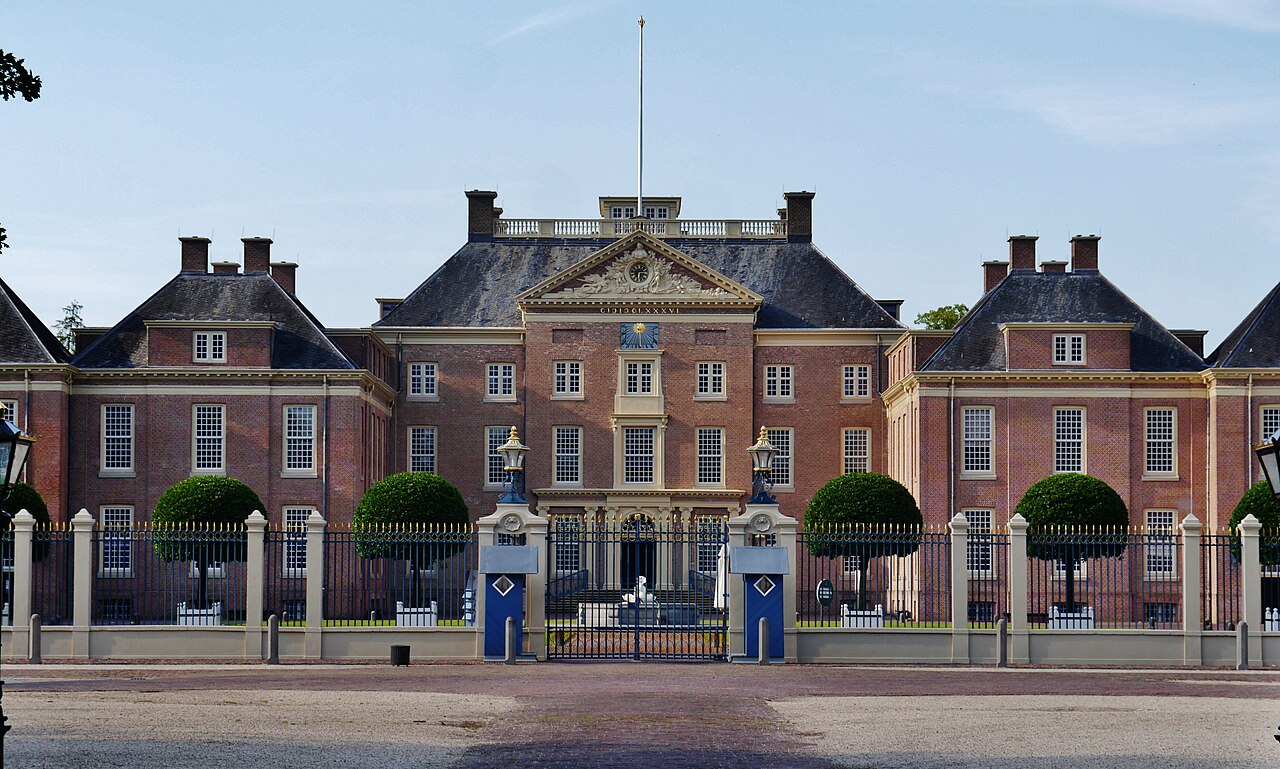
Het Loo presents itself as a dignified, symmetrical palace of warm red brick with white trim, its central block flanked by curving wings that reach out to embrace a forecourt. Elegant rather than overwhelming, it has the character of a grand country residence, a place built for retreat and pleasure as much as for state, set among the woods and heaths of the central Netherlands.
But the true glory of Het Loo lies behind the palace, in its gardens. Stretching out from the rear facade is a great formal Baroque garden, laid out with geometric precision in patterned parterres, gravel walks, clipped hedges, statues, and fountains, a masterpiece of seventeenth-century garden design that is one of the finest of its kind in Europe. The palace and the garden together form a single grand composition.
The relationship between the house and the garden is central to the whole conception. The palace looks out over the gardens, and the gardens are designed to be seen from the palace, so that architecture and landscape are united in a single ordered vision, the geometry of the parterres continuing the symmetry of the building out into the green. It is Baroque design at its most complete.
To arrive at Het Loo is thus to encounter not just a palace but a total work of art, a harmonious union of building and garden in the grand manner of the age. Set in its wooded surroundings, the red-brick palace and its formal gardens make one of the most beautiful royal ensembles in the Netherlands, and a superb example of the taste and ambition of the seventeenth century.
It is a place where the pleasures of architecture and of gardening meet as equals.
The House of Orange
Het Loo is inseparable from the House of Orange-Nassau, the dynasty that has stood at the centre of Dutch history for centuries. The family rose to prominence as leaders of the Dutch struggle for independence, and its princes served as stadtholders, the leading officials and effective heads of the Dutch Republic, guiding the young nation through war and into its golden age.
Over time the family’s position evolved, and in the modern era the House of Orange-Nassau became the royal family of the Kingdom of the Netherlands, providing its kings and queens down to the present day. Through all these changes, the dynasty has remained the embodiment of Dutch nationhood, its name woven into the identity, the flag, and the history of the country.
Het Loo was one of the family’s cherished residences, a country palace where generations of the House of Orange lived and relaxed away from the cares of state. Built by one of the greatest princes of the line, it remained in royal use for three centuries, so that its rooms and gardens witnessed the whole later history of the dynasty, from the age of the stadtholders to that of the modern monarchy.
To understand Het Loo is thus to understand the House of Orange, for the palace is one of the great monuments of the dynasty. It reflects the family’s rise, its tastes, and its long connection with the Dutch nation, and it stands today as a place where the story of the House of Orange-Nassau, and with it much of the story of the Netherlands, can be encountered in stone, brick, and garden.
The colour orange itself, worn by Dutch crowds at national celebrations, carries the family’s name into the everyday life of the nation, so that the dynasty is present in Dutch identity in a way few royal houses can match.
The Prince Who Became a King
Het Loo was built by one of the most remarkable figures of his age, the prince of Orange who served as stadtholder of the Dutch Republic and who would go on to become one of the most famous kings in European history. Together with his wife, he created Het Loo as their country retreat, and their partnership is written into the very fabric of the palace and its gardens.
This prince and princess became, through one of the great turning points of history, the joint sovereigns of England, Scotland, and Ireland, invited to take the thrones in a momentous change of regime. They reigned together as king and queen, a rare example of a genuinely joint monarchy, and their names are permanently linked in the history of both the Netherlands and the British Isles.
Even as they took on the crowns across the sea, Het Loo remained their beloved Dutch home, and the palace reflects the taste that the royal couple made famous, a distinctive style of decoration and design associated with their reign. The palace and its gardens are among the finest expressions of that taste, created by and for one of the most celebrated royal couples of the age.
The couple’s connection gives Het Loo a significance far beyond the Netherlands. It is the country home of a prince and princess who reshaped the history of Europe, a place they loved and adorned, and a monument to a partnership that briefly united the Dutch and British worlds. To walk its rooms and gardens is to encounter the private world of one of history’s most consequential royal couples.
The style the couple made fashionable, marrying Dutch sobriety with courtly richness, spread far beyond Het Loo, shaping interiors and gardens across the Netherlands and Britain alike. In this sense the palace is not only their home but a fountainhead of a whole European taste, and its rooms and parterres are among its purest surviving expressions.
Their memory presides over the palace still.
Building a Dutch Baroque Retreat
Het Loo was built in the late seventeenth century, rising over just a few years as the country retreat of the prince of Orange. Designed by a leading architect of the day, with gardens laid out by a renowned designer, it was conceived as a harmonious ensemble of palace and garden in the fashionable Baroque manner, adapted to the tastes and traditions of the Netherlands.
The palace began as a relatively modest hunting residence but was soon enlarged and enriched, especially after its owner rose to still greater eminence, so that it grew into a palace worthy of a king. The building and its gardens were created together as a single project, with the architecture and the landscape designed to complement one another in a unified composition.
The construction drew on the skills of Dutch and other craftsmen, and the palace was fitted out with fine interiors in the taste of the age, while the gardens were laid out with elaborate parterres, fountains, and sculpture. The whole was completed with remarkable speed and coherence, a testament to the resources and ambition of its royal builder.
The result was one of the finest palaces of its kind in the Netherlands, a Dutch answer to the great garden palaces of Europe, expressing the wealth and taste of the House of Orange at the height of its power. Built as a retreat but grand enough for a king, Het Loo embodied the confident spirit of the Dutch golden age, and it has remained a masterpiece of the period ever since.
Red Brick and Elegant Symmetry
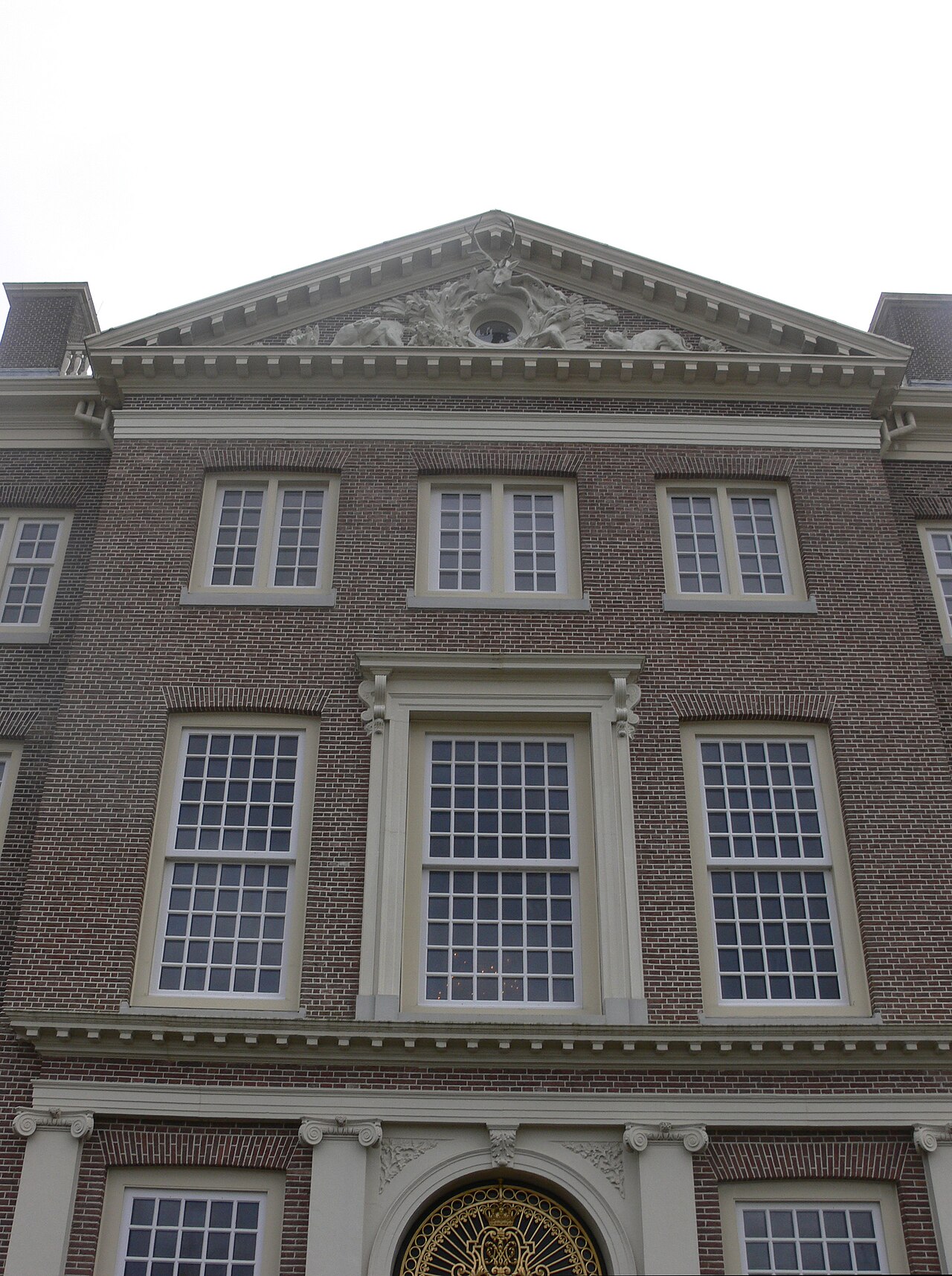
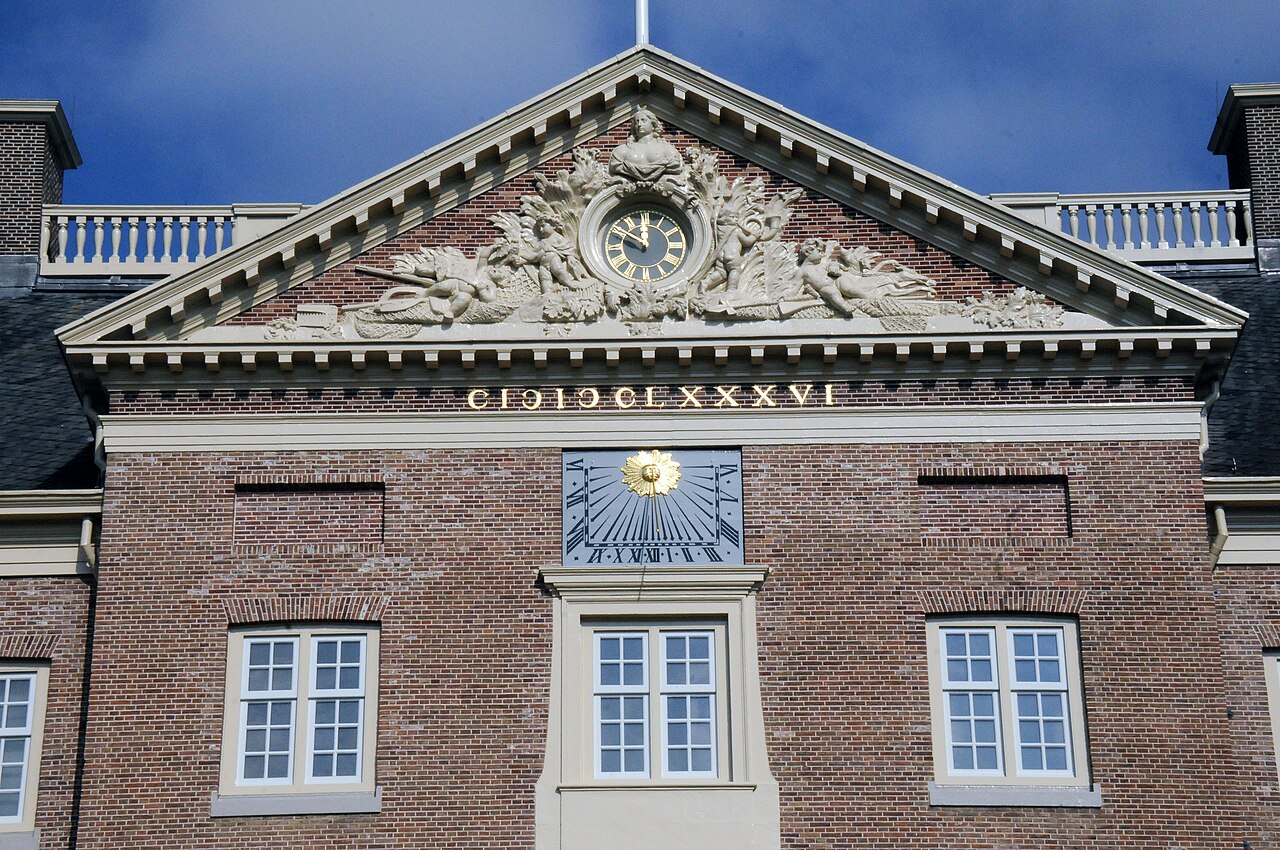
Architecturally, Het Loo is a superb example of Dutch Baroque, a style more restrained and domestic than the grandiose Baroque of some other countries, and all the more elegant for it. The palace is built of warm red brick with white stone trim, its central block and flanking wings arranged in perfect symmetry around the forecourt, presenting a dignified and harmonious face to the visitor.
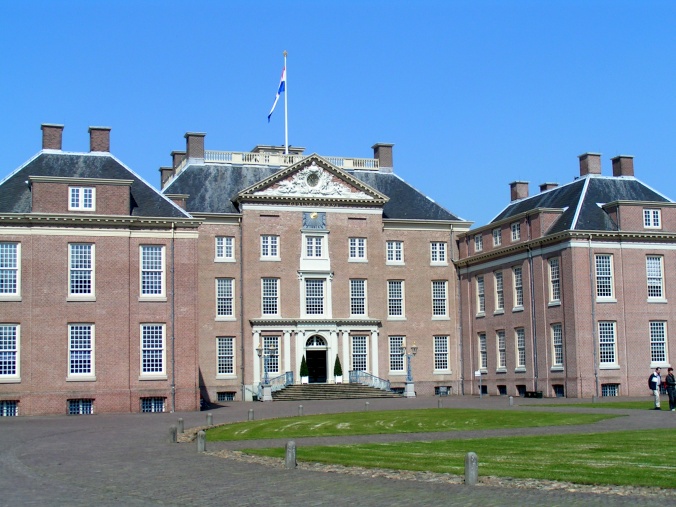
The Dutch Baroque taste favoured proportion, order, and a certain sober richness over overwhelming grandeur, and Het Loo embodies these qualities beautifully. Its facades are elegant but not ostentatious, its ornament refined, its overall effect one of balanced and confident good taste, reflecting the character of the Dutch republic and its ruling house.
The palace was designed from the first in close relationship with its gardens, so that the architecture and the landscape form a single composition. The rear facade, facing the gardens, is arranged to look out over the parterres and fountains, and the symmetry of the building is continued in the geometry of the garden, uniting house and grounds in the grand Baroque manner.
This union of restrained architecture and magnificent gardens is what gives Het Loo its distinctive character. It is grand without being overbearing, elegant rather than flamboyant, and perfectly suited to its role as a royal country retreat. The red-brick palace, with its white trim and its formal gardens, remains one of the most attractive and characteristic royal residences in the Netherlands.
The Dutch preference for brick over stone, for the domestic over the colossal, gives the palace a human warmth that the marble grandeur of larger courts can lack; Het Loo impresses not by overwhelming the visitor but by charming them.
The Magnificent Formal Gardens
The gardens of Het Loo are among the finest formal Baroque gardens in Europe, and for many visitors they are the highlight of the whole ensemble. Laid out behind the palace in the grand seventeenth-century manner, they consist of geometric parterres, patterned beds edged with clipped box, gravel walks, statues, fountains, and ornamental features, all arranged with rigorous symmetry around central axes.
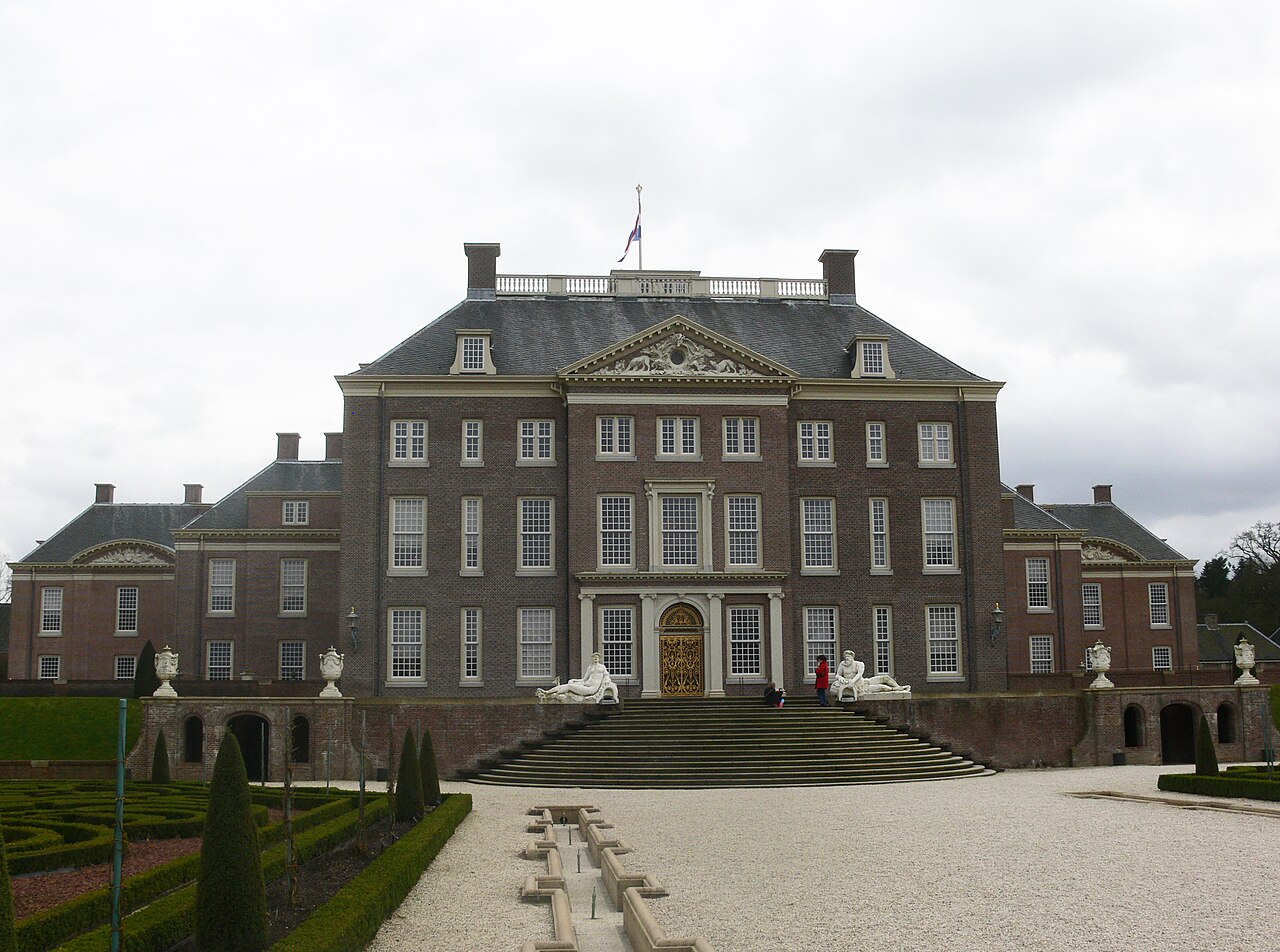
The design follows the principles of the great Baroque gardens of the age, in which nature is shaped into order and pattern to express the mastery and taste of the ruler. The parterres form intricate designs best appreciated from above or from the palace windows, the fountains play among the greenery, and the whole is composed as a work of art to be admired as much as a place to walk.
Water and sculpture play an important part, with fountains as centrepieces of the design and statues and ornaments punctuating the walks and parterres. The gardens are divided into distinct areas, each with its own character, and they extend the axes of the palace out into the landscape, so that the visitor moving through them experiences a carefully composed sequence of spaces and vistas.
These gardens are a triumph of the formal style, and their recreation in modern times has made Het Loo one of the best places anywhere to experience the Baroque garden as it was intended to be. To walk among the parterres and fountains, with the red-brick palace behind, is to step directly into the world of seventeenth-century royal taste, in one of the most beautiful gardens the Netherlands has to offer.
Seen from an upper window or a raised terrace, the parterres resolve into vast embroidered patterns, as though the ground itself had been worked like a tapestry. This bird’s-eye logic is essential to the Baroque garden, which was designed as much to be looked down upon as walked through, a picture drawn in box, gravel, and flower for the pleasure of the prince above.
The fountains, fed and engineered with great ingenuity, were among the wonders of the garden in their day, and their restored jets still delight visitors as they did the court three centuries ago.
They are reason enough on their own to make the journey.
Gardens Lost and Found
The magnificent gardens visitors admire today are, remarkably, a restoration, for the original Baroque design was lost for a long period before being brought back to life in modern times. In the centuries after their creation, the formal gardens fell out of fashion, and they were swept away and replaced with a landscape park in the naturalistic English style that later generations preferred.
For a long time, therefore, the great formal gardens of Het Loo existed only in old plans, prints, and descriptions, buried beneath the informal parkland that had taken their place. The knowledge that so magnificent a Baroque garden had once existed here, and had been lost, made its absence all the more keenly felt as tastes changed again and the value of the original design came to be appreciated.
In the later twentieth century, a great project of restoration recreated the formal gardens, using the surviving historical evidence to bring back the parterres, fountains, and sculpture of the original design. The naturalistic park was cleared away, and the Baroque garden was reconstructed with care, returning to Het Loo one of its greatest glories after generations of loss.
This restoration is one of the great achievements of garden conservation, and it is central to the experience of Het Loo today. Where visitors might once have seen only an ordinary park, they now walk through a faithful recreation of a seventeenth-century royal garden, an act of recovery that has restored the palace to its intended splendour and made it a place of pilgrimage for lovers of the Baroque.
The recovery is a lesson in how taste turns full circle. The very formality that a later, romantic age found stiff and artificial, and swept away in favour of rolling lawns and winding paths, came to be prized again as a masterpiece worth reconstructing at great effort. What one century buried, another dug up and treasured, and the visitor today walks a garden twice made.
Today it is impossible to imagine Het Loo without them.
Inside the Royal Rooms
Within the palace, Het Loo preserves a series of rooms that reflect its history as a royal residence over three centuries. The interiors include state rooms and private apartments decorated in the styles of successive periods, from the taste of the royal couple who built the palace to the tastes of later generations of the House of Orange who lived here.
The style associated with the palace’s founders, a distinctive and influential manner of decoration named for the royal couple of the age, is a particular highlight, and the palace preserves rooms and objects that express this refined seventeenth-century taste. Fine furniture, tapestries, paintings, and decorative objects fill the rooms, evoking the world of the court that created Het Loo.
Because the palace remained a royal home for so long, its interiors also reflect the changing life of the dynasty across the centuries, with rooms associated with later monarchs and with the daily life of the royal family. This layering of periods gives the palace a rich and varied character, telling the story of the House of Orange through its own rooms and furnishings.
For visitors, the interiors complement the grandeur of the gardens with the intimacy of the royal home. To move through the rooms of Het Loo is to trace the history of a dynasty and to encounter the tastes of successive ages, from the splendour of the founding royal couple to the domestic life of later generations, all preserved within the elegant walls of the palace.
The layering of periods, from the founders’ age to the last queen’s day, means that a walk through the rooms is also a walk through time, each generation having left its mark on the palace it inherited.
Three Centuries of a Royal Home
For some three hundred years, Het Loo served as a residence of the House of Orange-Nassau, an extraordinary span that saw the palace pass from the age of its founder through the whole later history of the dynasty. Generations of the family lived here, adapting and enjoying the palace and its gardens, so that Het Loo accumulated the memories and possessions of centuries of royal life.
The palace was used as a country retreat, a place for hunting and relaxation away from the seats of government, and it held a special place in the affections of the royal family. Its wooded surroundings and its gardens made it an ideal escape, and successive members of the dynasty cherished it as a private home in a way that gave the palace a warm and personal character.
The last member of the royal family to live at Het Loo was a beloved queen of the modern Netherlands, who spent her final years at the palace after a long and eventful reign. Her residence at Het Loo, and her death there in the twentieth century, marked the end of the palace’s long life as a royal home and the beginning of its new life as a national museum.
This continuity of royal use over three centuries gives Het Loo a depth of history few palaces can match. It was not a residence for a single reign but the cherished home of a dynasty across many generations, and the palace and its gardens carry the memory of that long occupation. To visit is to walk through three centuries of the life of the House of Orange, preserved in a single beautiful place.
Few European palaces remained in the hands of a single dynasty for so long and so continuously, and that unbroken occupation gives Het Loo a rare intimacy. It was never merely a monument to be shown off but a family’s country home, loved and lived in across the generations, and something of that domestic warmth still clings to its rooms.
The palace remembers them all.
From Royal Home to National Museum
After the death of its last royal resident, Het Loo passed to the nation and was transformed into a national museum, opening its doors to the public so that all could enjoy the palace, its gardens, and the history of the House of Orange. The conversion of the royal home into a museum ensured its preservation and made its treasures and its story accessible to everyone.
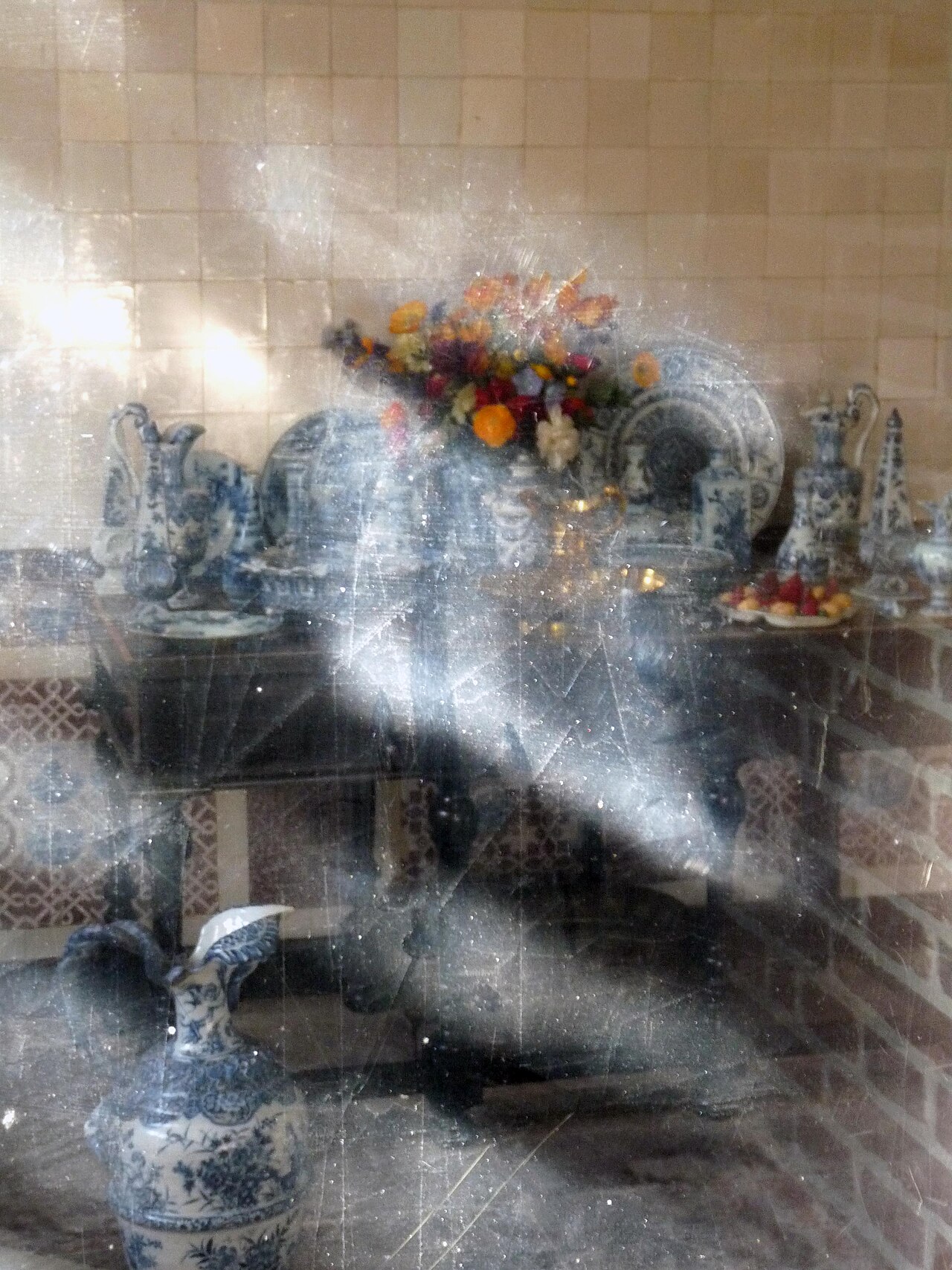
As a museum, Het Loo presents the palace much as it was in its days as a royal residence, with its state rooms and apartments furnished and displayed, along with exhibitions on the history of the dynasty and the life of the court. The recreated Baroque gardens are a central part of the visitor experience, and the whole ensemble offers a rich encounter with the world of Dutch royalty.
In recent years the museum has undergone a major renewal, with an extensive renovation and expansion that has modernised its facilities while carefully preserving the historic palace, adding new spaces largely hidden beneath the forecourt so as not to disturb the historic building and gardens. This ambitious project has secured the future of Het Loo and enhanced its role as one of the leading museums of the Netherlands.
Today Het Loo stands as a splendid example of a royal palace given new life as a museum, its rooms and gardens preserved and renewed for the enjoyment and education of the public. What was for three centuries the private retreat of the House of Orange is now a shared national treasure, welcoming visitors from around the world to experience the beauty and history of one of the finest royal residences in the country.
The recent renovation, burying much of the new museum space beneath the forecourt, was a deliberate act of humility: rather than build an assertive modern wing beside the historic palace, the designers hid the additions underground so that the visitor’s first sight remains the seventeenth-century facade and its gardens, exactly as intended. It is a model of how to modernise a historic site without diminishing it.
Its future, after so careful a renewal, looks secure.
Stables, Carriages, and Treasures
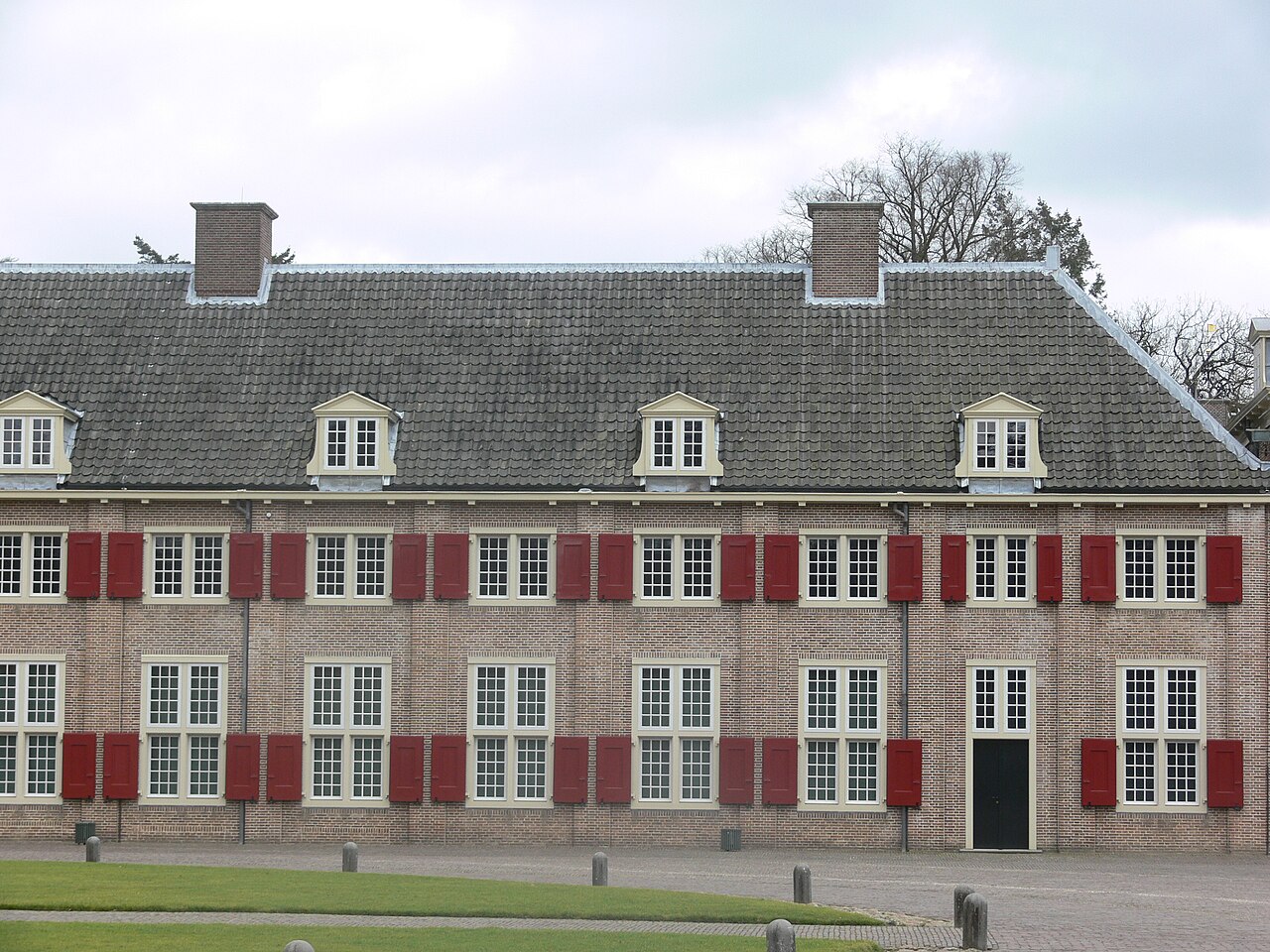
Beyond the palace and its gardens, Het Loo preserves a rich array of collections that bring the world of the royal court to life. Among the most popular are the royal stables, which house a fine collection of historic carriages, coaches, sleighs, and, from later periods, motor cars, offering a vivid picture of how the royal family travelled across the centuries.
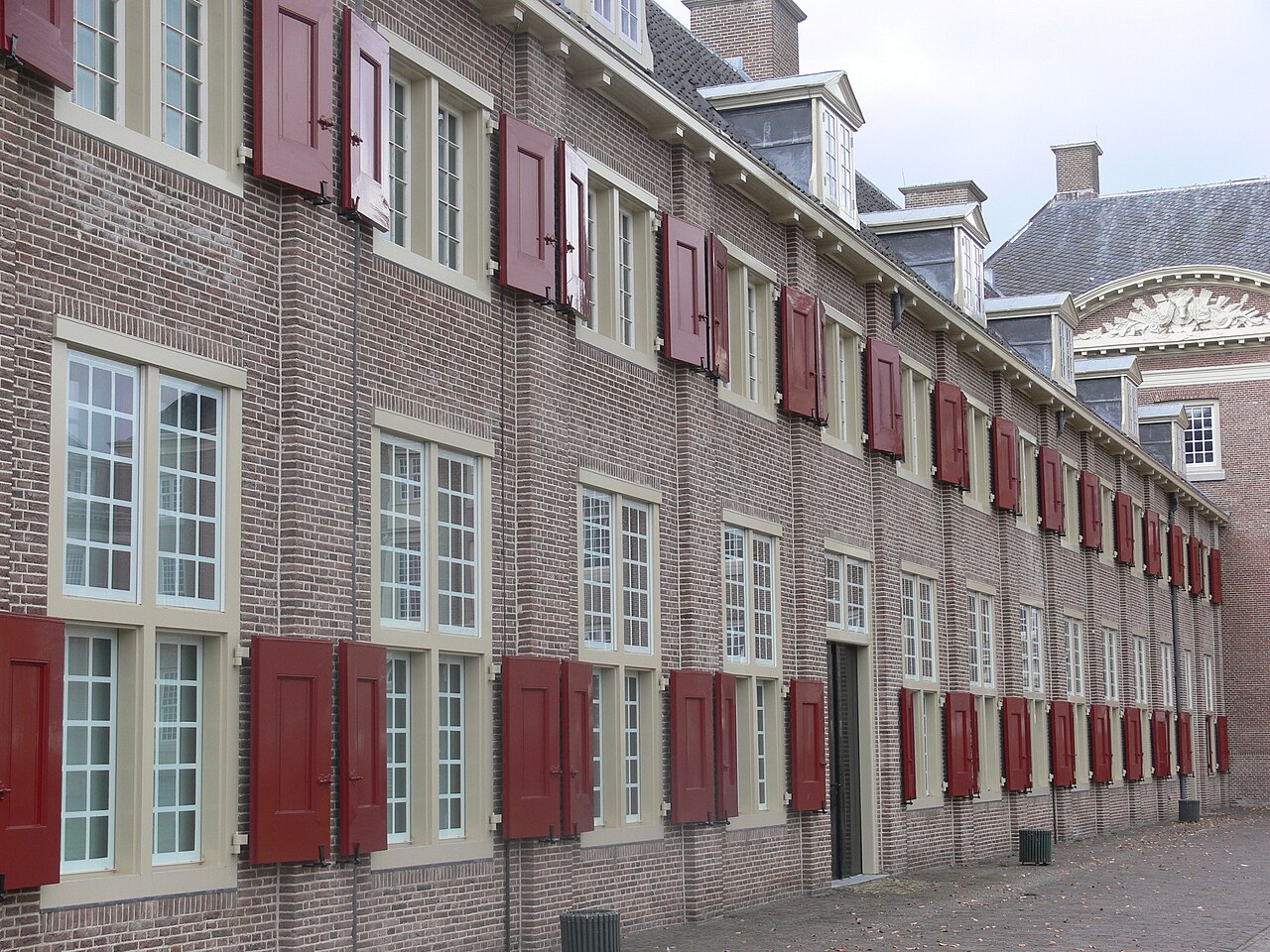
These collections of vehicles, from grand ceremonial coaches to elegant automobiles, are a delight for visitors and a fascinating record of the changing means and style of royal transport. Displayed in the historic stables, they connect the grandeur of the palace to the practical and ceremonial life of the court, and they are among the highlights of a visit for many.
The palace also holds collections related to the House of Orange, including objects, portraits, decorations, and mementoes that tell the story of the dynasty, along with the furnishings and treasures of the palace itself. Together these collections make Het Loo not only a beautiful building and garden but a rich museum of the material culture of Dutch royalty.
For visitors, the stables and collections add another dimension to the experience of Het Loo, complementing the architecture and the gardens with the fascinating detail of royal life. From the great coaches to the personal possessions of the royal family, these treasures help bring the long history of the palace and its dynasty vividly to life, making a visit to Het Loo a full and rewarding encounter with the world of the House of Orange.
Younger visitors in particular tend to be captivated by the gleaming coaches and cars, and the stables offer a welcome change of pace from the formality of the palace rooms.
The Palace and Gardens on Film
The beauty of Het Loo, its elegant red-brick palace and, above all, its magnificent formal gardens, is wonderfully conveyed in film, and the short feature below offers a tour of the palace and its recreated Baroque gardens. Watching it alongside this article helps bring the ensemble to life, especially the intricate patterns of the parterres best appreciated in motion and from above.
If you are planning a visit to the Netherlands, a video like this is a fine way to prepare, helping you appreciate the layout of the gardens and the highlights of the palace, and to understand the history of the House of Orange and the royal couple who created Het Loo. It sets the palace in its context as one of the great Baroque ensembles of Europe.
And if a visit lies beyond your plans for now, the film lets you enjoy the Versailles of the Netherlands from afar. Let it play, and picture yourself walking through the formal gardens of Het Loo, among the parterres and fountains, with the red-brick palace of the princes of Orange rising behind you in the Dutch countryside.
Visiting Het Loo Today
For travellers to the Netherlands, Het Loo is one of the country’s great cultural sights, easily reached near the town of Apeldoorn and offering a rich and rewarding day out. The palace and its gardens are open to the public as a national museum, and visitors can explore the state rooms and apartments, the recreated Baroque gardens, and the collections of the royal stables.
A visit rewards ample time, for there is much to see: the elegant palace with its royal interiors, the magnificent formal gardens with their parterres and fountains, and the fascinating collections of carriages and treasures. The gardens in particular deserve unhurried exploration, ideally including a view from the palace or an elevated point to appreciate the patterns of the parterres.
Following the palace’s recent major renovation, its facilities have been modernised and its displays renewed, making it easier than ever to enjoy and understand the site. As at any historic palace and museum, visitors should treat the rooms, gardens, and collections with care and follow the guidance provided, taking the time to absorb the beauty and history of the place.
However you come to it, Het Loo offers a superb encounter with the world of the House of Orange and the splendour of the Dutch Baroque. To walk through its royal rooms and its magnificent recreated gardens is to step into the world of the seventeenth century and the dynasty at the heart of the Netherlands, in one of the most beautiful and lovingly restored royal palaces in the country.
Spring and summer, when the parterres are planted and the fountains play, are the loveliest seasons for the gardens.
Palaces Nearby
If the Dutch Baroque of Het Loo has charmed you, these two other royal palaces of Northern Europe make a natural next stop.
- Amalienborg, the Four Palaces of the Danish Royal Family — the rococo Copenhagen square that is home to the Danish crown.
- Wilanow, the Golden Palace of the King Who Saved Vienna — the Baroque residence of King Jan III Sobieski near Warsaw.
You May Like