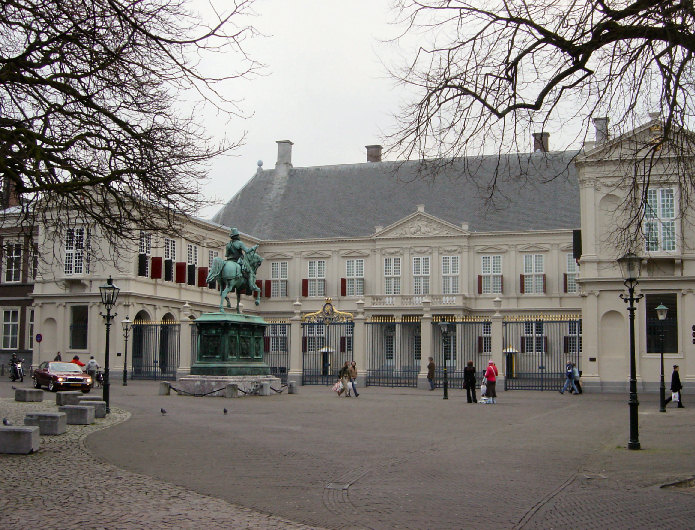
Some palaces are built to overwhelm you, and others simply get on with their work. Noordeinde Palace, standing on a busy shopping street in the heart of The Hague, belongs firmly to the second kind. It is the working palace of the Dutch monarch, the place where the day-to-day business of a modern constitutional monarchy actually happens, and it wears that role with a quiet, almost businesslike dignity that can catch you off guard.
You will not find Noordeinde ringed by vast ceremonial squares or dramatic gates designed to keep the public at arm’s length. Instead it sits right among the shops, cafes and offices of the city, its elegant seventeenth-century facade rising from the pavement as if it were simply another distinguished neighbor. That closeness to ordinary life is precisely what makes it so appealing to visit, even though the interior is rarely open to the public.
In this guide you will get to know Noordeinde as more than a pretty frontage. We will trace its long journey from a medieval farmstead to a royal office, look closely at the architecture that gives it its calm authority, wander the surrounding gardens and stables, and understand why this understated building remains the beating administrative heart of the House of Orange-Nassau. By the end you will see why locals barely glance at it while visitors who know its story cannot look away.
In This Article
- Arriving at Noordeinde
- The Working Heart of the Monarchy
- From Farmstead to Royal Address
- The Age of the Stadtholders
- A Facade of Calm Classical Order
- The Royal Stables
- The Palace Garden
- William the Silent Keeping Watch
- Fire, Loss and Renewal
- Archives and the Business of State
- Audiences and Ceremony
- A Closer Look on Film
- Noordeinde Today
Arriving at Noordeinde Palace
The first thing that strikes most visitors to Noordeinde is how casually it is woven into the fabric of The Hague. You could be strolling down the Noordeinde street, browsing antique shops and art galleries, and almost walk straight past the palace before you realize what you are looking at. There is no grand approach, no sweeping forecourt to prepare you; the building simply appears, poised and self-assured, at the edge of the pavement.
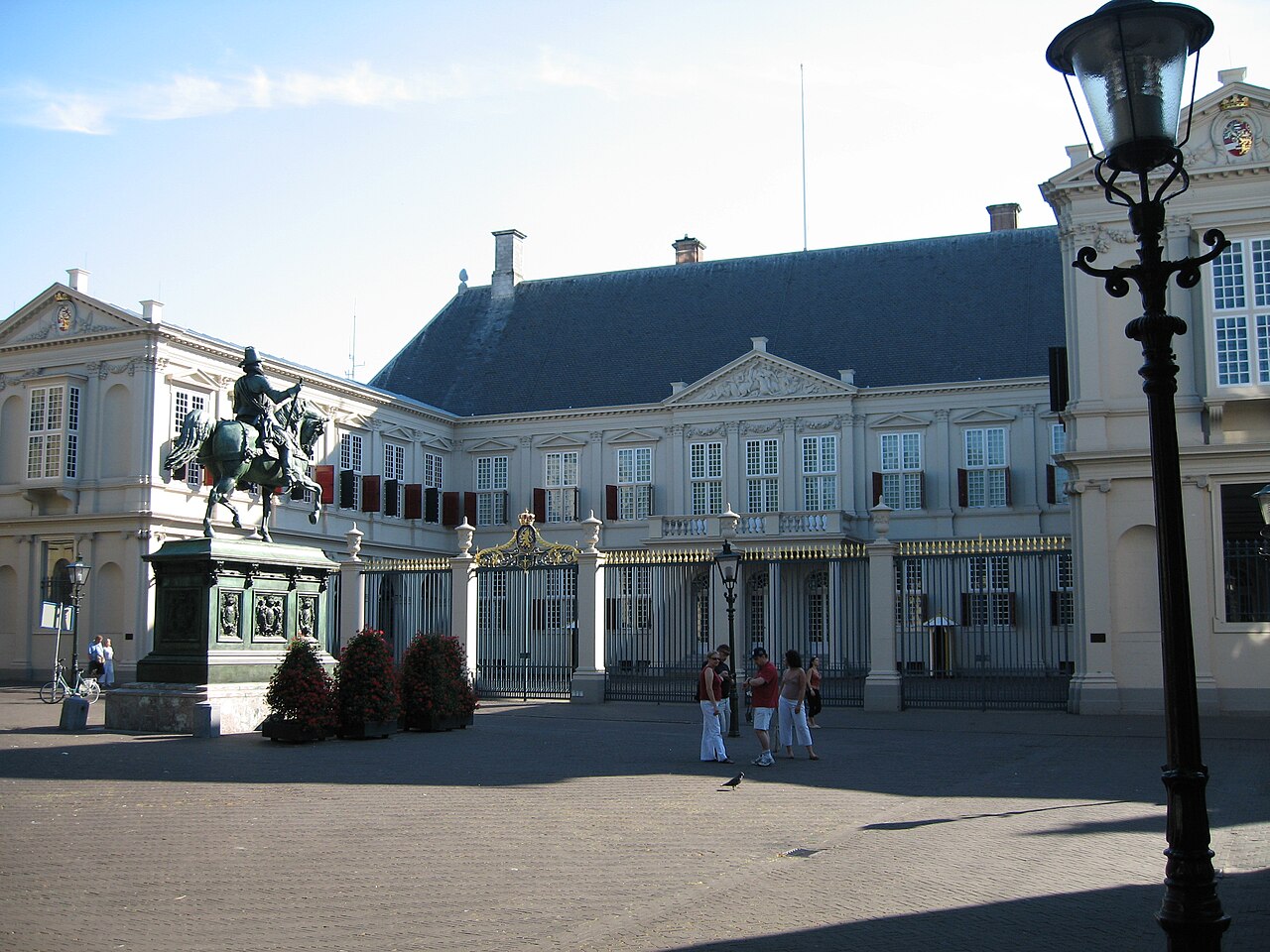
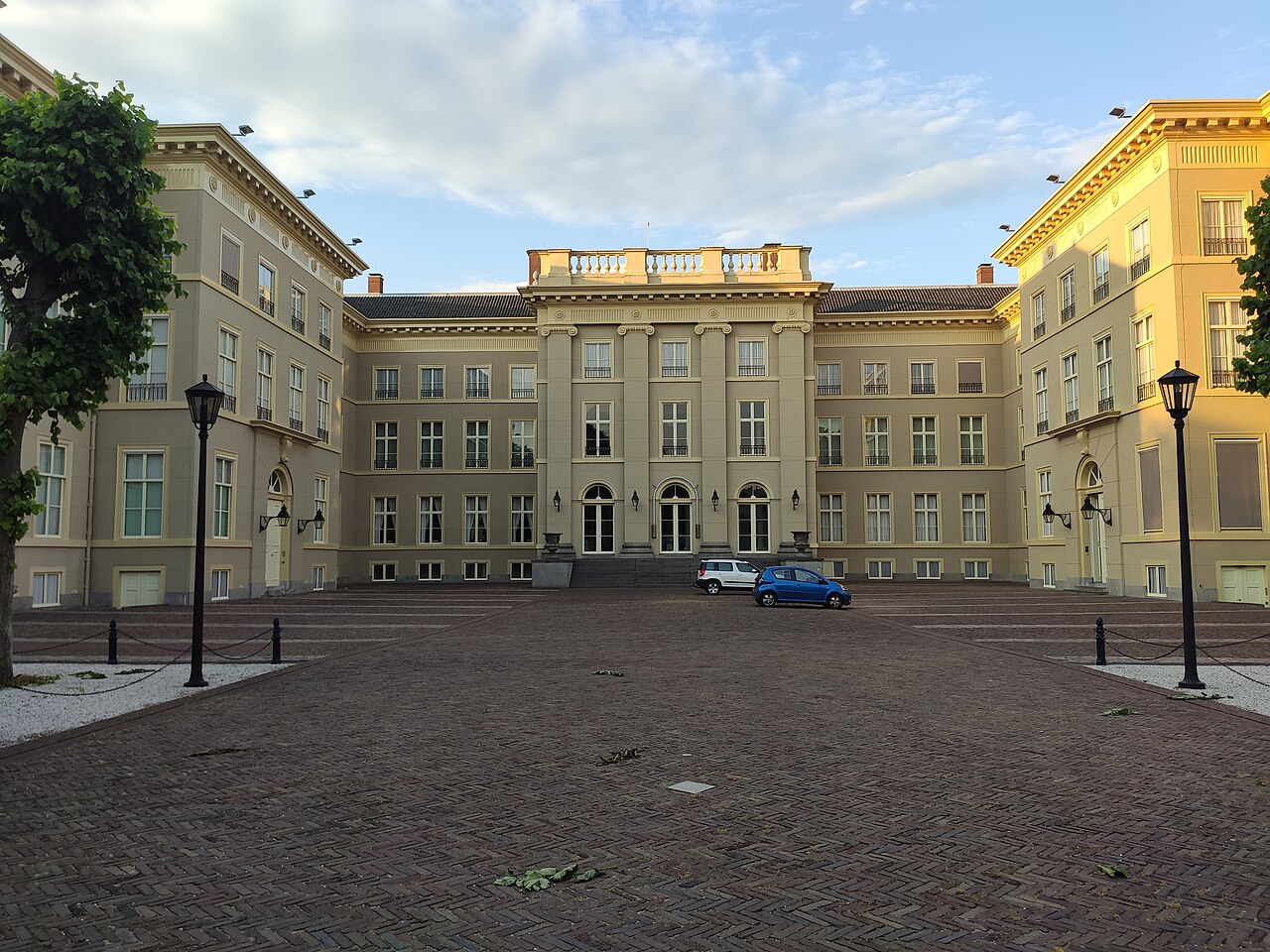
Take a moment to stand across the street and let the proportions settle in your eye. The central block with its restrained classical detailing, the symmetrical wings reaching out to either side, the calm rhythm of the windows, all of it speaks of a confidence that never needs to shout. This is a palace that trusts its own good manners to make the impression.
Because Noordeinde is a working palace rather than a museum, you will usually be admiring it from the outside, and that is no hardship at all. The exterior tells a rich story on its own, and the streetscape around it, alive with the everyday bustle of the city, frames the building in a way that a walled estate never could.
Give yourself time to walk the full length of the facade and around toward the gardens behind. Each angle reveals something new, and the contrast between the formal front and the greener, gentler spaces to the rear is part of what makes the site so satisfying to explore on foot.
It is worth choosing your time of day, too. In the soft light of early morning the facade takes on a warm, honeyed tone before the shopping crowds arrive, while late afternoon casts long shadows that pick out the depth of the stonework. The palace rewards a second visit at a different hour.
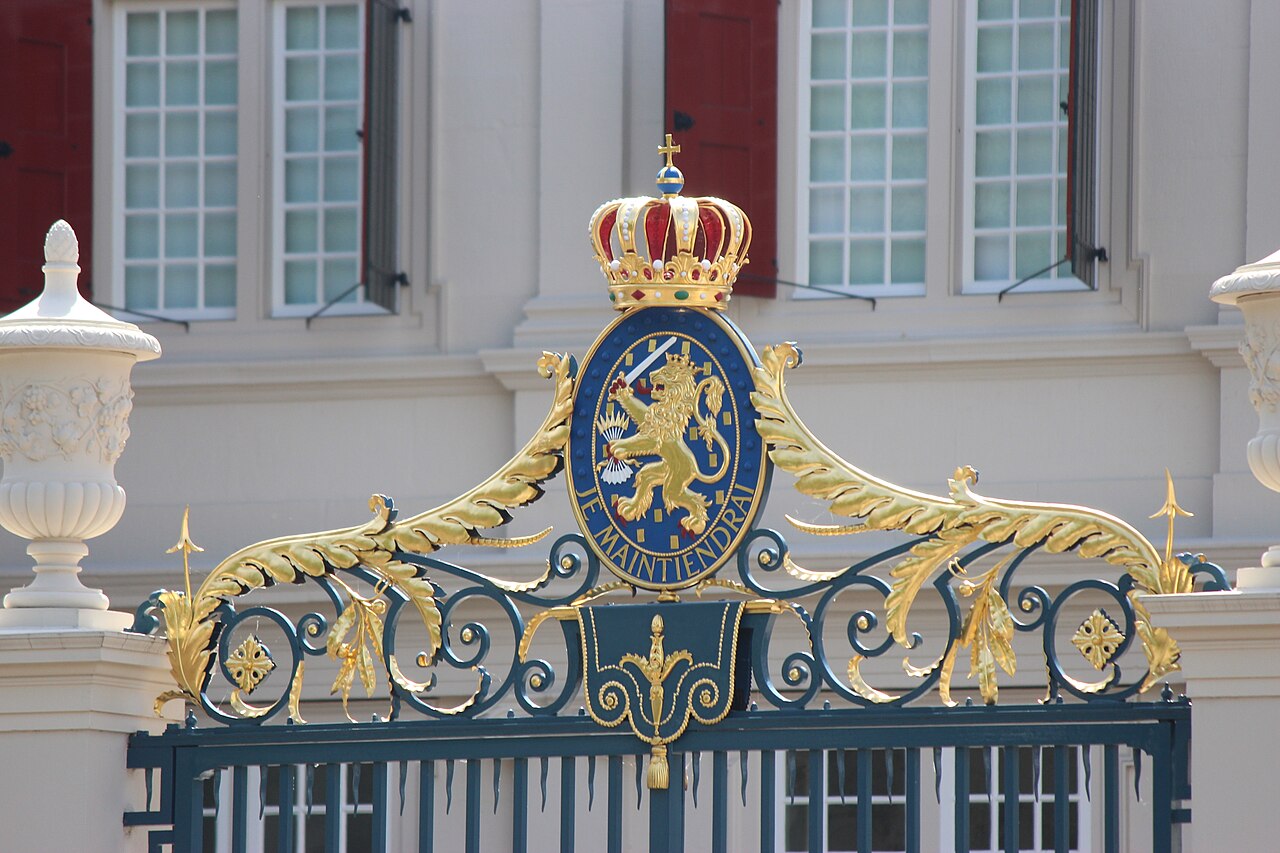
Do not overlook the small details at street level either. The ironwork, the doorways, the way the building meets the pavement all repay a closer look, and they reveal the care that has gone into keeping this working palace looking its best amid the daily traffic of the city.
The Working Heart of the Dutch Monarchy
To understand Noordeinde, you have to understand what it is for. This is not the family home of the Dutch royals, nor is it primarily a stage for grand state banquets. It is, above all, the office of the monarch, the place where the king carries out the daily duties of his role, receives visitors on official business, and keeps the quiet machinery of the monarchy turning.
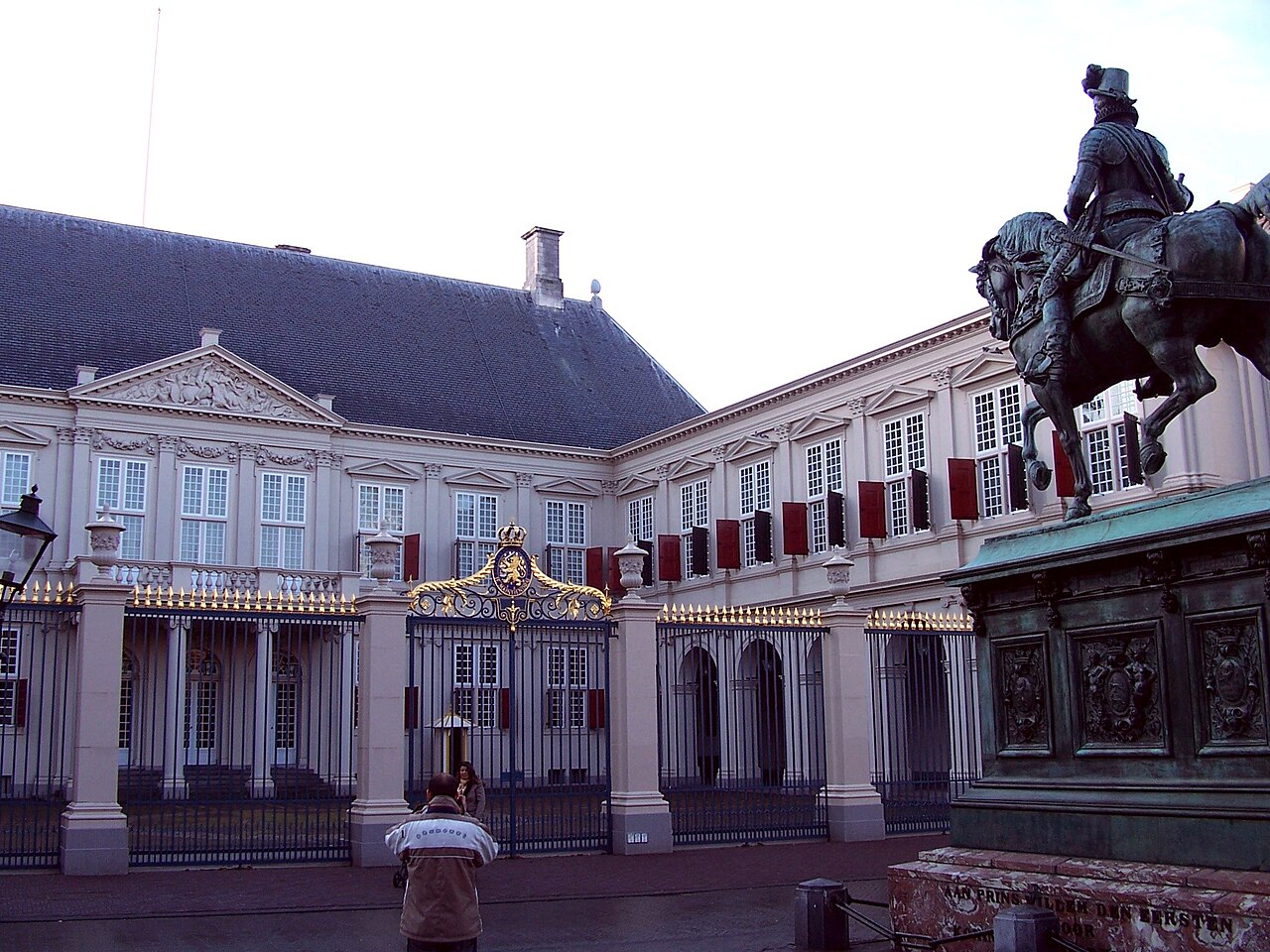
That practical purpose shapes everything about the palace, from its convenient city-center location to the businesslike calm of its interiors. When you picture what happens behind that elegant facade, imagine meetings, audiences, correspondence and consultations rather than perpetual pageantry. It is a workplace first and a showpiece second.
There is something rather admirable about a monarchy that runs itself from such an unpretentious base. The Dutch have long prided themselves on a certain down-to-earth quality, and Noordeinde embodies it perfectly, a royal office that sits among its citizens rather than looming over them from behind high walls.
This working role also explains why the palace has been adapted and modernized over the centuries while keeping its historic face. Behind the seventeenth-century stonework, the building has been quietly fitted for the needs of a twenty-first-century head of state, a blend of continuity and practicality that says a great deal about the country it serves.
Compared with the grander residences of other European monarchies, Noordeinde can feel almost modest, and that is precisely the point. The Dutch approach to royalty has always favored accessibility over distance, and a working palace set among the shops expresses that value more eloquently than any manifesto could.
This is also why the palace feels so alive rather than embalmed. A building that is used every day, adapted to real needs and central to genuine work, keeps a vitality that purely ceremonial monuments often lose. Noordeinde is history that still has a job to do.
Visitors sometimes arrive expecting a palace frozen in the past and are surprised to find one so firmly rooted in the present. That surprise is part of the pleasure, a reminder that living heritage looks and feels different from a preserved relic behind glass.
The staff who keep Noordeinde running, from advisers to household workers, form a community with its own rhythms and traditions, largely invisible to the passer-by. Their steady effort is what allows the palace to meet each day’s demands without fuss.
From a Modest Farmstead to a Royal Address
Noordeinde did not begin life as a palace at all. Its earliest roots lie in a medieval farmstead, a working property on the edge of what was then a much smaller town. It is a wonderfully humble origin for a building that would eventually house kings and queens, and knowing it changes how you see the place.
Over time the modest house was enlarged and dignified, passing through various hands as The Hague itself grew in importance. Each owner left a mark, gradually transforming a rural property into a residence fit for the leading figures of the young Dutch state. The building you see today carries the accumulated ambition of all those generations.
The name Noordeinde, meaning the northern end, is a plain geographic label rather than a lofty title, another reminder of the site’s unassuming beginnings. There is a pleasing honesty in a royal palace that still carries the ordinary street name it grew up with.
When you look at the palace now, try to hold that long arc in your mind. What began as farmland at the town’s edge became, step by step, the administrative center of a monarchy, and the transformation happened not through a single grand gesture but through centuries of patient building and rebuilding.
This layered history is written into the very structure of the building, where later grand additions rest on far humbler foundations. Restorers and historians have long enjoyed peeling back these layers to trace how one century built upon another.
There is a lesson in that slow accumulation. Noordeinde reminds us that great institutions rarely spring into being fully formed; more often they grow, gradually and unglamorously, out of ordinary beginnings that no one at the time imagined would matter.
Standing today amid the shops and cafes, it takes a real act of imagination to picture open fields here, yet that is exactly where the story of this palace begins, in the plainest of settings on the northern edge of a growing town.
The Age of the Stadtholders
The palace rose to real prominence during the era of the stadtholders, the powerful leaders of the Dutch Republic who guided the country through its golden age. It was in this period that Noordeinde acquired much of its dignified character and its association with the House of Orange, a connection that endures to this day.
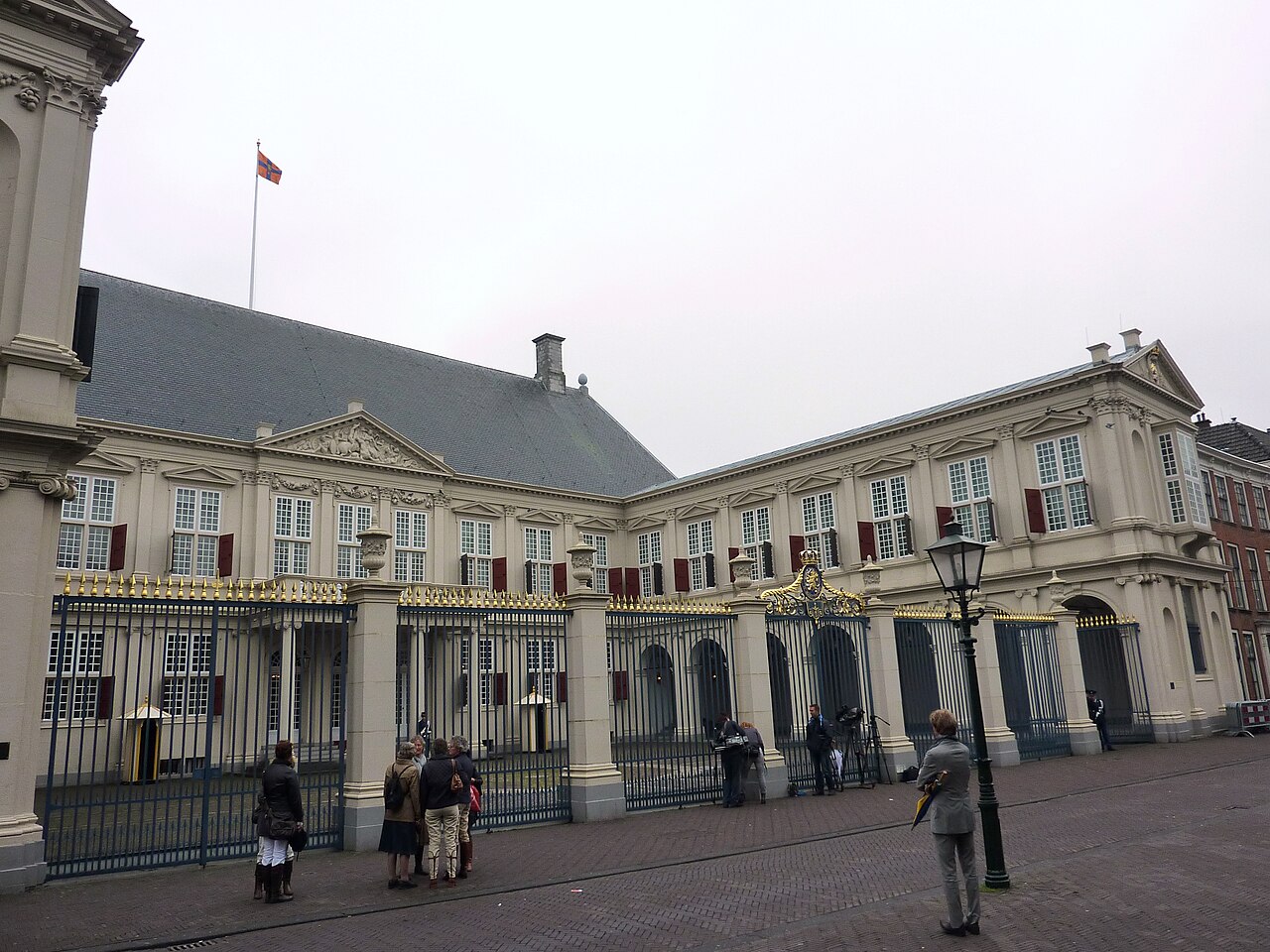
Under the patronage of these influential figures and their formidable consorts, the property was expanded and given the classical treatment that still defines it. Money and taste flowed into the building at a time when Dutch art and architecture were the envy of Europe, and Noordeinde absorbed that confident spirit.
It helps to remember just how remarkable the Dutch Republic was in these years, a small nation punching far above its weight in trade, science and the arts. The people who shaped Noordeinde were at the center of that golden moment, and the palace became a fitting expression of their standing.
Walking past the facade today, you are looking at choices made by people who saw themselves as leaders of a rising power. The restraint of the design was itself a statement, a preference for dignity and proportion over showy excess that has aged remarkably well.
The consorts of this era deserve special mention, for the women of the House of Orange were often as influential as their husbands in matters of taste and patronage. Their vision helped shape the refined interiors and the collections that filled them, leaving a mark that outlasted the political fortunes of the day.
It was a period when the boundaries between political power, cultural leadership and personal ambition blurred, and Noordeinde sat at the meeting point of all three. To walk past it is to brush against one of the most creative chapters in European history.
By the close of this golden period, Noordeinde had firmly established itself as more than a residence; it had become a symbol of the enduring bond between the House of Orange and the Dutch people, a bond that would carry the building through the centuries to come.
A Facade of Calm Classical Order
The architecture of Noordeinde is a masterclass in restraint. Rather than reaching for drama, its designers pursued balance, symmetry and quiet good proportion, producing a facade that soothes the eye rather than startling it. This is classical architecture at its most civilized.
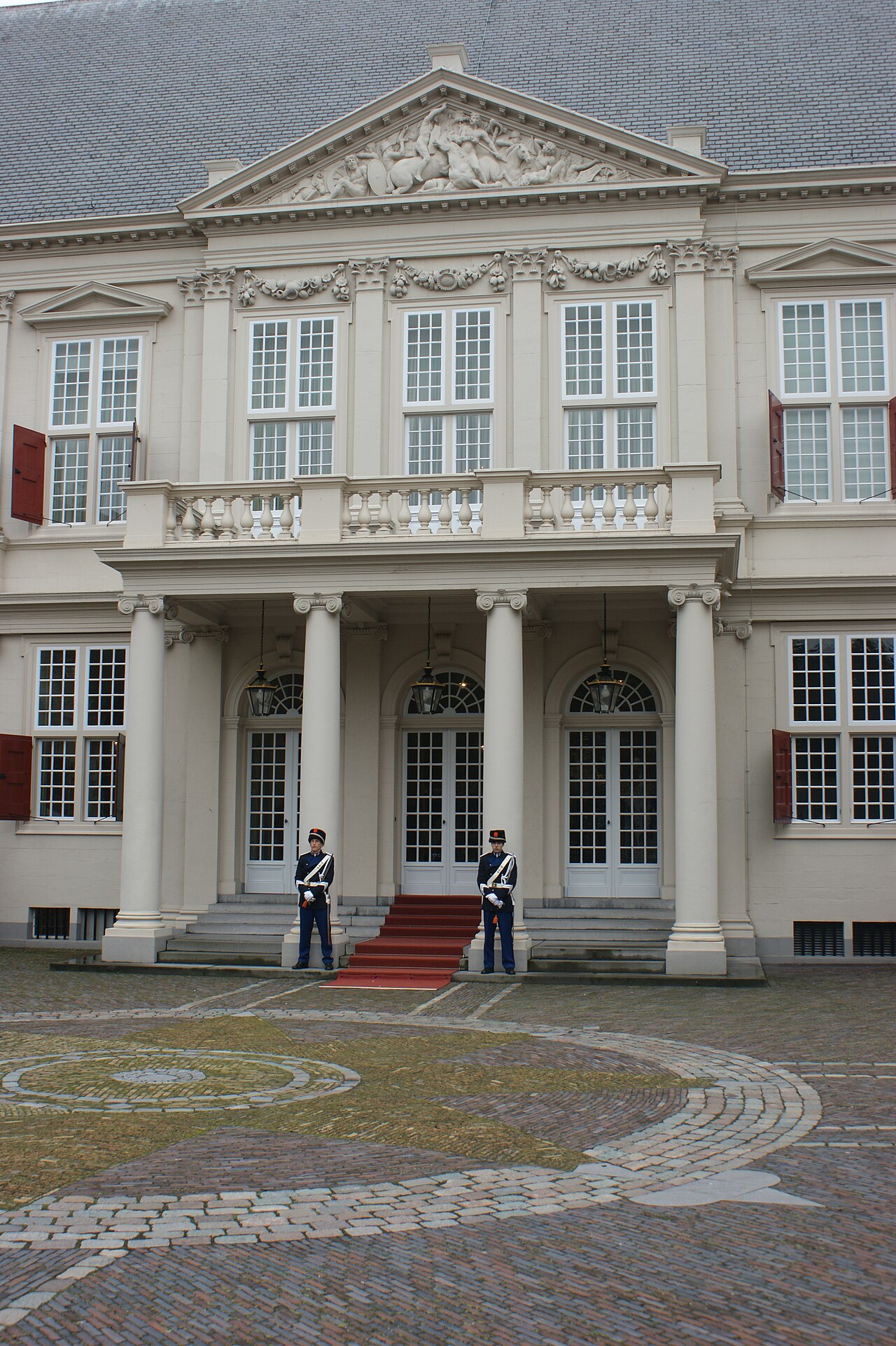
Notice how every element answers another. The central section is flanked by wings that mirror each other, the windows march across the front in a steady rhythm, and the detailing is precise without ever becoming fussy. Nothing is out of place, and nothing strains for attention.
This calm order was very much a Dutch ideal, an architecture that valued harmony and reason over spectacle. In an age when other European courts were building for sheer overwhelming effect, the Dutch chose a language of measured elegance, and Noordeinde is one of its finest surviving examples.
Spend a little time simply reading the facade as you would a piece of music. The repetition, the symmetry, the subtle emphasis on the center all work together to create a sense of composure. It is architecture designed to reassure rather than to dazzle, and it succeeds beautifully.
The choice of materials reinforces the effect. Warm brick and pale stone combine in a palette that feels grounded and humane, never cold or forbidding. It is architecture that invites you to come closer rather than warning you to keep your distance.
Architects have long admired Noordeinde precisely because it achieves so much with so little. There are no wild flourishes to distract you, only the deep satisfaction of a design in which every proportion has been considered and every element earns its place.
Seen against the changing skies of the Low Countries, the facade takes on many moods, luminous under bright sun, softly grey beneath cloud, almost silvery in the rain. It is a building that quietly responds to the famous northern light.
This sensitivity to setting is part of what makes Noordeinde feel so at home in its city. It does not fight its surroundings but belongs to them, a distinguished presence that never stops being a good neighbor.
The Royal Stables and Their Treasures
Tucked near the palace are the Royal Stables, one of the most delightful and unexpected corners of the whole complex. Here the monarchy keeps its historic carriages, cars and horses, the gleaming hardware of ceremony that emerges on grand state occasions to carry the royal family through the streets.
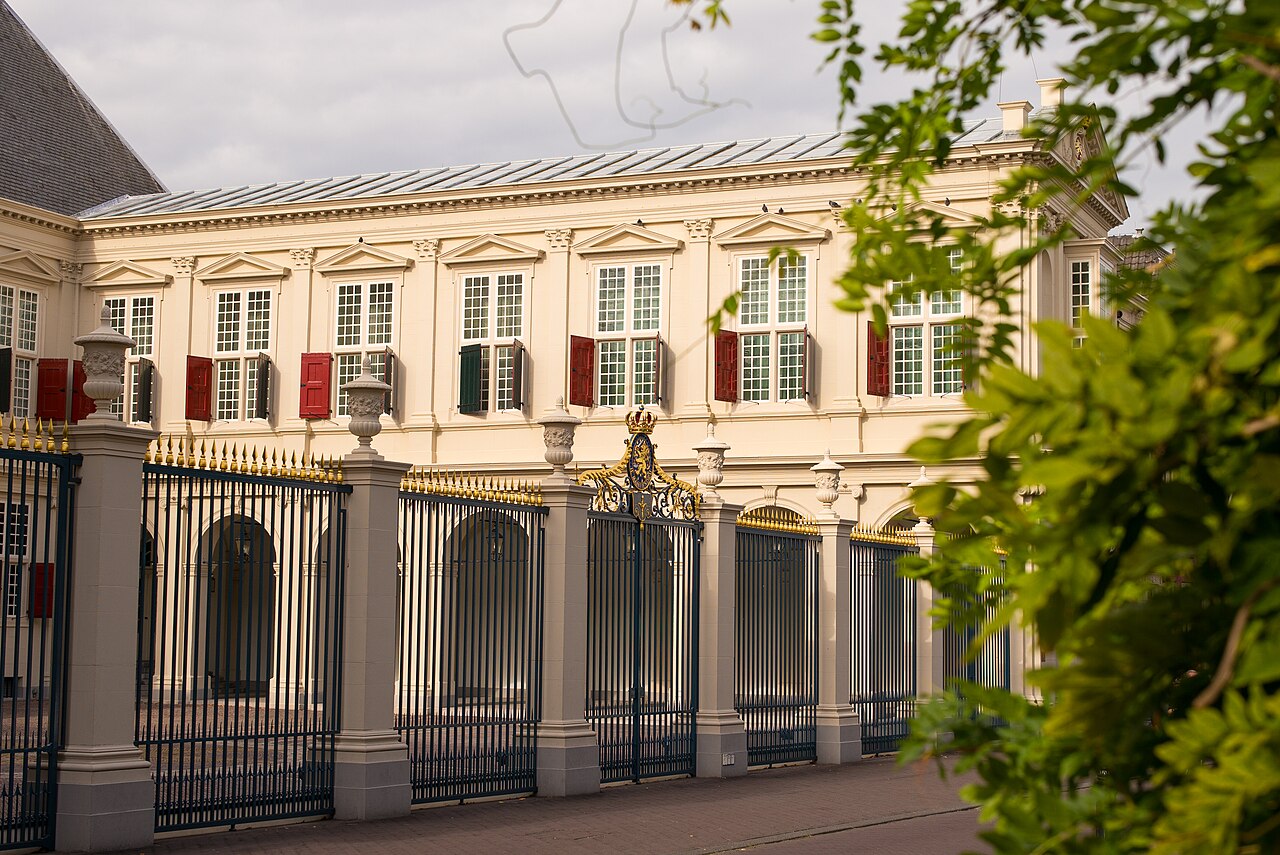
There is a special magic to a working stable attached to a palace. The smell of leather and hay, the sight of beautifully maintained coaches, the sense of tradition kept alive in polished metal and burnished wood, all of it connects you to centuries of royal ritual in a wonderfully tangible way.
These are not museum pieces gathering dust; they are used. On the great ceremonial days of the Dutch calendar, the carriages roll out and the horses are harnessed, and the stables briefly become the backstage of a national spectacle. Knowing that gives the whole collection a living quality.
If you are lucky enough to catch a glimpse of this side of the palace, do not rush past it. The stables reveal the practical, hands-on machinery behind the monarchy’s most public moments, and they humanize the institution in a way the formal rooms never could.
The stables also employ skilled staff who keep this living tradition running, from coachmen to grooms to the craftspeople who maintain the historic vehicles. Their expertise is a heritage in itself, passed down and jealously guarded.
On the great ceremonial days, the sight of the gilded coach drawn by matched horses through the streets of The Hague is unforgettable, and it all begins here, in these unassuming buildings behind the palace.
The Palace Garden Behind the Stone
Step around to the rear of Noordeinde and the mood changes entirely. Behind the formal street front lies a green and gracious garden, a pocket of calm that offers a completely different experience of the palace. Where the front is all urban poise, the back is soft, leafy and restful.
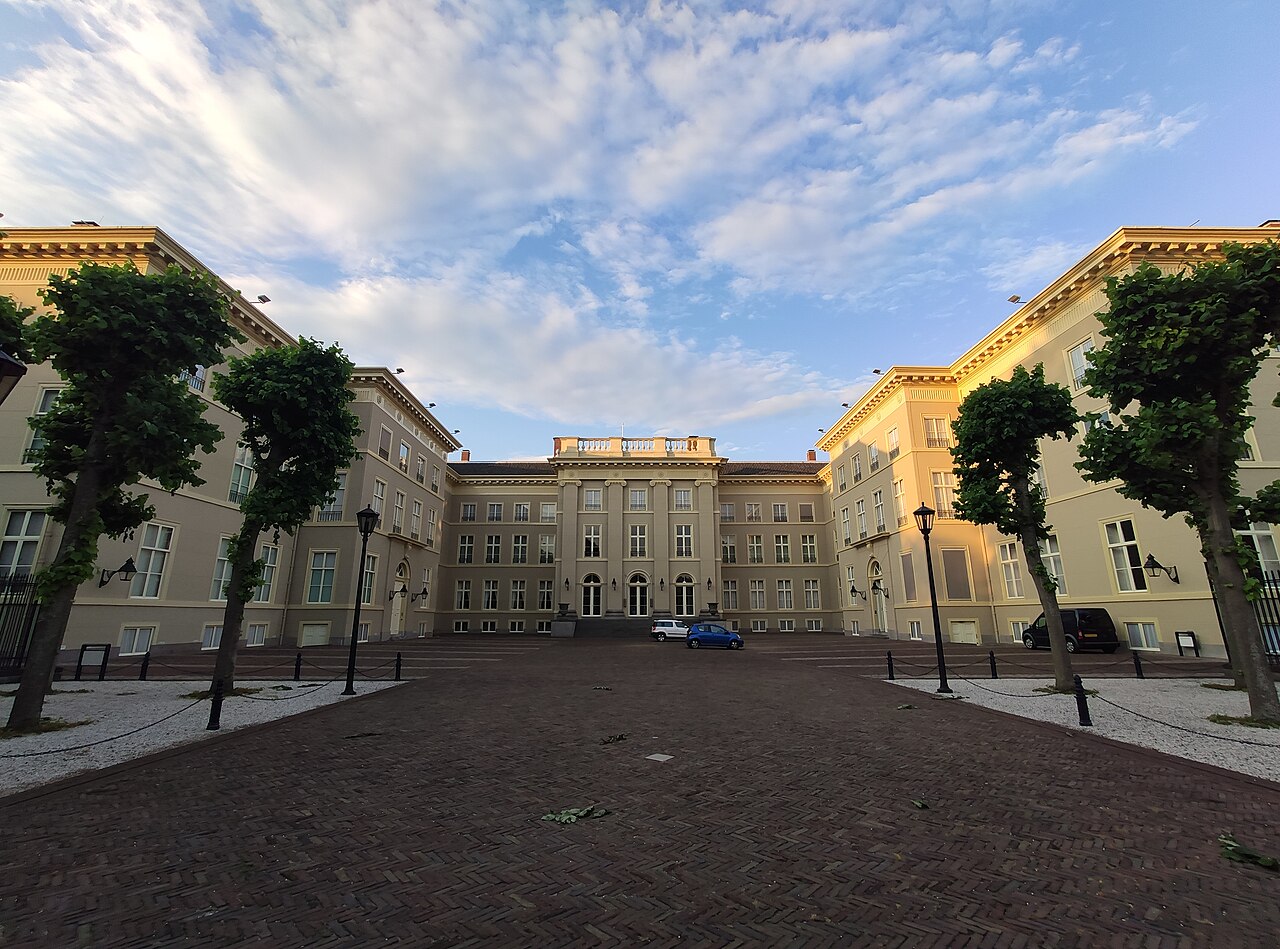
The garden has long provided the royal household with a private retreat in the middle of the city, and parts of the surrounding green space are open for the public to enjoy. It is a lovely reminder that even the busiest working palace needs somewhere to breathe.
Wandering these grounds, you get a sense of the palace as a lived-in place rather than a monument. The trees, the lawns and the quiet paths suggest ordinary pleasures, a stroll, a moment of shade, a pause from the demands of state, that go on behind the grand facade.
Take advantage of any chance to linger here. The contrast between the composed street front and the gentle greenery behind is one of the great pleasures of understanding Noordeinde, and it completes the picture of a palace that balances public duty with private ease.
In spring and summer the garden comes into its own, with fresh greenery softening the formal lines and birdsong replacing the hum of the street. It is astonishing how quickly the noise of the city falls away once you are among the trees.
These grounds also connect Noordeinde to a wider network of green spaces in The Hague, part of what makes the city so pleasant to explore on foot. A visit to the palace slots naturally into a longer, leafier wander through this most walkable of capitals.
Seasonal change brings its own rewards, from the fresh green of spring to the golden tones of autumn, and regular visitors come to know the garden’s shifting character intimately. It is a place that repays repeated visits across the year.
For families and solitary walkers alike, these grounds offer a rare kind of calm in the middle of a capital, a green pause that makes the surrounding grandeur feel all the more welcoming.
William the Silent Keeping Watch
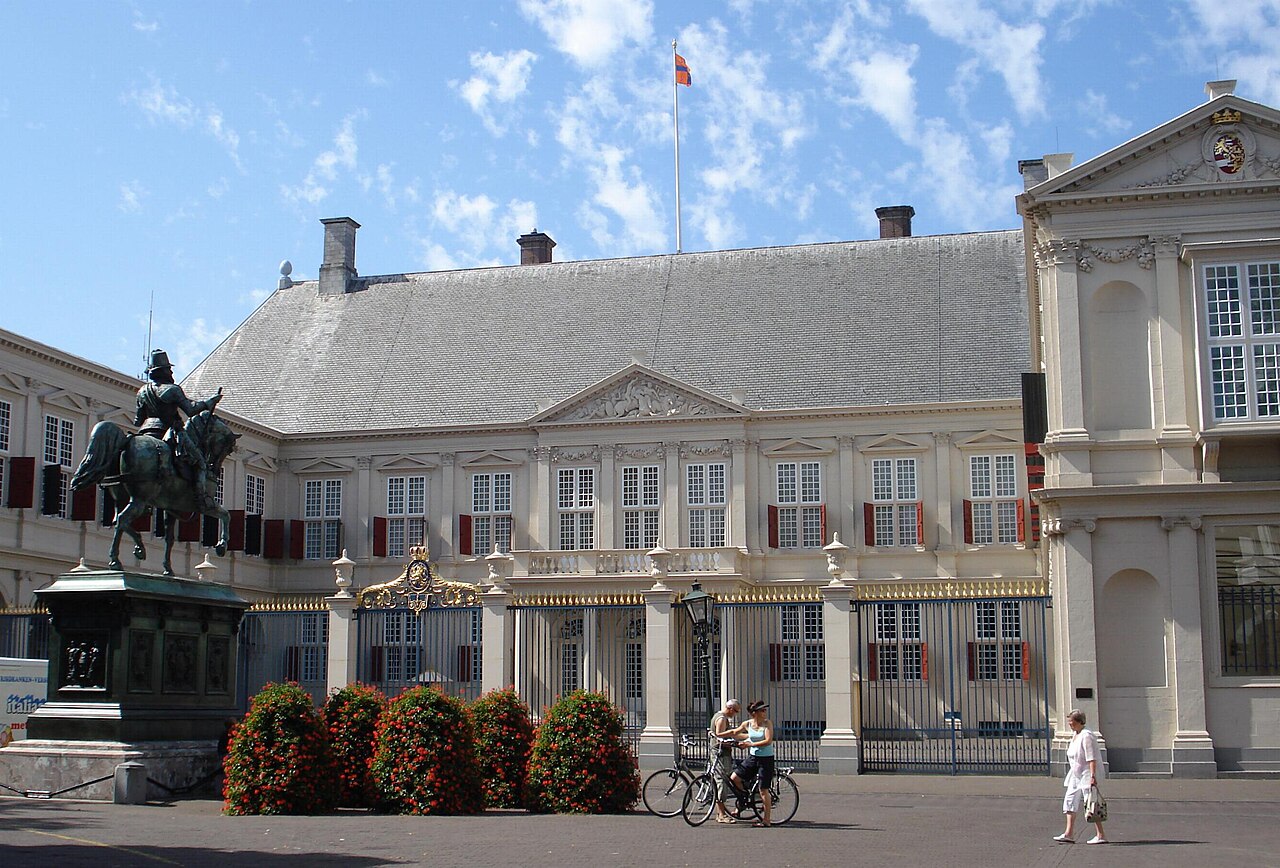
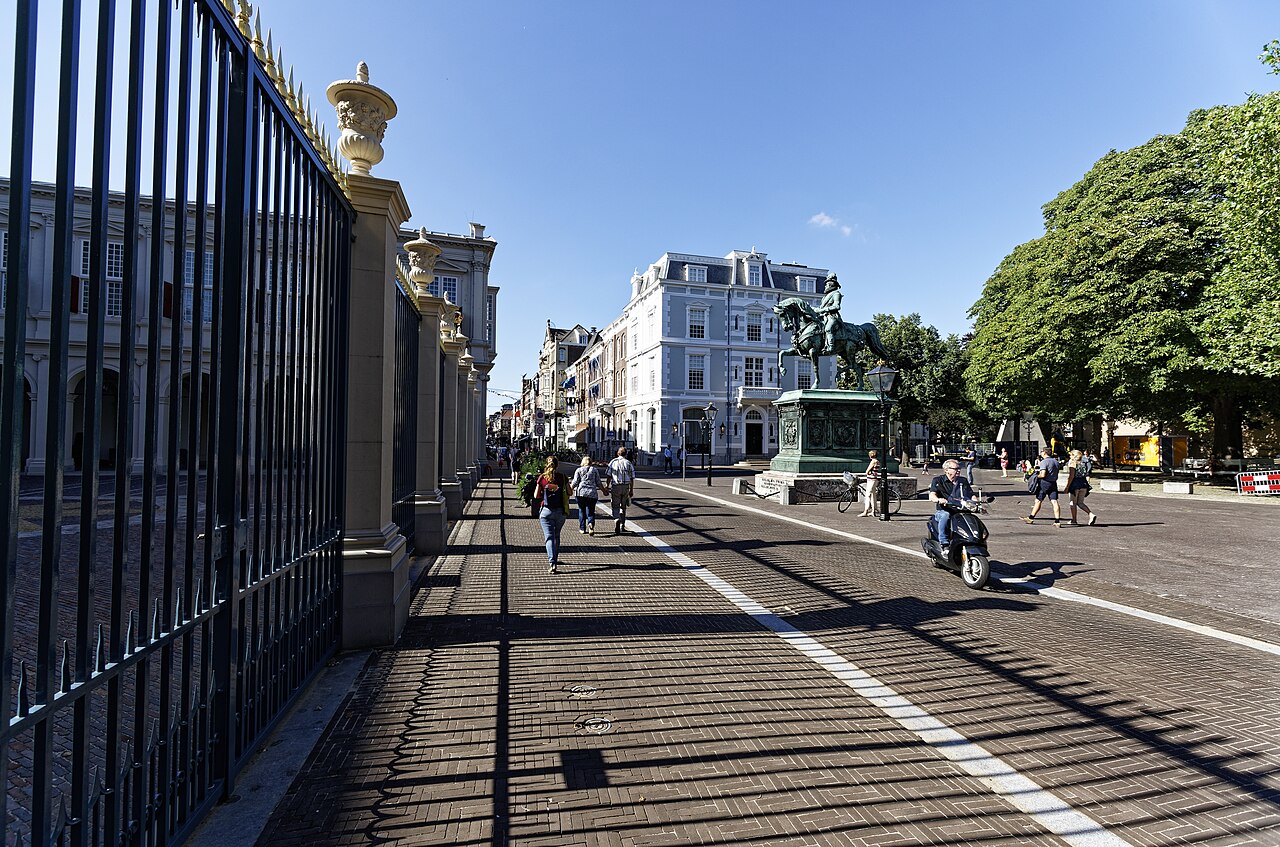
Standing proudly before the palace is an equestrian statue of William of Orange, the founding father of the Dutch nation, often called William the Silent. His presence here is no accident; it ties the working palace of today directly to the origins of the House of Orange and the birth of the Dutch state.
The statue gives the forecourt its focal point and its sense of gravity. As you approach the palace, the mounted figure draws your eye and quietly reminds you of the long historical lineage that Noordeinde represents, from the earliest days of Dutch independence to the constitutional monarchy of the present.
There is something fitting about a founder keeping watch over the office where his successors still work. The statue links past and present in a single glance, rooting the modern institution in the dramatic story of the country’s founding.
Pause beneath it before you move on. Monuments like this are easy to walk past, but this one carries real weight, marking the continuity between the man who helped create a nation and the monarchy that continues to serve it from the building just behind.
Around the base of the monument, the details reward a closer look, and generations of visitors have paused here to photograph the founder against the backdrop of the palace he could never have imagined. It has become one of the quiet landmarks of the city.
The pairing of statue and palace tells the whole national story in a single view, the founder of the republic watching over the office of the constitutional monarch, past and present held together in bronze and stone.
Fire, Loss and Careful Renewal
Like so many historic palaces, Noordeinde has known disaster as well as glory. A serious fire in the twentieth century inflicted heavy damage on the building, threatening to erase centuries of history in a matter of hours. It was a moment that could have ended the palace’s story.
Instead, the Dutch chose careful renewal. Rather than abandon the scarred building, they committed to restoring it, painstakingly bringing back its historic character while quietly modernizing what lay behind the facade. The result is a palace that honors its past without being a prisoner of it.
That decision speaks to the deep attachment the country feels for this understated landmark. A less-loved building might have been demolished and replaced, but Noordeinde was too woven into the identity of the monarchy and the city to let go.
When you admire the facade today, remember that it represents not just original craftsmanship but a determined act of recovery. The palace you see is a survivor, restored by people who understood that some buildings are worth saving whatever the cost.
The restoration work drew on the skills of craftspeople dedicated to traditional techniques, ensuring that the renewed palace would sit comfortably alongside the historic buildings around it. It was a labor of patience as much as skill.
Stories of loss and recovery like this one give old buildings a deeper resonance. Noordeinde is not simply a survivor of time but a testament to the choice, made deliberately, to preserve and renew rather than to forget.
The renewed palace reopened to resume its working life, and within a short time it was once again humming with the business of the monarchy, as if the interruption had been no more than a passing storm. Resilience, in the end, is written into its very walls.
Archives, Offices and the Business of State
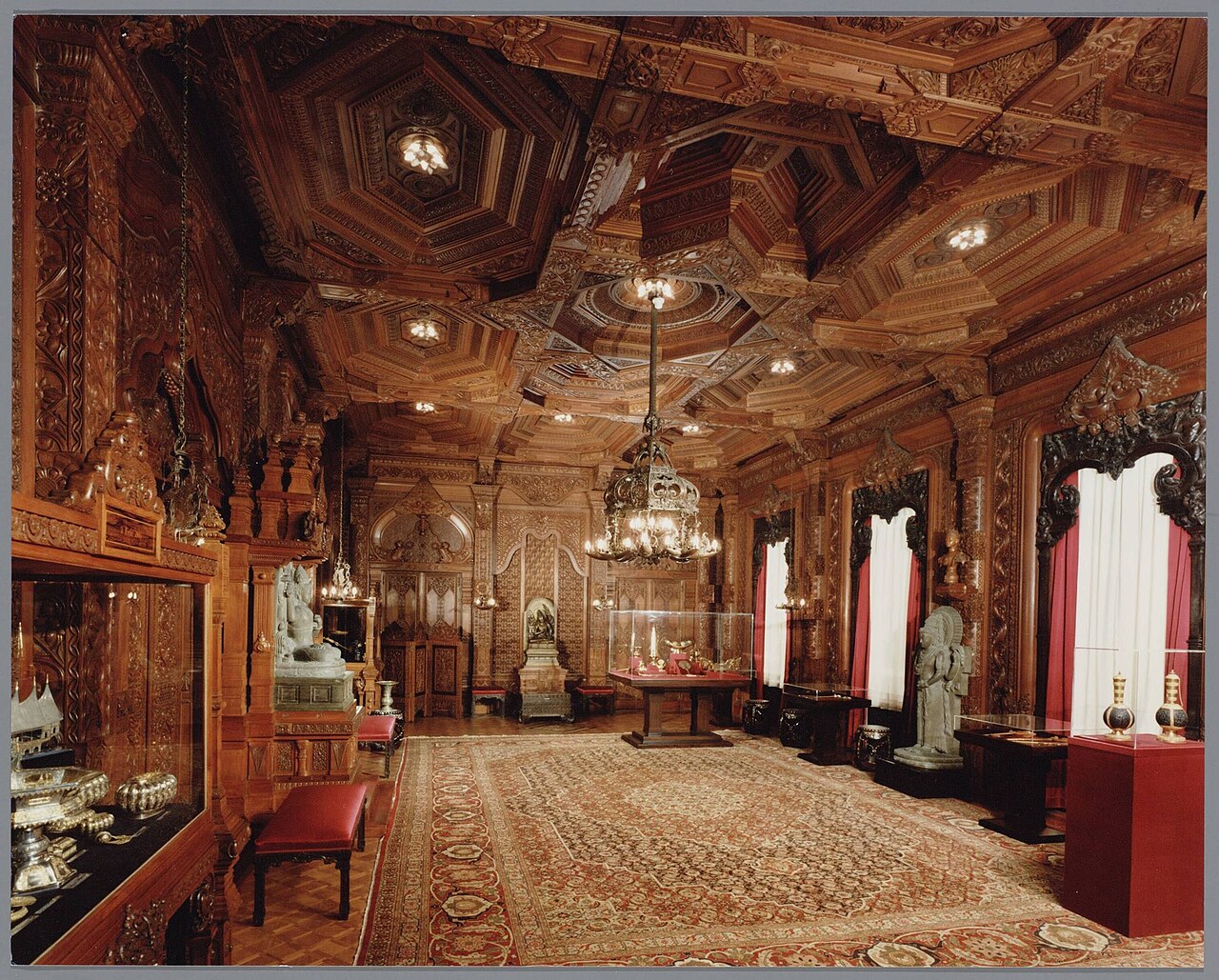
Beyond the rooms used for audiences and ceremony, Noordeinde and its associated buildings house the practical apparatus of the monarchy, including offices and archives that keep the institution running. This is the less glamorous but utterly essential side of royal life.
Think of everything a modern head of state must manage, the correspondence, the records, the coordination with government, the endless administration, and you begin to appreciate why the palace functions so much like a well-run office. Behind the historic walls, the paperwork of a nation’s monarchy is quietly handled.
The presence of archives here also underlines the palace’s role as a keeper of memory. Documents and records tracing the history of the House of Orange and its dealings form a vital part of the country’s heritage, safeguarded within these walls.
It is worth appreciating this hidden dimension even though you will never tour it. The dignity of the public rooms rests on this foundation of steady, unseen work, and it is what allows the monarchy to function as a serious institution rather than a mere symbol.
Preserving these records is a serious responsibility, demanding careful conservation and expert stewardship. The material held here is irreplaceable, and its safekeeping is a quiet but vital public service performed within the palace.
For historians, such archives are treasure, offering an intimate view of how the monarchy has evolved. Even though the public cannot browse them freely, their very existence enriches the nation’s understanding of its own past.
Audiences and Moments of Ceremony
Although Noordeinde is a working palace, it is far from ceremony-free. This is where the monarch receives ambassadors, greets official guests and holds the audiences that form a key part of royal duty. On these occasions the calm offices briefly give way to moments of real formality and splendor.
Picture the arrival of a foreign dignitary, the careful protocol, the exchange of courtesies, all unfolding within these historic rooms. Such events connect the everyday work of the palace to the wider world of diplomacy and statecraft, and they remind you that this is a place where nations meet.
The palace also plays its part in the great set-piece days of the Dutch royal calendar, when the city fills with crowds and the monarchy steps fully into public view. On those days Noordeinde’s working character is briefly overtaken by pageantry.
These bursts of ceremony give the palace its rhythm, long stretches of quiet industry punctuated by moments of shared national occasion. It is this alternation between the ordinary and the grand that makes Noordeinde such a fascinating institution to understand.
Protocol at these events is exact, the product of centuries of refinement, and every gesture carries meaning. For the visitors received here, an audience at Noordeinde is a memorable mark of the seriousness with which the Dutch monarchy treats its guests.
Even when no ceremony is underway, the awareness that such moments happen within these walls lends the building a quiet charge. You sense that at any time the calm offices might be called upon to host history.
The careful staging of these occasions, the timing, the placement, the choreography of arrival and departure, is a craft in its own right, honed over generations of royal households. Nothing is left to chance.
For the crowds who gather on the great national days, catching sight of the palace at the center of the celebration is a cherished tradition, binding citizens to the institution in a shared moment of pride.
A Closer Look on Film
Because the interior of Noordeinde is rarely open to visitors, film offers one of the best ways to see beyond the facade and appreciate the palace in its living context. The short video below helps bring the building and its role to life.
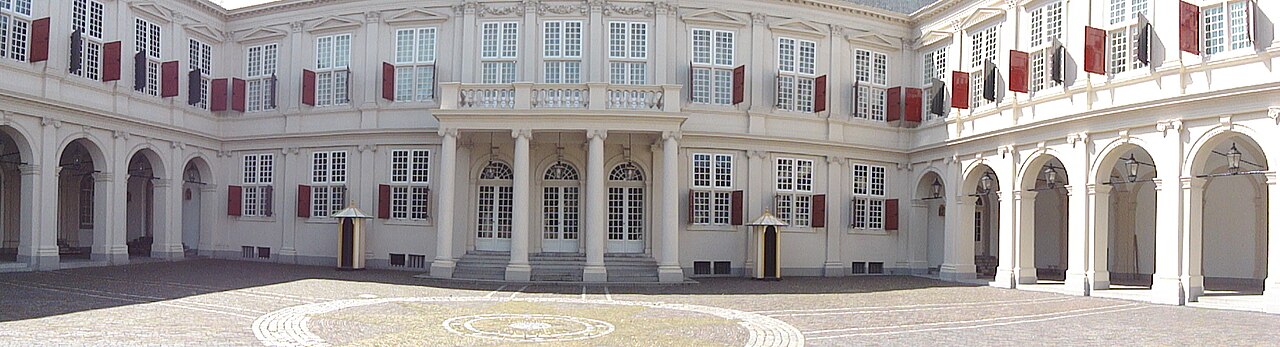
Watching it, you can pick up details that are hard to grasp from the street alone, from the setting of the palace within The Hague to glimpses of the ceremony and history that give it meaning. It is a fine companion to a walk around the exterior.
Noordeinde Palace Today
Today Noordeinde continues in the role it has held for so long, the working palace of the Dutch monarch and the administrative heart of the House of Orange-Nassau. In an age of change, its steady continuity is part of its quiet appeal.
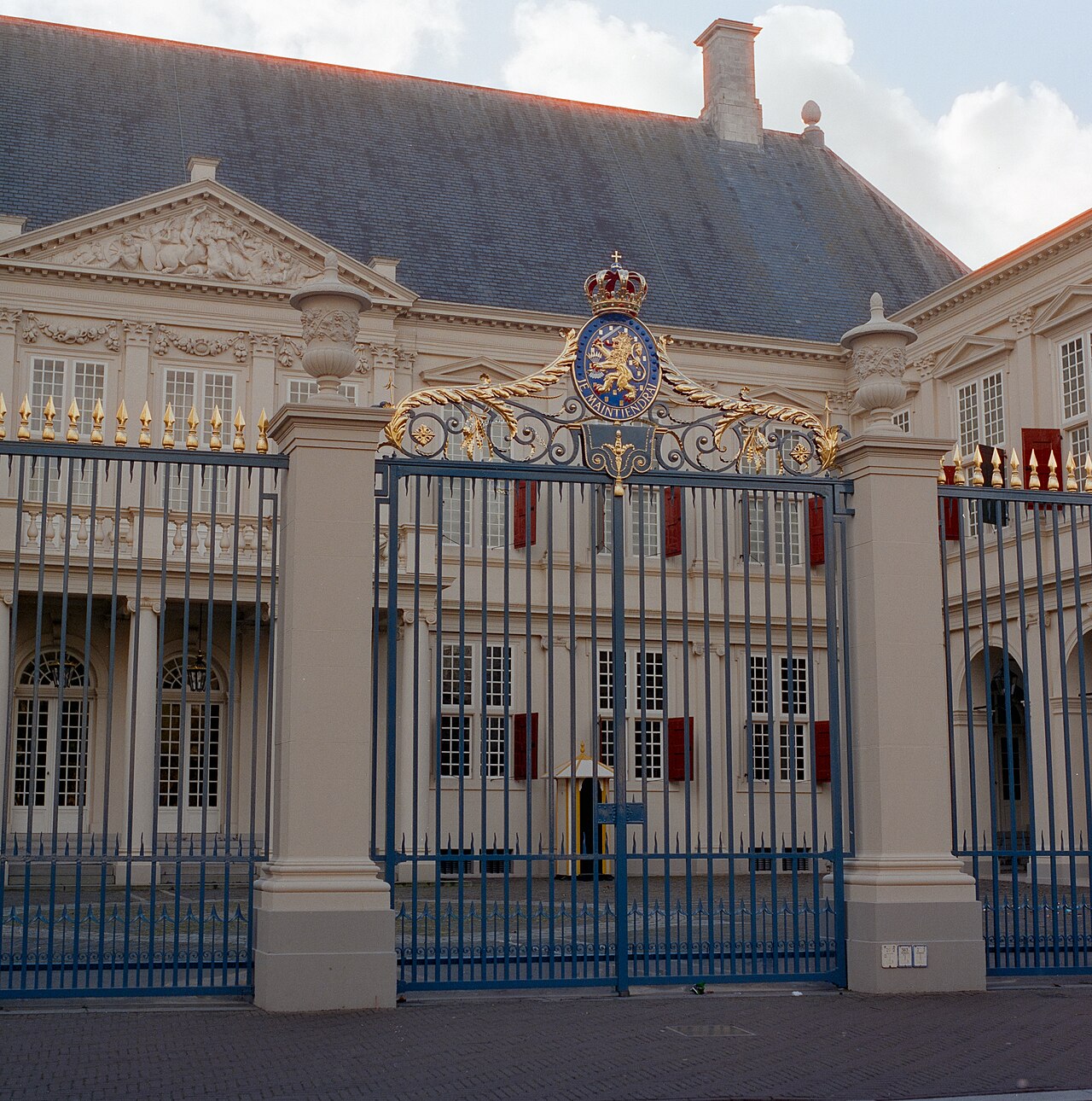
For visitors, the palace remains a rewarding stop precisely because it is so integrated into the life of the city. You can admire its facade, explore the surrounding streets and gardens, and feel the presence of living history without ever needing a ticket or a guided tour.
There is a lesson in Noordeinde’s understated confidence. It shows that grandeur need not mean spectacle, and that an institution can be both deeply traditional and thoroughly practical at the same time. Few buildings balance those qualities so gracefully.
When you finally turn to leave, glance back once more at that composed facade among the shops. You will carry with you the sense of having encountered a monarchy at work, hiding in plain sight, going about its business with the same calm dignity it has shown for centuries.
The palace’s continued relevance is, in a sense, its greatest achievement. Many historic buildings survive only as monuments to a vanished purpose, but Noordeinde still does exactly what it was adapted to do, which is a rare and valuable thing.
For anyone interested in how tradition and modern life can coexist, Noordeinde offers a small masterclass. It stands as proof that the old and the new need not compete, and that a building can carry the weight of centuries while remaining thoroughly, usefully alive.
Whatever the future holds for the Dutch monarchy, it is hard to imagine Noordeinde playing anything other than a central part. The palace has adapted before and will adapt again, always keeping that rare balance of history and usefulness that makes it so quietly remarkable.
Palaces Nearby
If Noordeinde has drawn you into the world of working royal residences, two more seats of northern European monarchy make natural companions to this one.
- Christiansborg Palace in Copenhagen, the only palace where a nation’s parliament, courts and crown share a single roof.
- the Royal Castle of Laeken, the private home of the Belgian royal family, famed for its glorious greenhouses.
You May Like


One thought on “Noordeinde Palace, the Quiet Working Heart of the Dutch Monarchy”