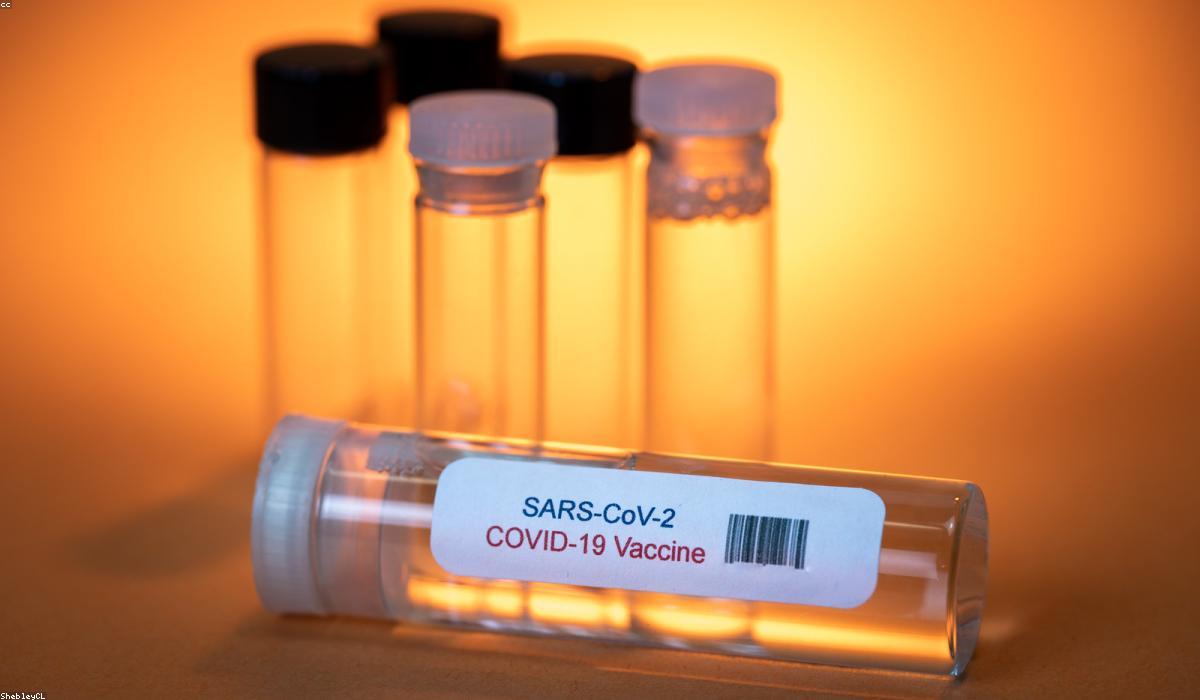
When the first mRNA vaccines were rolled out to billions of people during the coronavirus pandemic, most of the world encountered the technology for the first time and assumed it was something brand new, invented in a hurry to meet an emergency. The truth is almost the opposite. The vaccines that arrived so quickly were the product of decades of patient, often unglamorous and frequently discouraging research, work that for years struggled to attract funding or attention. The pandemic was not the birth of mRNA technology so much as its dramatic public debut, and what comes next may prove even more consequential than the vaccines that made it famous.
The idea at the heart of it all
To grasp why scientists are so excited, you have to understand the elegant simplicity of the underlying idea. Every cell in your body is, in a sense, a tiny factory that builds proteins, and the instructions for building those proteins are carried by a molecule called messenger RNA, or mRNA. Your DNA holds the master blueprints, but it stays safely locked away in the cell’s nucleus. When a particular protein is needed, a working copy of the relevant instructions is made in the form of mRNA, which travels out to the cell’s machinery and is read like a recipe to assemble the protein.
The insight that drives mRNA medicine is this: if you can write your own instructions and deliver them into someone’s cells, you can effectively turn the body into a manufacturer of whatever protein you choose. In the case of the vaccines, the instructions tell your cells to make a harmless piece of a virus, just enough for your immune system to recognise it, learn what the real threat looks like, and prepare its defences. The genius is that you are not injecting a drug that runs out; you are handing the body a recipe and letting it do the cooking itself, briefly, before the instructions naturally degrade.
Why it took so long
If the concept is so straightforward, why did it take decades to work? The answer lies in two stubborn problems that frustrated researchers for years. The first was that the body’s immune system tends to attack foreign mRNA on sight, treating it as the kind of molecule a virus might smuggle in, which meant injected mRNA was destroyed before it could do anything useful and often provoked dangerous inflammation. The second was the simple challenge of delivery: mRNA is fragile and falls apart easily, so getting it intact into the right cells was enormously difficult.
The breakthroughs that solved these problems were the fruit of long and persistent work by a small number of researchers who often toiled in obscurity. A key discovery involved making subtle chemical modifications to the building blocks of the mRNA so that the immune system would tolerate it rather than destroy it on arrival. This work was so foundational that it was eventually recognised with a Nobel Prize, awarded to scientists whose persistence through years of skepticism made the entire field possible. Alongside this came advances in packaging the mRNA inside tiny protective bubbles of fat, called lipid nanoparticles, which shield the fragile molecule and ferry it safely into cells.
Beyond infectious disease: the cancer frontier
With those obstacles overcome and the technology proven at planetary scale, attention has turned to what else this approach can do, and the most tantalising prospect is in the fight against cancer. The idea of an mRNA cancer vaccine is different from the way most people think of vaccines. Rather than preventing a disease before it strikes, these are therapeutic vaccines designed to treat a cancer that already exists, by teaching the immune system to recognise and attack the tumour.
What makes the approach especially powerful is the possibility of personalisation. Every person’s cancer is genetically unique, riddled with its own particular set of mutations that distinguish the tumour cells from healthy ones. In principle, researchers can take a sample of a patient’s tumour, analyse its specific mutations, identify the distinctive flags those mutations produce on the surface of the cancer cells, and then design a bespoke mRNA vaccine that instructs the patient’s immune system to hunt for precisely those flags. It is a treatment tailored to a single individual’s disease, something that would have sounded like science fiction not long ago.
Early trials of personalised mRNA cancer vaccines, often used in combination with other immune-boosting drugs, have produced encouraging results in some of the most difficult cancers, including aggressive skin and pancreatic cancers. It is essential to be measured here: these are early studies, the patient numbers are small, and a great deal of work remains before anyone can speak of routine treatment. But the signals have been promising enough to fuel serious optimism and substantial investment.
A platform technology with countless uses
Perhaps the most important thing to appreciate is that mRNA is what engineers call a platform technology. Once you have mastered the machinery of writing instructions, packaging them and delivering them into cells, you can in principle swap in a different set of instructions to address an entirely different problem, without having to reinvent the whole system each time. This flexibility is what makes the technology so versatile and so fast to adapt.

Researchers are exploring mRNA approaches for a remarkable range of applications. There is work on vaccines against other infectious diseases that have long resisted prevention. There is research into using mRNA to instruct the body to produce therapeutic proteins that some patients cannot make for themselves, which could open new avenues for treating rare genetic disorders. There are efforts to use the technology to coax the body into repairing damaged tissue, including in the heart. The common thread is the same simple, powerful idea: deliver instructions, let the body do the rest.

The challenges that remain
None of this will be easy, and a clear-eyed view requires acknowledging the hurdles. Personalised cancer vaccines, in particular, are complex and expensive to produce, since each one must be custom-made for an individual patient, and scaling that up to treat large numbers of people affordably is a serious manufacturing and logistical challenge. Delivering mRNA reliably to organs other than where it is injected remains difficult. And as with any new class of medicine, the long-term effects must be studied carefully over many years.
There is also the matter of trust. The technology became, for some, a focus of public anxiety and misinformation during the pandemic, and rebuilding and maintaining clear public understanding of how it works will be an ongoing task for scientists and communicators alike.
A quiet revolution still unfolding
The story of mRNA is, in many ways, a parable about the value of patient, curiosity-driven science. For years it was a niche field pursued by a stubborn few who believed in its promise despite repeated setbacks and indifference. When the world suddenly needed it, the groundwork was already laid, and the technology delivered on a scale and speed that astonished even its champions. Now, with its capabilities proven, it is being turned toward some of the hardest problems in medicine.
It would be unwise to promise miracles, and the path from laboratory to widespread treatment is always longer and bumpier than the headlines suggest. But the fundamental shift is real. We have learned how to speak to our own cells in their native language, handing them instructions and letting them act. Where that conversation leads, in cancer wards and clinics in the years ahead, may turn out to be one of the defining medical stories of this century.