For families living with a serious inherited disease, the cruelty has often been twofold. There is the disease itself, and then there is the knowledge that it was written into a child’s cells from the very first moment of life, lurking in the genetic code, with nothing anyone could do to remove it. Treatments could manage the consequences, sometimes for years, but the cause sat untouchable at the root. Gene therapy is the field of medicine built around a radical and hopeful idea: that we might one day fix the cause itself, by delivering a working copy of a gene into the body to make up for the broken one.
It is one of the oldest dreams in modern biology, and for a long time it was also one of the most frustrating. Recently, however, gene therapy has matured from a perpetually-just-around-the-corner hope into a real and growing branch of medicine, with approved treatments that have restored sight, transformed the lives of children with devastating disorders, and offered, in some cases, what looks very much like a cure from a single treatment.
The core concept
The basic logic of gene therapy is beautifully simple, even if the execution is fiendishly hard. Many serious inherited diseases are caused by a single faulty gene that fails to produce a protein the body needs, or produces a broken version of it. If the problem is a missing or non-functional instruction, then perhaps the solution is to supply a good copy of that instruction, allowing the cells to make the protein they could not make before.
This is different from gene editing, which we explored in the context of CRISPR. Gene editing rewrites the existing DNA in place, like correcting a typo in a document. Classic gene therapy, by contrast, often does not touch the faulty gene at all; instead it adds a functioning copy alongside it, like slipping an extra, correct page into the cell’s instruction manual. Both approaches aim at the same goal of addressing disease at the genetic level, but they go about it in distinct ways.
The delivery problem and the viral solution
The central challenge of gene therapy has always been delivery. How do you get a new gene into the right cells, inside a living body, in a way that is safe and lasting? The answer that has come to dominate the field is both ingenious and slightly counterintuitive: use a virus. Viruses are, after all, nature’s experts at inserting genetic material into our cells, since that is precisely how they reproduce. Researchers learned to take certain viruses, strip out the genes that make them cause disease, and replace them with the therapeutic gene they want to deliver. The hollowed-out virus becomes a delivery vehicle, a kind of microscopic courier.
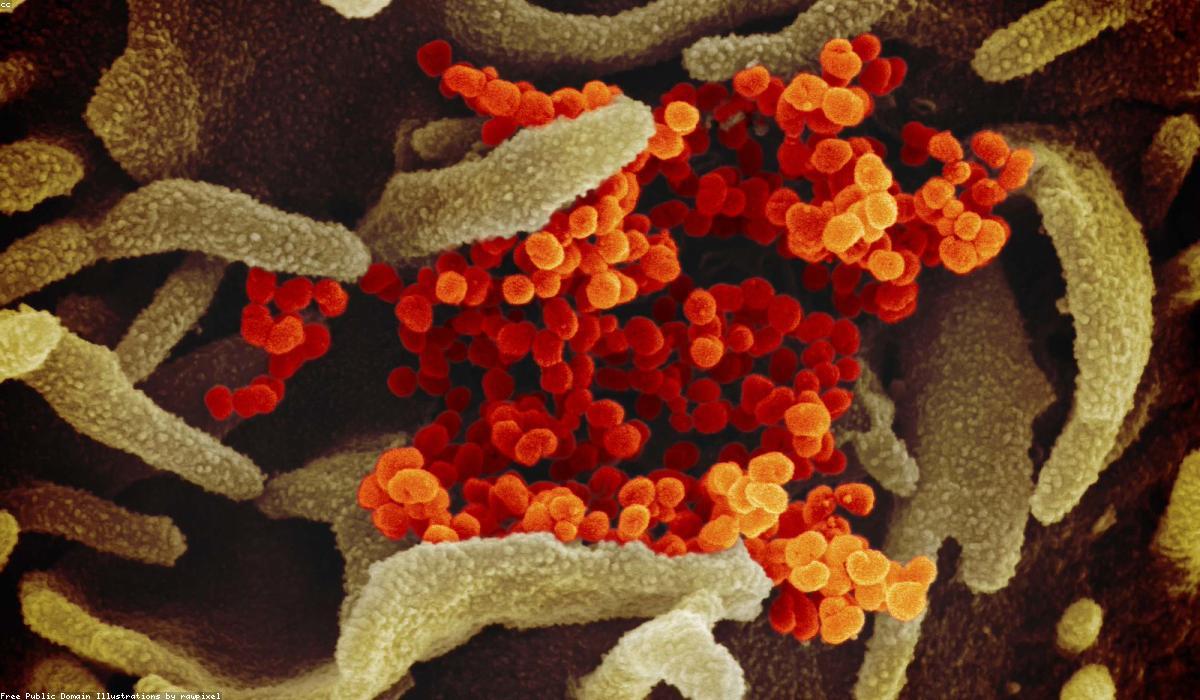
One family of viruses in particular, known as adeno-associated viruses, has proven especially useful because it can deliver genes effectively without causing illness and tends to provoke a relatively mild immune response. Refining these viral couriers, learning to target them to particular tissues and to manage the body’s reaction to them, has been a huge part of the painstaking work that turned gene therapy from a risky experiment into a viable treatment.
Hard lessons along the way
It is important to be honest about how difficult and at times tragic the journey has been. In its early years, gene therapy suffered serious setbacks, including the deaths of patients in clinical trials and cases where the treatment triggered cancers. These devastating events cast a long shadow over the field and, for a period, brought much of the research to a halt. They were a sobering reminder that introducing genetic changes into the human body is not something to be done lightly, and that safety must come first.
The field’s eventual revival came from learning hard lessons: choosing safer viral vehicles, understanding the immune system’s responses far better, and proceeding with great caution. The result is a discipline that today is far more rigorous and far safer than its early incarnation, even if risks can never be entirely eliminated.
Restoring sight and changing lives
Some of the most moving successes of gene therapy have come in the treatment of inherited forms of blindness. Certain people are born with a genetic fault that causes the light-sensing cells in the retina to deteriorate, leading to progressive vision loss and eventual blindness. A gene therapy that delivers a working copy of the faulty gene directly into the eye has allowed some of these patients to regain meaningful vision, in some cases enabling children who could barely see to navigate the world, recognise faces and see the stars for the first time.
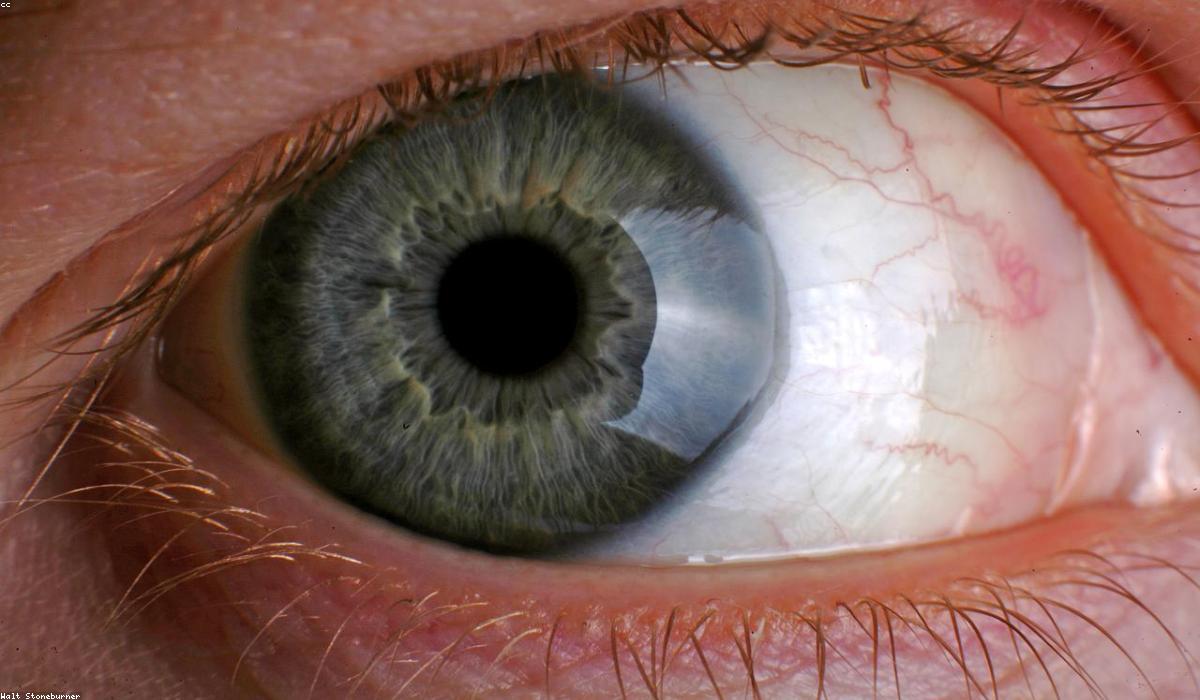
The eye, it turns out, is a particularly good target for gene therapy. It is small, enclosed and somewhat shielded from the rest of the immune system, which makes it easier to treat without the immune complications that plague efforts elsewhere in the body. Successes here helped restore confidence in the whole field and demonstrated that the approach could deliver life-changing, durable results.
A treatment for the most fragile patients
Perhaps no application of gene therapy is more emotionally powerful than its use in treating severe inherited disorders in very young children. There are conditions in which infants are born with a genetic fault so severe that, without intervention, they face progressive paralysis and an early death, or are born without a functioning immune system, unable to survive ordinary infections. Gene therapies for some of these conditions have produced results that, a generation ago, would have seemed impossible: children who would not have survived early childhood are now reaching milestones their parents were told to never expect.
The staggering question of cost
With these triumphs comes one of the thorniest problems in modern medicine. Gene therapies are extraordinarily expensive, with some carrying price tags that rank them among the most costly treatments ever devised, running into the millions for a single dose. The justification offered is that a one-time treatment that replaces a lifetime of expensive care might be worth it in the long run, but the upfront sums strain health systems and raise profound questions of fairness. If a cure exists but only the wealthiest can access it, what does that mean for everyone else?

There are also scientific and practical limits that temper the excitement. Many gene therapies work best for diseases caused by a single, well-understood gene, and a great many conditions are far more complex, involving many genes and environmental factors. The durability of treatments is another open question; for some therapies, it remains unclear whether the benefits will last a lifetime or fade over the years, potentially requiring repeat treatment, which the viral delivery method can make difficult.
A field coming into its own
Despite all these caveats, gene therapy has crossed a crucial threshold. After decades of false dawns, it is now delivering real, approved treatments that change and save lives. The pace of progress is accelerating, with researchers working to make the therapies safer, cheaper, more durable and applicable to a wider range of conditions. Newer approaches aim to deliver treatments more precisely and to overcome the limitations of repeat dosing.
The long-held dream of treating disease at its genetic source is no longer a dream. It is, for a growing number of patients, a reality, however imperfect and however unevenly distributed at the moment. The task now is to build on the proof that it works, to extend its reach, and above all to find ways to ensure that the benefits of this remarkable technology are not reserved for the fortunate few but made available to all the families who have waited so long for hope.