For most of human history, the genetic conditions a person was born with were treated as a kind of fixed destiny. If a fault was written into your DNA, you and your doctors could manage the symptoms, ease the pain and slow the damage, but the underlying cause was untouchable. The instructions themselves could not be rewritten. That assumption, which held firm for the entire span of medicine, has now begun to crumble, and the place where it cracked most dramatically is in the treatment of a painful inherited blood disorder called sickle cell disease.
The arrival of the first approved therapies built on the gene-editing tool known as CRISPR marks one of those rare moments when a piece of basic laboratory science crosses over into the clinic and changes what is actually possible for real patients. It is worth slowing down to understand what happened, why it matters so much, and what it does and does not promise for the future of medicine.
What sickle cell disease actually does
Sickle cell disease is caused by a single tiny error in the gene that tells the body how to build haemoglobin, the protein inside red blood cells that carries oxygen around the body. That one small change has enormous consequences. Instead of staying soft, round and flexible, the affected red blood cells can collapse into a rigid, curved shape a little like a crescent or a farmer’s sickle, which is where the disease gets its name.
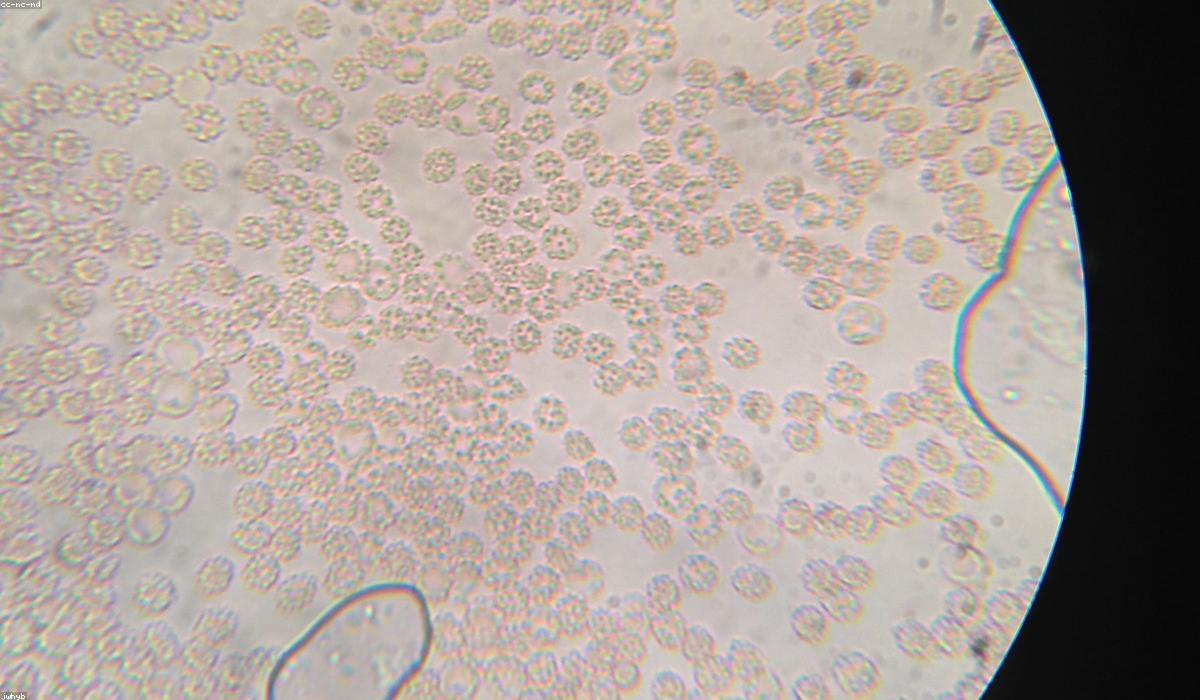
These misshapen cells do not flow smoothly. They snag and clump together inside small blood vessels, blocking the flow of blood and starving tissues of oxygen. The result, for people living with the condition, is a life punctuated by episodes of excruciating pain known as crises, along with a long list of serious complications: anaemia, organ damage, strokes, a raised risk of infection and a shortened life expectancy. It is one of the most common inherited disorders in the world, affecting millions of people, and historically the options for treating it have been limited and far from satisfactory.
The breakthrough of CRISPR
To understand the new therapies, you first have to understand the tool behind them. CRISPR is, at heart, a way of making precise, targeted changes to DNA. The technology was adapted from a defence mechanism that bacteria use to fend off viruses, and its great virtue is that it can be programmed to find a specific stretch of genetic code among the three billion letters of the human genome and cut it at exactly that point. The discovery of how to harness this system was so significant that it earned its pioneers a Nobel Prize.
What makes CRISPR feel like a turning point is the combination of precision and accessibility. Earlier methods of editing genes existed, but they were slow, expensive and fiddly. CRISPR is comparatively cheap, fast and adaptable, which is why within just a few years of its arrival, laboratories all over the world were using it to probe the workings of genes and to hunt for ways to fix the ones that cause disease.
A clever sidestep rather than a direct repair
Here is where the story of the sickle cell treatment becomes genuinely elegant. You might assume the obvious approach would be to use CRISPR to go in and directly correct the single faulty letter in the haemoglobin gene. But the approved therapy takes a different and rather ingenious route. Instead of repairing the broken adult haemoglobin, it reawakens a back-up version of haemoglobin that the body normally only produces before birth.
All of us, as developing babies in the womb, make a form of the protein called fetal haemoglobin, which is perfectly good at carrying oxygen and, crucially, does not sickle. Shortly after birth, a genetic switch flips and the body stops making the fetal version and turns to the adult form instead. In people with sickle cell disease, that adult form is the defective one. The therapy uses CRISPR to disable the switch that silences fetal haemoglobin, effectively persuading the body to start producing the harmless fetal version again throughout life. The damaged adult haemoglobin is still there, but the revived fetal haemoglobin dilutes it and keeps the red cells healthy.
How the treatment is given
The process is not a simple injection, and this is one of the most important things to understand about where the technology stands today. The treatment involves harvesting the patient’s own blood-forming stem cells, the cells in the bone marrow that generate every blood cell in the body. Those cells are taken out, edited with CRISPR in a laboratory, and checked. Meanwhile, the patient must undergo chemotherapy to clear out the existing, unedited stem cells in their bone marrow to make room for the new ones.
The edited cells are then infused back into the patient, where they take up residence in the bone marrow and begin producing healthy red blood cells carrying the revived fetal haemoglobin. Because the patient’s own cells are used, there is no risk of the immune rejection that complicates transplants from donors. But the chemotherapy step is gruelling, the whole procedure requires lengthy hospital stays, and it is, by any measure, an intensive and demanding intervention.
The promise, and the very real caveats
The results reported in clinical trials have been striking. Many of the patients who received the treatment have gone long stretches free of the agonising pain crises that had dominated their lives, a transformation that for some has been close to miraculous. For a condition that has caused so much suffering for so long, the prospect of a one-time treatment that addresses the root cause rather than merely managing symptoms is genuinely momentous.
And yet it would be a disservice to present this as a tidy happy ending. Several serious challenges remain, and honesty about them matters. The first is cost. These therapies carry price tags running into the millions per patient, which raises hard questions about who will actually be able to access them. Sickle cell disease disproportionately affects people in parts of the world with the fewest medical resources, and a cutting-edge treatment that only wealthy health systems can afford does little for the majority of those who suffer from the condition.
The second challenge is the sheer complexity and intensity of the procedure. The need for chemotherapy and prolonged hospital care means this is not something that can be rolled out easily or at scale, at least not yet. The third is the long horizon of uncertainty. Because the technology is so new, no one can yet say with confidence how the edited cells will behave over the course of decades, and careful long-term monitoring of treated patients will be essential.
A door pushed open
Even with all those caveats firmly in mind, it is hard to overstate the symbolic and practical importance of what has been achieved. For the first time, a therapy based on deliberately rewriting a patient’s DNA has moved from the realm of promise into approved, real-world medicine. The principles proven here in sickle cell disease are already being applied to a related blood disorder, and researchers are exploring whether the same broad approach can be turned against a whole range of genetic conditions that were, until very recently, considered untreatable at their source.
There is a long road ahead. The hope is that future versions of these therapies will be simpler, cheaper and gentler, perhaps one day delivered without the need for chemotherapy or even reaching the right cells directly inside the body rather than in a laboratory. Whether that future arrives quickly or slowly, the essential barrier has been broken. The genetic instructions we are born with are no longer entirely beyond our reach, and a disease that has caused untold suffering across generations has become, for a fortunate few, something that can be confronted at its very root. That is a genuine turning point in the long history of medicine, and it is only the beginning of the story.