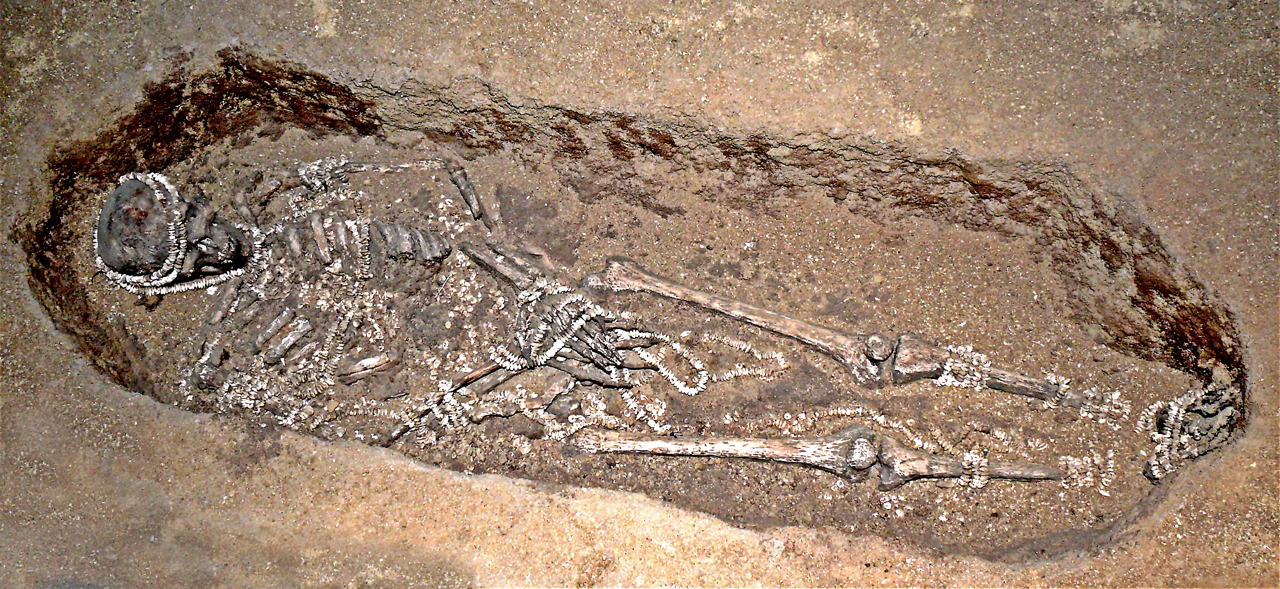
Staraya Ladoga: The Volkhov Town Where Russia May Have Begun
One of Russia’s oldest towns, Staraya Ladoga was a Viking-era trade hub and, by tradition, an early seat of the Rurik dynasty.
Info on popular culture and everyday life
One of Russia’s oldest towns, Staraya Ladoga was a Viking-era trade hub and, by tradition, an early seat of the Rurik dynasty.
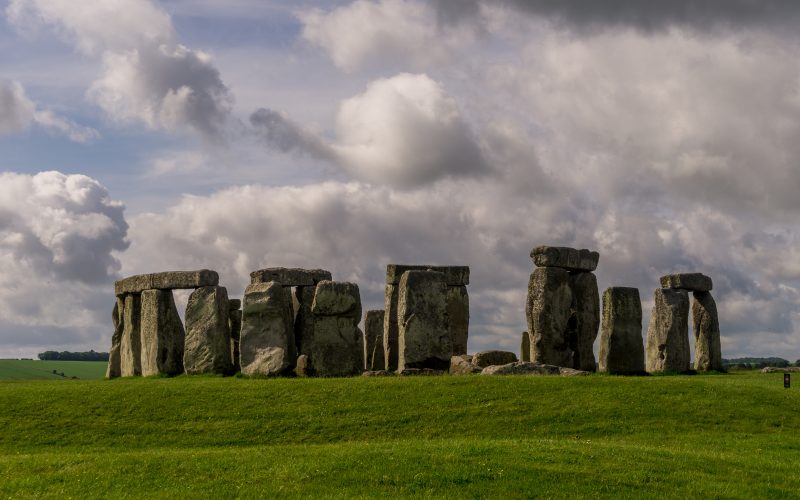
Built and rebuilt over many centuries on Salisbury Plain, Stonehenge still guards its secrets. Here is what we actually know about who raised it, how, and why — and the myths worth letting go.
Near Vladimir, 30,000-year-old graves adorned with tens of thousands of ivory beads revealed the astonishing culture of Ice Age hunters.

At the mouth of the Don, the northernmost Greek city traded wine for grain and blended Greeks and Sarmatians for centuries.
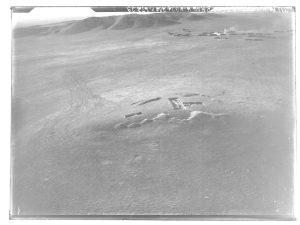
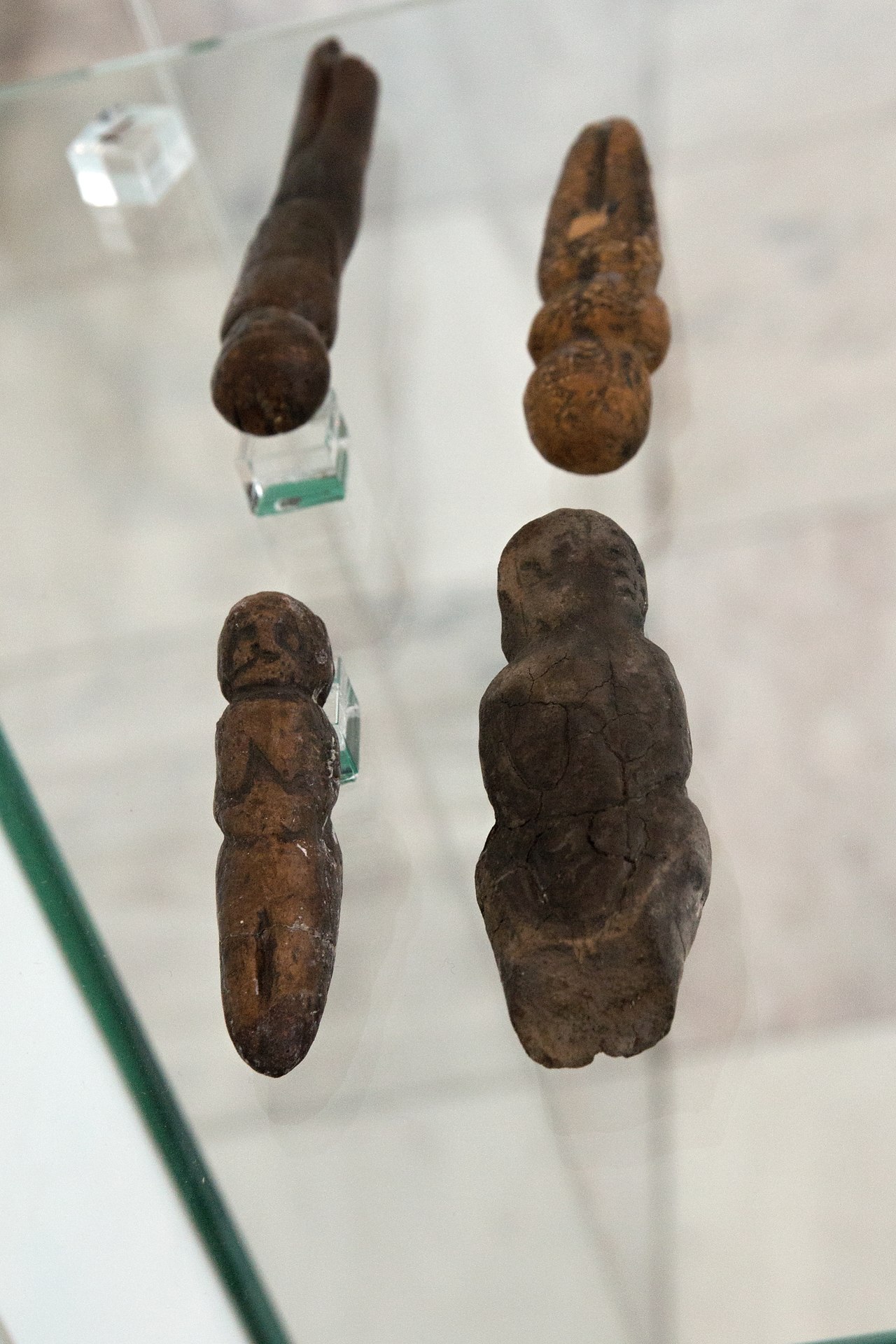
A great mound in northeastern Syria suggests cities grew up in the north of Mesopotamia just as early as in the famous south, and it left behind thousands of haunting eye idols.

A mound in central Bulgaria records over 3,000 years of continuous village life, and gives its name to the chronology of the Balkans.

On a Breton headland stands the Cairn of Barnenez, a 75-metre stone monument with eleven burial chambers, raised around 4800 BCE — older than the pyramids and one of Europe’s oldest buildings.

Nearly 9,000 years ago, farmers on a hill in central Greece built what may be the oldest town in Europe.

On a lake in northern Greece, waterlogged mud preserved a Neolithic village, and a wooden tablet that may bear some of the world’s oldest signs.
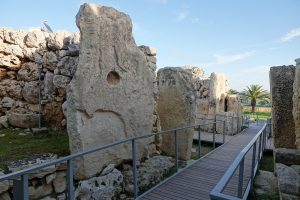
On two small Mediterranean islands stand the oldest free-standing stone monuments on Earth. Malta’s megalithic temples were built around 3600 BC — a thousand years before the pyramids — by farmers, not giants.


