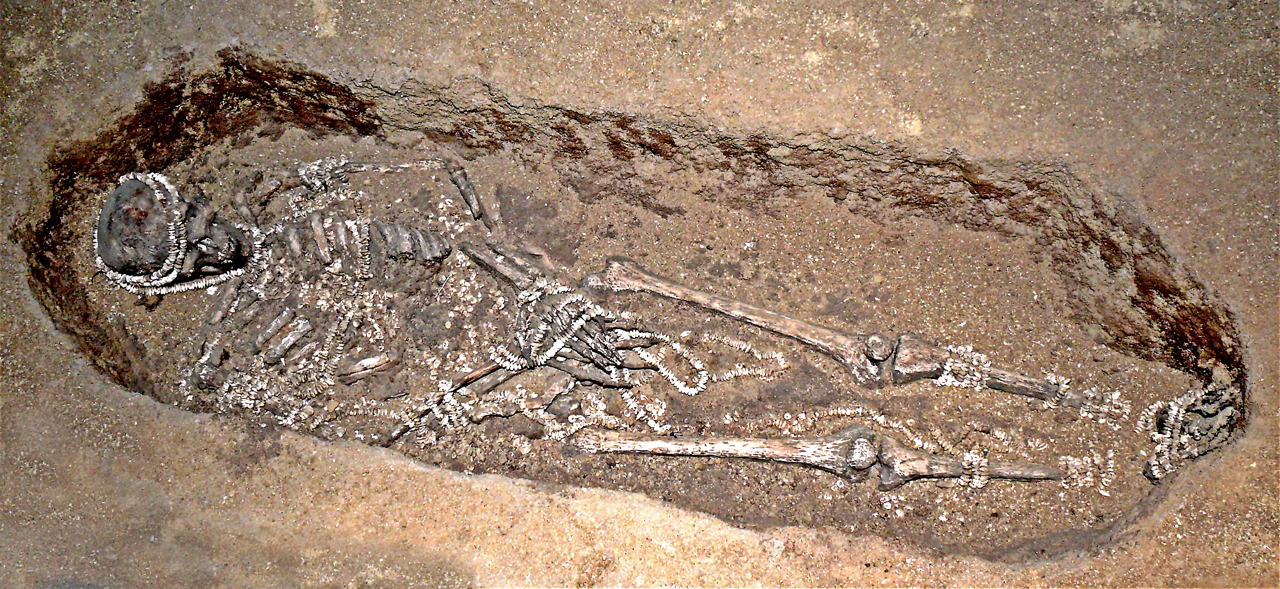
Arkaim: A Perfect Circle on the Steppe, Burned by Its Builders
Nearly 4,000 years ago on the Ural steppe, people built a perfectly circular fortified town, raced the first chariots, then burned it down.
Info on popular culture and everyday life

Nearly 4,000 years ago on the Ural steppe, people built a perfectly circular fortified town, raced the first chariots, then burned it down.
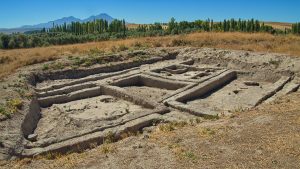
Centuries before Çatalhöyük, people in Cappadocia already built streetless houses entered through the roof, kept early sheep, and even performed brain surgery. Meet Aşıklı Höyük.
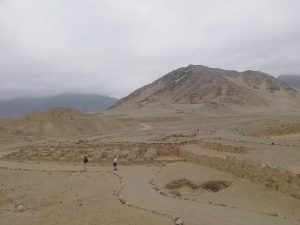
Caral, in the Supe Valley of Peru, is the oldest known city in the Americas — built with pyramids, sunken plazas, and clever earthquake-proof foundations at the very same time as the Great Pyramid of Egypt, yet with almost no sign of war.
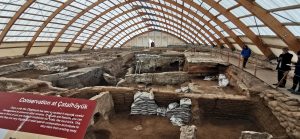
In central Turkey, thousands of people once lived in a honeycomb town with no streets, entering their homes through the roof and burying their dead beneath the floor. Meet Çatalhöyük, one of humanity’s first great experiments in living together.
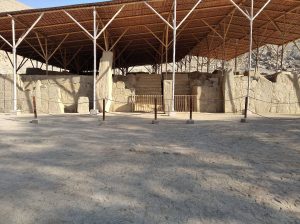
On the desert coast of Peru stands a temple whose walls are lined with hundreds of carved stones showing marching warriors and their dismembered victims. Meet Cerro Sechin, one of the oldest and most haunting monuments in the Americas.
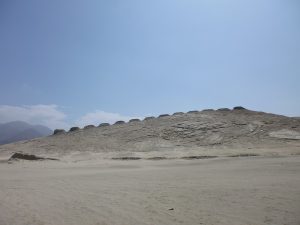
A line of thirteen stone towers in the Peruvian desert forms the oldest known solar observatory in the Americas, tracking the sun across the year with astonishing precision over 2,000 years ago.
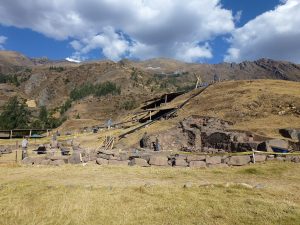
Long before the Inca, a temple in the Peruvian Andes used darkness, roaring water, carved monsters, and visions to overwhelm pilgrims. Meet Chavin de Huantar and its fanged god, the Lanzon.
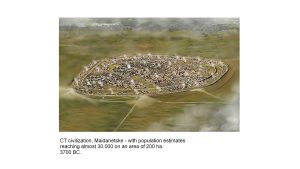
On the plains of Ukraine, 6,000 years ago, people built planned towns of thousands, made dazzling painted pottery, and burned their whole settlements to the ground every few generations. Meet Cucuteni-Trypillia.

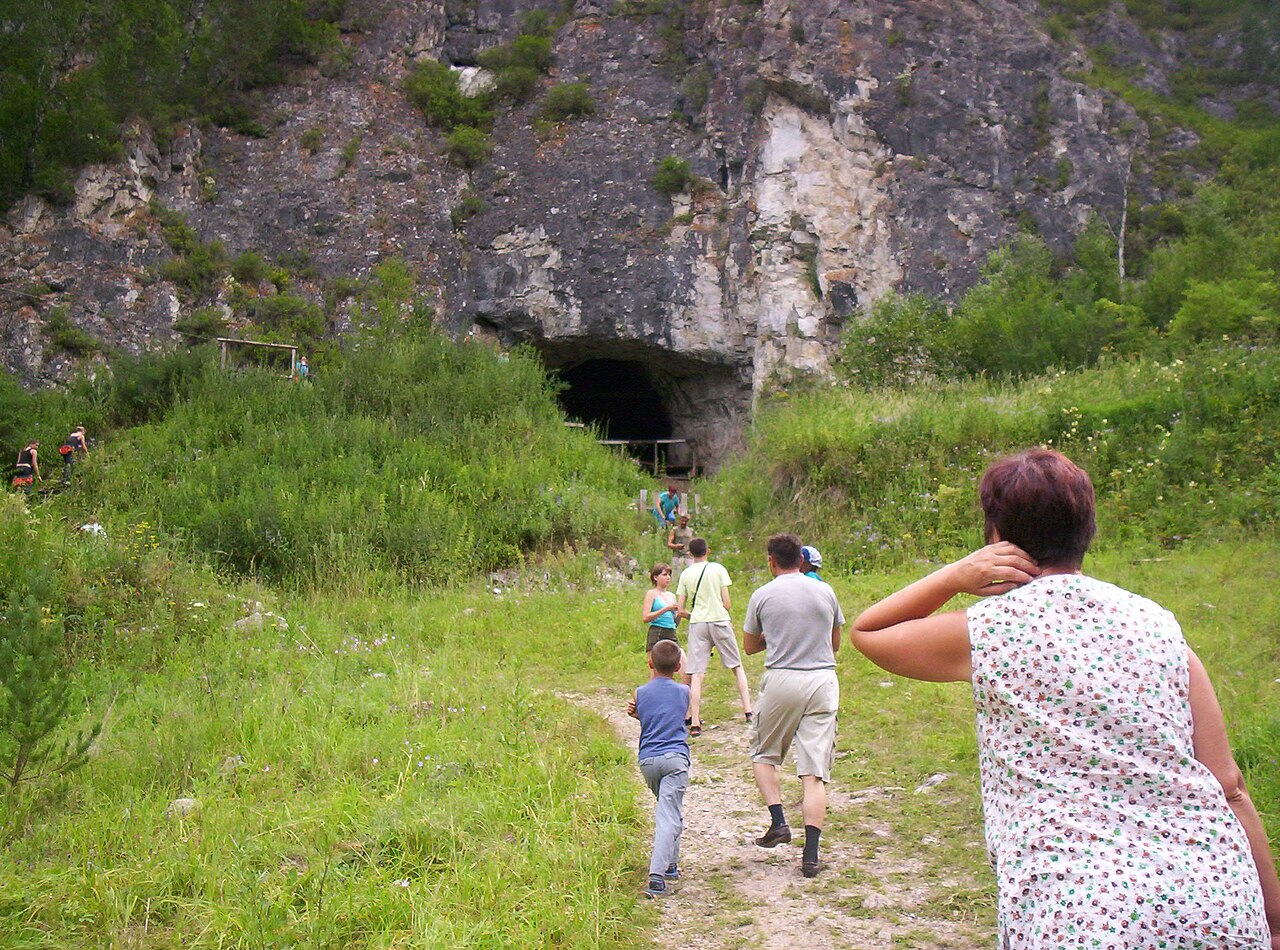
In the Altai Mountains, a cave preserved evidence of three kinds of humans and revealed the Denisovans from a single finger bone.

One of Russia’s oldest cities, Derbent guarded the narrow Caspian Gates with colossal Sasanian walls and the fortress of Naryn-Kala.


