In 1938, a man digging a cistern in the eastern Nigerian village of Igbo-Ukwu struck a cache of strange and beautiful bronze objects. Decades later, careful excavation revealed the full astonishment of the find: a body of cast-metal work of exquisite intricacy, buried with a richly adorned dignitary, and dated by radiocarbon to around the ninth or tenth century. These are among the oldest bronzes yet found in sub-Saharan Africa, made centuries before the celebrated art of Ife and Benin.
What makes Igbo-Ukwu so remarkable is not only its age but its sophistication. The objects were cast by the demanding lost-wax method, their surfaces covered with delicate simulated wirework and granulation of a fineness that has few equals anywhere. Their existence proves that a highly skilled bronze industry, supported by long-distance trade and a stratified society, flourished in the West African forest long before any contact with Europe, overturning old assumptions about the technological history of the region.
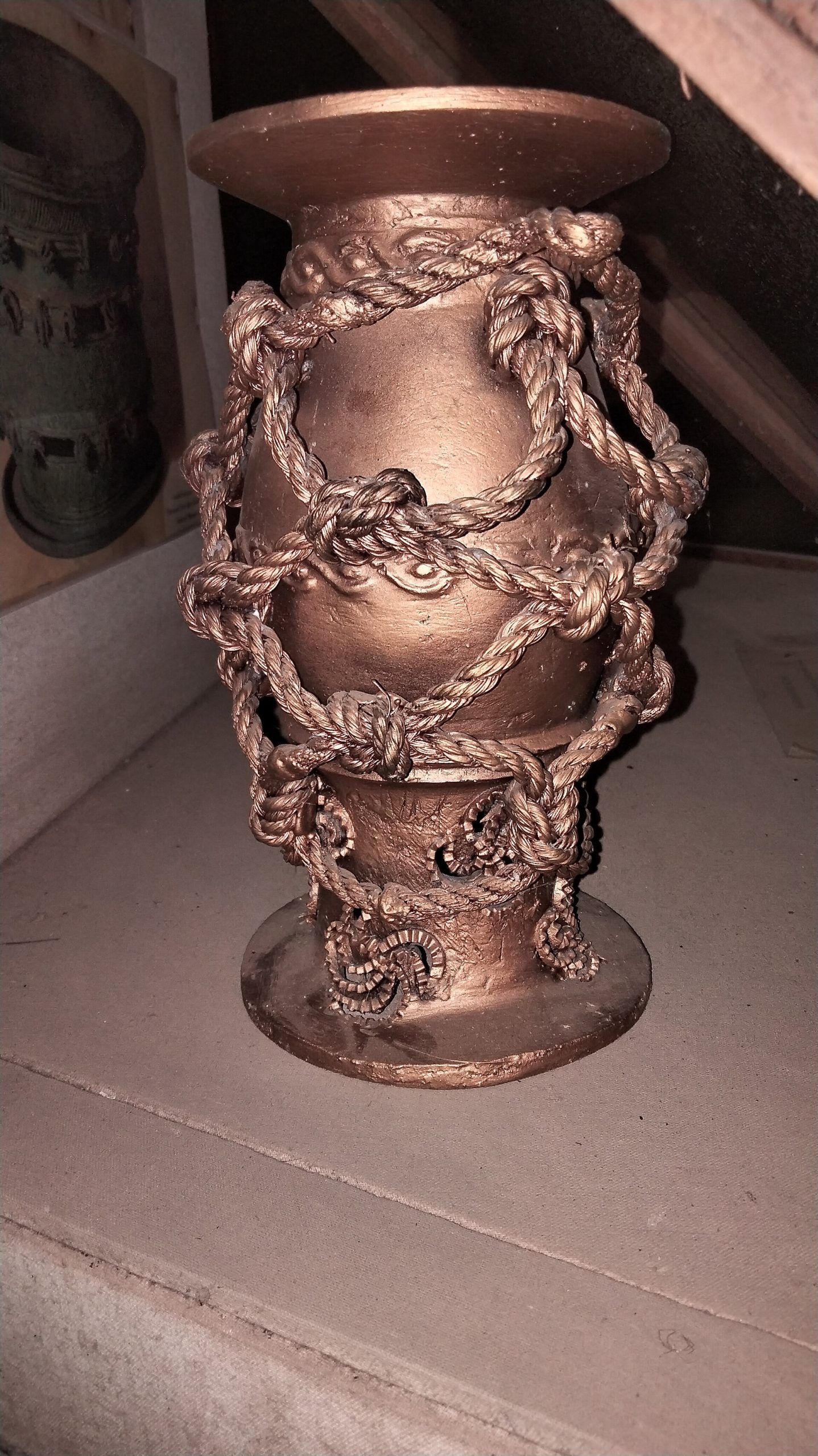
Table of Contents
- An Accidental Discovery
- Three Sites
- The Burial of a Dignitary
- The Snail-Shell Vessel
- Mastery of the Lost-Wax Method
- The Roped Pot
- Pendants and Regalia
- Trade and Connections
- A Rewriting of History
- Getting There
- Nearby Places
- Closing Thoughts
An Accidental Discovery
The story of Igbo-Ukwu begins by chance. In 1938 a villager named Isaiah Anozie, digging near his compound, uncovered a group of unfamiliar bronze objects. Some were dispersed before their significance was recognized, but word eventually reached scholars, and in the late 1950s the British archaeologist Thurstan Shaw was invited to conduct proper excavations.
Shaw’s careful work at three sites in the village transformed a curiosity into one of the most important archaeological discoveries in Africa. What had seemed odd scraps of metal proved to be the remains of an elite burial and ritual deposits of extraordinary richness and antiquity.
Three Sites
Shaw identified three distinct find-spots, each named after members of the Anozie family. One was a storehouse of ceremonial regalia, another a burial chamber, and the third a pit that may have held discarded ritual objects. Together they painted a coherent picture of a society with religious specialists and a distinguished elite.
The care of the excavation allowed the objects to be dated and understood in context, rather than as isolated treasures. This methodical recovery is much of why Igbo-Ukwu, unlike some looted sites, can tell so full a story.
The Burial of a Dignitary
At the burial site lay the remains of a man of evident high rank, seated in a wood-lined chamber and surrounded by his regalia. He wore beaded ornaments and a copper crown or headdress, and was accompanied by symbols of authority, a fly-whisk handle among them.
Scholars have suggested he may have been a priest-king or a holder of a title such as the Eze Nri, a sacred figure in later Igbo society. The burial reveals a community capable of investing enormous wealth and craftsmanship in a single honoured individual.
The Snail-Shell Vessel
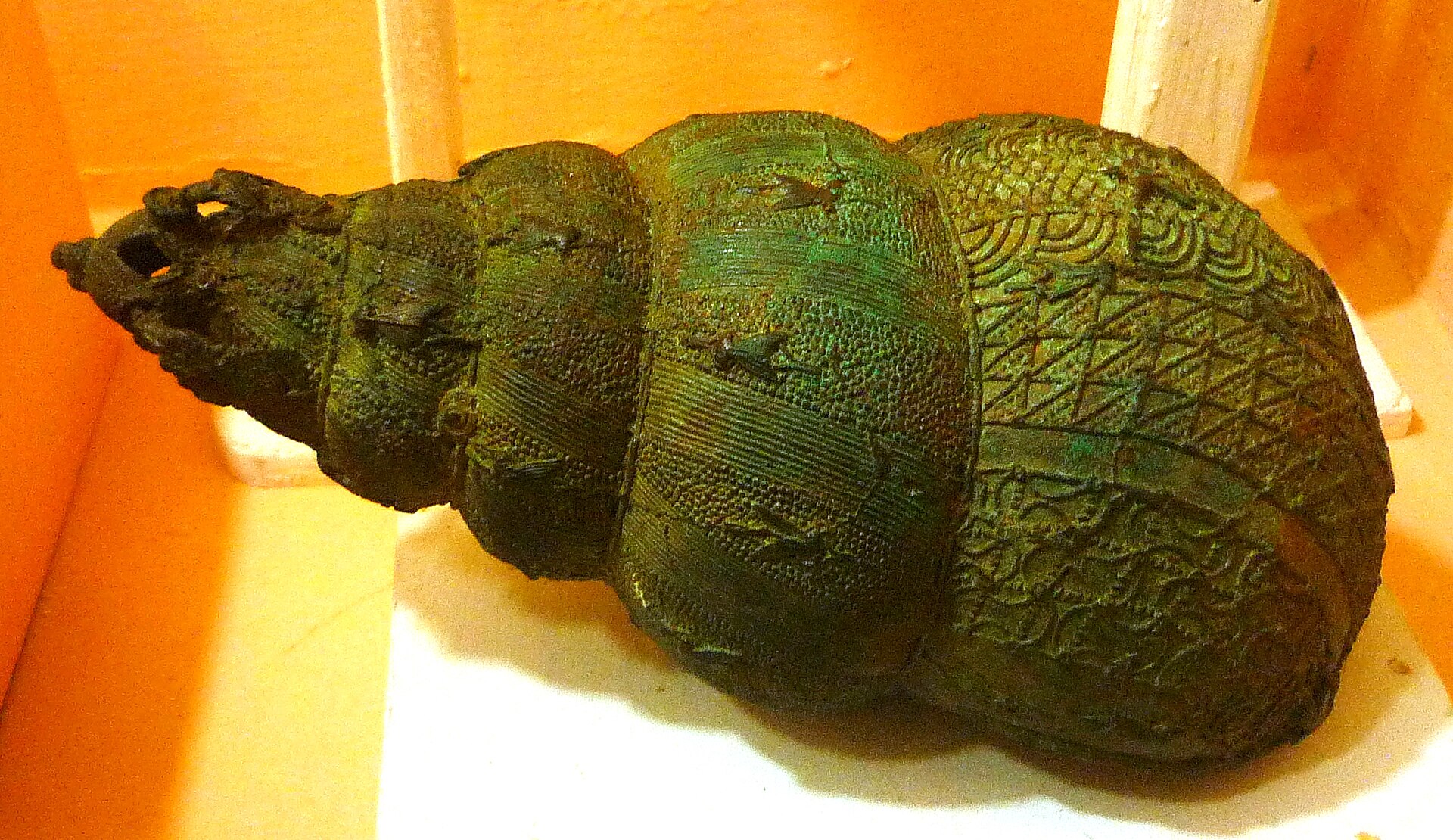
Among the most celebrated objects is a bronze vessel cast in the form of a snail shell, its surface adorned with a small animal and a lattice of fine decoration. It exemplifies the naturalism and imaginative freedom of the Igbo-Ukwu casters, who drew inspiration from the world around them.
Such pieces were almost certainly ceremonial, not utilitarian. Their forms and ornament speak of a rich symbolic language whose full meaning is now only partly recoverable, but whose artistry is immediately apparent.
Mastery of the Lost-Wax Method
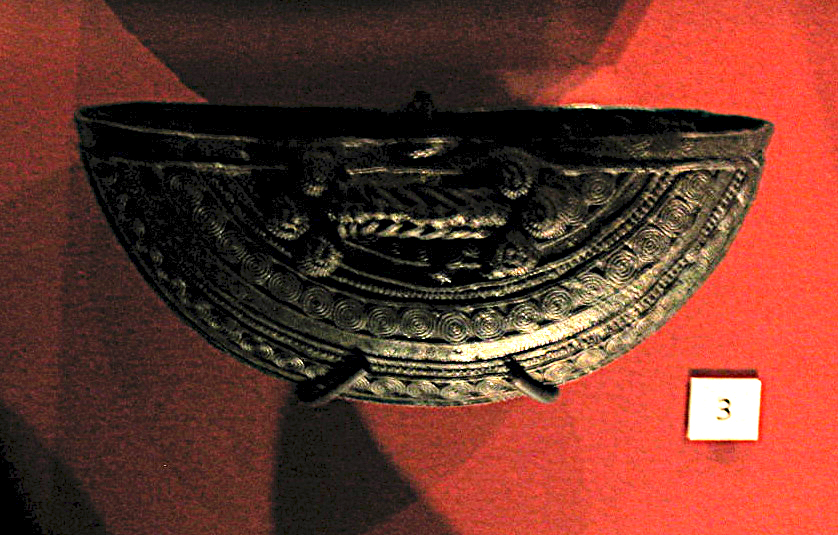
The technical achievement of Igbo-Ukwu is what most amazes specialists. The bronzes were cast by the lost-wax process, in which a wax model is encased in clay, melted out, and replaced with molten metal. The Igbo-Ukwu casters pushed this method to extremes, rendering threads, coils, and beads of metal with a precision that imitates delicate wirework.
Some objects were cast in several parts and joined; others in a single complex pour. The control of the process required deep knowledge accumulated over generations, evidence of an established and specialized craft tradition.
The Roped Pot
A signature piece is the so-called roped pot on a stand, in which a globular vessel appears to be held within a net of cast rope, the whole produced in a single, astonishing act of casting. To render a rope net and the pot beneath it as one continuous bronze object is a feat that still challenges belief.
The roped pot has become emblematic of Igbo-Ukwu, reproduced and admired as a symbol of the ingenuity of early Nigerian metalworkers. It encapsulates the combination of technical daring and aesthetic refinement that defines the whole assemblage.
Pendants and Regalia
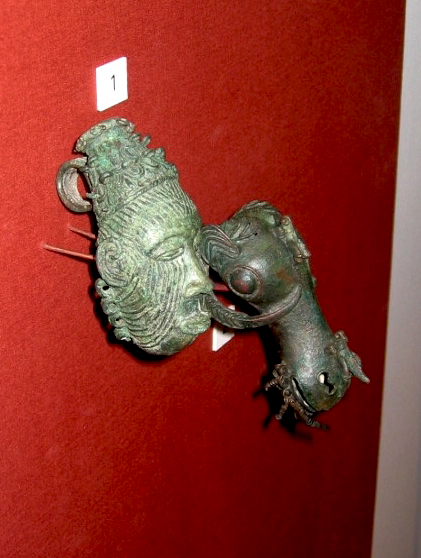
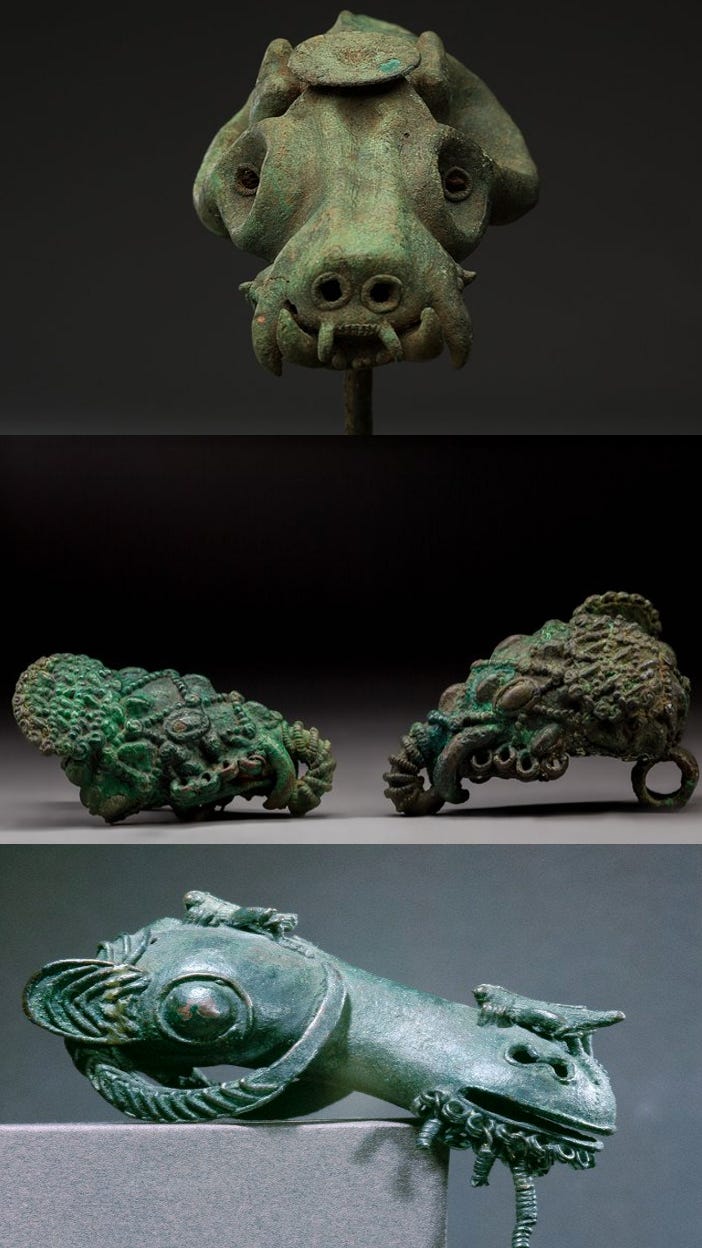
Alongside the vessels were pendants and ornaments, including heads of animals such as leopards and rams, and objects encrusted with cast beadwork. Many were items of personal adornment or ceremonial regalia, marking the status of those who wore them.
These smaller works display the same obsessive detail as the great vessels. They show that the aesthetic of fine surface decoration ran through every scale of Igbo-Ukwu production, from monumental pots to intimate pendants.
Trade and Connections
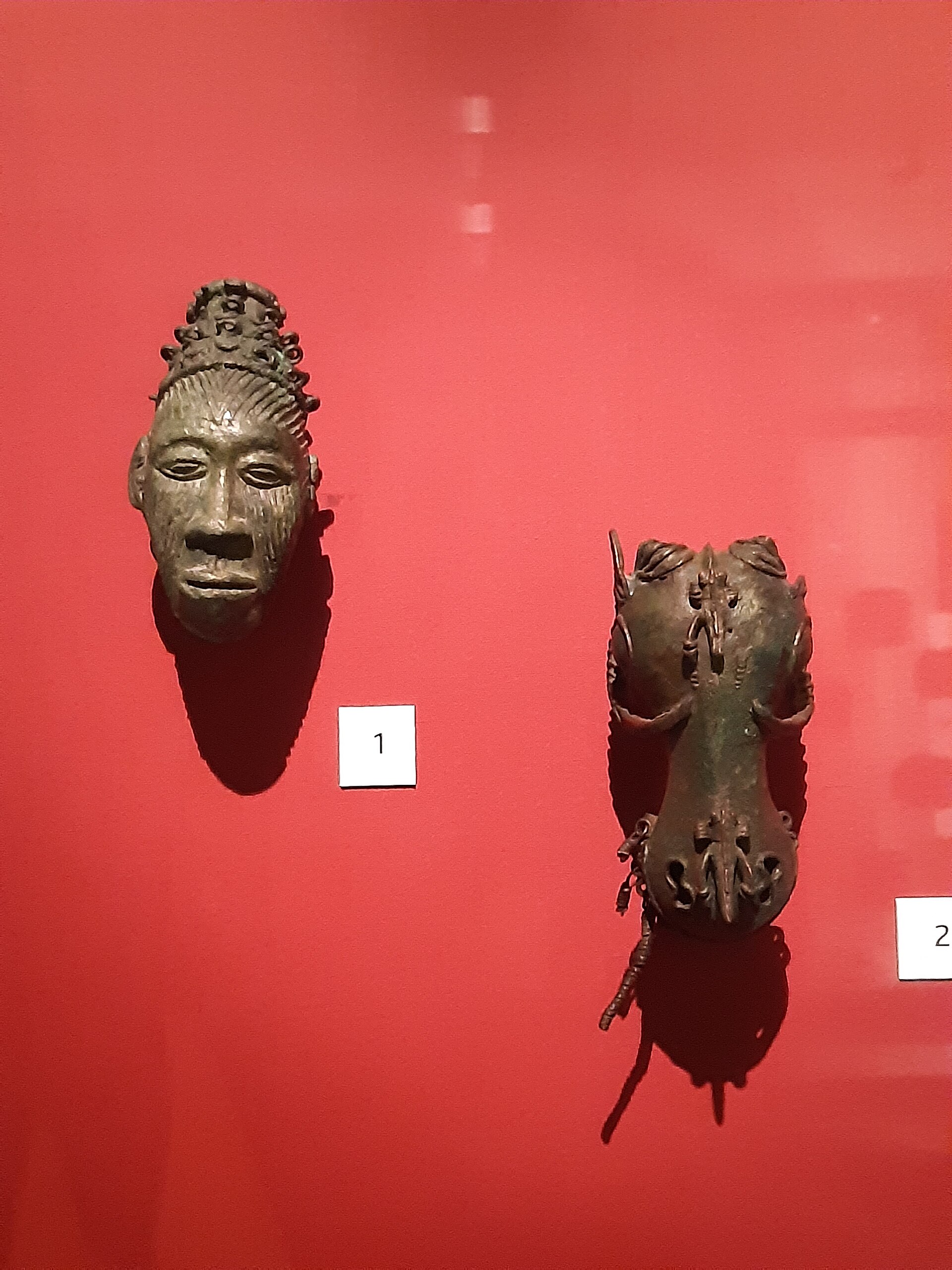
The burial contained many thousands of glass and carnelian beads, materials not native to the region. Their presence shows that Igbo-Ukwu was linked, directly or through intermediaries, to long-distance trade networks reaching across the Sahara and beyond, perhaps as far as the Islamic world and India.
This trade helps explain the community’s wealth and the sources of some of its materials. It places Igbo-Ukwu not in isolation but within the wider web of medieval commerce that connected West Africa to distant lands.
A Rewriting of History
When the radiocarbon dates first placed Igbo-Ukwu in the ninth century, some scholars found them hard to accept, so advanced did the metalwork seem for so early a date. Further testing confirmed the antiquity, and with it a profound revision of African history.
Igbo-Ukwu demonstrates that complex, wealthy, and technologically accomplished societies existed in the West African forest far earlier than once assumed. It stands at the beginning of a long tradition of Nigerian excellence in metal, a tradition that would later produce the arts of Ife and Benin.
Getting There
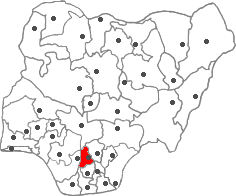
Igbo-Ukwu is a town in Anambra State in southeastern Nigeria, reached by road from Onitsha or Awka, with the nearest major airports at Enugu and Asaba. The town maintains a local museum, and its name is honoured throughout Nigeria as the source of the country’s oldest bronzes.
The temple stands in northern Nara at approximately 6.0167, 7.0167. You can open the exact location on Google Maps for directions to the town of Igbo-Ukwu.
Nearby Places
Closing Thoughts
Igbo-Ukwu is a reminder that some of history’s greatest surprises come from the ground beneath an ordinary village. In its buried bronzes lies proof of a ninth-century society whose artisans commanded a metallurgy of breathtaking finesse.
Older than Ife, older than Benin, it stands at the head of West Africa’s brilliant tradition of cast art. That so much of it was recovered with care means its story can still be told, and it speaks of an African past far richer and older than the world once allowed.
You May Like

Mafra, the Palace a King Built From a Vow


One thought on “Igbo-Ukwu: Sub-Saharan Africa’s Oldest Bronzes and Their Buried King”