When a German ethnographer unearthed a group of astonishingly lifelike metal and terracotta heads at Ile-Ife in the early twentieth century, he could not believe they were African. Their serene realism seemed to him to belong to classical Greece, and he concocted theories of lost Mediterranean colonies to explain them away. He was entirely wrong. The heads were the work of Yoruba artists of the city of Ife, made centuries before European contact, and they rank among the supreme achievements of world sculpture.
Ile-Ife is more than an art centre. For the millions of Yoruba people in Nigeria and across the diaspora, it is the holy city, the place where, in tradition, the gods lowered creation onto the primordial waters and where humankind began. From here the sacred kingship of the Yoruba spread, and to here it still symbolically returns. In its naturalistic heads and its living shrines, Ife preserves both a peak of artistic genius and the spiritual heart of a great African civilization.
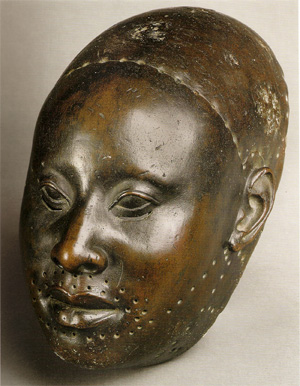
Table of Contents
- The Cradle of the Yoruba
- The Rise of the City
- The Naturalistic Heads
- Mastery in Terracotta
- The Mask of Obalufon
- Full Figures and Regalia
- The Opa Oranmiyan
- A Living Sacred City
- Getting There
- Nearby Places
- Closing Thoughts
The Cradle of the Yoruba
In Yoruba cosmology, Ile-Ife is where the world was made. The god Obatala, or in other tellings Oduduwa, descended from the sky and, using a handful of earth and a five-toed hen, created dry land upon the waters. From Oduduwa, tradition holds, sprang the royal lineages that founded the many Yoruba kingdoms.
This makes Ife the spiritual capital of the entire Yoruba world. Its ruler, the Ooni, is regarded as a direct descendant of Oduduwa and holds a special sacred authority above other Yoruba kings. Even today the city is a place of pilgrimage and profound religious significance.
The Rise of the City
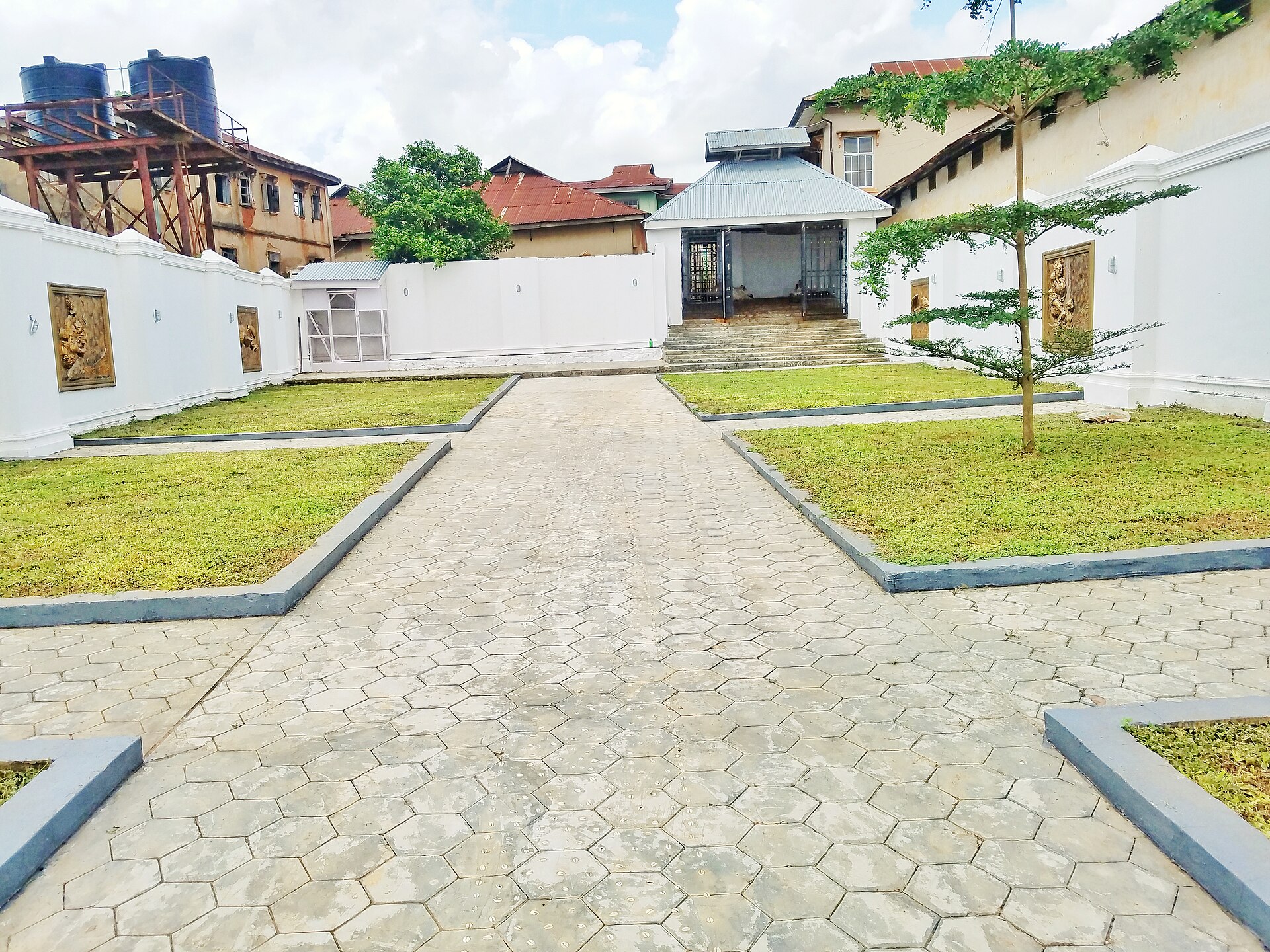
As an urban centre, Ife flourished from around the eleventh to the fifteenth centuries, growing into a substantial city surrounded by earthwork walls, its streets in places paved with distinctive potsherd pavements. It commanded trade in the forest zone and drew on the resources of a wide surrounding region.
During these centuries Ife reached the height of its power and creativity. It was in this period that its workshops produced the sculptures that would later stun the world, an artistic flowering supported by a wealthy and confident society.
The Naturalistic Heads
The fame of Ife rests above all on its heads, cast in copper and its alloys or modelled in terracotta. Rendered with subtle realism, softly parted lips, delicately curved brows, and, on many, fine parallel lines representing scarification or an idealized surface, they achieve a calm humanity rarely equalled anywhere.
Most likely they represented Oonis and other important figures, used in royal rituals, possibly in second burials or commemorations. Their sophistication overturned every colonial assumption about African art and forced the world to recognize Ife as one of the great sculptural traditions of history.
Mastery in Terracotta
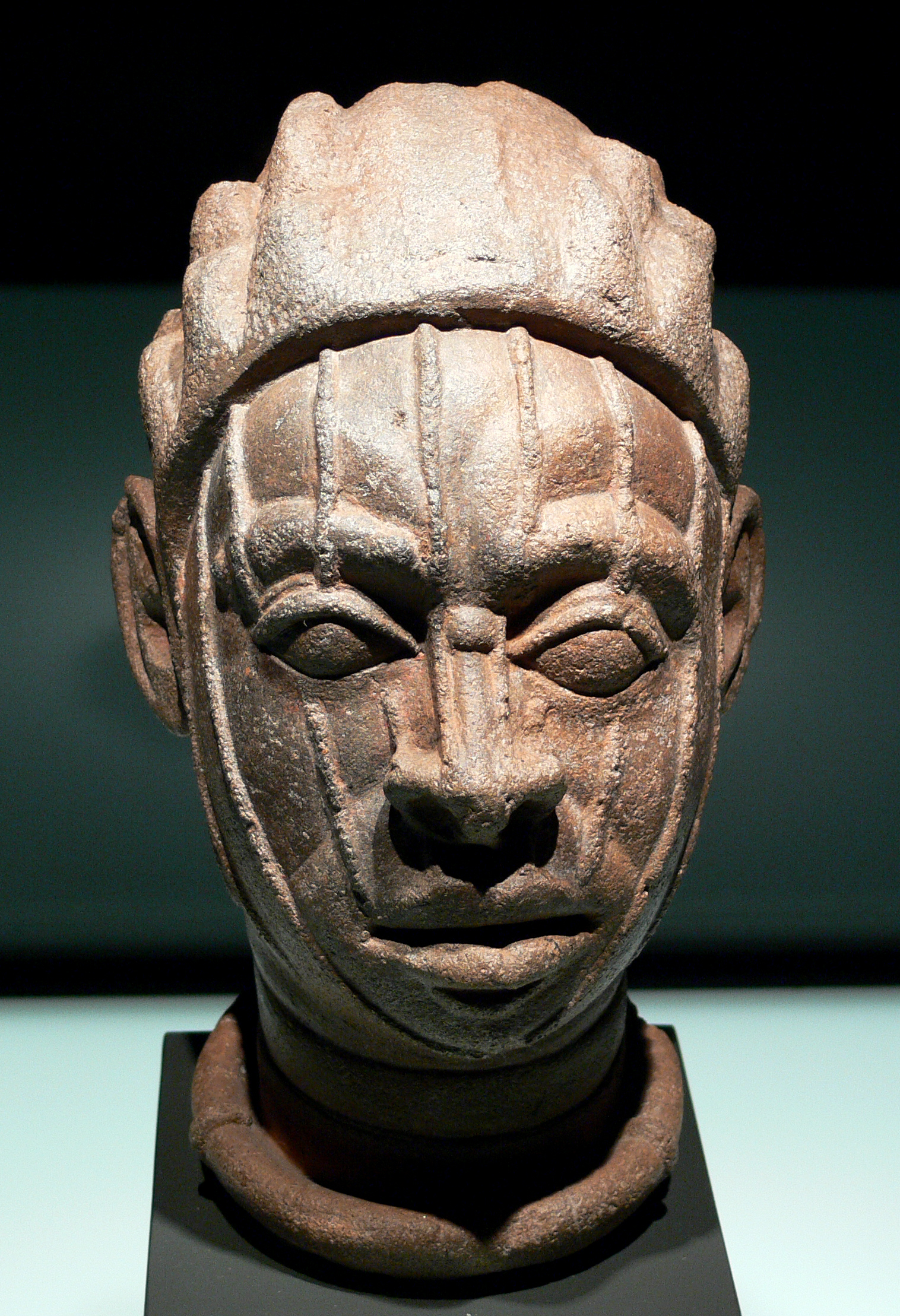
Alongside the metal heads, Ife’s artists worked extensively in terracotta, producing heads and figures of equal sensitivity. Because clay was cheaper and more forgiving than copper alloy, the terracottas may represent a wider range of people and expressions, and they survive in greater numbers.
Together the terracotta and metal sculptures reveal a coherent artistic vision, a shared ideal of serene, dignified naturalism. They demonstrate that the famous bronze heads were not isolated marvels but the summit of a broad and deeply rooted tradition.
The Mask of Obalufon
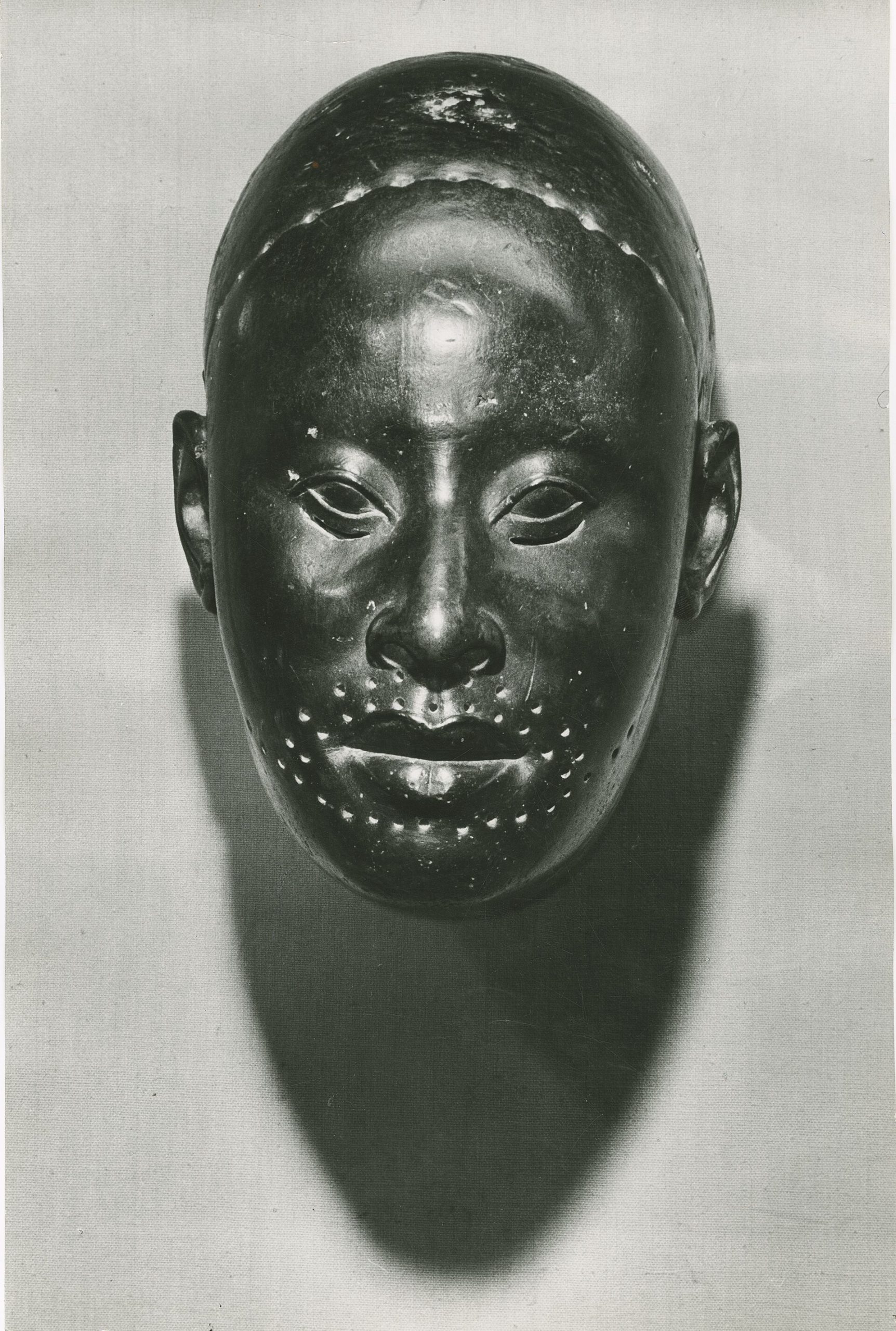
Among the most extraordinary survivals is a life-sized mask of pure copper, a metal notoriously difficult to cast, traditionally identified as the face of the Ooni Obalufon II, who is remembered as the patron of bronze casting itself. Its flawless surface and gentle expression make it one of the masterpieces of world art.
That such a work could be cast in nearly pure copper testifies to a metallurgical skill of the highest order. The mask was almost certainly used in royal ceremony, a sacred object embodying the person and power of a divine king.
Full Figures and Regalia
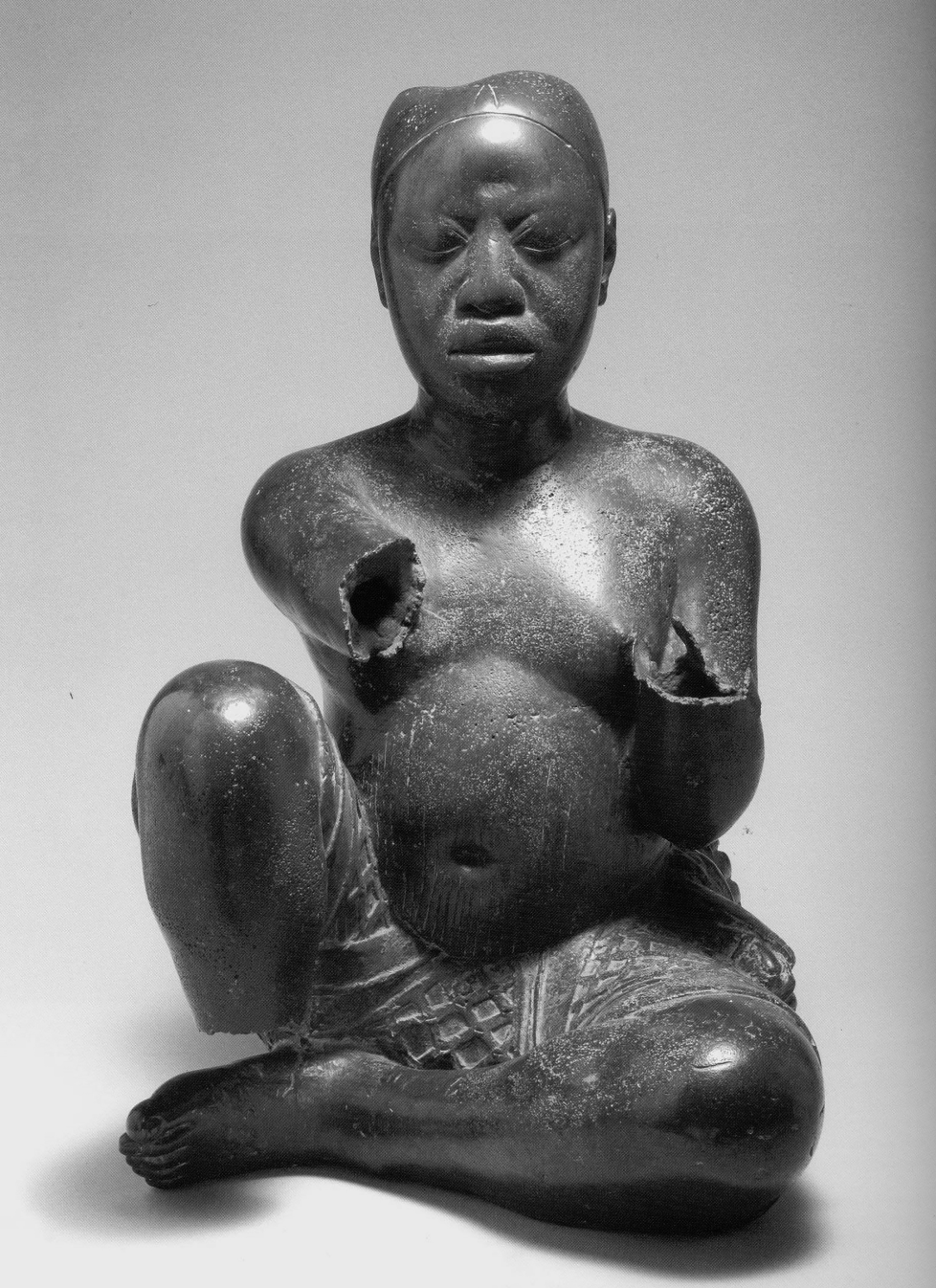
Ife’s artists did not confine themselves to heads. They also cast full and half figures, including images of rulers in their regalia, holding staffs and adorned with beaded crowns and collars, capturing the trappings of sacred kingship in three dimensions.
These figures extend the naturalism of the heads to the whole body, conveying posture, gesture, and status. They give a fuller picture of how the Ife elite presented themselves and of the ceremonial world in which such images functioned.
The Opa Oranmiyan
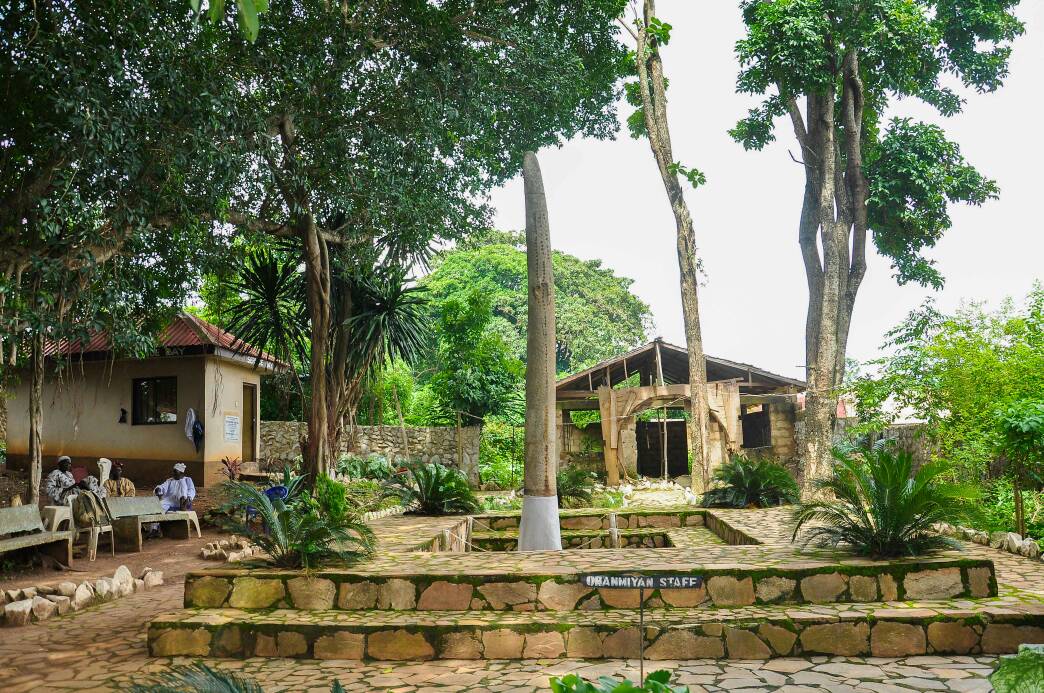
Rising in the city is the Opa Oranmiyan, a tall granite monolith studded with iron nails, associated with the legendary warrior-king Oranmiyan, a figure who links Ife to the founding of both Oyo and Benin. Standing several metres high, it is one of the most striking monuments of the old city.
Its precise original purpose is uncertain, but it has long been a focus of legend and reverence. As a physical landmark tied to the tangled genealogies of Yoruba kingship, it embodies the role of Ife as the source from which other dynasties claimed descent.
A Living Sacred City
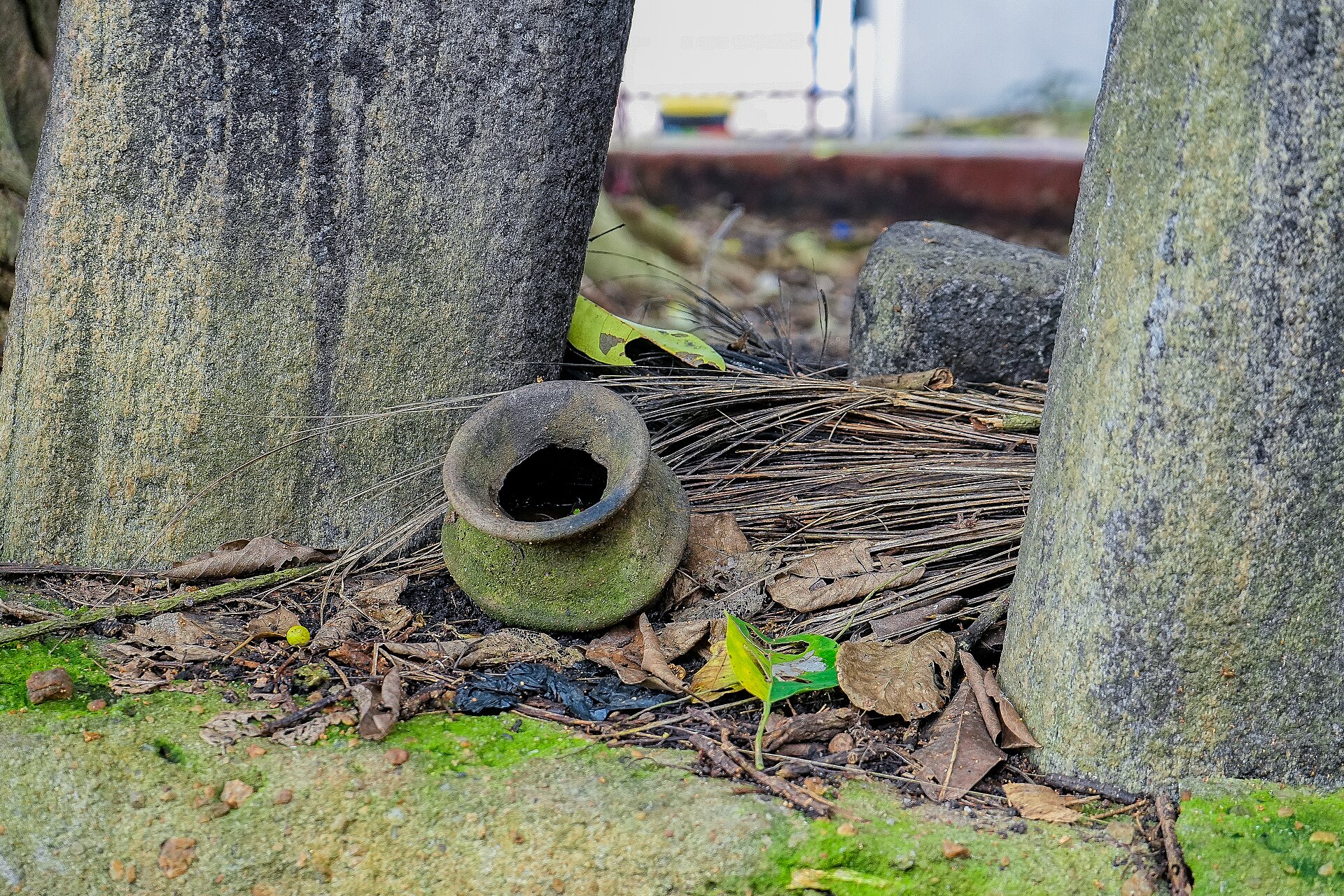
Unlike many ancient centres, Ile-Ife was never abandoned. It remains a busy Nigerian city, and crucially it remains a religious one, dotted with shrines and sacred groves where rituals tied to the Yoruba pantheon are still performed. Sites such as Oke Mogun keep the old devotions alive in the midst of modern life.
This continuity gives Ife a special character. Its ancient art is not the relic of a dead culture but the deep past of a living one, and the beliefs that inspired the heads and shrines still animate the community that surrounds them.
Getting There
Ile-Ife lies in Osun State in southwestern Nigeria, reached by road from Lagos or Ibadan, with the nearest major airports in those cities. The Ooni’s palace, the Opa Oranmiyan, the sacred groves, and the local museum are the principal points of interest for visitors.
The temple stands in northern Nara at approximately 7.4824, 4.5601. You can open the exact location on Google Maps for directions to Ile-Ife, the sacred city of the Yoruba.
Nearby Places
Closing Thoughts
The heads of Ife did more than adorn a royal court; they compelled the world to rethink its picture of Africa. In their quiet faces lies proof of a civilization that achieved, on its own, one of the highest peaks of the sculptor’s art.
That the city which made them still stands, still prays, and still crowns its Ooni gives Ife a rare kind of authority. It is at once a museum of genius and a living sanctuary, the enduring heart of the Yoruba world.
You May Like
Mafra, the Palace a King Built From a Vow


One thought on “Ile-Ife: The Yoruba Holy City and Its Astonishing Bronze Heads”