Can Your Phone Read Your Mind? The Science Behind the Fear
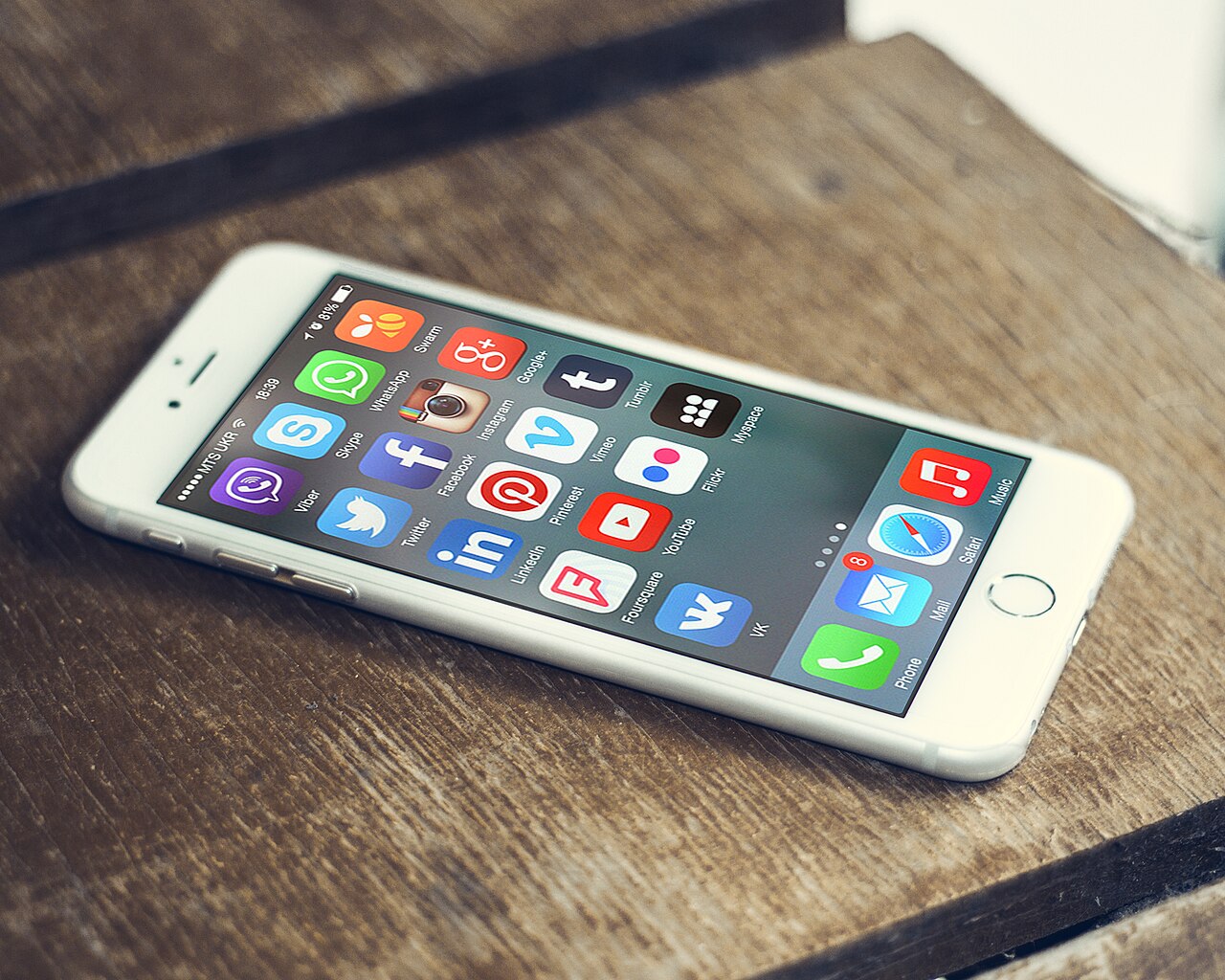
Your phone can’t read your thoughts — but real brain-reading tech exists, and your phone does “read” you in another way. Separating science from spookiness.
Info on popular culture and everyday life
Your phone can’t read your thoughts — but real brain-reading tech exists, and your phone does “read” you in another way. Separating science from spookiness.
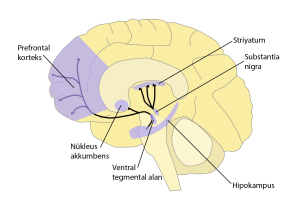
Dopamine isn’t the brain’s pleasure chemical — it’s a prediction and learning signal. Here’s the rethink reshaping neuroscience.
How scientists are turning the brain’s chemical signals into mathematics, software, and machine learning — from dopamine and reinforcement learning to neuromorphic chips and brain-computer interfaces.
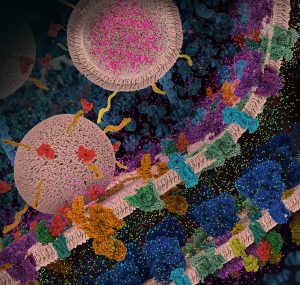
Ketamine works in hours, not weeks. How glutamate — not serotonin — is rewriting the science of fast-acting antidepressants.
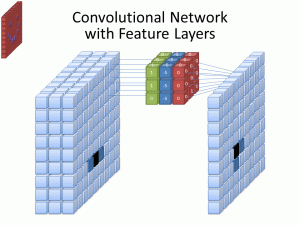
From Hodgkin-Huxley and Hubel-Wiesel to grid cells and dopamine prediction errors — how neurophysiology shaped modern AI, backed by the landmark papers behind each leap.
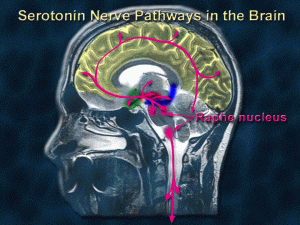
The “chemical imbalance” theory of depression is fading. Here’s what the latest serotonin research actually shows.

The trillions of microbes in your gut may shape mood and stress. Inside the fast-growing science of the gut-brain axis.
Living neurons playing Pong, organoid computing, and whether the brain does backpropagation — a roundup of the fast-moving link between artificial and biological neural networks, backed by recent papers.


