When most people picture a pyramid, they imagine the smooth, towering Great Pyramid of Giza. But that famous monument was not the first. Long before it rose, Egyptian builders made a leap that changed architecture forever, stacking stone into the sky for the first time in history. This is the story of the world’s oldest pyramid: where it stands, what makes it extraordinary, the brilliant mind credited with designing it, and the lively debate over what “oldest” even means. It is the opening chapter in humanity’s long love affair with monumental stone, and it begins on a windswept plateau in the Egyptian desert.
Table of Contents
- What Is the World’s Oldest Pyramid?
- Saqqara: A City of the Dead
- The Step Pyramid of Djoser
- Imhotep: The Mind Behind the Monument
- How It Was Built
- Inside and Around the Pyramid
- Why It Changed Everything
- Rediscovery and Excavation
- But Wait, Which Pyramid Is Really Oldest?
- A Lasting Legacy
- Closing Thoughts
What Is the World’s Oldest Pyramid?
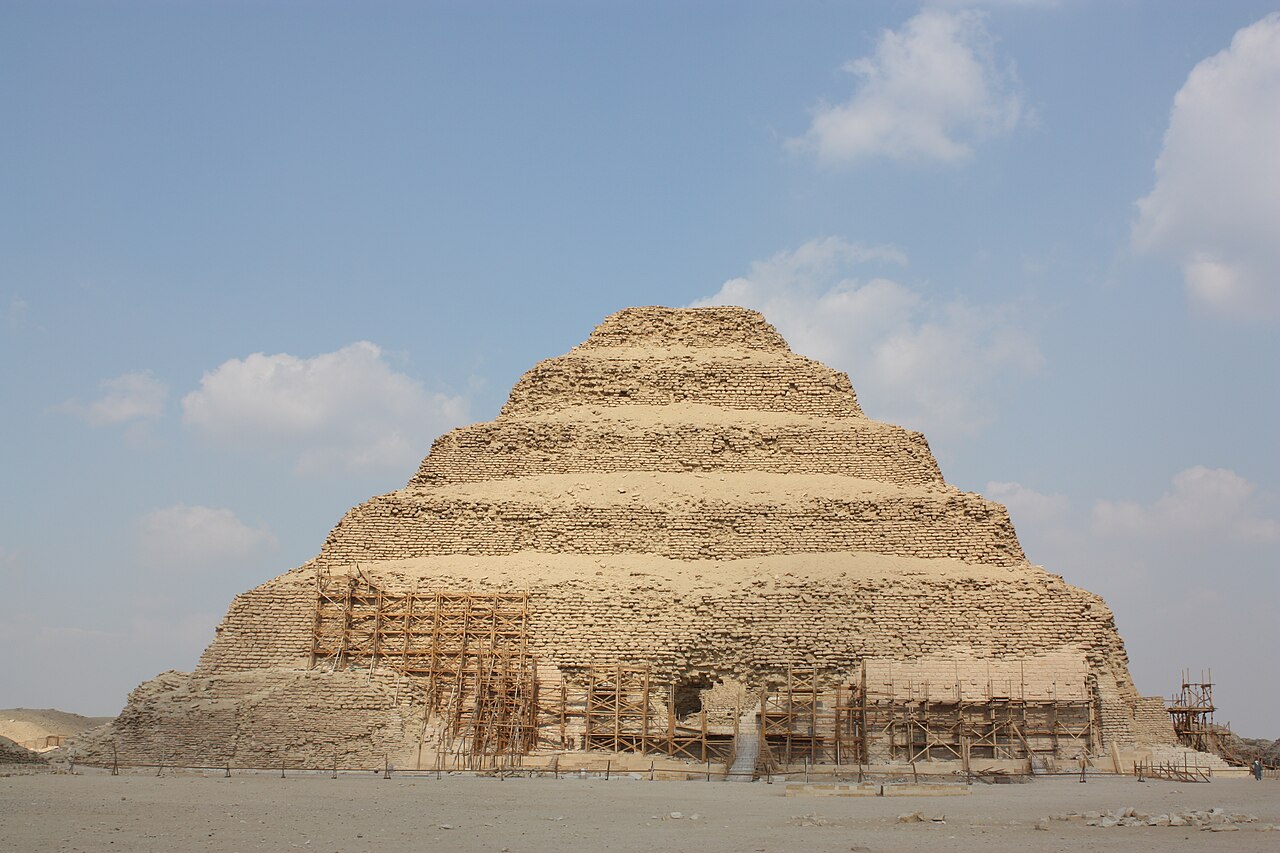
The monument most widely recognized as the world’s oldest pyramid is the Step Pyramid of Djoser, built at Saqqara in Egypt around 2670 BCE, during the Third Dynasty. It is older than the Great Pyramid of Giza by roughly a century, and it represents the moment when Egyptian architecture made the jump from low mudbrick tombs to soaring structures of cut stone. For that reason it is often called the oldest large-scale stone monument in the world, not just the oldest pyramid.
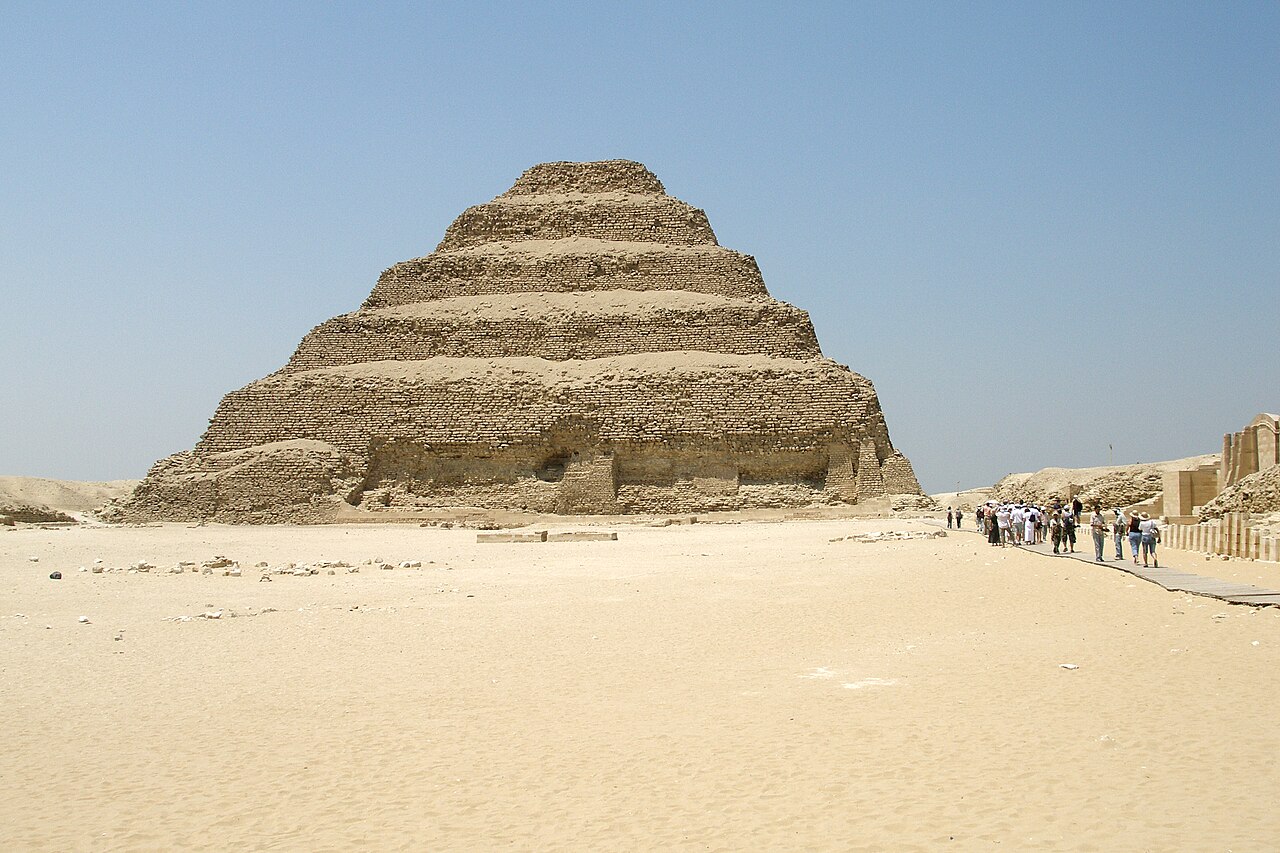
What makes it the “first” is not merely its age but its form. Earlier royal tombs were flat-topped rectangular structures known as mastabas. The genius of Djoser’s monument was to stack several mastabas of decreasing size on top of one another, creating a stepped tower that reached toward the heavens. That single conceptual leap, from a horizontal tomb to a vertical mountain of stone, is what gave birth to the pyramid as an idea. Everything that followed, including the perfect smooth-sided pyramids of Giza, descended from this experiment in the desert.
Saqqara: A City of the Dead
To understand the pyramid, you first have to understand where it stands. Saqqara is a vast ancient burial ground, or necropolis, that served the nearby city of Memphis, which for long stretches was the capital of ancient Egypt. Spread across a desert plateau west of the Nile, Saqqara was used for burials for thousands of years, making it one of the richest archaeological sites on Earth. Tombs, temples, and monuments from many different eras crowd its sands.
In the time of Djoser, Saqqara was already a sacred landscape, but his pyramid transformed it. Rising high above the flat necropolis, the Step Pyramid would have been visible for miles, a dazzling white landmark of polished limestone gleaming under the desert sun. It announced a new kind of royal power, one expressed not in a modest tomb but in an artificial mountain meant to last forever. The site around it became a sprawling complex of courtyards, shrines, and walls, a stage set for the king’s eternal afterlife.
The Step Pyramid of Djoser
The pyramid was built as the tomb of Djoser, a pharaoh of Egypt’s Third Dynasty. In its finished form it rose in six distinct steps to a height of around sixty meters, making it by far the tallest structure of its day. Originally it was clad in a smooth casing of fine white limestone, so it would have looked far cleaner and brighter than the weathered, terraced silhouette we see today. Standing before it, an ancient Egyptian would have seen a shining stairway built for a king to climb into the sky.
Beneath and around the pyramid lies an astonishing network of underground passages and chambers, stretching for miles in total. At the heart of it, deep below the structure, was the burial chamber meant for the king, reached through a maze of corridors. These subterranean galleries were decorated in places with blue tiles imitating reed matting and carved panels showing the king, turning the dark underworld beneath the pyramid into a richly furnished eternal palace. The scale of this hidden labyrinth is as impressive as the visible monument above it.
Imhotep: The Mind Behind the Monument
No account of the first pyramid is complete without the man credited with designing it: Imhotep. He served as a high official and architect under Djoser, and tradition remembers him as the mastermind who conceived the revolutionary stepped design. Imhotep is one of the few non-royal Egyptians whose name survived across the millennia, and his reputation only grew with time.
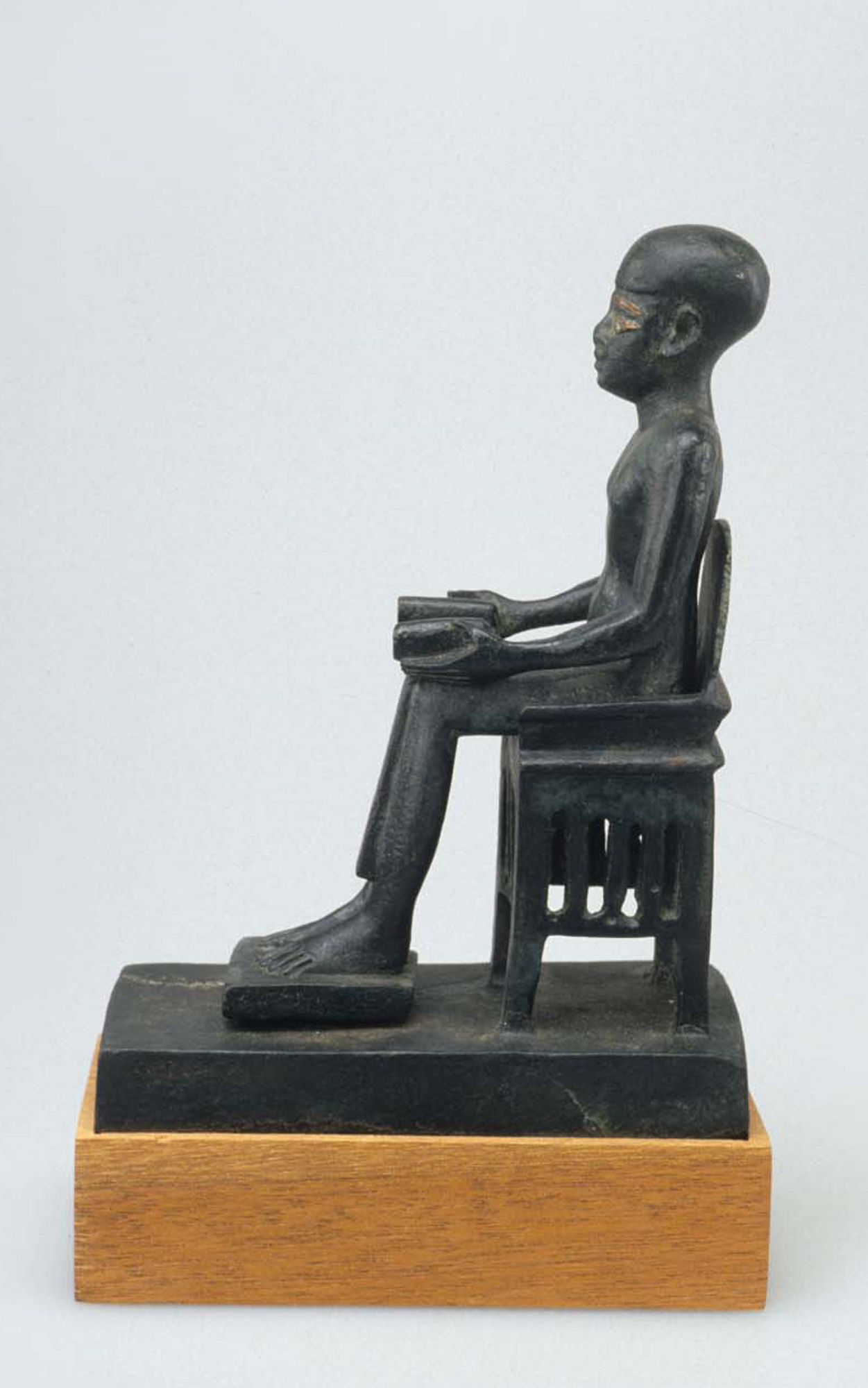
What is remarkable is how Imhotep was remembered. Centuries after his death, Egyptians came to venerate him as a sage, a patron of scribes, and eventually a god associated with wisdom, architecture, and medicine, an extraordinary honor for someone born a commoner. The Greeks later identified him with their own god of healing. Whether every detail of the legend is literally true is hard to confirm at such distance in time, but the persistence of his name tells us that ancient Egyptians themselves regarded the creation of the Step Pyramid as the work of a singular genius. In a sense, Imhotep is history’s first named architect, and his monument still stands as proof of his vision.
How It Was Built
Building the Step Pyramid was a feat of organization as much as engineering. The structure was raised using relatively small blocks of local limestone, quarried nearby and dragged into place by teams of workers. Unlike the massive blocks of later pyramids, these smaller stones were closer in size to mudbricks, which suggests the builders were adapting familiar techniques to an entirely new and ambitious form. The pyramid was not built all at once but grew through several stages of expansion, as the design evolved from a simple mastaba into the towering steps we recognize.
This evolution is one of the most fascinating aspects of the monument, because you can read the builders’ changing intentions in the stone itself. The structure began as a flat mastaba and was enlarged and heightened in successive phases, each one more daring than the last. It is as if the architects discovered the idea of the pyramid while they were building it, growing bolder as their confidence increased. The labor was immense, drawing on a workforce organized by the early Egyptian state, fed and housed and directed toward a single monumental goal. That capacity to marshal people and resources on such a scale was itself a sign of how powerful and sophisticated Egypt had become.
Inside and Around the Pyramid
The pyramid did not stand alone. It sat at the center of a huge enclosed complex surrounded by a high limestone wall, originally studded with imitation gateways and decorative panels. Within the walls lay courtyards, shrines, and dummy buildings meant not for the living but for the king’s use in the afterlife, some of them solid structures with false doors that only the spirit of the pharaoh could pass through. The whole complex was a kind of eternal stage, designed to let the dead king perform rituals forever.
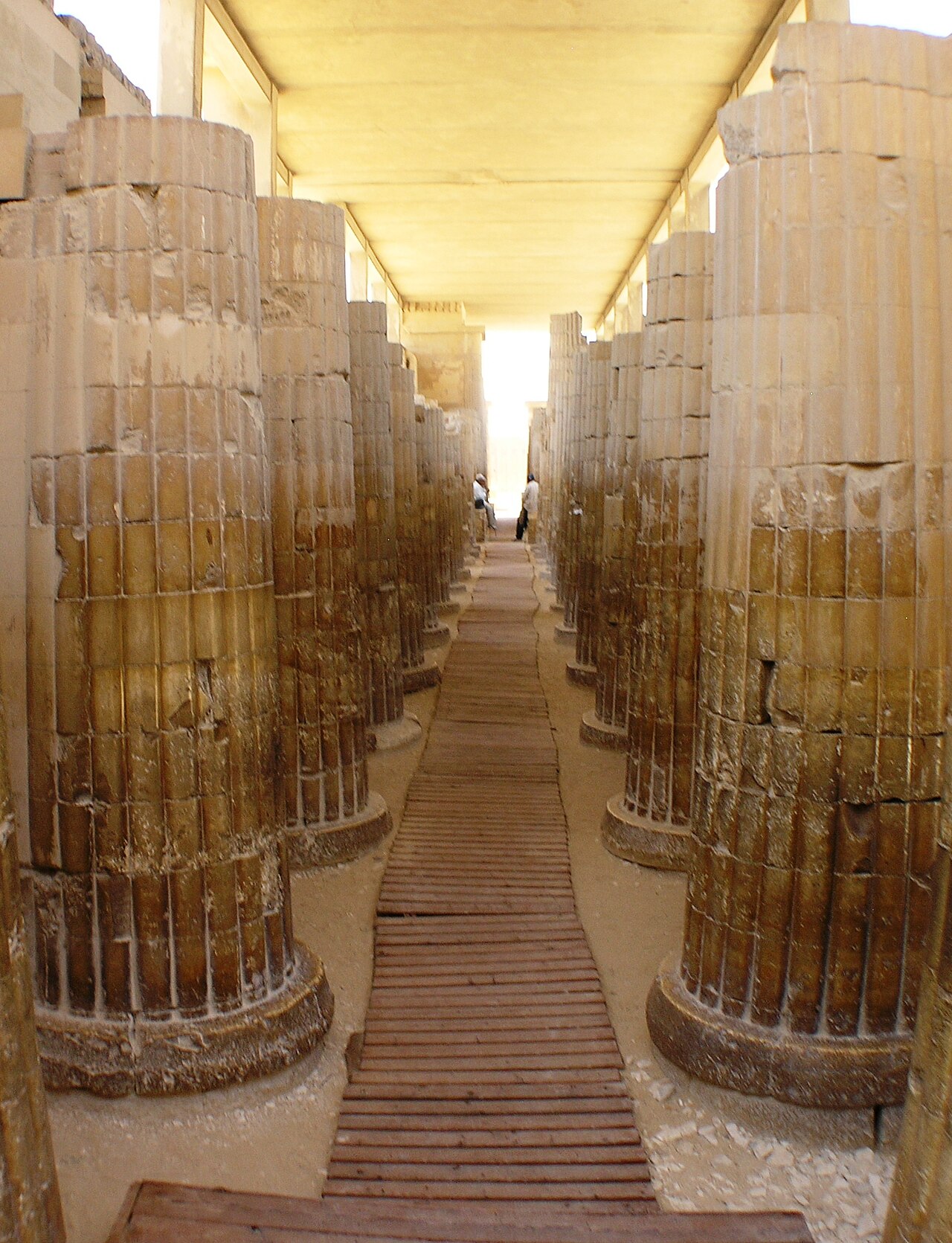
One of the most beautiful surviving features is the colonnaded entrance hall, lined with tall stone columns carved to resemble bundles of plant stems. These columns are among the earliest known examples of stone architecture imitating earlier forms once made from reeds and timber, a translation of organic materials into permanent stone. Walking through this passage, an ancient visitor would have felt they were entering a sacred and otherworldly space. The artistry here shows that the builders were not only solving structural problems but creating something meant to inspire awe, a goal that pyramid architecture would pursue for centuries to come.
Why It Changed Everything
The importance of the Step Pyramid goes far beyond its being merely first. It established a template that would define ancient Egyptian civilization for over a thousand years. Once builders had proven that stone could be stacked into a towering, durable monument, the door was open to ever grander projects. The pyramid became the ultimate symbol of a pharaoh’s power and his hoped-for ascent to the heavens after death.
The line of development is direct and traceable. From Djoser’s stepped tower, later kings experimented with smoothing the sides, leading first to transitional pyramids and then to the perfected, smooth-sided pyramids of the Fourth Dynasty, of which the Great Pyramid of Giza is the supreme example. In other words, Giza was not a sudden miracle but the culmination of a process that began at Saqqara. Without Djoser and Imhotep’s daring experiment, the most famous monuments of the ancient world might never have existed. The Step Pyramid is, quite literally, the foundation stone of the entire pyramid age.
Rediscovery and Excavation
Like much of ancient Egypt, the Step Pyramid never truly vanished, since it was always visible on the Saqqara skyline, but its secrets had to be uncovered by generations of archaeologists. Early travelers and scholars noted the monument, but it was systematic excavation in the modern era that revealed the full scale of its underground galleries and the surrounding complex. The work of clearing, mapping, and restoring the site has continued for many decades and is still going on today.
Among the figures most associated with understanding the complex is the architect and Egyptologist Jean-Philippe Lauer, who devoted much of his long career, across most of the twentieth century, to studying and reconstructing Djoser’s monument. His patient labor helped piece together how the complex once looked and how it was built, turning a ruin into a readable record of one of history’s great architectural achievements. Thanks to this work, visitors today can walk through restored colonnades and grasp something of the monument’s original grandeur. Excavations at Saqqara continue to produce remarkable finds, a reminder that the site still guards many secrets.
But Wait, Which Pyramid Is Really Oldest?
Here honesty requires a caveat, because “the world’s oldest pyramid” is a trickier title than it first appears. The Step Pyramid of Djoser is the oldest pyramid in the strict and conventional sense: the oldest large stone structure built deliberately in pyramid form, and the direct ancestor of all later Egyptian pyramids. On that definition, its claim is solid and widely accepted.
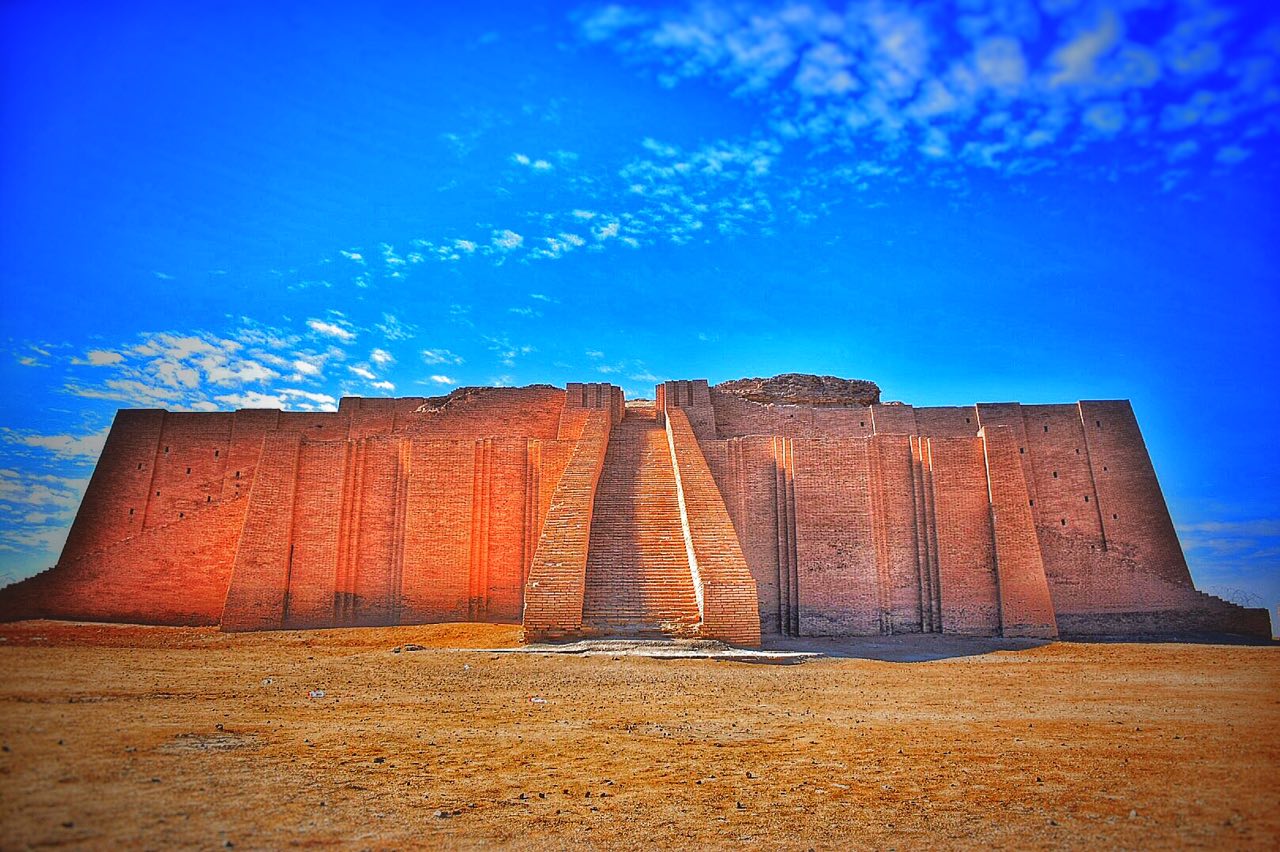
But pyramid-shaped structures appear in other cultures too, and that complicates the picture. In Mesopotamia, builders raised stepped temple platforms called ziggurats, which share the tiered, pyramidal silhouette even though they served as temple bases rather than tombs and belong to a separate architectural tradition. Across the ocean in the Americas, ancient peoples built their own pyramids over many centuries. The site of Caral in Peru, for instance, contains monumental platform structures dating back thousands of years, making it one of the oldest centers of monumental architecture in the Americas.
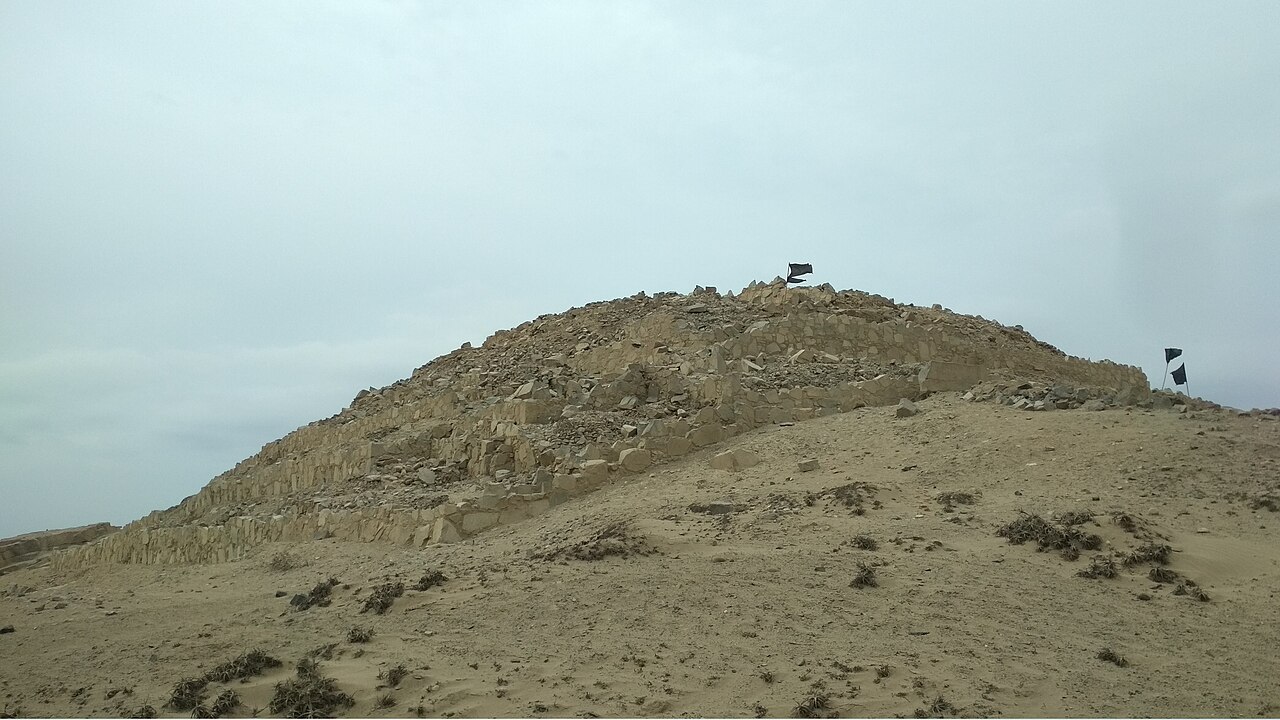
There are also far more speculative claims that occasionally make headlines, such as suggestions that certain natural-looking hills conceal far older artificial pyramids. Such claims tend to be controversial and are often disputed by mainstream archaeologists, so they should be treated with caution rather than accepted at face value. The sensible bottom line is this: if you mean the oldest structure deliberately built as a pyramid in the classic sense, Djoser’s Step Pyramid wears the crown. If you broaden the definition to any large pyramid-shaped monument, the answer becomes a richer story of several civilizations independently reaching for the sky.
A Lasting Legacy
More than four and a half thousand years after it was built, the Step Pyramid of Djoser still stands, weathered but unbowed, on the Saqqara plateau. It has outlasted empires, religions, and languages, a silent witness to nearly the entire span of recorded history. Few human creations can claim such longevity, and fewer still mark such a clear turning point in what our species believed it was capable of building.
Its legacy is visible every time anyone marvels at a pyramid anywhere in Egypt, because all of them trace their lineage back to this first experiment. It is also a monument to human ambition and ingenuity, to the idea that people could organize themselves to create something vastly larger and more permanent than any individual life. In honoring Djoser the king and Imhotep the architect, the pyramid honors a moment when human imagination took a decisive step upward, quite literally, one stone tier at a time.
Closing Thoughts
The world’s oldest pyramid is more than an answer to a trivia question. It is the place where the entire concept of the pyramid was born, where flat tombs first reached toward the heavens, and where a commoner named Imhotep earned a fame that would eventually make him a god. Standing at Saqqara, looking up at those six great steps, you are looking at the origin point of one of humanity’s most enduring architectural ideas. In the chapters of this series to come, we will follow that idea as it spread, evolved, and reappeared across the ancient world, but it all begins here, in the Egyptian desert, with a king, an architect, and a stairway to the sky. For more, explore our coverage of ancient Egypt, archaeology, and ancient history.
You May Like

The Bardo, a Palace of the Beys Filled With Roman Mosaics


3 thoughts on “The World’s Oldest Pyramid: The Step Pyramid of Djoser”