



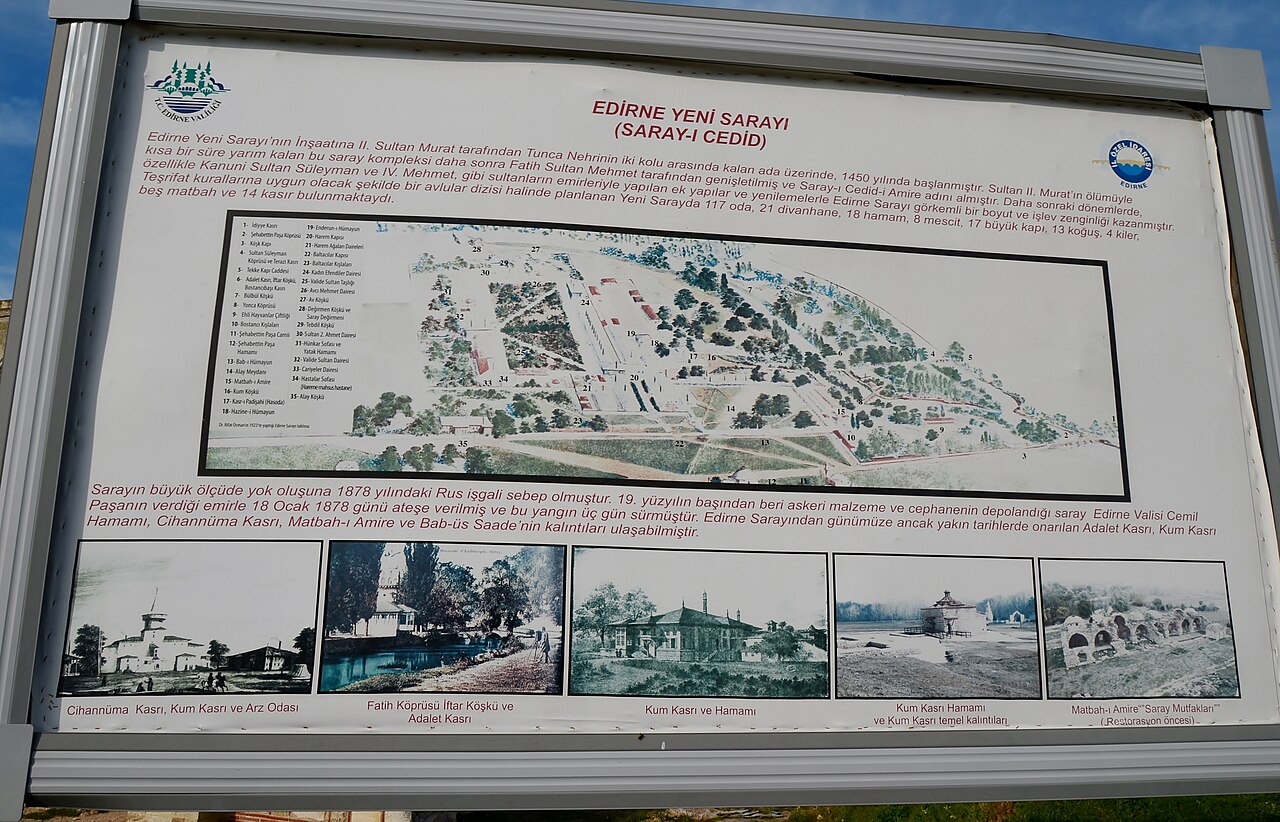
Cesky Sternberk Castle and the Family That Never Left
Few castles in Europe can claim what Cesky Sternberk can claim. For more than seven and a half centuries it has been linked to a single family, the Sternbergs, whose
Where the World’s Past Meets Your Next Journey
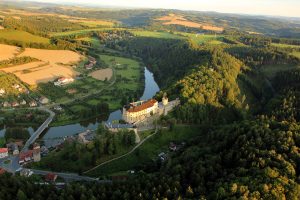
Few castles in Europe can claim what Cesky Sternberk can claim. For more than seven and a half centuries it has been linked to a single family, the Sternbergs, whose
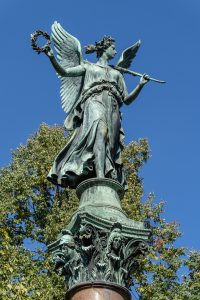
Set a little apart from the noise of central Berlin, at the end of a long forecourt guarded by a green equestrian statue, stands the largest and most magnificent palace
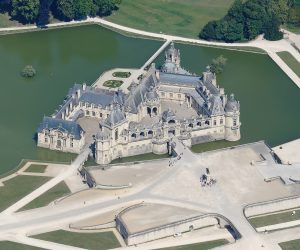
A little to the north of Paris, set amid forests and reflected in the still waters that surround it, stands one of the most romantic and treasure-filled palaces in all
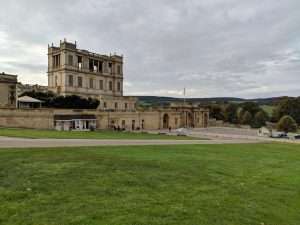
The Palace of the Peak in the Derwent valley, begun by Bess of Hardwick, rebuilt by the first Duke of Devonshire from 1687, landscaped by Capability Brown, transformed by the sixth Duke and Joseph Paxton with a ninety-metre fountain and a glasshouse that fathered the Crystal Palace, nearly lost to death duties in 1950 and saved by a duke and a Mitford who opened the doors and sold the strawberries.
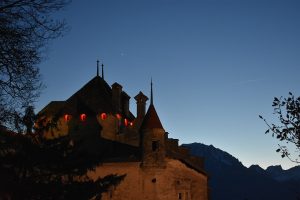
The water castle of the counts of Savoy on a rock in Lake Geneva, toll house of the Alpine road, prison of the reformer Bonivard whose chains Byron immortalised, and the most visited historic building in Switzerland, with its painted halls, its vaulted dungeons and its view of the Dents du Midi.

In the old city of Hyderabad, Chowmahalla was the official seat of the Nizams, its durbar hall ablaze with Belgian chandeliers, where new rulers were enthroned.
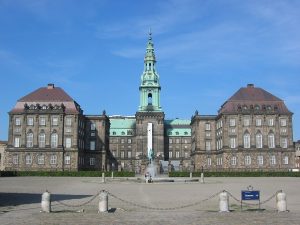
Christiansborg Palace in Copenhagen is the only building in the world that houses a nation’s parliament, supreme court and royal reception rooms together. Here is how to explore its history, tapestries, ruins and grand halls.
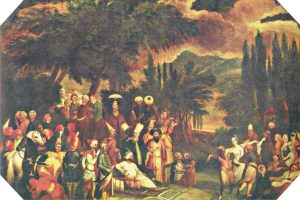
A marble palace on the Bosphorus that held a deposed sultan prisoner for twenty-eight years, burned in 1910 and reopened as a hotel.
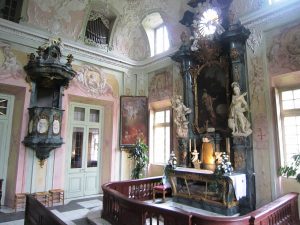
Deep in the forests of the Emsland in northwestern Germany lies one of the most unusual palaces in Europe. Clemenswerth is a hunting lodge built in the shape of a
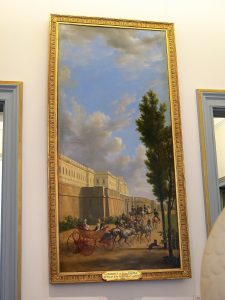
The Neoclassical palace that Louis XV and Louis XVI built on the edge of the forest of Compiègne, where Marie Antoinette first met the Dauphin, where Napoleon waited for Marie-Louise in 1810 and did not wait for the ceremony, where Napoleon III and Eugénie held the autumn house parties of the Second Empire, and where the museum of carriages and cars now fills the stables.


