Almost everyone who comes to Volgograd comes for the war, and almost everyone leaves surprised to have found a real, breathing southern Russian city underneath the history. Rebuilt almost from nothing after 1945, the modern city stretches in a remarkably thin ribbon for some 70 kilometres along the west bank of the Volga, which gives it a strange and memorable geography. Step away from the memorials for an afternoon and you find grand Stalinist avenues, a handsome riverfront, leafy parks and the slow, wide presence of Europe greatest river. This is the side of Volgograd that turns a sombre pilgrimage into a genuinely enjoyable visit.
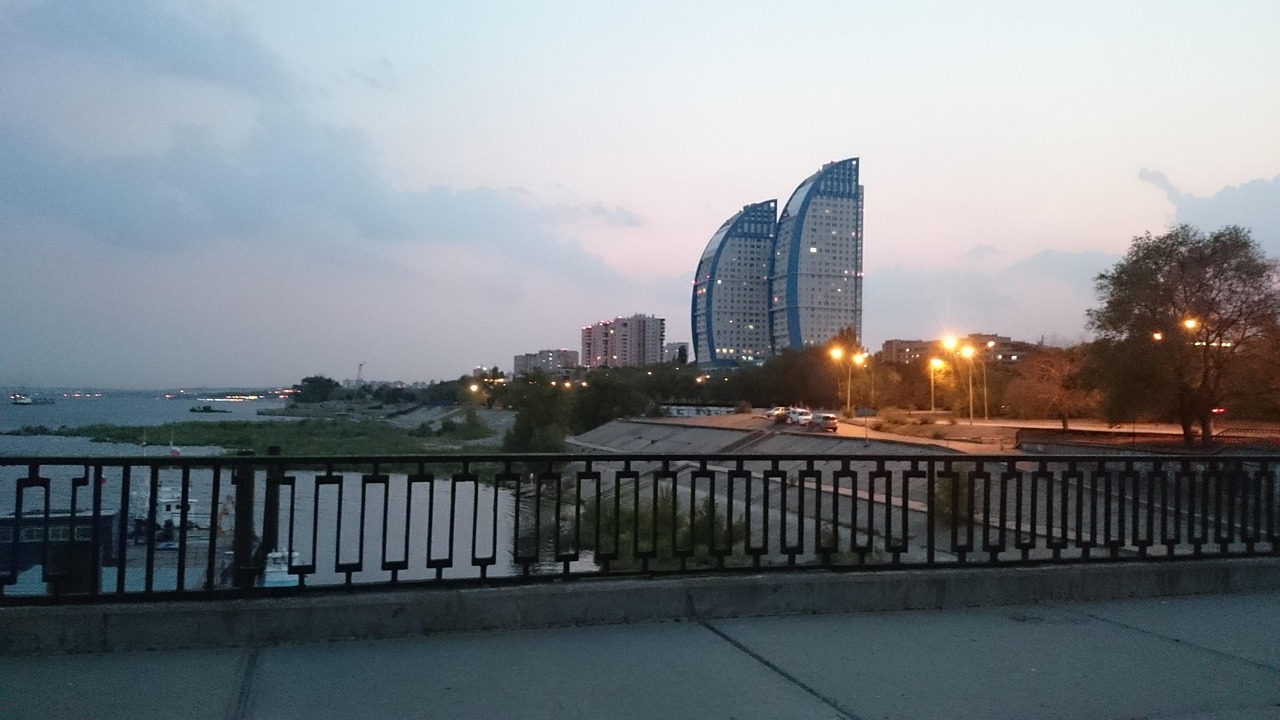
The Central Embankment and the Volga
The heart of everyday Volgograd is its central embankment, a broad terraced riverfront descending in monumental steps to the water. A grand propylaea of white columns frames the top of the staircase, opening onto the Volga where pleasure boats and long cargo barges drift past. Locals come here to stroll in the evening, eat ice cream and watch the sunset over the far bank, which is so distant and low that the river feels almost like a sea. Take one of the short river cruises if the timing works; seeing the long thin city slide past from the water is the best way to grasp its peculiar shape.
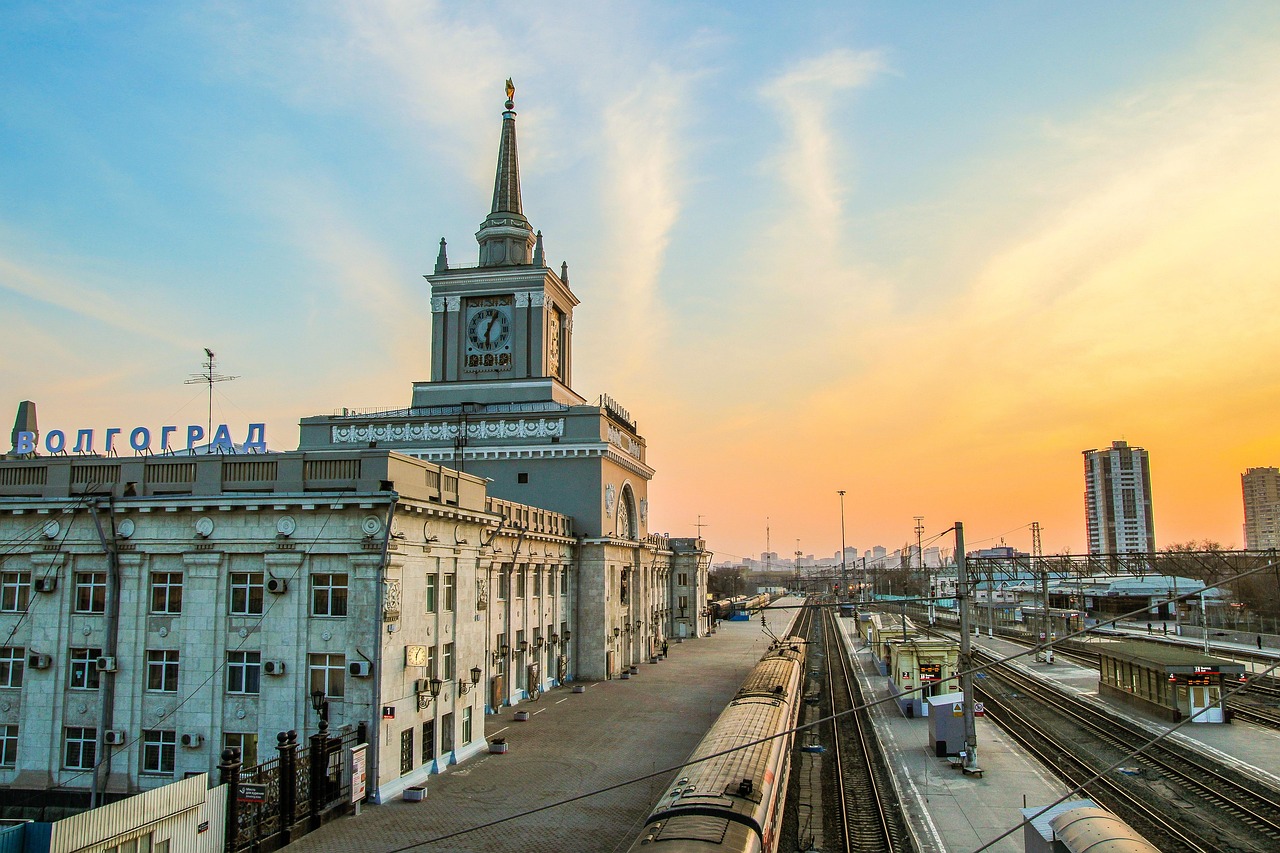
The Longest Main Street and Stalinist Grandeur
Because the postwar city was rebuilt as a showcase, its central avenues are deliberately imposing, lined with the wedding-cake architecture of the early 1950s in warm yellow and cream. The Alley of Heroes leads from the river up toward the Square of the Fallen Fighters, the symbolic centre, with its own eternal flame and the poignant lone poplar that somehow survived the battle. Wandering these blocks you also pass the famous Volgograd high-speed tram, a metrotram that dives underground in the centre like a metro before running as a normal tram, a quirky and useful way to cover the citys enormous length.
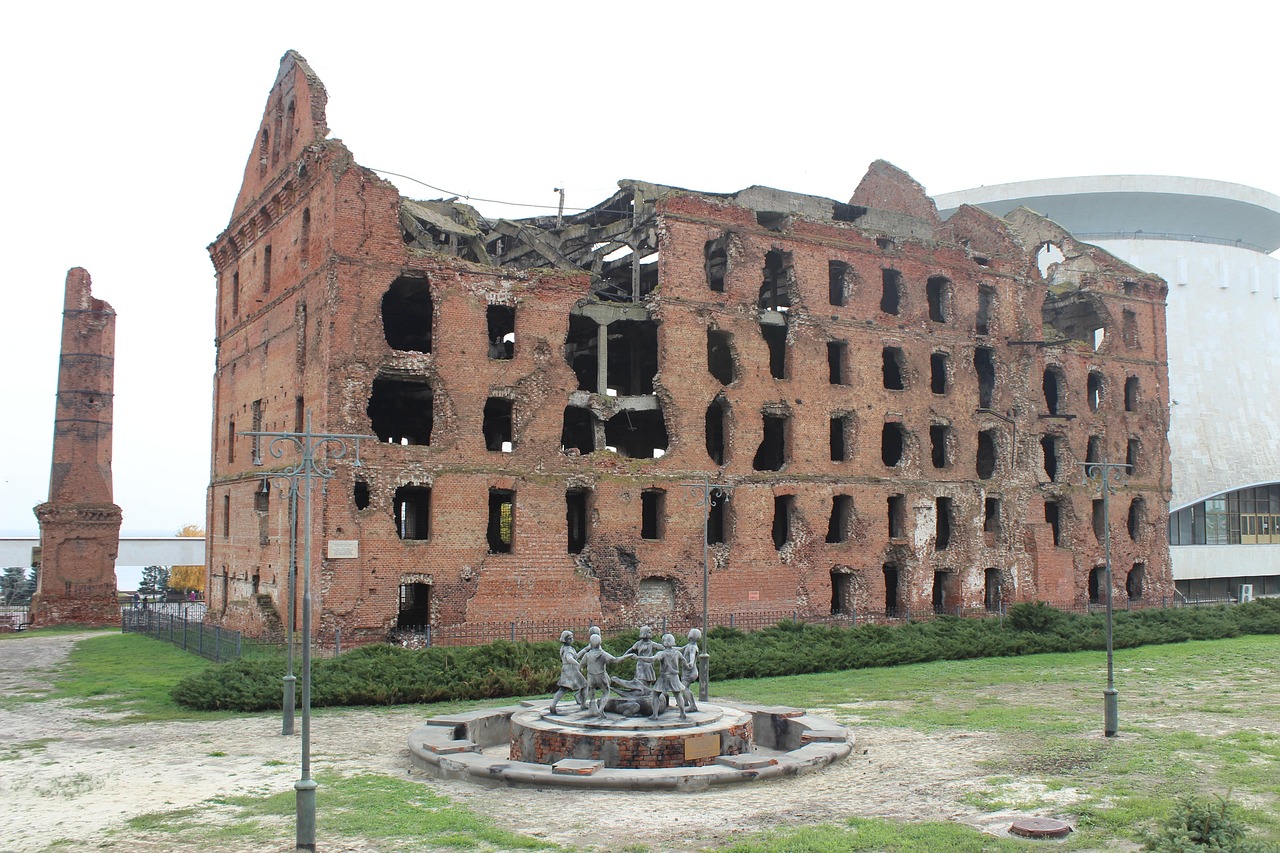
Parks, Markets and a Slower Pace
For a complete change of register, seek out the green spaces and the everyday markets. The riverside parks fill with families at weekends, and the central market is the place to taste the produce of this fertile, sun-warmed region: tomatoes, watermelons for which the lower Volga is famous, smoked river fish and fresh bread. The southern climate gives summers here real heat, so locals keep a relaxed, unhurried rhythm, drifting between shade and river breeze. Spending a half day simply walking the embankment and a market, with no monument on the itinerary, is the easiest way to meet the living city.
Build at least one unhurried afternoon into your Volgograd trip that has nothing to do with the war. Walk the embankment, ride the metrotram, taste a Volga watermelon, and let the city show you the ordinary life it fought so hard to get back.
More Volgograd Travel Guides
- Mamayev Kurgan and The Motherland Calls: Standing Beneath the Worlds Most Overwhelming War Memorial
- The Battle of Stalingrad Museum and the Ruined Mill: Where the City Keeps Its Memory
- Evenings in Volgograd: Riverside Bars, Summer Terraces and Where the City Relaxes
- Volgograd Guide Series (Hub)
Planning the whole trip? See our complete Volgograd master guide for every series in one place.


