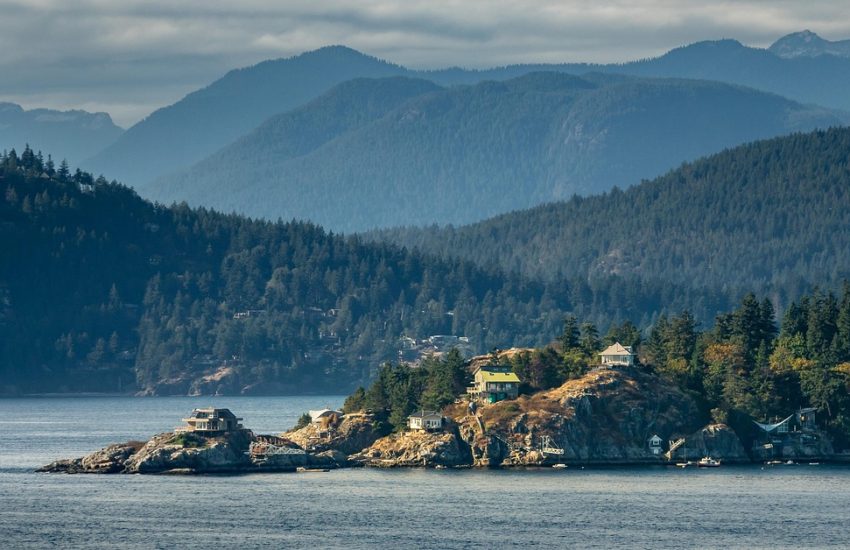
Along the misty northern coast of British Columbia, where the Skeena and Nass rivers pour out of the mountains toward the sea, the Tsimshian nations built a society of great cedar houses, ranked clans and dazzling crest art. Master fishers and traders, they gathered each spring for the run of the small oily fish called oolichan, whose grease became one of the most valuable trade goods on the whole coast.
The Tsimshian speak languages of the Tsimshianic family, a small group found only on this northern stretch of the Pacific coast and unrelated to their neighbours. Organised into matrilineal clans and led by hereditary chiefs, they created a rich ceremonial life expressed in feasts, carved poles and the display of inherited crests. This article follows their origins, their languages, their homeland and their enduring culture into the present day.
Contents
- Origins on the Northern Coast
- A Name Tied to the River
- The Tsimshianic Languages of the North
- Homeland of River, Fjord and Sea
- The Old Way of Life on the Rivers
- How Tsimshian Society Was Organized
- Crests, Spirits and the Ceremonial World
- Traditions of Clan and Inheritance
- Carving, Weaving and Tsimshian Crafts
- Oolichan, Salmon and the Foods of the Coast
- Feasts and the Great Gatherings
- A History of Trade, Loss and Revival
- Tsimshian Coastal Peoples in the World Today
Origins on the Northern Coast
The Tsimshian have lived along the northern coast of what is now British Columbia for thousands of years, drawn above all to the mouths of the great rivers where salmon and oolichan returned in vast numbers. Ancient village sites reveal a long and settled history in the same fjords and river valleys their descendants hold today.
This northern coast is a land of steep mountains, deep inlets and abundant rain, where the forest crowds down to a rich and productive sea. The peoples who settled here grew skilled at drawing a living from both the rivers and the ocean.
The reliability of the salmon runs and the spring gathering of oolichan allowed the Tsimshian to build permanent villages and to develop a complex society with the time and wealth for elaborate art and ceremony.
Their own histories tie the founding of their clans and houses to ancestral beings and to specific places along the rivers and coast, anchoring each lineage firmly to the territory it has held since ancient times.
The wealth that flowed from the rivers gave the Tsimshian both security and the leisure to develop one of the most elaborate cultures on the coast. Where the food supply was reliable enough to permit permanent villages, art, ceremony and the intricate business of rank and inheritance could flourish, and it was on this foundation of natural abundance that the whole Tsimshian world was built.
Oral histories held by the clans reach back to a founding time when ancestral beings established the lineages and claimed their territories along the rivers. These accounts are precise charters of belonging, naming the places and the beings from which each house descends, and giving the Tsimshian a depth of rootedness in their homeland that no later authority could grant or take away.

A Name Tied to the River
The name Tsimshian is often understood to mean something like the people inside the Skeena River, tying the identity of these nations directly to the great river at the heart of their homeland. The rivers were the axis around which their whole world turned.
Within the broad grouping are several closely related peoples, including those of the coast, those of the lower Skeena and their relatives along the Nass, each with its own territory and its own particular history. People identify first with their clan and their nation.
As with other coastal peoples, the labels used by outsiders have not always matched the names the people use for themselves, and modern communities have worked to assert their own preferred names and spellings.
So Tsimshian is best understood as a family of related river and coast peoples, bound by shared language and custom yet each proud of its own distinct identity and territory.
The centrality of the river to Tsimshian identity is reflected in the very name by which they are known, a reminder that for these peoples the great waterways were not simply a source of food but the axis of existence itself. To understand the Tsimshian is to understand a people whose life, wealth and identity all flowed from the rivers that ran through their homeland.

The Tsimshianic Languages of the North
The Tsimshian speak languages of the Tsimshianic family, a small grouping found only along this northern coast and unrelated to the Wakashan or Salishan languages spoken further south. The family includes several distinct but related tongues.
These languages carry a rich body of ceremonial and traditional knowledge, including the histories of the clans and the names and privileges attached to them. Much of this lore is bound up in words that resist easy translation.
As across the coast, the residential school system inflicted severe damage, driving the number of fluent speakers sharply downward and threatening the survival of the languages. For a time their future looked uncertain.
Today Tsimshian communities work hard at language revitalisation, recording elders and teaching the young, in the knowledge that their languages carry a unique understanding of the northern coast and its history.
Because the histories and privileges of the clans are carried in these languages, their survival is bound up with the survival of the whole clan system. A name or a crest story often cannot be fully understood in translation, and so the teaching of the languages to the young is seen as essential to keeping the social and ceremonial order of the Tsimshian alive.
Some Tsimshian communities have developed writing systems and teaching materials to support the work of revival, adapting modern tools to an ancient purpose. Fluent elders are treasured as living libraries of clan history and ceremonial knowledge, and their recorded voices now help to guide a new generation of learners toward the words their ancestors spoke.

Homeland of River, Fjord and Sea
The Tsimshian homeland centres on the lower reaches of the Skeena and Nass rivers and the maze of islands, fjords and channels along the northern British Columbia coast. It is a land of steep forested mountains rising from deep, cold inlets.
This is a temperate rainforest coast, wet and often shrouded in mist, where great cedars and spruce grow thick and rivers run swift and clear from the mountains. Each year the rivers fill with returning fish, the lifeblood of the region.
Villages were placed at key points along the rivers and coast, especially at the great fishing sites where salmon and oolichan could be taken in quantity. Each clan held recognised rights to particular fishing grounds and stretches of territory.
For the Tsimshian this homeland of river, fjord and sea was not a wilderness but a carefully known and managed world, mapped in memory and story and tied to them through countless generations of use.
Seen from the water, this homeland reveals itself as a connected world of rivers and channels rather than a set of separate places. The waterways that a stranger might read as barriers were in fact the highways of Tsimshian life, joining village to village and clan to clan, and carrying the trade that made these peoples wealthy and influential.
The interplay of river and sea gave Tsimshian territory a distinctive character, in which the wealth of the salmon and oolichan rivers met the resources of the open coast. To hold rights along both was to command a position of real power, and the control of the great fishing sites lay close to the heart of the wealth and standing of the leading clans.

The Old Way of Life on the Rivers
Traditional Tsimshian life followed the seasons of the fish. In early spring families gathered at the Nass for the great run of oolichan, rendering the small fish into a prized grease, before moving on to the salmon rivers as the year advanced.
The salmon runs were the foundation of the food economy, caught with weirs, traps and nets and preserved in large quantities by drying and smoking to last through the winter. The reliability of these runs underpinned the whole society.
Cedar was the great material of life on land, its wood building the plank houses and canoes, its bark and roots woven into clothing, mats and baskets. A single tree could meet a remarkable range of household needs.
This way of life, tied to the rhythms of river and sea, demanded deep knowledge of fish, tides and weather, passed carefully from elders to the young along the misty northern coast.
The spring gathering at the oolichan rivers was one of the great events of the year, drawing families together to render the precious grease and to renew the bonds of kinship and trade. This annual rhythm, moving from the oolichan run to the salmon rivers and back to the winter villages, gave Tsimshian life its distinctive seasonal shape.
The knowledge required to thrive along these rivers was immense, covering the timing of the fish runs, the building of weirs and traps and the labour of preserving vast quantities of fish for the winter. This accumulated wisdom, refined over countless seasons, was among the most valuable inheritances a Tsimshian family could pass to its children.

How Tsimshian Society Was Organized
Tsimshian society was organised around matrilineal clans, membership passing through the mother’s line, with the whole society divided among a set of great clans identified by their crests. Each clan held names, territories and ceremonial privileges.
Rank ran through society, from high chiefs and nobles down through commoners and, in the past, enslaved people. Standing was expressed through inherited names, crests and the ability to host great feasts at which wealth was distributed.
Leadership lay with hereditary chiefs, whose authority rested on the prestige of their house and their ability to provide for and give generously to their people. A chief’s greatness was measured by his generosity before witnesses.
This intricate order of matrilineal clan, rank and inherited crest gave Tsimshian society its distinctive shape, in which kinship, art and ceremony were bound tightly together.
The matrilineal clan system gave Tsimshian society a strong and enduring structure, in which every person knew their place within a web of kinship that reached across many villages. Because identity and inheritance passed through the mother’s line, the bonds between a person and their clan relatives formed the backbone of the whole social order.
Beneath the formality of rank lay a strong sense of mutual obligation, for a chief’s standing depended on his ability to care for and give generously to his clan. In this way the pursuit of prestige drew wealth back into circulation through the great feasts, binding the whole society together in a web of giving, receiving and reciprocal honour.
Crests, Spirits and the Ceremonial World
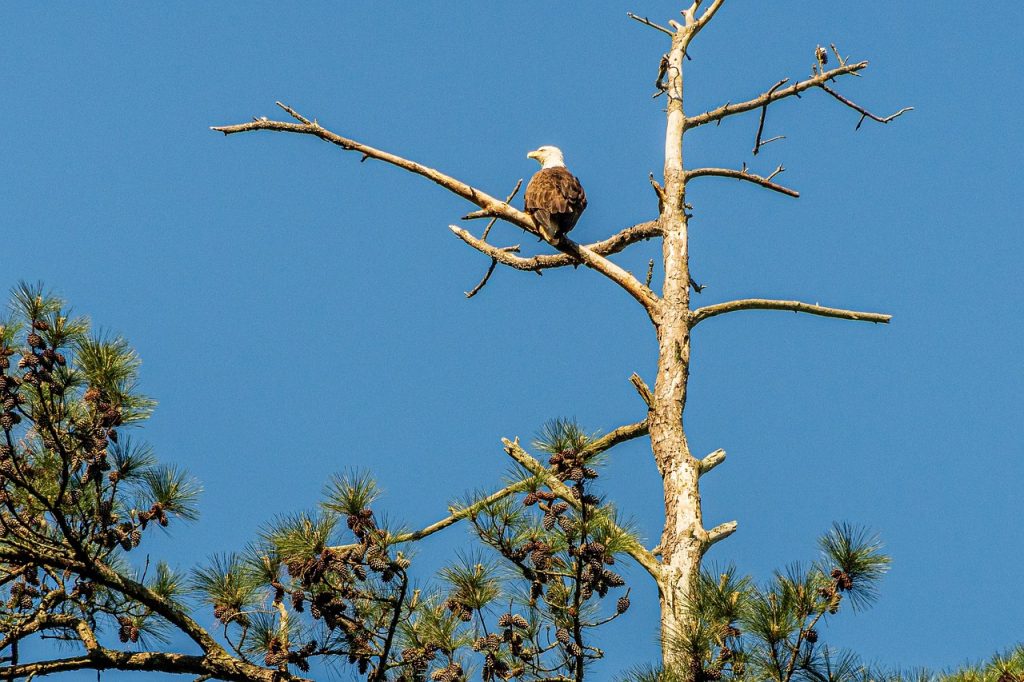
The spiritual world of the Tsimshian was expressed above all through the crests, the animals and beings that identified each clan and appeared on poles, houses and regalia. These crests were far more than decoration, embodying the ancestral encounters from which each lineage claimed its identity.
Powerful ceremonial societies, especially those associated with the winter dances, brought the beings of the spirit world into the great houses through masked performance. Initiation into these societies was a serious and transformative passage.
Behind the display lay a deep sense of the living powers of the natural world, with which the human community had to maintain a right relationship through respect and ceremony. The treatment of the first oolichan and salmon reflected this understanding.
For the Tsimshian, the crests and the winter ceremonies together expressed a worldview in which human lineages, animal beings and the spirit powers were bound into a single order stretching back to the founding of the clans.
The crests were in a sense the visible face of Tsimshian religion, making the ancestral and spiritual claims of each clan present in the everyday world of poles, houses and regalia. To display a crest was to assert a whole history of encounter between an ancestor and a powerful being, and to renew the lineage’s place within the sacred order of the coast.
The winter dances, with their masked performances and their guarded societies, gave the sacred season its dramatic shape and marked the passage of individuals into new ceremonial roles. To be initiated was to take on a lasting relationship with the spirit powers, one that carried both privilege and serious responsibility within the life of the house.

Traditions of Clan and Inheritance
Tsimshian tradition centred on the inheritance of names, crests, songs and territories through the matrilineal clan, a system in which a person’s most important identity came through the mother’s line. These inherited privileges were treasured possessions of the house.
The transfer of names and privileges was surrounded by ceremony, above all the great feast at which the giving of wealth before witnesses confirmed the claims being made. Tradition and social order were renewed through these public rituals.
Elders and chiefs held the histories of their clans, the origin stories of their crests and the proper conduct of ceremony, a knowledge entrusted only to those fit to carry it forward. This lore was a serious responsibility.
Through the faithful transmission of these traditions, the Tsimshian maintained an intricate world in which every name, crest and song had its rightful owner and its proper place within the order of the clans.
The result was a culture in which continuity and correct inheritance were prized above all, and in which the proper transfer of names and crests was seen as a sacred duty to the clan. This deep concern with lineage and inheritance gave Tsimshian tradition its remarkable stability across the generations.
Central to this system was the careful witnessing of every important transfer, for a name or a crest was only truly held once the assembled guests had seen and acknowledged the claim at a feast. In this way the whole community became the guardian of the social order, and the memory of the witnesses served as the living record that confirmed each lineage’s rights across the generations.
Carving, Weaving and Tsimshian Crafts
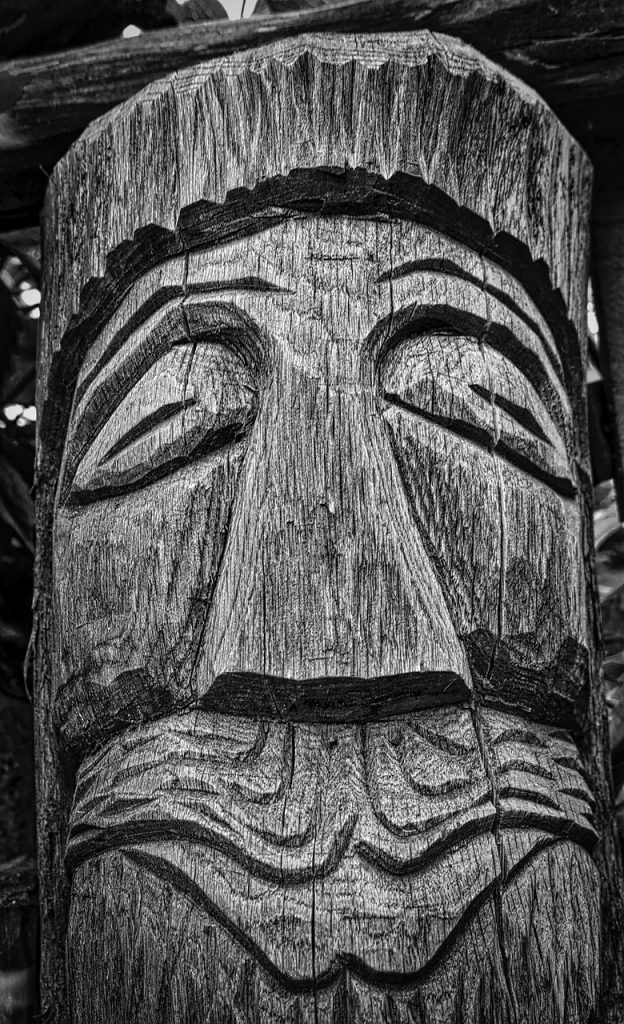
The Tsimshian are counted among the great artists of the northwest coast, renowned for carving poles, masks and boxes and for the fine painting of crest designs. Their work belongs to the powerful northern style of stylised animal and ancestral forms.
Among their most celebrated crafts are the woven robes and the elaborately carved masks and rattles used in ceremony, objects that combined technical mastery with deep meaning about clan and privilege. Each piece carried a message about identity and rank.
Weaving and basketry using cedar bark, spruce root and mountain goat wool produced clothing, hats, mats and watertight containers, the finest of them worked with striking designs. Craft and utility went hand in hand.
Across all these crafts, the objects displayed the crests and privileges of their owners, so that a carved pole or a woven robe was a statement of lineage and standing as much as a work of art.
Contemporary Tsimshian artists have carried these inherited traditions into the modern world, working in fresh forms while remaining rooted in the powerful northern design language of their ancestors. Their work now commands respect internationally, carrying the crests and identity of the Tsimshian clans far beyond the northern coast.
The carved poles in particular served as records of clan history, their stacked figures telling the story of the crests and the ancestral encounters from which they came. To raise such a pole was to make a public statement of lineage and privilege, and its carving was surrounded by ceremony worthy of the claims it embodied.

Oolichan, Salmon and the Foods of the Coast
The foods of the Tsimshian came above all from the rivers and the sea, and two fish stood at the centre of their diet. The salmon, returning each year in great runs, was caught and preserved in vast quantities to last through the winter.
Even more prized in some ways was the oolichan, a small oily fish that returned to the Nass each spring and was rendered into a rich grease. This oolichan grease was both a treasured food and one of the most valuable trade goods on the coast.
The shore and sea offered much else, from halibut and cod to shellfish, seals and sea birds, while the rivers and forests provided berries, roots and game. The rich environment supported a varied and reliable diet.
The trade in oolichan grease along the great grease trails into the interior made the Tsimshian key players in a wide network of exchange, spreading their wealth and influence far beyond the coast.
The great grease trails, along which oolichan oil was carried into the interior, made the Tsimshian central players in a trade network that reached deep into the continent. This commerce in a single precious food brought wealth and influence, and it tied the northern coast into a web of exchange that spread far beyond its own shores.

Feasts and the Great Gatherings
The great ceremonial events of Tsimshian life were the feasts at which a host chief distributed wealth to confirm his rank and mark important occasions. Guests served as witnesses whose acceptance of gifts validated the claims being made.
These gatherings marked births, marriages, deaths and above all the succession of names and titles within the clan, and they were filled with feasting, oratory, the display of crests and the performance of dances. Generosity was the measure of greatness.
As on much of the coast, colonial authorities banned the feast in an attempt to break the culture, driving it underground for many years. Its survival through those decades reflects the determination of the people.
Today the feast has been revived and once again fills the ceremonial houses of the coast, renewing the bonds of clan and confirming the standing of chiefs before assembled witnesses.
For the people themselves, the revival of the feast has been an act of profound cultural healing, a reclaiming of a ceremony that colonial authorities once tried to destroy. Each great gathering held today is both a continuation of ancient custom and living proof that the attempt to break the culture ultimately failed.
The oratory delivered at these gatherings was itself a valued art, as chiefs and speakers recited the histories of their clans and set out the claims being honoured. To speak well before the assembled witnesses was a mark of high standing, and the words spoken at a great feast carried a weight that could shape the standing of a house for years to come.
A History of Trade, Loss and Revival
The northern coast became a centre of the maritime fur trade in the eighteenth and nineteenth centuries, and the Tsimshian, already skilled traders, played a central role. The wealth of this trade fed a great flourishing of ceremony and art.
But the same contact brought devastating disease, above all smallpox, which killed a terrible share of the population and reshaped the whole society. Villages were emptied and survivors regrouped in fewer, larger settlements.
Colonial rule brought pressure on land and religion, the banning of the feast and the removal of children to residential schools, inflicting wounds whose effects are still felt today. The old order was severely disrupted.
Yet the Tsimshian endured, keeping their clans, crests and ceremonies alive through the hardest years and, in time, beginning the long work of cultural and legal revival that continues into the present.
The story of this period is one of both flourishing and catastrophe, of a culture enriched by trade yet devastated by disease and colonial policy. Understanding this complex history is essential to understanding both the losses the Tsimshian suffered and the strength with which they carried their identity through them.

Tsimshian Coastal Peoples in the World Today
Today the Tsimshian are vital, self-governing nations in both Canada and, through a historic migration, in Alaska, managing their own affairs while continuing the clan system and ceremonies that define them. The feast and the crests remain central to their identity.
Their art is celebrated far beyond the coast, and Tsimshian carvers and weavers, working in the powerful northern style, are among the respected indigenous artists of the region. Their poles and robes appear in galleries and public spaces internationally.
Language revitalisation, the reclaiming of territory and rights, and the strengthening of the clan system are all part of a wider resurgence, as the nations rebuild what colonial policy sought to undermine. Young people once more learn the histories of their crests.
For the Tsimshian the future is rooted in the same rivers, fjords and forests that shaped their ancestors, carried forward by nations determined to keep their clans, their crests and their ceremonial life strong.
Younger generations increasingly take up the work of cultural preservation, learning the languages, mastering the arts and stepping into the clan and ceremonial roles once held by their elders. In them the long story of the Tsimshian continues, carried forward with a determination born of having survived the hardest of times.
At the same time the nations face the familiar challenges of the modern world, from economic pressures to the long effects of historical trauma. Yet the strength of the revived feasts and the enduring power of the clan system continue to draw people home, so that the crests are still raised and the names still passed on along the northern coast.
Related Peoples of the Region
- Wichí, Honey Gatherers and Weavers of the Gran Chaco Thornlands
- Warao, Canoe Dwellers of the Orinoco Delta and Their Tree of Life
- Coast Salish Canoe Nations of the Salish Sea and Their Cedar Longhouse World
- Tanoan Pueblo Peoples of the Rio Grande and Their Thousand-Year Adobe Villages
- Keresan Sky City Dwellers of Acoma and a Language With No Known Kin
- Kwakwaka’wakw and Nuu-chah-nulth Whalers of the Wakashan Coast and Their Masked Dances