Along the lower Colorado River, where a ribbon of green water cuts through the harsh deserts of the Southwest, the Mojave people made their home for countless generations. Farmers of the flooded river bottoms and famous long-distance travellers, they called themselves the Aha Macav, the people who live along the water, and drew both their food and their identity from the great river that ran through an otherwise arid land.
The Mojave speak a language of the Yuman family, shared in related forms by several peoples of the lower Colorado and the deserts beyond. Known for a spiritual life centred on powerful dreams and for their reputation as bold warriors and tireless runners, they built a distinctive culture in one of the most demanding environments in North America. This article follows their origins, their language, their homeland and their enduring way of life into the present day.
Contents
- Origins Along the Colorado River
- A Name Meaning People of the Water
- The Yuman Language of the Mojave
- Homeland of River and Desert
- The Old Way of Life by the Water
- How Mojave Society Was Organized
- Dreams and the Mojave Spirit World
- Traditions Carried Through Generations
- Beadwork, Pottery and Mojave Crafts
- Corn, Beans and the Foods of the River
- Gatherings, Songs and Running
- A History of War, Removal and Survival
- Mojave People in the World Today
Origins Along the Colorado River
The Mojave have lived along the lower Colorado River for many centuries, drawn to the one dependable source of water and rich soil in a vast and arid land. Where the river flooded each year it left behind fertile bottomlands, and it was here that the ancestors of the Mojave built their farming way of life.
The river was the axis of their world, offering water, fish, fertile fields and a route for travel. In a desert where survival was otherwise precarious, the Colorado made settled life possible and shaped the whole character of the people who depended on it.
Their own histories tie their origins to a sacred mountain near the river and to events in the mythic past when the world and its peoples were formed. This deep connection to specific places along the Colorado anchors the Mojave firmly to their homeland.
Over generations they became expert at reading the river and the desert alike, developing the knowledge that allowed them to thrive where the land was unforgiving to those who did not understand it.
The dependence of the Mojave on the yearly flood shaped not only their farming but their whole sense of time, for the rhythm of the river governed the planting and harvest that sustained them. In a land where a single dry season elsewhere could mean disaster, the reliability of the Colorado’s flood gave the Mojave a security that few other desert peoples enjoyed, and it lay at the very foundation of their culture.
The lower Colorado River shaped every part of Mojave life, and its yearly floods left behind fertile silt that made farming possible in a landscape that outsiders saw only as harsh desert. Understanding this river relationship is essential to understanding who the Mojave were and who they remain today.

A Name Meaning People of the Water
The people call themselves Aha Macav, a name usually understood to mean the people who live along the water, tying their identity directly to the Colorado River at the heart of their world. The familiar name Mojave derives from this older self-designation.
This name captures something essential about the Mojave, for whom the river was not simply a resource but the very ground of existence. To be Mojave was to be a person of the water in a land of desert.
As with many indigenous peoples, the spelling and form of the name used by outsiders has varied over time, while the people themselves have held to their own understanding of who they are and where they belong.
The name thus stands as a reminder that, for the Mojave, the Colorado River was and remains the defining feature of their identity and their home.
The insistence of the Mojave on their own name for themselves reflects a wider confidence in their identity as a distinct and unified people. Where many small desert communities defined themselves narrowly by locality, the Aha Macav saw themselves as a single nation of the river, and this strong self-understanding runs like a thread through the whole of their history.
The name Mojave itself carries echoes of the river and the people’s own sense of place, and the way outsiders recorded it over the centuries reflects the long history of contact, misunderstanding, and eventual recognition. What a people call themselves always tells more than any label imposed from outside.
The Yuman Language of the Mojave
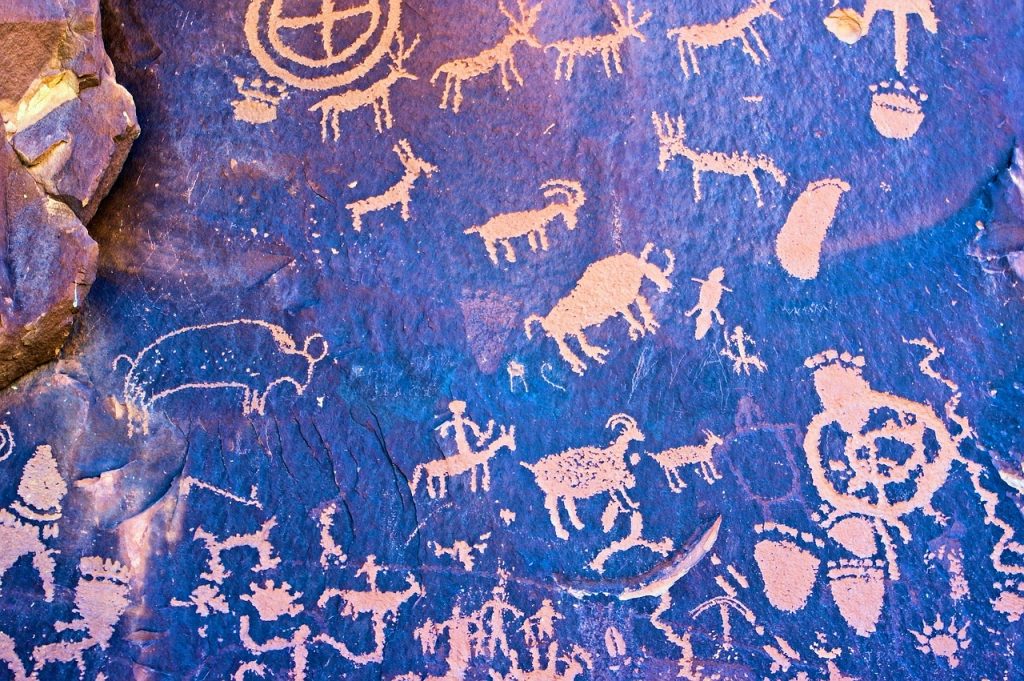
The Mojave language belongs to the Yuman family, a group of related tongues spoken by several peoples of the lower Colorado and the surrounding deserts. It is quite distinct from the languages of the Pueblo peoples and other neighbours to the east.
The language carries a rich tradition of song and story, including the long song cycles tied to dreams and to the mythic history of the people. Much of Mojave spiritual and cultural knowledge is bound up in these words and songs.
Like many indigenous languages, Mojave suffered under policies that discouraged its use and removed children to distant schools, driving down the number of fluent speakers over the twentieth century. Its survival came under real threat.
Today the community works to keep the language alive, teaching it to younger generations who recognise it as a vital thread connecting them to the songs, dreams and identity of their ancestors.
Because so much of the sacred song tradition is carried in the language, its survival is bound up with the survival of the dreams and stories at the heart of Mojave identity. A song cycle received in a dream cannot easily be translated without losing its power, and so the work of keeping the language alive is understood as inseparable from keeping the culture itself alive.
Homeland of River and Desert
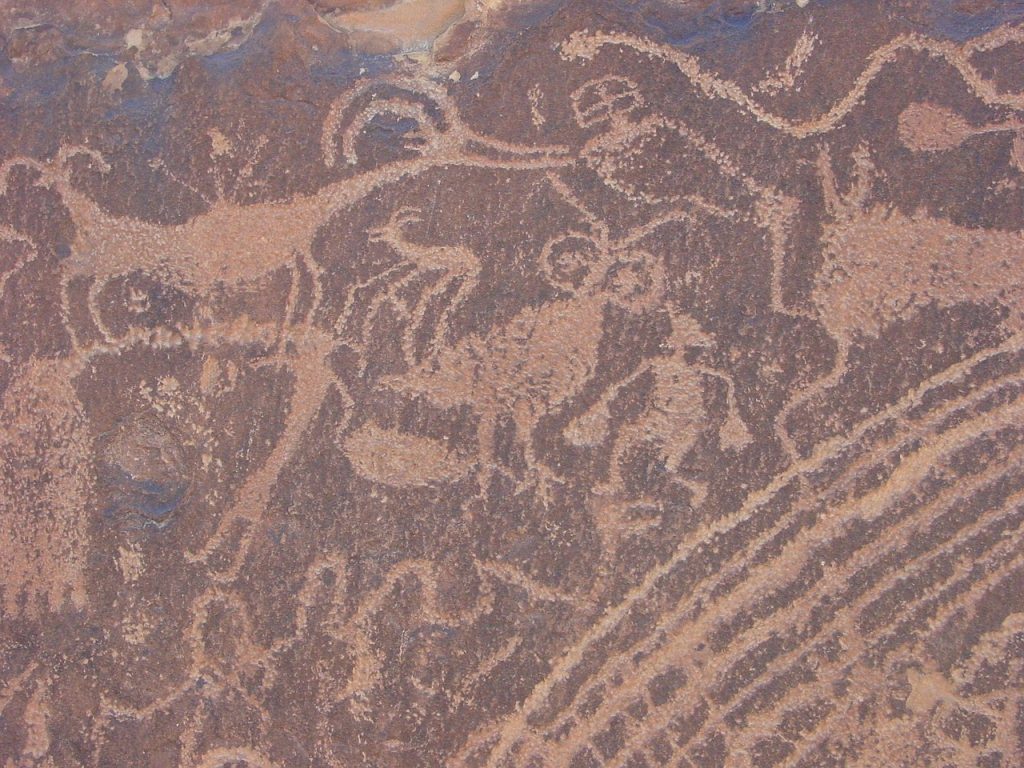
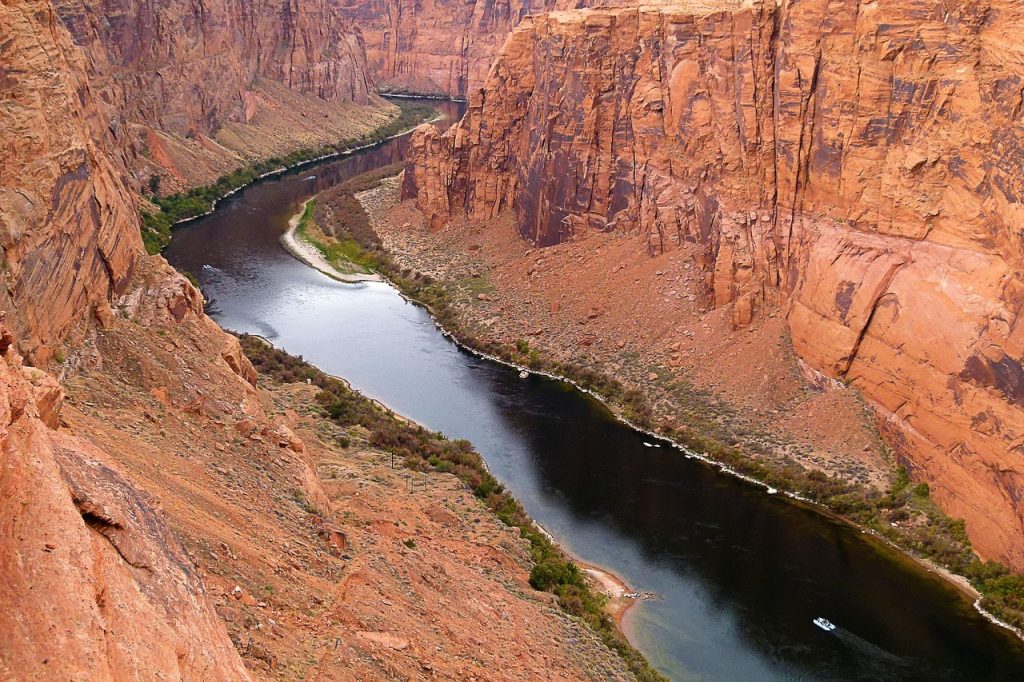
The Mojave homeland lies along the lower Colorado River where it forms the boundary between present-day Arizona, California and Nevada, a narrow green corridor winding through some of the driest country in North America. On either side stretch harsh deserts of rock, sand and cactus.
The contrast between the life-giving river and the surrounding desert defined the Mojave world. The riverside offered water, fish and fertile fields, while the desert beyond demanded respect and deep knowledge from any who ventured into it.
The people lived close to the river, farming its floodplain and drawing on its resources, while ranging out into the desert to gather wild foods and to travel the long distances for which they were famous.
For the Mojave this land of river and desert was not a barren waste but a homeland rich in meaning, marked with sacred places and tied to them through generations of farming, travel and ceremony.
The sharp boundary between the green river corridor and the surrounding desert gave the Mojave world a striking clarity, a narrow band of life threading through an ocean of dry land. To understand the Mojave is to understand a people who lived at this very edge, drawing everything they needed from the river while remaining always at home in the harsh country around it.
Seasonal rhythms governed movement across the floodplain, with families shifting between planting grounds, mesquite groves, and fishing spots as the water rose and fell. This intimate reading of the land allowed a large population to thrive along a narrow green corridor.
The Old Way of Life by the Water
Traditional Mojave life revolved around farming the fertile bottomlands left behind by the yearly flooding of the Colorado. Without needing to irrigate by hand, they planted their crops in the moist soil the receding waters left, harvesting corn, beans, squash and other plants.
Fishing in the river added to the harvest, and gathering wild desert foods such as mesquite beans rounded out the diet. The combination of river farming and desert gathering gave the Mojave a reliable living in a difficult land.
The Mojave were also renowned as travellers, thinking little of covering enormous distances on foot across the desert to trade, visit or make war. Their runners carried news and goods over routes that linked the river to peoples far away.
This way of life, balancing the settled farming of the river with the mobility of desert travel, demanded both deep local knowledge and remarkable physical endurance, qualities for which the Mojave became well known.
The reputation of the Mojave as tireless runners was no mere legend, for the demands of trade, diplomacy and war across such vast desert distances made endurance a genuine necessity. Young people trained their bodies for these journeys, and the ability to travel far and fast on foot became both a practical skill and a source of deep cultural pride.
Daily work followed the river closely, from clearing planting grounds after the flood to gathering wild foods and tending the crops that would carry families through the year. Every household combined farming, gathering, fishing, and trade into a resilient way of life.

How Mojave Society Was Organized
The Mojave saw themselves as a single people sharing one language and one homeland, a sense of national identity that was unusual among the small communities of the region. This shared identity bound the scattered river settlements together.
Within this larger unity, families lived in dispersed settlements along the river rather than in tightly packed villages, moving as the seasons and the floods required. Descent and clan membership helped organise social relationships.
Leadership rested with individuals whose authority came from their wisdom, their success and, above all, the power they were believed to have gained through dreams. Spiritual power and social standing were closely linked.
In times of war the Mojave could unite in large numbers, and their reputation as formidable warriors reflected both their sense of common identity and the value they placed on courage and dream-given power.
The unusually strong sense of shared national identity set the Mojave apart from many of their neighbours and gave them a cohesion that served them well in both trade and war. Even though families lived scattered along the river rather than in dense villages, they understood themselves as belonging to a single people with a common language, homeland and destiny.
Leadership among the Mojave rested less on inherited rank and more on proven ability, spiritual power, and the trust of the community, so a respected leader was someone whose dreams and deeds had earned genuine standing. This flexible structure allowed the nation to respond to both peaceful seasons and times of conflict.
Dreams and the Mojave Spirit World
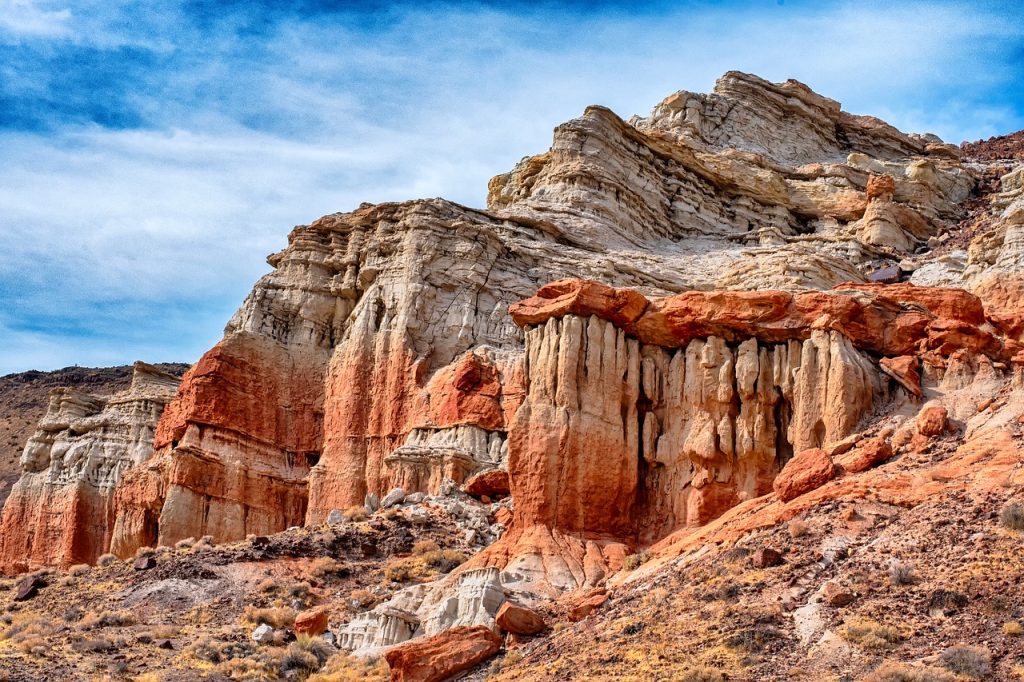
At the very heart of Mojave spiritual life lay the dream, believed to be the source of all real power and knowledge. Through dreams a person might receive songs, skills and the special powers needed to heal, to lead, to farm well or to succeed in war.
These were not ordinary dreams but experiences understood to reach back to the mythic time of creation, so that the dreamer gained knowledge directly from the events that shaped the world. Great dreamers were figures of high respect.
The long song cycles that formed the core of Mojave ceremony were themselves received through dreams and recounted the mythic history of the people. To sing them was to re-enter that sacred time and renew its power.
For the Mojave, then, the dream world was not separate from waking life but its very foundation, the place from which power, identity and knowledge ultimately flowed.
The centrality of dreams gave Mojave spirituality a character quite different from that of many neighbouring peoples, for power came not chiefly through ritual or inheritance but through direct experience in the dream world. A person’s standing, skills and very identity could be shaped by what they received in dreams, making the inner life of the individual a matter of the greatest cultural importance.
Dreaming was not treated as idle sleep but as a genuine source of knowledge, power, and identity, and the songs received in dreams could guide a person through an entire lifetime. This dream tradition set the Mojave apart from many neighboring peoples.
Traditions Carried Through Generations
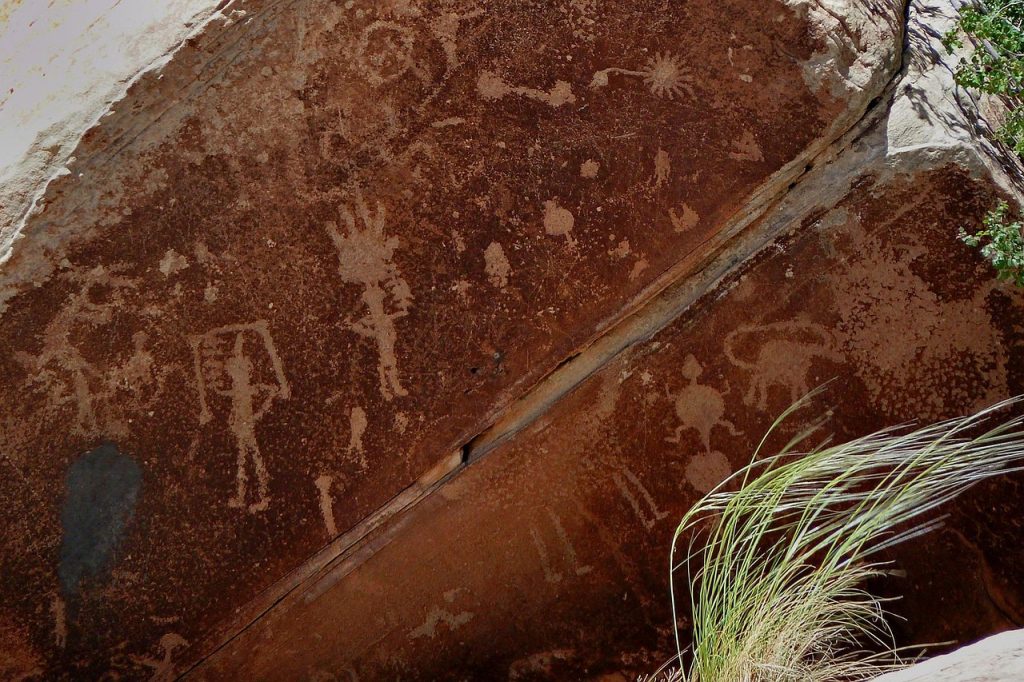
Mojave tradition was carried above all through song and story, especially the great song cycles that recounted the mythic history of the people and were received and passed on through dreams. These cycles were treasured bodies of knowledge held by gifted singers.
The tradition of tattooing was also important, for the Mojave believed that proper markings were needed to travel rightly into the land of the dead. Such customs tied everyday life to the deepest beliefs about the world beyond.
Knowledge of farming, of the desert and of the routes for long-distance travel was handed carefully from elders to the young, ensuring that each generation could thrive in the demanding environment of the river and desert.
Through song, story and custom, the Mojave maintained a strong sense of who they were, rooted in the river, the dream world and the shared identity of the Aha Macav.
The link between tattooing and the journey of the soul after death shows how closely everyday custom and profound belief were interwoven in Mojave life. What might appear to an outsider as mere decoration was in fact a serious preparation for the passage into the land of the dead, a reminder that for the Mojave the visible and invisible worlds were bound tightly together.
Song cycles could last through the night and carry singers across vast imagined geographies, linking the living community to ancestors, places, and the great events of the origin story. Learning these cycles was a serious responsibility passed carefully between generations.
Beadwork, Pottery and Mojave Crafts
The Mojave are especially known for their beadwork, creating elaborate collars and ornaments of tiny glass beads worked into bold geometric designs. This distinctive beadwork became a celebrated art form and a marker of Mojave identity.
Pottery was another important craft, with vessels and, later, expressive human and animal figures shaped from river clay. These pieces combined practical use with a lively sense of design and, in the figures, considerable charm.
The making of these crafts drew on materials from the river and the trade that the Mojave carried on with distant peoples, bringing glass beads and other goods along the long desert routes they travelled.
Across their crafts, the Mojave combined utility with a strong aesthetic sense, turning beads and clay into objects that expressed both individual skill and a shared cultural identity.
The bold geometric designs of Mojave beadwork became so distinctive that they served as a visible marker of identity, worn with pride at gatherings and recognised far beyond the river. In this way a craft learned in the home carried the identity of the whole people, turning the skilled work of individual hands into a statement of belonging to the Aha Macav.
Pottery, beadwork, and the distinctive painted designs of the Mojave carried both beauty and meaning, marking identity and recording the visions that shaped a person’s path. These crafts were never purely decorative but tied directly to the spiritual world.

Corn, Beans and the Foods of the River
The foods of the Mojave came above all from the crops they grew in the flooded bottomlands, especially corn, beans and squash, planted in the rich soil left by the receding river. This river farming was the foundation of their diet.
Fish from the Colorado added valuable protein, caught with nets, traps and other means along the river the people knew so intimately. The water that watered their fields also stocked their tables.
From the surrounding desert came wild foods, above all the beans of the mesquite tree, which were ground into meal and formed an important part of the diet. Gathering these foods required knowledge of the desert’s seasons.
The combination of river crops, fish and desert plants gave the Mojave a varied and reliable food supply, allowing them to flourish in a land where less knowledgeable peoples would have struggled to survive.
The security offered by river farming, fishing and desert gathering together allowed the Mojave to live well in a land that appeared, to outside eyes, almost impossibly harsh. This threefold food economy, each part suited to a different aspect of their environment, reflected a deep and hard-won understanding of how to draw a reliable living from the meeting of river and desert.
Mesquite pods, fish from the river, and the corn, beans, and pumpkins grown in the floodplain together formed a diet that was surprisingly rich for a desert people. Careful storage and preparation turned each season’s harvest into a dependable supply through leaner months.
Gatherings, Songs and Running
The great communal events of Mojave life centred on the singing of the long song cycles, performances that could last through the night and recounted the mythic history received in dreams. These gatherings were both entertainment and sacred ceremony.
Song was central to Mojave culture, and a gifted singer who held a complete cycle was a person of high standing. To sing was to carry and share the dream-given knowledge that lay at the heart of the people’s identity.
The Mojave love of running also found expression in gatherings, and their reputation for covering vast distances on foot made athletic prowess a matter of pride. Travel itself could take on a ceremonial and social character.
Through song, gathering and the shared pride in endurance and skill, the Mojave reaffirmed their identity as a single people bound to the river and to the dream world from which their power flowed.
The all-night singing of the great song cycles bound the community together in a shared experience of the sacred history, renewing the dreams and stories that defined the people. For those who took part, these performances were far more than entertainment, offering a direct encounter with the mythic past from which the Mojave drew their power and identity.
Gatherings brought scattered families together for singing, mourning ceremonies, and the renewal of bonds that held the wider nation together across a long stretch of river. These occasions reaffirmed shared identity and kept the great song cycles alive.

A History of War, Removal and Survival
The Mojave long maintained their independence and their reputation as formidable warriors, holding their river homeland against various rivals and, for a time, against the pressures of newcomers. Their sense of unity made them a force to be reckoned with.
But the arrival of settlers, soldiers and the pressures of a expanding nation eventually overwhelmed this independence. Conflict, disease and the loss of land reshaped Mojave life over the course of the nineteenth century.
The people were confined to reservations along the river, and their children, like those of so many nations, were taken to distant schools in an effort to erase their language and culture. The old freedom of movement was lost.
Yet the Mojave endured, holding on to their river homeland, their songs and their identity through the hardest years and beginning, in time, the work of cultural and economic recovery that continues today.
The story of the Mojave in the nineteenth century is one of a proud and independent people gradually overwhelmed by forces beyond their control, yet never losing their attachment to the river or their sense of who they were. Understanding this history is essential to appreciating both the losses they suffered and the determination with which they held on to their homeland and identity.
The nineteenth century brought profound upheaval as newcomers pressed into the Colorado River country, and the Mojave endured displacement, conflict, and confinement to reservations that reshaped their world. Yet through all of it the core of their identity, rooted in the river and the dream, endured.

Mojave People in the World Today
Today the Mojave live in self-governing communities along the lower Colorado River, organised into recognised tribes that manage their own affairs and assert their rights to the river and the land. The Colorado remains as central to their life as ever.
The people work to keep their language, songs and beadwork alive, teaching younger generations the traditions that connect them to the Aha Macav of the past. Cultural revival stands alongside the practical work of building strong communities.
Water rights along the Colorado are a matter of vital importance, and the Mojave nations are active in the ongoing struggles over the river that has always defined them. Their claim to the water is bound up with their very identity.
For the Mojave the future is rooted in the same river, the same desert and the same dream-given songs that shaped their ancestors, carried forward by communities determined to remain, as they have always been, the people who live along the water.
Younger generations increasingly take up the work of cultural preservation, learning the language, the songs and the beadwork that connect them to their ancestors. In them the long story of the Aha Macav continues, carried forward by a people who remain, as they have always been, bound to the great river that gives them both their livelihood and their name.
Contemporary Mojave communities continue to balance the demands of the modern economy with a determined effort to keep their language and ceremonies alive. Language classes, cultural programs, and river restoration work all reflect a people looking forward while honoring an ancient bond with their homeland.

Related Peoples of the Region
- Warao, Canoe Dwellers of the Orinoco Delta and Their Tree of Life
- Coast Salish Canoe Nations of the Salish Sea and Their Cedar Longhouse World
- Tanoan Pueblo Peoples of the Rio Grande and Their Thousand-Year Adobe Villages
- Keresan Sky City Dwellers of Acoma and a Language With No Known Kin
- Kwakwaka’wakw and Nuu-chah-nulth Whalers of the Wakashan Coast and Their Masked Dances
- Tsimshian Clans of the Skeena and Nass Rivers and Their World of Crests and Grease
You May Like
The Damara, an Ancient People of Namibia


2 thoughts on “Mojave People of the Lower Colorado River and Their World of Dreams”