Along the sheltered inlets and island channels of the Salish Sea, the Coast Salish peoples have built one of the most enduring maritime cultures of the Pacific Northwest. Their villages of cedar plank houses once lined the shores from the mouth of the Columbia River north into what is now British Columbia, connected by canoe routes that turned the water into a highway rather than a barrier. For thousands of years they harvested salmon, wove blankets from mountain goat wool and cedar bark, and gathered in great winter longhouses to sing the songs that carried family history.
The name Coast Salish covers many distinct but related nations who speak languages of the Salishan family, including Lushootseed, Halkomelem, Squamish and Klallam. They were never a single tribe with one chief, but a web of communities bound by trade, marriage and shared ceremony. This article follows their origins, their languages, their homeland and the ways they lived, believed, created and endured, down to the living communities of today.
Contents
- Origins and Deep Roots on the Northwest Coast
- A Name That Describes a Family of Nations
- The Salishan Languages of the Coast
- Homeland Among the Islands and Inlets
- The Old Way of Life on the Water
- How Coast Salish Society Was Organized
- Spirit Power and the Winter Ceremonies
- Traditions Carried Across Generations
- Carving, Weaving and Coast Salish Crafts
- Salmon and the Foods of the Shore
- Gatherings, Potlatches and Canoe Journeys
- A History of Contact, Loss and Survival
- Coast Salish Peoples in the World Today
Origins and Deep Roots on the Northwest Coast
The ancestors of the Coast Salish have lived along the northwest coast of North America for a very long time, with archaeological sites in the region showing continuous occupation stretching back thousands of years. Shell middens, ancient hearths and the remains of wooden structures record generation after generation of people who fished, hunted and gathered along the same shores their descendants still call home.
These early communities developed in a landscape that was unusually generous. The meeting of cold ocean water, sheltered inland seas and mountain rivers created some of the richest food resources anywhere on the continent, and this abundance allowed people to settle in permanent villages rather than move constantly in search of food.
Over time distinct communities formed, each tied to a particular river mouth, bay or stretch of shoreline. They remained connected through language, trade and intermarriage, and this network of related peoples slowly grew into what outsiders would later group together under the single label of Coast Salish.
Their own accounts of origin are tied closely to specific places, telling of ancestors who were transformed into the first people at named points on the landscape. In this way the deep past is not an abstraction but is written directly onto the mountains, rivers and beaches of the homeland.
Later generations of researchers, working closely with Coast Salish elders and knowledge keepers, have come to appreciate just how sophisticated this ancient relationship with the land and sea really was. What might once have looked to outsiders like a simple hunting and gathering life was in fact a finely tuned system of stewardship, built up over countless generations and adjusted carefully to the rhythms of each particular river, bay and stretch of forest along the coast.
Oral histories held by many Coast Salish families reach back to a time when the world itself was still being shaped, describing a landscape that was gradually brought into its present order. These accounts anchor the people firmly in their territory and give a depth of belonging that no later map or treaty could grant or take away.

A Name That Describes a Family of Nations
The term Coast Salish was created by scholars and administrators rather than by the people themselves, and it groups together many nations who share related languages and customs. Each of these nations has its own name in its own language, and it is by these names that people most often identify themselves.
The word Salish comes originally from the name of an interior people, and linguists extended it to describe the whole family of related languages, adding coast to distinguish the maritime nations from those living further inland. As a result the label is useful for describing a cultural region, but it can hide the real diversity within it.
Communities such as the Squamish, Musqueam, Lummi, Klallam, Cowichan and many others each carry distinct histories, territories and dialects. They recognise their kinship with one another while also holding firmly to their separate identities.
Understanding this distinction matters, because it reminds us that Coast Salish is a term of convenience for a large family rather than the name of a single unified group with one government or one voice.
Because the label groups so many communities together, careful writers today try to name specific nations wherever possible, and to let people describe themselves in their own terms. This respect for particular identities is not merely a matter of politeness; it reflects the way Coast Salish people themselves understand their world, as a gathering of distinct houses and communities rather than a single undifferentiated mass.
The Salishan Languages of the Coast
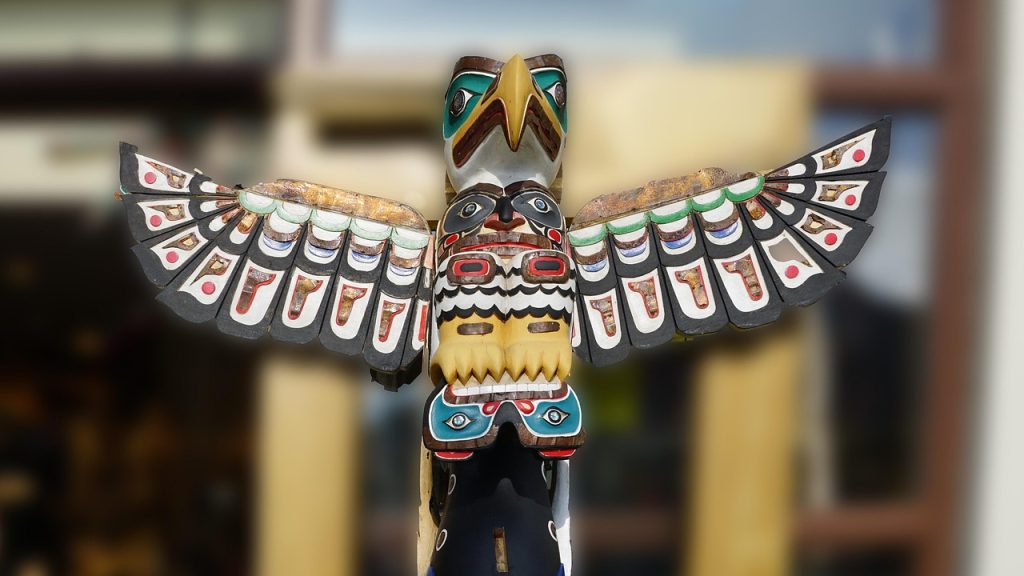
The Coast Salish nations speak languages belonging to the Salishan family, a group of related tongues found only in this corner of North America. Among the coastal branch are languages such as Lushootseed, Halkomelem, Squamish, Sechelt and Klallam, each with its own sound system and vocabulary.
These languages are known for their rich consonant systems and for words that can pack a great deal of meaning into a single form. Speakers describe the world through their language in ways that tie closely to place, season and relationship, and much traditional knowledge is encoded directly in these words.
Generations of pressure, especially through residential schools that punished children for speaking their own tongue, pushed many Salishan languages to the edge of disappearance. For a time the number of fluent first-language speakers fell sharply, and some varieties were left with only a handful of elders.
Today language revitalisation is one of the most urgent projects across Coast Salish country. Communities run immersion classes, record elders, and develop apps and curricula so that children can once again grow up hearing and speaking the languages of their ancestors.
Linguists who have studied these languages often remark on how much cultural knowledge is bound up in their grammar and vocabulary, from precise terms for tides and salmon runs to ways of speaking that mark respect and relationship. Losing a language, in this sense, means losing a whole way of perceiving and describing the coastal world, which is why the current revitalisation work carries such weight for the communities involved.
Homeland Among the Islands and Inlets
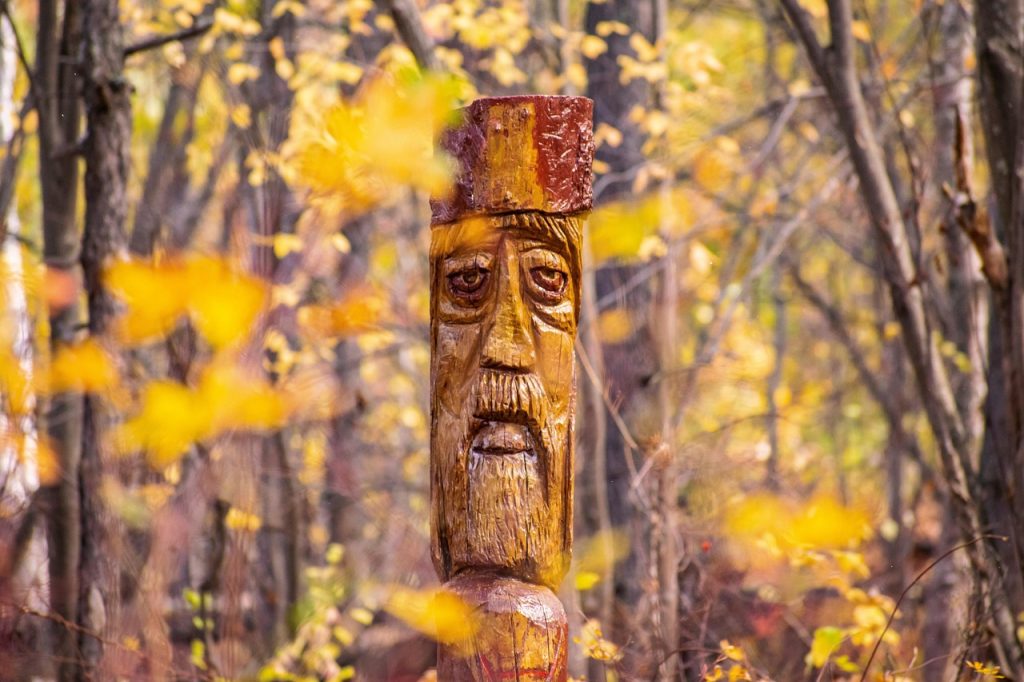
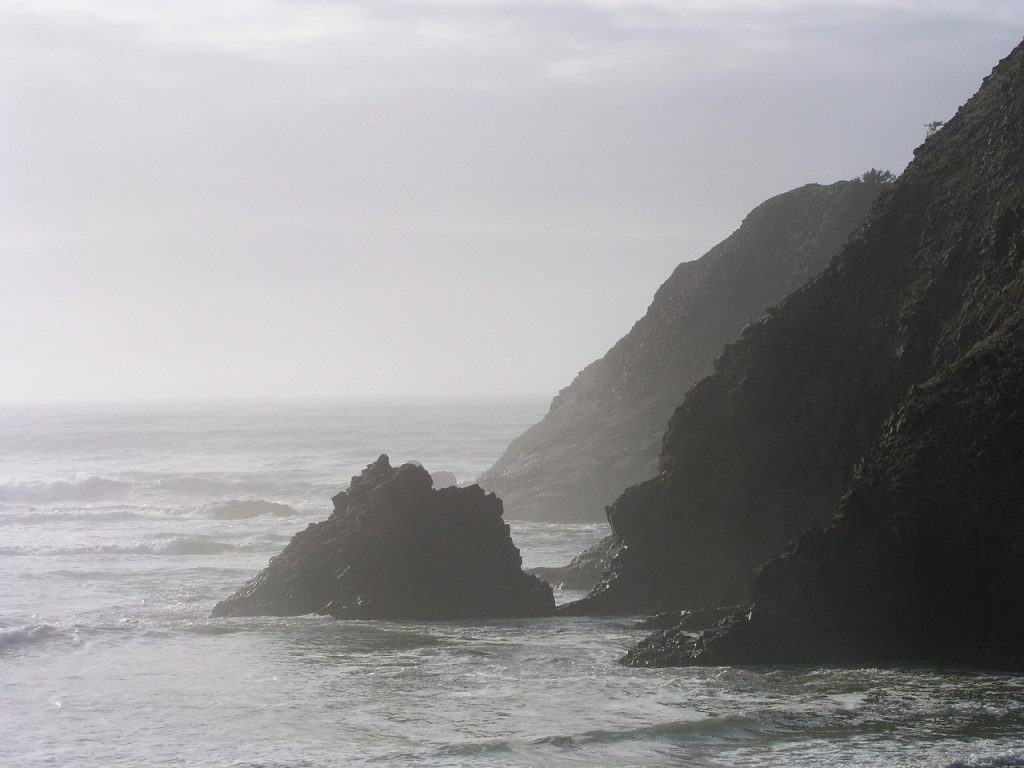
The Coast Salish homeland stretches around the inland waters now known as the Salish Sea, taking in the coastlines, islands and river valleys of the region where the ocean reaches deep inland. It is a place of sheltered channels, tidal flats, dense forests and mountains that rise steeply from the water.
This is a temperate rainforest landscape, wet and green for much of the year, where towering cedars and firs meet beaches of gravel and shell. Rivers pour down from the mountains, and each autumn they fill with returning salmon, linking the health of the forest to the life of the sea.
Villages were placed with great care at the best fishing spots, sheltered harbours and river mouths, and families held recognised rights to particular resource sites. The landscape was not empty wilderness but a carefully known and managed territory, mapped in memory and story.
Even where cities now cover parts of this homeland, the underlying geography of shore and river remains, and Coast Salish people continue to relate to these waters as the centre of their world.
The seasonal movement of families across this territory left the landscape marked with named places, each carrying stories, resource rights and memories. To travel through the homeland was therefore to move through a living archive, where almost every headland, beach and river bend had a name and a meaning understood by those who belonged there.
Seen from the water, as its people most often saw it, the homeland reveals itself as a connected whole rather than a set of separate places. The channels that a modern traveller might read as obstacles were in fact the main roads of this world, joining village to village and family to family across the wide reach of the inland sea.

The Old Way of Life on the Water
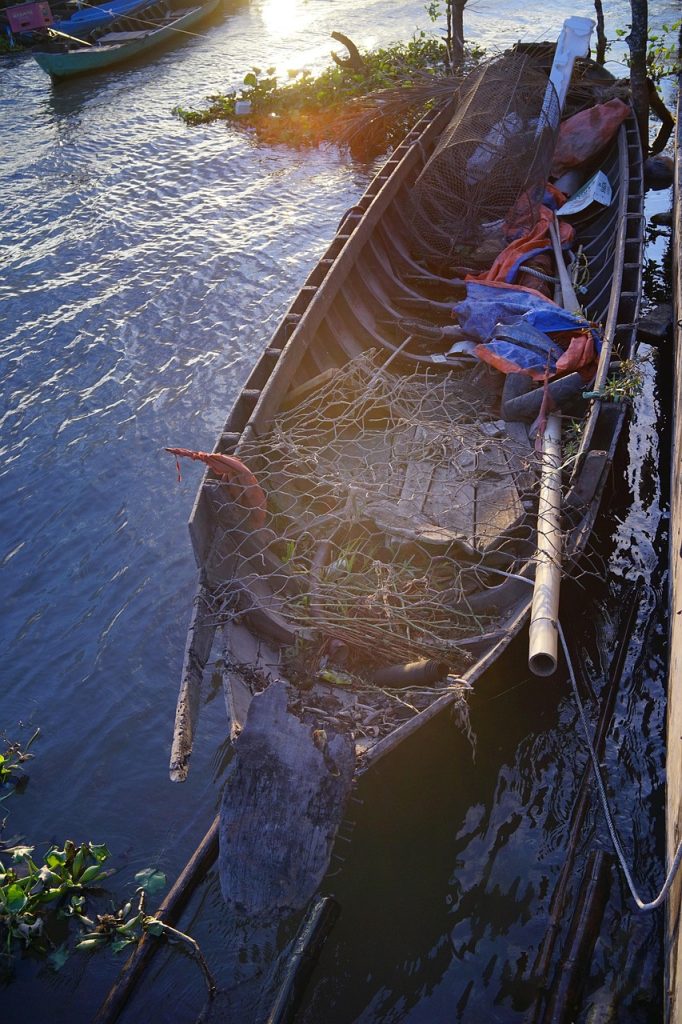
Life on the northwest coast revolved around the water, and the canoe was the essential tool of daily existence. Carved from single great cedar logs, canoes ranged from small craft for fishing near home to large ocean-going vessels able to carry many people and heavy loads across open water.
The yearly round followed the rhythms of nature. In spring and summer families moved to fishing camps and gathering grounds, harvesting salmon, shellfish, berries and roots, and preserving much of it for the lean months. In winter they returned to permanent villages to live on their stores and to hold ceremonies.
Cedar was the other great foundation of coastal life. Its wood built houses and canoes, its bark was pounded soft for clothing and woven into mats and baskets, and its roots were split for cordage. A single tree could meet an astonishing range of needs.
This was a way of living that demanded deep knowledge of tides, weather, fish runs and forest, passed carefully from elders to the young so that each generation could read the signs of the coast and thrive within it.
Children learned these skills gradually, working alongside their parents and grandparents until the knowledge became second nature. By the time they reached adulthood they could handle a canoe in rough water, read the behaviour of fish and weather, and carry out the many tasks of preserving and storing food that kept a household secure through the darker months of the year.
Nothing was wasted in this economy of the coast, and even the by-products of the salmon harvest or the shaping of a canoe found further uses. This careful thrift, born of long experience, allowed communities to draw a rich living from their territory without exhausting the resources on which their descendants would depend.
How Coast Salish Society Was Organized
Coast Salish society was organised around extended families and the great houses they lived in, with several related families often sharing a single large cedar plank longhouse. Membership in a house carried with it rights to names, resource sites and ceremonial privileges.
Rank and status mattered a great deal. Society recognised high-status families, ordinary members and, in the past, enslaved people taken in raids or trade. Standing was expressed through inherited names, access to wealth and the ability to host great feasts.
Leadership was based less on command than on respect, generosity and the ability to speak well and settle disputes. Influential people earned their position by caring for their relatives and by giving away wealth rather than hoarding it.
Marriage between villages wove the many communities together into a wider network, moving people, goods and privileges from one place to another and ensuring that no village stood entirely alone.
These arrangements gave Coast Salish communities both stability and flexibility, allowing them to cooperate in large numbers when a rich resource such as a salmon run demanded it, and to disperse into smaller family groups when that suited the season. The result was a social order that could expand and contract gracefully with the rhythms of the coastal year.

Spirit Power and the Winter Ceremonies
Coast Salish spiritual life centred on a close relationship with the unseen powers of the world, gained above all through the quest for a guardian spirit. Young people would go alone to remote places to fast and seek a vision, hoping to receive a spirit helper that would guide and strengthen them through life.
The winter season was the sacred time of year, when the spirit powers were felt to be closest. In the great houses people held ceremonies in which those who carried spirit songs danced and sang, renewing their bond with the powers that had chosen them.
Certain individuals became healers, able to work with spirit power to treat sickness and to recover souls thought to have been lost or stolen. Their work required long training and carried real responsibility within the community.
Respect for the beings of the land and water ran through everything, from the careful treatment of the first salmon of the season to the acknowledgment of the spirits believed to dwell in particular places across the homeland.
This spiritual outlook was not confined to special occasions but shaped the way people moved through the world every day, encouraging humility toward the powers that sustained them and care in how they took what they needed. The line between the practical and the sacred was thin, and both were woven together into a single understanding of how to live rightly on the coast.

Traditions Carried Across Generations
Tradition among the Coast Salish was carried above all through the spoken word and through ceremony. Elders held the histories of their families, the names that belonged to them and the stories that explained the origins of the world and its rules.
Names themselves were treasured possessions, passed down within families and formally bestowed at feasts so that witnesses could confirm the transfer. To carry an ancestral name was both an honour and a responsibility to live up to those who had held it before.
Songs and dances were also inherited property, belonging to particular families and performed on the right occasions. To sing another family’s song without permission was a serious breach, and the proper display of these treasures reinforced the social order.
Through all of this, knowledge of how to live well on the coast, how to treat kin and how to honour the powers of the world was handed steadily from one generation to the next.
In this way the traditions of the Coast Salish worked as a kind of living constitution, setting out who held which rights, how disputes should be resolved and how the community should conduct itself. Far from being fixed relics of the past, these customs were performed, witnessed and renewed again and again, keeping them alive and relevant to each new generation.

Carving, Weaving and Coast Salish Crafts
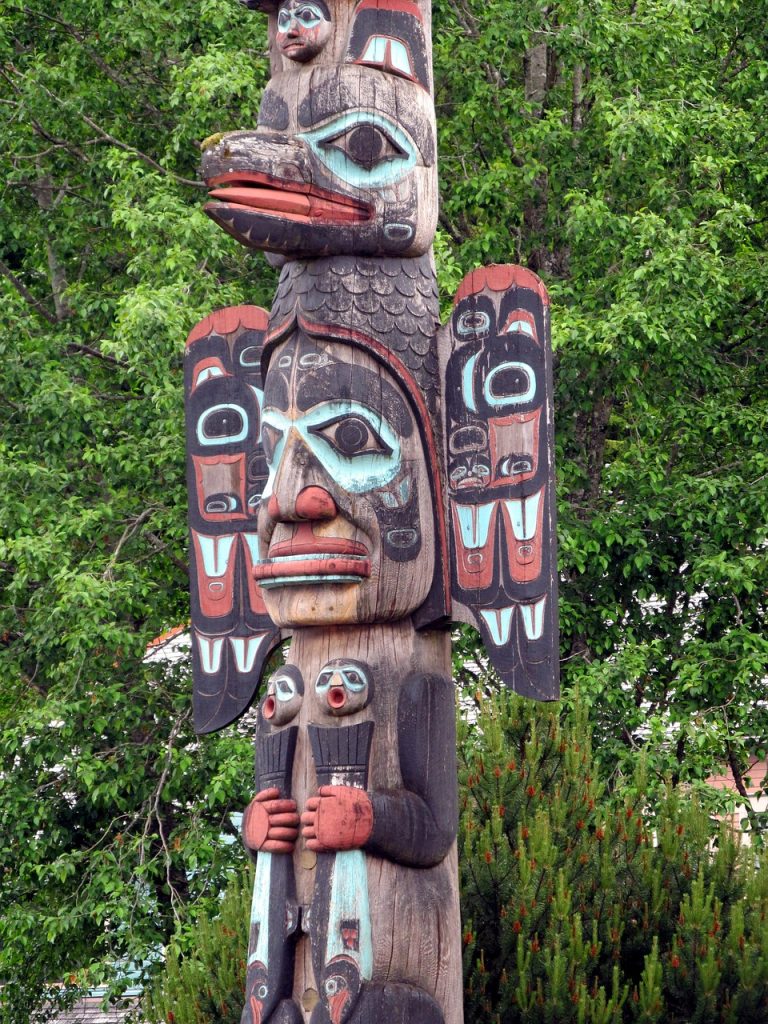
The Coast Salish are renowned for their distinctive art, which uses a vocabulary of crescents, wedges and circles quite different from the bold forms of nations further north. Carvers worked this style into house posts, spindle whorls, rattles, bowls and figures that combined beauty with everyday use.
Weaving reached a remarkable height in Coast Salish blankets, made from the wool of mountain goats and, in the past, from a special breed of woolly dog kept for its hair. These blankets were prized items of wealth, given away at feasts and worn to display status.
Basketry was another highly developed art, using cedar bark, spruce root and grasses to make watertight containers, storage baskets and mats. The finest baskets carried intricate woven designs and required great skill and patience.
Across all these crafts, objects were more than decoration. A carved spindle whorl, a woven blanket or a painted house front carried meaning about family, rank and relationship, turning everyday tools into statements of identity.
Contemporary Coast Salish artists have taken these inherited forms and carried them in bold new directions, working in printmaking, glass and public sculpture while remaining rooted in the distinctive design language of their ancestors. Their work now appears in galleries and civic spaces far beyond the coast, carrying Coast Salish identity into the wider world.

Salmon and the Foods of the Shore
Salmon stood at the very centre of Coast Salish life, returning each year in great runs that filled the rivers. People caught them with weirs, traps, nets and spears, then dried and smoked the flesh in enormous quantities to carry the community through the winter.
The first salmon to return was treated with special respect in a ceremony that thanked the fish for coming and asked them to return again. This reflected a wider belief that food animals gave themselves to people and had to be honoured if they were to keep doing so.
The shore and sea offered far more than salmon. Clams, mussels, crabs, herring and their eggs, halibut, seals and waterfowl all had their season, and the intertidal zone in particular was a reliable larder that could be harvested by anyone.
From the land came berries of many kinds, roots such as camas, and the inner bark and sprouts of various plants. Careful tending of berry patches and root grounds meant that these were managed food sources rather than simply wild ones.
Taken together, this diverse and reliable food economy supported relatively dense populations and gave people the security to invest time in art, ceremony and the elaborate social life for which the coast is famous. Abundance, carefully managed, was the foundation on which the whole of Coast Salish culture was built.
Knowledge of when and where to find each food, and of how to prepare and store it, was itself a form of wealth, held and shared within families. A well-provisioned household was not simply lucky but skilled, drawing on generations of accumulated understanding of the living calendar of the coast.

Gatherings, Potlatches and Canoe Journeys
The great social events of Coast Salish life were feasts and potlatches, gatherings at which a host family fed many guests and gave away large amounts of wealth. These occasions marked births, marriages, deaths and the transfer of names and privileges.
At a potlatch the guests served as witnesses, and their acceptance of gifts confirmed the claims and honours being celebrated. Generosity, not accumulation, was the true measure of standing, and a family raised its name by giving lavishly.
Canoe travel tied these events together, as families paddled long distances to attend gatherings hosted by their relatives. The arrival of great canoes, the songs sung on the water and the formal welcome on the beach were all part of the ceremony.
In recent decades the tradition of intertribal canoe journeys has been powerfully revived, with nations from across the region paddling together each summer to a host community, reconnecting old ties and celebrating a shared coastal heritage.
For younger participants especially, these gatherings offer a powerful experience of belonging, connecting them to relatives across many nations and to a heritage that colonial policies once tried to suppress. The sight of dozens of canoes arriving together on a single beach has become one of the most moving expressions of Coast Salish cultural renewal.
A History of Contact, Loss and Survival
The arrival of European ships in the late eighteenth century began a period of profound upheaval for the Coast Salish. Waves of introduced disease, above all smallpox, swept through the villages and killed a devastating share of the population before many communities had even met a newcomer face to face.
As settlers poured into the region in the nineteenth century, Coast Salish peoples were pressed onto small reserves and reservations, cut off from many of their fishing and gathering grounds. Treaties, where they existed, were often ignored or interpreted narrowly by the governments that signed them.
Perhaps the deepest wound came through the residential and boarding school system, which took children from their families, forbade their languages and sought to erase their culture. The effects of this policy echo through families to the present day.
Yet through all of this the Coast Salish endured. They kept their ceremonies alive, sometimes in secret when the potlatch was banned, held on to their identities, and in time began to reclaim rights and rebuild what had been damaged.
The story of this period is therefore one of both tragedy and resilience, of enormous loss set against an unbroken determination to survive as distinct peoples. Understanding this history is essential to understanding the Coast Salish present, in which the effects of past injustice and the work of healing and recovery exist side by side.

Coast Salish Peoples in the World Today
Today the Coast Salish are a vital and growing presence around the Salish Sea, organised into many First Nations in Canada and tribes in the United States, each governing its own affairs and asserting its own rights. Modern cities have risen on their homeland, but the nations remain very much part of the living landscape.
Legal victories over fishing rights and treaty obligations have restored a measure of what was taken, allowing communities to reclaim their place in the fisheries that have always sustained them. These struggles continue in courts and negotiations to this day.
Cultural revival is everywhere: languages are being taught to new generations, carvers and weavers are reviving old forms and creating new ones, and the annual canoe journeys draw thousands of participants back to the water each summer.
For the Coast Salish, the future is not about returning to a vanished past but about carrying an unbroken identity forward, rooted in the same shores, waters and cedar forests that shaped their ancestors and still define who they are.
Partnerships with universities, museums and governments have also given Coast Salish communities a stronger voice in how their history and belongings are cared for, and many treasures once held far away are gradually being returned. Through all of this, the nations are shaping a future defined on their own terms, grounded in a heritage that has never been surrendered.
Younger Coast Salish people increasingly move comfortably between worlds, pursuing careers and education in the wider society while remaining deeply engaged in the ceremonies, languages and governance of their nations. In them the long story of the Coast Salish continues to unfold, neither frozen in the past nor cut off from it.
Related Peoples of the Region
- Ticuna, the River-Born People of the Amazon Triple Frontier
- Kayapó, Feathered Guardians of the Xingu Forest in the Brazilian Amazon
- Pemón, Savanna Dwellers Beneath the Sacred Tepuis of the Gran Sabana
- Waorani, Forest Hunters of Ecuador Standing Guard Over the Amazon
- Wichí, Honey Gatherers and Weavers of the Gran Chaco Thornlands
- Warao, Canoe Dwellers of the Orinoco Delta and Their Tree of Life
You May Like
The Damara, an Ancient People of Namibia


One thought on “Coast Salish Canoe Nations of the Salish Sea and Their Cedar Longhouse World”