Across the hot, dry expanse of the Gran Chaco, where thorn forest and dusty scrub stretch over the borderlands of northern Argentina, Bolivia, and Paraguay, lives one of the largest Indigenous peoples of South America’s great lowland plain. The Wichí have long made their home in this demanding country of drought and flood, gathering honey and wild fruits, fishing the seasonal rivers, and weaving the strong net bags for which they are known. Theirs is a culture shaped not by rainforest abundance but by the discipline of a harsh and unpredictable land.
This is a portrait of the Wichí: their place among the peoples of the Chaco, the Matacoan language they speak, the arid homeland they inhabit, and the crafts, beliefs, and struggles that define them today. It follows a gathering and fishing people who have held on to their identity through the steady pressure of ranching, deforestation, and a frontier that keeps pressing into their land.
The account that follows moves from the deep past of the Chaco to the pressures of the present, showing how a gathering and fishing people has sought to hold its ground as the forest that sustains it is cleared away.
Contents
- A People of the Great Chaco Plain
- The Name Wichí and Its Older Labels
- A Matacoan Language of the Lowlands
- A Homeland of Thorn Forest and Dry Rivers
- Gathering, Fishing, and Living With Drought
- Bands, Kinship, and a Loose-Knit Society
- Spirits of the Bush and the Shaman’s Craft
- Stories, Song, and the Knowledge of the Land
- Yica Bags and the Weaving of Chaguar
- Honey, Fish, and the Fruits of the Forest
- Dance, Chant, and the Gatherings of the Band
- Ranching, Frontier, and the Loss of Land
- The Wichí in a Shrinking Chaco
A People of the Great Chaco Plain
The Wichí are among the most numerous Indigenous peoples of the Gran Chaco, the vast lowland plain that spreads across northern Argentina and into Bolivia and Paraguay. Their ancestors adapted over generations to this challenging environment of thorn forest, savanna, and seasonal rivers, a land of harsh extremes far removed from the lush rainforests of the Amazon to the north.
For most of their history the Wichí lived as mobile gatherers, fishers, and hunters, moving through their territory in tune with the sharp seasonal rhythms of the Chaco. This way of life, based on drawing what the land offered rather than on intensive farming, shaped a culture finely attuned to a place of scarcity and sudden abundance.
The Chaco itself, with its punishing heat, its cycles of drought and flood, and its dense thorn scrub, set the terms of Wichí existence. Living well in such a land demanded deep knowledge and flexibility, and the Wichí developed both, becoming expert readers of an environment that gives up its resources only to those who understand it.
The extremes of the Chaco, swinging between drought and flood, made adaptability the first requirement of survival, and the Wichí built a culture around movement, gathering, and the patient use of a difficult land. Where others saw only hardship, they found a home.
Their place among the Matacoan peoples of the Chaco sets the Wichí apart from the Andean and Amazonian worlds alike, marking them as a people of the great lowland plain with a heritage all their own.
The Name Wichí and Its Older Labels
The people call themselves Wichí, a word that in their own language means something close to people or human beings, the familiar self-designation of a community that distinguishes itself from outsiders. It is the name they prefer and the one now generally used to describe them.
For a long time outsiders referred to them by other names, including a term applied by neighbors and used in older records, which the Wichí themselves did not choose. As with many Indigenous peoples, the shift toward using their own name has been part of a broader assertion of identity and dignity.
The Wichí are spread across a wide area and are sometimes described in terms of regional groupings, yet they share a common language and a clear sense of being one people. The single name gathers together communities scattered across the Chaco borderlands, affirming a unity that reaches across the frontiers dividing their land.
The move to use their own name reflects a wider reassertion of Wichí identity in the face of a society that long overlooked or dismissed them. To be called Wichí, on their own terms, is part of claiming their proper place.
The regional groupings within the Wichí, distinguished mainly by locality and dialect, illustrate how a single people can contain internal variety while holding to a shared name and a common sense of belonging across the plain.
A Matacoan Language of the Lowlands
The Wichí speak a language of the Matacoan family, one of the language groupings distinctive to the Gran Chaco region. It is unrelated to the Andean and Amazonian language families of surrounding regions, marking the Chaco as a linguistic world of its own and tying the Wichí firmly to the lowland plain they inhabit.
The language remains widely spoken, learned by children and used in the daily life of Wichí communities, which has helped it retain a vitality that many Indigenous languages have lost. This everyday use is a strong support for Wichí identity, keeping alive the knowledge and traditions the language carries.
Spanish has entered Wichí life through schooling, work, and contact with the wider Argentine society, producing widespread bilingualism. Yet the mother tongue continues to hold its place at home and in the community, and efforts at bilingual education have sought to strengthen it further, giving it a footing in the classroom as well as the household.
The survival of a Matacoan tongue matters beyond the community, since the Chaco languages form a distinct world with few speakers, and each living language helps preserve a heritage that the spread of Spanish has steadily eroded.
Bilingual education has begun to give the language a place in schools alongside its strong presence at home, though the pull of Spanish remains powerful. The balance between the two will shape how firmly the tongue endures.

A Homeland of Thorn Forest and Dry Rivers
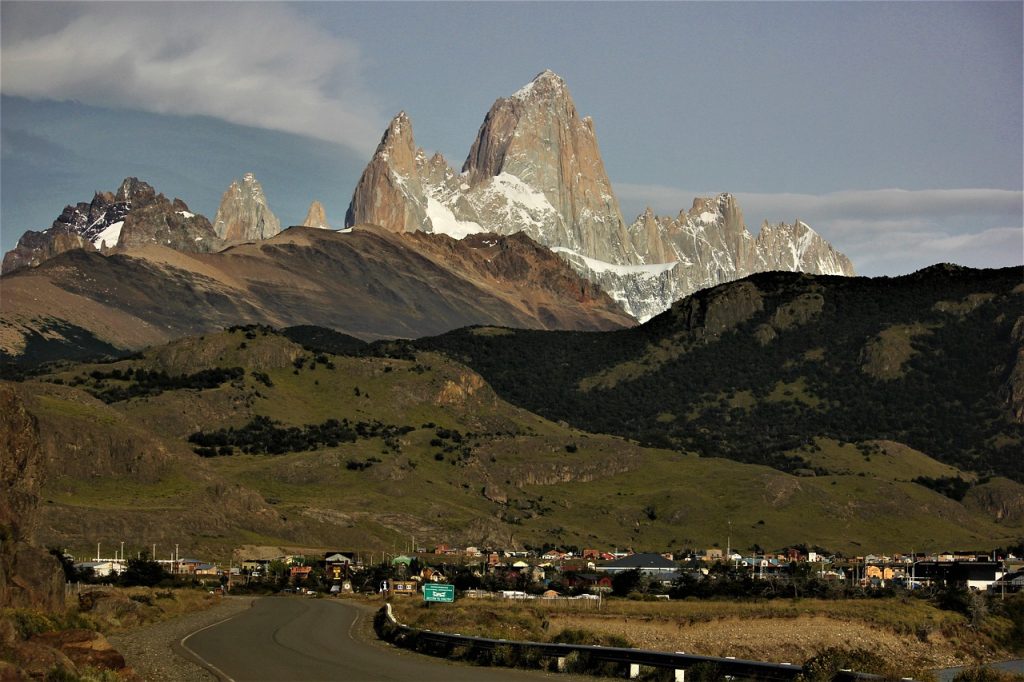
The Wichí homeland lies in the heart of the Gran Chaco, centered on the dry forests and river valleys of northern Argentina and extending into the neighboring countries. It is a land of thorn scrub and hardwood forest, of rivers that swell and shrink with the seasons, and of a climate that swings between scorching drought and sudden flood.
Life in this environment has always been organized around water and its scarcity. The seasonal rivers that cross the Chaco are lifelines, drawing communities to their banks for fishing and drinking water, while the surrounding forest supplies honey, fruits, and game. The rhythm of wet and dry seasons dictates the movement and activity of Wichí communities.
This is a landscape that outsiders have often dismissed as harsh and unproductive, yet the Wichí have long known it as a home rich in resources for those who understand it. Their intimate knowledge of the Chaco’s plants, animals, and waters has allowed them to thrive where others saw only a forbidding wilderness.
To an outsider the thorn forest can look impenetrable and barren, but to the Wichí it is a larder and a home, dense with honey, fruit, game, and fiber for those who know where to look. Their homeland rewards knowledge as much as effort.
The seasonal rivers are the true axes of this homeland, drawing communities to their banks in the wet season and forcing a turn to the forest when they shrink. Life in the Chaco follows the water as surely as it follows the sun.
The Chaco has often been called a green hell by outsiders daunted by its heat and thorns, but that dismissive label reveals more about the newcomers than about a land the Wichí have always known as home.

Gathering, Fishing, and Living With Drought
The traditional Wichí economy rests on gathering, fishing, and hunting rather than on intensive agriculture, a way of life suited to the uncertainties of the Chaco. Wild honey, gathered from the nests of forest bees, is especially prized, along with the fruits, seeds, and pods that the thorn forest provides across the seasons.
Fishing in the seasonal rivers is a crucial activity, concentrated in the times when the waters run and the fish are plentiful. When the rivers shrink and the dry season bites, the Wichí turn more heavily to the forest, drawing on their broad knowledge of edible and useful plants to carry them through periods of scarcity.
This mobile, gathering way of life demanded a deep familiarity with the land and its cycles, and the readiness to move as resources shifted. Small-scale gardening supplemented these activities in favorable spots, but the heart of Wichí subsistence lay in reading the Chaco and taking what it offered, season by season.
The prizing of wild honey captures something essential about Wichí life, a way of drawing sweetness and sustenance from a hard land through skill and close observation. Gathering, not farming, lies at the heart of their traditional economy.
The turn to the forest in the dry season, when the rivers fail, shows how the Wichí spread their reliance across the whole landscape, leaning on honey and wild plants when fish grow scarce. Flexibility, not specialization, was their strength.
Across the year the mix of gathering, fishing, and hunting gave the Wichí a flexible economy able to lean on whichever resource the season offered, a quiet resilience born of intimate knowledge of the plain.

Bands, Kinship, and a Loose-Knit Society
Traditional Wichí society was organized into relatively small, flexible bands based on kinship, rather than into large villages or centralized structures. These groups moved through their territory in pursuit of seasonal resources, cooperating in gathering and fishing and connected to one another through ties of family and marriage.
Authority within these bands was diffuse and informal, resting on the respect and influence of certain individuals rather than on formal chiefs. Decisions were reached through discussion and consensus, reflecting an egalitarian spirit and a way of life in which no group held strong power over another.
Kinship provided the essential framework binding the scattered bands together, defining obligation, alliance, and marriage across the wider Wichí world. In a society without strong central institutions, these family ties did the work of holding a dispersed people together, linking distant groups into a community that recognized itself as one.
The egalitarian, loose-knit character of Wichí society suited a mobile life spread across a wide and demanding territory, but it also placed the whole weight of unity on the ties of kinship. Family, not institution, held the Wichí world together.
When ranching and farming hemmed in their territory, the old mobility of the bands came under strain, forcing communities toward more settled life on the margins of farms and towns. Adapting to that confinement has been among their hardest trials.
Consensus and the influence of respected elders guided the bands without hardening into formal rule, a fluid style well matched to an egalitarian and mobile people who prized their independence.
Spirits of the Bush and the Shaman’s Craft
Wichí belief centers on a world in which the forest, the rivers, and the creatures within them are bound up with spirits and powerful beings that must be treated with respect. Certain places and animals carry particular significance, and the relationship between people and these unseen forces shapes how the Wichí move through and use their land.
The shaman traditionally served as the mediator between the community and this spirit world, called upon to heal illness and misfortune understood as reaching beyond the physical. Such knowledge was a serious and sometimes dangerous craft, concerned with forces that could harm as well as heal, and the shaman held an important place in Wichí life.
Christianity, particularly through evangelical churches, has spread widely among the Wichí, and many today are practicing Christians. Yet the older sense of a spiritually charged landscape has not entirely faded, and elements of the traditional worldview persist alongside the new faith, in the layered belief that marks many Indigenous communities of the region.
The sense of a bush alive with spirits reflects the closeness of the Wichí to their environment, in which the forest is not mere scenery but a realm of relationships and dangers to be navigated with care and respect.
The wide spread of evangelical Christianity has reshaped Wichí religious life in recent decades, yet the older respect for the spirits of the bush persists beneath the new faith, in a blend common across the Chaco.
Stories, Song, and the Knowledge of the Land
The Wichí possess a rich oral tradition of stories and myths that explain the origins of the world, the features of the Chaco, and the proper relationships between people, animals, and spirits. These tales carry knowledge and values across generations, encoding a deep understanding of the land and its ways.
Many stories concern the plants and animals of the Chaco, reflecting the centrality of gathering and hunting to Wichí life and preserving the detailed environmental knowledge on which survival depended. Told and retold, they keep alive a body of learning about the forest that is both practical and moral.
Song and storytelling accompany the important moments of communal life, binding the community to its past and to its land. In a culture shaped by mobility and scarcity, this oral heritage is a vital thread of continuity, carrying the Wichí understanding of their world from one generation to the next.
Because so many stories concern the plants and animals of the Chaco, the oral tradition doubles as a store of environmental knowledge, teaching the young how to read and live from a land that offers its resources only to those who understand it.
Elders who carry these stories hold a valued place, for in remembering the tales they preserve the knowledge that ties the Wichí to their land. Their telling is a form of teaching as much as of entertainment.
Yica Bags and the Weaving of Chaguar
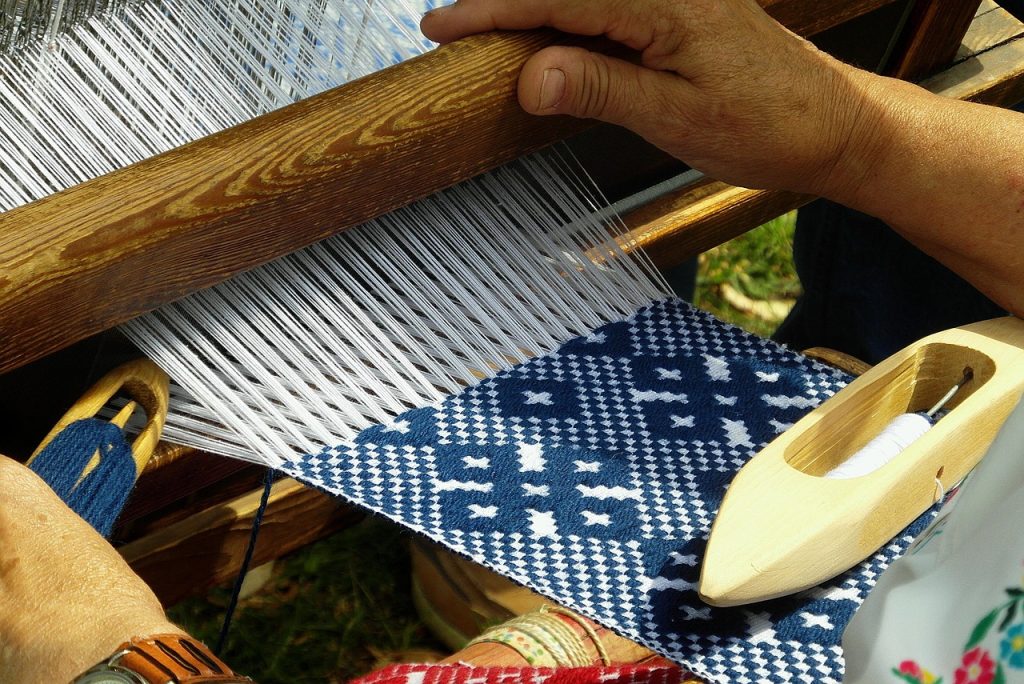
The most celebrated Wichí craft is the weaving of net bags known as yicas, made from the fibers of the chaguar, a bromeliad plant of the Chaco. Gathering the plant, extracting and processing its fibers, and weaving them into strong, patterned bags is a demanding process, carried out mainly by women and representing one of the signature arts of the region.
These bags are both practical and beautiful, used to carry food, belongings, and the honey and fruits gathered from the forest. Woven in distinctive patterns and dyed with natural colors, they combine utility with artistry, and fine examples are prized well beyond Wichí communities as expressions of a living craft tradition.
In recent decades, the weaving of chaguar bags and other items has taken on new importance as a source of income, sold to buyers who value the skill and beauty of the work. Women’s weaving cooperatives have turned an ancient craft into a modern livelihood, giving Wichí women a valued economic role while keeping the tradition alive.
The making of a chaguar bag, from gathering the plant to weaving the finished piece, represents a long chain of skill and knowledge passed from mother to daughter. In each yica is folded a whole tradition of women’s work and artistry.
The rise of weaving cooperatives has given Wichí women both income and a public role, turning a domestic art into a livelihood that supports whole families. In this way an ancient skill has found new purpose in a cash economy.
The natural dyes and distinctive patterns of the yicas make each bag a small work of art as well as a useful object, carrying the aesthetic sense of Wichí women into the markets where the bags are now sold.
Honey, Fish, and the Fruits of the Forest
The Wichí diet is drawn from the resources of the Chaco, with wild honey holding a place of special honor. Gathered from the nests of forest bees, honey is prized both as food and for its cultural importance, a sweet and valued gift of the thorn forest that features in Wichí life in ways that go beyond mere nutrition.
Fish from the seasonal rivers provide crucial protein in the times when the waters run, while the fruits, pods, and seeds of the Chaco forest supply much of the rest of the diet. The carob-like pods of certain trees, ground into flour, have long been a staple, along with the many other wild foods the Wichí know how to gather and prepare.
This diet, based on gathering and fishing rather than farming, reflects a way of life finely adapted to a land of scarcity and seasonal abundance. As across the region, food is bound up with sharing, and the honey, fish, and fruits gathered from the Chaco are distributed among kin in ways that strengthen the bonds of the band.
The sharing of honey, fish, and gathered fruits binds the band together, turning the fruits of a hard land into an occasion for generosity. In the Chaco, where scarcity is never far off, such sharing is both a kindness and a strategy.
The carob-like pods ground into flour have long been a dependable staple, a reminder that the thorn forest, for all its harshness, offers reliable sustenance to those who know how to use it.

Dance, Chant, and the Gatherings of the Band
Wichí communal life finds expression in gatherings marked by dance, chant, and the sharing of food and drink. Traditional songs carry meaning tied to the forest, to gathering and fishing, and to the relationships within the community, and singing is woven through the important moments of collective life.
These gatherings bring together the members of dispersed bands, renewing the ties of kinship that connect the scattered Wichí groups across the wide Chaco. In coming together to sing, dance, and share, the community reaffirms the bonds that a mobile, loose-knit way of life might otherwise leave slack.
Such occasions also serve to pass on knowledge and tradition to the young, carrying the songs, stories, and values that define the Wichí. Amid the pressures of a rapidly changing frontier, these moments of communal celebration remain important spaces in which the culture renews itself and its sense of unity.
For a people whose bands were long scattered and mobile, these gatherings served as vital moments of connection, drawing kin together across the plain. In them the loose threads of a dispersed society were briefly pulled tight.
Song at these gatherings carries meaning tied to the forest and to gathering, so that in singing the Wichí rehearse the knowledge and relationships that sustain them. A gathering full of song is also a gathering full of memory.
Ranching, Frontier, and the Loss of Land
The Wichí long lived beyond the effective reach of colonial authority, their harsh homeland offering some protection from the disruptions that struck peoples nearer the centers of Spanish power. Yet the advance of the frontier eventually reached the Chaco, bringing ranchers, settlers, and the pressures of a society that saw the land as empty and available.
The expansion of cattle ranching and, later, large-scale agriculture transformed the Chaco, clearing forest and fencing land that the Wichí had used for generations. This encroachment steadily eroded their territory and their ability to live by gathering and fishing, drawing them into a difficult relationship with the farms and towns spreading across their homeland.
Through these changes the Wichí have struggled to hold on to their land and their way of life, organizing to defend their territory and to secure recognition of their rights. The loss of forest to deforestation and agriculture has made this struggle increasingly urgent, as the very environment on which their culture depends comes under mounting threat.
The clearing of the Chaco forest struck at the very foundation of Wichí life, since a people who live by gathering and fishing cannot survive the loss of the land that sustains them. Defense of territory thus became a matter of cultural survival.
Recognition of Indigenous land rights, where it has come, has given communities a legal foothold in their struggle, though enforcing it against powerful agricultural interests remains a constant challenge.
The Wichí in a Shrinking Chaco
Today the Wichí number in the tens of thousands across the Chaco borderlands, remaining one of the significant Indigenous peoples of the region. Their homeland, however, is shrinking, as one of the world’s highest rates of deforestation clears the Chaco forest for soy and cattle, steadily undermining the environment on which their way of life depends.
The pressures are severe. The loss of forest, restricted access to land and rivers, poverty, and marginalization all weigh heavily on Wichí communities, forcing difficult adaptations. Many families now combine traditional gathering and fishing with wage labor and the sale of crafts, navigating a frontier economy that has left them at a disadvantage.
Yet the Wichí continue to assert their identity and defend their homeland, organizing to secure land rights, sustaining their language and crafts, and insisting on their place in the region’s future. Their story is that of a Chaco people striving to hold their ground against the advance of the agricultural frontier, keeping alive a culture shaped by one of South America’s harshest and least understood landscapes.
What lies ahead will depend heavily on whether the Wichí can secure their land against the advancing frontier of soy and cattle, a struggle that grows harder as the forest shrinks. Their fate is bound up with that of the Chaco itself.
Even amid mounting pressure, the Wichí engage the wider society with growing determination, pressing their claims to land and rights and refusing to be erased from a landscape that is being transformed around them.

Related Peoples of the Region
- Meꞌphaa Speakers of the Guerrero Mountains and a Language That Stands Alone
- Garifuna Drummers and Cassava Bakers of the Central American Caribbean Coast
- Lenca Potters and River Defenders of the Honduran and Salvadoran Highlands
- Diaguita: A Nation Chile Forgot, Then Remembered
- Tehuelche: Giants of Patagonia’s Windswept Plains
- Guarani: The Language That Became a Nation
You May Like

The Damara, an Ancient People of Namibia



One thought on “Wichí, Honey Gatherers and Weavers of the Gran Chaco Thornlands”