Where the mighty Orinoco breaks apart into a maze of channels before reaching the sea, spreading across a vast delta of water, mud, and palm swamp, lives a people whose very name means the boat people. The Warao have made their home in this labyrinth of waterways in eastern Venezuela for thousands of years, building their houses on stilts above the tides, traveling everywhere by canoe, and drawing their livelihood from the moriche palm and the fish of the delta. Theirs is a culture so bound to water that dry land is almost an afterthought.
This is a portrait of the Warao: their ancient roots in the delta, their language that stands alone, the watery world they inhabit, and the crafts, beliefs, and pressures that shape their lives today. It follows one of the oldest and most distinctive peoples of Venezuela, a canoe-dwelling community whose way of life is written in the rhythm of the tides and the fibers of a single remarkable palm.
The account that follows moves from the deep antiquity of the delta to the crisis of the present, showing how a people who built their world upon the water have sought to hold on to it through one of the hardest passages in their long history.
Contents
- The Boat People of the Orinoco Delta
- The Meaning of the Name Warao
- A Language Standing on Its Own
- A Homeland of Channels and Palm Swamp
- Fishing, Palms, and the Rhythm of the Tides
- Stilt Houses and the Life of the Community
- Spirits of the Water and the Wisidatu
- The Moriche Palm and the Tree of Life
- Canoes, Baskets, and Hammocks of Fiber
- Palm Starch, Fish, and the Delta Table
- Music, Ritual, and Communal Gatherings
- Missions, Migration, and Hard Times
- The Warao in a Troubled Present
The Boat People of the Orinoco Delta
The Warao are among the oldest peoples of Venezuela, with roots in the Orinoco Delta that reach back thousands of years. They adapted over countless generations to one of the most watery environments imaginable, a vast delta where the great river splits into hundreds of channels and spreads across swamp and tidal flat before meeting the Atlantic. This world of water shaped every aspect of their existence.
For most of their history the Warao lived apart from the farming societies of the mainland, sheltered within the delta’s maze of waterways. This relative isolation, protected by an environment that outsiders found difficult and forbidding, allowed the Warao to preserve a distinctive way of life adapted with remarkable completeness to their aquatic home.
Rather than clearing forest for large fields, the Warao built a culture around fishing, gathering, and the resources of the palm swamp, moving by canoe through a landscape where walking was often impossible. Their deep antiquity in the delta and their thorough adaptation to it make them one of the most distinctive peoples of the South American lowlands.
The completeness of their adaptation to water sets the Warao apart even among the river peoples of South America, for few have made a home so thoroughly aquatic. In the delta they found a world that asked them to live almost entirely afloat.
Their long isolation within the delta helped preserve a language and a way of life distinct from those of the mainland peoples, so that the Warao entered the modern era carrying a heritage of remarkable antiquity and singularity.
The Meaning of the Name Warao
The name Warao is often translated as the boat people or those of the canoe, a fitting description for a community whose lives unfold on the water and for whom the canoe is an indispensable part of existence. The name captures the essence of a people bound to their waterways as thoroughly as any on the continent.
Some interpretations render the name more broadly as simply the people, in the manner common among Indigenous groups, while the association with canoes remains central to how the Warao are understood. Either way, the name speaks to a fundamental truth of their identity, rooted in the delta and its channels.
For the Warao, the canoe is not merely a tool but a defining feature of life, and a name tied to it reflects how completely their world is organized around water. To be Warao is, in a real sense, to belong to the boat and the channel, to a way of living that has no meaning apart from the delta.
That a people should be known as the boat people speaks volumes about a life in which the canoe is as essential as the ground is to others. For the Warao, to lose the canoe would be to lose the very means of existence.
Whichever translation one prefers, the link between the Warao and their canoes is unmistakable, and it captures the essence of a people for whom water is not a barrier but a highway and a home.
A Language Standing on Its Own
The Warao speak a language that has defied every attempt to connect it to a known family, making it a true isolate. It is unrelated to the Cariban, Arawakan, and other languages of surrounding regions, standing alone as a linguistic island much as the Warao themselves long stood apart within their delta.
This singular language is a powerful marker of Warao identity and a reflection of their deep antiquity and long isolation in the delta. For linguists it is a valuable and somewhat mysterious survival, a tongue whose relatives, if any ever existed, have vanished without trace, leaving Warao entirely on its own.
Despite the pressures of contact with Spanish-speaking Venezuelan society, the language remains in daily use among the Warao, learned by children and central to community life. Its persistence, alongside growing bilingualism, is closely tied to the survival of the wider Warao culture that took shape in the channels of the Orinoco.
The survival of this isolate carries weight beyond the community, for its loss would erase a unique branch of human speech with no known kin to preserve its memory. That knowledge lends urgency to keeping the tongue alive amid hardship.
Bilingual schooling has sought to give the language a foothold in the classroom alongside its strong presence in the home, though the growing reach of Spanish poses a real challenge to its long-term survival.
A Homeland of Channels and Palm Swamp
The Warao homeland is the Orinoco Delta in eastern Venezuela, a vast expanse where the great river fragments into a network of channels and spreads across swamp, tidal flat, and dense palm forest. It is a world defined by water, where the land is often little more than mud between the streams and where the rhythm of the tides governs daily life.
Within this environment the moriche palm reigns supreme, growing in great stands across the swampy delta and providing the Warao with food, materials, and much else besides. The channels teem with fish, the swamps with palm and other useful plants, and the whole delta forms a rich if demanding home for those who know how to live in it.
This is a landscape almost entirely without dry, solid ground of the kind other peoples take for granted, and the Warao have adapted to it with total commitment. Their houses stand on stilts above the water, their paths are the channels themselves, and their lives are shaped at every turn by the tides and the palm swamp that surround them.
The reign of the moriche palm over this landscape is total, its great stands supplying food, fiber, and material in a delta where little else can be farmed. To understand the Warao is to understand their dependence on this single generous tree.
The absence of firm dry ground, which other peoples take for granted, forced the Warao to reinvent the very basics of dwelling and movement, building above the water and traveling upon it. Their homeland made them a people of the channel.
The tides that sweep in from the Atlantic reach far up the delta’s channels, so that even deep within their homeland the Warao feel the pulse of the distant sea in the daily rise and fall of the water.
Fishing, Palms, and the Rhythm of the Tides
The Warao economy has traditionally centered on fishing and the exploitation of the moriche palm rather than on farming, an adaptation to a delta where dry land for gardens is scarce. Fish drawn from the abundant channels provide the main source of protein, caught with nets, hooks, and traps in a daily rhythm governed by the movement of the tides.
The moriche palm supplies a starchy food extracted from its trunk, along with fibers, materials, and even a nutritious grub that develops in fallen palms and is prized as a delicacy. This reliance on the palm, more than on cultivated crops, sets the Warao apart and reflects the particular possibilities of their swampy home.
Gathering of other palm products, fruits, and useful plants rounds out this way of life, which draws almost entirely on the wild resources of the delta. It is an economy of fishing and gathering rather than agriculture, finely tuned to an environment where the tides, the channels, and the palms set the terms of survival.
The reliance on the palm rather than on cultivated fields marks the Warao as gatherers and fishers above all, a people who took what the delta offered rather than reshaping it. Their economy answered directly to the rhythm of the tides.
The daily rhythm of fishing and palm processing followed the tides as surely as farming elsewhere follows the seasons, giving Warao life a pulse set by the movement of the delta’s waters.
The combination of fishing and palm gathering gave the Warao a resilient economy able to lean on whichever resource the tides and seasons favored, a quiet strength born of intimate knowledge of the delta.
Stilt Houses and the Life of the Community
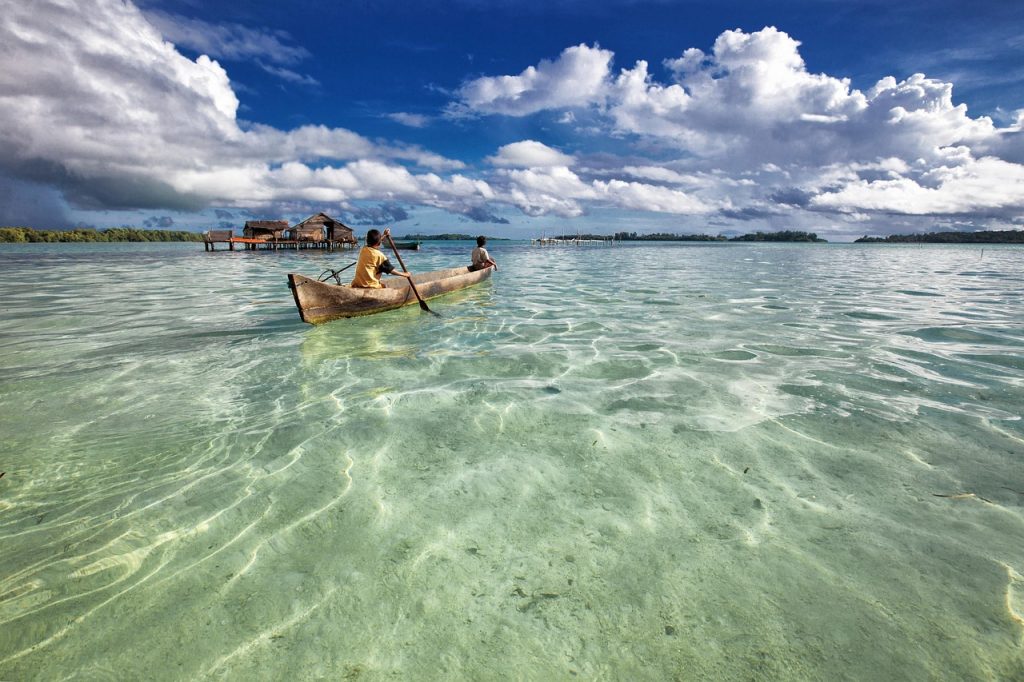
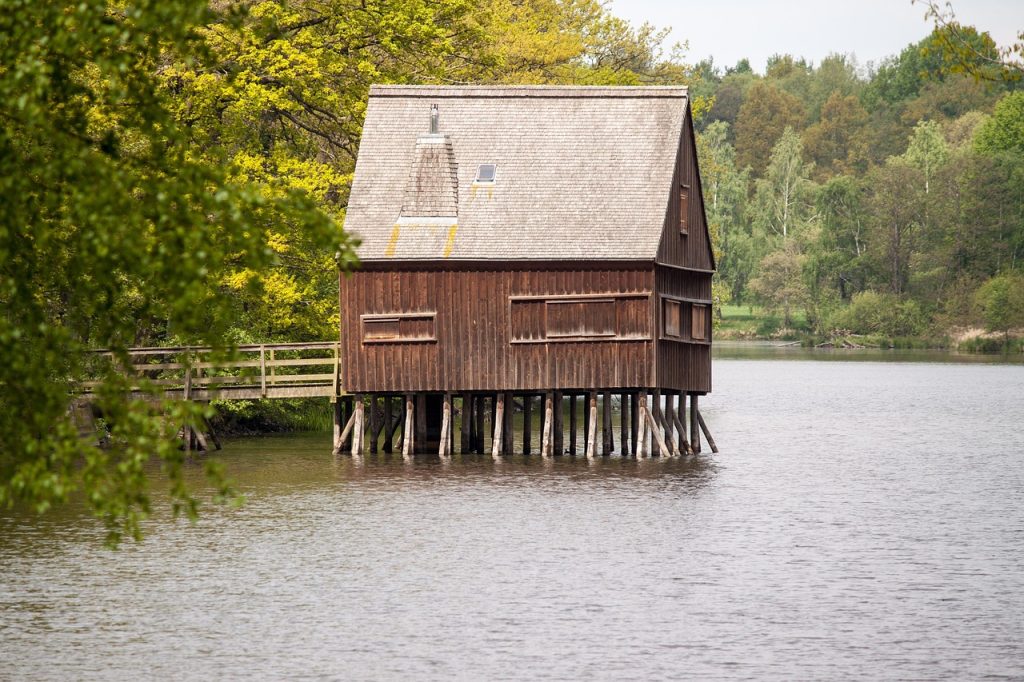
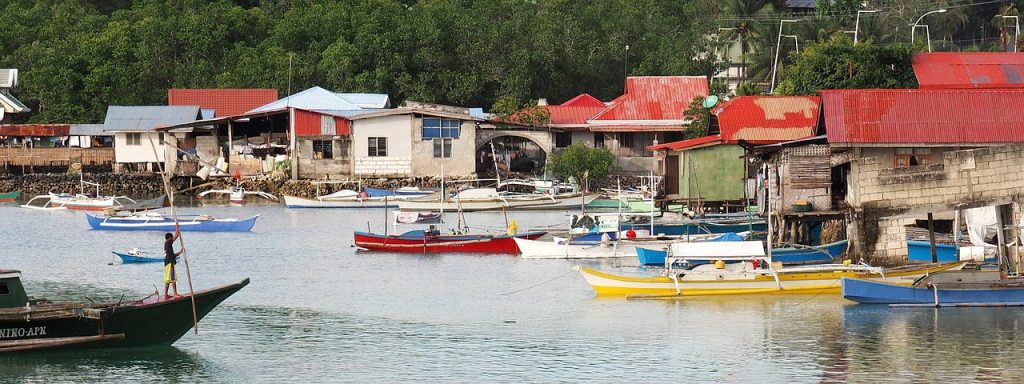
Warao communities are built quite literally over the water, with houses raised on stilts along the banks of the channels and connected by walkways and canoes rather than by paths on dry land. This distinctive architecture, an ingenious response to a home without solid ground, is among the most recognizable features of Warao life.
Society is organized around extended families living in these riverside settlements, cooperating in fishing, palm processing, and the daily work of the community. Kinship binds households together, and the settlement along a stretch of channel forms the basic unit of Warao social life, its members linked by blood and by shared dependence on the water.
Leadership has traditionally combined the authority of respected elders and headmen with the important role of ritual specialists, whose spiritual knowledge gave them standing in the community. In the modern era, community representatives have taken on the task of dealing with the state and outside world, adding a new layer to these older patterns of authority.
The stilt house, raised above the water on its posts, is perhaps the clearest emblem of Warao ingenuity, a solution to the problem of living where there is no solid ground. In it the whole logic of delta life is made visible.
Ritual specialists held a place of unusual importance in Warao communities, their spiritual knowledge lending them an authority that complemented the roles of elders and headmen. Standing, here, came as much from ritual as from age.
When crisis has driven families from the delta, the ties of kinship have stretched to follow them into towns and across borders, carrying the bonds of the riverside community into unfamiliar and often harsh new settings.
Spirits of the Water and the Wisidatu
Warao belief centers on a world alive with spirits inhabiting the water, the palms, and the sky, in a cosmology of remarkable richness. Powerful beings are associated with the cardinal directions and with features of the delta, and the relationship between people and these forces shapes how the Warao understand illness, fortune, and the order of the world.
Ritual specialists, among them the healer known as the wisidatu, traditionally mediated between the community and this spirit world, curing illness and maintaining the balance between people and the powers around them. Their knowledge, including sacred songs and rituals, was a serious and demanding craft central to Warao spiritual life.
Christianity, spread through long missionary contact, has influenced many Warao communities, and elements of Christian belief now mingle with the older cosmology. Yet the traditional sense of a delta filled with spirits has proven durable, and the ritual knowledge of specialists persists alongside the new faith in the layered belief common across the region.
The rich Warao cosmology, with its spirits of water, palm, and sky, reflects a people whose spiritual world is as watery as their physical one. The delta is charged with meaning at every turn, its channels and swamps alive with unseen powers.
Where the knowledge of the wisidatu survives, it is treated as serious and sometimes perilous, concerned with forces that can heal or harm. Respect for that expertise persists even among Warao who have embraced Christianity.
The Moriche Palm and the Tree of Life
No element of Warao culture is more central than the moriche palm, so important that it has been called their tree of life. From it the Warao draw a starchy food, fibers for weaving, materials for building, and much else, so that the palm underpins the material basis of their entire way of life in the delta.
The processing of the palm to extract its edible starch is a defining activity, a body of knowledge and skill passed down through generations and tied to the seasonal rhythms of the delta. Around this work has grown a wealth of tradition, so that the palm is bound up not only with survival but with the cultural identity of the Warao.
This intimate dependence on a single, generous plant gives Warao culture a distinctive character among the peoples of South America. The moriche palm is woven through their food, their crafts, their dwellings, and their sense of themselves, a living symbol of a people who found in the delta’s swamps everything they needed to thrive.
To call the moriche palm the tree of life is no exaggeration, for it underpins food, craft, and dwelling alike. In its trunk, fibers, and fruit the Warao found nearly everything they needed, and around it their culture took shape.
The seasonal work of extracting palm starch gathered communities in a shared effort that was social as much as economic, binding people together around the tree that sustained them all.
Canoes, Baskets, and Hammocks of Fiber
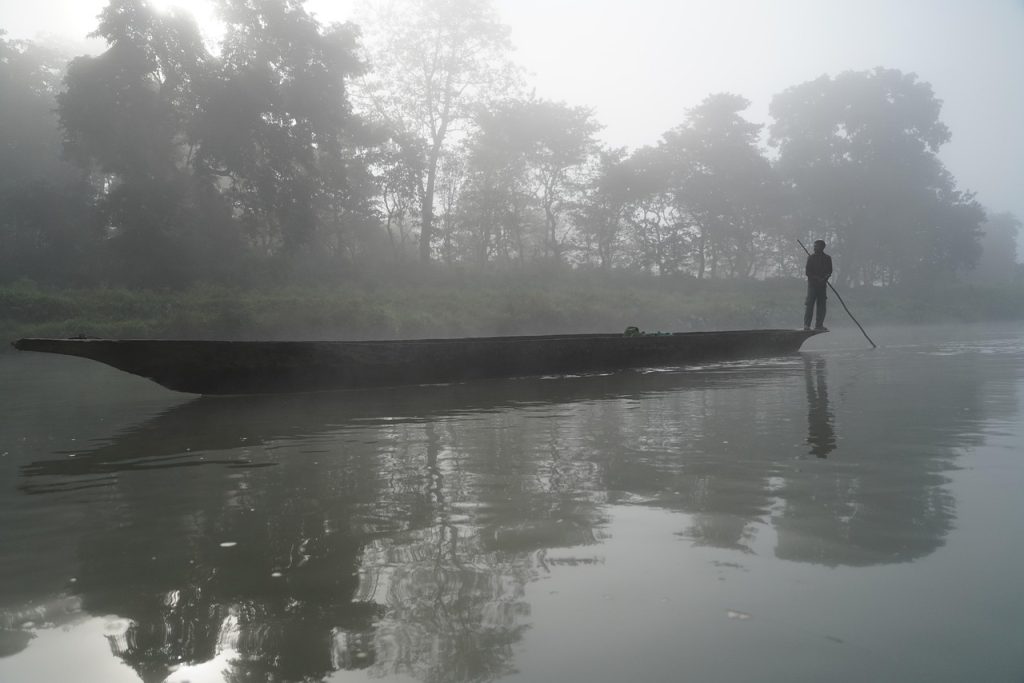
The Warao are master canoe-builders, and the dugout canoe is the supreme expression of their craft, essential to a life lived on the water. Hollowed from single trunks, these canoes carry the Warao everywhere through their delta, and the skill of making them stands at the very heart of a culture defined by movement along the channels.
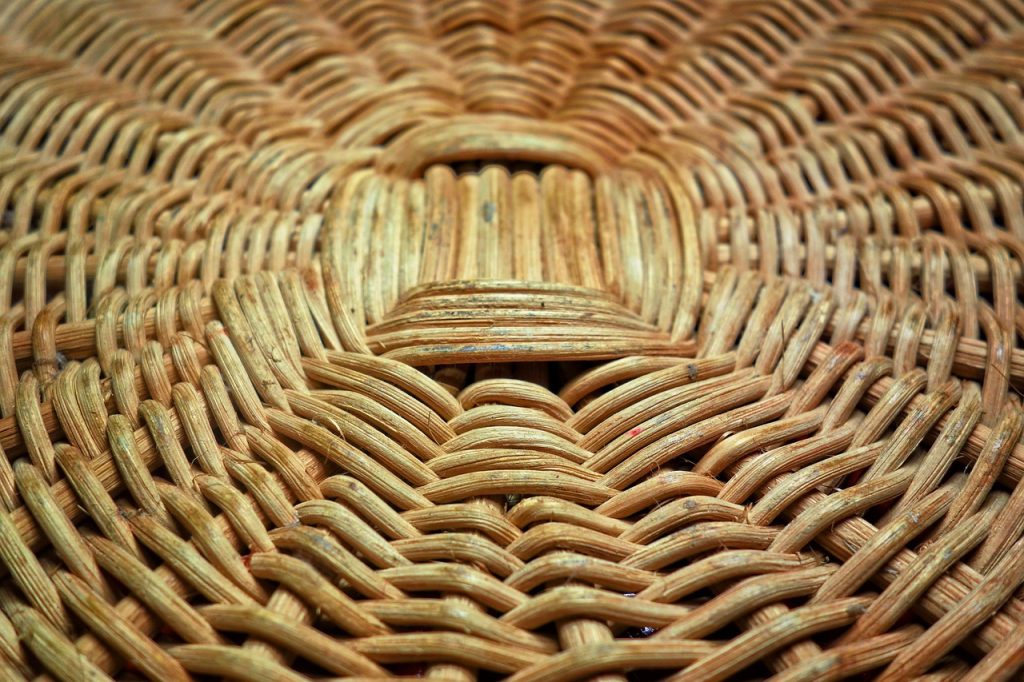
Weaving is the other great Warao craft, above all the making of baskets and hammocks from the fibers of the moriche palm. These finely made objects, both useful and beautiful, draw on detailed knowledge of the palm and its fibers, and Warao basketry in particular is prized for its skill and distinctive patterns.
In recent decades, Warao crafts have found buyers beyond the delta, offering a source of income to communities under growing economic pressure. Baskets, hammocks, and carved items sold to outsiders have given traditional skills a new role, though these crafts remain rooted in the practical needs of a life shaped by water and palm.
The dugout canoe, hollowed with patience from a single trunk, is the supreme Warao craft, the vessel on which the whole way of life depends. In its making, generations of skill and knowledge are brought to bear on the central tool of delta existence.
Warao basketry in particular has won admiration far beyond the delta for its fineness and distinctive patterns, turning a practical craft into an art that now reaches markets well beyond Venezuela.
Palm Starch, Fish, and the Delta Table
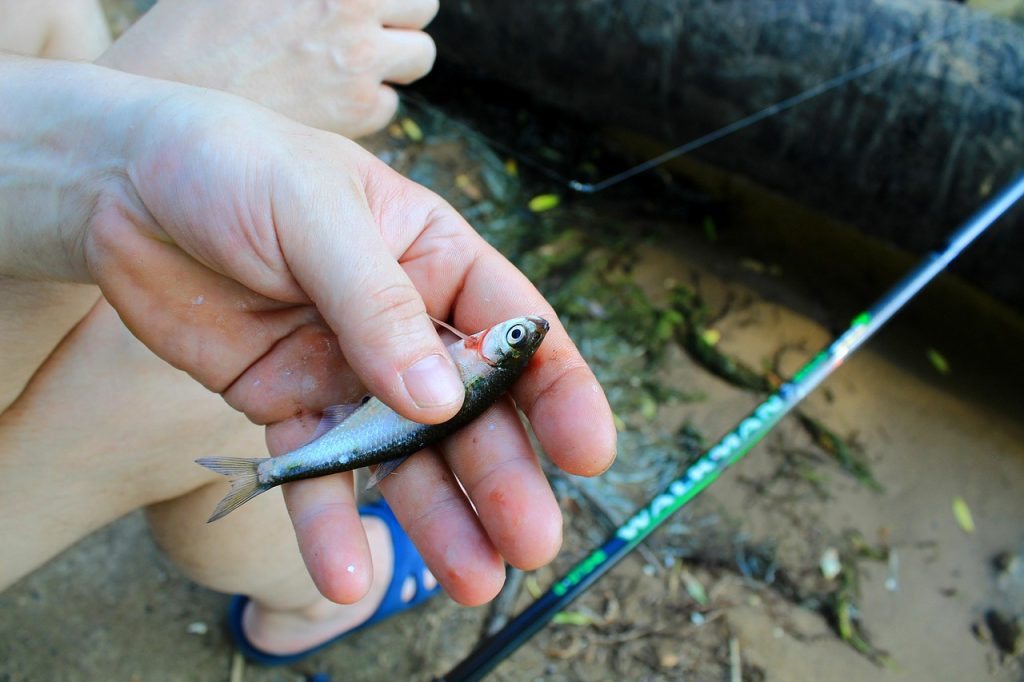
The Warao diet draws above all on fish and the moriche palm, the two pillars of subsistence in the delta. Fish from the channels provide the everyday protein, prepared in a variety of ways, while the starch extracted from the palm trunk supplies a carbohydrate staple in an environment where farmed grains and roots are scarce.
The grub that develops in fallen moriche palms is a particularly prized food, rich in fat and considered a delicacy, and its gathering reflects the Warao’s thorough use of the palm at every stage. Palm fruits and other gathered foods add further variety to a diet drawn almost entirely from the wild resources of the delta.
As across the region, food among the Warao is bound up with sharing, and the fish and palm products of the delta are distributed among kin in ways that reinforce the bonds of the community. This ethic of sharing, essential in an environment of both abundance and uncertainty, lies at the heart of Warao social life.
The prizing of the palm grub captures the thoroughness with which the Warao use the moriche, drawing sustenance even from the insects that develop in its fallen trunks. Nothing of the tree of life is wasted.
Hospitality and the sharing of fish and palm products lie at the heart of Warao sociability, so that the delta table is an occasion for generosity as much as for nourishment. To share food is to affirm belonging.
Music, Ritual, and Communal Gatherings
Warao communal life is rich in music and ritual, with sacred songs and ceremonies that draw the community together and connect it to the spirit world. Music holds a central place, from the healing songs of ritual specialists to the everyday rhythms of communal life, and the Warao are known for a musical tradition of notable depth.
Ceremonies and gatherings mark important occasions and maintain the relationships between people and the powerful beings of their cosmology. These events bring together the members of riverside communities, renewing the ties of kinship and belief that bind the Warao and reaffirming their shared identity as a people of the delta.
Such gatherings also serve to transmit tradition to the young, carrying the songs, rituals, and knowledge that define Warao culture. Amid the pressures of a rapidly changing world, these moments of communal celebration and ritual remain vital spaces in which the culture renews itself and its bonds.
The depth of the Warao musical tradition reflects the centrality of song to their ritual and social life, so that music is woven through both healing and celebration. To gather is, for the Warao, very often to sing.
Song at these gatherings carries meaning tied to the spirits and to the delta, so that in singing the Warao rehearse the beliefs and relationships that sustain them. A gathering full of song is a gathering full of memory.
Missions, Migration, and Hard Times
The Warao long remained sheltered within their delta, their watery home protecting them from the fullest force of colonial disruption. Contact came gradually through traders and, in time, through missionaries who established stations in the delta and sought to reshape Warao life and belief, drawing communities into new patterns of settlement and religion.
The twentieth century brought deeper change as the Venezuelan state and economy reached into the delta, and interventions in the flow of its waters altered the delicate environment on which the Warao depend. These disruptions strained a way of life finely tuned to the natural rhythm of the channels and tides, bringing new hardships to delta communities.
In more recent times, economic collapse and crisis in Venezuela have fallen heavily on the Warao, driving hunger, disease, and displacement. Many have migrated out of the delta toward towns and across the border into Brazil in search of survival, a painful movement that has scattered communities and tested the resilience of the people.
Interventions in the flow of the delta’s waters struck at the foundation of Warao life, for a people so finely tuned to the natural rhythm of the channels could not easily absorb changes to the very movement of the water.
The arrival of missionaries reshaped patterns of settlement and belief, drawing scattered Warao into mission stations and altering a way of life that had long followed the free rhythm of the channels.
The Warao in a Troubled Present
Today the Warao number in the tens of thousands, remaining one of the largest and most distinctive Indigenous peoples of Venezuela. Yet they face a present of exceptional difficulty, as the wider crisis afflicting their country has struck delta communities with particular severity, bringing shortages, illness, and the breakup of families through migration.
The pressures are many and severe. Environmental disruption of the delta, poverty, disease, and the exodus of many Warao to cities and across borders have all weighed heavily on a people whose way of life depends on the health of their watery homeland. These hardships have tested the community as few challenges in its long history have done.
Yet the Warao endure, carrying their language, their crafts, and their deep knowledge of the delta even into displacement and hardship. Their story is that of an ancient water people striving to hold on to their identity amid the turmoil of a nation in crisis, sustained by a culture that has adapted to the Orinoco’s channels for thousands of years.
What lies ahead will depend heavily on whether the Warao can weather Venezuela’s crisis and preserve both their delta homeland and the communities scattered by migration. Their long history of adaptation offers some hope amid the hardship.
Even amid exodus and hardship, the Warao carry their identity with them, keeping alive language, song, and craft even in the makeshift settlements of migration. Their culture has proven a resilient companion in difficult times.
Related Peoples of the Region
- Meꞌphaa Speakers of the Guerrero Mountains and a Language That Stands Alone
- Garifuna Drummers and Cassava Bakers of the Central American Caribbean Coast
- Lenca Potters and River Defenders of the Honduran and Salvadoran Highlands
- Muisca: The Confederation Behind the Legend of El Dorado
- Yanomami: Guardians of the Amazon’s Deepest Forest
You May Like

The Damara, an Ancient People of Namibia



One thought on “Warao, Canoe Dwellers of the Orinoco Delta and Their Tree of Life”