Among the many Indigenous peoples of Mexico, the Purepecha stand apart in a very literal sense, for they speak a language with no known relatives anywhere on earth. From their homeland in the lake-strewn highlands of Michoacan, they built a powerful empire that, almost uniquely, defeated and resisted the mighty Aztecs.
This article explores the world of the Purepecha, also known to history as the Tarascans, from their mysterious origins and isolated language to their famous coppersmithing, their unforgettable Night of the Dead, and the vibrant communities they remain today. It is a story of independence, artistry, and endurance in the volcanic heart of Mexico.
Contents
- Origins of a People Without Kin
- The Names Purepecha and Tarascan
- A Language Isolate of the Mexican Highlands
- Homeland of Lakes, Volcanoes, and Pine Forests
- The Old Way of Life Around the Lake
- An Empire That Defied the Aztecs
- Gods, Fire, and the Sacred World
- Coppersmiths and Masters of Metal
- Pottery, Lacquer, and Fine Craft
- Fish, Corn, and Foods of Michoacan
- Night of the Dead and the Living Calendar
- A History of Conquest and Survival
- The Purepecha People Today
Origins of a People Without Kin
In the pine-clad highlands of western Mexico, around the shining waters of Lake Patzcuaro, lives a people whose language is unlike any other on earth. The Purepecha, sometimes known to history as the Tarascans, speak a tongue with no proven relatives, a linguistic island in the heart of Mesoamerica.
This isolation has long fascinated scholars, for while the peoples around them spoke languages belonging to well-known families, the Purepecha stood apart. Their unique language hints at a deep and separate history in the highlands of Michoacan, one whose full story remains partly a mystery.
The Purepecha built one of the great civilizations of ancient Mexico, a powerful state that rivaled even the mighty Aztec empire to the east. Yet their story begins long before that, among the lakes and volcanoes that have always been the center of their world.
To understand the Purepecha is to encounter a people who forged their own distinct path, resisting the empires around them and preserving a language and identity all their own. Theirs is a story of independence rooted in a striking and beautiful homeland.
The mystery of Purepecha origins has intrigued generations of researchers, some of whom have wondered whether their ancestors might have arrived from distant regions carrying a language unrelated to those of their neighbors. Whatever the truth, the result was a people who developed in the Michoacan highlands as a world unto themselves.
What is certain is that by the time European chronicles began to record the peoples of Mexico, the Purepecha had already built a civilization to rival the greatest of their age. Their achievements in statecraft, warfare, and metalwork place them firmly among the major powers of pre-Hispanic America.

The Names Purepecha and Tarascan
The people call themselves Purepecha, a name that refers to the common people or simply the people in their own language. It is the name they prefer today, reflecting a strong sense of identity and continuity with their ancestors.
For much of history, however, they were known to outsiders as the Tarascans, a name whose origins lie in a misunderstanding. According to tradition, it came from a Purepecha word for in-law, used ironically or resentfully in the wake of the Spanish conquest.
Because of these unflattering associations, many Purepecha people today prefer their own name over the imposed label. The shift from Tarascan to Purepecha in modern usage reflects a wider movement of Indigenous peoples reclaiming the right to name themselves.
The distinction matters, for it reminds us that the historical record was shaped by outsiders who did not always understand or respect the people they described. The Purepecha have always known exactly who they are.
The gradual replacement of Tarascan with Purepecha in books, signs, and everyday speech is more than a change of vocabulary. It represents a people insisting, after centuries, that the world address them by their own true name rather than by a label born of colonial resentment.
This act of reclamation is echoed among Indigenous peoples across the Americas, but for the Purepecha it carries a particular sting given how the imposed name arose. To insist on Purepecha is to reject a centuries-old insult and to affirm continuity with the ancestors.

A Language Isolate of the Mexican Highlands
The Purepecha language stands as one of the great puzzles of Mesoamerican linguistics, for despite generations of study, no convincing relationship to any other language family has ever been established. It is, by the best current understanding, a true language isolate.
This isolation is remarkable given that the Purepecha were surrounded by peoples speaking languages of the large Uto-Aztecan and Oto-Manguean families. Some scholars have speculated about distant connections to languages far to the south, but nothing has been proven.
The language is spoken today by well over a hundred thousand people, making it one of the more vigorous Indigenous languages of Mexico. Yet like all such languages, it faces pressure from Spanish, and its survival depends on continued use in homes and communities.
For the Purepecha, the language is the clearest marker of their unique identity, a living link to an ancient and separate history. Its very isolation is a source of pride, a reminder that this people has always stood apart.
Linguists who have devoted careers to the question have compared Purepecha with candidate after candidate, only to conclude each time that the resemblances are too slight to prove kinship. The language thus remains a solitary branch on the tree of human speech, a fact that lends the Purepecha a special place in the study of the Americas.
Efforts to teach Purepecha in schools and to produce books, radio, and music in the language have helped it remain vigorous where many other Indigenous tongues have faltered. Its relative strength offers hope, even as its speakers remain vigilant against the ever-present pressure of Spanish.

Homeland of Lakes, Volcanoes, and Pine Forests
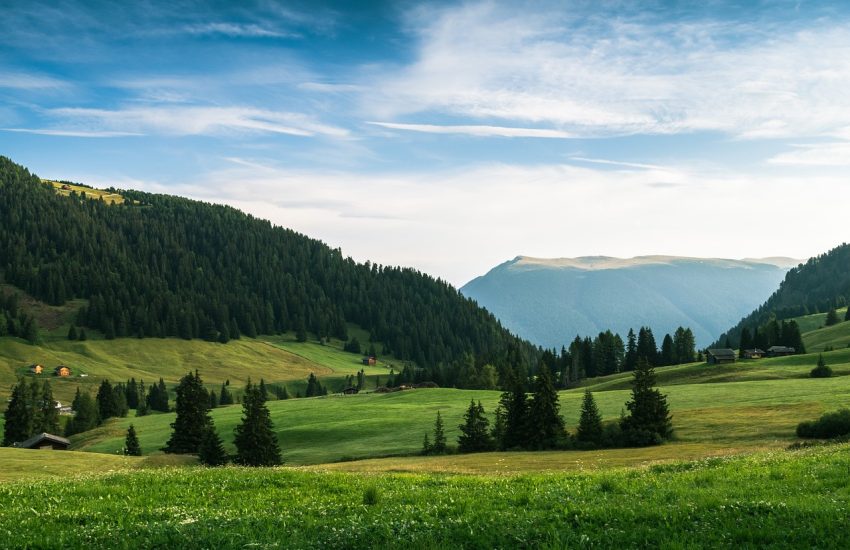
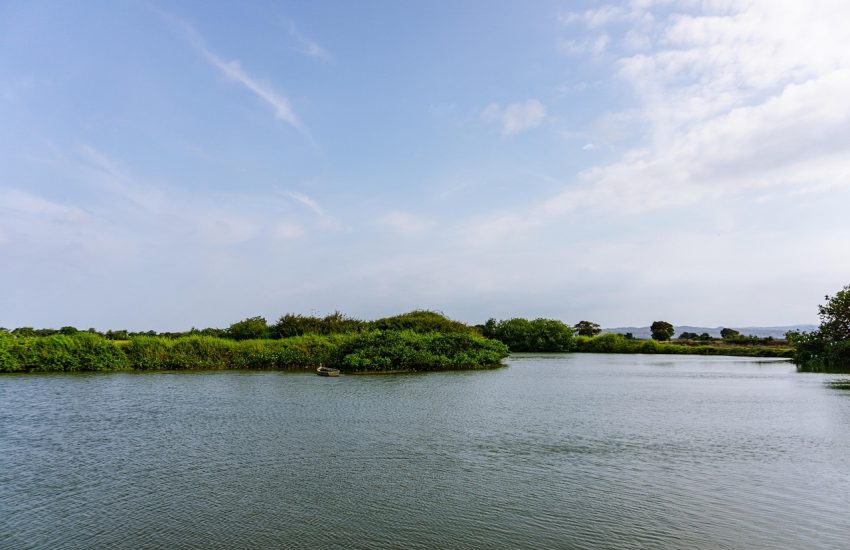
The Purepecha homeland lies in the highlands of Michoacan, a region of volcanic peaks, pine and oak forests, and a chain of beautiful highland lakes. At its heart lies Lake Patzcuaro, whose islands and shores have been the cultural center of the Purepecha world for centuries.
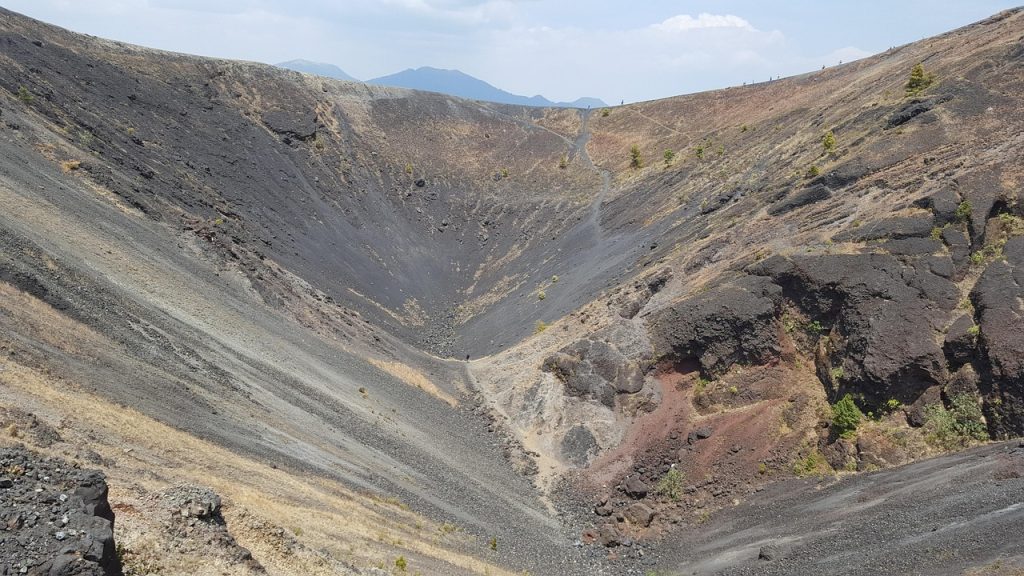
This is a land shaped by fire, dotted with volcanoes both ancient and startlingly young, including Paricutin, which famously erupted from a cornfield in the twentieth century. The volcanic soil is fertile, and the highland climate is cool and temperate.
The lakes provided fish, water, and transport, while the surrounding forests offered timber, game, and the pine that features so prominently in Purepecha craft and cooking. Between lake and forest, the people found everything they needed to thrive.
The islands of Lake Patzcuaro, such as Janitzio, remain iconic symbols of Purepecha identity, especially famous for their ceremonies. This landscape of water, volcano, and pine has shaped Purepecha life from the beginning.
The eruption of Paricutin in the 1940s, which buried villages beneath lava and ash while astonished residents watched a volcano grow from a farmer’s field, was a vivid reminder that this remains a living volcanic land. The Purepecha have always shared their homeland with these restless forces of the earth.
Beyond Patzcuaro, the highlands hold other lakes and a broad plateau region known as the Meseta Purepecha, where forested ridges and volcanic cones shelter dozens of traditional communities. This wider homeland, cool and green, feels distinct from the hotter lowlands of Mexico and has helped preserve the peoples’ way of life.
The Old Way of Life Around the Lake
Traditional Purepecha life centered on the lake and its abundance, with fishing communities living around the shores and on the islands. The people were renowned for their distinctive butterfly nets, delicate framed nets that fishermen swept through the water in a scene that has become emblematic of the region.
Beyond fishing, the Purepecha were skilled farmers, cultivating corn, beans, and squash in the fertile volcanic soil, along with the many other crops of Mesoamerica. Agriculture and fishing together supported a dense and prosperous population.
Villages specialized in particular crafts and trades, a pattern that endures to this day, with different towns around the lake famous for pottery, copper, woodwork, or textiles. This specialization knit the communities into an interdependent regional economy.
Life followed the rhythms of the highland seasons and the ceremonial calendar, blending the practical work of lake and field with a rich round of festivals and observances. It was a settled, sophisticated way of life built on the resources of a generous homeland.
The image of a fisherman poised on a canoe, sweeping a great butterfly net through the still water of Lake Patzcuaro, has become one of the enduring symbols of Michoacan. Though changing conditions have altered the old fishery, the memory and imagery of that graceful practice endure.
The pattern of village specialization meant that a family in one town might devote itself to pottery while their neighbors an hour away worked copper or wove textiles, and trade among these communities bound the whole region together. This interdependence remains visible in the markets of Michoacan today.

An Empire That Defied the Aztecs
At its height, the Purepecha state was one of the most powerful in all of ancient Mexico, a centralized empire ruled from its capital at Tzintzuntzan on the shores of Lake Patzcuaro. Its ruler, the cazonci, held both political and religious authority over a wide domain.
The empire was famous above all for one great achievement, its successful resistance to the Aztecs. Where so many peoples fell under Aztec domination, the Purepecha decisively defeated Aztec armies and held their frontier, remaining proudly independent.
This military success rested in part on the Purepecha mastery of metalworking, which gave them superior tools and weapons, and on a well-organized state. The empire was a formidable rival that the Aztecs never managed to conquer.
Purepecha society was hierarchical, with nobles, priests, warriors, and commoners, all bound together under the authority of the cazonci. It was a complex civilization, the equal of any in Mesoamerica, that had carved out and defended its own place in the world.
That the Purepecha alone among the great peoples of central Mexico turned back the Aztec armies is a fact of enormous historical significance. It meant that on the eve of the Spanish conquest, two rival empires faced each other across a hostile frontier, each unconquered by the other.
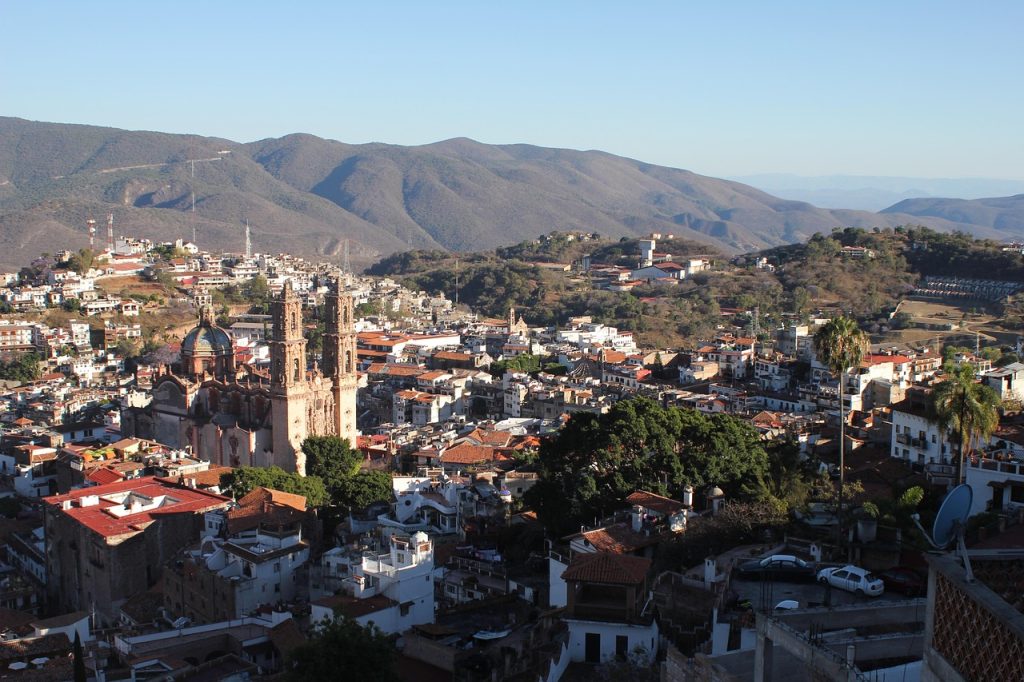
The capital at Tzintzuntzan, whose name is often translated as the place of hummingbirds, grew into a substantial city and the ceremonial heart of the empire. From here the cazonci governed a realm that stretched across much of what is now Michoacan and beyond.
Gods, Fire, and the Sacred World
The religion of the ancient Purepecha centered on a pantheon of gods, chief among them Curicaueri, a great god associated with fire and the sun. Fire held profound sacred significance, and the keeping of sacred fires was a central duty of Purepecha priests.
Temples and ceremonial centers rose at sites like Tzintzuntzan, where distinctive round-and-rectangular platforms known as yacatas served as the settings for worship and the burial of rulers. These monuments still stand as testaments to Purepecha devotion.
The spiritual world was closely tied to the volcanic landscape, and the forces of fire that had shaped the land were honored as divine. Ritual, sacrifice, and the careful observance of the sacred calendar governed the relationship between people and gods.
After the Spanish conquest, Catholicism was imposed, yet the Purepecha wove their own understanding into the new faith. The result was a distinctive religious life in which ancient reverence and Christian observance became deeply intertwined.
The great yacatas of Tzintzuntzan, with their unusual keyhole-shaped platforms overlooking the lake, remain among the most evocative ruins in Mexico. Standing before them, one senses the power and devotion of a civilization that ordered its world around fire, the sun, and the ancestors.

Coppersmiths and Masters of Metal
Of all the crafts for which the Purepecha are famous, none is more distinctive than their mastery of metal, especially copper. Long before the Spanish arrived, Purepecha smiths worked copper with extraordinary skill, producing tools, ornaments, and objects of great beauty.
This metalworking tradition gave the Purepecha empire a real advantage over its rivals and remains a living art today. The town of Santa Clara del Cobre is renowned throughout Mexico for its coppersmiths, who hammer glowing metal into gleaming vessels and works of art.
The techniques of the coppersmith have been passed down through generations, blending pre-Hispanic knowledge with later influences into a craft that is unmistakably Purepecha. Visitors come from far and wide to admire and buy the hammered copper of the region.
This ancient bond with metal is a point of deep pride, linking the Purepecha of today directly to the smiths who armed and adorned their empire. It stands as one of the clearest threads connecting the modern people to their remarkable past.
The rhythmic ring of hammers on glowing copper still echoes through the workshops of Santa Clara del Cobre, where each vessel is shaped by hand through hours of patient labor. To watch a coppersmith at work is to witness a craft that has changed remarkably little across the centuries.
Beyond copper, Purepecha smiths and artisans have long understood metals and their working in ways that gave their civilization a technological edge over its neighbors. That this knowledge survived the conquest and flourished into a celebrated modern craft is a striking example of cultural continuity.

Pottery, Lacquer, and Fine Craft
Beyond copper, the Purepecha are celebrated for an astonishing range of crafts, each associated with particular towns around Lake Patzcuaro. Pottery of many styles, from everyday wares to intricate decorative pieces, is produced in villages famous for their distinctive traditions.
The region is also known for its lacquerware, in which wooden objects are coated and painted in brilliant colors and designs, a craft blending indigenous and colonial influences. Fine woodwork, weaving, and the making of guitars and other instruments round out the rich craft economy.
This concentration of skilled artisanship is one of the glories of Michoacan, and Purepecha crafts are prized throughout Mexico and beyond. Each village guards its own specialty, and the knowledge of these arts passes carefully from parent to child.
For the Purepecha, craft is not merely a livelihood but a marker of identity and community pride. The famous artisan towns around the lake keep alive a tradition of making that stretches back to the days of the empire and before.
Each artisan town has cultivated its specialty for so long that the very name of a village can call to mind a particular craft in the minds of Mexicans. This deep association between place and skill, encouraged in colonial times but rooted in older patterns, gives the region a remarkable cultural richness.
Collectors and museums prize antique Purepecha lacquerware and ceramics, whose designs blend indigenous motifs with colonial influences into something wholly distinctive. Contemporary artisans study these older pieces even as they innovate, ensuring the traditions remain living arts rather than museum relics.

Fish, Corn, and Foods of Michoacan
Purepecha cuisine draws deeply on the resources of lake and highland, with fish from Lake Patzcuaro holding a place of special honor. The small whitefish and other lake species were once central to the diet, prepared in a variety of traditional ways.
Corn, as throughout Mesoamerica, is the foundation of the cuisine, appearing in tortillas, tamales, and the region’s beloved corundas and uchepos, distinctive local forms of the tamal. These corn dishes are treasured specialties of Michoacan.
The highland climate and volcanic soil produce a wealth of other ingredients, from beans and chilies to fruits and herbs, all woven into a rich regional cooking tradition. Purepecha food is celebrated as among the most distinctive in Mexico.
Food is central to Purepecha festivals and family life, and traditional dishes carry deep cultural meaning. To share a meal of lake fish and corundas is to partake of a culinary heritage rooted in the specific bounty of the Michoacan highlands.
The distinctive corundas, wrapped in long green corn leaves and folded into a triangular shape, are a point of regional pride and a fixture at celebrations. Alongside them, the sweet uchepos and the region’s rich soups and stews make Michoacan cooking a treasured part of Mexico’s culinary heritage.
Night of the Dead and the Living Calendar
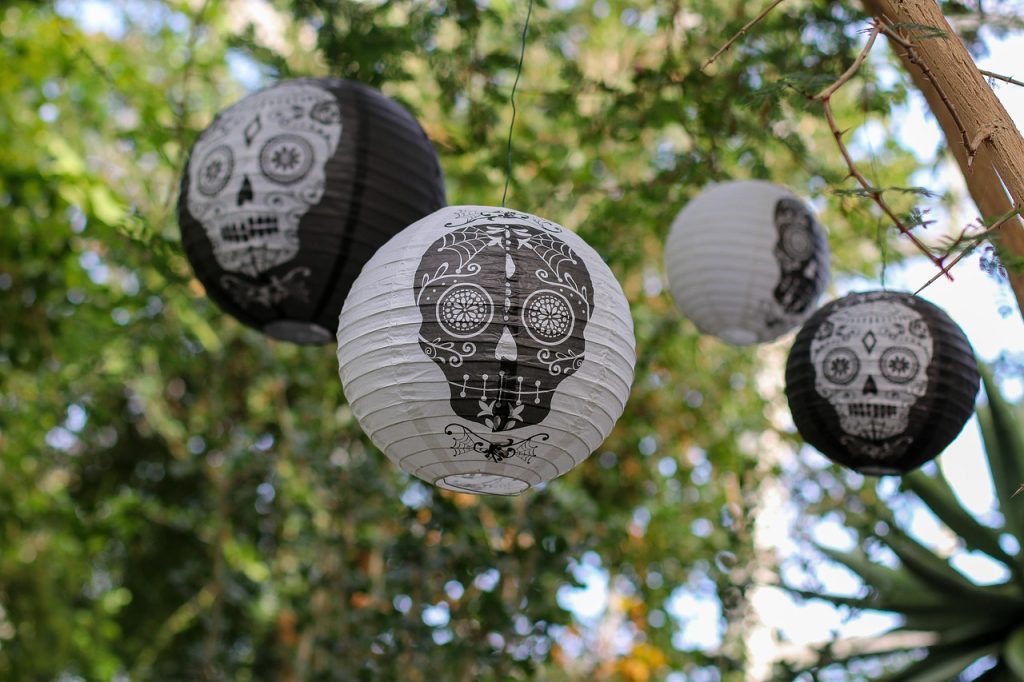
No Purepecha tradition is more famous than the Night of the Dead, the extraordinary observance held on the islands and shores of Lake Patzcuaro. On the island of Janitzio in particular, families gather in the cemeteries through the night, surrounding the graves with candles and marigolds.
The lake fills with the glow of candlelit boats as families cross to the island, and the cemeteries blaze with light in one of the most moving spectacles in all of Mexico. It is a night of remembrance, welcoming the spirits of the dead back among the living.
This observance blends ancient Purepecha beliefs about death and the ancestors with the Catholic calendar, creating something uniquely powerful. It draws visitors from around the world, yet remains at heart a deeply local and family-centered tradition.
Throughout the year, other festivals mark the ceremonial calendar, blending indigenous and Catholic elements in music, dance, and celebration. These gatherings reaffirm Purepecha identity and the bonds of community that sustain it.
For the Purepecha, the Night of the Dead is not a spectacle staged for visitors but a profound act of love and remembrance, carried out as it has been for generations. The presence of outsiders has grown over the years, yet the heart of the observance remains a family gathered in vigil by candlelight.
Music and dance play a central role in these celebrations, from the stately old dances performed in elaborate costume to the distinctive sounds of Purepecha bands. Such performances are not mere entertainment but expressions of a shared heritage carried proudly into each new generation.
A History of Conquest and Survival
The proud independence of the Purepecha empire came to an abrupt end with the arrival of the Spanish in the 1520s. Having watched the fall of the Aztecs, the last cazonci chose not to resist, submitting to the newcomers in hopes of sparing his people.
His caution was cruelly repaid. The cazonci was later tortured and executed by a brutal Spanish official, and the Purepecha suffered greatly under the early colonial regime. It was a bitter end to a state that had never been conquered in war.
Relief came in an unexpected form with the arrival of Bishop Vasco de Quiroga, who organized the Purepecha into craft-specialized communities and defended them from the worst abuses. His legacy is still remembered fondly in the region today.
Through the centuries of colonial rule and the turbulent history of independent Mexico, the Purepecha endured, holding onto their language, their crafts, and their identity. Their survival as a distinct people is a testament to remarkable resilience.
The betrayal and execution of the last cazonci, who had surrendered peacefully in hopes of protecting his people, remains one of the darkest episodes of the Spanish conquest. It stands as a bitter lesson in the treachery that so often accompanied the imposition of colonial rule.
The work of Vasco de Quiroga, who founded hospitals and organized the artisan communities that still define the region, left a legacy so positive that he is remembered affectionately as Tata Vasco to this day. His example stands in stark contrast to the cruelty of many other colonial figures.
The Purepecha People Today
Today the Purepecha number well over a hundred thousand, concentrated in their highland homeland around Lake Patzcuaro and in the surrounding towns of Michoacan. They remain one of the most culturally vibrant Indigenous peoples of Mexico.
Their language survives with real strength, and communities work to keep it alive through education and daily use. The famous crafts of the region continue to flourish, providing both livelihood and a powerful expression of identity.
Like many Indigenous peoples, the Purepecha face challenges of poverty, migration, and pressure on their language and lands. Yet they have also asserted their rights and their identity with determination, drawing on a deep well of cultural pride.
The story of the Purepecha is one of a people who built an empire, defied the Aztecs, survived conquest, and kept a language shared with no one else on earth. Rooted in the lakes and volcanoes of Michoacan, they remain unmistakably themselves.
Purepecha communities have increasingly asserted their autonomy in recent decades, in some cases taking control of their own local governance and security. This determination to manage their own affairs reflects a people confident in their identity and unwilling to be sidelined in their own homeland.
Migration to Mexican cities and to the United States has scattered many Purepecha far from the lake, yet these communities often maintain strong ties to home and return for the great festivals. In this way the Purepecha world now stretches well beyond the highlands, even as its heart remains firmly by the water.
The endurance of the Purepecha, with their unique language, their artisan towns, and their unforgettable festivals, stands as one of the great stories of Indigenous survival in the Americas. Against every pressure, they remain a people apart, rooted in the volcanic highlands that have always been their own.

Related Peoples of the Region
- Keresan Sky City Dwellers of Acoma and a Language With No Known Kin
- Kwakwaka’wakw and Nuu-chah-nulth Whalers of the Wakashan Coast and Their Masked Dances
- Tsimshian Clans of the Skeena and Nass Rivers and Their World of Crests and Grease
- Mojave People of the Lower Colorado River and Their World of Dreams
- Nez Perce Horse Nation of the Columbia Plateau and Their Long Road Home
- Klamath and Modoc Marsh Peoples of the Oregon Lakes and Their Stand in the Lava Beds