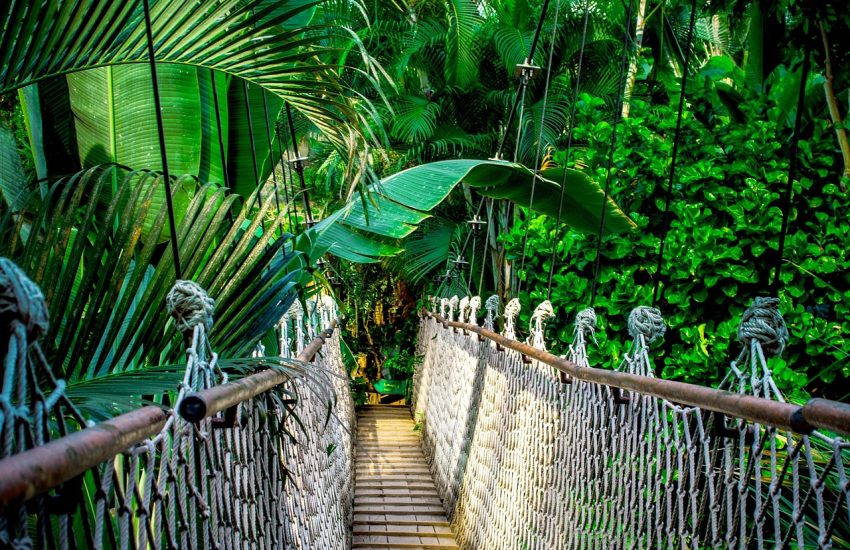
In the vast, rain-soaked forests where Panama meets Colombia lives one of the most artistically renowned Indigenous peoples of the Americas, the Embera. A river and rainforest people of the Chocó and the Darien Gap, they are famous for their exquisite woven baskets, their striking jagua body painting, and their enduring bond with one of the wildest regions on earth.
This article explores the world of the Embera from their origins in the Colombian Chocó through their Chocoan language, their river-based way of life, their jaibaná healers, and their celebrated crafts, down to the resilient communities they remain today. It is a story of a forest people who found freedom in the wilderness and carried their culture proudly through centuries of change.
Contents
- Origins in the Forests of the Chocó
- The Name Embera and Its Meaning
- A Chocoan Language of the Rainforest
- Homeland Along the Rivers of Darien and the Pacific Coast
- The Old Way of Life on the River
- Dispersed Settlement and Community Life
- Jaibaná Healers and the Spirit World
- Jagua Body Painting and Adornment
- Baskets, Carving, and the Famous Woven Art
- Plantains, Fish, and Foods of the Forest
- Gatherings, Music, and Ceremony
- A History of Refuge and Resilience
- The Embera People Today
Origins in the Forests of the Chocó
In the dense, rain-drenched forests where Central America meets South America lives one of the region’s most resilient Indigenous peoples, the Embera. Their homeland straddles the border of Panama and Colombia in the vast wilderness of the Chocó and the Darien Gap, one of the wettest and most biodiverse places on earth.
The Embera are a forest and river people, and their entire way of life grew out of an intimate relationship with the waterways and rainforests of this remarkable region. For countless generations they have lived along the rivers, moving by canoe through a green world of extraordinary richness.
Their origins lie deep in the Chocó region of what is now Colombia, from which Embera groups have gradually spread northward and westward over the centuries. This ongoing movement is part of what has allowed them to survive and adapt in a challenging and changing world.
To understand the Embera is to understand their bond with the rainforest and its rivers. Everything in their culture, from their scattered riverside homes to their famous art and their spiritual traditions, flows from life in this lush and demanding environment.
The Chocó rainforest, drenched by some of the heaviest rainfall on the planet, is a place of overwhelming greenness and life, and it has shaped the Embera as surely as they have adapted to it. Few peoples anywhere are so completely defined by their environment as this river nation of the wettest forests in the Americas.
Scholars trace the Embera and their Wounaan neighbors to an ancient presence in the Pacific lowlands of Colombia, from which the Embera in particular have expanded over a wide arc of territory. This long, slow spread across the forests of two nations is one of the defining features of their history.
The Name Embera and Its Meaning
The name Embera, sometimes written Emberá, means simply people or human beings in their own language, a self-designation common among Indigenous nations. It reflects the people’s sense of themselves as the inhabitants of the forest world they call home.
The Embera were historically often grouped with a related people, the Wounaan, under the older colonial label Chocó, after the region they inhabit. Today, however, both peoples are recognized by their own names, and the term Embera is firmly established.
Within the broader Embera nation there are several subgroups, distinguished by dialect and by whether they live in the highlands or along the coast and lowland rivers. These divisions reflect the wide territory over which the Embera have spread.
The preference for the name Embera over older imposed labels is part of a wider assertion of Indigenous identity across the region. The people know themselves as Embera, the human beings of the forest, and that is how they wish to be known.
The recognition of the Embera and the Wounaan as distinct peoples, rather than lumping them together under a regional label, reflects a broader shift toward respecting the self-understanding of Indigenous nations. Each people has its own language, traditions, and sense of identity, even where their histories are intertwined.
A Chocoan Language of the Rainforest
The Embera language belongs to the small Chocoan family, a group of languages spoken in the rainforests of the Colombia-Panama borderlands. It is related to the language of the neighboring Wounaan, though the two are distinct.
The Chocoan languages stand somewhat apart from the larger language families of the region, and their precise wider relationships remain a subject of scholarly discussion. For the Embera, the language carries the detailed knowledge of forest, river, and plant that their way of life demands.
Embera is spoken in several dialects across the peoples’ wide territory, reflecting the dispersal of communities over a large and rugged region. Despite pressure from Spanish, the language remains vigorous in many communities, spoken daily in homes and villages.
For a people spread across two countries and a vast forest, the shared language is a vital thread of unity and identity. Efforts to support and teach the language are an important part of Embera cultural life today.
Because the Chocoan languages are spoken by relatively few people and in a remote region, they have received less scholarly attention than many larger families. This makes the continued vitality of Embera speech all the more precious, a living repository of knowledge about a unique corner of the world.
Radio programs, schooling, and community initiatives in the Embera language help it hold its ground against the constant pressure of Spanish. In a world where so many small languages are vanishing, the persistence of Embera speech is a genuine achievement of cultural determination.
Homeland Along the Rivers of Darien and the Pacific Coast
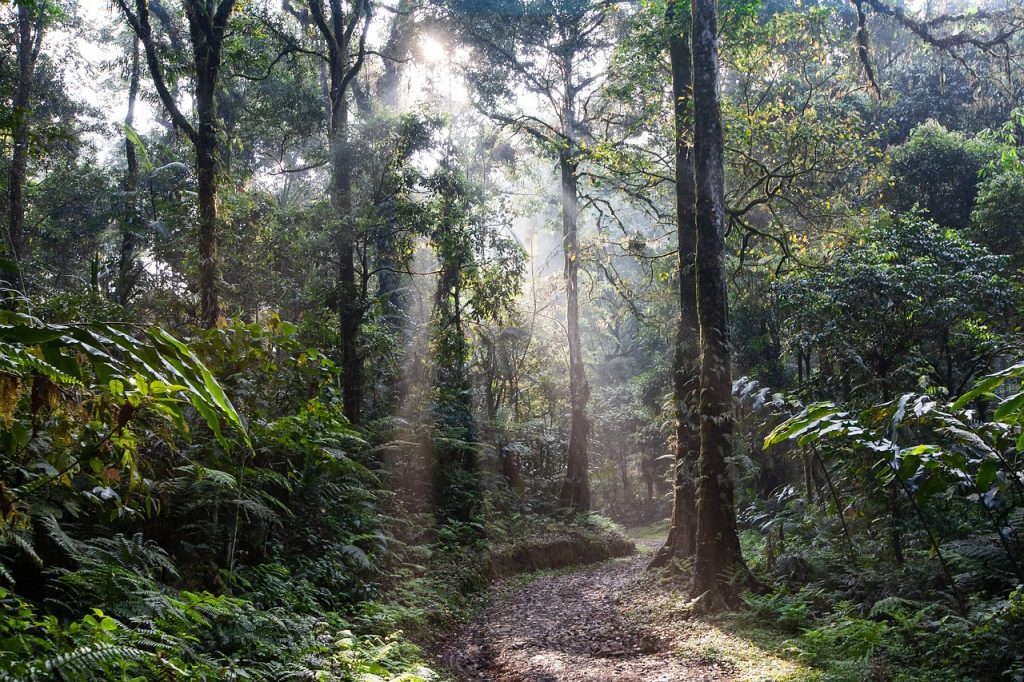
The Embera homeland is a world of rivers and rainforest, stretching from the Pacific coast and the Chocó lowlands of Colombia northward into the Darien region of Panama. It is a land of towering trees, winding rivers, heavy rainfall, and astonishing biological diversity.
Rivers are the highways of this world, and Embera communities cluster along their banks, using dugout canoes to travel, fish, and trade. The forest presses close on every side, providing food, medicine, building materials, and the raw stuff of daily life.
The Darien Gap, the roadless expanse of forest and swamp between Panama and Colombia, forms part of the Embera homeland and remains one of the last great wildernesses of the Americas. This remoteness has helped the Embera preserve their traditional way of life.
This is a demanding environment, hot and humid and teeming with life both beautiful and dangerous. Yet for the Embera it is home, a generous forest that they know intimately and depend upon for everything they need.
The sheer difficulty of the Darien terrain, which has famously defeated every attempt to build a road through it, has kept much of the Embera homeland beyond the easy reach of the outside world. That inaccessibility, so frustrating to engineers and travelers, has been a quiet blessing for the survival of Embera culture.
Within this single homeland the Embera distinguish many kinds of country, from the tidal reaches near the coast to the swift upper rivers and the deep interior forest. Each environment offers its own resources and demands its own knowledge, and the Embera move among them with practiced ease.
The Old Way of Life on the River
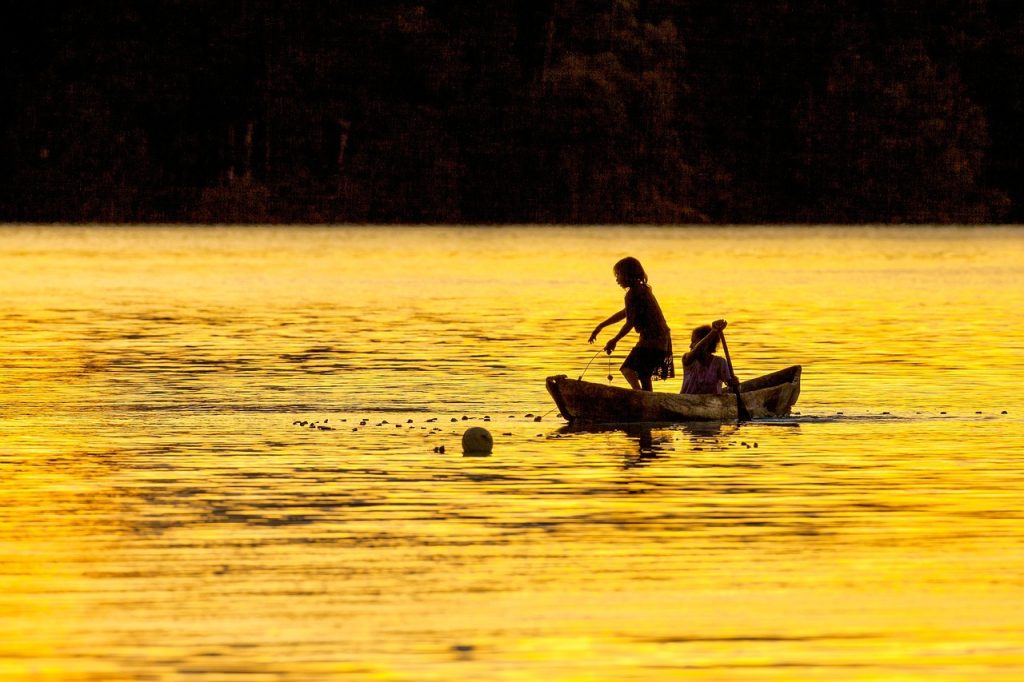
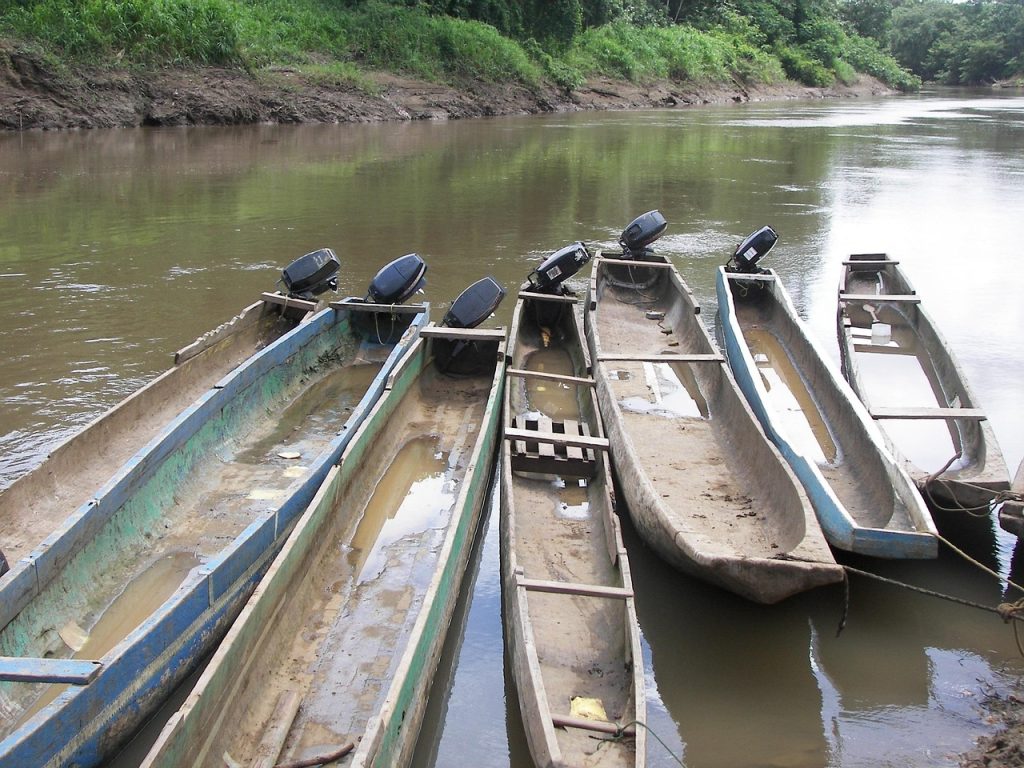
Traditional Embera life revolved around the river, and communities were built along the banks where families could fish, travel, and farm the fertile floodplain soils. The dugout canoe, carved from a single great log, was and remains the essential vehicle of Embera life.
The Embera practiced a mixed economy of fishing, hunting, gathering, and the cultivation of crops such as plantains, corn, and rice in forest clearings. This combination allowed them to draw a rich living from the rainforest without exhausting any single resource.
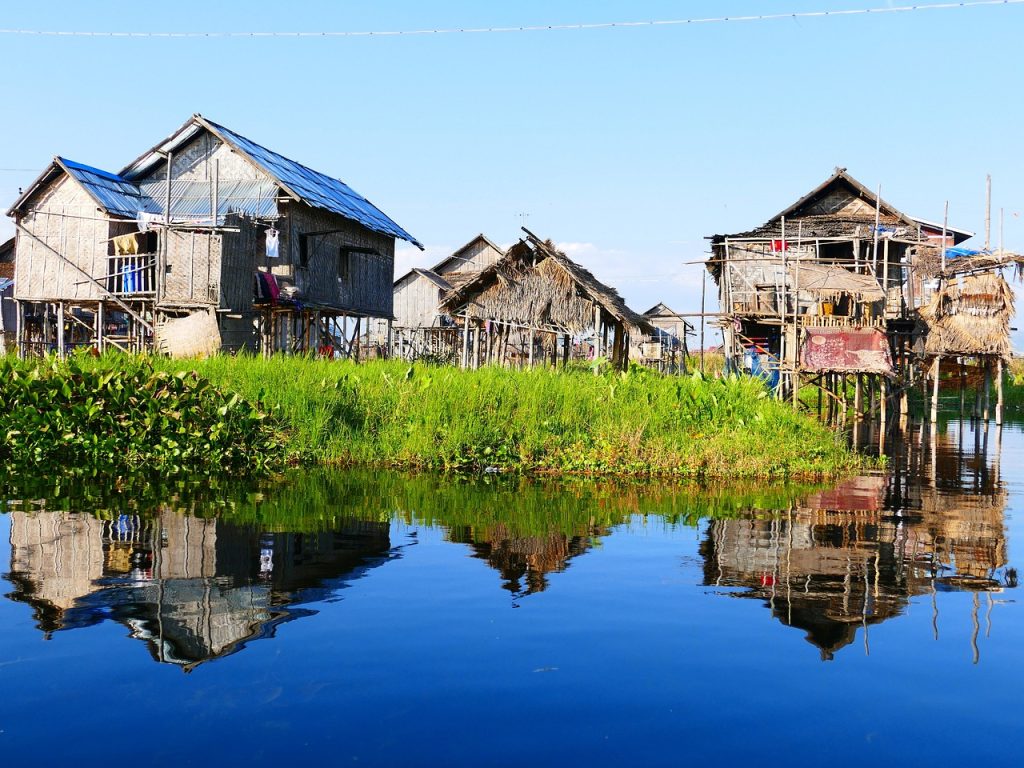
Homes were traditionally built raised on stilts, an adaptation to the heavy rains, flooding rivers, and creatures of the tropical forest. These open, airy dwellings suited a hot and wet climate and reflected a deep practical knowledge of the environment.
Life followed the rhythms of the rivers and the forest, of rains and dry spells, of the fruiting of trees and the movements of fish and game. This intimate calendar of the rainforest governed the pattern of daily existence.
The carving of a single great canoe from a rainforest tree was a major undertaking, and a well-made dugout was a valued possession that could serve a family for many years. Skill in handling these craft through swift and sometimes dangerous rivers was a fundamental part of growing up Embera.
Children learned the skills of river and forest from an early age, accompanying their parents to fish, to tend the clearings, and to gather the fruits of the forest. In this way the vast practical knowledge that Embera life required passed naturally from one generation to the next.
Dispersed Settlement and Community Life
Embera society was traditionally organized not into dense villages but into dispersed settlements, with families living somewhat apart along the rivers. This pattern of scattered residence reflected the way the forest and its resources were best exploited.
Leadership was traditionally informal and based on respect, kinship, and the influence of particularly capable individuals rather than on any rigid hierarchy. Extended families formed the core of social life, bound together by ties of blood and marriage.
In more recent times, the Embera have organized themselves into formal communities and representative structures, partly in response to the need to defend their lands and rights. This has brought a new degree of political organization to a traditionally dispersed people.
The relative autonomy of families and the flexibility of Embera social organization gave the people great adaptability. This has served them well as they have spread across new territory and faced the pressures of the modern world.
The shift from dispersed riverside living toward more organized communities has been driven in part by the need to hold land collectively and to present a united front to governments and outside interests. This adaptation shows the Embera balancing tradition with the practical demands of the modern world.
Kinship remains the bedrock of Embera social life even amid these changes, and obligations among relatives continue to structure everything from daily cooperation to the resolution of disputes. The warmth and strength of family ties have helped the people weather displacement and upheaval.
This blend of ancient family-based organization and newer formal community structures gives the Embera a distinctive character among Indigenous peoples, at once deeply traditional and pragmatically modern. It is a balance they have struck out of necessity and maintained with considerable skill.
Jaibaná Healers and the Spirit World
At the heart of Embera spiritual life stands the jaibaná, a healer and spiritual specialist who mediates between the human community and the powerful spirit world of the forest. The jaibaná commands the jai, spirits that can cause or cure illness and influence the fortunes of the people.
Through elaborate chants, rituals, and the use of carved wooden staffs and figures, the jaibaná works to heal the sick, protect the community, and maintain balance with the unseen forces of the rainforest. This role requires long training and carries great responsibility.
The Embera understand the forest as alive with spirits, and illness and misfortune are often seen as the result of spiritual disturbance. The jaibaná’s power to negotiate with these forces makes him or her a central figure in traditional life.
Though Christianity has made inroads among some Embera communities, the beliefs surrounding the jaibaná and the spirit world of the forest remain deeply important. This spiritual tradition reflects the profound Embera bond with their rainforest home.
The carved wooden figures and staffs used by the jaibaná are themselves remarkable works of art, embodying the spirits with which the healer works. To outsiders they may appear simply as sculpture, but within Embera belief they are charged with real spiritual power and purpose.

Jagua Body Painting and Adornment
Among the most striking Embera traditions is the art of body painting, in which people adorn their skin with intricate black designs. These are made using the juice of the jagua fruit, which stains the skin a deep blue-black that lasts for many days.
The designs, applied in bold geometric and flowing patterns, serve purposes both decorative and protective, marking identity, beauty, and readiness for particular occasions. The art of jagua painting is a distinctive and instantly recognizable feature of Embera culture.
Body adornment among the Embera has traditionally included not only jagua painting but also beadwork, silver ornaments, and other decoration. Together these form a rich visual language of identity and celebration.
For the Embera, the painted body is a canvas of culture, expressing belonging and beauty in patterns passed down through generations. This tradition remains vibrant today and is one of the most visible expressions of Embera identity.
The deep blue-black of jagua, invisible when first applied and only darkening over the following hours, has a quality almost of magic, appearing gradually on the skin like a design emerging from within. This distinctive property has made jagua art one of the signatures of Embera identity.
Beyond its beauty, jagua painting carries meanings tied to occasions, status, and even protection from the dangers of the forest and the spirit world. A painted design is thus never merely ornamental but a statement woven into the deeper fabric of Embera belief and social life.

Baskets, Carving, and the Famous Woven Art
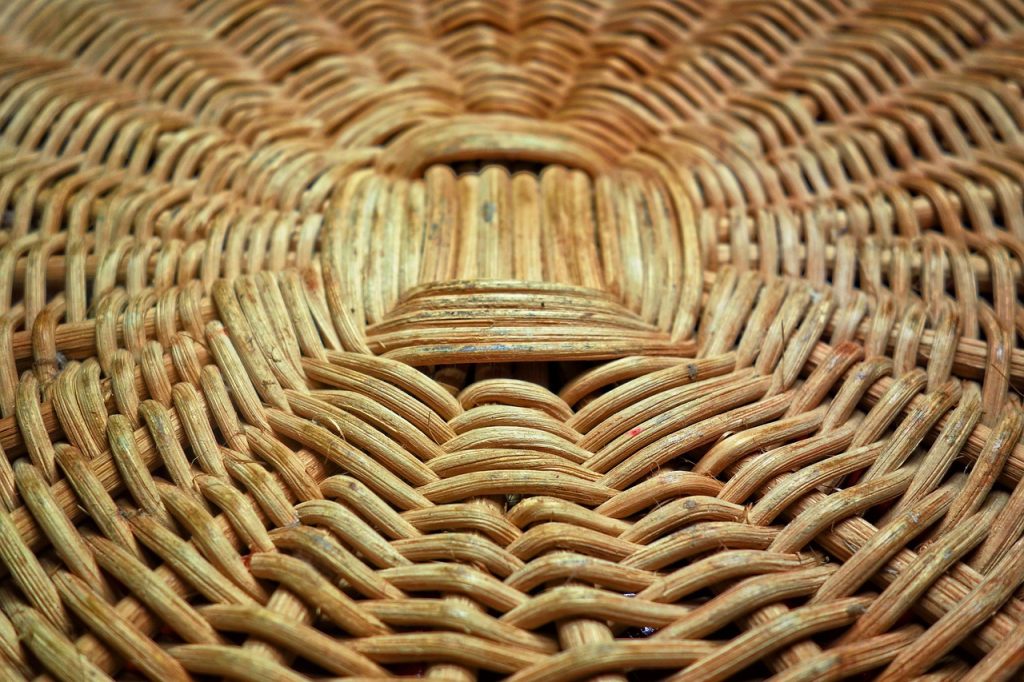
The Embera are world-renowned for their basketry, weaving spectacularly fine and colorful baskets from natural palm fibers. Working with the fibers of the werregue and other palms, Embera weavers produce baskets of astonishing tightness and intricate design.
These baskets, decorated with bold patterns depicting animals, plants, and geometric motifs, are considered among the finest woven art in the Americas. So tight is the weave that some can hold water, a testament to the extraordinary skill of the makers.
Alongside basketry, the Embera are skilled carvers, working the hard tagua nut, sometimes called vegetable ivory, and cocobolo wood into detailed figures of rainforest animals. These carvings, like the baskets, have become prized both as art and as a source of income.
The famous crafts of the Embera link the people directly to the rainforest whose materials they use, and to a tradition of artistry passed carefully from one generation to the next. Today these crafts are celebrated and sought after far beyond the forest.
The finest Embera baskets can take weeks or even months to complete, and the best weavers are celebrated for their skill and creativity. These works command high prices in galleries and markets, providing an important source of income while showcasing a proud artistic heritage.
The carving of tagua nuts into miniature rainforest creatures has become especially popular, turning a forest product once used for buttons into a canvas for extraordinary detail. These small sculptures capture the astonishing biodiversity of the Embera homeland in the palm of a hand.
Plantains, Fish, and Foods of the Forest
The Embera diet draws richly on the rainforest and its rivers, with the plantain holding pride of place as a staple food. Boiled, roasted, or mashed into drinks and dishes, plantains provide the dependable foundation of daily meals.
Fish from the rivers are a mainstay of the diet, caught with nets, lines, traps, and spears in the abundant waters of the forest. Hunting provides additional protein, from forest game to birds, supplementing the fish and cultivated crops.
The forest yields a wealth of fruits, nuts, and other wild foods, gathered according to the seasons of fruiting and ripening. Corn, rice, and root crops cultivated in forest clearings round out a varied and largely self-sufficient food supply.
As with so many aspects of Embera life, food ties the people directly to their rainforest home. To eat is to partake of the abundance of river and forest, in a cuisine shaped entirely by the resources of the tropical world.
The plantain is so central to Embera life that a meal without it can hardly be imagined, and its cultivation, preparation, and consumption structure much of daily existence. This humble crop, endlessly versatile, is the quiet foundation on which the whole cuisine rests.
Because so much of the diet comes directly from the surrounding forest and rivers, Embera communities have traditionally enjoyed a high degree of self-sufficiency. This independence from outside food supplies has been another source of resilience through times of upheaval and isolation.

Gatherings, Music, and Ceremony
Embera community life is enriched by gatherings that bring together dispersed families for celebration, ceremony, and the reinforcement of social bonds. Music and dance play central roles, with distinctive songs and rhythms marking important occasions.
Traditional Embera flutes, drums, and other instruments provide the soundtrack to these gatherings, and dances express both celebration and cultural meaning. For a dispersed people, such assemblies are vital for maintaining a shared identity.
Ceremonies linked to healing, to the passages of life, and to the spirit world of the jaibaná punctuate the ceremonial calendar. These observances reaffirm the beliefs and relationships at the heart of Embera culture.
In recent times, some Embera communities have opened their gatherings and traditions to respectful visitors, sharing their music, dance, and art as a source of both pride and livelihood. This has become one way of sustaining culture in a changing world.
For young people especially, these gatherings are occasions to learn the songs, dances, and stories that carry Embera identity forward. In the shared music and movement of a community celebration, the culture renews itself in each new generation.
The opening of some communities to visitors has been a delicate balance, offering income and a chance to share pride in their culture while guarding against the erosion of what makes that culture meaningful. Where it is done on the Embera’s own terms, it has proven a valuable tool for cultural survival.
A History of Refuge and Resilience
The remote and forbidding nature of the Chocó and Darien forests long shielded the Embera from the full force of Spanish colonization. Unlike peoples of the highlands and coasts, they were never fully subjugated, and their forest homeland became in many ways a refuge.
This relative isolation allowed the Embera to preserve their language, their crafts, and their spiritual traditions far more completely than many other Indigenous peoples of the region. The forest that made life demanding also made it possible to remain free.
In the modern era, however, the Embera have faced mounting pressures, from the expansion of agriculture and logging to the violence of Colombia’s long armed conflict, which displaced many communities. These forces have brought hardship and upheaval to the forest world.
The gradual spread of Embera groups northward into Panama over recent centuries is part of this long history of movement and adaptation. Through it all, the Embera have shown a remarkable capacity to endure and to carry their culture with them.
The armed conflict that gripped Colombia for decades fell with particular cruelty on Indigenous peoples caught between warring factions, and many Embera were forced to flee their ancestral lands. The trauma of this displacement continues to shape the lives of affected communities.
Even as they moved and adapted, the Embera carried their canoes, their crafts, and their spiritual traditions with them, planting their culture anew wherever the rivers led. This portability of culture, tied to skills rather than to fixed monuments, has been one of the secrets of their survival.
The Embera People Today
Today the Embera number in the hundreds of thousands across Colombia and Panama, making them one of the more populous Indigenous peoples of the region. They maintain their language, their famous crafts, and much of their traditional way of life.
In Panama, the Embera have secured recognized territories, or comarcas, and communities along rivers such as the Chagres have become known for sharing their culture with visitors. In Colombia, larger Embera populations continue to face the challenges of conflict and displacement.
The pressures on the Embera remain serious, from environmental threats to their forest homeland to the social difficulties faced by displaced communities. Yet the people continue to assert their identity and their rights with determination.
The story of the Embera is one of a forest people who found refuge and freedom in one of the wildest corners of the Americas, and who carry their language, art, and traditions proudly into the present. Rooted in the rivers and rainforests of the Chocó and Darien, they remain unmistakably themselves.
Ecotourism and the sale of crafts have offered some Embera communities a way to sustain themselves while sharing their culture on their own terms. When managed by the communities themselves, such ventures can strengthen rather than erode traditional life.
Looking to the future, Embera leaders increasingly emphasize the protection of their forest homeland as inseparable from the survival of their people. In defending the rainforest against logging, mining, and clearance, they defend the very foundation of Embera life.
The Embera thus stand as a people who have never been conquered, never lost their language, and never abandoned the arts that make them famous, even as the modern world presses ever closer to their forest world. Their continued vitality is a testament to the strength of a culture born of the rainforest.
Related Peoples of the Region
- Kwakwaka’wakw and Nuu-chah-nulth Whalers of the Wakashan Coast and Their Masked Dances
- Tsimshian Clans of the Skeena and Nass Rivers and Their World of Crests and Grease
- Mojave People of the Lower Colorado River and Their World of Dreams
- Nez Perce Horse Nation of the Columbia Plateau and Their Long Road Home
- Klamath and Modoc Marsh Peoples of the Oregon Lakes and Their Stand in the Lava Beds
- Purepecha Empire Builders of Michoacan and Their Language Without Kin