Across the immense thorn-forest plains of the Gran Chaco, in northern Argentina, live the Qom, a people long known to the world as the Toba. Skilled hunters, fishers, and gatherers of one of South America’s most demanding landscapes, they are famous for their fierce independence and for the beautiful bags they weave from the fibers of the Chaco.
This article explores the world of the Qom from their origins on the great Chaco plain through their Guaycuruan language, their mobile way of life, their shamans and star lore, and their celebrated weaving, down to the resilient communities they remain today. It is a story of resistance, adaptation, and a proud identity forged in a land of extremes.
Contents
- Origins in the Great Chaco Plain
- The Names Qom and Toba
- A Guaycuruan Language of the Chaco
- Homeland of Thorn Forest and River
- The Old Way of Life as Hunters and Gatherers
- Bands, Warriors, and a Free People
- Shamans, Spirits, and the Sky
- Weaving, Fiber, and the Famous Bags
- Pottery, Nets, and Everyday Craft
- Fish, Wild Fruit, and Foods of the Chaco
- Gatherings, Song, and the Star Calendar
- A History of Resistance and Struggle
- The Qom People Today
Origins in the Great Chaco Plain
Across the vast, hot plains of the Gran Chaco, a great lowland of thorn forest, savanna, and river that spreads over northern Argentina and beyond, live the Qom, long known to the outside world as the Toba. They are one of the largest Indigenous peoples of this immense and challenging region.
The Qom are a people of the plains and rivers, and their culture was shaped by the demands of a landscape that swings between flood and drought, abundance and scarcity. For generations they lived as skilled hunters, fishers, and gatherers across this wide and difficult country.
Their presence in the Chaco stretches back long before the arrival of Europeans, part of the mosaic of Indigenous peoples who made this seemingly harsh land their home. The Qom belonged to a wider family of Chaco peoples who shared much in their way of life.
To understand the Qom is to understand the Gran Chaco itself, a land of extremes that demanded resilience, mobility, and deep knowledge. The people met these demands with a culture perfectly adapted to one of South America’s most formidable environments.
The Gran Chaco is often described as one of the last great wildernesses of South America, a place where the demands of the environment shaped every culture that arose within it. The Qom are among the peoples who not only survived but thrived in this land of thorns and floods, and their story is inseparable from that of the plain itself.
The Qom shared the Chaco with related Guaycuruan peoples and with speakers of other language families, forming part of a complex Indigenous world that existed long before any European reached the region. This wider community of Chaco peoples gives the Qom story its deeper context.

The Names Qom and Toba
The people call themselves Qom, a name meaning people in their own language, and increasingly they prefer this to the older label. It is a self-designation that asserts their identity on their own terms.
For centuries they were known as the Toba, a name that came from an outside language and was applied to them by others rather than chosen by themselves. The name Toba became fixed in histories, maps, and official records across the region.
In recent decades, however, the preference for Qom has grown as part of a wider movement of Indigenous self-affirmation. Many now use Qom, or the combined form Qom-Toba, to honor the people’s own name while remaining recognizable to outsiders.
This shift reflects a people reclaiming the right to define themselves after generations of being named by others. The Qom know who they are, and their chosen name carries that quiet assertion of identity.
The gradual replacement of Toba with Qom in scholarship, media, and official use marks a meaningful shift, one echoed among Indigenous peoples across the Americas. To insist on the name Qom is to reject a label imposed from outside and to affirm the continuity of a people with their own voice.
For a people who were long defined and misnamed by others, the act of claiming the name Qom is a small but powerful statement of self-determination. It signals a refusal to be defined by the categories of a society that so often overlooked them.

A Guaycuruan Language of the Chaco
The Qom language belongs to the Guaycuruan family, a group of languages spoken by several peoples of the Gran Chaco. It stands apart from the great language families of the Andes and the Amazon, a distinct linguistic world of the Chaco plains.
Guaycuruan languages are known for their complexity and their rich systems for describing the natural world of the Chaco, from its many animals and plants to the subtle features of its landscape. The language carries knowledge accumulated over countless generations.
Like so many Indigenous languages, Qom has faced heavy pressure from Spanish, and its transmission to younger generations has been threatened by discrimination and social change. Yet it remains spoken by a substantial number of people.
Efforts to support and teach the Qom language, including bilingual education, reflect a determination to keep it alive. For the Qom, the language is a vital marker of a distinct identity in a country where they have often been marginalized.
Because the Guaycuruan languages are spoken by relatively few and in a marginalized region, they have long been undervalued by wider society, making the persistence of Qom all the more significant. Every child who grows up speaking it carries forward a distinct way of understanding the world.
Bilingual and intercultural education programs, developed in cooperation with Qom communities, represent an important tool for keeping the language vital in a modern setting. Where children learn to read and write in Qom as well as Spanish, the language gains a foothold in the world of schools and books.

Homeland of Thorn Forest and River
The homeland of the Qom lies in the Gran Chaco, a huge lowland plain of thorn forest, grassland, palm savanna, and slow rivers that spreads across northern Argentina and into neighboring countries. It is a land of intense heat, seasonal flooding, and long dry spells.
The Chaco is dominated by hardy, thorny vegetation, including the famous quebracho and algarrobo trees, and by rivers such as the Pilcomayo and Bermejo that bring life and sometimes destructive floods. This is a demanding environment that shaped a mobile, adaptable way of life.
For the Qom, the rivers were vital arteries providing fish and water, while the forest offered wild fruits, honey, and game. Knowing how to read this land, its seasons, and its dangers was essential to survival.
The Gran Chaco has often been called the impenetrable, a reflection of how forbidding outsiders found it. For the Qom, however, it was and remains home, a country whose every feature they knew intimately.
The dramatic swing between the flooded wet season and the parched dry season gave the Chaco a rhythm all its own, one that rewarded mobility and punished those who could not adapt. The Qom mastered this rhythm, moving with the seasons and drawing life from a land that gave grudgingly but reliably to those who knew it.
The rivers of the Chaco, unpredictable and prone to shifting their courses, were both a blessing and a challenge, bringing fish and water but also devastating floods. Learning to live with these temperamental waters was among the essential skills of the Qom.

The Old Way of Life as Hunters and Gatherers
Traditionally, the Qom were hunter-gatherers and fishers rather than farmers, drawing their living directly from the wild abundance of the Chaco. They hunted the game of the plains and forest, fished the rivers, and gathered wild fruits, roots, and honey.
This way of life demanded mobility, and Qom bands moved through their territory following the seasons and the shifting availability of resources. Their homes were simple, portable structures suited to a life on the move.
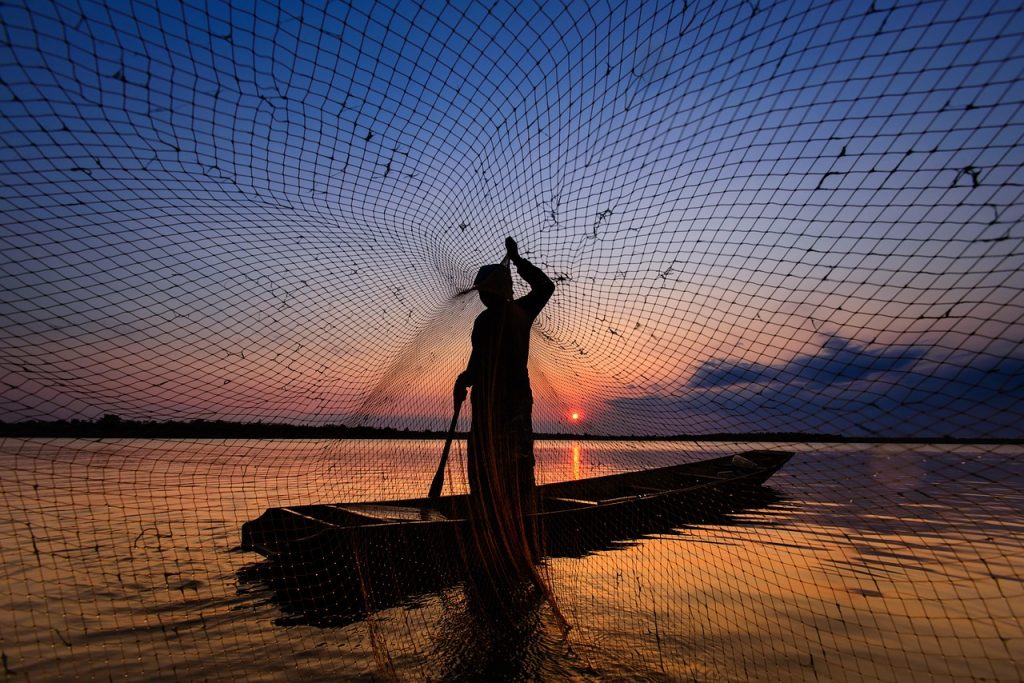
The rivers were especially important, and fishing provided a reliable source of food, pursued with nets, spears, and weirs. The seasonal rhythms of flood and drought governed where and how the people lived through the year.
This mobile, hunting-and-gathering way of life set the Qom apart from the farming peoples of the Andes and made them supremely adapted to the specific challenges of the Chaco. It was a culture of movement, knowledge, and resilience.
The refusal to depend on farming, in a region where agriculture was difficult and precarious, was itself a kind of wisdom, keeping the Qom mobile and free. Their intimate knowledge of where to find fish, fruit, honey, and game across the seasons was a form of wealth as real as any harvest.
The portable homes and light possessions of the Qom reflected a deliberate way of living that valued freedom of movement over accumulation. To be able to pick up and follow the resources of the land was, for a Chaco people, a genuine advantage rather than a hardship.
Bands, Warriors, and a Free People
Qom society was traditionally organized into autonomous bands, each led by a headman whose authority rested on respect, ability, and persuasion rather than absolute power. There was no centralized state, but a flexible network of related groups.
The Qom had a reputation among Europeans as fierce and independent warriors, and they fiercely resisted domination for centuries. Their skill in mounted warfare, after they acquired horses, made them formidable opponents of colonial expansion.
Kinship formed the foundation of social life, binding the bands into a wider people through ties of blood and marriage. Cooperation and sharing were essential values in a way of life where survival often depended on the group.
This decentralized, warrior society gave the Qom remarkable freedom and resilience, allowing them to resist conquest far longer than many of their neighbors. It was a culture that prized independence above almost all else.
The Qom reputation as warriors was earned through generations of resistance to those who sought to seize their land, and their skill with horses turned them into a genuine military force. This fierce defense of their freedom delayed conquest of the Chaco for a remarkably long time.
When the Qom acquired horses in the colonial period, they transformed their capacity for both hunting and warfare, becoming one of the mounted peoples who dominated the open country of the Chaco. This adaptation shows the readiness of the Qom to absorb new tools while remaining fully themselves.
The absence of a centralized authority did not mean disorder, for shared custom, kinship obligation, and the influence of respected elders held the bands together. This was a society ordered by relationship and reputation rather than by force, and it proved remarkably durable.

Shamans, Spirits, and the Sky
The spiritual world of the Qom was rich with powerful beings and forces, and the shaman, or piogonak, held a central role as healer and mediator with the spirit world. Through his relationship with helping spirits, the shaman could cure illness and protect the community.
The Qom held detailed beliefs about the animals, plants, and forces of the Chaco, each with its own spiritual dimension. The natural world was understood as alive with power, demanding respect and careful relationship.
The night sky and its stars featured prominently in Qom cosmology, marking the seasons and carrying stories that explained the world. Celestial observation was woven into the rhythm of life and the timing of important activities.
In more recent times, forms of Christianity, especially Pentecostalism, have spread widely among the Qom, often blending with older beliefs. Yet the traditional spiritual understanding of the Chaco world has by no means disappeared.
The figure of the shaman commanded both respect and a degree of fear, for the power to heal was understood to be bound up with the power to harm. This dual nature of spiritual power reflected a worldview in which the forces of the Chaco were neither wholly benevolent nor wholly hostile, but demanded careful and respectful handling.
The stars, watched closely across the clear nights of the plain, served as a calendar and a source of stories that bound the people to the wider cosmos. The reappearance of the Pleiades and other constellations marked turning points in the year and in the ceremonial life of the community.

Weaving, Fiber, and the Famous Bags
Among the most celebrated traditions of the Qom is their weaving, particularly the making of bags and textiles from natural plant fibers. Using the fibers of the chaguar, a plant of the Chaco, Qom women spin thread and weave it into strong, beautiful bags known for their distinctive designs.
These chaguar-fiber bags, decorated with striking geometric patterns, are both practical objects and works of art, and they have become emblematic of Qom identity. The knowledge of gathering, processing, and weaving the fiber is passed from mother to daughter.
The patterns woven into these textiles carry meaning, drawing on the animals, plants, and world of the Chaco. Each piece is the product of long and skilled labor, from the harvesting of the plant to the final weaving.
This weaving tradition remains vibrant today and provides both a cultural anchor and, increasingly, a source of income. The famous bags of the Qom link the modern people directly to the skills and artistry of their ancestors.
The harvesting of chaguar fiber is itself demanding work, requiring knowledge of where the plants grow and how to extract and prepare the tough fibers. That so much labor goes into each bag, from plant to finished textile, makes these objects all the more remarkable as expressions of skill and patience.
In markets and craft fairs, the woven bags of the Qom now find buyers far beyond the Chaco, carrying a piece of the people’s heritage into the wider world. This commerce, when it respects the makers, has become one way of sustaining a treasured tradition into the future.

Pottery, Nets, and Everyday Craft
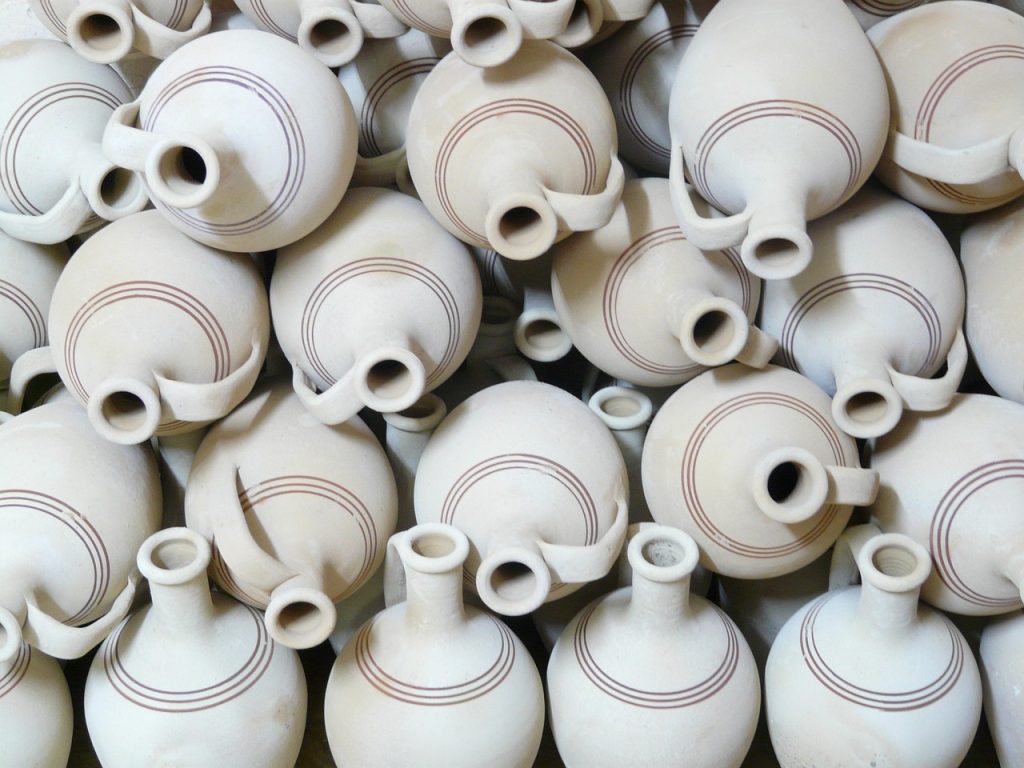
Beyond weaving, the Qom crafted a range of objects from the materials of the Chaco, including pottery, nets, and tools shaped by the demands of their hunting-and-gathering life. Clay was worked into vessels for cooking and storage, formed and fired using traditional techniques.
Fishing nets and traps, essential to a river-oriented people, were made with skill from plant fibers, reflecting the importance of the rivers to Qom life. Bows, spears, and other hunting equipment were likewise crafted with care.
These everyday crafts, though less famous than the woven bags, were vital to survival and reflected a deep practical knowledge of the resources of the Chaco. Nothing was wasted, and the materials of the land were turned to countless uses.
Together, the crafts of the Qom formed a material culture perfectly suited to their environment and way of life. They embodied generations of accumulated knowledge about how to live well in a demanding land.
The making of pottery, though it required settling long enough to gather and fire clay, fit into the seasonal rhythm of a mobile people. The vessels produced were valued for storing the wild fruits and honey that had to be preserved against the lean dry season.
Fish, Wild Fruit, and Foods of the Chaco
The traditional Qom diet drew on the wild abundance of the Chaco, combining fish from the rivers with game, wild fruits, roots, and honey gathered from the forest. Fishing was especially important, providing a dependable source of protein.
The pods of the algarrobo, or carob tree, were a particularly valued food, ground into flour or made into drinks, and other wild fruits of the Chaco supplemented the diet through the seasons. Honey, gathered from wild bees, was a prized treat.
Hunting the game of the plains and forest added meat to the diet, and the knowledge of where and when to find each resource was essential. The Qom drew a varied living from a land that outsiders often saw as barren.
As with so much of Qom life, food connected the people intimately to the Chaco and its seasons. Their cuisine was a direct expression of the wild bounty of their homeland, gathered through skill and deep knowledge.
The algarrobo, whose sweet pods could be stored and processed into flour or fermented into drink, was so important that its harvest was a significant event in the yearly round. This humble tree, thriving in the harsh Chaco, was one of the great providers of the Qom world.
Because the Qom drew their food directly from the wild, their diet shifted with the seasons and the fortunes of the land, demanding both flexibility and deep ecological knowledge. This intimate dependence on the Chaco’s cycles made them extraordinary observers of the natural world.

Gatherings, Song, and the Star Calendar
The rhythms of Qom life were marked by gatherings that brought bands together for celebration, exchange, and the reinforcement of social bonds. These occasions mixed the practical business of a mobile people with song, dance, and ceremony.
Music and song held an important place, and the Qom developed distinctive musical traditions that expressed both celebration and cultural meaning. Gatherings were opportunities to renew relationships across the wider people.
The stars and seasons of the Chaco marked the timing of many activities, and celestial events were woven into the ceremonial life of the people. The appearance of certain constellations signaled changes in the natural year.
In modern times, Qom communities continue to gather for cultural and religious occasions, blending old and new traditions. These assemblies remain vital for sustaining identity and community in a changing world.
Song among the Qom was more than entertainment, serving to carry stories, mark ceremonies, and express the relationship between the people and their world. The distinctive musical traditions of the Chaco peoples remain a treasured part of Qom heritage.
A History of Resistance and Struggle
The Qom were among the fiercest resisters of European and later Argentine expansion, holding out in the difficult terrain of the Chaco long after many other peoples had been subdued. Their independence made the Chaco one of the last regions to be brought under state control.
The late nineteenth and early twentieth centuries brought military campaigns and the violent incorporation of the Chaco into the Argentine state, with devastating consequences for the Qom. The infamous massacre at Napalpi in the 1920s stands as a tragic symbol of this brutal era.
As their land was seized and their way of life disrupted, many Qom were forced into labor on plantations and into the margins of a society that discriminated against them. It was a period of profound loss and hardship.
Yet the Qom endured, holding onto their language, their weaving, and their identity through generations of adversity. Their long history of resistance became a source of pride and a foundation for later struggles for their rights.
The massacre at Napalpi, long buried in official silence, has in recent years been formally acknowledged and investigated, a belated recognition of a grievous crime. Its memory has become central to the Qom struggle for justice and for recognition of the wrongs done to them.
The seizure of the Chaco for cotton and cattle in the early twentieth century tore apart the foundations of the old way of life, forcing many Qom into dependence and poverty. This dispossession is the root of many of the struggles the people continue to face today.

The Qom People Today
Today the Qom number in the tens of thousands, living both in their Chaco homeland and in urban communities, including neighborhoods in Argentine cities where many have migrated. They are among the most prominent Indigenous peoples of Argentina.
The Qom continue to fight for their rights, especially for land and against the discrimination and poverty that have long marked their situation. Their activism has brought national attention to the struggles of Argentina’s Indigenous peoples.
Cultural life remains strong, with the famous weaving, the language, and community traditions all serving as anchors of identity. Efforts at bilingual education and cultural revival reflect a determination to pass their heritage to the young.
The story of the Qom is one of a proud and independent people who resisted conquest, survived massacre and marginalization, and continue to assert their identity and rights. Rooted in the vast plains of the Gran Chaco, they remain unmistakably themselves.
The migration of many Qom to the edges of Argentine cities has created new challenges, as families navigate poverty and discrimination far from their homeland. Yet urban Qom communities have also become centers of activism and cultural assertion, keeping identity alive in new surroundings.
Qom leaders and activists have taken their demands for land and dignity to the courts, the streets, and the highest levels of government, refusing to be ignored. Their persistent advocacy has made the Qom a visible force in the national conversation about Indigenous rights in Argentina.
The endurance of the Qom, with their language, their weaving, and their unbroken sense of identity, stands as a testament to a people who refused to disappear. Against dispossession and prejudice, they have carried the culture of the Chaco into the twenty-first century and continue to shape their own future.

Related Peoples of the Region
- Tsimshian Clans of the Skeena and Nass Rivers and Their World of Crests and Grease
- Mojave People of the Lower Colorado River and Their World of Dreams
- Nez Perce Horse Nation of the Columbia Plateau and Their Long Road Home
- Klamath and Modoc Marsh Peoples of the Oregon Lakes and Their Stand in the Lava Beds
- Purepecha Empire Builders of Michoacan and Their Language Without Kin
- Embera River Weavers of the Darien Rainforest and Their Jagua-Painted World
You May Like
The Damara, an Ancient People of Namibia


3 thoughts on “Qom People of the Gran Chaco and Their Fierce Independence on the Argentine Plains”