In the foothill forests of northern Peru, where the Andes descend toward the vast lowland Amazon, live the Shawi, a river and rainforest people of the Loreto region. Known for their communal spirit, their fermented manioc drink masato, and their enduring bond with the upper Amazon, they are one of the region’s more populous Indigenous nations.
This article explores the world of the Shawi from their origins in the foothill forests through their Cahuapanan language, their river-based way of life, their shamans and spirit beliefs, and their traditions of feasting and cooperation, down to the resilient communities they remain today. It is a story of adaptation and endurance in one of the great rainforests of the world.
Contents
- Origins in the Foothill Forests of Peru
- The Name Shawi and Their Own Identity
- A Cahuapanan Language of the Amazon
- Homeland Between the Andes and the Amazon
- The Old Way of Life on the Rivers
- Community, Kinship, and Leadership
- Shamans, Spirits, and the Forest World
- Masato, Feasting, and Social Bonds
- Pottery, Weaving, and Everyday Craft
- Manioc, Plantains, and Foods of the Forest
- Gatherings, Music, and Ceremony
- A History of Missions and Change
- The Shawi People Today
Origins in the Foothill Forests of Peru
In the transitional forests of northern Peru, where the last Andean foothills give way to the vast lowland Amazon, live the Shawi. They are a people of the rivers and rainforest of the Loreto region, part of the rich tapestry of Indigenous nations that inhabit the upper Amazon.
The Shawi have lived in this region of the Paranapura, Cahuapanas, and Sillay river basins for many generations, drawing their living from the forest and the winding waterways. Their culture grew from an intimate relationship with this lush and demanding environment.
As a people of the foothill forests, the Shawi occupy a meeting place of worlds, where the influences of the Andes and the Amazon mingle. This position has shaped a distinctive culture rooted firmly in the lowland forest yet touched by the highlands beyond.
To understand the Shawi is to understand life in the upper Amazon, a world of rivers, manioc gardens, and dense forest. Everything in their way of life reflects a deep adaptation to this particular corner of the great rainforest.
The upper Amazon is a region of extraordinary cultural diversity, home to dozens of distinct Indigenous peoples, and the Shawi are one thread in this rich weave. Their long presence in the foothill forests places them among the enduring nations that have shaped the human landscape of the region.
Positioned at the edge of the Andes and the Amazon, the Shawi have long been connected to trade routes and exchanges that linked highland and lowland peoples. This crossroads location gave their culture a distinctive openness while keeping it firmly rooted in the forest world.
The Name Shawi and Their Own Identity
The people are known today as the Shawi, though they have also been called the Chayahuita in older and official records, a name derived from outside sources. Increasingly, the people’s own name, Shawi, is preferred and recognized.
As with so many Indigenous peoples, the older imposed name gave way over time to a growing insistence on self-designation. The name Shawi reflects the people’s own understanding of who they are, rooted in their language and identity.
The Shawi are closely related to a neighboring people, the Shiwilu, with whom they share the Cahuapanan language family. Together they form a small but distinct linguistic grouping within the diverse Indigenous world of the Peruvian Amazon.
The move to the name Shawi in scholarship and official use is part of a wider recognition of Indigenous rights and identities in Peru. The people know themselves as Shawi, and that is the name that carries their sense of self.
The relationship between the Shawi and the neighboring Shiwilu, bound together by their shared Cahuapanan language, offers a window into the deep history of the upper Amazon. Small language families like this one hint at ancient patterns of settlement and separation across the region.
For a people historically recorded under a name given by others, the growing use of Shawi in official and everyday contexts marks a quiet reclaiming of identity. It reflects the broader movement across the Peruvian Amazon toward recognizing peoples by the names they choose for themselves.

A Cahuapanan Language of the Amazon
The Shawi language belongs to the small Cahuapanan family, which it shares with the closely related Shiwilu language. This family stands apart from the larger language groups of the region, a distinct linguistic world of the upper Amazon.
The Cahuapanan languages are spoken by relatively few people, making them precious and vulnerable elements of the world’s linguistic diversity. The Shawi language carries the detailed knowledge of forest, river, and plant that their way of life requires.
Unlike some Amazonian languages that have declined sharply, Shawi remains relatively vigorous, spoken daily by a substantial community. This vitality reflects the strength of Shawi identity and the continued use of the language in homes and villages.
Efforts at bilingual education and language documentation support the survival of Shawi, even as Spanish exerts its constant pressure. For the Shawi, the language is a vital thread connecting them to their ancestors and their distinct place in the Amazon.
That Shawi remains widely spoken, when so many small Amazonian languages have dwindled to a handful of elderly speakers, is a genuine mark of cultural strength. Each generation of children who grow up speaking it carries forward a distinct and irreplaceable way of understanding the world.
Linguists value the Cahuapanan languages precisely because their small size and relative isolation make them important pieces in the puzzle of Amazonian linguistic history. Every effort to record and teach Shawi thus contributes to a wider human understanding of language and its diversity.

Homeland Between the Andes and the Amazon
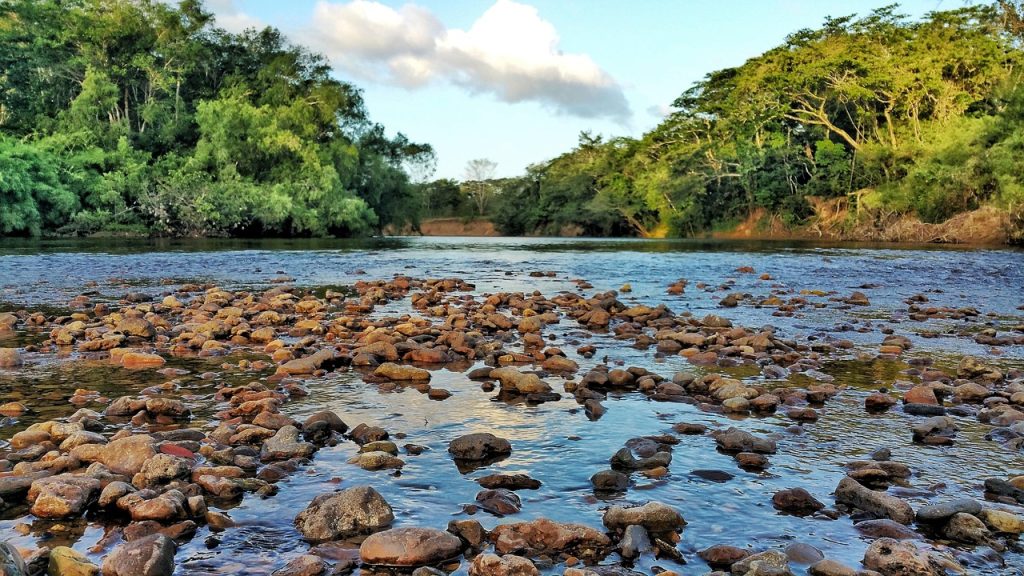
The Shawi homeland lies in the Loreto region of northern Peru, in the basins of rivers such as the Paranapura, Cahuapanas, and Sillay. This is a land of dense lowland rainforest laced with rivers, where the terrain begins to rise gently toward the distant Andes.
This is a world defined by water and forest, where the rivers serve as highways and the forest provides food, medicine, and materials. Communities cluster along the riverbanks, positioned to take advantage of both the water and the surrounding gardens and forest.
The climate is hot and humid, with heavy rainfall that swells the rivers and shapes the seasonal rhythm of life. The Shawi have adapted their farming, fishing, and gathering to these cycles, drawing a living from the abundance of the forest.
For the Shawi, this foothill forest is home, a country whose rivers, trees, and creatures they know intimately. The land is both provider and the setting for the sacred stories and beliefs that give meaning to Shawi life.
The gentle rise of the land toward the Andes gives the Shawi homeland a character subtly different from the flat lowlands deeper in the Amazon basin. This transitional setting, between highland and lowland, has helped shape the particular texture of Shawi life and culture.
The rivers of the Shawi homeland, swelling and shrinking with the rains, dictated the rhythm of travel, fishing, and farming across the year. Reading these waters correctly was among the essential skills of a people whose world was defined by them.
Beyond the rivers and gardens, the surrounding forest was a vast storehouse of food, medicine, and materials that the Shawi knew in remarkable detail. To an outsider it might seem an undifferentiated wall of green, but to the Shawi it was a familiar and legible world.

The Old Way of Life on the Rivers
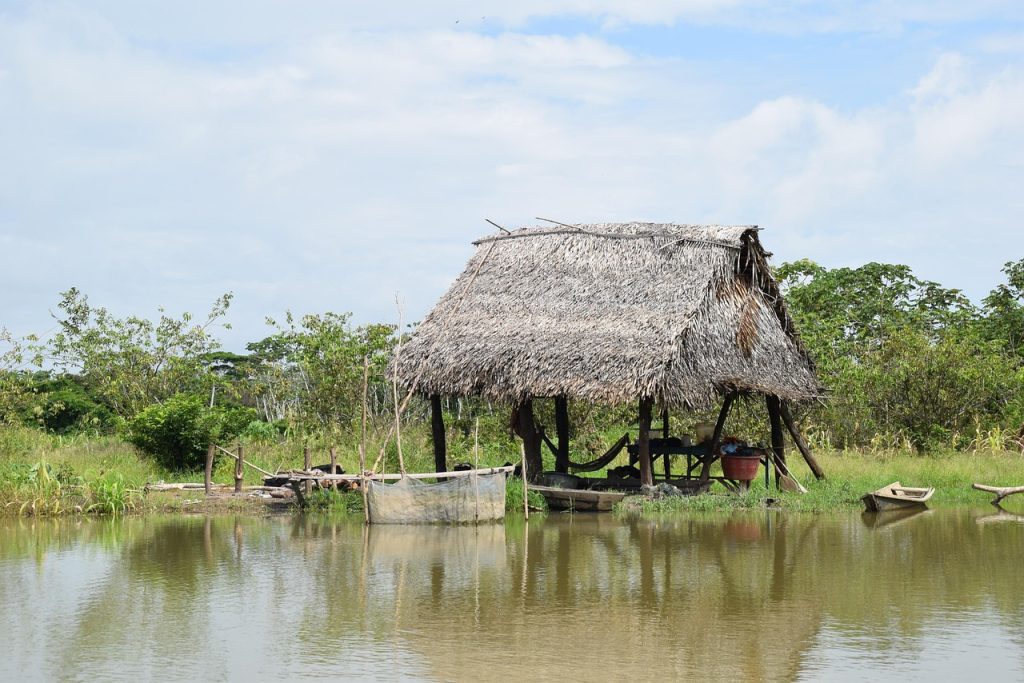
Traditional Shawi life revolved around the rivers and the forest gardens, combining fishing, hunting, gathering, and the cultivation of crops such as manioc and plantains. This mixed economy allowed the people to draw a secure and varied living from their homeland.
The rivers were central, providing fish, water, and the routes along which the Shawi traveled by canoe. Fishing was a vital activity, pursued with nets, traps, hooks, and, traditionally, plant-based fish poisons that stunned fish in quiet pools.
Forest gardens, cleared and planted with manioc and other crops, supplied the starchy foundation of the diet, while the forest itself offered game, fruits, and countless useful plants. The knowledge of how to work this landscape was essential to survival.
Homes were built to suit the hot, wet climate, and life followed the rhythms of the rivers and the forest seasons. This way of life, rooted in the resources of the upper Amazon, sustained the Shawi through countless generations.
The use of plant-based fish poisons, which briefly stun fish in a pool so they can be gathered, is a sophisticated technique found across the Amazon and reflects deep knowledge of the forest’s chemistry. Such methods allowed the Shawi to harvest the rivers efficiently without exhausting them.
Children grew up learning the skills of river and forest from their parents, absorbing the vast practical knowledge that Shawi life demanded. In this way the wisdom of generations passed seamlessly into each new set of hands, sustaining the culture across time.
The seasonal round of the Shawi, attuned to the flooding and receding of the rivers and the fruiting of the forest, demanded flexibility and constant attention to the natural world. This close reading of their environment was the foundation of a way of life that endured for centuries.
Community, Kinship, and Leadership
Shawi society was traditionally organized around kinship and the extended family, with communities formed of related households living along the rivers. Cooperation among kin was essential to a way of life that depended on shared work and mutual support.
Leadership was traditionally informal, based on respect, ability, and the influence of experienced individuals rather than on rigid hierarchy. Elders and capable leaders guided the community through consensus rather than command.
In more recent times, the Shawi have organized into formal communities and representative organizations, partly to defend their lands and rights. This has brought new structures of leadership alongside the older patterns of kinship and respect.
The strength of family and community bonds has been a foundation of Shawi resilience, holding the people together through the pressures of missions, settlers, and social change. Kinship remains at the heart of Shawi social life.
The shift toward formal community organization has given the Shawi new tools for dealing with governments, companies, and outsiders, without displacing the older bonds of kinship. This blend of traditional and modern forms of organization reflects a people adapting on their own terms.
Decisions affecting the community were traditionally reached through discussion and the building of consensus, reflecting a deep respect for the autonomy of each family. This patient, inclusive style of decision-making remains a feature of Shawi community life today.
The extended family, gathered in clusters of related households, formed the practical heart of daily life, sharing labor, food, and childcare. This web of kinship gave the Shawi a resilience and warmth that helped them endure the pressures of the outside world.

Shamans, Spirits, and the Forest World
The spiritual world of the Shawi is rich with beliefs about the spirits of the forest, the rivers, and the many beings that inhabit their world. Shamans, possessing knowledge of these spirits and of the powers of plants, mediate between the community and the unseen forces.
Illness and misfortune are often understood in spiritual terms, and the shaman’s role is to diagnose and treat their causes through ritual, chant, and the use of powerful plants. This knowledge is deep and carefully acquired over long training.
The forest is understood as alive with spirit beings, some helpful and some dangerous, and the Shawi maintain careful relationships of respect with this unseen world. The balance between people and spirits shapes many aspects of daily life.
Though Christianity has spread among the Shawi through generations of missionary activity, traditional beliefs about the forest and its spirits remain important. This spiritual understanding reflects the profound Shawi bond with their rainforest home.
The knowledge held by Shawi shamans, encompassing the properties of countless forest plants and the workings of the spirit world, represents a vast body of accumulated understanding. This intellectual tradition, passed carefully between generations, is one of the treasures of Amazonian culture.
Dreams and visions play an important role in Shawi spiritual understanding, offering channels of communication with the spirit world and sources of guidance and power. The interpretation of these experiences forms part of the shaman’s specialized knowledge.

Masato, Feasting, and Social Bonds
Central to Shawi social life is masato, the fermented manioc drink that features in gatherings, work parties, and celebrations across the upper Amazon. Prepared by the women from cooked and chewed or fermented manioc, masato is far more than a beverage.
The sharing of masato binds the community together, lubricating the cooperative work parties known as mingas and marking every significant social occasion. To offer and share masato is a fundamental gesture of hospitality and social connection.
Feasting and the sharing of drink accompany the collective labor that sustains Shawi life, from clearing gardens to building houses. These occasions weave together work, celebration, and the reinforcement of social bonds.
This tradition of masato and communal feasting is a defining feature of Shawi culture and of the wider Amazonian world. It expresses the values of generosity, cooperation, and community that lie at the heart of Shawi society.
The preparation of masato is a communal and largely female activity, and the drink lies at the very center of Shawi hospitality and social life. To be welcomed into a Shawi home is to be offered masato, and to refuse it would be to reject the bond it represents.
Beyond its role in hospitality, masato accompanies the great collective efforts of Shawi life, from clearing forest for gardens to raising the frame of a new house. In this way the drink is woven into the very economy of the community, fueling the cooperation on which survival depends.
Pottery, Weaving, and Everyday Craft
The Shawi are skilled makers of the practical objects that sustain life in the forest, including pottery, woven goods, and the tools of fishing and farming. Clay was worked into vessels for cooking, storing, and serving food and the all-important masato.
Weaving and the making of woven containers, using forest fibers, produced the baskets and bags essential for gathering and carrying. These crafts reflected a deep practical knowledge of the materials the forest provided.
The making of canoes, essential to a river people, was a valued skill, as was the crafting of the nets, traps, and other equipment used in fishing and hunting. Everyday life depended on this material culture drawn from the forest.
These crafts, passed from one generation to the next, embodied the accumulated knowledge that allowed the Shawi to thrive in the upper Amazon. They were both practical necessities and expressions of skill and identity.
The pottery of the Shawi, shaped and fired using techniques passed down through generations, ranged from everyday cooking vessels to the large jars used in the preparation and serving of masato. These objects were essential to a social life that revolved around shared food and drink.
Woven bags and baskets, made from the fibers the forest provided, served countless purposes in daily life, from carrying manioc home from the gardens to storing goods in the home. The skill of weaving, like that of pottery, was a valued part of the practical knowledge of the community.

Manioc, Plantains, and Foods of the Forest
The foundation of the Shawi diet is manioc, cultivated in forest gardens and prepared in many forms, including as the fermented drink masato. This versatile root provides the dependable starchy staple around which meals are built.
Plantains and bananas are also important, along with other crops grown in the gardens and a variety of fruits gathered from the forest. These plant foods form the bulk of the everyday diet of the Shawi.
Fish from the rivers provide the essential protein, supplemented by game hunted in the forest, from birds and monkeys to larger animals. The abundance of the rivers made fishing a reliable source of food throughout the year.
As with so much of Shawi life, food connects the people directly to their forest and rivers. The cultivation of manioc, the catching of fish, and the gathering of forest foods structure daily life and tie the community to its homeland.
The centrality of manioc to Shawi life can hardly be overstated, for it feeds the people both as food and as the fermented drink that binds their society together. From garden to table to communal feast, this single crop underpins much of Shawi daily existence.
Because the Shawi drew so much of their food directly from their gardens, rivers, and forest, they enjoyed considerable self-sufficiency, a source of resilience through times of upheaval. This independence from outside supplies allowed communities to weather disruptions that might have overwhelmed others.

Gatherings, Music, and Ceremony
Shawi community life is marked by gatherings that bring people together for celebration, cooperative work, and the reinforcement of social bonds. The communal work parties known as mingas, accompanied by masato, are central occasions of social life.
Music and dance enrich these gatherings, expressing both celebration and cultural meaning. Traditional instruments and songs accompany the festivities that punctuate the rhythm of Shawi life.
Ceremonies linked to the passages of life, to healing, and to the spirit world mark the ceremonial calendar. These observances reaffirm the beliefs and relationships at the heart of Shawi culture.
In modern times, Shawi communities continue to gather for cultural and religious occasions, blending old and new. These assemblies remain vital for sustaining identity and community in a changing world.
The minga, or communal work party, is a beautiful expression of Shawi values, turning heavy collective labor into an occasion of sociability and shared purpose. Fueled by masato and accompanied by music, such gatherings make light of tasks that no single family could accomplish alone.
For young people, these gatherings are occasions to learn the songs, dances, and customs that carry Shawi identity forward. In the shared music and labor of a community celebration, the culture renews itself and binds the generations together.
A History of Missions and Change
The Shawi homeland lay within reach of the missions that spread through the Peruvian Amazon from the colonial era onward, and missionary activity profoundly shaped their history. Jesuit and later other missions gathered Indigenous peoples and worked to change their way of life.
The mission era brought disease, disruption, and pressure on traditional beliefs and practices, as it did throughout the Amazon. Yet the Shawi, like many peoples, adapted and endured, blending new influences with their own enduring traditions.
Later, the rubber boom and the expansion of settlers, traders, and extractive industries brought further pressures on the Shawi and their lands. These forces disrupted communities and drew the people into wider economic systems.
Through all of this, the Shawi held onto their language, their community life, and much of their traditional culture. Their history is one of adaptation and resilience in the face of centuries of outside pressure.
The gathering of dispersed forest peoples into mission settlements changed the geography of Shawi life, concentrating populations and exposing them to new diseases and pressures. The consequences of this reorganization echoed through the generations that followed.
The layering of missionary Christianity over older beliefs produced a distinctive religious world among the Shawi, in which new and old elements coexist. This blending, common across the Amazon, testifies to the resilience of Indigenous spirituality under pressure.

The Shawi People Today
Today the Shawi number in the tens of thousands, making them one of the more populous Indigenous peoples of the Peruvian Amazon. They live in communities throughout their homeland in the Loreto region, maintaining their language and much of their traditional way of life.
The Shawi have organized to defend their territories and rights, facing challenges from deforestation, resource extraction, and the pressures of the wider economy. Their communities work to secure legal recognition of their lands and to protect their forest home.
Cultural life remains strong, with the language, the tradition of masato and communal work, and community ceremonies all serving as anchors of identity. Efforts at bilingual education reflect a determination to pass their heritage to the young.
The story of the Shawi is one of a forest people who adapted to centuries of change while holding onto their language and identity. Rooted in the foothill forests and rivers of the upper Amazon, they remain a living and distinct presence in the region.
Deforestation and the encroachment of extractive industries pose serious threats to the Shawi homeland, and the defense of their forests has become inseparable from the defense of their way of life. In protecting their territory, the Shawi protect the foundation of their culture.
Shawi leaders and organizations have increasingly made their voices heard in regional and national debates about Indigenous rights and the future of the Amazon. Their advocacy links the survival of their communities to the broader struggle to protect the rainforest.
The endurance of the Shawi, with their language intact and their community traditions alive, stands as a quiet testament to a people who adapted without surrendering their identity. Rooted in the foothill forests of the upper Amazon, they carry their heritage forward into an uncertain future with determination.
Related Peoples of the Region
- Nez Perce Horse Nation of the Columbia Plateau and Their Long Road Home
- Klamath and Modoc Marsh Peoples of the Oregon Lakes and Their Stand in the Lava Beds
- Purepecha Empire Builders of Michoacan and Their Language Without Kin
- Embera River Weavers of the Darien Rainforest and Their Jagua-Painted World
- Qom People of the Gran Chaco and Their Fierce Independence on the Argentine Plains
- Tucano Peoples of the Vaupes Rivers and Their World of Many Languages
You May Like
The Damara, an Ancient People of Namibia


One thought on “Shawi People of the Peruvian Foothill Forests and Their World of Masato and Rivers”