Volgograd carries one of the heaviest names in modern history, yet it rewards visitors with far more than its battlefields. This series gathers our detailed guides to the city so you can plan a trip that honours its wartime memory while also enjoying the warm, living southern city on the Volga that exists today. Below you will find each guide, covering the great Mamayev Kurgan memorial, the Stalingrad battle museum and ruined mill, the everyday riverfront city, and where to spend your evenings.
How to Use This Series
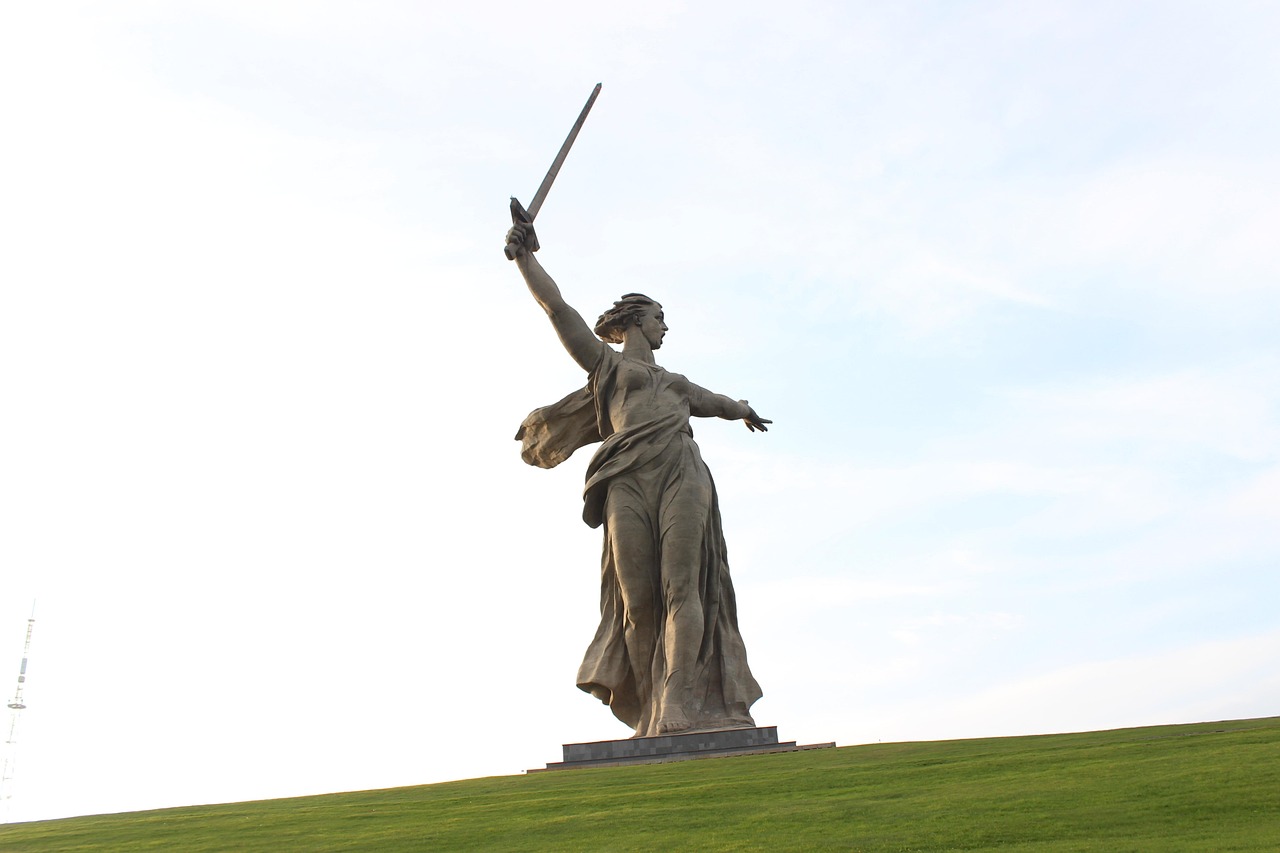
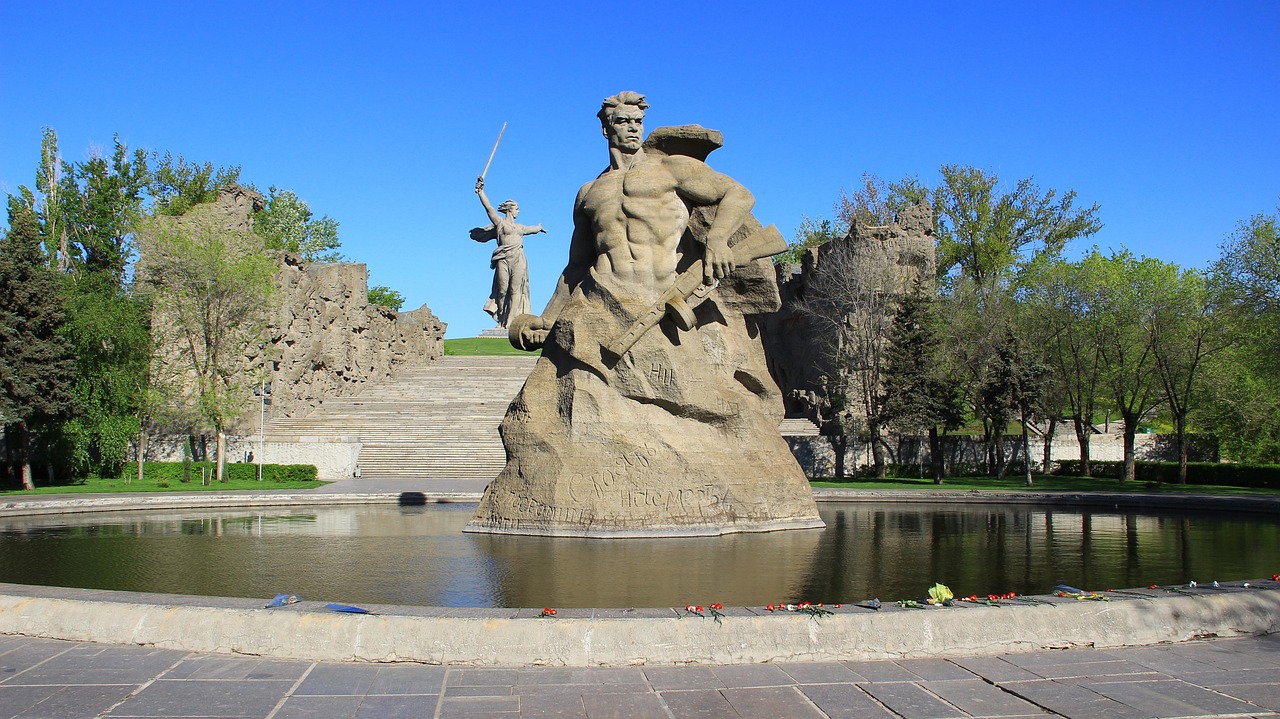
These guides are built to combine into a focused two or three day visit. Devote your first morning to Mamayev Kurgan and The Motherland Calls, then the afternoon to the Battle of Stalingrad museum and the ruined Gerhardt Mill nearby. Give your second day to the living city, the embankment, the long central avenues and the markets, and let the evening guide steer you to the riverside terraces afterward. Read each guide as you reach that stage of the trip.
When to Go
Volgograd has a hot, dry continental climate. Late spring and early autumn, roughly May, June and September, offer the most comfortable weather for the long outdoor memorial walks, while high summer can be genuinely hot, which the riverfront helps offset in the evenings. The anniversaries of the battle in late January and early February bring solemn ceremonies and bitter cold. For most travellers the shoulder months are the sweet spot.
Our Volgograd Travel Guides
- Mamayev Kurgan and The Motherland Calls: Standing Beneath the Worlds Most Overwhelming War Memorial
- The Battle of Stalingrad Museum and the Ruined Mill: Where the City Keeps Its Memory
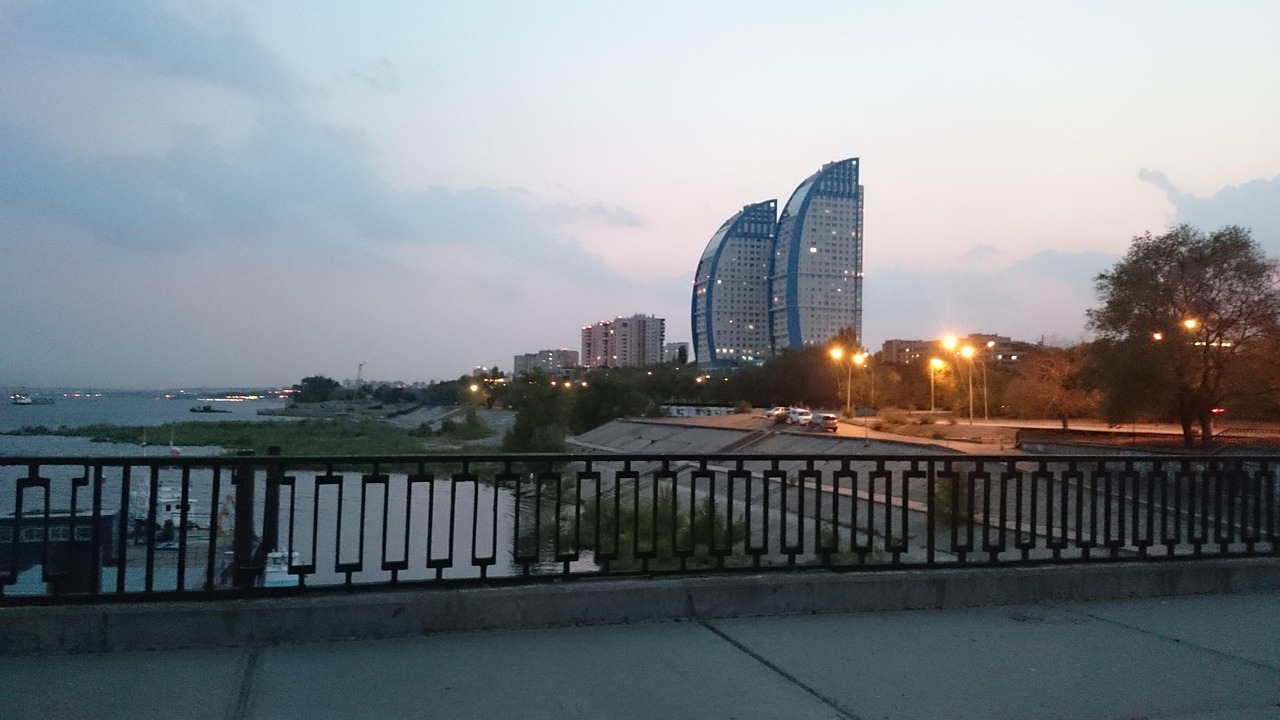
- Beyond the Battlefield: Volgograd Riverfront, Its Long Streets and Everyday Life on the Volga
- Evenings in Volgograd: Riverside Bars, Summer Terraces and Where the City Relaxes
Planning the whole trip? See our complete Volgograd master guide for every series in one place.


