If the Kremlin was the soul of medieval Novgorod, the opposite bank of the Volkhov was its engine. Cross the footbridge from the Detinets and you arrive at Yaroslav Court, the old trading quarter where the wealth of the republic was made and where its famous popular assembly, the veche, once gathered to roar approval or rejection of decisions by ringing a great bell. Today it is an open, atmospheric riverside space studded with an astonishing cluster of small medieval churches, each one a fragment left by the merchants and guilds who built them. It is the perfect counterpoint to the Kremlin and easy to overlook if you do not know what you are seeing.
A Marketplace of Churches
What strikes you first at Yaroslav Court is the sheer density of churches, a whole skyline of modest stone chapels packed into a small area beside the river. Each was built by a particular trade or community of merchants as a combination of place of worship, status symbol and even a strongroom for storing goods, since a church was the most secure building a guild could raise. Wandering between them you are effectively walking through a medieval business district frozen in stone. The surviving arcade of the old market courtyard, a graceful row of arches facing the water, helps you picture the stalls, ships and bustle that once filled this bank.
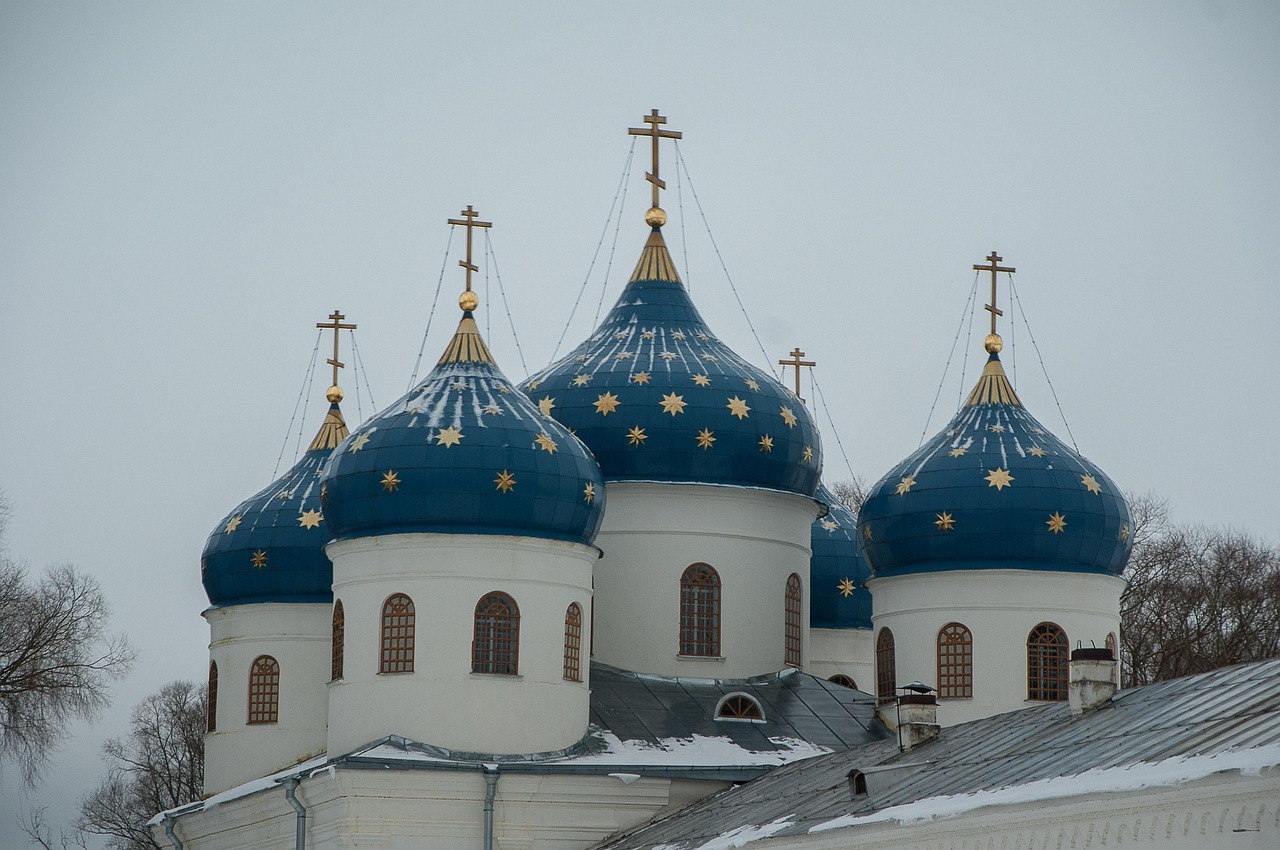
The Volkhov and the View Back to the Kremlin
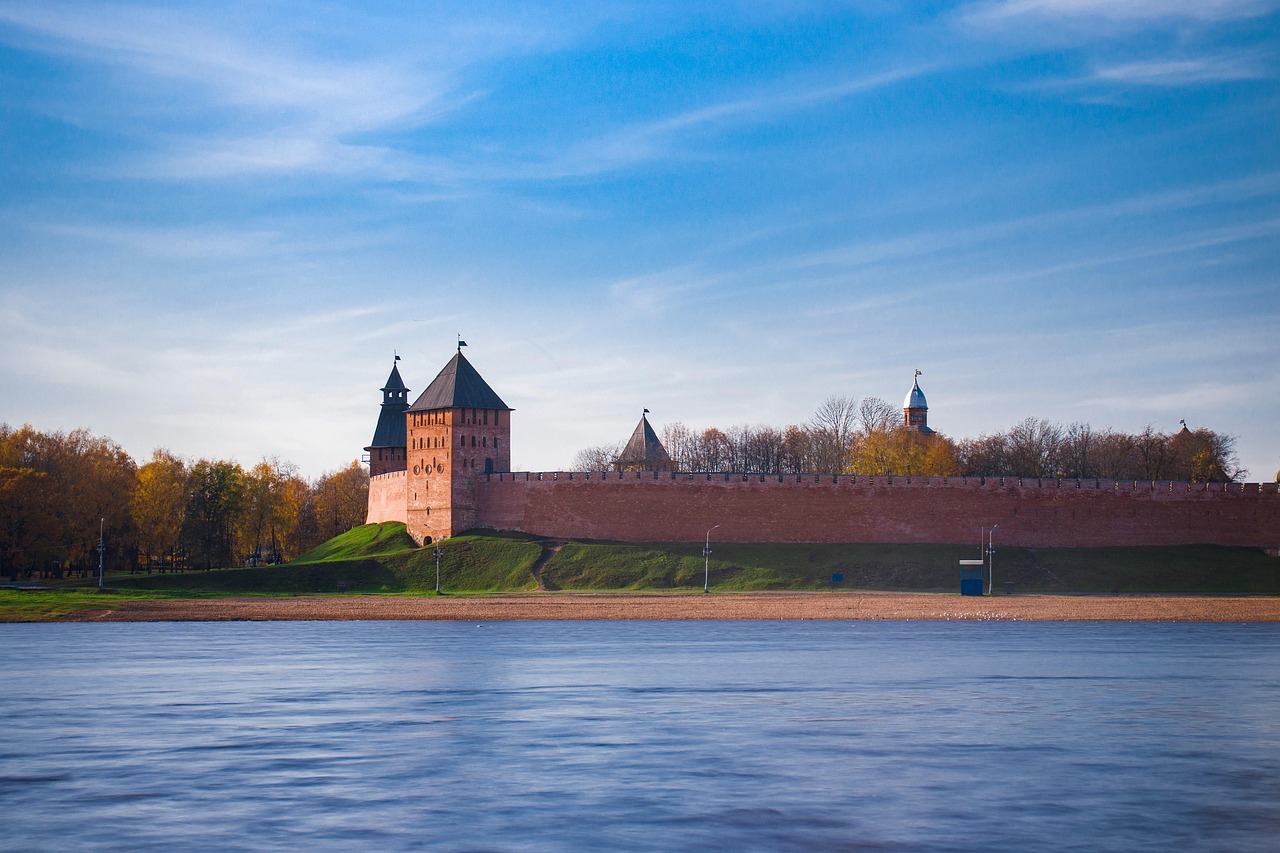
The river itself is half the pleasure here. The Volkhov is broad, slow and clean, and from Yaroslav Court you get the classic postcard view back across the water to the red walls and golden domes of the Detinets. In summer small boats run pleasure cruises up and down the river and out toward Lake Ilmen, and the grassy banks fill with locals fishing and relaxing. Walking the riverside path on this side, with churches on one hand and the Kremlin reflected in the water on the other, is the single most beautiful stroll in the city and best timed for the long golden light of late afternoon.
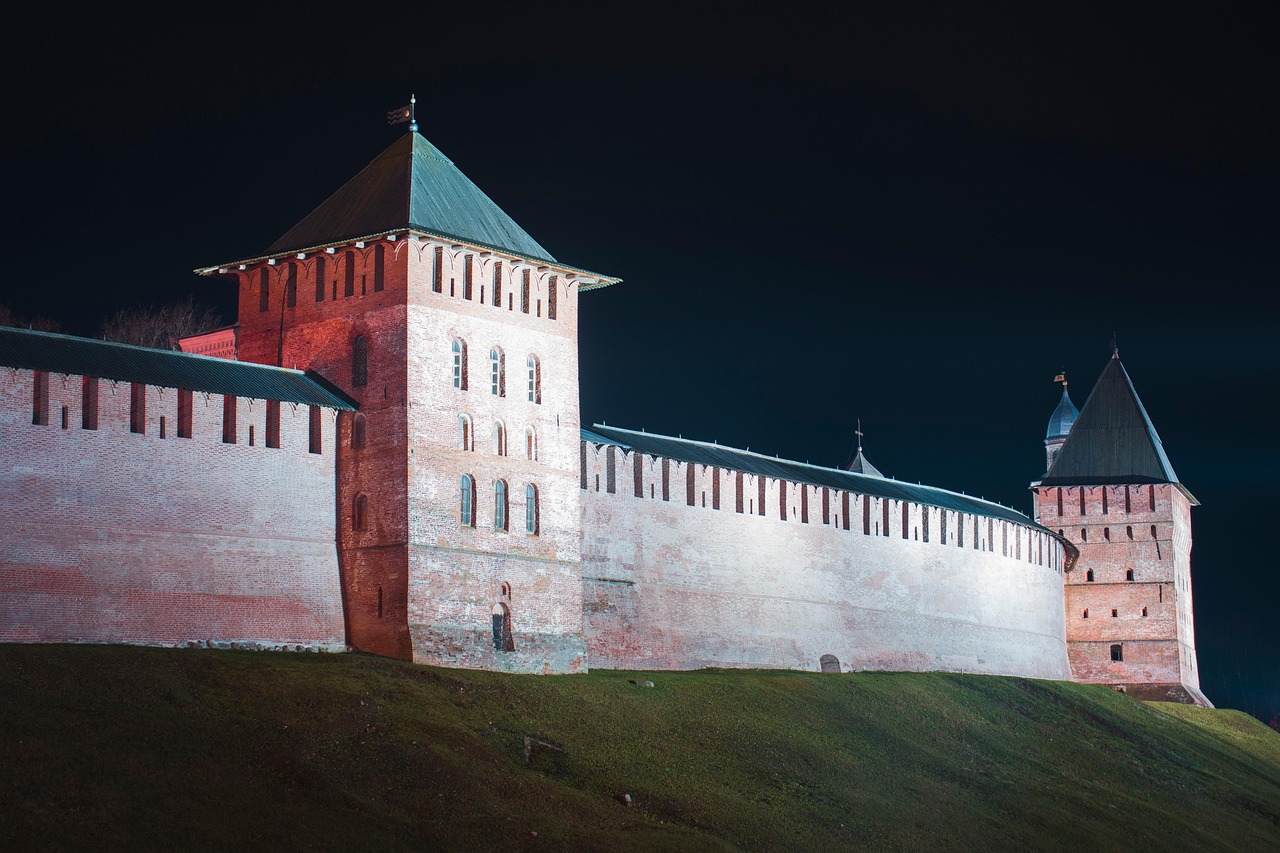
Reading the Birch Bark Letters
Here is the under-told detail that makes Novgorod genuinely extraordinary. Archaeologists digging in the damp soil on this side of the city have recovered over a thousand letters written on birch bark, everyday notes scratched by ordinary medieval citizens: business accounts, shopping lists, legal complaints, love notes and even a small boys doodles and writing exercises from around 800 years ago. They prove that literacy here was widespread among common people, women and children included, at a time when that was rare anywhere in Europe. Look for examples and reproductions in the city museum near the Kremlin; they turn distant history into something startlingly human.
Cross the river and give Yaroslav Court the time it deserves. Wander its huddle of merchant churches, walk the Volkhov bank for the great view back to the Kremlin, and seek out the birch bark letters that let medieval Novgorodians speak to you directly.
More Veliky Novgorod Travel Guides
- The Novgorod Detinets and St Sophia: Walking Inside the Cradle of Russia
- Yuriev Monastery and the Wooden Village: Novgorod Quiet Edge by Lake Ilmen
- Evenings in Veliky Novgorod: Riverside Calm, Honey Mead and a Small City Unwinding
- Veliky Novgorod Guide Series (Hub)
Planning the whole trip? See our complete Veliky Novgorod master guide for every series in one place.


