In the very heart of Europe, where the continent’s great cultural currents meet and mingle, lies the homeland of the Czechs. Theirs is a land of rolling hills and dark forests, of medieval towns and one of the most beautiful capital cities in the world, and theirs is a history that runs through the very centre of European events. The Czechs have been at the crossroads of the German and Slavic worlds, of Catholicism and Protestant rebellion, of empire and independence, of dictatorship and the triumph of freedom. For so small a people, they have produced an astonishing share of the moments and movements that shaped modern Europe.
The Czechs are a West Slavic people, cousins of the Poles and Slovaks, who built one of the oldest states in central Europe and have clung to their language and identity through centuries of domination by larger neighbors, above all the German-speaking world. They gave Europe one of its first great religious reformers a full century before Luther, one of its most beloved composers, one of its strangest and most profound writers, and one of the most inspiring peaceful revolutions of the twentieth century. To understand the Czechs is to understand a people who learned, over a long and often painful history, to resist not with armies but with wit, culture, and a stubborn refusal to surrender their soul.
In This Article
- The lands of the Bohemian crown
- A medieval golden age
- The Hussite revolution
- Three centuries under Habsburg rule
- The national revival
- Independence and the first republic
- Betrayal, occupation, and the dark years
- The Prague Spring and the Velvet Revolution
- The velvet divorce and a new beginning
- A people of letters and ideas
- Beer, castles, and everyday pleasures
- The Czechs today
- What the Czech story tells us
The lands of the Bohemian crown
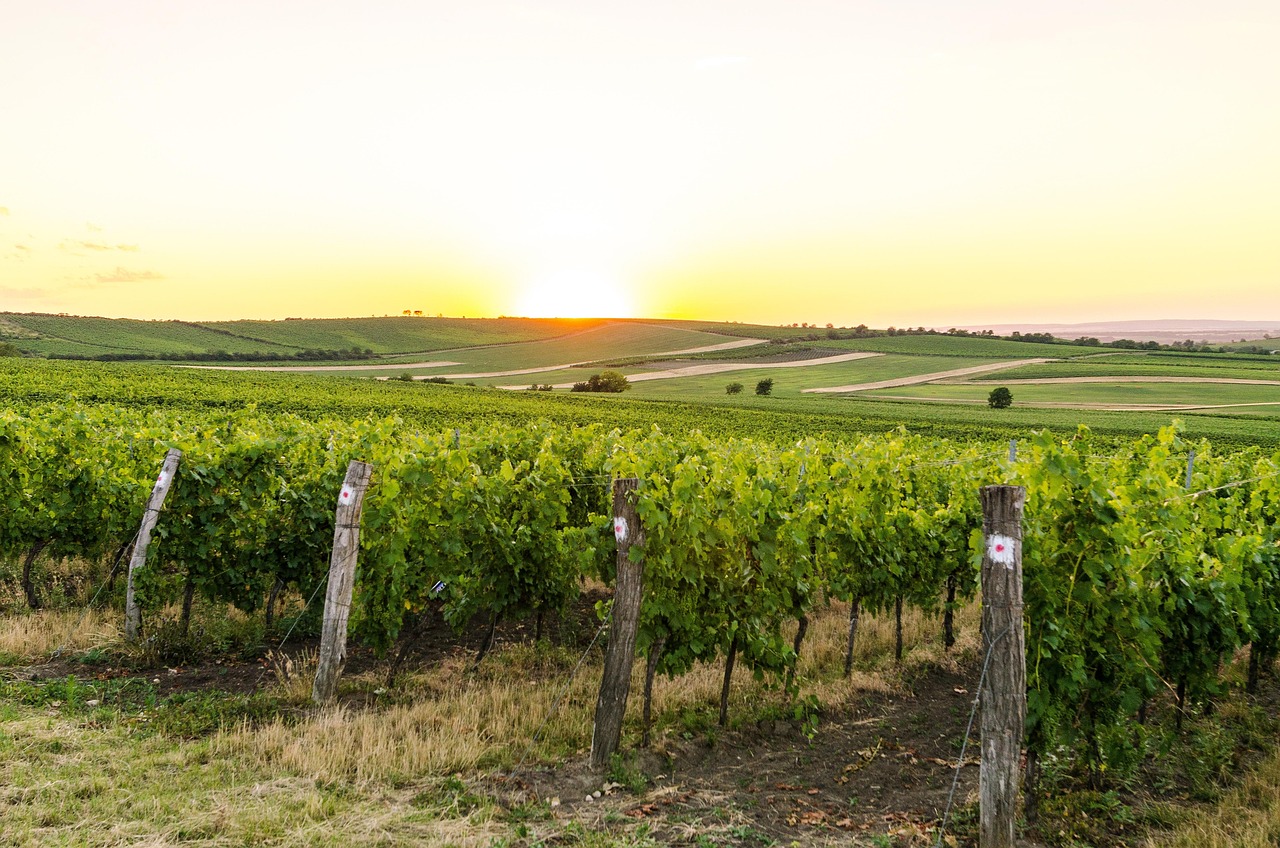
The Czech homeland is made up of historic regions, chiefly Bohemia in the west and Moravia in the east, lands that have been linked for over a thousand years. Bohemia is a roughly bowl-shaped country, ringed by mountains and forests that form natural borders, with the river Vltava flowing through its heart and through the city of Prague. Moravia, to the east, is gentler and more open, a land of fertile fields and vineyards looking toward Slovakia and the Danube. Together these lands form a compact, landlocked country in the very middle of the continent, sharing borders with Germany, Poland, Slovakia, and Austria.
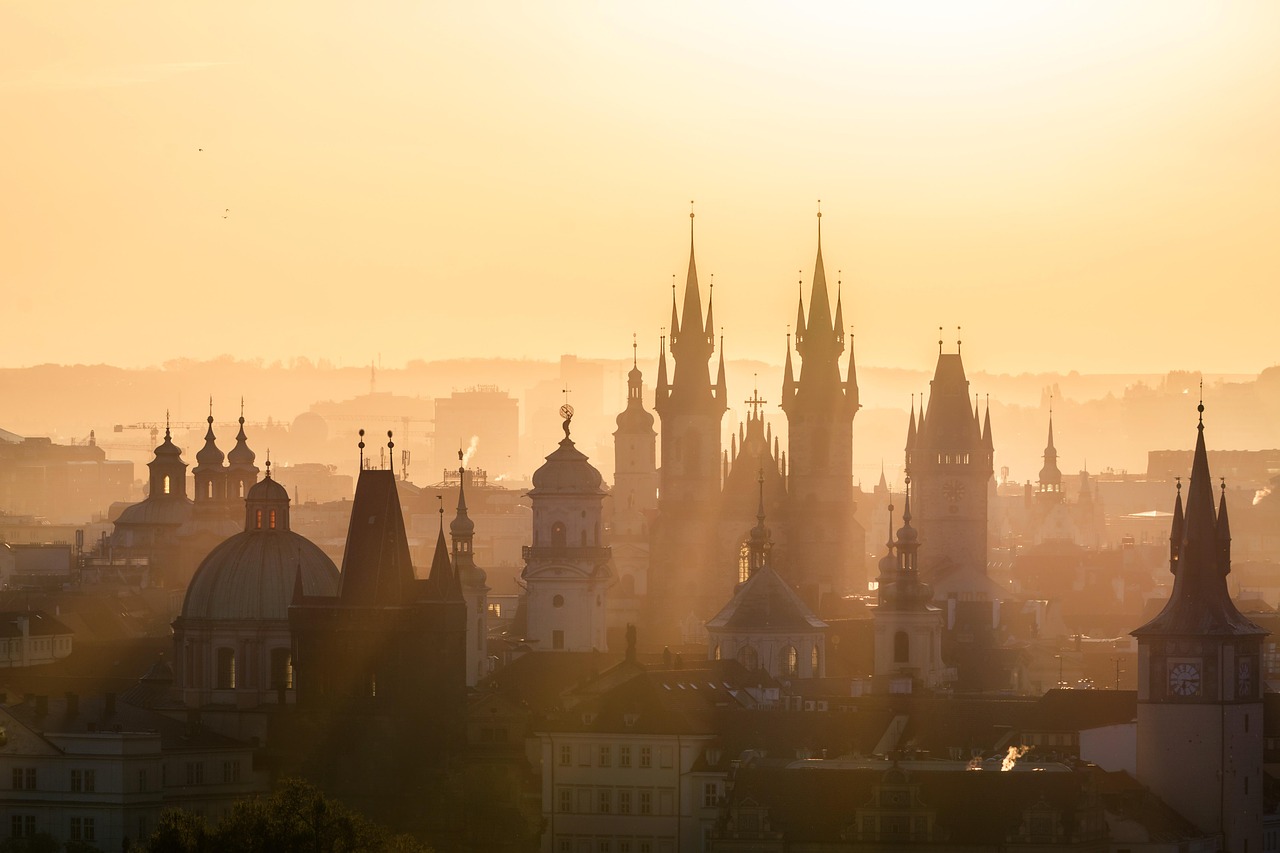
This central position shaped Czech destiny. The Czech lands were close enough to the German world to be deeply influenced by it, and for much of history German speakers lived alongside Czechs in the towns and along the borderlands. The mountains that ring Bohemia gave the country a measure of natural protection and a strong sense of being a distinct place, while its position at the crossroads of Europe made it a meeting point of trade, ideas, and armies. Prague, sitting at the centre, grew into one of the great cities of Europe, and for a time in the Middle Ages it was even the capital of the Holy Roman Empire, the political heart of the German-speaking world, ruled by a Czech king.
A medieval golden age
The Czech state has deep roots, reaching back to the early medieval period when the dukes and then kings of Bohemia, of the Premyslid dynasty, forged a powerful realm and adopted Christianity. The patron saint of the Czechs, the tenth-century duke known to the world as Good King Wenceslas, belongs to this early age and remains a symbol of Czech nationhood to this day. Over the centuries Bohemia grew into one of the most important kingdoms of central Europe, rich in silver mines and strategically central, its rulers among the great princes of the Holy Roman Empire.
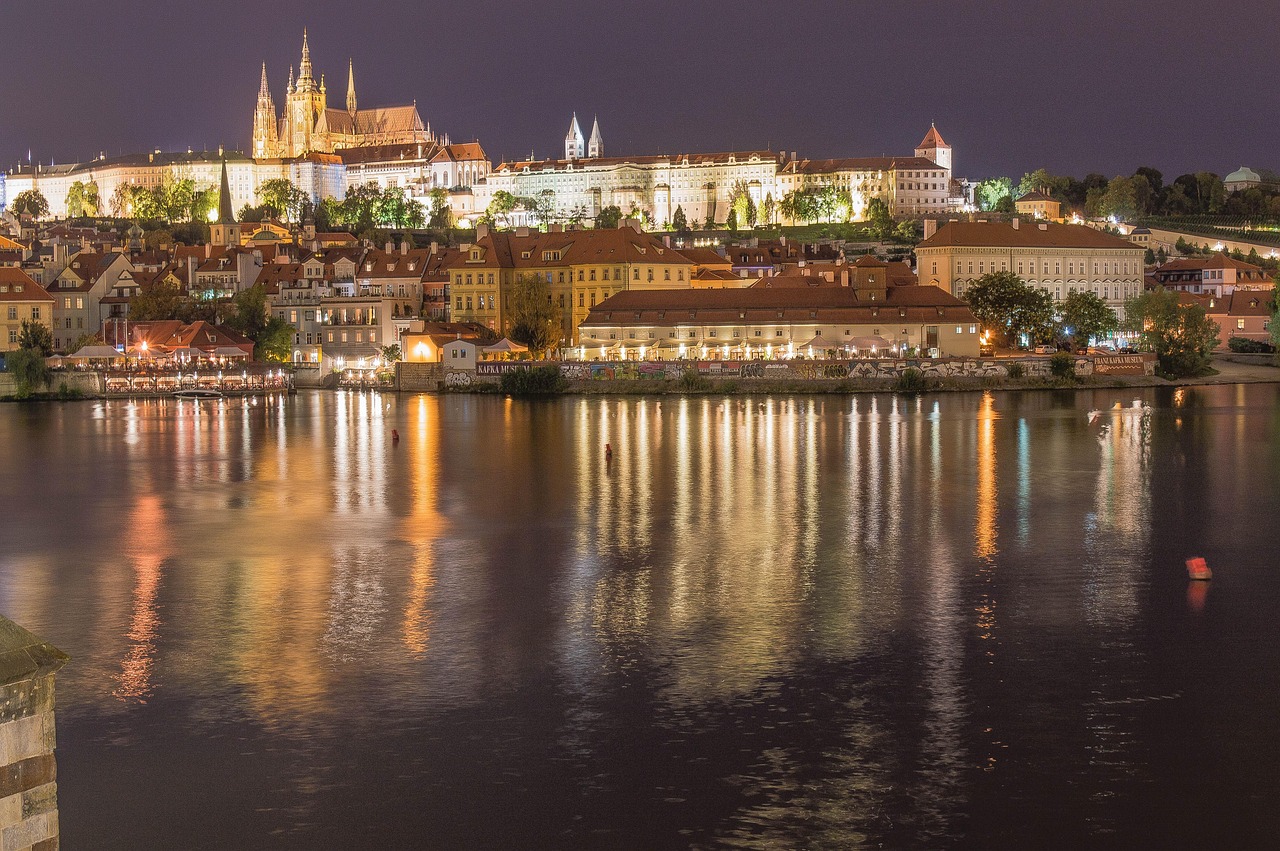
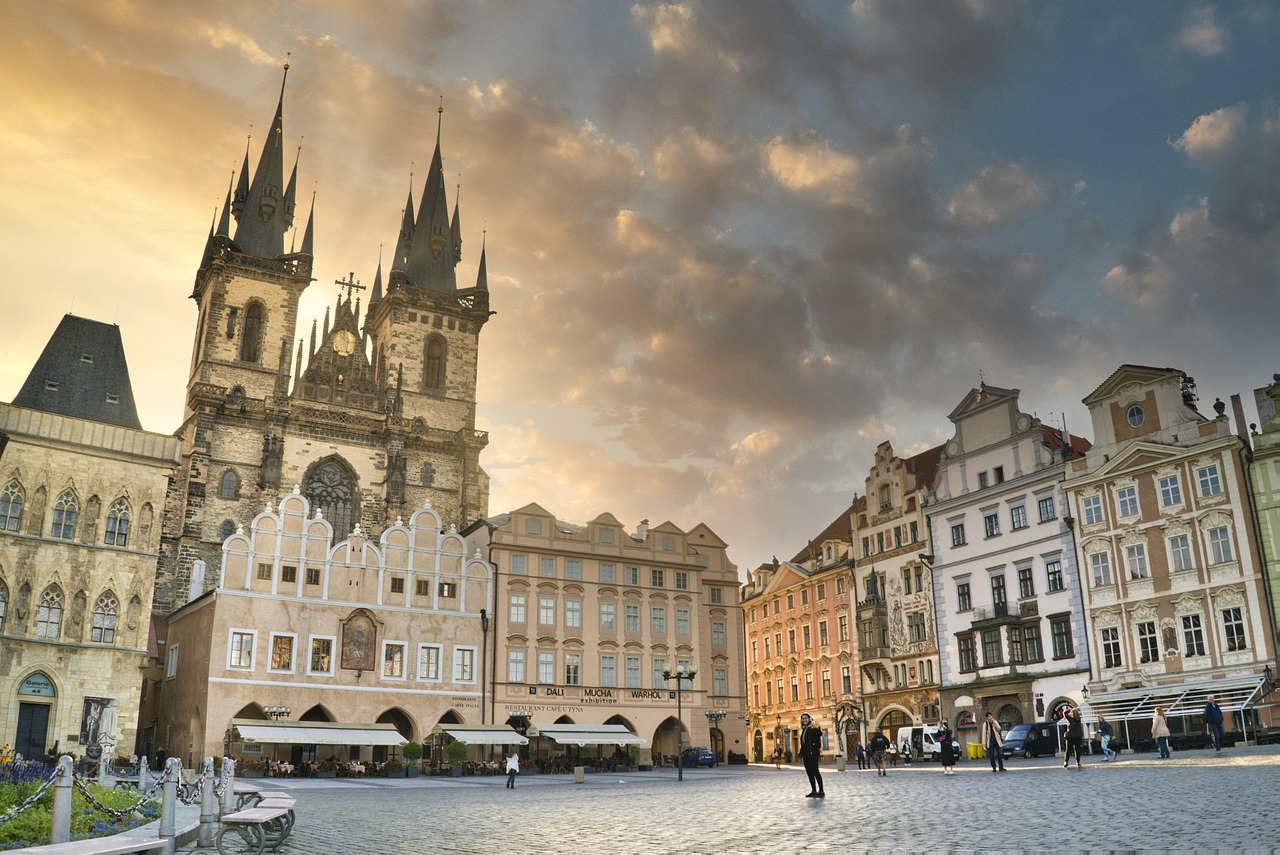
The high point came in the fourteenth century under Charles the Fourth, a Bohemian king who also became Holy Roman Emperor and made Prague his imperial capital. Under his rule Prague blossomed into one of the greatest cities in Europe, adorned with the soaring Gothic cathedral, the famous stone bridge that still bears his name, and the first university in central Europe, founded to make Prague a centre of learning to rival any in Christendom. This was a true golden age, when the Czech lands stood at the very summit of European civilization and Prague was, for a time, the heart of the continent. The memory of this greatness, when Czechs led rather than followed, would sustain national pride through the darker centuries to come.
The Hussite revolution
The Czechs gave Europe one of its earliest and most dramatic religious revolutions, a full century before the Protestant Reformation. In the early fifteenth century a Prague preacher and university rector named Jan Hus began to criticize the corruption and worldliness of the Catholic Church and to call for reform, preaching in the Czech language and challenging the authority of Rome. His ideas spread widely, but the Church condemned him as a heretic, and despite a promise of safe conduct he was burned at the stake in 1415. His death made him a martyr and a national hero, and it lit a fire that could not be put out.
The outrage at Hus’s execution exploded into the Hussite Wars, in which the Czechs, inspired by his teachings and led by brilliant commanders, defeated crusade after crusade sent against them by the Catholic powers of Europe. For a time this small nation held off the combined might of Christendom, a remarkable feat of arms driven by religious conviction and national feeling fused together. The Hussite movement made the Czechs, for a while, the most religiously radical people in Europe and gave them a lasting tradition of dissent, of standing up to overwhelming authority for the sake of conscience and truth. It is no accident that the figure of Jan Hus remains one of the most revered in Czech history, a symbol of the willingness to die rather than betray one’s convictions.
Three centuries under Habsburg rule
The independence and religious freedom of the Czechs came to a catastrophic end in the early seventeenth century. In 1618 a Protestant revolt in Prague, beginning with the famous throwing of imperial officials out of a castle window, helped touch off the devastating Thirty Years’ War. Two years later the Czech Protestant forces were crushed at the Battle of White Mountain, just outside Prague, a defeat that became one of the most fateful moments in the nation’s history. The Catholic Habsburgs imposed their full authority, executed Czech leaders, confiscated the lands of the rebels, and forced the population back to Catholicism or into exile.
The defeat at White Mountain ushered in what Czechs would later call the age of darkness, nearly three centuries during which the Czech lands were ruled from Vienna as a province of the Habsburg Empire. The native nobility was largely destroyed or replaced, German became the dominant language of administration and the educated classes, and the Czech language was pushed down toward the level of peasant speech, in danger of fading away entirely. The proud kingdom that had once led Europe became a subordinate part of someone else’s empire, and the Czech nation seemed at risk of disappearing into the German-speaking world that surrounded and dominated it. That it did not disappear is one of the central facts of Czech history.
The national revival
In the late eighteenth and nineteenth centuries, when the Czech language and nation seemed almost extinguished, a remarkable movement brought them back to life. Scholars, writers, and patriots set out deliberately to revive the Czech language, to standardize and enrich it, to write its history, to collect its folklore, and to reawaken pride in Czech identity. They published dictionaries and grammars, wrote poetry and novels in Czech, founded newspapers and theatres and museums, and slowly rebuilt a Czech high culture that had nearly vanished. This national revival was, in effect, the conscious re-creation of a nation by an act of cultural will.
The effort succeeded beyond what anyone might have expected. The Czech language was restored to dignity and modernity, a vibrant Czech cultural life flourished once more, and a strong sense of national identity took hold among a people who had been on the verge of assimilation. The great National Theatre in Prague, built with money raised from ordinary Czechs and rebuilt after a fire by public subscription, became a symbol of this reborn national pride. The composers of the era, above all Antonin Dvorak and Bedrich Smetana, gave the world music that was unmistakably Czech, drawing on folk traditions to express the soul of the nation, and Smetana’s great cycle celebrating the Vltava river and Czech legend became a kind of musical embodiment of the homeland. By the end of the nineteenth century the Czechs were once again a self-conscious, confident nation, ready to reclaim their independence.
Independence and the first republic
The chance for independence came with the collapse of the Habsburg Empire at the end of the First World War. In 1918 the Czechs joined with their Slovak cousins to create a new country, Czechoslovakia, under the leadership of Tomas Garrigue Masaryk, a philosopher who became the new republic’s first president and one of the most admired statesmen of his age. The new state was, by the standards of central Europe between the wars, a genuine success, a functioning democracy with a strong economy, a free press, and a flourishing cultural life, an island of liberal stability in a region sliding toward dictatorship.
But the first republic carried within it serious tensions. It was home not only to Czechs and Slovaks but to a very large German-speaking minority in the borderlands, the Sudetenland, as well as Hungarians and others, and managing these competing nationalisms proved difficult. The interwar democracy, admirable as it was, sat on uneasy foundations, and it was desperately vulnerable to the ambitions of its powerful neighbors. When Nazi Germany rose to power next door and began to demand the German-speaking borderlands, Czechoslovakia found itself the focus of a crisis that would help bring the world to war, and it would discover, to its cost, how little its democracy and its alliances counted when the great powers chose to sacrifice it.

Betrayal, occupation, and the dark years
The fate of Czechoslovakia in 1938 became a byword for the betrayal of a small nation. At the Munich conference, Britain and France, anxious to avoid war, agreed to let Nazi Germany annex the Sudetenland without even consulting the Czechs, abandoning their democratic ally in the hope of buying peace. The peace did not come. Within months Germany occupied the rest of the Czech lands, extinguishing the republic and turning Bohemia and Moravia into a protectorate under Nazi rule. The Czechs endured a brutal occupation, marked by repression, the destruction of their Jewish community in the Holocaust, and savage reprisals, including the annihilation of the entire village of Lidice in revenge for the assassination of a senior Nazi official.
Liberation in 1945 brought not freedom but a new domination. In the aftermath of the war the large German population of the borderlands was expelled, a mass uprooting carried out with much suffering and violence, ending centuries of German presence in the Czech lands. And within three years the country fell under communist rule, as a Soviet-backed coup in 1948 brought the Communist Party to power and drew Czechoslovakia into the Soviet bloc. The democratic republic that Masaryk had built was gone, replaced by a one-party state under the shadow of Moscow. The Czechs, who had so briefly tasted freedom, now entered four decades behind the Iron Curtain.
The Prague Spring and the Velvet Revolution
The Czech experience under communism produced two of the most famous moments in the history of resistance to Soviet domination. The first was the Prague Spring of 1968, when reform-minded communist leaders attempted to build what they called socialism with a human face, loosening censorship and opening up society in an extraordinary burst of hope and freedom. Moscow would not tolerate it. In August 1968 the armies of the Soviet Union and its allies invaded Czechoslovakia and crushed the reforms, beginning a grim period of so-called normalization that drove the country back into rigid conformity and despair.
The second moment was the triumphant one. Through the long, gray decades that followed, a brave dissident movement kept the flame of conscience alive, among them the playwright Vaclav Havel, who went from prison to the presidential palace in a single remarkable year. In 1989, as communism collapsed across the region, the Czechs and Slovaks brought down their regime in the Velvet Revolution, a peaceful uprising of mass demonstrations and jangling keys that toppled the dictatorship almost without bloodshed. Havel, the imprisoned playwright, became president of a free country. The Velvet Revolution, with its insistence that truth and decency could defeat tyranny without violence, became one of the inspiring stories of the modern age, and a fitting expression of a people whose resistance had always been more about conscience than about force.
The velvet divorce and a new beginning
Freedom brought one more great change. The union of Czechs and Slovaks, brought together in 1918, had always been somewhat uneasy, and after the fall of communism the two peoples decided, peacefully and by agreement, to go their separate ways. At the start of 1993 Czechoslovakia split into two independent countries, the Czech Republic and Slovakia, in a separation so calm and civilized that it became known as the velvet divorce. After three quarters of a century together, the two nations parted as friends, without violence or bitterness, a striking contrast to the bloody breakups happening elsewhere in the region at the same time.
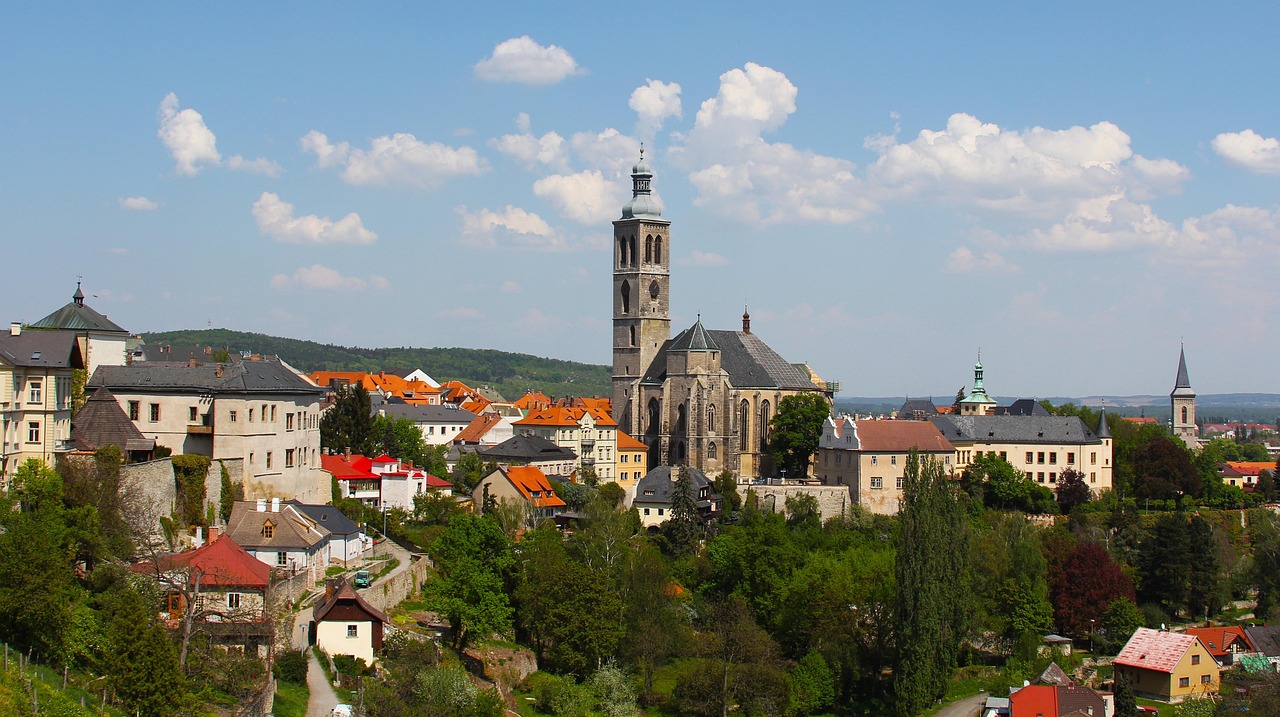
The independent Czech Republic that emerged threw itself into building a democratic, market-based society and rejoining the European mainstream from which decades of communism had cut it off. It joined the European Union and the NATO alliance, transformed its economy, and reclaimed its place as a prosperous, free, central European nation. Prague, no longer a gray communist capital but a jewel of restored beauty, became one of the most visited cities in the world, its spires and bridges and squares drawing travellers from everywhere. The Czechs share their Slavic heritage and their long experience of life under empires and communism with their northern neighbors, whose own story we tell in our piece on the Poles.
A people of letters and ideas
For a small nation, the Czechs have made an extraordinary contribution to world culture, especially in literature and the life of the mind. The most famous of all is Franz Kafka, who lived and wrote in Prague and whose nightmarish, profound visions of individuals trapped in incomprehensible systems gave the world a new word, Kafkaesque, and captured something deep about the modern condition. Kafka wrote in German, a reminder of how intertwined the Czech and German worlds were in old Prague, but he is inseparable from the strange, beautiful, melancholy city that shaped him.
The Czech literary tradition is rich and distinctive, often marked by a particular kind of humor, ironic, absurdist, and quietly subversive, a weapon honed under centuries of foreign rule and decades of dictatorship. The good soldier Svejk, the bumbling, seemingly idiotic hero who undermines authority through sheer passive incompetence, became a national archetype and a model of how the powerless resist the powerful. Later writers like Milan Kundera and Bohumil Hrabal carried Czech literature to the world, exploring memory, exile, and the small comedies and tragedies of life under oppression. This tradition of using wit and irony rather than force to resist authority runs through the whole of Czech culture and is one of its most appealing features.
Beer, castles, and everyday pleasures
The Czechs are, famously, among the greatest beer-drinking people on earth, consistently leading the world in beer consumption per person, and their devotion to the drink is no mere statistic but a central part of the culture. The Czech lands invented the pale lager, the style known as pilsner after the city of Plzen where it was first brewed, which went on to conquer the world and become the model for most of the beer drunk on the planet today. The Czech pub, where friends gather over glasses of superb local beer, is an institution at the heart of social life, a place of conversation, relaxation, and quiet democracy.
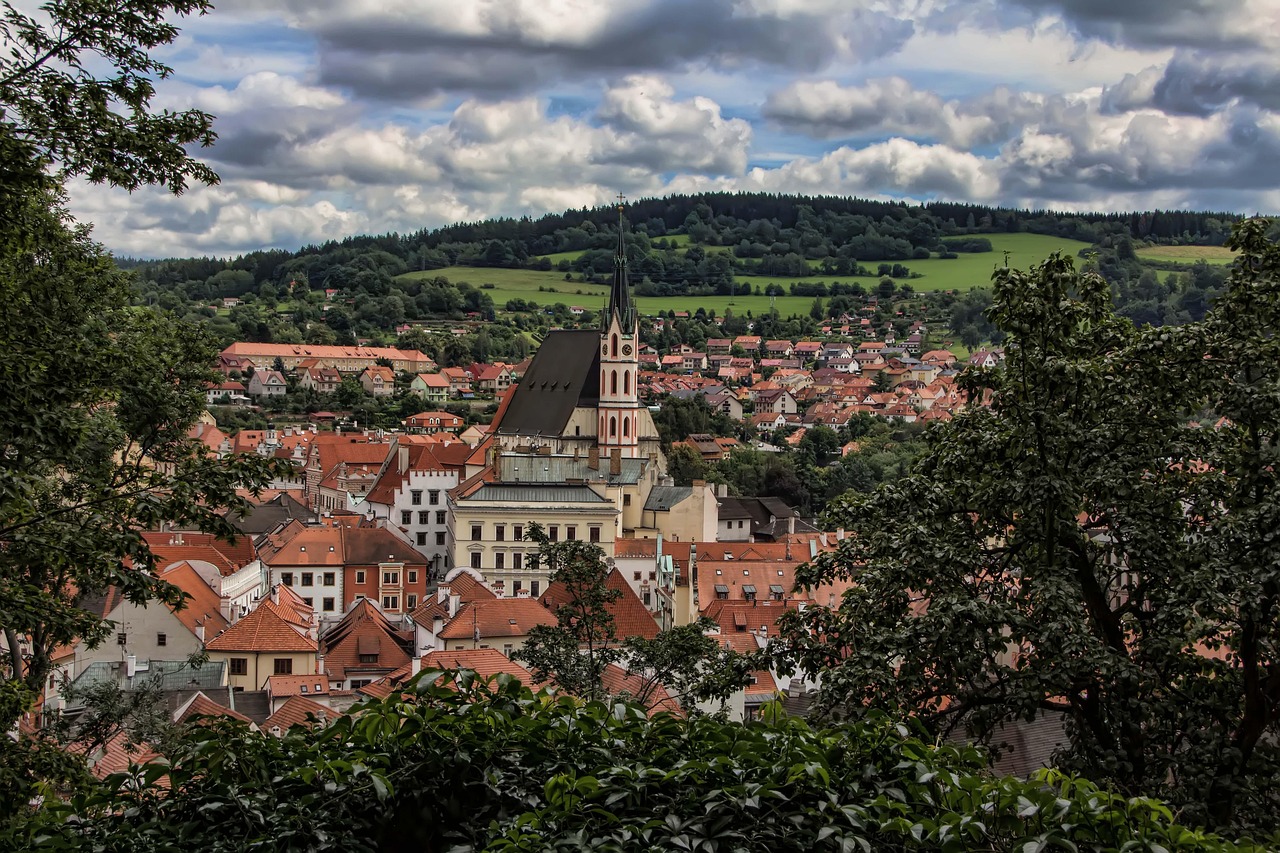
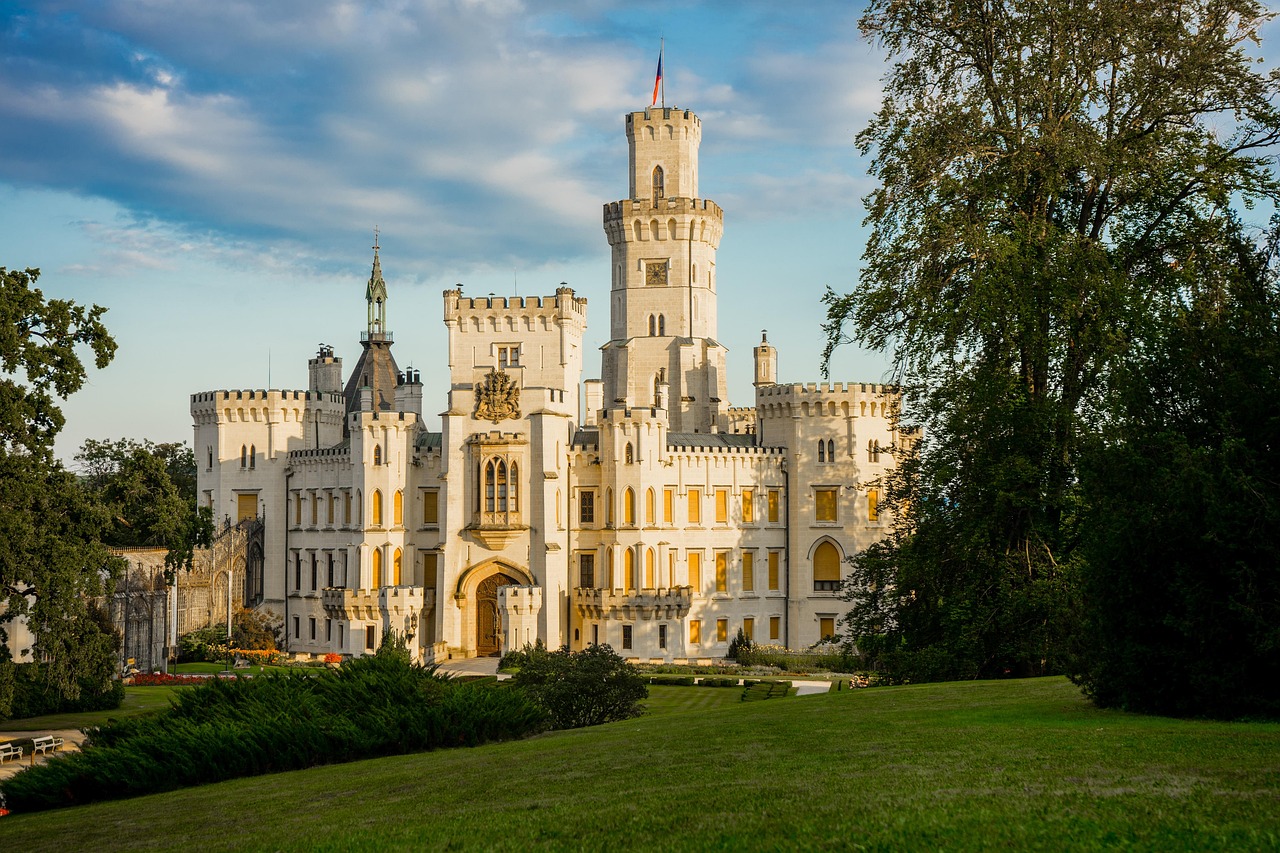
Beyond beer, Czech life is marked by a love of the everyday and the unpretentious. The Czech countryside is dotted with an astonishing number of castles and chateaux, more per square mile than almost anywhere in Europe, the legacy of its long history as a land of nobles and contested borders. Czechs cherish their weekend cottages, their hiking in the forests and hills, their hearty traditional food, their puppet theatres and their music. There is a down-to-earth, somewhat skeptical, pleasure-loving quality to the Czech temperament, a preference for the modest and the genuine over the grand and the showy, that fits a people who have seen too much history to be impressed by pomp.
The Czechs today
The modern Czech Republic, also known simply as Czechia, is a stable, prosperous, democratic country in the heart of Europe, a member of the European Union with a strong industrial economy and a high standard of living. It has successfully made the transition from communism to a free society and market economy, and Prague has become one of the great tourist destinations of the world, its historic centre preserved as few others have been. Czech industry, building on a long tradition of skilled manufacturing, produces everything from cars to glassware, and the country enjoys one of the lowest unemployment rates in Europe.
Like its neighbors, the Czech Republic faces the questions of the age, debates over immigration and European integration, the rise of populist politics, and the challenge of building public trust after the cynicism bred by decades of dictatorship. The Czechs tend toward a certain skepticism about grand projects and political idealism, a caution earned the hard way. But they have built a successful and free country, reclaimed their rightful place in Europe, and preserved through everything the language, culture, and identity that so nearly disappeared in the age of darkness. After centuries of being ruled by others, the Czechs are, at last, masters of their own house.
What the Czech story tells us
The story of the Czechs is a story about cultural survival and the power of conscience. Here is a nation that was conquered, that saw its independence crushed and its language pushed to the edge of extinction, that was betrayed by its allies, occupied by the Nazis, and dominated by the Soviets, and that nonetheless refused to disappear. The Czechs survived not by military might, of which they had little, but by clinging to their language, their culture, and their sense of who they were, and by a long tradition of resisting overwhelming power through wit, art, and moral courage rather than through force.
From Jan Hus going to the stake for his convictions, to the writers who kept truth alive under dictatorship, to the crowds who jangled their keys in the streets of Prague until communism fell, the Czechs have shown again and again that a small people can defend its soul against the largest of powers. They gave Europe a reformer before the Reformation, a republic of decency between two world wars, and one of the most beautiful peaceful revolutions in history. To walk across the Charles Bridge at dawn, with the spires of Prague rising through the mist, is to feel the presence of a people who, against every pressure that history could bring to bear, remained stubbornly, gloriously themselves.
You May Like
The Zaza, a Mountain People of Eastern Anatolia