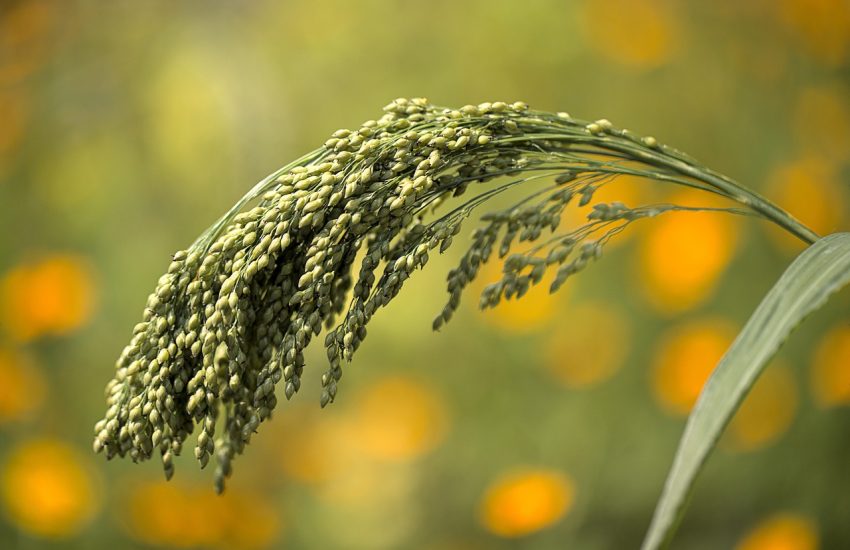
In the far southwestern corner of India, pressed between the Arabian Sea and the wall of the Western Ghats, lies a sliver of green so distinct from the rest of the country that it feels almost like another world. This is Kerala, the land of the Malayali people, a narrow ribbon of coconut palms, backwater lagoons, spice gardens, and rain-soaked hills where some thirty-five million people speak the Malayalam language and share one of the most remarkable cultures in South Asia. The Malayalis have built a society that defies many of the expectations the world holds about India, a place of near-universal literacy, long life expectancy, fierce political engagement, and a tradition of religious coexistence that runs back two thousand years.
The Malayalis are a people shaped above all by the sea and the monsoon. For millennia their coast was the western gateway of India, the destination of merchants who came in search of the black pepper that grew nowhere else, drawing Romans, Arabs, Jews, Chinese, and eventually Europeans to its harbours. That long openness to the wider world made Kerala one of the most cosmopolitan corners of the ancient and medieval world, and it left behind a society of extraordinary diversity, where Hindu temples, ancient churches, old mosques, and a once-thriving Jewish community stood side by side. This is the story of who the Malayalis are, where their language comes from, and how this small green land produced a culture out of all proportion to its size.
In This Article
- A land between the mountains and the sea
- Malayalam, the youngest of the great Dravidian tongues
- The spice coast and the gateway of India
- When Europe came for the pepper
- A society turned upside down by reform
- The matrilineal inheritance
- The Kerala model and the red flag
- The making of a single Malayali state
- The Gulf, the great migration
- Masks, drums, and the theatre of the gods
- The flavours of the coast
- The shadows behind the model
- A small land with a large soul
A land between the mountains and the sea
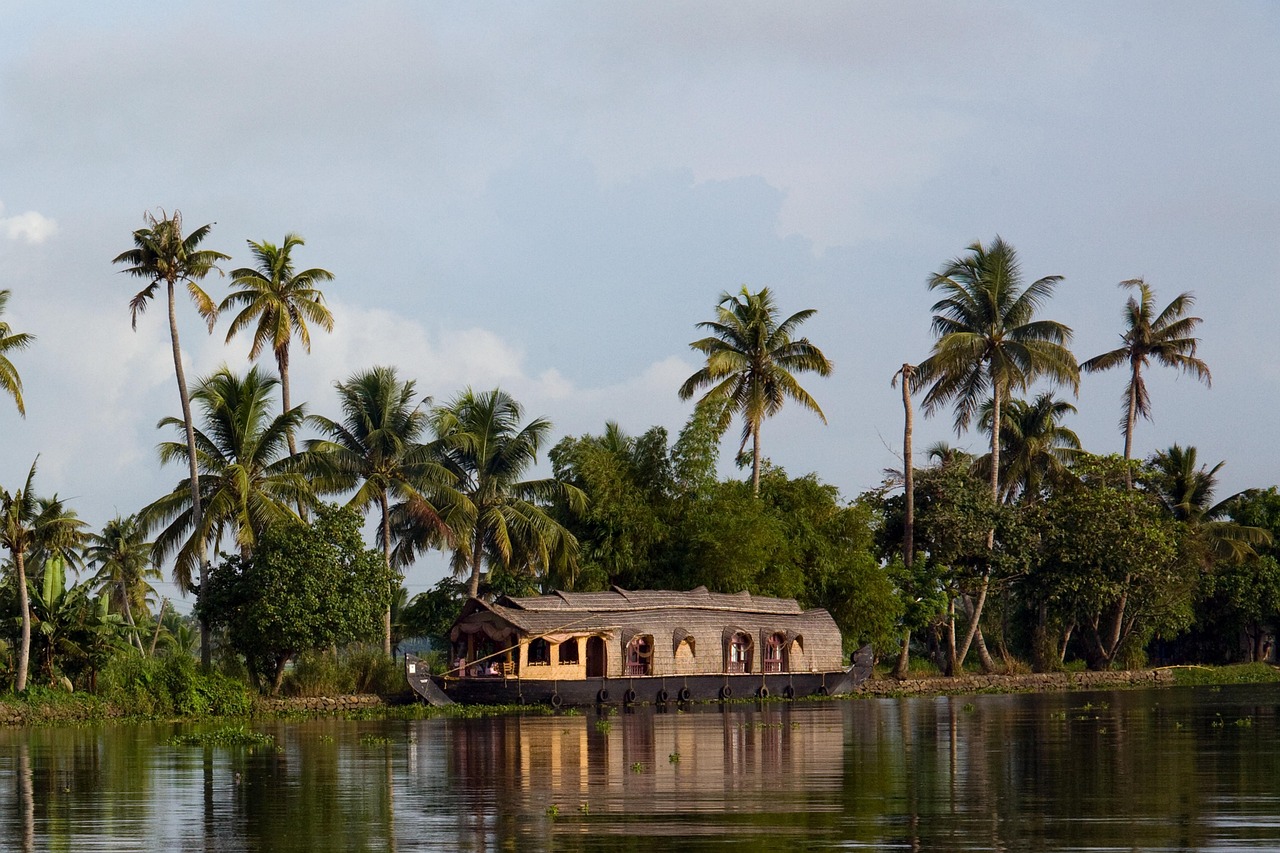
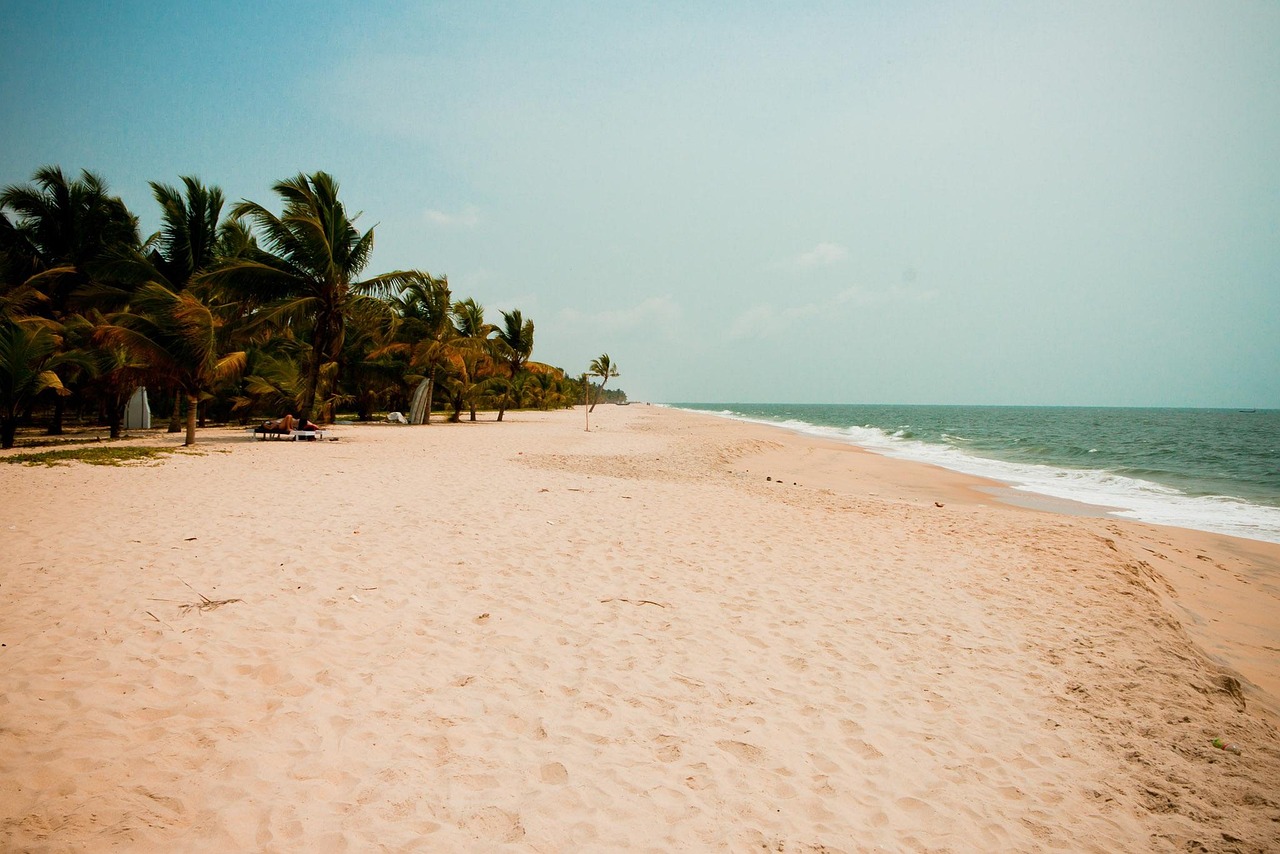
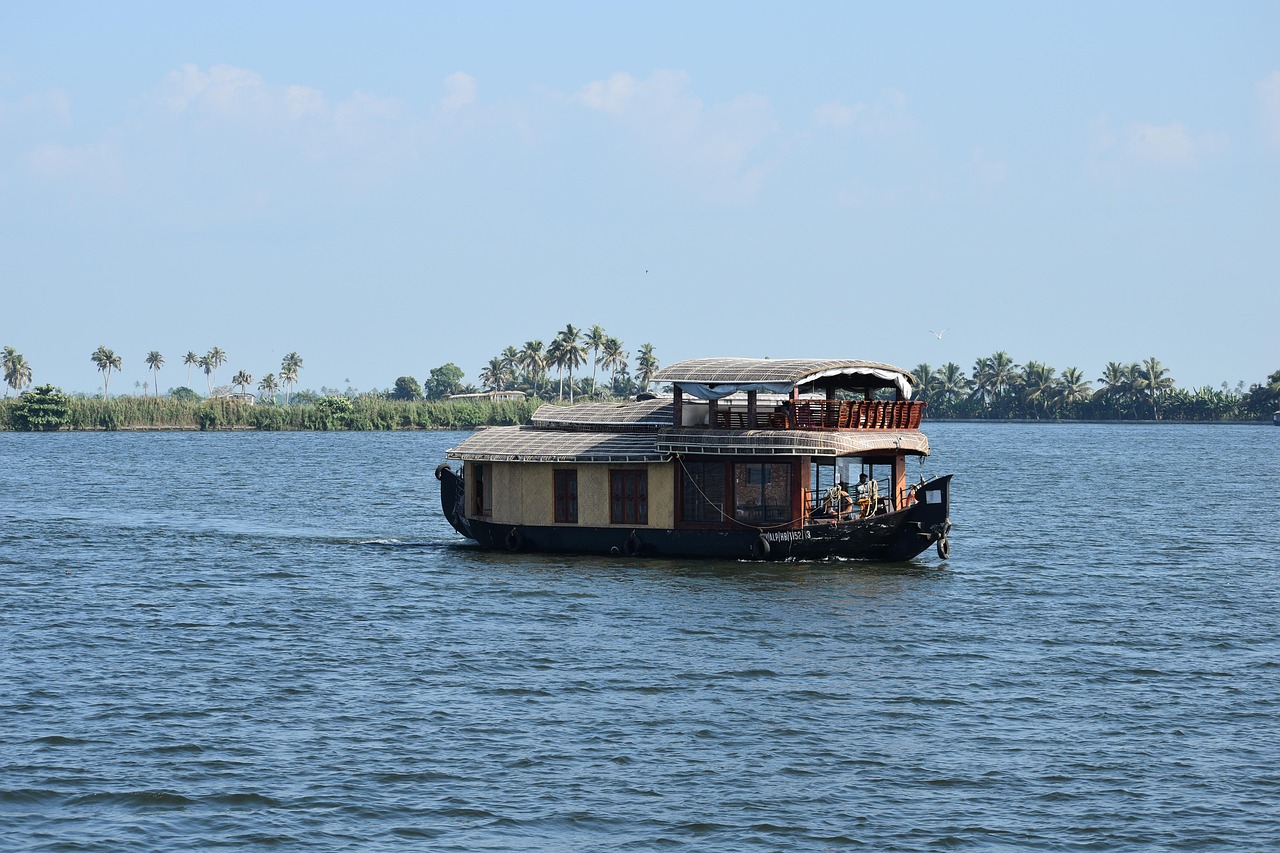
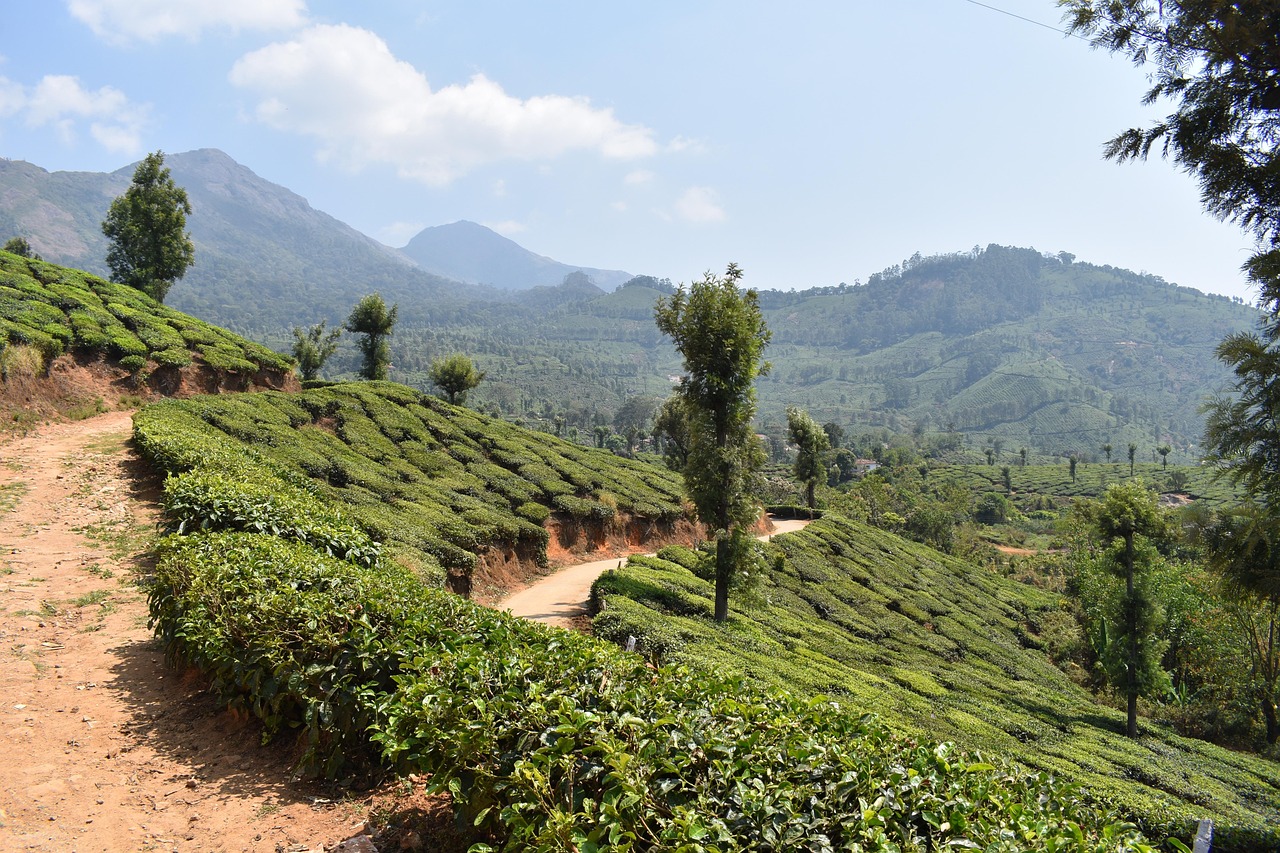
Kerala is defined by its geography with unusual sharpness. It is long and thin, running for some five hundred kilometres along the coast but rarely more than a hundred wide, and it is divided into three parallel bands. Along the sea runs the lowland coast, a densely populated strip of fishing villages, paddy fields, and the famous backwaters, a labyrinth of brackish lagoons, lakes, and canals fed by dozens of rivers running down from the hills. In the middle lies a belt of rolling midland country, intensely cultivated with coconut, rubber, banana, and spice. And to the east rises the great green rampart of the Western Ghats, whose forests and high valleys grow tea, cardamom, and pepper, and whose monsoon rains give Kerala some of the heaviest rainfall in India.
This wet, fertile, enclosed geography shaped everything about Malayali life. The mountains long sheltered Kerala from the political upheavals of the north, allowing it to develop its own distinctive social order, while the sea connected it to the entire Indian Ocean world. Water is everywhere in the Malayali imagination, in the backwaters where life is lived along the canals, in the snake-boat races of the harvest season, and in the relentless drama of the two monsoons that sweep across the land each year. The very name Kerala is often linked to the coconut palm that defines its landscape, kera, the tree that provides food, oil, fibre, timber, and shade to a people who have lived among it for as long as anyone can remember.
Malayalam, the youngest of the great Dravidian tongues
The language of the Malayalis is Malayalam, a member of the Dravidian family that is the great independent language family of South India, wholly distinct in its deep ancestry from the Indo-Aryan languages of the north such as Hindi. Within the Dravidian family Malayalam sits in the South-Dravidian branch, and it is by far the closest relative of Tamil, so close that the two were a single language until comparatively recently. Most linguists hold that Malayalam separated from old Tamil over the course of the early medieval centuries, gradually diverging in pronunciation and grammar and absorbing a far heavier layer of Sanskrit vocabulary than Tamil ever did, until by around the twelfth to fifteenth centuries it had become a distinct literary language in its own right.
This makes Malayalam in a sense the youngest of the major Dravidian literary languages, a sibling of Tamil and a cousin of Kannada and Telugu, yet it has developed a personality entirely its own. It is famous among Indian languages for the density of its consonant clusters and the speed and complexity of its spoken form, and it has the curious distinction of being a near-palindrome in its own name. The Malayalam script, a flowing, highly rounded alphabet with one of the largest character sets of any Indian writing system, descends like its neighbours from the ancient Brahmi tradition. The blend of a Dravidian grammatical core with a vast Sanskrit vocabulary gave rise to a hybrid literary style and to a rich tradition of poetry, and modern Malayalam literature is widely regarded as one of the most sophisticated and socially engaged in all of India.
The spice coast and the gateway of India
For the ancient world, Kerala meant one thing above all others, pepper, the black gold that grew on vines in its hills and that the Roman empire craved so intensely that ancient writers complained of the drain of gold flowing east to pay for it. Greek and Roman ships rode the monsoon winds across the Arabian Sea to the pepper ports of the Malabar coast, and archaeologists have found hoards of Roman coins in Kerala soil. Arab traders made the Malabar coast a central node of the Indian Ocean trade, settling, marrying locally, and giving rise to the Mappila Muslim community that remains a major part of Kerala society.
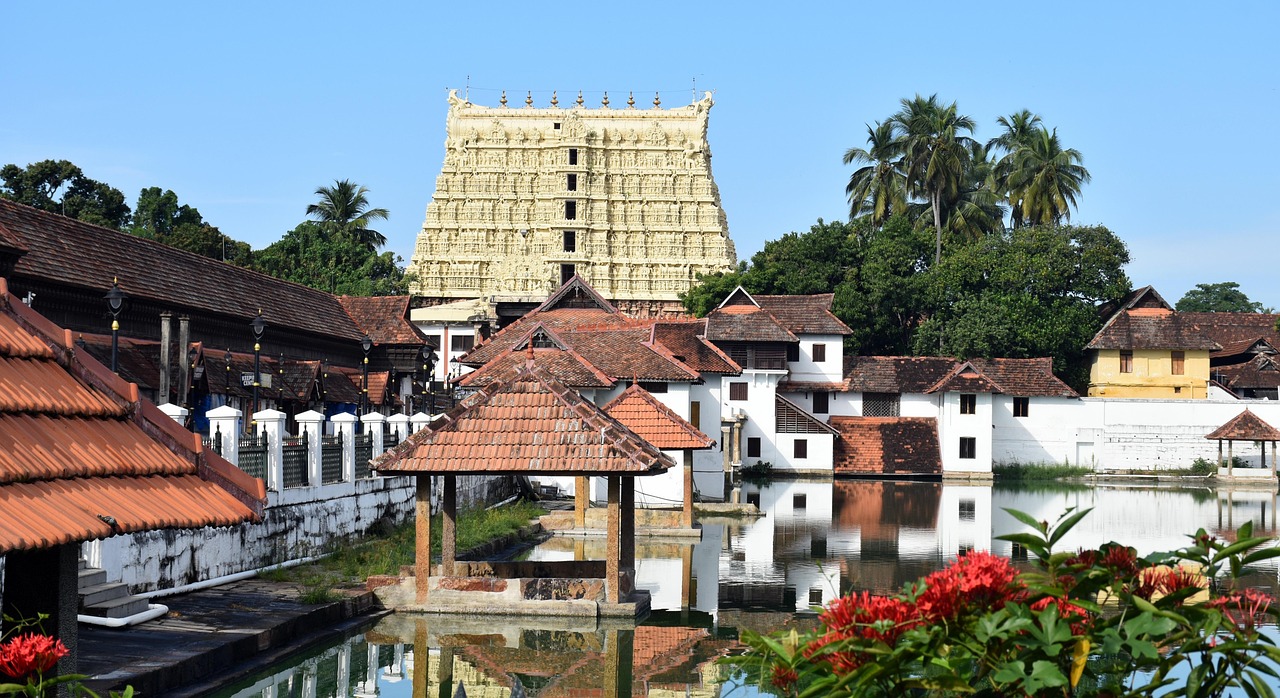
This trade made Kerala one of the most religiously diverse places on earth, and remarkably early. According to deeply held local tradition, the apostle Thomas himself brought Christianity to the Malabar coast in the first century, and the Saint Thomas Christians of Kerala form one of the oldest continuous Christian communities anywhere in the world, long predating European colonialism. Jewish traders settled in Kochi in antiquity, building synagogues and living for centuries as the Cochin Jews. Islam arrived through peaceful trade rather than conquest, earlier here than almost anywhere else in India. The result was a society long accustomed to living with difference, a quality that still marks Malayali culture and that produced the striking visual landscape of temples, ancient churches, and mosques sharing the same villages.
When Europe came for the pepper
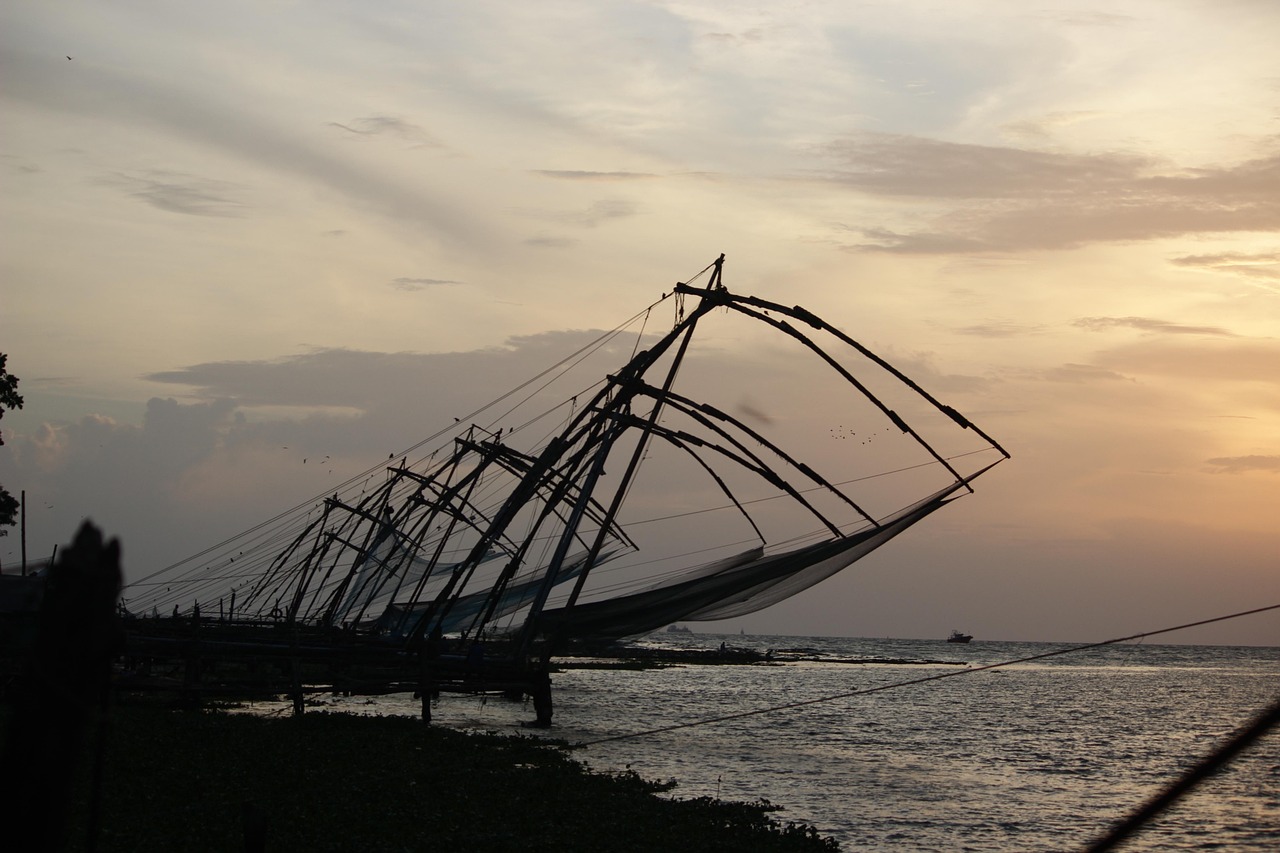
It was the lure of Kerala’s spices that brought the first European empire to India by sea, when the Portuguese explorer Vasco da Gama landed near Kozhikode in 1498, opening the era of European maritime dominance in the East. The Portuguese sought to seize control of the pepper trade by force, building forts and clashing with the local rulers, above all the Zamorin of Kozhikode, whose admirals fought back fiercely. The Portuguese were followed by the Dutch and then the British, and the old Chinese fishing nets that still line the shore at Fort Kochi, along with the colonial-era warehouses and churches, are reminders of how many flags flew over this coast.
The coming of the Europeans was often violent and disruptive, breaking the older, more open trading order and subordinating Kerala’s economy to imperial interests, yet Kerala was never a blank slate for outsiders to write on. Its powerful kingdoms, its entrenched social structures, and its sheer commercial sophistication meant that it engaged with the wider world on terms it partly set itself. By the colonial era the region was divided mainly between the princely states of Travancore and Cochin in the south and centre, and the British-ruled Malabar district in the north, a division whose legacy would shape the modern state.
A society turned upside down by reform
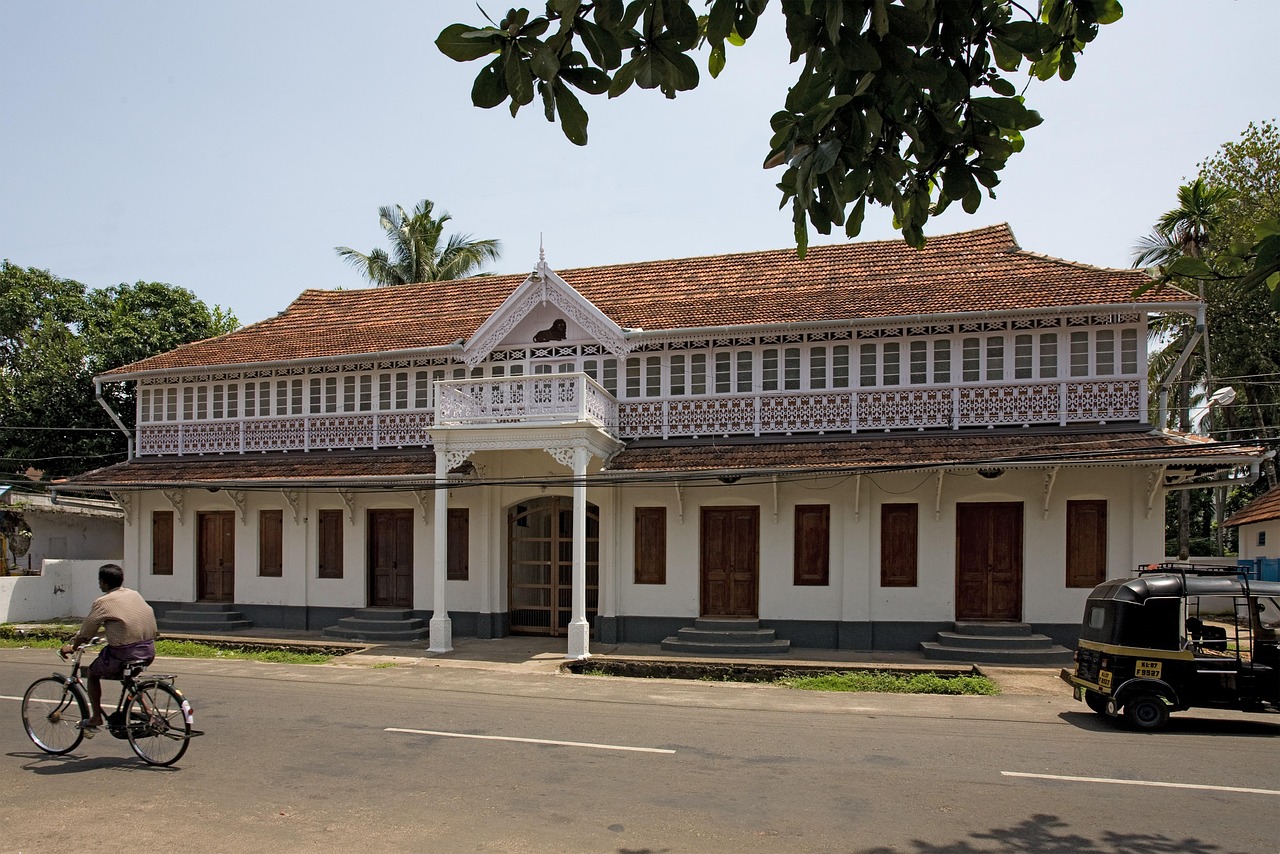
To understand the modern Malayalis one has to grasp how rigidly hierarchical their society once was, and how dramatically it was transformed. Traditional Kerala had one of the most elaborate and oppressive caste systems in all of India, with rules of untouchability and even unapproachability so extreme that lower-caste people were forbidden to come within a certain distance of the upper castes, and were denied the right to walk on public roads, attend schools, or worship in temples. The reformer Swami Vivekananda, visiting in the late nineteenth century, was so appalled that he famously described Kerala as a lunatic asylum of caste.
Yet Kerala also produced an extraordinary wave of social reformers who attacked this system head on. Figures such as the saint and philosopher Sree Narayana Guru, who came from a community then treated as low caste, preached a powerful message of one caste, one religion, one God for all humankind, founded temples open to everyone, and inspired a mass movement for human dignity and education. Alongside campaigns like the great temple-entry agitations, these movements broke the back of the old order over the first half of the twentieth century. The intensity of that struggle helps explain why social equality, education, and political mobilisation came to matter so deeply to ordinary Malayalis.
The matrilineal inheritance
One of the most fascinating features of old Kerala society was matriliny. Among several important communities, most famously the Nair caste, descent, inheritance, and family identity passed through the female line rather than the male. Property belonged to the joint family household traced through mothers and sisters, children belonged to their mother’s family, and the maternal uncle, rather than the father, often held authority over a household’s affairs. This system, known as marumakkathayam, gave women in these communities a degree of security and standing in property and family life that was highly unusual in the wider Indian and indeed global context of the time.
The matrilineal system was largely dismantled by legislation over the twentieth century, as reformers and colonial law pushed Kerala toward the nuclear, father-centred family that prevails today. But its long shadow is often credited with contributing to the relatively strong position of women in Kerala society, visible in the state’s high female literacy and its balanced sex ratio, one of the few in India where women are not significantly outnumbered by men. The memory of a society organised around the maternal line remains one of the things that makes Malayali culture distinctive.
The Kerala model and the red flag
The most internationally famous thing about the Malayalis is what development economists call the Kerala model. By almost every measure of human welfare, Kerala stands far above the rest of India and rivals or exceeds many far wealthier countries: near-universal literacy, life expectancy comparable to the developed world, very low infant mortality, and excellent public health and education, all achieved on a relatively modest income. Scholars have studied Kerala for decades as evidence that human development can be advanced through public action, social reform, and investment in people rather than waiting on economic growth alone.
This achievement is bound up with Kerala’s remarkable political history. In 1957 the people of the newly formed state of Kerala did something that drew worldwide attention: they elected a communist government through the ballot box, one of the first times anywhere in the world that communists came to power by free election. Land reform that broke up the old estates, strong trade unions, investment in schooling and clinics, and a fiercely literate and politically engaged public combined to produce the welfare outcomes Kerala is known for. Politics here is intense, organised, and almost universal, with newspapers, reading rooms, and political debate woven into daily village life. The trade-off has long been a sluggish private economy and high unemployment, which drove millions of Malayalis to seek work abroad, a pattern we will return to.
The making of a single Malayali state
Like the other great linguistic peoples of South India, the Malayalis were politically divided until the middle of the twentieth century, spread across the princely states of Travancore and Cochin and the British Malabar district, which was administratively part of the Madras Presidency. The dream of uniting all Malayalam speakers in a single state, sometimes called Aikya Keralam or united Kerala, grew through the early twentieth century alongside the social reform movements. When India reorganised its internal boundaries along linguistic lines, the state of Kerala was created in 1956, bringing together Travancore, Cochin, and Malabar into one home for the Malayalam-speaking people.
The new state inherited the contrasts of its parts, the temple-centred culture of old Travancore, the trading cosmopolitanism of Cochin, and the strong Muslim Mappila presence of the Malabar north, and it has had to balance these communities ever since. Kerala’s politics settled into a remarkably stable rhythm of alternation between two broad coalitions, one led by the communists and one by the Congress, with power changing hands at almost every election, a sign of just how engaged and demanding the Malayali electorate is.
The Gulf, the great migration
No single phenomenon has reshaped modern Malayali life more than migration to the Persian Gulf. When the oil boom transformed the Arab states from the 1970s onward, millions of Malayalis, drawn by Kerala’s high education and chronic local unemployment, went to work in the construction sites, hospitals, shops, and offices of the Gulf. At the peak, a very large share of Kerala households had at least one member working abroad, and the money they sent home, the remittances, became the single largest pillar of the state’s economy, dwarfing many of its domestic industries.
This Gulf connection transformed Kerala physically and socially. Remittance money built the large concrete houses that now dot the countryside, funded weddings and education, and lifted countless families into the middle class, while also creating new inequalities and the peculiar sorrow of families separated for years on end. The figure of the Gulf Malayali, returning each year with gifts and stories, became a fixture of Kerala life and cinema. In recent years, as Gulf economies have shifted, many migrants have returned home, posing fresh challenges for a state long dependent on the wages earned across the sea. The Malayali diaspora, however, extends far beyond the Gulf, with Malayali nurses, doctors, and professionals working across Europe, North America, and the world.

Masks, drums, and the theatre of the gods
Kerala possesses one of the richest performing-arts traditions in India, much of it tied to temple ritual and the rhythms of the agricultural year. The most famous is Kathakali, a spectacular form of dance-drama in which performers in towering headdresses and elaborate painted faces, their make-up built up over hours, enact stories from the epics through a precise vocabulary of hand gestures and astonishing facial expressions, accompanied by drumming and song through the night. Equally striking is Theyyam, a ritual performance of the Malabar north in which costumed dancers, sometimes in towering fiery headgear, become possessed by deities and are worshipped as living gods by the watching villagers.
Alongside these stand the graceful solo dance Mohiniyattam, the ancient Sanskrit theatre Kutiyattam, recognised by UNESCO as a masterpiece of the world’s intangible heritage, and the thunderous temple percussion ensembles whose massed drums can move audiences of thousands. Kerala is also home to one of the most respected film industries in India, the Malayalam cinema, which is celebrated across the country for its realism, its literary sensibility, and its willingness to tackle serious social themes, and which has produced many of Indian cinema’s finest actors and directors. And running beneath all of it is the ancient healing tradition of Ayurveda, for which Kerala has become world famous, drawing visitors to its monsoon-season therapies.
The flavours of the coast
Malayali cuisine is among the most distinctive in India, built on the trinity of rice, coconut, and spice, and shaped by the sea and the many communities that share the land. Coconut appears in almost everything, grated, ground into thick milk, or pressed into oil that gives Kerala cooking its characteristic aroma. The coast yields an abundance of fish and seafood, cooked in fiery red curries soured with the smoky dried fruit called kudampuli, while the spice hills provide the black pepper, cardamom, cloves, and cinnamon that once drew the world to these shores.
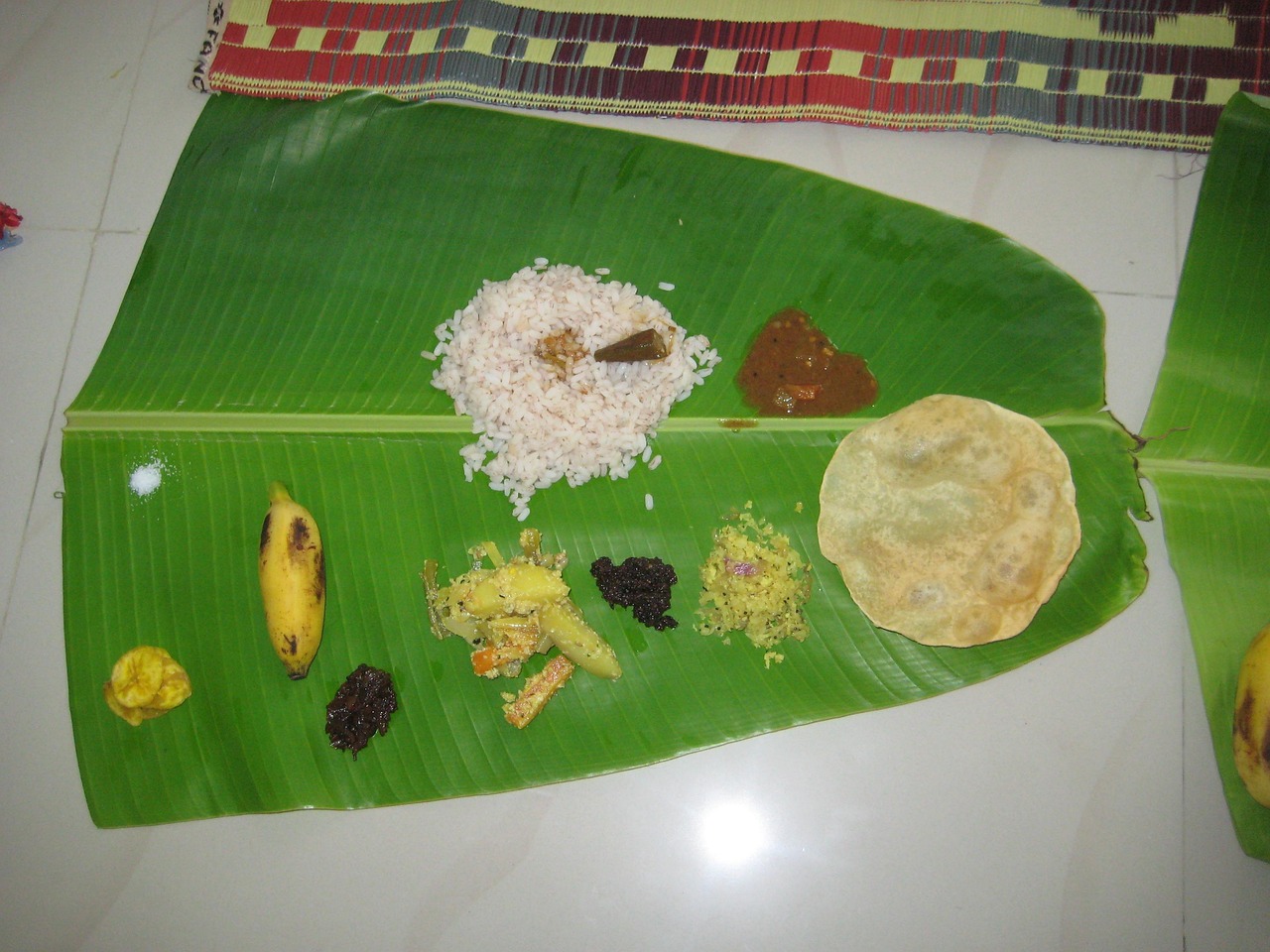
The grandest expression of Malayali food is the sadya, a vegetarian feast of many dishes served on a banana leaf and eaten with the hands, central to festivals and above all to Onam, the great harvest festival that all Malayalis celebrate regardless of religion. Each community has added its own layer to the cuisine: the Mappila Muslims of Malabar contributed rich biriyanis and elaborate snacks shaped by Arab trade, the Saint Thomas Christians their distinctive meat and duck dishes, and the Hindu communities their refined vegetarian temple cooking. To eat across Kerala is to taste the whole layered history of the coast on a single leaf.
The shadows behind the model
For all its genuine achievements, Kerala is not the paradise that glossy tourism campaigns suggest, and Malayalis themselves are among the sharpest critics of their own society. The same intense politicisation that built the welfare state has at times produced rigid trade unionism, political violence, and a difficult environment for private enterprise, and the state has long struggled to create enough good jobs for its highly educated young people, a paradox that pushed so many of them abroad in the first place. High social development has been accompanied by some of the highest rates of certain social ills in India, and the heavy dependence on remittances has left the economy vulnerable to events far away in the Gulf.
The natural environment that makes Kerala so beautiful also makes it fragile, as the catastrophic floods of recent years, the worst in a century, brutally demonstrated, raising hard questions about unchecked construction, quarrying in the Ghats, and the changing climate. Communal harmony, long a point of pride, has come under new strains in a more polarised national climate. Malayalis debate all of this fiercely in their famously free and combative press, which is exactly what one would expect from a people who have made literacy, argument, and political engagement central to who they are.
A small land with a large soul
The Malayalis occupy a tiny fraction of India’s territory, yet they have produced a society and culture of remarkable depth and influence. They speak a Dravidian language refined into one of the great literary traditions of the subcontinent, they built one of the oldest cosmopolitan trading civilisations in the world, and they pioneered a model of human development that scholars still study for lessons about how to lift the lives of ordinary people. They have given India and the world brilliant writers, film-makers, scientists, nurses, and entrepreneurs, and their diaspora carries the rhythms of Onam and the taste of the sadya to every continent.
To know the Malayalis is to understand that bigness is not the same as greatness. In their narrow green strip between the mountains and the sea, they fashioned a culture of openness, learning, and fierce equality out of a long history of trade, faith, and reform. They face real and difficult challenges, from economic stagnation to environmental fragility, and they meet them with the same restless, argumentative energy that built the Kerala that the world admires. Small in territory but vast in spirit, the Malayalis remain one of the most distinctive and accomplished peoples of India.