The Tamils may be the oldest living people of the Indian subcontinent, the bearers of a classical civilization that was already ancient when much of the world was young. While empires rose and fell across northern India, the Tamils of the deep south preserved a language and a literary tradition stretching back more than two thousand years in an unbroken line, one of only a handful of classical languages on earth still spoken by ordinary people today. They built soaring temples, sailed the seas as traders, carried their culture across Asia, and held onto their distinct identity with a fierce and famous pride. This is the story of a people for whom language is almost a religion and whose roots run as deep as any on the planet.
In This Article
- An Ancient Dravidian People
- The Roots of the Tamil Tongue
- The Glory of the Tamil Kingdoms
- Temples That Touch the Sky
- Devotion, Dance, and Music
- A Land of Rivers and Rice
- The Flavors of the Tamil Kitchen
- The Tamils of Sri Lanka
- Language as Identity and Cause
- A People Across the Seas
- Cinema and the Modern Tamil Imagination
- The Tamil Calendar of Festivals
- The Oldest Pride of the South

An Ancient Dravidian People
The Tamils are the largest of the Dravidian peoples, the population that inhabited southern India long before the arrival of the Indo Aryan speakers who came to dominate the north. Their homeland is Tamil Nadu, the land of the Tamils, in the southeastern corner of India, along with a large and ancient community in the north and east of the island of Sri Lanka and a global diaspora that stretches from Malaysia and Singapore to South Africa and the West. In total they number perhaps eighty million people or more.
Unlike the peoples of northern India, whose languages, like Bengali, descend from Sanskrit, the Tamils speak a language from an entirely separate and indigenous family. This deep difference, of language, of script, of culture, gives the Tamils a powerful sense of being a distinct and original people of the south, heirs to a civilization that developed on its own terms. Their history is not a branch of the northern Indian story but a parallel and equally ancient one.

The Roots of the Tamil Tongue
The Tamil language stands at the very heart of Tamil identity, and it is one of the most remarkable languages in the world. It belongs to the Dravidian language family, a group of languages native to southern India and quite unrelated to the Indo European languages of the north such as Hindi or to Sanskrit. Its sister languages include Telugu, Kannada, and Malayalam, the other major tongues of South India. The Dravidian family is one of the primary, independent language families of the world, with no proven connection to any family outside the region.
What makes Tamil extraordinary is its antiquity and continuity. It possesses a literature going back more than two thousand years, the ancient Sangam poetry, and it has been recognized as a classical language of the world. Crucially, unlike Latin or classical Greek, Tamil never became a dead language confined to scholars, it has been spoken continuously by ordinary people from those ancient times down to the present day, evolving yet unbroken. For Tamils, this living link to so deep a past is a source of immense and justified pride.
The Glory of the Tamil Kingdoms
The ancient Tamil land was ruled by a series of great dynasties whose names echo through history, the Cheras, the Cholas, and the Pandyas. Of these, the Cholas rose to become one of the most powerful empires in all of Indian history. At their height around a thousand years ago, the Cholas commanded a navy that dominated the Indian Ocean, conquered territory as far away as Southeast Asia, and controlled the lucrative trade routes that linked India to China and the lands beyond.
The Cholas were not only conquerors but extraordinary builders and patrons of art. They raised monumental temples of breathtaking scale and beauty, and they perfected the art of bronze casting, producing sculptures of Hindu deities, above all the dancing form of the god Shiva, that are counted among the supreme achievements of world art. The wealth, sophistication, and reach of the Chola empire mark a golden age that Tamils remember with deep pride to this day.
Temples That Touch the Sky
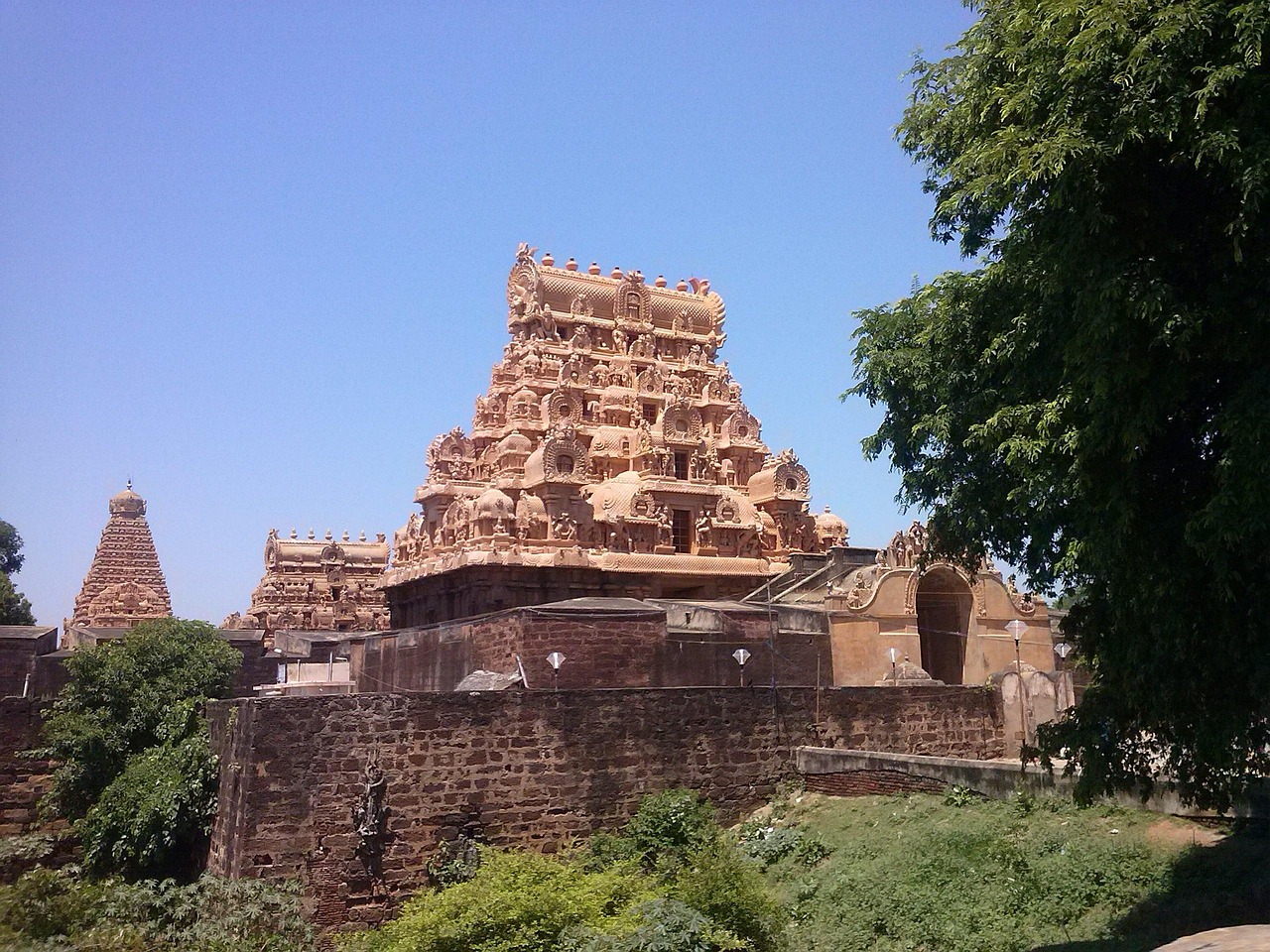
Nothing expresses the Tamil spirit more powerfully than its temples. Across Tamil Nadu rise enormous temple complexes crowned with the gopuram, the towering gateway pyramid covered from base to summit in a riot of brightly painted carved figures, gods, demons, animals, and heavenly beings packed together in dizzying profusion. These are not merely places of worship but vast centers of art, music, dance, learning, and community life, some of them effectively small cities in their own right.
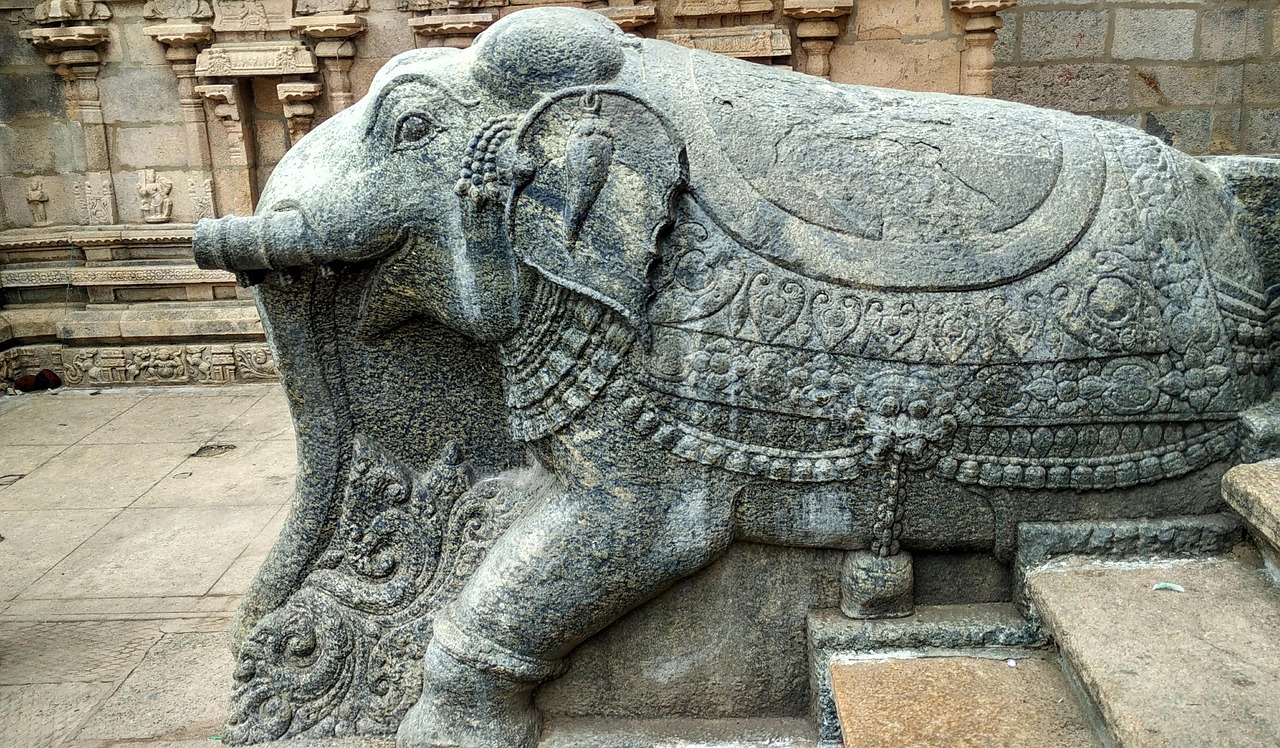
The great temple of Madurai, dedicated to the goddess Meenakshi, with its soaring multicolored towers, and the majestic Brihadeeswarar temple of Thanjavur, built by the Cholas a thousand years ago from enormous blocks of granite, are among the wonders of the architectural world. For the Tamils, these temples are the living anchors of their culture, where ancient rituals continue unbroken and where the connection to a deep past is renewed every single day.

Devotion, Dance, and Music
Tamil culture gave India some of its richest traditions of devotion and the arts. Many centuries ago, Tamil poet saints composed passionate hymns of love and longing for the divine, helping to spark a wave of heartfelt devotional religion that would spread across the whole of India. This bhakti tradition, with its emphasis on personal love of God over cold ritual, transformed Indian spiritual life, and its earliest and some of its most beautiful expressions were in the Tamil language.
The Tamil land is also the home of Bharatanatyam, one of the oldest and most refined classical dance forms in the world, a precise and expressive art that grew up in the temples and tells stories of the gods through intricate movements of the body, hands, and eyes. Alongside it flourishes the classical Carnatic music of the south, a sophisticated tradition of melody and rhythm. Together, dance, music, and devotional poetry form a cultural inheritance of astonishing depth.

A Land of Rivers and Rice
Beyond the temples and the cities, the heart of the Tamil country is its fertile farmland, watered above all by the great Kaveri river, whose delta has been called the rice bowl of the south. For thousands of years Tamil farmers have cultivated rice in the flooded paddies, and the agricultural cycle, with its festivals of planting and harvest, has shaped the rhythm of village life. The most important Tamil festival, Pongal, is a harvest celebration that gives thanks for the rice, the sun, and the cattle that make life possible.

The landscape ranges from the hot coastal plains and river deltas to the cool green hills of the Western Ghats and the Nilgiri mountains, where tea grows on misty slopes. This was always a land that looked outward to the sea as much as inward to the land, and the long Tamil coast nurtured a great tradition of seafaring, fishing, and maritime trade that carried Tamil merchants and culture across the ocean to distant shores.

The Flavors of the Tamil Kitchen
Tamil cuisine is one of the glories of Indian food, largely vegetarian in its classical form and built on rice, lentils, and a brilliant use of spices, tamarind, and coconut. The famous dishes of South Indian restaurants the world over are largely Tamil and their neighbors’ creations, the crisp fermented crepe called dosa, the steamed rice cakes called idli, the lentil doughnut vada, all served with coconut chutney and the tangy lentil and vegetable stew called sambar. These light, savory, and subtle dishes are eaten across the world today.

The grandest expression of Tamil dining is the meal served on a fresh banana leaf, a great spread of rice surrounded by many small portions of vegetables, sambar, rasam, yogurt, pickles, and sweets, eaten with the hand in a precise order. Strong filter coffee, brewed and poured between two metal vessels to cool and froth it, is a Tamil institution. The food, like so much of the culture, balances simplicity with a deep sophistication built up over many centuries.
The Tamils of Sri Lanka
The Tamil story does not end at the borders of India. Across the narrow strait lies the island of Sri Lanka, home to a large Tamil population whose presence there reaches back many centuries. Concentrated in the north and east of the island, the Sri Lankan Tamils developed their own distinct culture and dialect while sharing the language and heritage of their kin in India. For most of history they lived alongside the island’s Sinhalese majority, but the twentieth century brought bitter conflict.
After independence, discrimination against the Tamil minority and rising tensions led to a long and devastating civil war between Tamil separatist fighters and the Sri Lankan state, a conflict that lasted more than a quarter century and killed tens of thousands of people. The war ended in 2009 with a military offensive whose final stages caused enormous civilian casualties and remain the subject of serious accusations of war crimes. Honesty requires acknowledging both the long suffering of the Tamil minority and the brutal toll of the war on all sides. The wounds of that conflict have not fully healed.
Language as Identity and Cause
Perhaps no people on earth are as devoted to their language as the Tamils. The love of Tamil, often spoken of with the reverence others reserve for a mother or a goddess, is the very core of the identity. This devotion has had powerful political consequences. In the twentieth century, a strong movement arose in Tamil Nadu to defend the Tamil language and the dignity of the Dravidian peoples, and to resist the imposition of Hindi as a national language from the north.
This movement reshaped the politics of the region, fostering a proud Dravidian identity, social reform against caste oppression, and a fierce attachment to Tamil cultural autonomy within India. The protests against making Hindi compulsory were intense and at times involved great sacrifice. To this day, Tamil Nadu guards its linguistic and cultural distinctiveness jealously, and the politics of the state are still shaped by the parties and ideas that grew out of that great movement for Tamil pride and self respect.
A People Across the Seas
The Tamils have long been a seafaring and migrating people, and today a large Tamil diaspora spans the globe. Centuries of trade carried Tamil merchants across the Indian Ocean, and during the colonial era great numbers of Tamils were taken or went as laborers to far flung corners of the British Empire, to Malaysia, Singapore, Fiji, Mauritius, South Africa, and the Caribbean. Later waves of migration, including refugees from the Sri Lankan war, brought Tamils to Canada, Britain, and Europe.
Wherever they have settled, Tamils have shown a remarkable determination to preserve their language and culture, building temples, teaching their children to read Tamil, and maintaining their festivals and traditions far from home. The Tamil diaspora has produced notable success in business, technology, medicine, and the professions, while remaining deeply connected to the homeland and its culture. This global reach is the modern continuation of a very old Tamil habit of crossing the seas.
Cinema and the Modern Tamil Imagination
In the modern era, the Tamils channeled their ancient love of story and spectacle into one of the most vibrant film industries in the world. Tamil cinema, centered in Chennai and often nicknamed Kollywood, produces a vast number of films each year and commands a devotion among its audience that borders on the religious. Film stars in Tamil Nadu have achieved a fame so immense that several of them went on to become powerful chief ministers of the state, their popularity on screen translating directly into political power.
This fusion of cinema and politics is a uniquely Tamil phenomenon, reflecting how deeply the moving image has woven itself into the life of the people. Tamil films carry the language, the music, the social concerns, and the larger than life heroism that the audience craves, and they bind the global Tamil community together, watched with equal passion in Chennai, Colombo, Kuala Lumpur, and Toronto. The art of storytelling that began with the ancient Sangam poets found, in the cinema, a thoroughly modern and wildly popular new form.
The Tamil Calendar of Festivals
Tamil life is punctuated by a rich calendar of festivals that bind families and communities together. Greatest of all is Pongal, the four day harvest festival in mid January, when families boil the first rice of the harvest with milk and jaggery in a new pot until it overflows, a joyous symbol of abundance and prosperity. Cattle are honored and decorated, homes are cleaned and adorned with intricate floor patterns called kolam, and the whole land gives thanks for the bounty of the earth and the sun.
Other festivals fill the year with color and meaning, from the lights of Deepavali to the temple festivals when great wooden chariots bearing the images of the gods are pulled through the streets by hundreds of devotees. These celebrations, many of them centered on the ancient temples, keep alive the rhythms and beliefs of a culture thousands of years old, and they remain, even for Tamils far from home, the truest expression of belonging to this ancient people.
The Oldest Pride of the South
To know the Tamils is to encounter one of the deepest continuities in human civilization, a people who have spoken the same living language, worshipped in the same temples, and told the same stories for more than two thousand years. They built one of the great maritime empires of the medieval world, raised temples that remain among the wonders of architecture, gave India some of its most beautiful devotional poetry and dance, and carried their culture to every corner of the globe.
Through conquest, colonialism, and the agonies of civil war, the Tamils have held onto their identity with a tenacity rooted in their reverence for their language and their past. Proud, ancient, and resilient, they stand as living proof that a civilization can endure across the millennia not through empire or power alone, but through the simple, stubborn devotion of a people to who they are. The Tamils remain, as they have always been, among the oldest and most distinctive peoples of the earth.
You May Like
The Damara, an Ancient People of Namibia


3 thoughts on “Keepers of a Living Classical Tongue, the Two Thousand Year Story of the Tamils”