In the far northeast of India, beyond the narrow corridor of land that links the region to the rest of the country, lies a long green valley threaded by one of the mightiest rivers on earth. This is Assam, the land of the Assamese people, where the vast Brahmaputra rolls down from the Himalayas and spreads across a floodplain of rice fields, tea gardens, and grassland teeming with wildlife. The Assamese are the largest people of India’s northeast, a region of extraordinary ethnic and linguistic diversity, and their culture is a fascinating meeting point of the Indian subcontinent and the worlds of Southeast Asia and the Himalayas that press in from every side.
The Assamese number perhaps fifteen to twenty million speakers of the Assamese language in the Brahmaputra valley, surrounded by a remarkable mosaic of hill tribes and other communities. Their identity has been forged by the great river that both nourishes and devastates them, by centuries of rule under a dynasty that came over the mountains from the east and held off the mighty Mughals, by the tea that made their land famous around the world, and by a gentle, devotional form of Hinduism that shaped their arts and society. This is the story of who the Assamese are, where their language comes from, and how this river valley on the edge of India became home to one of its most distinctive cultures.
In This Article
- The valley of the Brahmaputra
- The Assamese language and its eastern roots
- Ancient Kamarupa and the kingdom that came from the east
- The people who stopped the Mughals
- Sankardeva and the devotion that shaped a culture
- Collapse and the coming of the British
- The land that gave the world its tea
- Rhinos, grasslands, and a natural treasure-house
- The struggle over who belongs
- Bihu and the rhythm of the year
- The flavours of the valley
- At the heart of a diverse northeast
- A people of the great river

The valley of the Brahmaputra
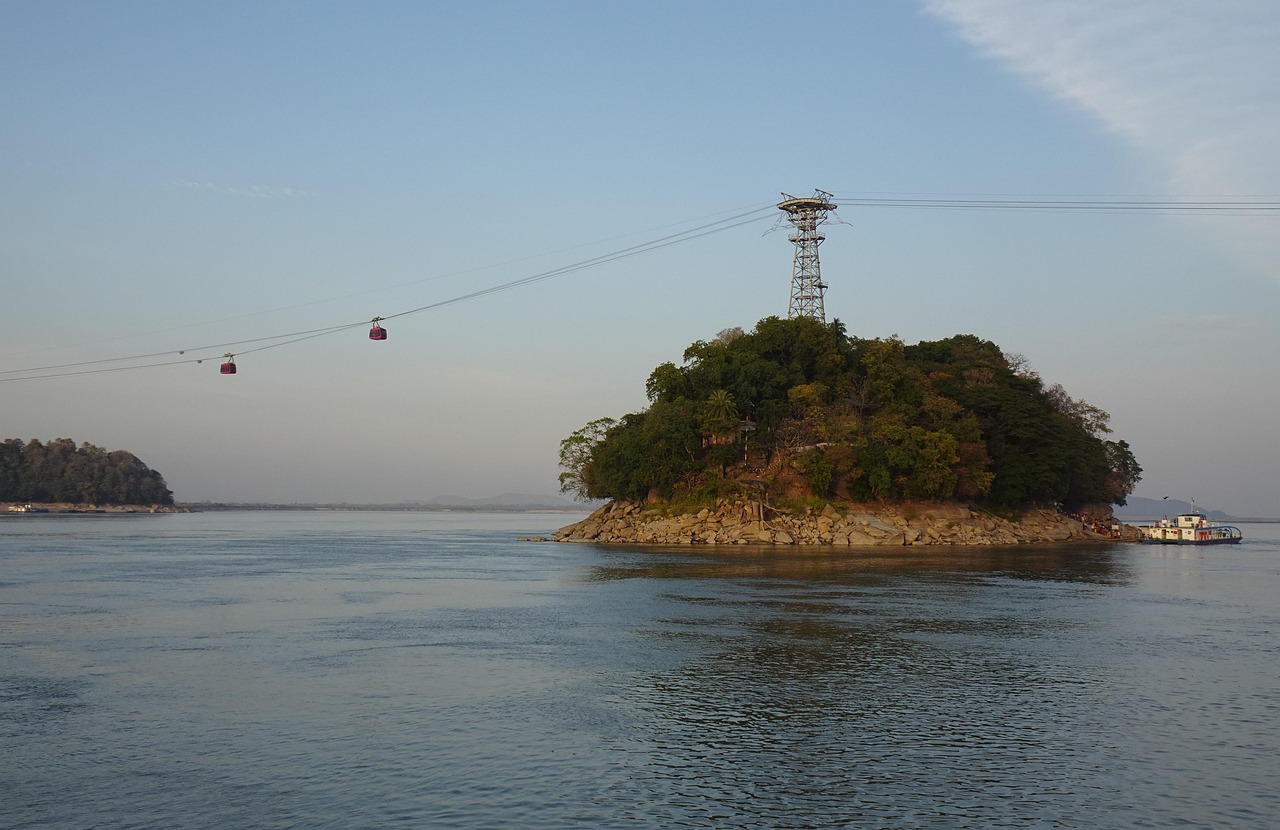
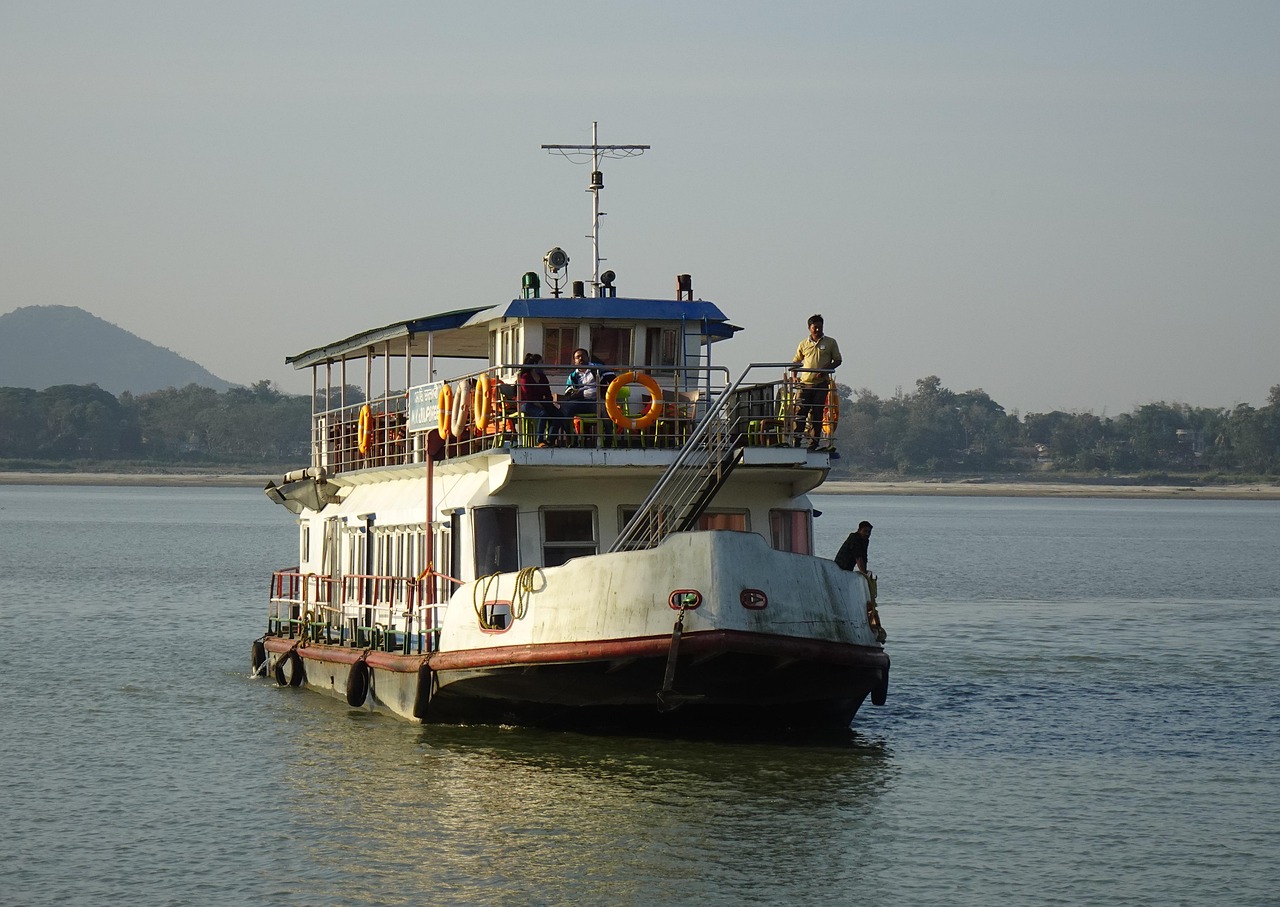
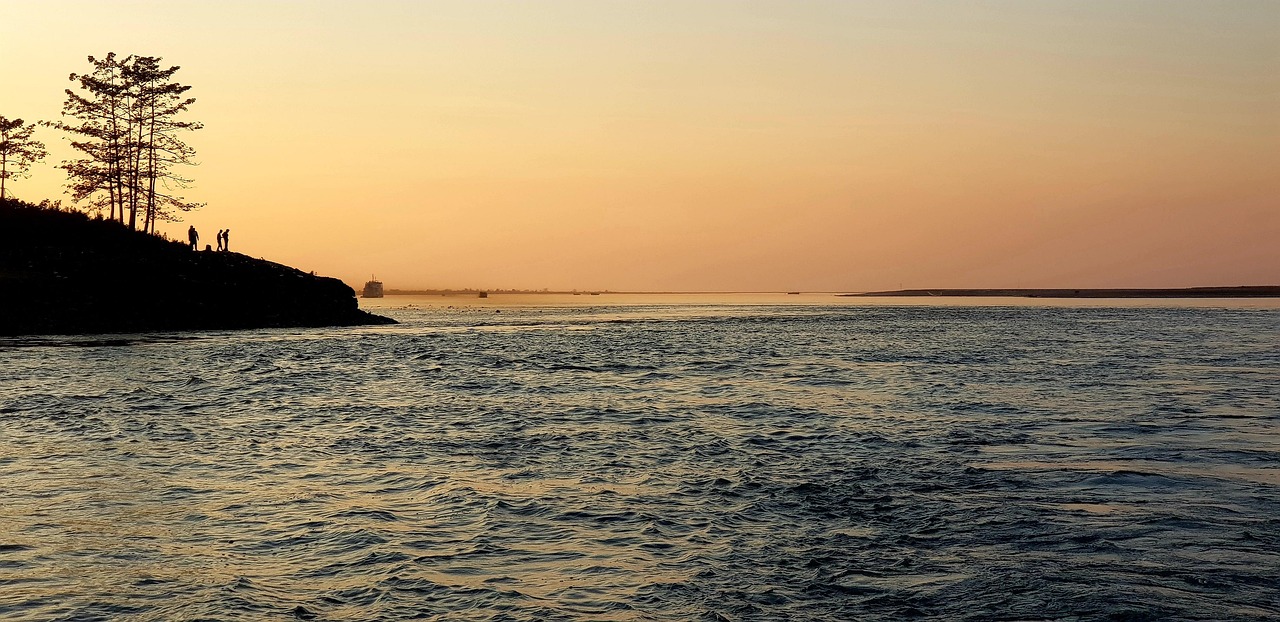
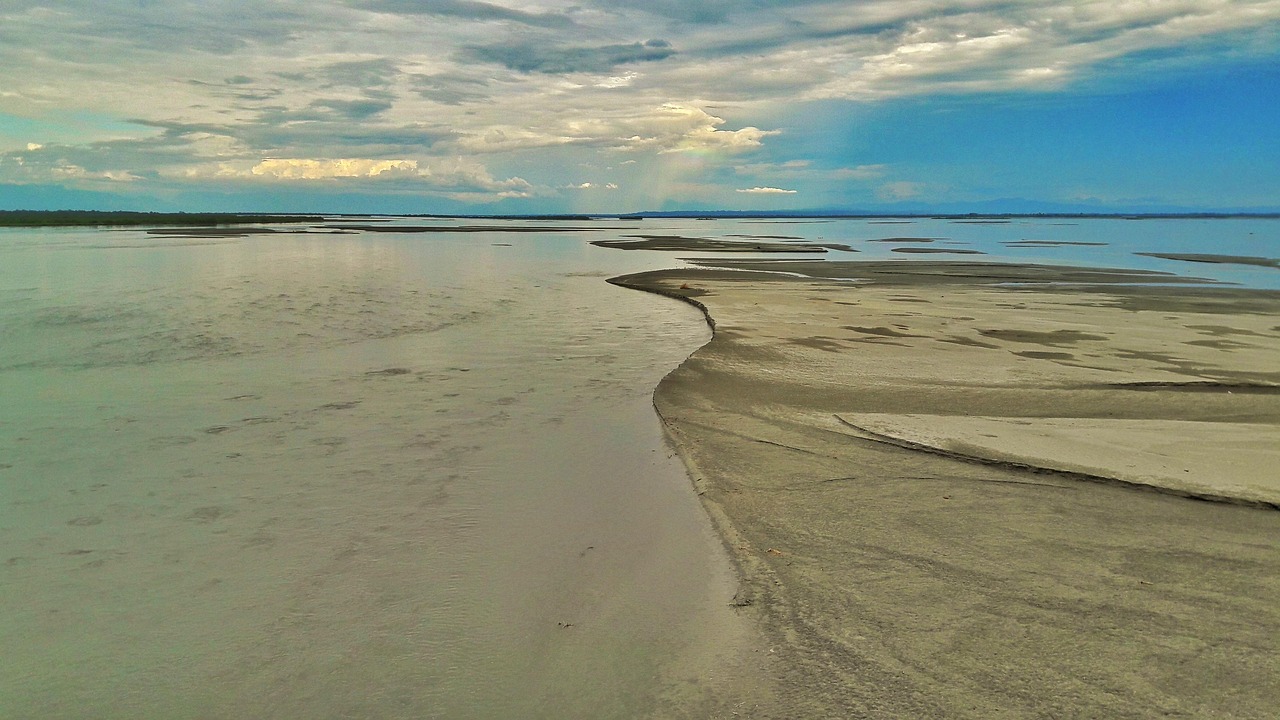
Assam is, above all, the valley of the Brahmaputra. The river, one of the largest in the world by volume, enters the region from the Himalayas and flows for hundreds of kilometres through a broad, flat valley before turning south toward the sea. Unusually among the great rivers of India, the Brahmaputra is often referred to in the masculine, the son of Brahma, and it dominates Assamese life utterly. Its waters lay down the rich silt that makes the valley fertile, support the rice farming and fishing on which most people depend, and create on its braided course the river islands for which Assam is famous, including Majuli, long considered one of the largest inhabited river islands in the world.
But the river is as dangerous as it is generous. Each monsoon it swells enormously, bursting its banks and flooding vast areas, destroying homes and crops and slowly eating away at the land through relentless erosion that has swallowed villages and shrunk the great islands over the years. Living with the Brahmaputra means living with this annual cycle of gift and catastrophe, and the rhythm of flood and recovery is woven into the Assamese sense of life. Beyond the valley rise the hills and plateaus of the northeast, home to many distinct peoples, but the Assamese heartland is the warm, humid, intensely green lowland that the great river has built.
The Assamese language and its eastern roots
The Assamese language, which its speakers call Oxomiya, belongs to the Indo-Aryan branch of the Indo-European family, making it a relative of Hindi, Bengali, and the other languages of northern India, all descended ultimately from Sanskrit and its Prakrit dialects. Within this family Assamese forms, together with Bengali and Odia, the eastern group of Indo-Aryan languages, and of the three Assamese is the easternmost, the Indo-Aryan tongue spoken furthest from the family’s ancient homeland. It holds the distinction of being the easternmost Indo-European language in the world to be spoken as a majority mother tongue, a frontier of the great language family right up against the Tibeto-Burman and Southeast Asian linguistic worlds.
This frontier position has given Assamese a character of its own. While it shares much of its script and vocabulary with Bengali, it has its own distinct sounds, including a notable fricative absent from its neighbours, and it has absorbed words and influences from the many Tibeto-Burman and Austroasiatic languages spoken around it, as well as from the language of the Ahom rulers who came from the east. Assamese also served historically as a lingua franca across much of the northeast, a common tongue linking the diverse peoples of the region. It has a proud literary tradition reaching back many centuries, greatly enriched in the medieval period by the devotional movement that reshaped Assamese culture, and the language is the central pillar of Assamese identity today.
Ancient Kamarupa and the kingdom that came from the east
In ancient times the region was known as Kamarupa, a kingdom mentioned in early Sanskrit texts and famous as a centre of tantric worship, above all at the powerful Kamakhya temple near modern Guwahati, one of the most important shrines of the Mother Goddess in all of India and a major centre of pilgrimage to this day. For long centuries Kamarupa was ruled by a succession of Hindu dynasties, a distinct eastern kingdom on the edge of the Indian world. But the event that would define Assam more than any other was the arrival, in the early thirteenth century, of a new people from across the eastern mountains.
These were the Ahoms, a Tai people related to the Thai and Shan of Southeast Asia, who crossed the ranges from what is now Myanmar under a prince named Sukaphaa and established a kingdom in the upper Brahmaputra valley. Over the following six centuries the Ahoms built one of the most remarkable states in Indian history, gradually expanding to rule most of the valley and giving the land its modern name, for the word Assam is generally derived from the Ahoms themselves. Strikingly, the Ahoms, though they came as foreign conquerors with their own Tai language and religion, were over time absorbed into the local culture, adopting the Assamese language and embracing Hinduism, even as they gave the Assamese a ruling tradition and a sense of statehood that set them apart from their neighbours.
The people who stopped the Mughals
One of the proudest chapters in Assamese history, and one little known outside the region, is the long and ultimately successful resistance of the Ahom kingdom to the Mughal empire. As the Mughals pushed eastward across India, they repeatedly tried to conquer the rich Brahmaputra valley, and again and again the Ahoms, fighting on their own difficult terrain of rivers, forests, and floods, threw them back. The climax came in 1671 at the Battle of Saraighat, fought on the Brahmaputra near Guwahati, where the Ahom forces, brilliantly led by the general Lachit Borphukan, decisively defeated a far larger Mughal army in a great river battle.
Lachit Borphukan, who is said to have driven his own men to fight even when gravely ill, declaring that no kinship was greater than his country, became the supreme hero of Assamese history, a symbol of patriotism and resistance celebrated to this day. The Ahom triumph meant that Assam, almost alone among the major regions of the subcontinent, was never truly absorbed into the Mughal empire, preserving a distinct political and cultural tradition for centuries. This memory of having stood firm against the greatest power in India gives the Assamese a particular and well-earned pride in their independent heritage.
Sankardeva and the devotion that shaped a culture
If the Ahoms gave Assam its statehood, it was a saint and polymath named Srimanta Sankardeva who, in the fifteenth and sixteenth centuries, gave it much of its cultural and spiritual soul. Sankardeva was the founder of a devotional movement, a form of Vaishnavism centred on loving devotion to a single God in the form of Krishna, that swept through Assam and transformed its religious and artistic life. He preached a faith that cut across caste and ritual hierarchy, accessible to ordinary people through song, drama, and the recitation of holy texts, and his influence on Assamese identity can hardly be overstated.
Sankardeva was not only a religious reformer but a towering cultural figure who effectively created or shaped many Assamese art forms. He developed a tradition of devotional plays, composed songs and poetry, and inspired a form of dance-drama. Above all he established the satras, monastic institutions that became the centres of Assamese religious and cultural life, and the namghar, the prayer house that stands at the heart of nearly every Assamese village to this day. The river island of Majuli became, and remains, the great centre of this satra culture. Through Sankardeva’s movement, devotion, language, art, and community were fused into a distinctly Assamese way of life that endures across the valley.
Collapse and the coming of the British
The long and glorious Ahom kingdom finally fell into crisis in the late eighteenth century, torn apart by a devastating internal rebellion and the weakening of central authority. Into this chaos came invaders from Burma, who overran the valley in the early nineteenth century and subjected the Assamese to a period of terror and devastation remembered with horror. It was the Burmese threat to British interests that drew the British East India Company into the region, and after defeating Burma, the British annexed Assam in 1826, ending six centuries of Ahom independence and bringing the Assamese under colonial rule.
Under the British, Assam was governed for a long period as part of the Bengal Presidency, and the Assamese, like the Odias, suffered the indignity of having their language pushed aside in favour of Bengali in schools and administration, a slight that wounded their pride and stirred a powerful movement to defend the Assamese tongue. The colonial era also brought a transformation that would define the modern economy and demography of Assam more than any other, the creation of the tea industry.
The land that gave the world its tea
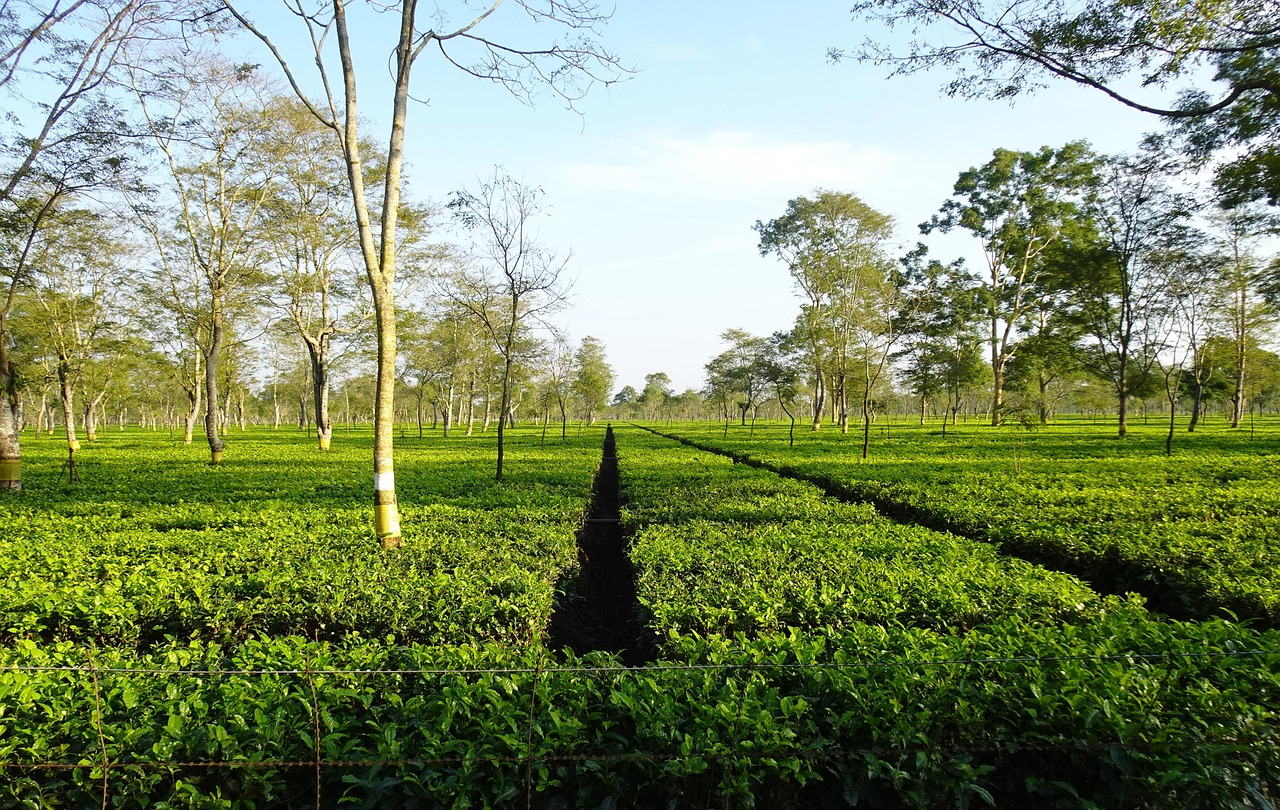
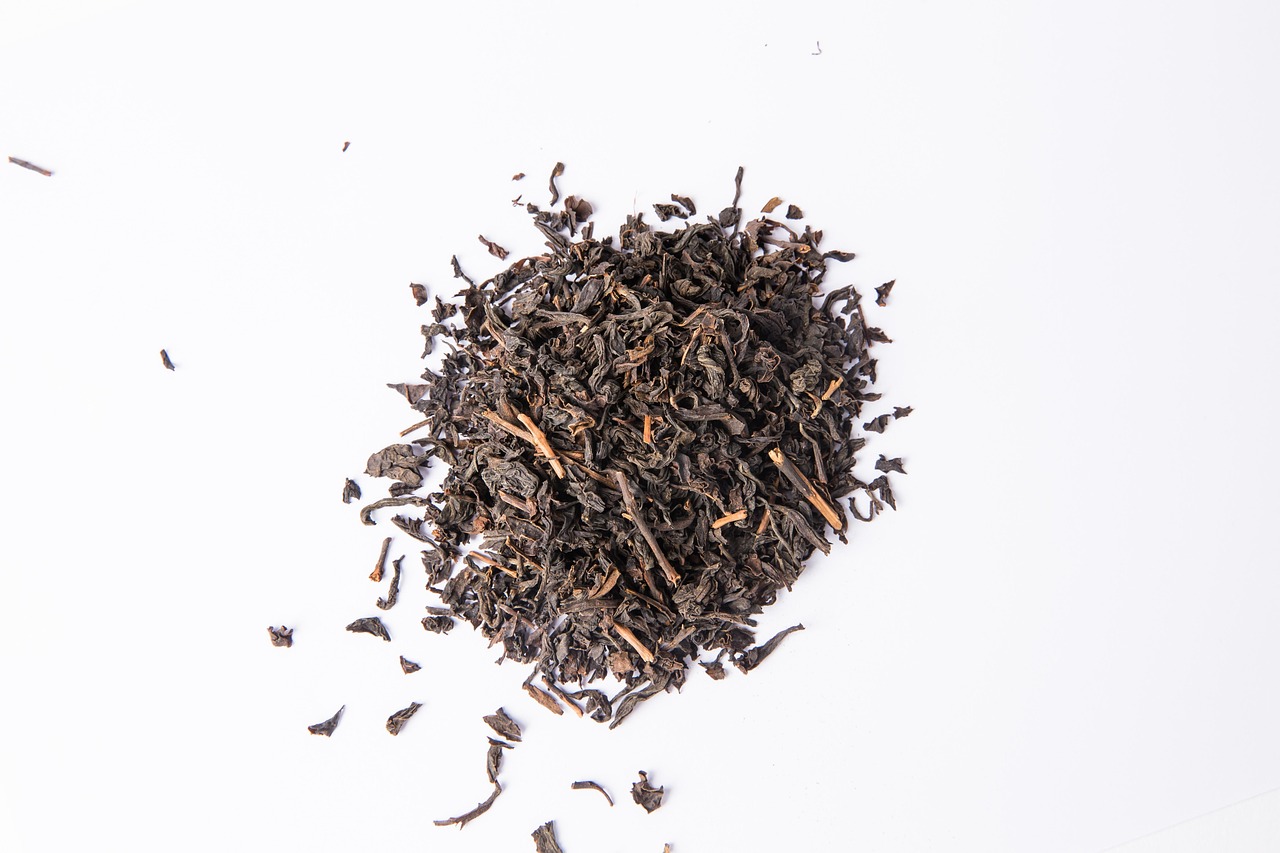
In the early nineteenth century the British discovered that tea grew wild in the hills of Assam, and they set about creating vast plantations to break the Chinese monopoly on the world’s tea supply. The experiment succeeded beyond all expectation, and Assam became one of the largest tea-producing regions on earth, its strong, malty black tea famous in teacups around the globe. The endless emerald carpets of tea bushes, dotted with the bungalows of the old planters, became one of the defining landscapes of Assam, and tea remains central to its economy and its image.
But the tea industry was built on great human cost and reshaped Assamese society profoundly. The plantations needed enormous numbers of labourers, and the British brought in hundreds of thousands of poor workers from central India under harsh, often brutal conditions close to indentured servitude, people whose descendants form the large tea-tribe community of Assam today, with their own distinct identity. The colonial demand for labour and land also encouraged waves of migration into the valley from elsewhere, beginning a process of demographic change that would become, in the twentieth century, one of the most explosive and painful issues in all of Assamese life.
Rhinos, grasslands, and a natural treasure-house
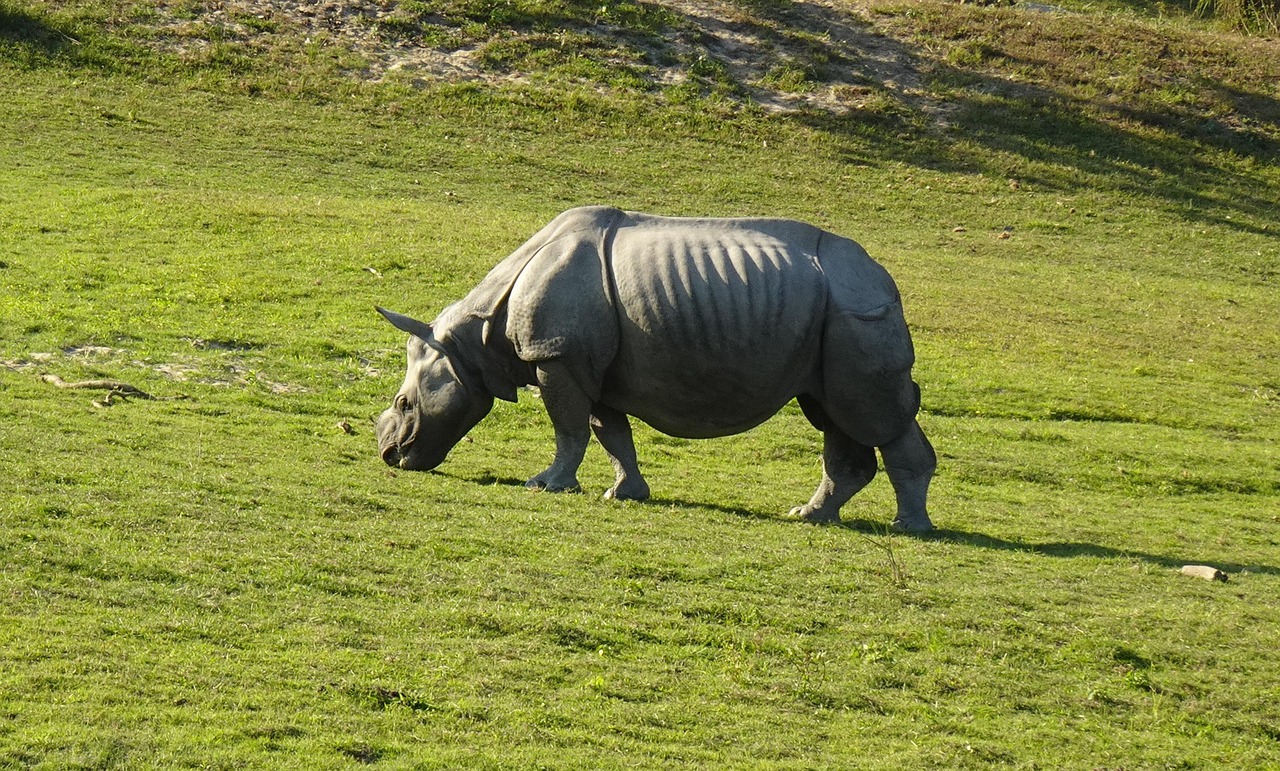
The floodplains of the Brahmaputra are one of the great wildlife regions of Asia, and the Assamese take deep pride in their natural heritage. The grasslands and wetlands of Kaziranga National Park, a UNESCO World Heritage Site, shelter the largest population in the world of the great one-horned rhinoceros, a magnificent armoured beast that had been hunted almost to extinction and was saved here. Alongside the rhinos, Kaziranga and the other parks of Assam protect wild elephants, tigers, water buffalo, and an astonishing variety of birds, all sustained by the annual flooding of the river that renews the grasslands.
This conservation success is real and remarkable, but it too carries tensions, between the protection of wildlife and the needs of people living at the park’s edge, and the annual floods that drown large parts of the parks and send animals fleeing for high ground. The one-horned rhinoceros has become an emblem of Assam itself, a symbol of the wild richness of the Brahmaputra valley and of the Assamese determination to preserve the natural inheritance of their extraordinary land.
The struggle over who belongs
The defining political drama of modern Assam has been the question of immigration and identity, an issue of great sensitivity that must be described carefully and honestly. Over the past century, large-scale migration into Assam, much of it from densely populated Bengal and later from across the border in what became Bangladesh, transformed the demographics of parts of the valley and stirred deep fears among the indigenous Assamese that they would become a minority in their own homeland, their language and culture overwhelmed. These anxieties, rooted in the colonial history of encouraged migration, gave rise to powerful movements.
In the late 1970s and 1980s these tensions erupted into the Assam Movement, a mass agitation demanding the detection and removal of those deemed illegal immigrants, a movement that involved enormous protests and, tragically, also episodes of terrible violence. In more recent years the issue has resurfaced around official efforts to compile a register of citizens and related citizenship laws, processes that have caused enormous anxiety, hardship, and fear for many people, both long-settled residents who struggled to prove their status and minorities worried about being targeted. This remains one of the most contentious and emotionally charged issues in India, touching on the deepest questions of identity, belonging, and human rights, and there are no easy answers, only real human stakes on every side.
Bihu and the rhythm of the year
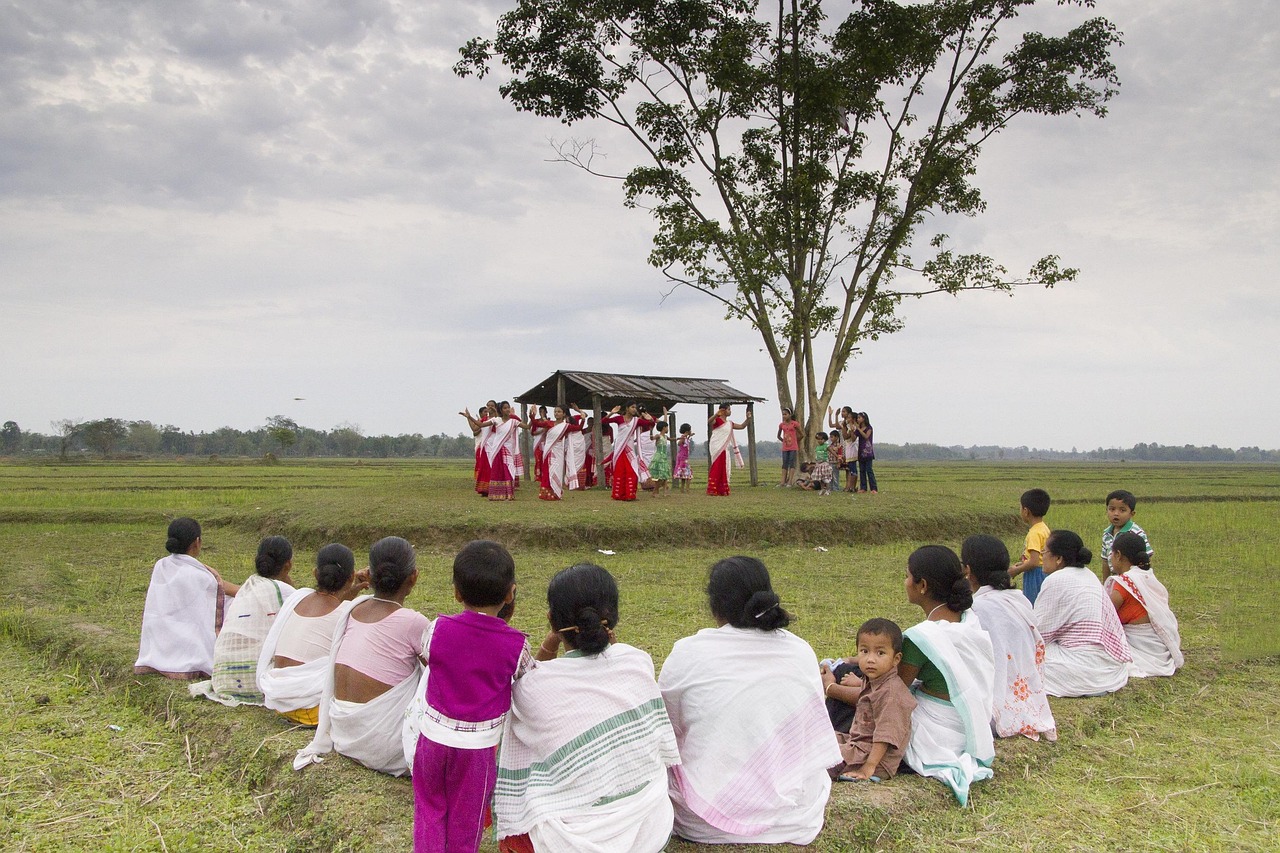
The warm heart of Assamese culture is expressed in Bihu, the set of festivals that mark the agricultural year and that the Assamese celebrate with a joy that crosses every line of caste and creed. There are three Bihus, but the greatest is Rongali or Bohag Bihu, the spring festival that ushers in the Assamese new year in mid-April, a time of feasting, music, and the famous Bihu dance, in which young men and women in traditional dress perform energetic, flirtatious dances to the beat of the dhol drum and the reedy call of the pepa horn made from buffalo horn. Bihu is the supreme expression of Assamese identity, an outpouring of community, fertility, and the love of life.
Assamese culture is also expressed in its exquisite handloom weaving, a craft so central that it was once said that every Assamese woman was a weaver. The region is famous above all for its silks, the golden muga silk found almost nowhere else in the world, the warm eri silk, and the fine pat silk, woven into the elegant traditional dress of Assamese women and into garments treasured across India. The Assamese also maintain the rich classical dance-drama and devotional song traditions inherited from Sankardeva, performed in the satras and namghars, keeping alive a heritage of sacred art that is uniquely their own.
The flavours of the valley
Assamese cuisine is among the most distinctive in India, light, subtle, and quite unlike the rich, heavily spiced cooking of the north. It relies on fresh ingredients, minimal oil and spice, and a love of sour and bitter flavours, with the sour fish stew known as masor tenga being one of its best-loved dishes. Rice is the absolute staple, fish from the rivers and ponds is central, and the cuisine makes use of a wide range of herbs, greens, bamboo shoots, and even fermented foods that reflect the valley’s position between the Indian and Southeast Asian culinary worlds. A unique feature is the use of khar, an alkaline preparation traditionally made from the ashes of banana, that gives certain dishes their characteristic taste.
Meals are often simple and seasonal, built around what the river and the fields provide, and they reflect the same gentle, unpretentious sensibility that runs through so much of Assamese culture. Betel nut and leaf, offered to guests as a gesture of hospitality, hold a place of special honour, and the whole tradition of Assamese food, like the famous tea grown in its gardens, speaks of a people deeply rooted in the rhythms of their fertile and watery land.
At the heart of a diverse northeast
The Assamese cannot be understood in isolation, for they are the largest people of a region that is one of the most ethnically and linguistically diverse on earth. The northeast of India, linked to the rest of the country only by a narrow corridor, is home to hundreds of distinct communities, many of them Tibeto-Burman hill peoples with their own languages, religions, and traditions utterly different from those of the plains. Within Assam itself live numerous indigenous groups such as the Bodo, who have their own strong identity and have long sought greater autonomy, alongside the tea-tribe communities, Bengali speakers, and many others.
This diversity has made Assam both rich and turbulent. The Assamese have at times served as a unifying cultural and linguistic bridge across the region, their language a common tongue and their valley the economic and political centre of the northeast. But the relationship between the Assamese majority and the many smaller communities has also been a source of friction, as different peoples assert their own identities and rights, sometimes through autonomy movements and at times through conflict. Navigating this complex mosaic, balancing Assamese identity with the aspirations of the region’s many other peoples, is one of the central tasks facing modern Assam, and it reflects in miniature the larger Indian challenge of holding unity and diversity together.
A people of the great river
The Assamese stand at one of the most fascinating crossroads in India, a place where the Indo-Aryan world reaches its eastern limit and meets the peoples and cultures of the Himalayas and Southeast Asia. Theirs is a heritage of an ancient goddess-worshipping kingdom, of a Tai dynasty that came over the mountains and became Assamese, of a people who stopped the Mughals at Saraighat, of a saint who fused devotion and art into a way of life, and of tea gardens and rhinoceros grasslands that made their valley famous around the world. They have preserved, against long odds and despite their position on the far edge of the country, a language and culture entirely their own.
They also face real and unresolved challenges, the annual devastation of the floods, the painful and divisive questions of migration and belonging, and the long struggle for development and recognition within a vast nation whose centre of gravity lies far to the west. Yet through it all the Assamese hold to the warmth, the gentleness, and the deep attachment to their river, their language, and their festivals that define them. Welcoming, resilient, and proud of a history too few outside the region know, the Assamese are the great people of India’s northeast, the children of the mighty Brahmaputra.
You May Like
The Zaza, a Mountain People of Eastern Anatolia


15 thoughts on “Children of the Mighty Brahmaputra, the Story of the Assamese People and Their River Valley”