For years dopamine got branded as the brain’s pleasure chemical, the stuff that floods your head when something feels good. It’s a tidy story, and it’s mostly wrong. The more researchers look, the clearer it becomes that dopamine is less about enjoying a reward and more about predicting and chasing one. It’s the signal that tells your brain something better than expected just happened, and that it should pay attention and learn from it.
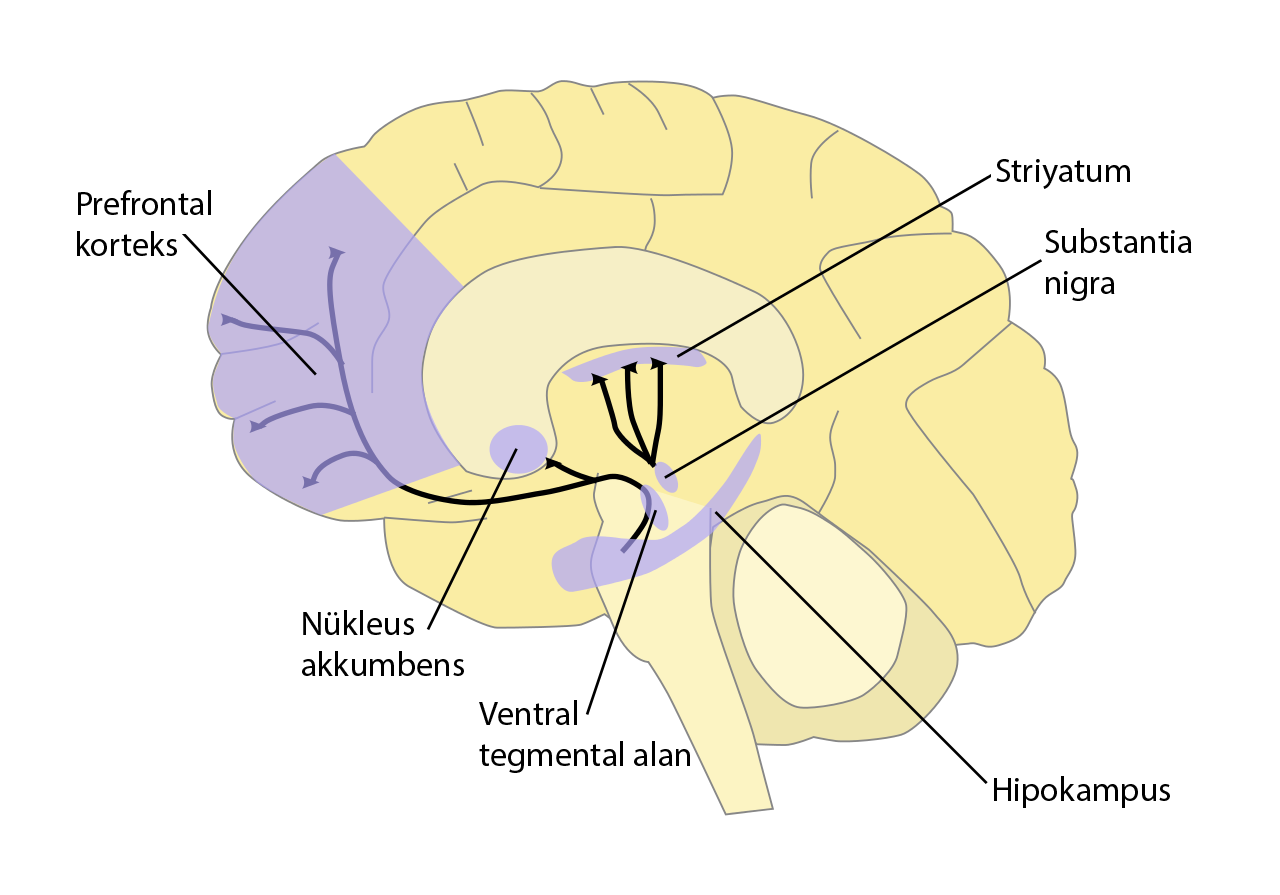
The key idea is called reward prediction error. When you get more than you bargained for, dopamine neurons fire in a burst. When reality matches your expectation, they stay quiet. And when you expected a reward that never came, their activity actually dips below baseline, almost like a tiny flash of disappointment written in chemistry. This running tally of surprise is what lets you update your behavior over time, steering you toward whatever paid off and away from whatever let you down.
Recent work has pushed this further by showing that dopamine isn’t one uniform signal at all. Different populations of dopamine neurons seem to carry different messages, some tracking reward, others tracking movement, threat, or the simple novelty of something unfamiliar. That helps explain why dopamine sits at the center of conditions as different as Parkinson’s disease, where the cells that make it die off and movement suffers, and addiction, where the learning signal gets hijacked by drugs that crank it up artificially.
The takeaway is that dopamine is better understood as a teacher than a reward in itself. It doesn’t hand you happiness; it tells you what’s worth wanting and pushes you to go get it. That shift in thinking is quietly reshaping how scientists approach motivation, learning, and the disorders where this system breaks down. For more, see our coverage of neurochemistry and neuroscience.