There is no other people quite like them, if only for a matter of sheer arithmetic. Roughly one in every six human beings alive today is Han Chinese. If you gathered them into a single country of their own, it would still be by far the largest nation on earth, and it would dwarf the runner-up. Yet the striking thing about the Han is not just how many they are, but how a group of that size has held together a sense of shared identity across a landmass of deserts, rice paddies, mountains, and megacities, and across dialects so different that speakers often cannot understand one another at all.
The answer lies in something older and stranger than a language or a border: a civilization. To be Han has, for two thousand years, meant to be an heir to a particular way of writing, of governing, of remembering the past and honoring the dead. It is an identity built less on blood than on culture, one that has repeatedly absorbed conquerors and neighbors until they, too, thought of themselves as Chinese. This is a story about how that happened, and about the ordinary lives underneath the grand history of dynasties and walls.
Over the sections that follow we will look at where the Han came from and why they carry the name of a long-dead dynasty; the writing system that unites them and the dialects that divide them; the great river valleys they made their home; the farming life that shaped most of their history; the family and the examinations at the heart of the old society; the blend of Confucian, Daoist, and Buddhist thought; the arts, the crafts, the food, and the festivals; the long dynastic saga; and where this immense people stands now. Here is the path ahead:
- Out of the Yellow River
- Why “Han”?
- One Script, Many Tongues
- A Homeland Remade by Hand
- Life on the Land
- Family, Ancestors, and the Examination Hall
- Three Teachings, One Worldview
- Opera, Ink, and the Written Word
- Silk, Porcelain, and the Maker’s Hand
- A Cuisine of a Thousand Kitchens
- New Year and the Turning of the Seasons
- Dynasties and the Dream of Unity
- A People in the Present
Out of the Yellow River
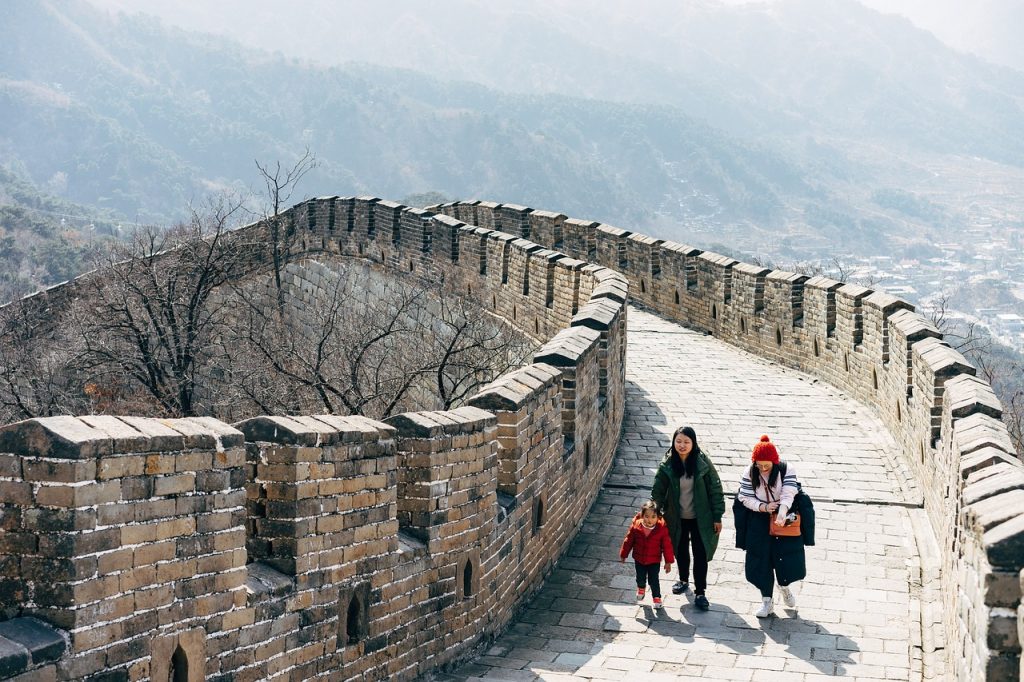
The deep roots of the Han lie along the middle reaches of the Yellow River, the silt-heavy waterway that Chinese tradition calls the cradle of their civilization. On its floodplains, more than three thousand years ago, farming communities grew millet, raised cities of rammed earth, and cast astonishing bronzes, and out of this world emerged the earliest states whose written records survive. These were not yet the Han, but they were the beginning of the cultural tradition the Han would come to see as their own.
From this heartland the culture spread outward over the centuries, carried by settlers, soldiers, and officials into the Yangtze valley to the south and across the plains to the east. As it expanded it met and absorbed a great many other peoples, and the modern Han are, in truth, a vast blending of populations who over the ages adopted the language, the writing, and the customs of the Central Plains. The Han identity was less a fixed bloodline than a powerful current into which countless streams flowed.
This is why it is misleading to imagine the Han as a single ancestral stock. Genetically and regionally they are enormously varied, the people of the far south differing from those of the northern plains in appearance, diet, temperament, and speech. What made them one was not uniformity but a shared civilization, a common frame of writing and ritual and history that a farmer in the rice country and a merchant on the northern steppe edge could both claim as their inheritance.
The early philosophers and historians who shaped this tradition gave it a sense of the center and the periphery, of a civilized core surrounded by peoples yet to be brought within its fold. Over time that core expanded relentlessly, and the boundary between Han and non-Han shifted as group after group was drawn into the cultural world of the Central Plains. The story of the Han is in large part the story of this slow, immense process of cultural gravitation.
Why “Han”?
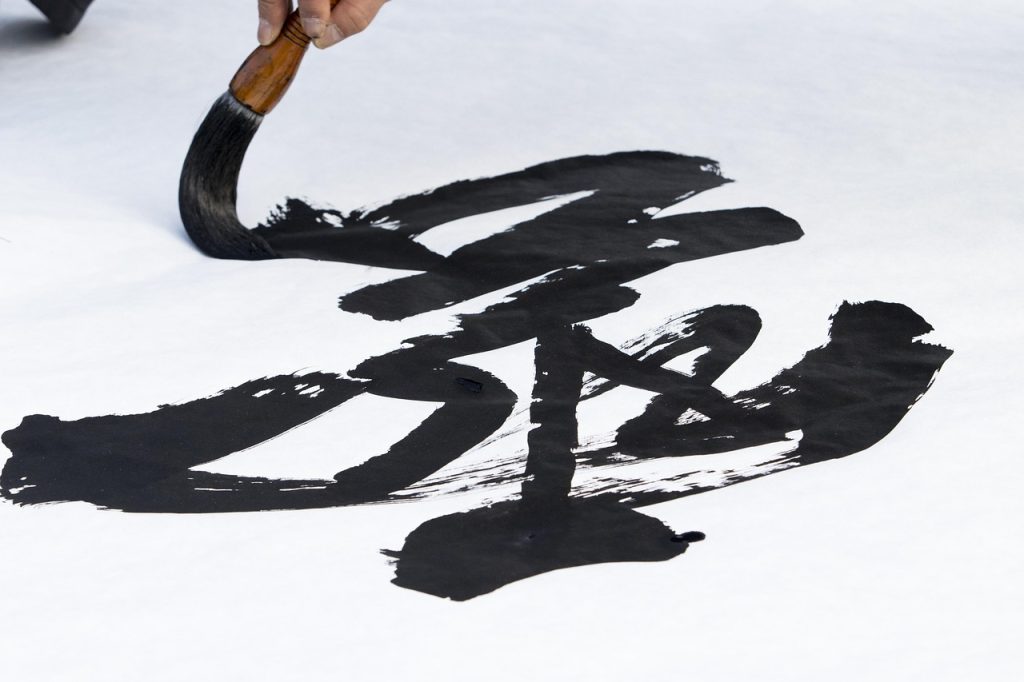
The name itself is a fossil of history. It comes from the Han dynasty, an empire that ruled for four centuries around the start of the common era and presided over a golden age of expansion, prosperity, and cultural confidence. So formative was this period that the people came to call themselves after it, the men of Han, and the label stuck for two thousand years. To this day the language is often called the speech of Han, and the characters the writing of Han.
It is a telling choice. Many peoples name themselves after a place, a river, or an ancestor; the Han named themselves after a state and an era, after a moment when their civilization felt itself at a height. The name carries an implicit pride in a political and cultural achievement, and it binds the identity of the people to the memory of empire in a way few other names do. To be Han is, etymologically, to belong to the heirs of a dynasty.
The name also marks a boundary. Throughout history the Han distinguished themselves from the peoples beyond the frontier and, at times, from the non-Han dynasties that ruled over them, for China was more than once conquered and governed by outsiders. In those periods the name Han took on an added weight, a marker of the majority culture beneath a foreign throne, a reminder of who the ruled were even when the rulers came from the steppe or the forest.
In the modern era the name became an official category, one people among the dozens recognized within the Chinese state, by far the largest and the one against which the others are implicitly measured. Yet for most Han the label is so encompassing as to be nearly invisible; it is simply the water they swim in. It is often only at the edges, in contact with the many minority peoples of the borderlands, that the meaning of being Han comes sharply into view.
One Script, Many Tongues
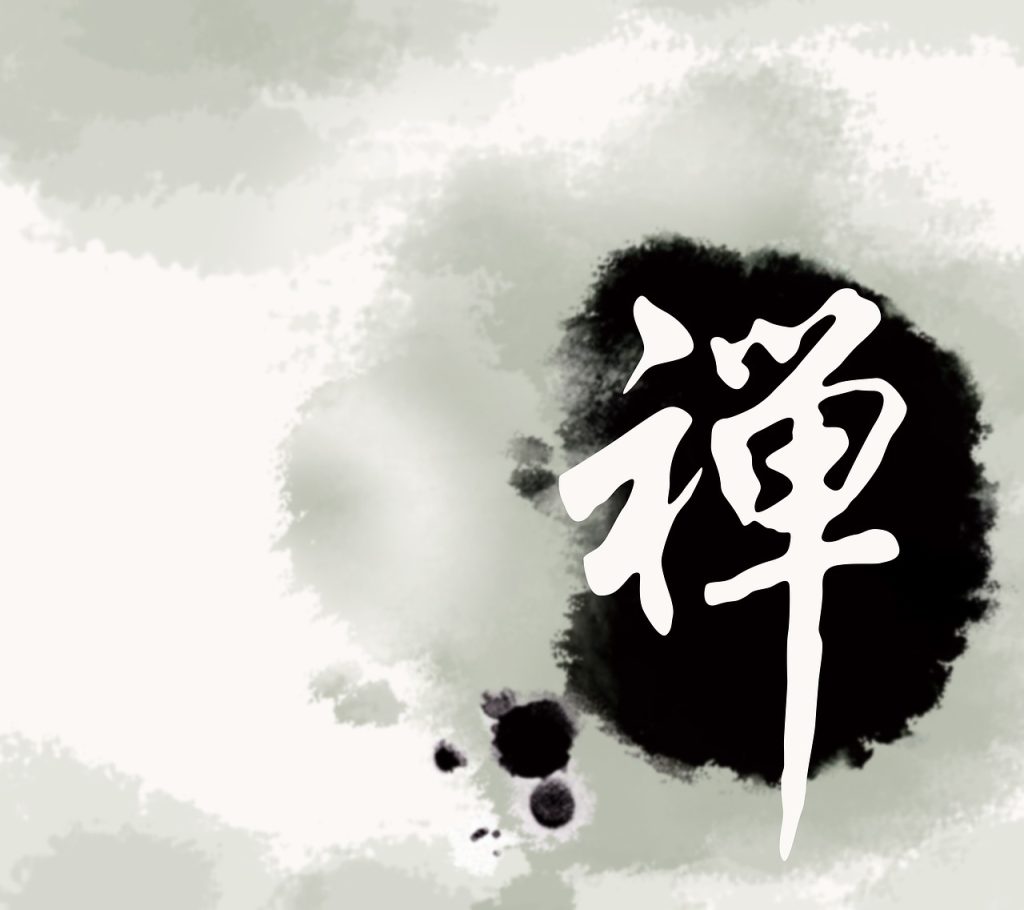
If one thing holds the Han together above all others, it is the writing system. The Chinese script does not spell out sounds but represents words and meanings, and this peculiarity has had immense consequences. Two people whose spoken dialects are as different as, say, distinct languages can nonetheless read the very same text and understand it identically, each pronouncing the characters in their own way. The script floats above the babble of dialects, a shared code of meaning that unites a continent of speech.
For the spoken language is not one but many. What outsiders call Chinese is really a family of related tongues, some of them mutually unintelligible, spread across the vast territory of the Han. The northern speech that underlies the modern standard is only one branch; the south is a mosaic of others, each with its own sounds, vocabulary, and character. A common standard language, promoted through schooling and media, now gives the Han a shared spoken tongue, but the old dialects remain vigorously alive.
The characters themselves are among the oldest continuously used writing systems in the world, their ancestry reaching back to marks carved on bone and shell for divination more than three thousand years ago. To learn them is a labor of years, and mastery of the written word was for most of history the gateway to status and power. The beauty of the characters, brushed in ink, became one of the supreme arts, and a cultivated hand was the mark of an educated person.
This union of a single script with many tongues shaped the very nature of Han identity. It made possible a shared literature, a common administration, and a continuous historical memory stretching across dialects and dynasties. A poem written two thousand years ago can still be read today, and an official from the north could govern in the south through the written word. The script was the thread on which the long continuity of Chinese civilization was strung.
A Homeland Remade by Hand
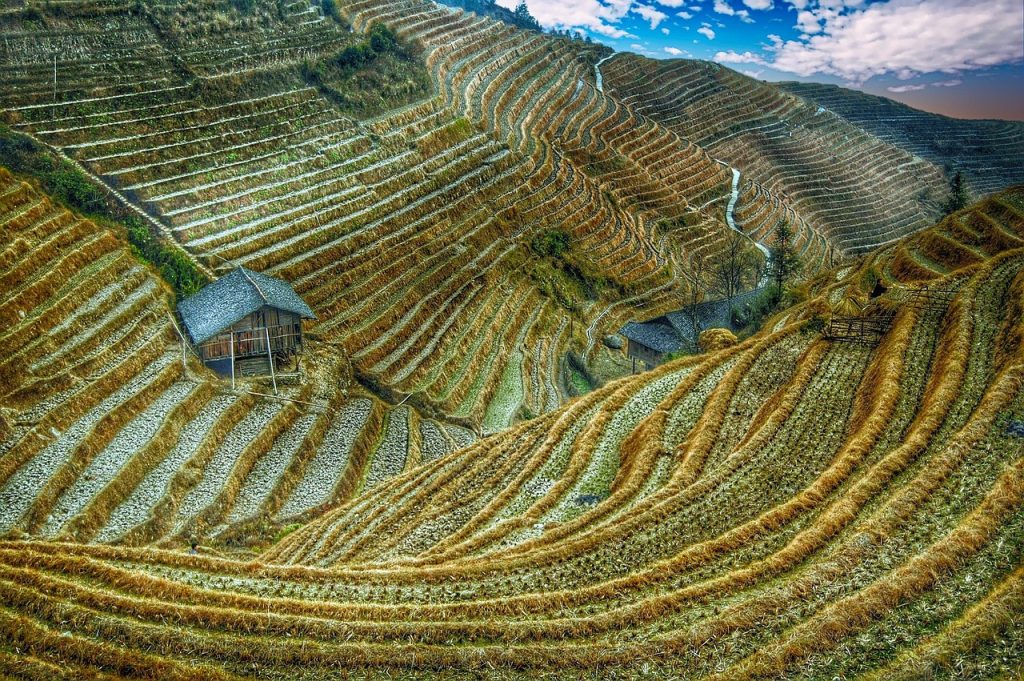
The Han homeland is one of the most intensively worked landscapes on earth, a country reshaped over millennia by human hands. In the north lie the dusty plains of the Yellow River, the ancient agricultural heartland, where wheat and millet grew and the loess soil blew fine as flour. To the south the warm, wet valley of the Yangtze became a world of rice, its fields flooded and terraced into shining steps that climb the hillsides in one of the great feats of traditional engineering.
Between and beyond these river worlds stretches a country of enormous variety, from the mountains of the west to the subtropical coasts of the southeast, and the regional cultures of the Han reflect this diversity. The northerner of the wheat plains and the southerner of the rice country developed different foods, different building styles, different temperaments in the popular imagination, all within the single fold of Han identity. Geography made the Han a people of many regions as much as one nation.
Water has always been the great preoccupation. The Yellow River, prone to catastrophic floods that could kill millions and shift its course across hundreds of miles, earned the grim nickname of China’s sorrow, and the control of water, through dikes, canals, and irrigation, became a central task of the state. The immense Grand Canal, linking north and south, knitted the country together and moved the grain that fed its cities, a artery of the empire.
This long struggle to master rivers, drain marshes, terrace hills, and irrigate fields left a landscape almost wholly made by people, a garden the size of a subcontinent tended by countless generations. The density of population that this productive land could support is central to the whole history of the Han, for it was on the labor of hundreds of millions of farmers, working the most carefully cultivated soil on the planet, that the towering edifice of Chinese civilization rested.
Life on the Land
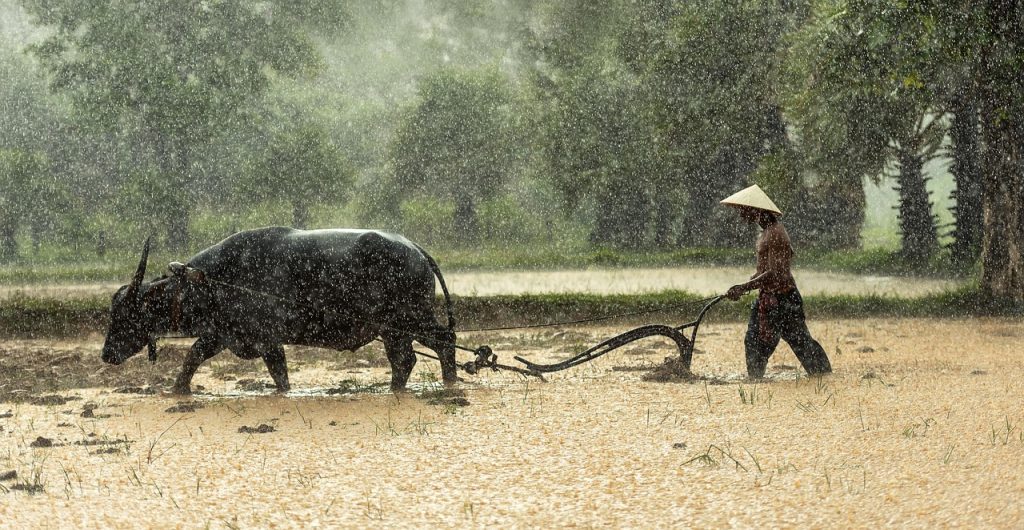
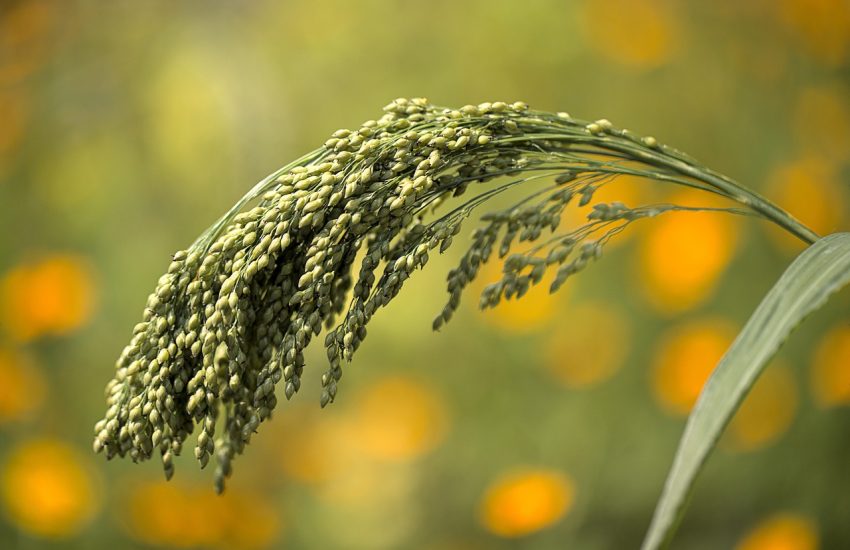
For almost the entire span of their history, the overwhelming majority of Han were farmers, and the rhythm of their lives was set by the seasons, the crops, and the weather. In the north they grew wheat, millet, and sorghum; in the south, rice above all, grown in flooded paddies that demanded enormous, coordinated labor. The water buffalo pulling the plow through the mud is one of the enduring images of this world, a scene repeated across countless villages for thousands of years.
Village life was organized around the family farm and the wider web of kin, and the land was worked with a intensity born of dense population and limited soil. Every scrap was cultivated, every resource used, and the agricultural knowledge accumulated over centuries made Chinese farming among the most productive in the pre-modern world. This productivity fed the great cities, sustained the scholar-officials and artisans, and underwrote the whole structure of the civilization.
Beyond farming, the Han built a sophisticated commercial world of markets, merchants, and manufactures. Towns and cities hummed with trade, craftsmen produced goods of extraordinary refinement, and Chinese products, above all silk, flowed along the trade routes to the far corners of Eurasia. The tension between the Confucian ideal, which honored the farmer and looked down on the merchant, and the reality of a thriving commercial economy runs through much of Chinese history.
Life for the ordinary farmer was often hard and precarious, exposed to flood, drought, famine, and the demands of landlords and the state. Yet it was also embedded in a rich fabric of family, festival, and belief that gave it meaning and continuity. The peasant household, tied to its ancestral land and graves, honoring its forebears and hoping for sons to continue the line, was the fundamental cell of Han society, the foundation on which everything else was built.
Family, Ancestors, and the Examination Hall
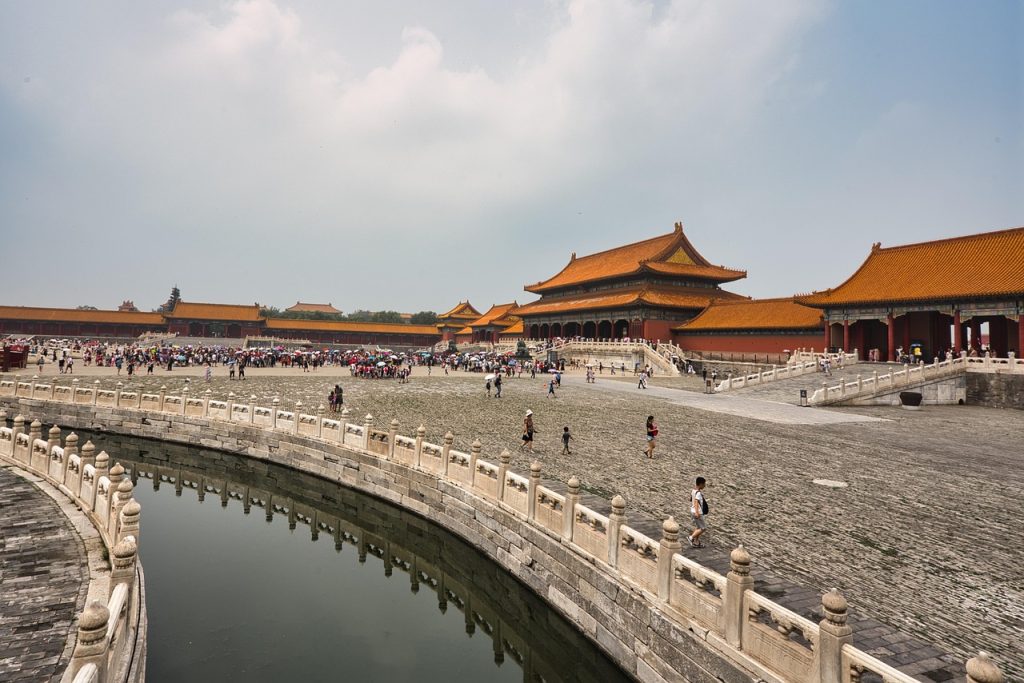
At the center of the traditional Han social world stood the family, and not merely the household of the living but the whole lineage stretching back through the generations and forward to those yet unborn. The bond between parent and child, and above all the duty of children to honor and care for their parents, was the cornerstone of the entire moral order. This filial devotion extended beyond death into the veneration of ancestors, whose spirits were tended at family altars and graves.
This reverence for ancestors gave Han society a profound orientation toward continuity and the past. To fail to produce descendants who would maintain the ancestral rites was among the gravest of failings, for it meant the extinction of the line and the abandonment of the dead. The family was thus a chain across time, each generation a link with obligations to those before and after, and individual life found much of its meaning within this larger continuity.
Above the family rose the distinctive structure of the imperial state, staffed by scholar-officials chosen, in theory, by merit through a grueling system of examinations. For more than a thousand years, the path to power and prestige ran through mastery of the classical texts, tested in examinations open, in principle, to almost anyone. This system created a governing elite defined by learning rather than birth, and it made the scholar, brush in hand, the ideal figure of the culture.
The examination system shaped Han society in the deepest ways, binding the ambitions of families to education, spreading a common classical culture among the elite across the whole empire, and giving the civilization its characteristic reverence for learning and the written word. A poor family that could educate a talented son might see him rise to high office, and the dream of examination success drove the aspirations of countless households. Society was ordered, ideally, as a hierarchy of moral cultivation and learning.
Three Teachings, One Worldview
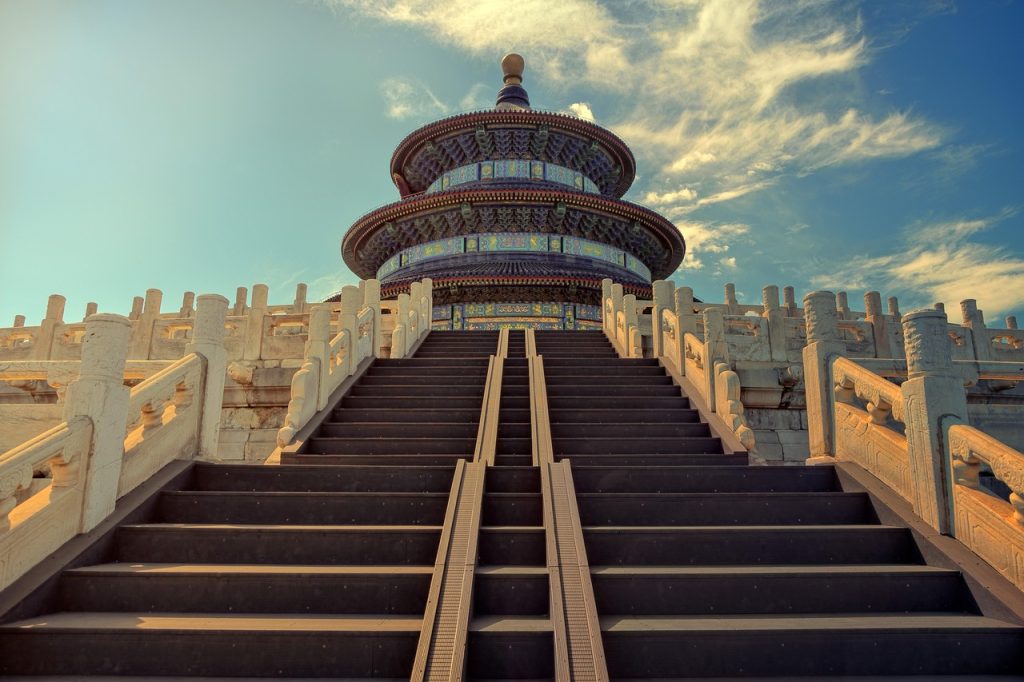
The spiritual life of the Han cannot be reduced to a single religion, for it grew from the braiding together of several traditions into a distinctive whole. Confucianism, more an ethical and social philosophy than a religion in the Western sense, provided the framework of morality, family duty, and social order. Its emphasis on proper relationships, ritual propriety, and the cultivation of virtue shaped the values of the society from the emperor down to the peasant.
Alongside it ran Daoism, with its mystical vision of the Way that underlies all things, its search for harmony with nature, and its quest for longevity and transcendence. Where Confucianism looked to society and duty, Daoism looked to nature and spontaneity, and the two formed complementary poles of the Chinese spirit, the one governing public conduct, the other offering an escape into contemplation, art, and the mountains. Many a scholar was Confucian in office and Daoist in retirement.
The third great teaching, Buddhism, arrived from India and was gradually absorbed and transformed into distinctively Chinese forms, adding a rich tradition of monasteries, devotion, and doctrines of karma and rebirth. Rather than displacing the others, Buddhism took its place beside them, and ordinary people moved easily between the three, honoring ancestors in the Confucian manner, seeking blessings from Daoist deities, and praying at Buddhist temples without any sense of contradiction.
Beneath and around these great traditions flourished a vast popular religion of local gods, spirits, and ancestors, of temples and festivals and the propitiation of the unseen forces that governed fortune and misfortune. The Han religious world was thus not a matter of exclusive creeds but of a layered, pragmatic engagement with many powers, held together by the overarching concern for harmony, in the family, in society, in nature, and in the cosmos. It was a worldview more than a religion.
Opera, Ink, and the Written Word
The cultural achievements of the Han are among the glories of human civilization, and none is more central than the literary tradition. Chinese poetry, refined over more than two millennia, reached heights of subtlety and beauty that later generations revered, and the great poets became cultural heroes whose verses were memorized and quoted across the centuries. To compose poetry was an essential accomplishment of the educated person, woven into friendship, travel, celebration, and grief.
Painting and calligraphy formed a second great pillar of the high culture, and the two were intimately linked, both practiced with the brush and ink and judged by the quality of the line. Landscape painting in particular expressed the Daoist love of nature and the scholar’s ideal of contemplative retreat, its misty mountains and tiny human figures conveying a whole philosophy of the human place in the cosmos. A cultivated person was expected to appreciate, and ideally to practice, these arts.
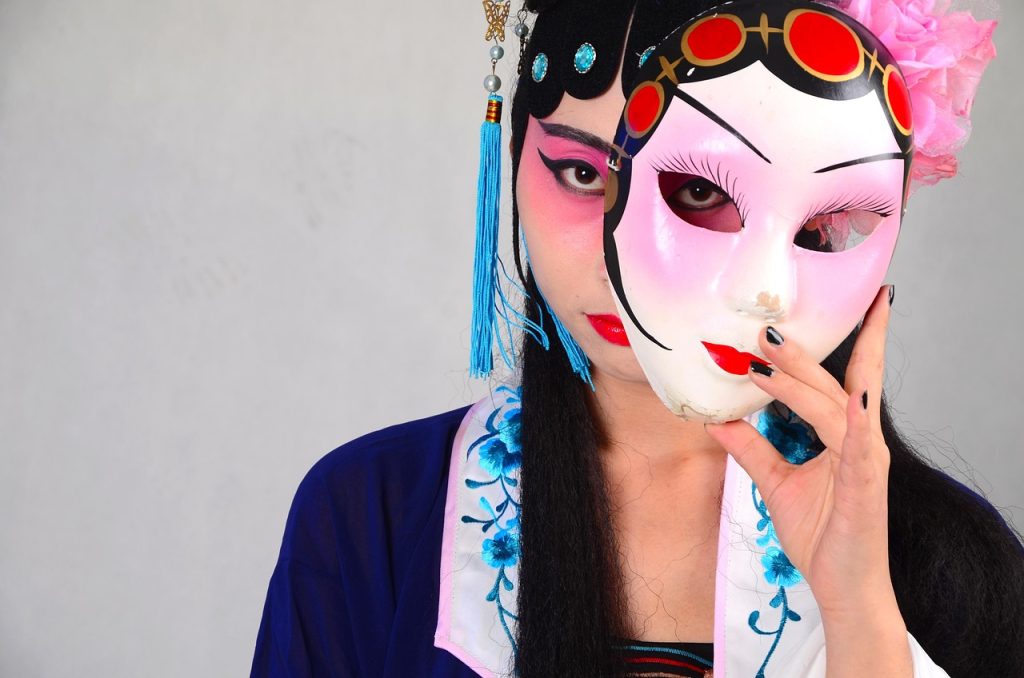
For the broader population, opera was the great popular art, combining music, singing, stylized movement, acrobatics, and elaborate costume and makeup into a spectacle that told the stories of history and legend. Regional forms of opera flourished across the country, and the most famous became a national treasure, its painted faces and soaring voices instantly recognizable. Through opera, the tales of heroes, lovers, and villains from the shared past reached even the illiterate.
Storytelling, folk song, and a rich tradition of vernacular fiction rounded out the cultural world, and the great novels of later centuries became beloved across the society. Together, this immense body of literature and art formed a shared inheritance, a common stock of stories, images, and values that every Han could draw upon. It was this cultural memory, as much as the script or the state, that gave the far-flung Han their profound sense of being one people.
Silk, Porcelain, and the Maker’s Hand
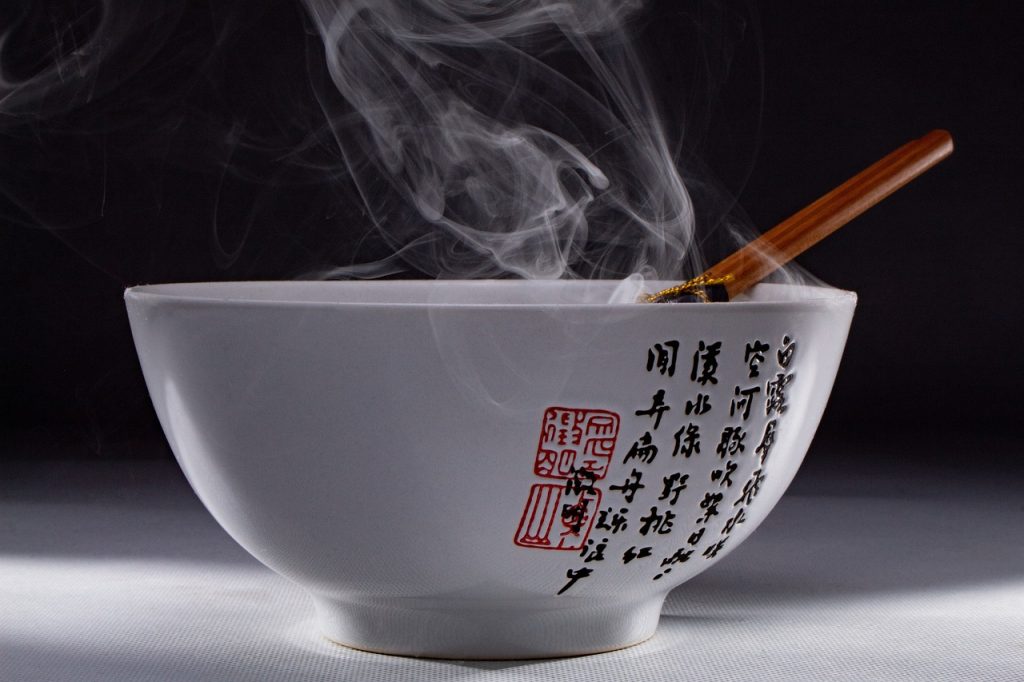
The Han gave the world some of its most coveted luxuries, and none was more famous than silk. The secret of raising silkworms and reeling their fine thread into shimmering cloth was a Chinese achievement guarded for centuries, and silk became so central to trade with the West that the routes carrying it were named the Silk Road. Woven, dyed, and embroidered with extraordinary skill, Chinese silk was a marvel that draped the wealthy of empires far away.
Porcelain was a second great gift, so identified with its place of origin that in many languages fine ceramic is still simply called china. Chinese potters mastered the art of firing clay to a translucent, resonant hardness and decorating it with glazes of astonishing beauty, above all the blue and white wares that became prized around the globe. For centuries the kilns of China supplied a world that could not match their quality, and porcelain flowed outward as silk had before it.
Beyond these, Han artisans excelled in lacquerwork, jade carving, bronze casting, and a host of other crafts pursued with patience and refinement. The working of jade, a stone imbued with deep cultural meaning, produced objects of ritual and ornament prized above gold. And it was Han inventiveness that gave the world paper, printing, the compass, and gunpowder, technologies that would transform human history far beyond the borders of China.
These crafts were not merely commercial but expressions of a civilization that prized skill, refinement, and the beauty of made things. The bazaars and workshops of Chinese cities produced goods of a quality that astonished foreign visitors, and the reputation of Chinese manufactures drew merchants from across Eurasia. In the hands of its craftsmen, the material culture of the Han reached a sophistication that made China, for much of history, the workshop of the world.
A Cuisine of a Thousand Kitchens
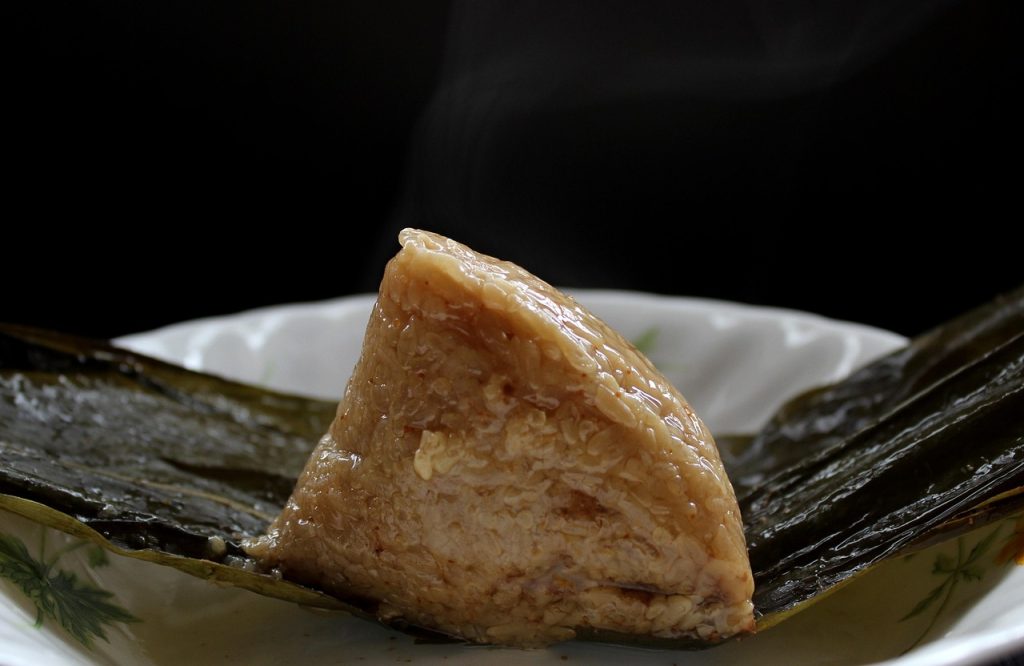
Chinese food is not one cuisine but many, as varied as the regions and climates of the vast country, and it ranks among the supreme culinary traditions of humanity. The broad divide between the wheat-eating north and the rice-eating south is only the beginning; each region developed its own flavors, techniques, and specialties, from the fiery dishes of the southwest to the delicate seafood of the coast and the rich, sweet cooking of the lower Yangtze.
Certain principles run through it all: the balance of flavors and textures, the ideal of harmony between ingredients, the value placed on freshness, and the deep connection between food and health rooted in traditional ideas of hot and cold, of balance and nourishment. A meal is ideally a composition of contrasting and complementary dishes, shared from common plates, an expression of the communal spirit that runs through Han social life. Eating together is among the most important of social acts.
Staples and techniques that the Han refined have spread across the world, from the stir-fry to the dumpling, from noodles to the steamed bun, and Chinese restaurants are now found in nearly every country on earth. Yet the food eaten in China itself is far richer and more varied than the versions known abroad, a living tradition passed down in countless home kitchens and regional restaurants, tied to festivals, seasons, and the rhythms of family life.
Tea, too, is a Chinese gift to the world, and the drinking of tea is woven deeply into the culture, from the simple cup offered to a guest to the refined appreciation of fine leaves. The offering of food and drink is central to Han hospitality, and no celebration, from a wedding to the New Year, is complete without a feast. In the shared meal, the bonds of family, friendship, and community are affirmed, and the culture expresses its deepest values of harmony and abundance.
New Year and the Turning of the Seasons
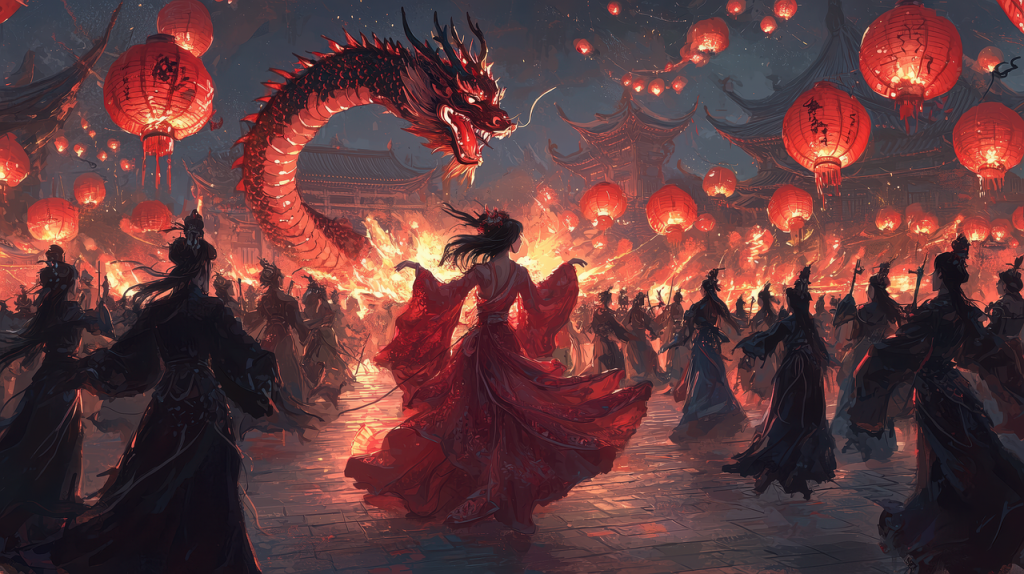
The greatest of all Han festivals is the lunar New Year, the Spring Festival, which remains the emotional heart of the year and triggers the largest annual movement of human beings on the planet as hundreds of millions travel home to be with family. Its customs are rich and ancient: the reunion dinner on the eve, the red decorations and couplets, the gifts of money in red envelopes, the firecrackers to drive off evil, and the days of visiting and feasting that follow.
The New Year is above all a family festival, a time of reunion, of honoring ancestors, and of renewing the bonds of kinship, and its rituals express the deepest values of Han culture. The dragon and lion dances that fill the streets, the lanterns that mark its close, and the special foods eaten for their auspicious meanings all belong to a celebration that binds the living, the dead, and the hoped-for future generations into a single continuity across the turning of the year.
Other festivals mark the round of the seasons and the lunar calendar. There is the spring festival for tending the ancestral graves, the summer festival of the dragon boats with its races and rice dumplings, the autumn festival of the harvest moon with its round mooncakes and family gatherings, each tied to its own foods, legends, and observances. Together these festivals give the year its rhythm and connect the people to the cycles of nature and the stories of the past.
Beneath the great national festivals runs a wealth of local celebrations, temple fairs, and observances tied to particular gods and places, adding regional color to the shared calendar. Weddings and birthdays, especially the milestone birthdays of the elderly, are occasions for feasting and the display of familial devotion. Through all these celebrations, the Han express and renew the values of family, continuity, and harmony that lie at the core of their culture.
Dynasties and the Dream of Unity
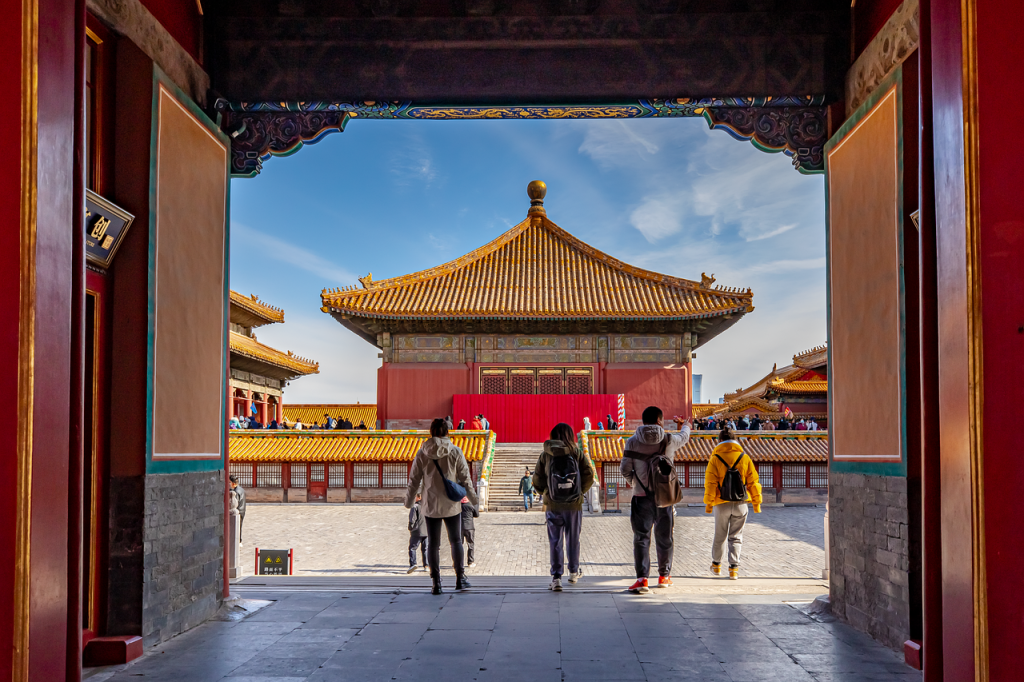
The history of the Han is, in one telling, a majestic cycle of dynasties, each rising in vigor, flourishing in a golden age, and declining into corruption and collapse before a new dynasty seized the mandate to rule. From the first unification of the warring states into a single empire, through the glories of the Han and the cosmopolitan brilliance of the Tang, to the commercial sophistication of the Song and beyond, the story unfolds as a succession of imperial houses over more than two thousand years.
Yet through all the rises and falls ran a powerful continuity: the idea of a unified China, a single civilized realm that ought properly to be one under a single ruler holding the mandate of heaven. Even when the empire fragmented into warring kingdoms, as it repeatedly did, the ideal of unity endured, and again and again a new power arose to reunite the realm. This conviction that China should be one is among the most persistent and consequential ideas in all of history.
More than once the empire was conquered and ruled by peoples from beyond the frontier, from the north and the steppe, and yet the pattern held: the conquerors, to govern the vast Han population, adopted Chinese methods, Chinese administration, and often Chinese culture, until they were partly absorbed into the civilization they had overrun. The remarkable capacity of Han culture to assimilate its conquerors is one of the great themes of Chinese history, a cultural resilience that outlasted every military defeat.
The modern era brought a shattering of the old order: the humiliation of the empire by foreign powers, the fall of the last dynasty, and a century of revolution, war, and upheaval that transformed China utterly. Out of this turmoil emerged the modern Chinese state, and the Han found themselves at the center of a nation reinventing itself at breathtaking speed. The dynastic cycle had ended, but the ancient dream of a unified, powerful China endured into a new and very different age.
A People in the Present
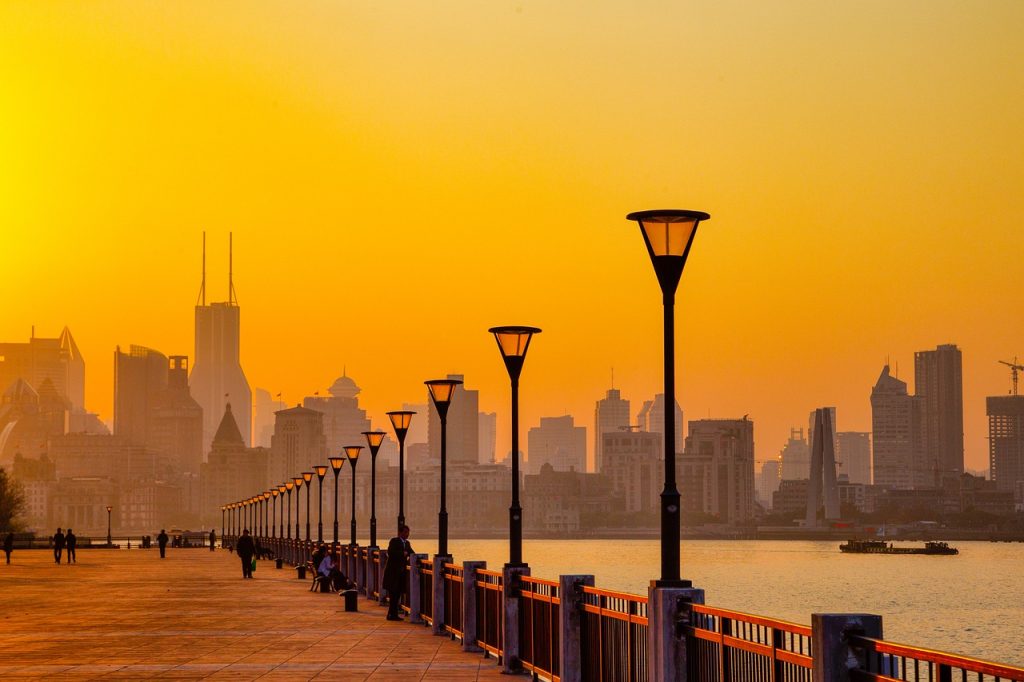
Today the Han number well over a billion, forming the overwhelming majority of the population of China and a substantial diaspora spread across the world, from the old communities of Southeast Asia to the newer ones of the West. They anchor the world’s most populous nation and one of its great powers, and the transformation of China over recent decades, from a poor agrarian society into an urban, industrial giant, has been among the most dramatic changes in human history.
This transformation has remade Han life almost beyond recognition. The farmers who for millennia formed the vast majority have poured into the cities, and a society organized around the village and the ancestral land has become one of skyscrapers, factories, and screens. The old certainties of family and tradition coexist, sometimes uneasily, with the pressures and opportunities of a hyper-modern economy, and the pace of change has opened deep questions about identity, values, and the meaning of the past.
Yet the deep structures of Han culture show remarkable persistence. The family remains central, the New Year still empties the cities as everyone travels home, the reverence for education endures in ferocious devotion to schooling, and the food, the festivals, and the sense of a shared civilization continue to bind the people together. The classical heritage of poetry, philosophy, and art is cultivated with renewed pride, a link to a past of extraordinary depth and continuity.
The Han are, in the end, less a race than a civilization made human, a fifth of humanity bound together by a script, a history, and a shared idea of what it means to be civilized. Their story is inseparable from that of the many other peoples who share the vast territory of China, some of whom have their own ancient claims to the land and their own very different ways of life. It is to one of the most distinctive of these, the Turkic Muslims of the far northwestern deserts, that we turn next.



4 thoughts on “A Fifth of Humanity, the Story of the Han Chinese”