Along the northern edge of the Great Plains, where the grasslands rise toward the Rocky Mountains, the Blackfoot built one of the most powerful ways of life on the northern plains. A confederacy of closely related nations, they commanded a vast bison country that straddled the future border between the United States and Canada, and their reputation as hunters and warriors spread far across the plains. Theirs was a world of the tipi, the horse, the great herds, and the sacred bundle.
This article traces the Blackfoot world from the making of their confederacy and the meaning of their name through their language, homeland, society, beliefs, crafts, food, and celebrations, and on through a history of dominance, catastrophe, and renewal into a living present. It is the story of a people who ruled a northern grassland empire, endured the collapse of the world the bison had sustained, and carried their identity into a confident modern era.
Contents
- People of the Northern Plains
- The Name and the Confederacy
- Language of the Confederacy
- Homeland Beneath the Rockies
- The Old Way of Life
- Society, Bands, and Societies
- The Sacred and the Medicine Bundle
- Traditions Handed Down
- Craft and Material Culture
- The Bison and the Food of the Plains
- Gathering and Celebration
- A History of Dominance and Loss
- The Blackfoot Today
People of the Northern Plains
Along the northern reaches of the Great Plains, in the country where the grasslands roll up against the wall of the Rocky Mountains, the Blackfoot built a powerful and distinctive way of life. Theirs was a confederacy of closely related groups who dominated a vast northern territory, feared and respected by their neighbors, and bound together by a common language, shared traditions, and a fierce independence. The Blackfoot were among the great powers of the northern plains through the height of the horse-and-bison era.
The Blackfoot were not a single tribe but an alliance of related nations, joined by kinship and a shared identity while each retained its own bands and leaders. This confederacy commanded a broad domain that straddled what would later become the border between the United States and Canada, and its members moved across this country following the bison herds that sustained their entire existence.
Renowned as skilled hunters and formidable warriors, the Blackfoot guarded their territory jealously and resisted encroachment with determination. Their mastery of the horse and their control of a rich bison country made them a dominant presence, and their reputation spread far across the plains and beyond, carried by traders, rivals, and the accounts of those who encountered them.
Behind that reputation lay a rich culture of ceremony, craft, and social organization, and a spiritual life of great depth. To understand the Blackfoot is to look past the image of the warrior toward the fullness of a society that flourished on the northern grasslands and carried its identity through the upheavals that followed into a vigorous present.
The Name and the Confederacy
The name Blackfoot, or Blackfeet, is the English rendering of a term whose origin is traditionally explained by reference to the dark coloring of the peoples’ moccasins, said to have been stained or darkened. Whatever its exact source, the name came to stand for the whole confederacy in English and became the label by which these peoples were widely known, even as they used their own designations among themselves.
The confederacy itself was made up of several related divisions, each a distinct group with its own bands but joined to the others by language, intermarriage, and common cause. Together they formed a powerful alliance that acted in concert against rivals while allowing each division a large measure of autonomy in its own affairs. This structure gave the Blackfoot both unity and flexibility.
In their own language the people called themselves by a name that expressed their identity as the members of this confederacy, and the various divisions likewise had their own names rooted in their history and territory. The relationship among the divisions was one of kinship and alliance rather than centralized rule, a pattern common among the peoples of the plains.
Today the descendants of the confederacy are found in both the United States and Canada, where the international border cut through their traditional territory and divided the confederacy among different nations and reserves. The name continues to carry pride and identity, attached to communities that assert a continuous heritage reaching back through the plains era.

Language of the Confederacy
The Blackfoot language belongs to the great Algonquian family, tying the people to a wide network of related nations spread across much of North America. Yet within that family the Blackfoot tongue stands somewhat apart, distinctive enough to reflect a long and separate history on the northern plains. It carried the oral traditions, ceremonies, and knowledge of the confederacy, and to speak it was to inherit a whole way of understanding the world.
It is a language of considerable complexity, with an elaborate verb system and a sound structure that gives it a character all its own. Within its words lived the stories of origin, the names of places and beings, the songs of ceremony, and the accumulated wisdom of generations, and fluency was traditionally the medium through which a person absorbed the values and outlook of the people.
As with other Native languages, the twentieth century brought severe pressure through schooling that punished the use of the mother tongue and through the growing dominance of English in daily life. The transmission of the language from elders to the young faltered, and the number of fluent speakers declined, placing the language among those in need of active support and revival.
Blackfoot communities have responded with determined efforts to preserve and revitalize their language, developing programs, classes, and materials aimed at raising new speakers. This work is treated as essential to the survival of the culture, for the language holds knowledge and ways of thinking found nowhere else, and its continuation is understood as a matter of identity and self-determination.

Homeland Beneath the Rockies
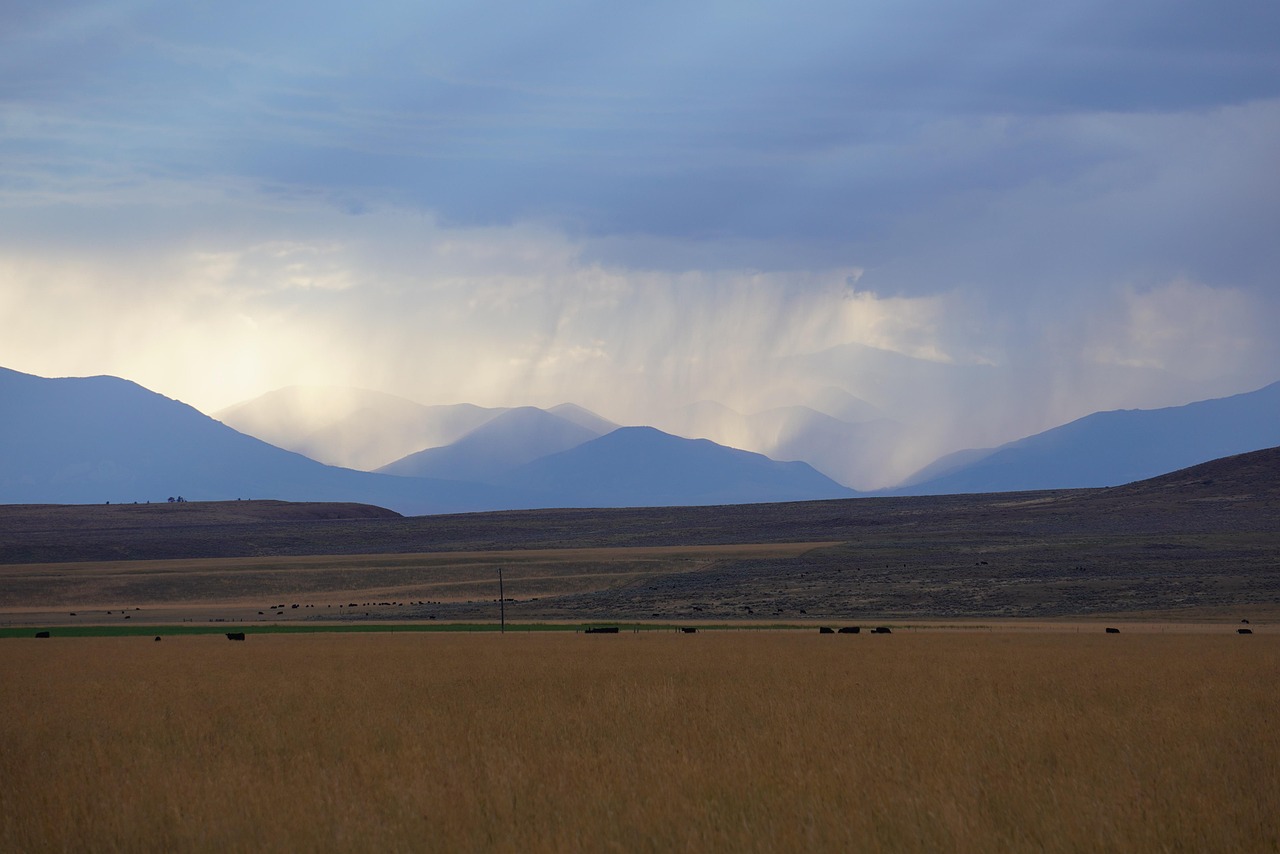
The Blackfoot homeland stretched across a vast expanse of the northern plains, from the foothills of the Rocky Mountains eastward across the grasslands, and from the northern reaches of the plains down into the country that would become the northern United States. This was a land of immense horizons and dramatic contrasts, where the flat and rolling prairie met the sudden rise of the mountains, and where the seasons swung between harsh winters and warm, brief summers.
It was above all bison country, and the movement of the great herds across this landscape governed the rhythm of Blackfoot life. The people followed the herds through the seasonal round, gathering in large camps at certain times and dispersing into smaller bands at others, and their intimate knowledge of the land, its water, its shelter, and its game, was the foundation of their survival and their power.
The proximity of the mountains gave the homeland a distinctive character, providing resources and sacred sites and marking the western edge of the Blackfoot world. Rivers cut across the plains, offering water, wood, and sheltered wintering grounds, and the people knew these features intimately, naming them and weaving them into their stories and their sense of place.
Control of this rich and strategic territory made the Blackfoot a dominant force, and they defended it vigorously against rivals who sought access to its bison and its trade. The homeland was not merely where they lived but the very basis of their strength, a country whose abundance and whose defensibility underlay the confederacy’s prominence on the northern plains.
The Old Way of Life
The Blackfoot way of life was built around the bison and the horse, the two animals that together made possible their mobile, prosperous existence on the northern plains. They lived in tipis, the conical hide tents that could be raised and struck with remarkable speed and carried from camp to camp, following the herds through the seasonal round. The tipi was a marvel suited perfectly to a life of movement, and its arrangement and decoration carried meaning within the community.
Before the horse, the Blackfoot hunted the bison on foot, employing ingenious methods that included driving herds over cliffs at carefully chosen sites, a technique that required deep knowledge, careful organization, and the cooperation of the whole community. The remains of such hunting places testify to the sophistication of these methods and to the central importance of the bison hunt across many generations.
The arrival of the horse transformed this life, vastly increasing the range and efficiency of the hunt and reshaping warfare, trade, and the very measure of wealth. The Blackfoot became superb horsemen, and horses became a central form of property and prestige, so that raiding for horses became an important and dangerous activity carrying its own honor and risk.
Within this mobile existence, labor was divided between the sexes, with men hunting and defending the people and women managing the hides, the tipis, the gathering of plant foods, and the countless tasks of the camp. The survival of the band depended on the coordinated effort of all, and the demanding cycle of the plains year shaped a life of both freedom and hardship.
The buffalo jump, as these cliff-hunting sites are often called, stands among the most striking achievements of the pre-horse plains economy. Generations of accumulated knowledge went into choosing the right terrain, guiding the herd along carefully prepared drive lanes, and processing the great quantity of meat and hide that a successful hunt produced, an undertaking that mobilized the entire community.

Society, Bands, and Societies
Blackfoot society was organized around the band, a flexible group of families that camped and traveled together and that could grow, split, or recombine as circumstances required. Bands were led by respected men whose authority rested on generosity, wisdom, and demonstrated ability rather than on any formal office, and whose influence lasted only as long as they retained the confidence of their people. Leadership was earned and could be lost.
Cutting across the bands were the age-graded societies, organized bodies whose membership was based on the stage of life a man had reached. These societies had their own ceremonies, songs, dances, and responsibilities, and they played important roles in the life of the community, from keeping order in the great camps and hunts to performing ritual duties. A man might advance through a succession of these societies over the course of his life.
These societies gave the confederacy a source of cohesion and organization that reached beyond the individual band, binding men of the same generation across the divisions and creating structures of shared obligation and identity. Women too had their own societies and important roles, and the social fabric of the Blackfoot rested on this web of overlapping affiliations.
Kinship underlay the whole, tying individuals into families and families into bands, and the values of generosity, courage, and proper conduct governed relationships throughout. The result was a society that combined the mobility and independence of plains life with genuine and effective structures of order, giving the Blackfoot the cohesion to act as a formidable power.

The Sacred and the Medicine Bundle
The spiritual life of the Blackfoot was rich and pervasive, grounded in a sense of the sacred power that flowed through the world and could be approached through proper relationship, ceremony, and gift. Central to this life were the sacred bundles, collections of holy objects wrapped and cared for according to strict observance, each associated with particular songs, rituals, and powers. The keeping and transfer of these bundles was among the most solemn of responsibilities.
These bundles were understood to carry great power for healing, protection, and the well-being of the people, and their ceremonies were conducted with meticulous care, for the correct performance of ritual was essential to its effect. The bundles could be transferred from one keeper to another through elaborate ceremonies, and their care wove the sacred deeply into the social fabric of the community.
The great communal ceremony of renewal, held in the season when the bands gathered, was the high point of the ceremonial year, an occasion of fasting, prayer, and sacrifice that renewed the bond between the people and the sacred powers and reaffirmed the unity of the confederacy. The eagle and other beings carried deep spiritual significance, and visions gained through solitary seeking could bring power and guidance.
This spiritual framework gave meaning to every part of life, from the hunt and warfare to healing and the passage of the seasons. It was not a realm apart but the very ground of existence, a way of understanding the world as alive with power and of locating the people within a sacred order that demanded respect, gratitude, and right conduct.
The transfer of a sacred bundle was among the most significant events in the life of the community, a ceremony that could involve the exchange of considerable property and the careful teaching of the songs and rituals attached to the bundle. In this way the sacred knowledge was passed on intact, and the responsibility for maintaining the relationship with the powers moved from one keeper to the next.

Traditions Handed Down
Blackfoot traditions were carried through ceremony, story, song, and the practices of daily life, passed from one generation to the next by participation and example. Oral tradition preserved the narratives of origin, the deeds of ancestors and culture heroes, the teachings that guided conduct, and the sacred stories that explained the world and the people’s place within it. To tell these stories was to teach, to entertain, and to bind the community to its shared understanding.
The sacred bundles, the age-graded societies, and the elders each held and transmitted particular bodies of knowledge, ensuring that traditions were preserved with care and handed on intact. Songs and dances gave collective form to belief and identity, and the great gatherings were occasions for the renewal and transmission of this shared inheritance, joining the generations in a continuous chain of memory and practice.
Everyday customs carried as much weight as the grand ceremonies. The values of generosity, courage, respect for elders, and self-discipline were instilled from childhood, and the manners of hospitality, the obligations of kinship, and the proper ways of the hunt and the camp formed a cultural inheritance that shaped character throughout life. Children learned by watching and doing, absorbing the expectations of their people.
The survival of these traditions through the catastrophes of the reservation era is a measure of their depth and of the determination of those who kept them. Even when official policy sought to erase them, families and communities preserved the essential core of what made them Blackfoot, adapting outward forms while holding fast to the meaning within.

Craft and Material Culture
The material culture of the Blackfoot reflected their mobile life and their deep dependence on the bison. Nearly every part of the animal was put to use, its hide worked into tipi covers, clothing, and containers, its bones and horns fashioned into tools, its sinew turned into thread and cordage. This thorough use of the bison expressed both practical necessity and a relationship of respect toward the animal on which the whole of life depended.
Blackfoot women were renowned for their skill in working hides and in decorative arts. Before the arrival of trade goods, they adorned garments and objects with dyed porcupine quills worked into intricate patterns, and later the glass beads obtained through trade allowed for elaborate and colorful beadwork that became a celebrated hallmark of their craft, decorating clothing, moccasins, bags, and ceremonial items with striking designs.
The painting of tipis and hides was another important art, used to record honors, mark sacred associations, and express personal and communal meaning. Certain tipi designs were themselves sacred, tied to particular bundles and transferred with ceremony, so that a painted lodge could carry spiritual significance as well as beauty. The objects of daily life were made to be carried, light and durable, yet crafted with care and artistry.
These traditions endure among Blackfoot artisans today, who continue to produce beadwork, quillwork, and other crafts that connect them to their ancestors. The making of these items keeps alive skills and aesthetics developed over generations, joining the practical, the beautiful, and the sacred in a single living practice that affirms cultural continuity.

The Bison and the Food of the Plains
The bison was the foundation of Blackfoot subsistence, supplying the great bulk of the diet and much else besides. The communal hunts, organized and regulated to ensure fairness and success, yielded the meat that sustained the people, eaten fresh in season and dried and preserved for the leaner months. So central was the bison that the whole of Blackfoot life, material and spiritual alike, was bound up with the great herds.
Before the horse, the driving of bison over cliffs at established sites was among the most important hunting methods, allowing the taking of many animals at once through careful organization and deep knowledge of the herd’s behavior. These hunts required the cooperation of the whole community and the skill of those who knew how to guide the animals, and they provisioned the people for the hard seasons ahead.
Dried meat was often pounded with fat and berries into a concentrated, durable food that could be stored and carried, providing nourishment through winter and on the move. This preparation was a staple of the plains diet, and its making was part of the essential work of preserving the harvest of the hunt against times of scarcity.
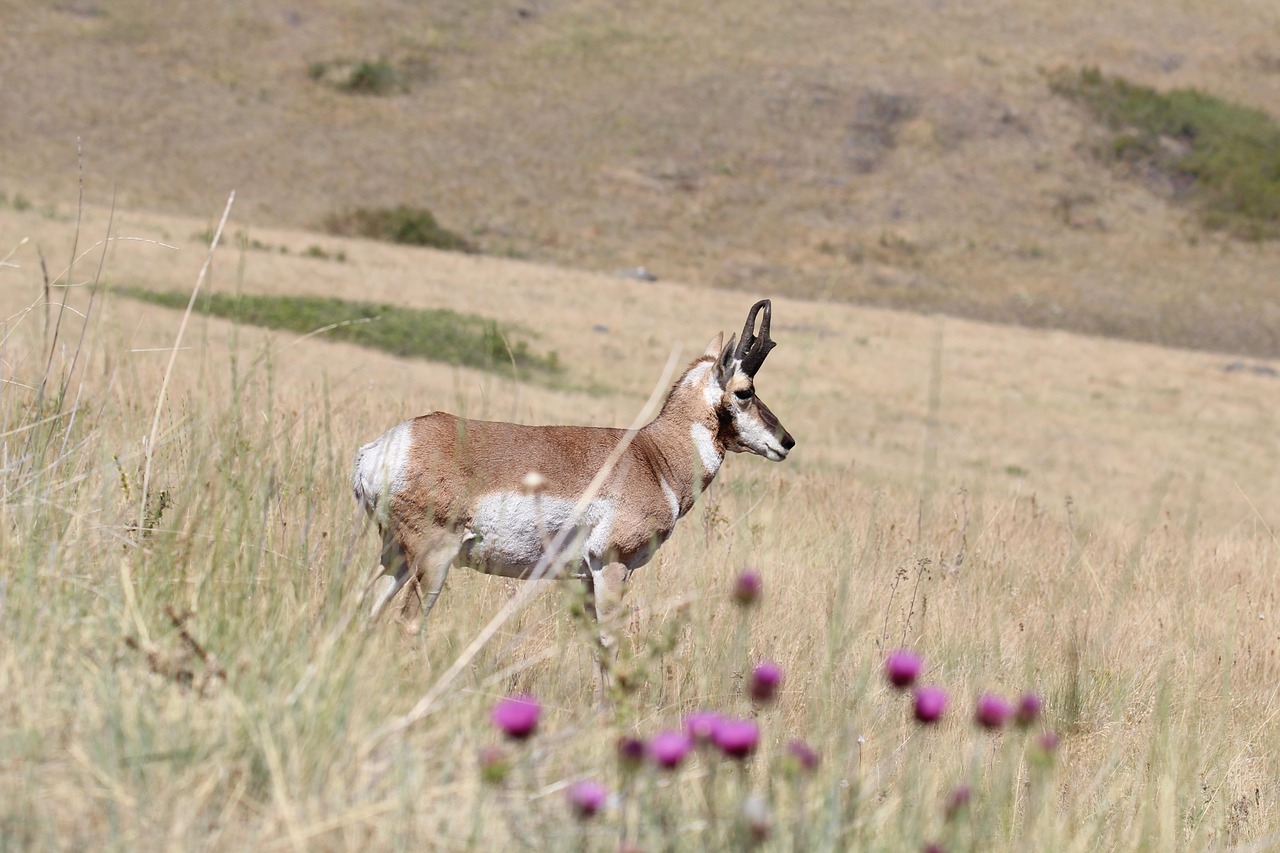
The diet was rounded out by the plant foods that women gathered across the plains, including roots, berries, and other wild plants, as well as by game such as the pronghorn and other animals of the grasslands. Knowledge of these resources and of how to prepare and preserve them represented an accumulated wisdom essential to survival in a country of both abundance and hardship.
Gathering and Celebration
For a people dispersed in small bands through much of the year, the great summer gatherings were occasions of profound importance, drawing the scattered parts of the confederacy together to conduct their ceremonies, renew their bonds, and celebrate their shared identity. These assemblies joined solemn ritual with feasting, dancing, and the pleasures of reunion, and they were essential to the cohesion of a people spread across a wide country.
The great ceremony of renewal was the central event of the gathering, an occasion of prayer, fasting, and sacrifice that reaffirmed the bond between the people and the sacred powers and drew the bands into a single camp. Around it clustered the ceremonies of the societies, the transfer of sacred bundles, and the many observances that marked the high point of the ceremonial year.
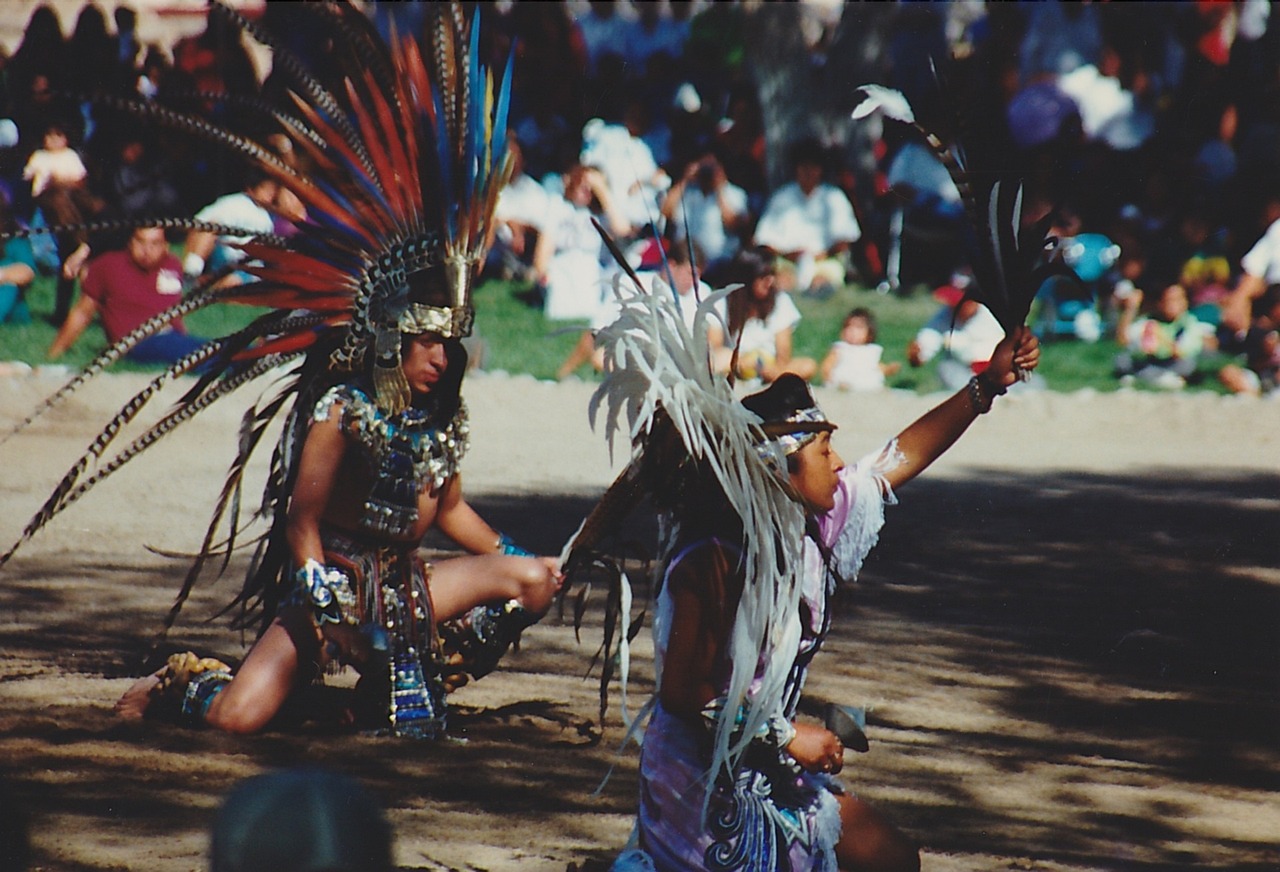
Dancing and song ran through these gatherings, with the age-graded societies performing their distinctive dances and the community joining in celebration. Regalia rich with meaning was worn, and the movements and music enacted stories, honored achievements, and expressed the pride and joy of the gathered people, affirming belonging in a vivid and public way.
In the modern era, powwows and other gatherings carry these traditions forward, bringing Blackfoot people together with those of many nations in shared celebration. Dancers in elaborate regalia keep the old forms alive while taking part in a broad resurgence of Native pride, and these events continue to strengthen community and affirm an identity that has endured through great trials.
A History of Dominance and Loss
For much of the era of the horse and the bison, the Blackfoot were among the dominant powers of the northern plains, commanding a rich territory and defending it vigorously against rivals and newcomers alike. They controlled access to prime bison country and to important trade, and their reputation as formidable warriors kept many at a wary distance. Through skill, strength, and strategic sense, they maintained their independence and prominence far longer than many neighbors.
The nineteenth century brought mounting pressures that would overturn this world. The expansion of trade, the arrival of newcomers, and above all the catastrophic destruction of the bison herds struck at the very foundation of Blackfoot life. Devastating epidemics also swept through the confederacy, carrying off great numbers and weakening communities that had once been powerful, and the combination of these blows proved overwhelming.
The near disappearance of the bison was a calamity of the first order, for it removed the animal on which the entire way of life depended. A terrible period of hardship and hunger followed, and the Blackfoot were compelled to accept confinement to reservations and reserves as their old freedom of movement across the plains came to an end. The international border, drawn across their territory, divided the confederacy among different governments.
Sustained efforts followed to suppress the language, ceremonies, and traditional life of the people, and to remake them according to outside designs. Yet through hunger, disease, confinement, and assimilation pressure, the Blackfoot endured. Their communities held together, their traditions survived in the keeping of those determined to preserve them, and the confederacy carried its identity through its darkest passage.

The Blackfoot Today
The Blackfoot endure today as several nations spread across both sides of the international border, with communities in the northern United States and in Canada, each with its own government, lands, and institutions. These nations administer their own affairs, manage their resources, and work to build sustainable futures for their members while asserting their sovereignty as distinct peoples with a continuous history reaching back long before the states and provinces that surround them.
Cultural revitalization is central to contemporary Blackfoot life. Efforts to teach the language, sustain the ceremonies, care for the sacred bundles, and pass on the crafts and stories reflect a determination to carry the inheritance of the ancestors into a future shaped by modern realities. The great ceremonies and the sacred traditions remain living elements of the culture, tended with the same care as in generations past.
Challenges remain real, from the economic pressures common to many reservation and reserve communities to the ongoing work of protecting sacred sites, asserting treaty rights, and healing the wounds of a difficult history. The Blackfoot navigate these difficulties with the resourcefulness and resilience that carried their ancestors through far harsher trials, drawing on both tradition and modern tools to advocate for their people and their future.
To speak of the Blackfoot today is to speak not of a vanished people but of living nations engaged in the ongoing work of self-determination. Their history, from dominance on the northern plains through catastrophe and confinement to renewal, has become the foundation of a confident present, and the identity forged across those centuries continues to shape a future the Blackfoot are determined to define for themselves.

Related Peoples of the Great Plains
The Blackfoot shared the grasslands with other great nations of the plains, whose histories of the bison hunt and the horse ran parallel to their own. To read about their fellow peoples of the Great Plains, explore these related profiles:
You May Like
The Zaza, a Mountain People of Eastern Anatolia