In the high desert of western New Mexico, along a small river that has sustained life for more than a thousand years, live the A’shiwi, known to the world as the Zuni. Among the many Native nations of the American Southwest, the Zuni occupy a place all their own, and not only because of their striking art and their elaborate ceremonial life. Their language belongs to no known family, a linguistic isolate with no living relatives, marking the A’shiwi as a genuinely distinct people rooted in one valley since time out of mind.
This is the story of a community that has done something few others managed: it stayed. Where the history of Native America is so often a history of removal and dispersal, the Zuni have farmed the same fields, prayed toward the same mountains, and spoken the same singular tongue across centuries of drought, conquest, and colonial pressure. What follows traces their origins, their language and homeland, their farming and social order, their religion and arts, and the endurance that has carried them intact into the present.
Contents
- Ancient Roots in the Zuni River Valley
- The People Who Call Themselves A’shiwi
- A Language Unlike Any Other
- High Desert, Sacred Mountains, and a Single River
- Farmers of Corn, Beans, and Squash
- Clans, Kivas, and the Architecture of Community
- A World Ordered by Ceremony
- Dances, Songs, and the Turning of the Year
- Turquoise, Silver, and the Fetish Carvers
- Corn at the Center of the Table
- Shalako and the Great Ceremonies
- Conquest, Revolt, and Endurance
- The A’shiwi in the Present Day
Ancient Roots in the Zuni River Valley
Along a modest river in what is now western New Mexico, the Zuni have lived for well over a thousand years, and by their own account far longer than that. Their oral tradition traces the people’s emergence from the layered worlds beneath the earth and a long migration in search of the middle place, the sacred center where the community was meant to settle. That destination turned out to be the fertile valley where Zuni Pueblo, known to its residents as Halona Idiwan’a, still stands today.
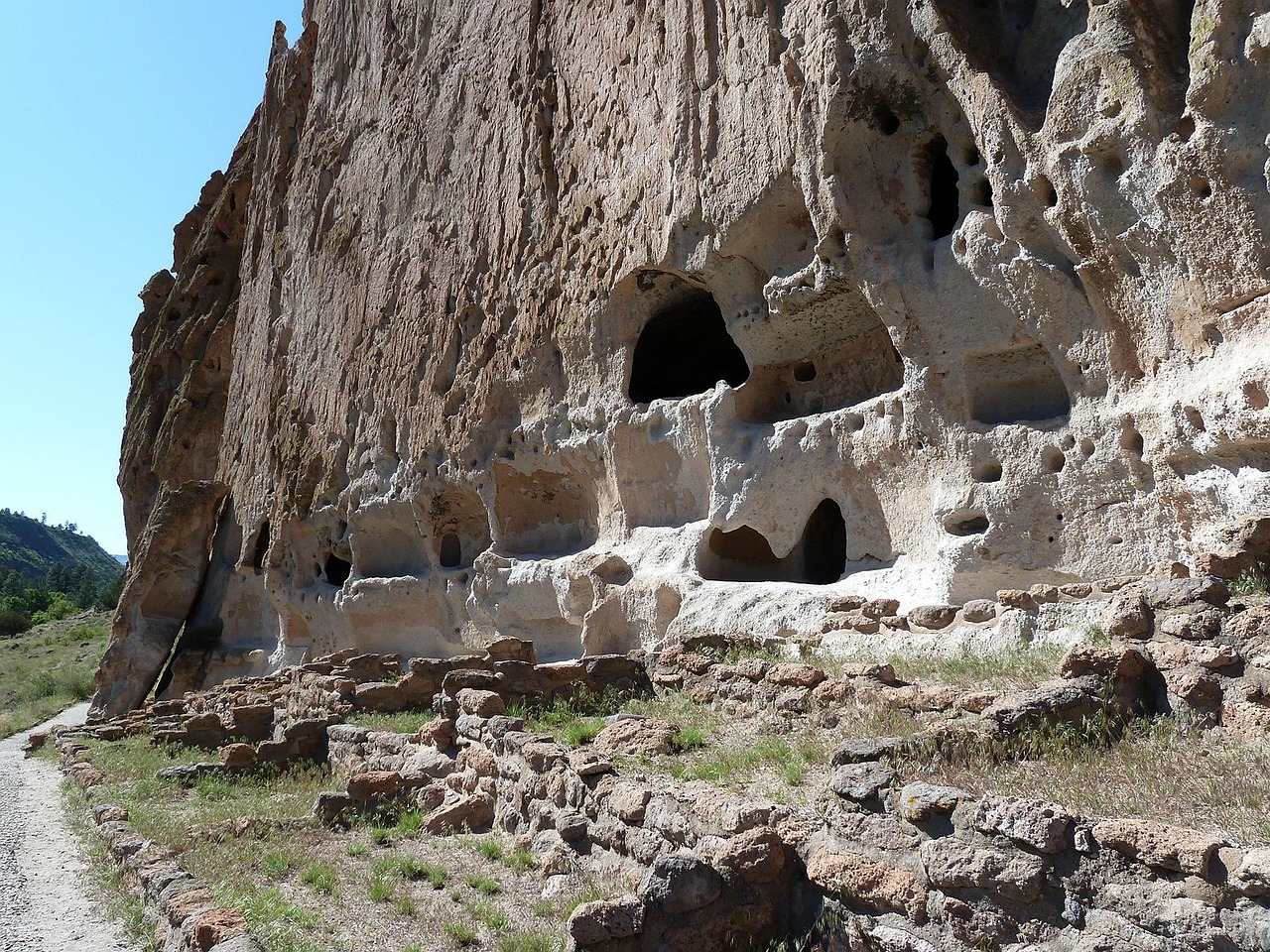
Archaeologists connect the Zuni to the broader Ancestral Puebloan tradition that flourished across the Four Corners region, builders of the great houses at Chaco Canyon and the cliff villages of Mesa Verde. When those centers were abandoned during the droughts and upheavals of the thirteenth and fourteenth centuries, populations consolidated. Several ancestral villages along the Zuni River gradually merged into the compact, defensible communities that Spanish explorers would later encounter.
By the time of European contact, the Zuni occupied a cluster of substantial towns, each a dense apartment-like complex of stone and adobe rooms rising in terraces. These were among the largest permanent settlements north of Mexico, home to farmers who had mastered the difficult art of raising crops in an arid land. Their persistence in one homeland, unbroken across centuries of drought, invasion, and colonial pressure, is one of the defining features of Zuni history.
That deep continuity gives the Zuni an unusually strong sense of place. Unlike many Native nations pushed far from their origins, the Zuni still farm the same fields, draw from the same springs, and orient their ceremonies toward the same mountains their ancestors knew. The landscape itself is a living archive of the people’s story.
The People Who Call Themselves A’shiwi
The word Zuni comes to English through Spanish, which borrowed it from a term used by neighboring peoples. It is not what the Zuni call themselves. In their own language they are the A’shiwi, meaning roughly the flesh or the people, and their homeland is Shiwinna. The distinction matters, because the outside name and the inside name carry entirely different histories.
When Spanish expeditions arrived in 1540 they were chasing rumors of the fabled Seven Cities of Cibola, cities said to gleam with gold. The name Cibola attached itself to the Zuni towns, and the disappointment of the treasure hunters who found farming villages rather than golden palaces did nothing to lessen the violence that followed. The gap between European fantasy and Zuni reality was enormous.
Over the centuries the spelling and pronunciation of the outside name shifted through many hands, but the community’s own name for itself never wavered. To be A’shiwi is to belong to a specific people rooted in a specific valley, bound by a shared language and a shared ceremonial life that no borrowed label could capture.
Names, in the Zuni world, are not casual. Personal names, clan affiliations, and religious titles all carry weight and obligation. That a people so careful about naming should be known to the world by a word from someone else’s tongue is a small irony of colonial history, one the community itself is increasingly working to correct.
A Language Unlike Any Other
The Zuni language is a genuine rarity: a linguistic isolate, meaning it has no demonstrated relationship to any other language on earth. It is not part of the Uto-Aztecan family of its Hopi neighbors, nor the Keresan or Tanoan tongues of other pueblos, nor any wider grouping that linguists have been able to establish. It stands entirely alone.
This isolation tells a story of remarkable depth. A language with no living relatives has usually been separated from any common ancestor for a very long time, long enough for every trace of kinship to fade. It suggests the A’shiwi have occupied their corner of the Southwest as a distinct community for thousands of years, developing a tongue that owes nothing to the peoples around them.
Scholars have noted a few tantalizing but unproven ideas about distant connections, none of which hold up under scrutiny. What is certain is that Zuni remains fully alive. It is spoken daily in the pueblo, taught to children, and used in the ceremonies that structure community life, making it one of the healthier Indigenous languages in the United States.
Preserving that language is a conscious project. Because Zuni carries concepts, prayers, and place names that exist nowhere else, its survival is inseparable from the survival of Zuni thought itself. Community programs, bilingual schooling, and the sheer daily vitality of the tongue have kept it from the endangered status that has overtaken so many other Native languages.
The persistence of Zuni as a living isolate also makes it a subject of deep interest to linguists worldwide, for languages without relatives are windows into human diversity that cannot be reconstructed once lost. Every isolate that falls silent takes with it a wholly independent way of organizing sound, grammar, and meaning. That the A’shiwi have kept theirs vigorous is a gift not only to their own children but to the shared inheritance of humanity.
High Desert, Sacred Mountains, and a Single River
Zuni country sits at around six thousand feet, a landscape of mesas, sandstone bluffs, juniper flats, and the thin ribbon of the Zuni River. Rainfall is scarce and unpredictable, summers are hot, winters cold, and the growing season short. It is not obviously generous land, and the A’shiwi have wrung sustenance from it through knowledge accumulated over countless generations.
The most striking landmark is Dowa Yalanne, the great mesa that rises abruptly above the valley. More than a scenic feature, it is a refuge and a sacred place; in times of danger the community retreated to its heights, and it remains central to Zuni religious geography. The surrounding mountains, springs, and shrines together map a sacred landscape whose meaning is legible only to those raised within the tradition.
Water governs everything. The Zuni developed sophisticated techniques to capture and direct the scarce runoff, farming the floodplain and channeling storm water to their fields. Their relationship to the river and to rain is not merely practical but profoundly spiritual, woven through prayers and ceremonies aimed at maintaining the delicate balance on which life in this dry country depends.
This is a homeland the Zuni have never left. Where other nations measure their history in removals and relocations, the A’shiwi measure theirs in continuity, a people and a place so tightly bound that the land itself is treated as kin, to be cared for and spoken to rather than simply used.

Farmers of Corn, Beans, and Squash
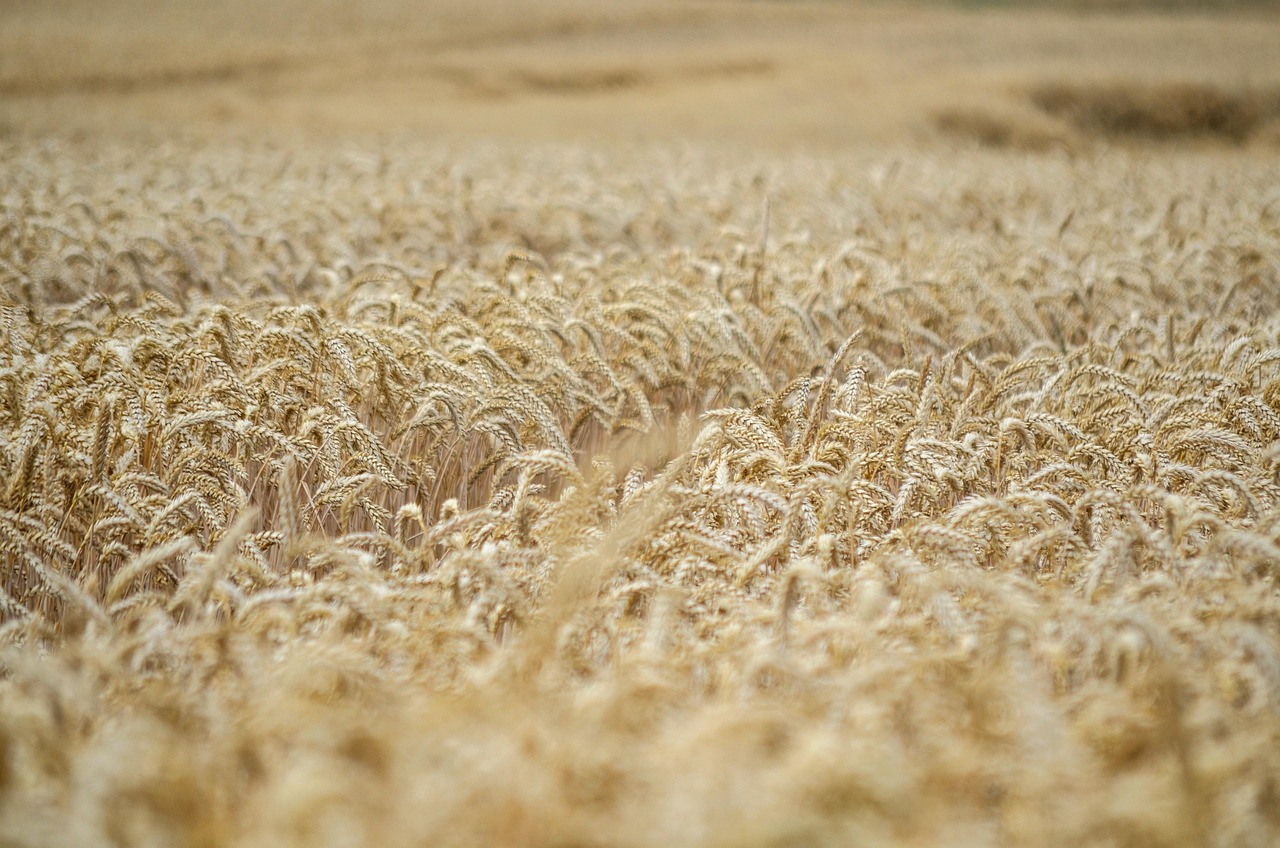
The foundation of Zuni life was agriculture. Long before contact the A’shiwi grew corn, beans, squash, and cotton in the arid valley, relying on drought-resistant varieties bred over centuries and on ingenious methods of dryland and floodwater farming. Corn above all was the staff of life, revered as a gift and a relative rather than a mere commodity.
Zuni farmers planted deep to reach subsoil moisture, spaced their hills to survive dry spells, and read the sky and the seasons with practiced care. Waffle gardens, small sunken plots bordered by earthen walls to hold precious water, allowed intensive cultivation near the village. This was farming as a discipline requiring patience, observation, and a whole cosmology of rain and growth.
Corn came in many colors, each associated with a direction and a meaning, and the harvest was woven into the ceremonial calendar. Hunting supplemented the fields, with rabbits, deer, and antelope taken from the surrounding country, and wild plants gathered in their seasons. But it was the reliability of stored corn that allowed the Zuni to build permanent towns and a settled way of life.
This agricultural base shaped everything else. A people who could store surplus grain could support craftspeople, priests, and a complex ritual life. The rhythm of planting, tending, and harvesting set the tempo of the year, and the constant negotiation with an unforgiving climate gave Zuni culture its enduring themes of balance, reciprocity, and prayer for rain.
Clans, Kivas, and the Architecture of Community
Zuni society is organized through a dense web of overlapping memberships. People belong to matrilineal clans, tracing descent through their mothers, and clan identity shapes marriage, inheritance, and ceremonial roles. Layered over the clans are the kiva groups and the medicine and priestly societies, each with its own duties, so that a single person may hold several distinct responsibilities within the community.
This multiplicity is not accidental. By binding individuals into many crosscutting groups, Zuni society weaves a fabric in which everyone is connected to everyone else through several threads at once. Authority is distributed among religious leaders and society heads rather than concentrated in a single chief, a system that has proven remarkably stable across centuries.
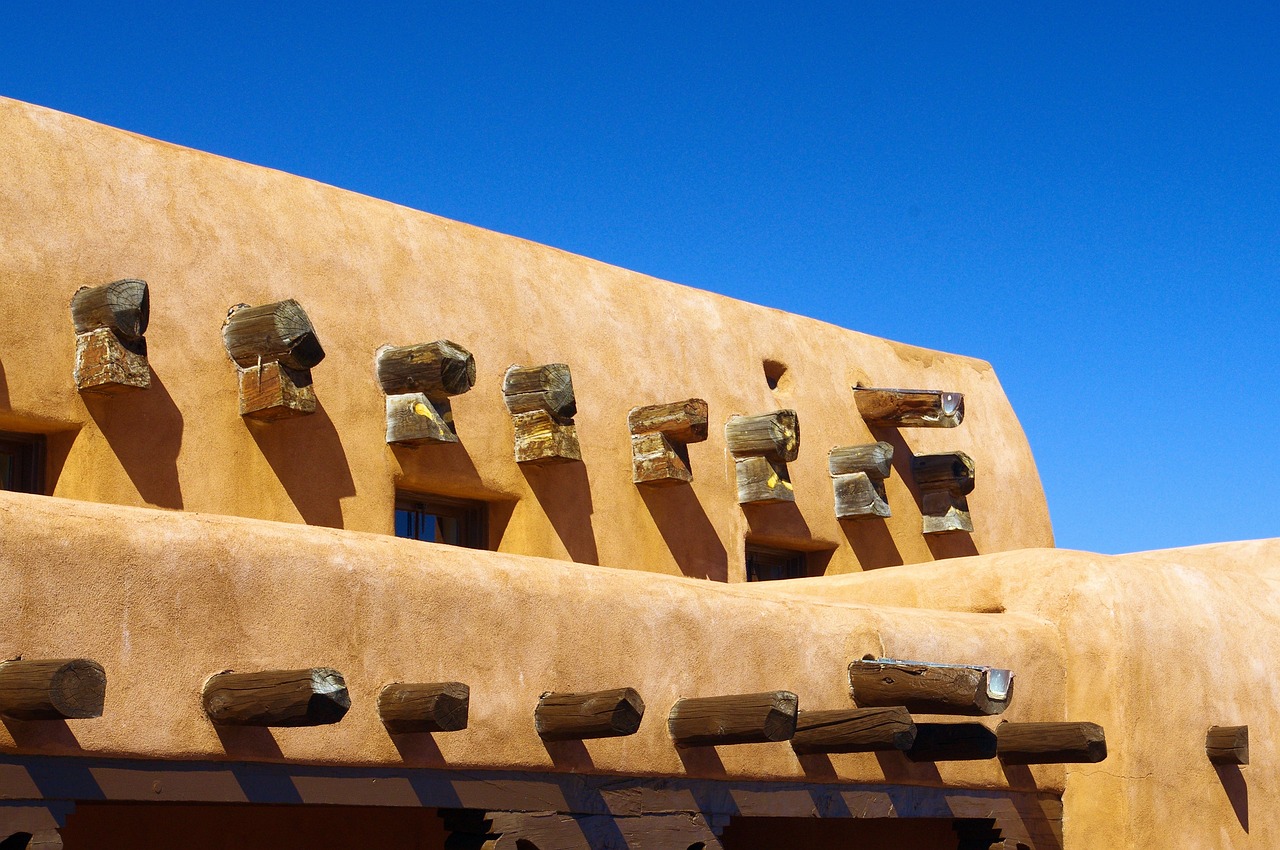
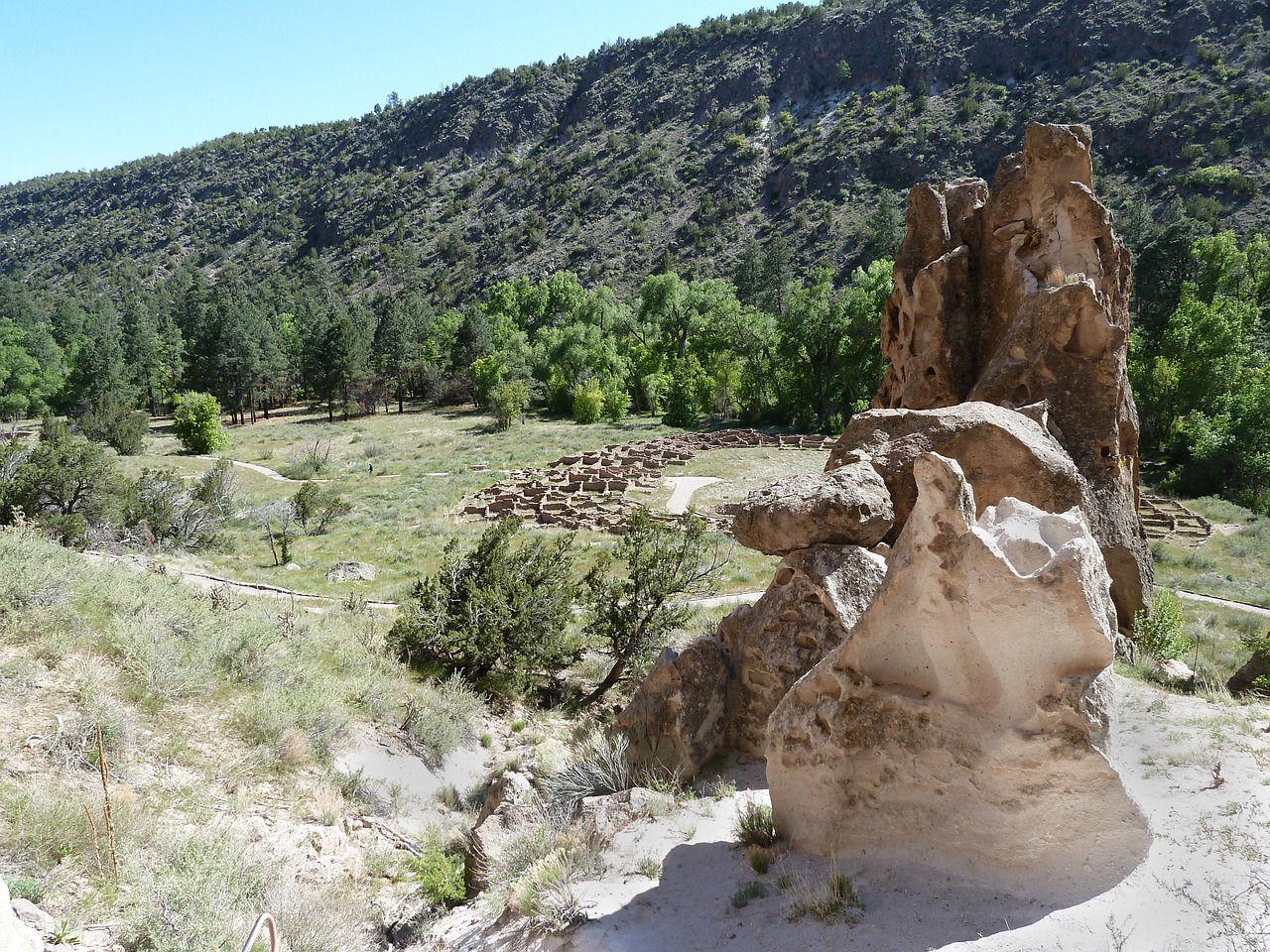
The physical town mirrors the social one. Traditional Zuni architecture stacked rooms in terraces around plazas, with the sacred kivas set among the dwellings as spaces for ritual and instruction. Family life, work, and worship all unfolded within this compact settlement, where the boundary between the domestic and the sacred was porous by design.
Consensus and continuity are prized over rupture. Decisions of consequence emerge slowly, through the deliberation of the appropriate societies and leaders, and the goal is always to preserve the harmony and balance on which Zuni wellbeing is understood to rest. It is a social order built to endure rather than to move quickly.
A World Ordered by Ceremony
Few communities in North America maintain a religious life as intricate and demanding as the Zuni. Their year is structured by a cycle of ceremonies tied to the solstices, the agricultural seasons, and the movements of the sun, overseen by a hierarchy of priesthoods whose knowledge is guarded and passed down with great care. Religion is not a compartment of Zuni life; it is its organizing framework.
Central to this world are the kachinas, or koko, ancestral spirit beings associated with rain, fertility, and the wellbeing of the people. During the ceremonial season masked dancers embody these beings, bringing blessings to the community in performances that are simultaneously prayer, art, and social obligation. The Shalako ceremony, held in late autumn, is among the most elaborate, with towering masked figures blessing newly built homes.
The purpose of all this ritual labor is balance. The Zuni understand human beings as responsible for maintaining right relations among people, spirits, and the natural world, and the ceremonies are the means by which that harmony is renewed. Rain, health, and good harvests are believed to follow from ceremonies performed correctly and hearts kept in the proper state.
This religious life has been fiercely protected. Much of it is kept private, closed to outsiders, and the Zuni have long resisted efforts to record or expose their most sacred practices. That guardedness has been essential to survival, allowing the tradition to persist intact through centuries of missionary pressure and outside curiosity.
Outsiders have often misunderstood the masked dancers as mere performers or the ceremonies as folklore, but within Zuni thought these are acts of cosmic maintenance, as necessary as planting and harvest. To perform them carelessly, or to expose them to profane eyes, is understood to risk the balance itself. This is why so much of the tradition remains closed, and why the community has guarded it with such determination across the generations.
Dances, Songs, and the Turning of the Year
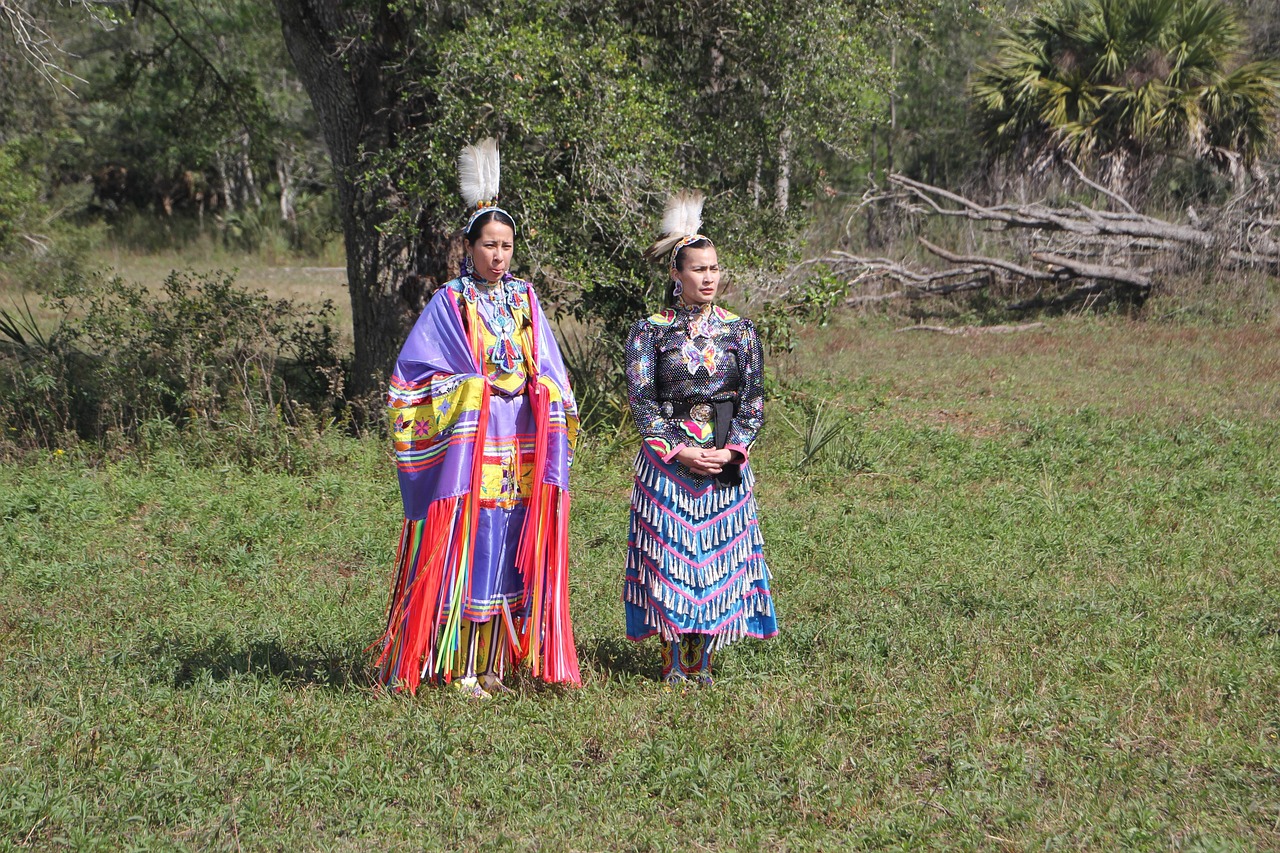
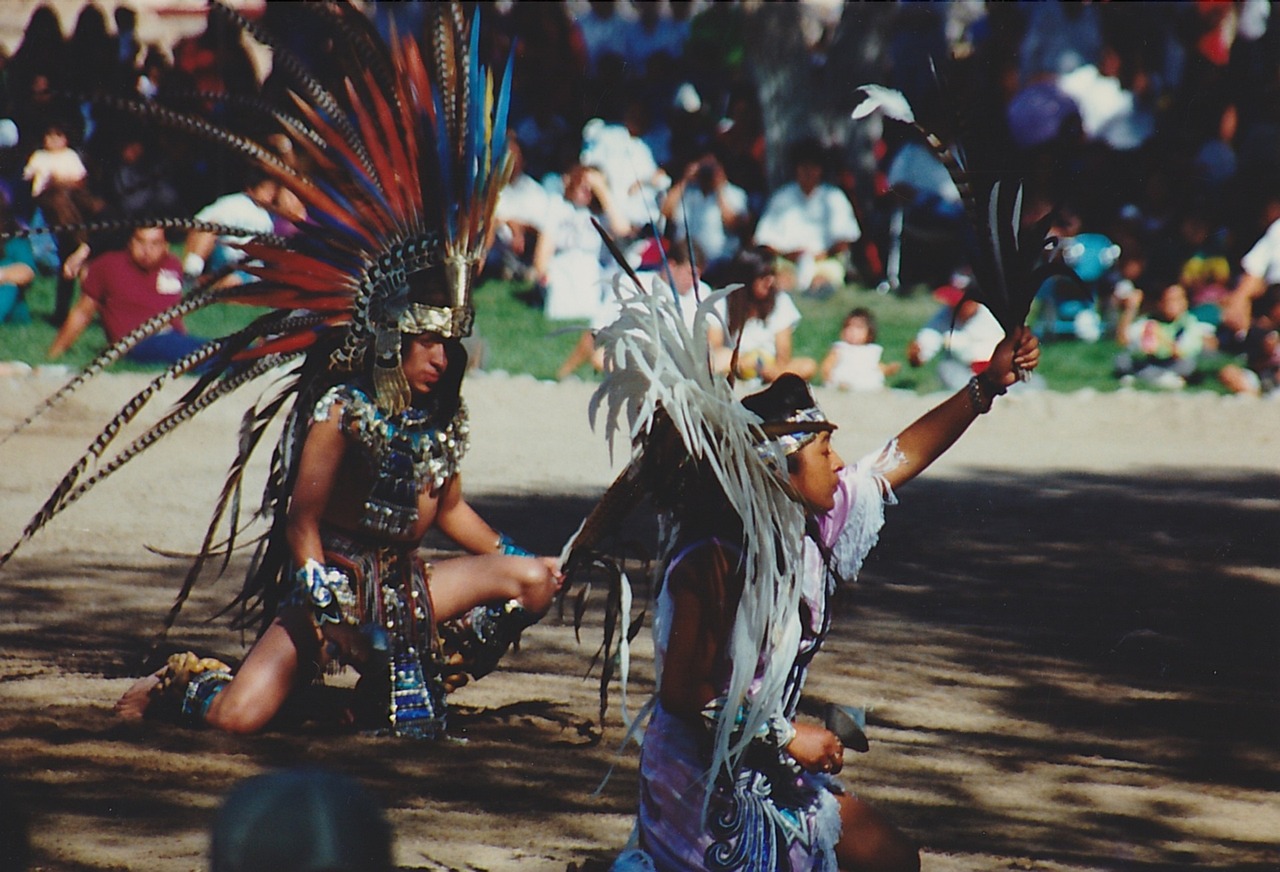
Beyond the great priestly ceremonies, Zuni life is filled with dances and songs that mark the turning of the seasons and the milestones of individual lives. Communal dances in the plazas draw the whole village together, participants and onlookers alike, in events that are at once devotional and joyful. The regalia worn on these occasions, richly made and carefully maintained, carries layers of symbolic meaning.
Music and rhythm anchor these gatherings. Drums, rattles, and voices raised in songs handed down over generations set the pace, and the choreography of the dances follows patterns understood to please the spirits and secure their favor. To participate is both a personal honor and a duty owed to the community and to the unseen powers that sustain it.
Many traditions attach to the human life cycle as well. Birth, naming, initiation into the kiva societies, marriage, and death each carry their own observances, binding the individual ever more tightly into the web of clan and community. Growing up Zuni means being gradually inducted into an expanding circle of ceremonial knowledge and responsibility.
These practices have shown extraordinary staying power. Where colonial authorities and missionaries sought to suppress Native ceremony across the continent, the Zuni managed to keep their ritual year largely intact, adapting on the surface where necessary while guarding the substance. The dances performed in the plazas today are the direct descendants of those their ancestors knew.
Turquoise, Silver, and the Fetish Carvers
The Zuni are celebrated across the world for their artistry, above all in jewelry and stone carving. Zuni silversmiths developed a distinctive style built on precise inlay and delicate needlepoint and petit point settings, in which tiny, carefully cut stones, especially turquoise, are arranged into intricate mosaics. The effect is jewel-like and unmistakable, quite different from the bolder work of neighboring nations.
Turquoise holds special significance, prized both for its beauty and for its associations with sky and water. Alongside it the Zuni work coral, jet, and shell, combining them in patterns that carry symbolic as well as aesthetic weight. A single piece may represent months of painstaking labor, and the finest examples are treasured far beyond the pueblo.
Equally famous are the Zuni fetishes, small carved figures of animals worked from stone, shell, and antler. Traditionally these carvings held spiritual power, embodying the qualities of the creatures they depict and serving as helpers and protectors. Today they are also sought by collectors, though for the carvers themselves the older meanings often remain very much alive.
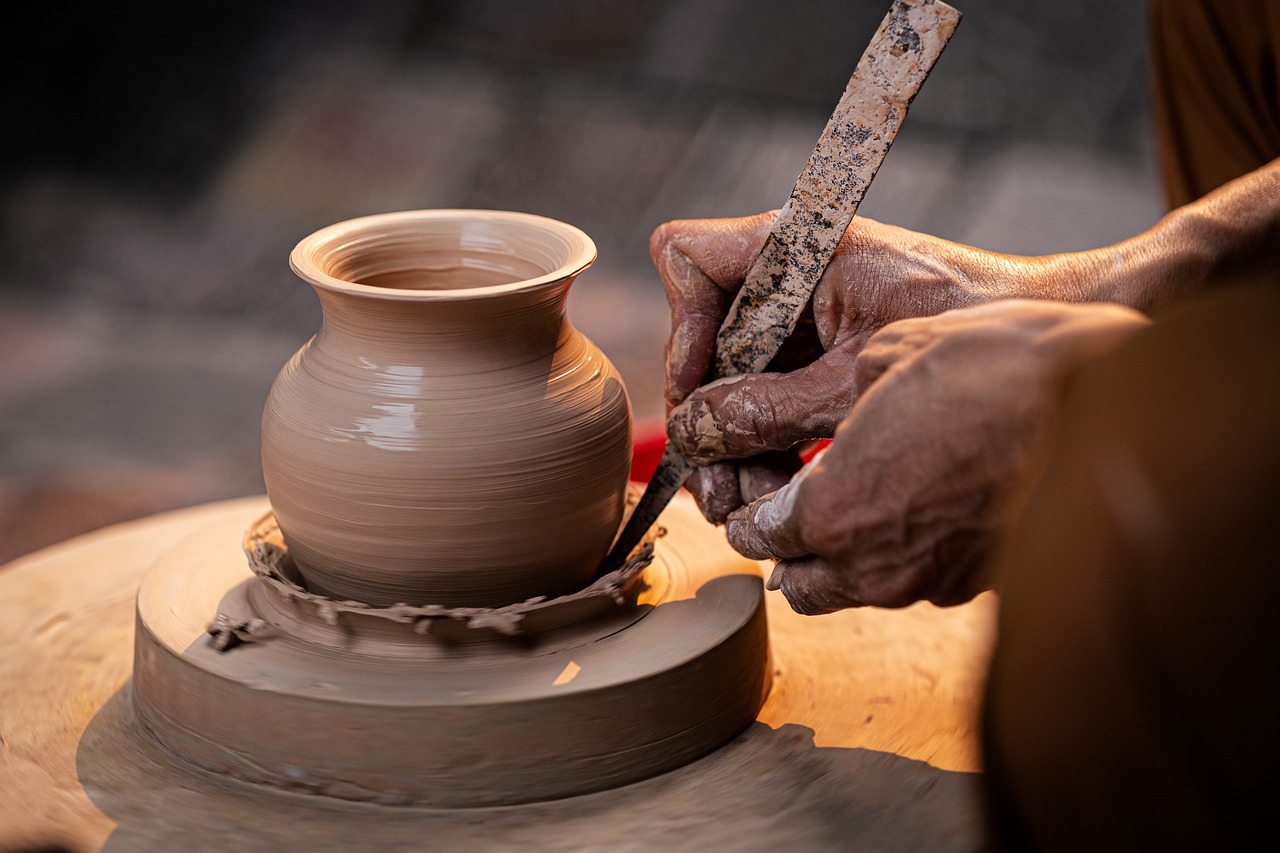
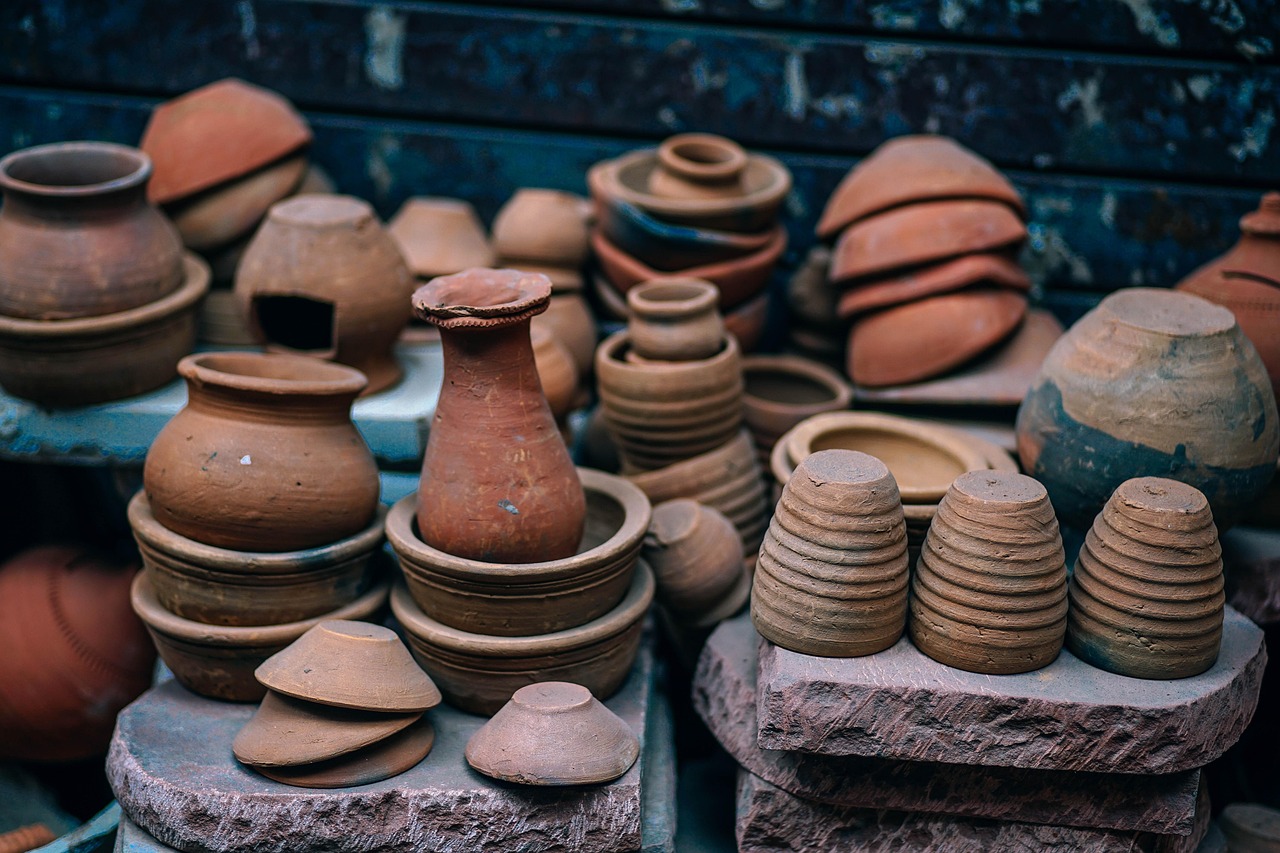
Pottery, too, has a long Zuni pedigree, decorated with distinctive designs including the deer with a heartline, an arrow running from mouth to body that is one of the most recognizable motifs in Southwestern art. These crafts are not mere souvenirs; they are a major part of the pueblo’s economy and a living expression of an artistic tradition thousands of years deep.
The rise of the tourist and collector markets in the twentieth century transformed Zuni craft into a mainstay of the economy, but it also raised difficult questions about authenticity, fair pricing, and the pressure to produce for outside taste. The pueblo has responded by defending the reputation of genuine Zuni work and by passing techniques carefully from master to apprentice, ensuring that the artistry deepens rather than dilutes as it meets the wider world.

Corn at the Center of the Table
Zuni food begins and ends with corn. Ground into meal, it becomes the basis of breads, porridges, and the thin, delicate cornbread traditionally baked on a hot stone. Different colored corns are used for different dishes and occasions, and the preparation of corn foods is bound up with ceremony as much as with sustenance.
Beans and squash round out the ancient trio at the heart of the diet, supplemented by chiles, melons, and other crops adopted over the centuries, along with wild greens, pinon nuts, and game from the surrounding country. The result is a cuisine shaped by the desert, making the most of what a dry land will yield and preserving surplus against the lean months.
Certain dishes carry ceremonial importance, prepared for feasts and gatherings that mark the ritual calendar. Sharing food is a fundamental act of hospitality and kinship in the pueblo, and the great ceremonies are accompanied by cooking on a scale that draws whole families into the work of feeding guests and honoring the occasion.
Modern life has introduced new foods and new health challenges, and the Zuni, like many Native communities, have taken an interest in reviving traditional crops and diets. Heritage corn varieties and old farming methods are being cultivated again, both to nourish the body and to keep alive a foodway that is inseparable from Zuni identity.
Shalako and the Great Ceremonies
The Zuni ceremonial year builds toward events of great splendor, none more renowned than Shalako. Held in late autumn or early winter, it marks the blessing of new houses and the renewal of the community’s relationship with the spirit world. Towering masked figures, the Shalako themselves, move through the village in ceremonies that continue through the night, embodying messengers between the people and the powers of rain and fertility.
Preparation for such events consumes much of the year. Those chosen to serve in the ceremonies undertake long periods of rehearsal, fasting, and prayer, and the households hosting the Shalako labor for months to ready their homes. The result is a spectacle of enormous dignity and beauty, one that the Zuni have historically allowed a limited number of outsiders to witness while keeping its inner meanings private.
Other observances punctuate the calendar as well, from summer rain dances to winter solstice rites, each with its own societies, songs, and obligations. Together they form an unbroken cycle in which the community continually renews the balance on which its wellbeing depends, tying the passage of the seasons to acts of devotion.
These festivals are the beating heart of Zuni public life. They gather the community, reaffirm its shared purpose, and connect the living to the ancestors and the spirits. That they continue in something close to their traditional form is a testament to the tenacity with which the A’shiwi have defended their ceremonial world.

Conquest, Revolt, and Endurance
The arrival of the Spanish in 1540 opened a long and often brutal chapter. The Coronado expedition attacked the Zuni town of Hawikuh, and in the decades that followed the pueblo endured missionization, forced labor, and the suppression of its religion under colonial rule. The A’shiwi resisted, sometimes openly, and joined the great Pueblo Revolt of 1680 that briefly drove the Spanish from the region entirely.
During and after that upheaval the Zuni consolidated on the heights of Dowa Yalanne for protection, later returning to rebuild a single main town at Halona. Through the eighteenth and nineteenth centuries they navigated shifting Spanish, Mexican, and finally American authority, contending with raids from neighboring nations and the steady encroachment of outsiders on their land.
American rule brought new pressures: boarding schools that punished the Zuni language, missionaries, traders, and eventually anthropologists who arrived to study a people that had become famous for its intact traditions. Some of that outside attention was intrusive and exploitative, and the Zuni learned to be guarded, protecting the core of their culture even as they engaged selectively with the wider world.
Through all of it the community held its ground, literally and figuratively. It never suffered the wholesale removal inflicted on many nations, and it entered the twentieth century still rooted in its ancient valley, still speaking its language, and still performing its ceremonies, a record of endurance that shapes how the Zuni understand themselves.
The memory of the Pueblo Revolt and of the long struggle against colonial rule remains a source of quiet pride, a reminder that endurance sometimes required open resistance. The Zuni understanding of their own history is not one of passive survival but of active, deliberate choices, made again and again over centuries, to hold onto the things that made them who they are.

The A’shiwi in the Present Day
Today the Zuni number well over ten thousand, most of them living on the Zuni Reservation in western New Mexico, making it one of the larger and more cohesive pueblos. The community governs itself, manages its own affairs, and continues to speak its language daily, an achievement that stands out sharply against the language loss experienced by so many Native nations.
The pueblo’s economy leans heavily on its world-famous arts. Zuni jewelry, fetish carving, and pottery reach collectors and museums across the globe, and craft income supports many families, though the community also contends with the economic challenges common to rural reservations. Efforts to strengthen agriculture, education, and self-sufficiency continue alongside the arts.
Cultural preservation is pursued with deliberate care. The Zuni run their own museum and heritage programs, teach their language and traditions to the young, and have taken active roles in protecting sacred sites and repatriating ancestral objects and remains. They engage the outside world on their own terms, sharing what they choose and guarding what they must.
What emerges is a portrait of a people who have managed something rare: to remain fully themselves. Rooted in the same valley their ancestors settled, speaking a language shared with no one else on earth, and sustaining a ceremonial life of extraordinary depth, the A’shiwi carry their inheritance forward into a modern world that has repeatedly tried, and failed, to unmake it.
Related Peoples of the American Southwest
- Four Worlds Up: The Hopi Story of Arriving Where They Now Farm
- The People Who Emerged Into This World, the Story of the Navajo
- Apache Survival and Resistance in the Desert Southwest
- Pueblo Peoples and the Ancient Adobe Villages of the Southwest
- Chumash Plank Canoes, Shell Money, and a Maritime California World
You May Like
The Zaza, a Mountain People of Eastern Anatolia