In the green heart of eastern Europe, in a land of deep forests, wide marshes, and slow rivers, lives one of the continent’s quietest and most resilient nations: the Belarusians. One of the three East Slavic peoples, heirs to Kyivan Rus and to the great medieval Grand Duchy of Lithuania, famed for their embroidered towels, their golden straw art, and their devotion to the forest, they are a people whose identity has endured through centuries of foreign rule and the terrible wars that crossed their homeland.
This account follows the Belarusians from their origins in Rus and the Grand Duchy through their language, their homeland of forest and marsh, the old world of the village, their society, their Orthodox and Catholic faith, their traditions, crafts, food, and the great festivals of Kupalle and Kalyady, to the modern independent nation and the quiet endurance that has carried the Belarusian people through so much.
Belarus on Film
Contents
- Origins of the Belarusians, from Kyivan Rus to the Grand Duchy
- What It Means to Be Belarusian
- The Belarusian Language and Its Quiet Endurance
- A Homeland of Forests, Marshes and Rivers
- Old Ways of the Belarusian Village
- Family, Village and the Belarusian Nation
- Orthodox and Catholic Faith in Belarus
- Rushnyk, Straw Art and Belarusian Tradition
- Straw Weaving, Embroidery and Belarusian Handwork
- Draniki, Rye and the Belarusian Table
- Kupalle, Kalyady and the Belarusian Year
- A History Between Empires
- The Belarusians in the Present Day
Origins of the Belarusians, from Kyivan Rus to the Grand Duchy
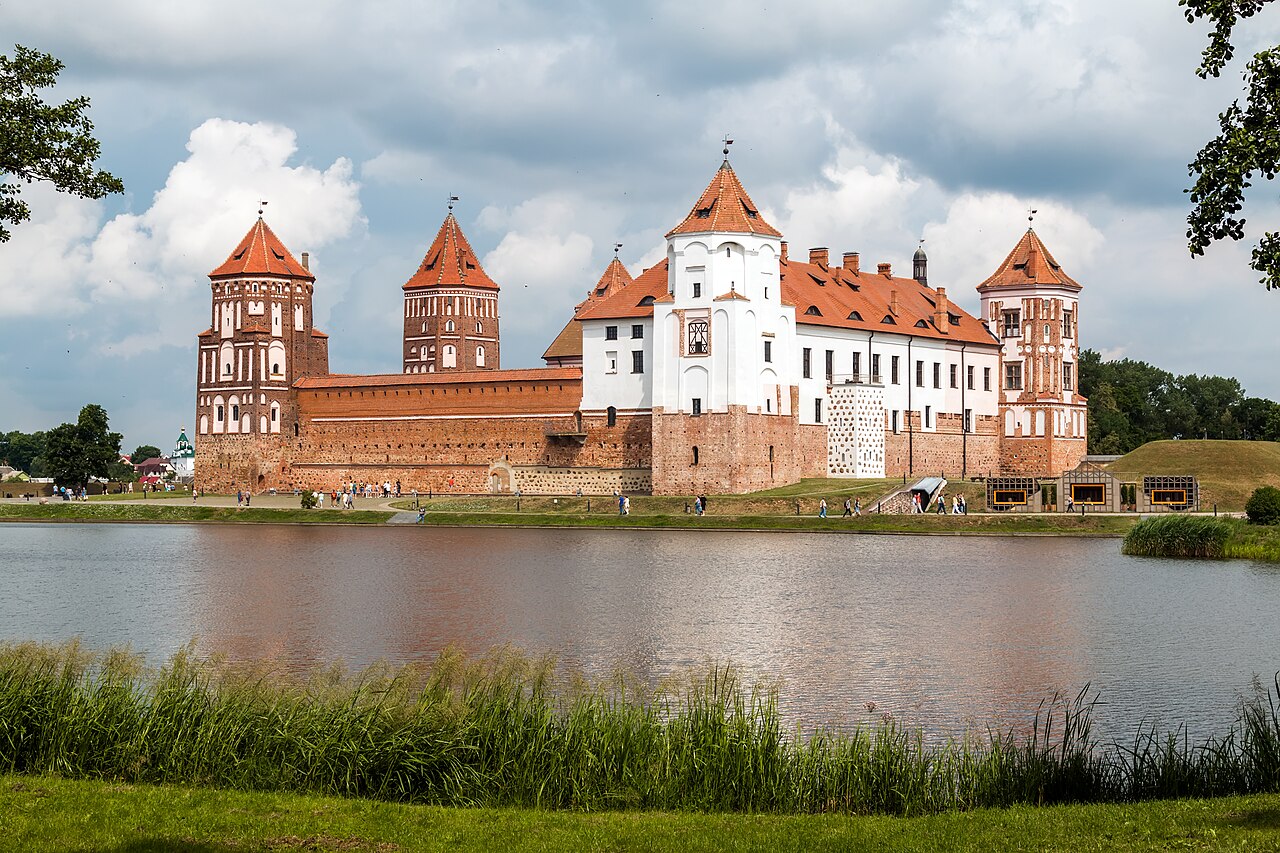
In the heart of eastern Europe, in a green land of forests, marshes, and slow rivers between Russia, Ukraine, Poland, and the Baltic states, live the Belarusians, one of the three East Slavic nations. Their roots reach back, like those of their Ukrainian and Russian kin, to the medieval world of Kyivan Rus and to the early principalities that arose on their soil, above all Polotsk.
From the Rus period the Belarusian lands passed into the Grand Duchy of Lithuania, a great medieval state in which the ancestors of the Belarusians formed the core population and their language served as an official tongue of administration and law. In this Grand Duchy, and later in its union with Poland, the Belarusian people took much of their distinctive shape.
Caught for centuries between larger powers, the Belarusians developed as a nation of villagers and townsfolk with their own language, customs, and blend of Orthodox and Catholic faith, distinct from their neighbours yet often overlooked by them. Their national identity emerged slowly and was long submerged beneath the rule of others.
From these deep roots, in the Rus principalities and the Grand Duchy of Lithuania, grew a quiet, resilient East Slavic people. Though their nationhood was long denied and their name little known abroad, the Belarusians endured as a distinct nation with a heritage all their own, rooted in the forests and villages of their homeland.
What It Means to Be Belarusian

The people are the Belarusians, and their land is Belarus, a name meaning White Rus, one of the old regional names of the Rus world whose exact origin is much debated but which has come to stand for this East Slavic nation and its country in the heart of the continent.
To be Belarusian is to belong to this nation between the forests and the marshes, heir to the Rus and the Grand Duchy, with its own language, its blend of Eastern and Western Christianity, and a culture rich in folk tradition. It is an identity shaped by centuries of life at the crossroads of eastern Europe.
For much of history the Belarusians were a people without a state of their own, their identity overshadowed by powerful neighbours and their name unfamiliar even to many Europeans. Yet a distinct sense of being Belarusian survived, carried in the village, the folk song, the embroidered towel, and the quiet persistence of the people.
Whether at home or among the diaspora, the name Belarusian carries the heritage of a nation that has endured much and asked for little. In an age when the country has drawn new attention, that identity, rooted in language, folk culture, and the land itself, remains the enduring mark of the Belarusian people.
The Belarusian Language and Its Quiet Endurance

The Belarusian language is an East Slavic tongue, written in the Cyrillic alphabet and closely related to Ukrainian and Russian, yet fully its own, with a soft, melodious sound and a rich vocabulary drawn from the villages and forests of its homeland. It is one of the deepest expressions of Belarusian identity.
In the medieval Grand Duchy, an early form of the language served as a language of statecraft, chronicle, and law, a proud heritage for a tongue that would later be pushed to the margins. Belarusian carried a body of folk song and story remarkable for its beauty and its closeness to the rhythms of village life.
Under the long rule of the Russian Empire and later the Soviet Union, and amid strong pressure from Russian, the Belarusian language declined in daily and official use, retreating into the countryside and the hearts of patriots even as many Belarusians came to speak Russian in the towns and cities.
Today Belarusian is an official language of the state and a cherished symbol of national identity, taught, written, and defended by those devoted to it, even as Russian remains widely spoken. Its quiet endurance, against centuries of pressure, is itself a testament to the persistence of the Belarusian people.
A Homeland of Forests, Marshes and Rivers
The homeland of the Belarusians is a gentle, green country in the heart of eastern Europe, a land without mountains or sea, defined instead by vast forests, wide marshes, and countless rivers and lakes. It is one of the most heavily wooded countries of Europe, and the forest lies close to the Belarusian soul.
In the south spread the great marshes of the Palesse, the Pripet marshlands, one of the largest wetlands in Europe, a watery world of reed and river that long kept its own way of life. Across the country the woods, meadows, and rivers gave the nation its character as a people of the forest and the field.
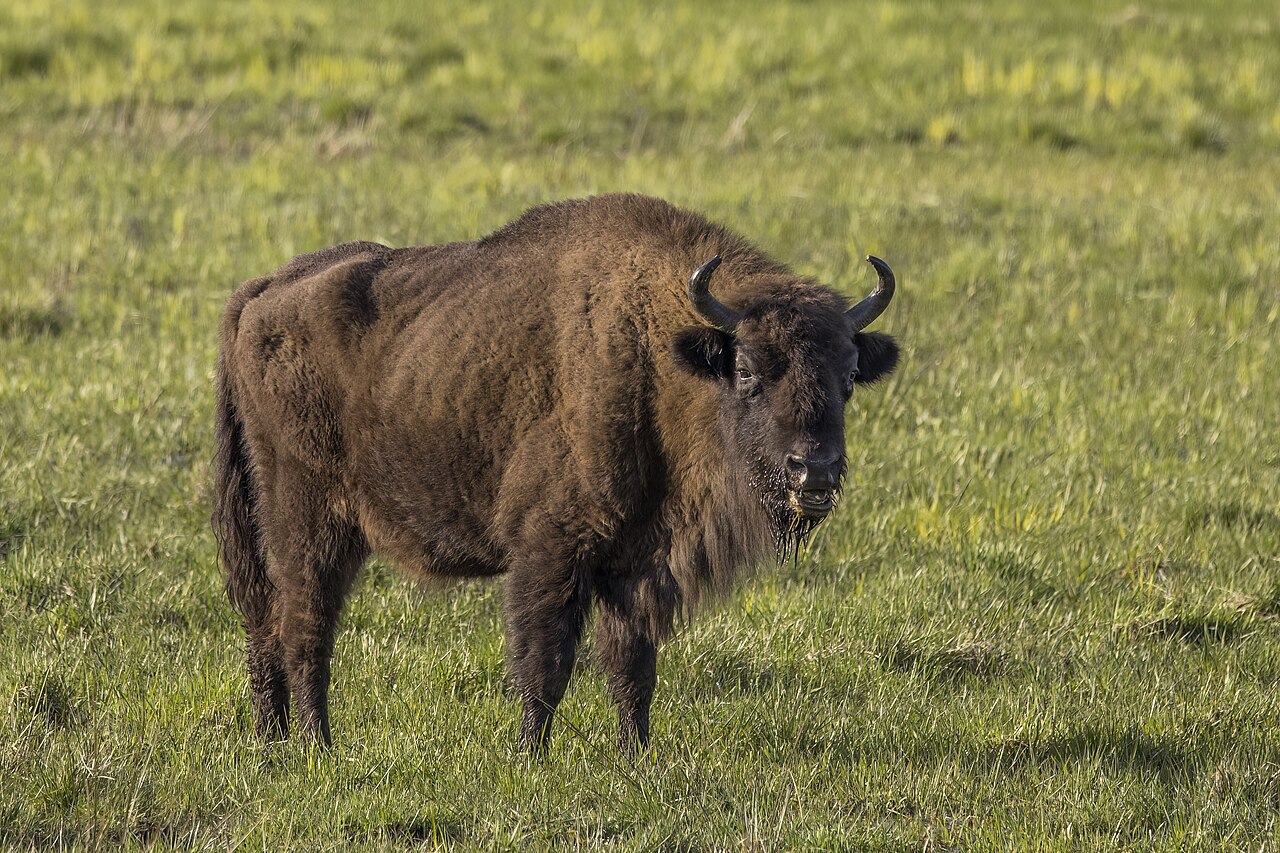
The primeval Bialowieza Forest, straddling the border, shelters the European bison, the great wild ox that is the emblem of the Belarusian wilderness and one of the last of its kind, a living symbol of the ancient woodland heritage of the land.
This soft, forested, well-watered country, without natural fortress or frontier, shaped a people rooted in the village and the woods, and left them exposed to the armies that so often crossed their land. The Belarusians’ deep bond with their green homeland, its forests, marshes, and rivers, runs quietly through their culture.
Old Ways of the Belarusian Village
The old life of the Belarusians was overwhelmingly that of the village and the forest. In wooden cottages set among the fields and woods, generations of peasants lived by farming the often poor soil, growing rye, potatoes, and flax, keeping livestock, and drawing on the forest for timber, game, berries, and mushrooms.
The forest and the marsh were central to this way of life, providing not only materials and food but a whole world of custom and belief, and the gathering of the woods’ bounty remained part of Belarusian life into modern times. The village, with its church and its close community, framed existence.
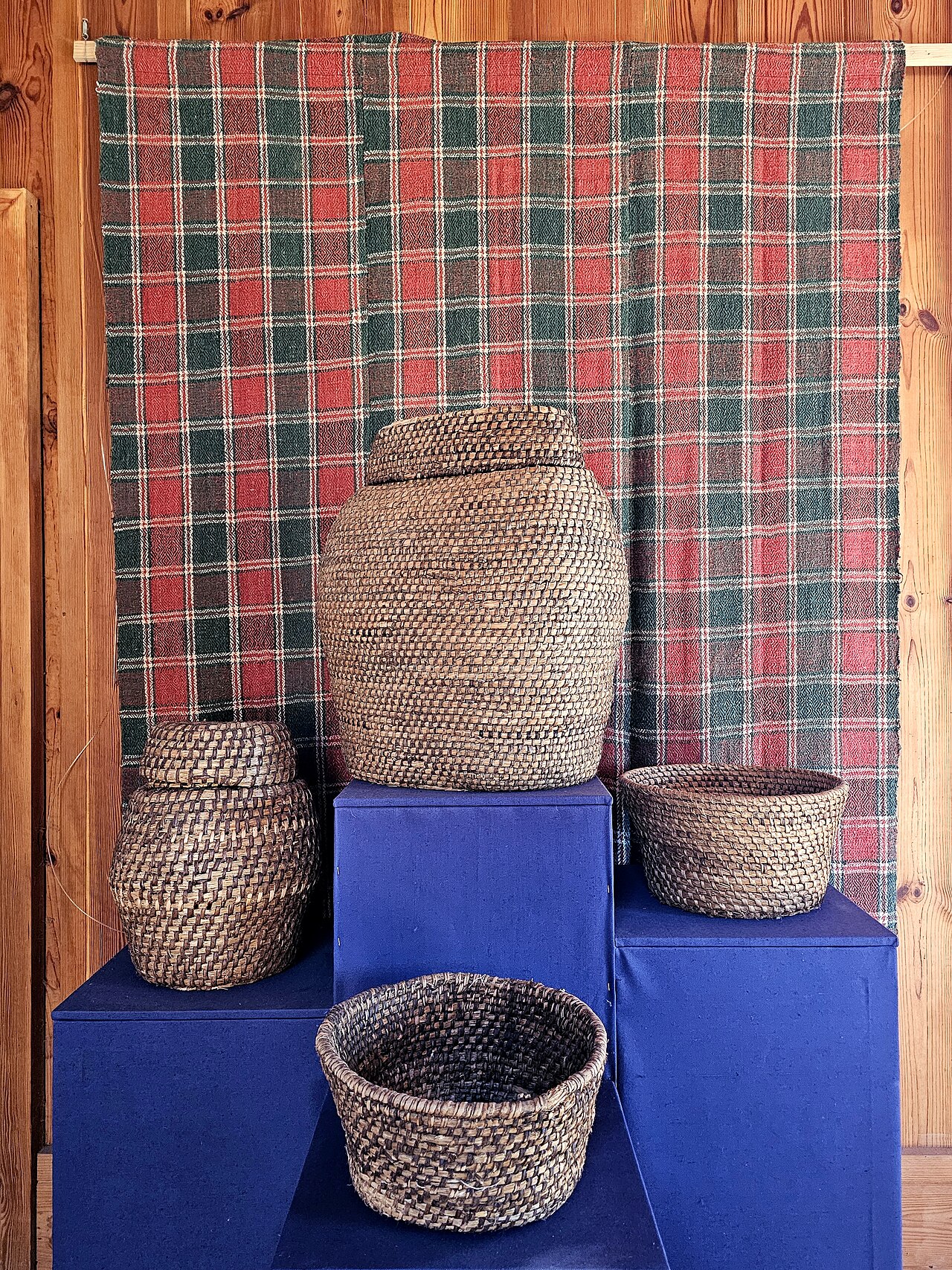
Around the home clustered a rich domestic culture: the weaving of linen from home-grown flax, the embroidering of the ritual towels known as rushnyk, the plaiting of straw into ornaments and figures, and the singing that accompanied work and celebration alike. The Belarusian village was poor in goods but rich in craft and song.
This old peasant world, bound to the forest and the seasons, nurtured the crafts, songs, and festivals that remain the heart of Belarusian folk culture. Though transformed by war and by the great changes of the modern age, the image of the wooden village amid the forest endures in the nation’s sense of itself.
Family, Village and the Belarusian Nation

Belarusian society was built on the family, the village community, and, in modern times, the slowly awakening nation. In the traditional village the extended family and the bonds of neighbourhood framed life, and values of endurance, modesty, hospitality, and quiet resilience ran deep among a people long accustomed to hardship.
Through centuries of foreign rule the Belarusians remained largely a nation of peasants, their upper classes often drawn into Polish or Russian culture, so that the people themselves, their language, folk faith, and village customs, became the vessel of the nation. From this arose a strong, humble, popular sense of Belarusian identity.
The nation’s character has often been described as patient and enduring, shaped by a land repeatedly crossed and devastated by war, above all in the terrible twentieth century. Yet beneath this quietness lies a deep attachment to home, community, and the traditions handed down through the generations.
Whether in the village, the modern city, or the diaspora, Belarusians have kept the bonds of family, faith, and folk heritage. In recent times the nation has also shown, in its own way, a strong desire to assert its identity and its voice, revealing the depth of feeling beneath the quiet surface of Belarusian society.
Orthodox and Catholic Faith in Belarus
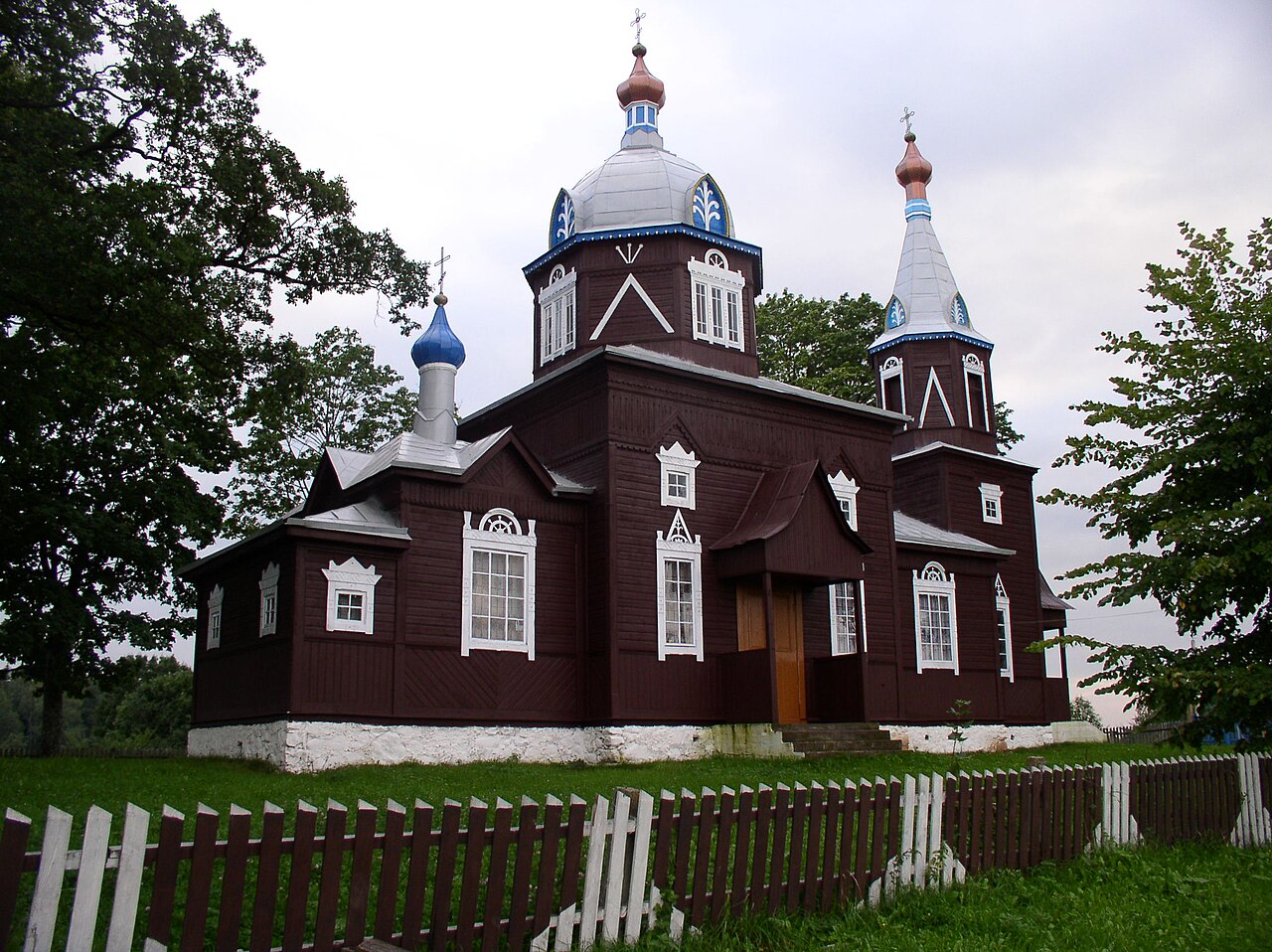
Religion in Belarus reflects the nation’s position between the Eastern and Western Christian worlds. The majority of Belarusians belong to the Eastern Orthodox Church, the faith that came with the baptism of Rus, with its rich liturgy, its icons, and its calendar of feasts woven into the folk year.
Yet Belarus also has a strong Roman Catholic tradition, above all in the west, a legacy of the centuries of union with Poland and Lithuania, so that Orthodox and Catholic communities have long lived side by side. In the past the Uniate or Greek Catholic Church also embraced much of the peasantry.
This blend of Eastern and Western Christianity gave Belarusian religious life a distinctive character, and around the church, whether Orthodox or Catholic, clustered the community, its festivals, and much of its folk custom, in which older, pre-Christian beliefs about the forest and the seasons long survived beneath the Christian surface.
Through the militant atheism of the Soviet period, when churches were closed and faith suppressed, religion endured quietly and has revived in more recent times. The wooden and stone churches of Belarus, Orthodox and Catholic alike, remain part of the landscape and the identity of the nation.
Rushnyk, Straw Art and Belarusian Tradition

The traditions of the Belarusians are rich in folk craft, song, and the customs of the village year. Foremost among their symbols is the rushnyk, the long embroidered ritual towel, worked in red patterns full of ancient meaning and used at births, weddings, funerals, and the welcoming of guests with bread and salt.
Belarus is especially famous for its straw art, the weaving and plaiting of straw into ornaments, figures, and the tall decorative pieces made above all at Christmas, a distinctive folk craft that has become an emblem of the nation’s traditional culture and is recognised as part of its heritage.
Music and song run deep in Belarusian tradition, from the ritual songs of the village calendar to the dances performed at celebrations, and the folk-song heritage of the country, tied to the seasons, the harvest, and the great feasts, is among the richest and best preserved in the Slavic world.
These traditions come most alive at the festivals of the village year, above all midsummer and midwinter, when the old songs, dances, and crafts fill the celebrations. In keeping the rushnyk, the straw art, and the folk song, the Belarusians maintain a heritage that binds the nation to its village roots.
Straw Weaving, Embroidery and Belarusian Handwork

Belarusian craft is expressed above all in the arts of the village home. The embroidery of the rushnyk and of clothing, worked in the red-and-white patterns rich with ancient symbols, is the greatest of these, a skill passed from mother to daughter that produced the ritual cloths at the heart of every important moment of life.
The nation is renowned for its straw weaving, the plaiting of straw and reed into boxes, ornaments, figures, and the tall, radiant Christmas decorations, a craft of great delicacy and beauty that is among the most distinctive of Belarusian folk arts and a source of national pride.
Weaving of linen and wool, the making of patterned coverlets and belts, pottery, and woodwork all had their place in the traditional economy of the Belarusian village, and the regions of the country each kept their own signature patterns and forms in cloth, straw, and clay.
Whether in the embroidered towel, the woven belt, or the golden figures of plaited straw, Belarusian craft expresses a people with a deep love of pattern and symbol and a genius for turning the humble materials of field and forest into objects of beauty. These crafts remain a living emblem of the nation.
Draniki, Rye and the Belarusian Table

Belarusian food is the hearty, homely fare of a northern land of forest and field, built above all on the potato, so central to the national diet that Belarusians are affectionately known for their devotion to it. Rye bread, dairy, pork, and the produce of the garden and the woods round out the table.
The national dish is draniki, the potato pancakes fried golden and served with soured cream, a beloved staple of the Belarusian kitchen. Beside them come dishes such as machanka, a rich pork gravy eaten with pancakes, hearty soups, kasha of buckwheat, and the many uses of the humble potato.
The forest gives its harvest of mushrooms and berries, gathered with a passion that is itself part of the culture, while the rivers and lakes yield fish. Preserving, pickling, and the salting of pork laid up stores for the long, cold winters of this continental land.
Food is bound up with hospitality and celebration, and the great feasts of the year each have their special dishes, while the welcoming of guests with bread and salt on an embroidered rushnyk remains a cherished custom. To share draniki and rye bread, in the Belarusian way, is to share in the warmth of the home.
Kupalle, Kalyady and the Belarusian Year

The festivals of the Belarusians blend the Christian calendar with older, pre-Christian custom, and among the most vivid is Kupalle, the midsummer celebration of the summer solstice, kept with bonfires, the floating of flower wreaths on the water, the search for the magical fern flower, and songs and games through the shortest night of the year.
Midwinter brings Kalyady, the festival of Christmastide, marked by carol-singing, the visiting of houses by costumed revellers, and folk dramas with figures such as the goat, along with the making of straw stars and ornaments, in one of the richest and most joyful of Belarusian celebrations.
Other festivals mark the turning of the farming year, from the greeting of spring to the rites of the harvest, each with its own songs, foods, and customs rooted in the village and the seasons. Easter and the great Christian feasts, too, are kept with special foods and the blessing of festive fare.
Through these festivals, old and new, the Belarusians affirm their bonds and their heritage. The bonfires of Kupalle and the carols of Kalyady, with their deep roots in the folk world of the forest and the field, remain among the clearest and most beautiful expressions of the Belarusian nation.
A History Between Empires
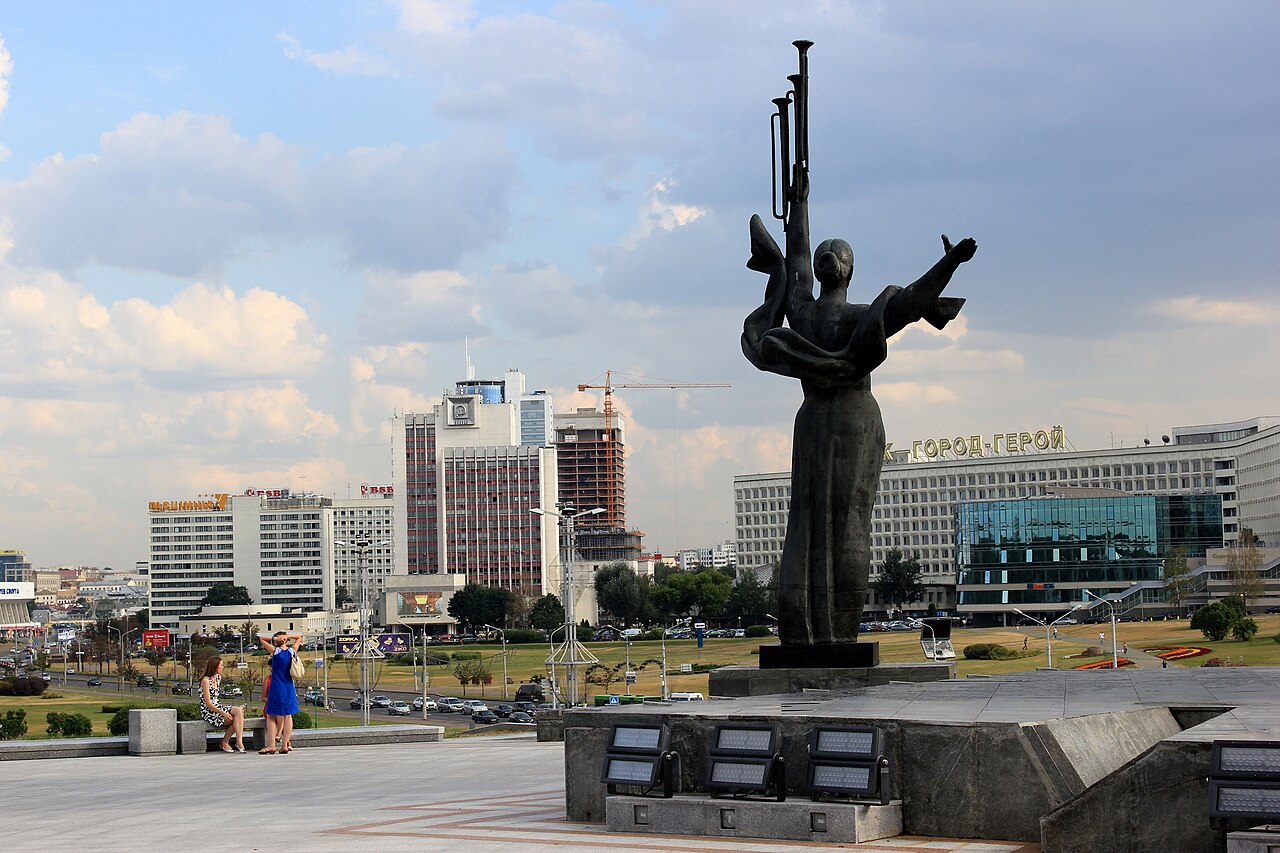
The history of the Belarusians is one of a people at the crossroads of empires. From the principalities of Kyivan Rus their lands passed into the Grand Duchy of Lithuania, where the ancestors of the Belarusians formed the heart of a great medieval state, and then into its union with Poland, before falling under the Russian Empire.
Through these centuries the Belarusians remained largely a rural people, their nationhood slow to awaken and often suppressed, their language pushed aside by Polish and then Russian. A national revival stirred in the nineteenth and early twentieth centuries, giving voice at last to a distinct Belarusian identity.
The twentieth century brought unimaginable suffering. Set on the path of invading armies, Belarus was among the lands most devastated by the two world wars, and above all by the Second World War, in which a huge share of its population perished and much of the country was laid waste, a catastrophe that scarred the nation deeply.
Emerging from the Soviet Union as an independent state at the century’s end, Belarus has continued to grapple with questions of identity, language, and its place between east and west. The history of the Belarusians is one of endurance through repeated devastation, of a quiet people holding on to their land and their name.
The Belarusians in the Present Day
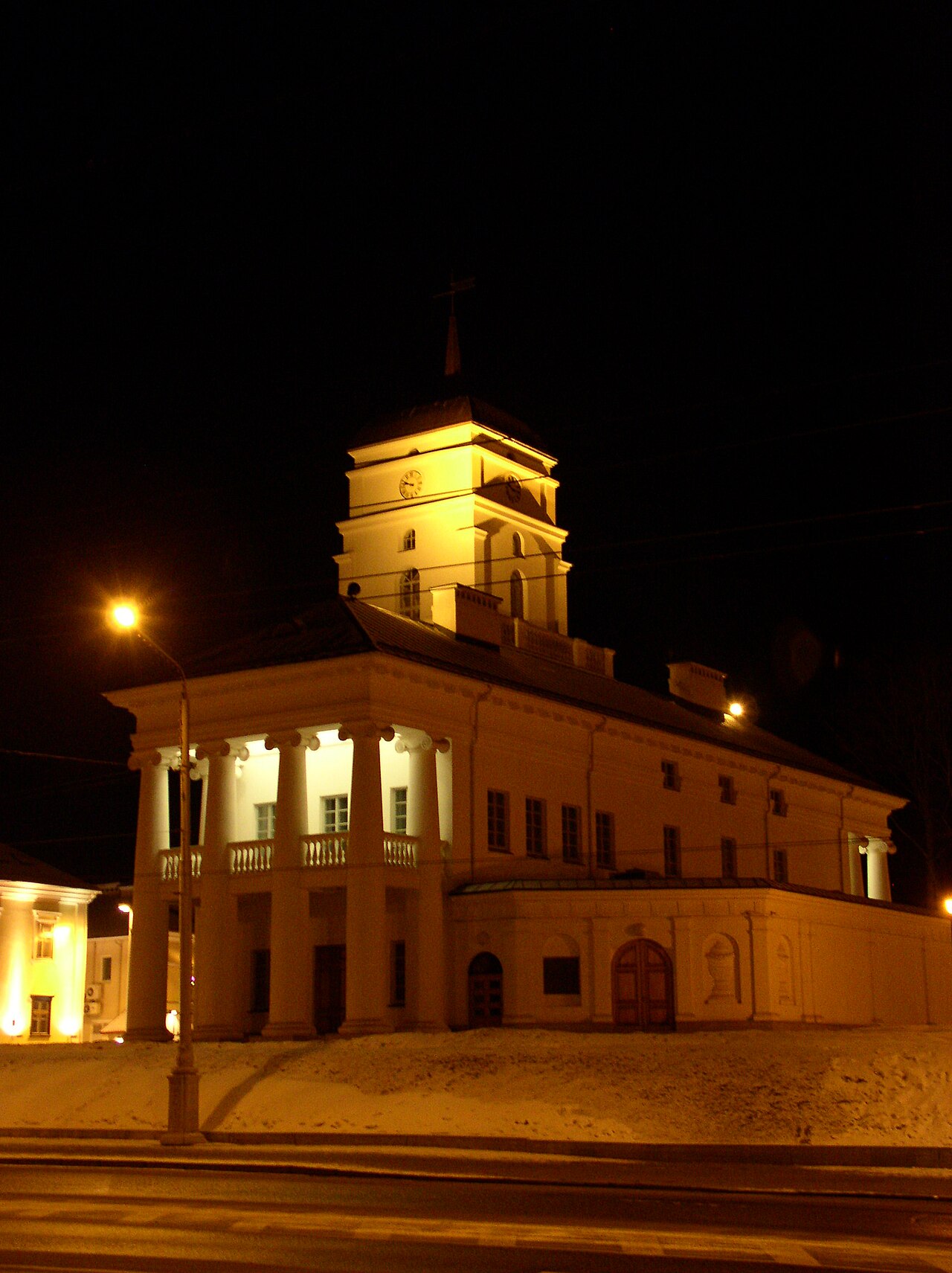
Today the Belarusians are an independent European nation of some millions, living in a country of forests, farmland, and modern cities, with Minsk, rebuilt after the devastation of war, as their capital. They remain a people shaped by their history at the crossroads of the continent.
Modern Belarus is a country where the legacy of the Soviet past and the pull of a distinct national identity meet, and where questions of language, culture, and the nation’s direction remain very much alive. In recent years the country and its people have drawn new attention from the wider world.
The traditions endure and are cherished: the Belarusian language is defended and revived by those devoted to it, the straw art and embroidery are recognised as national treasures, and the folk festivals of Kupalle and Kalyady are kept as vital links to the village heritage of the nation.
Between the homeland and a diaspora spread across the world, the Belarusians carry an identity rooted in the forest, the village, and the quiet endurance of a people who have survived much. Though long overlooked, the Belarusian nation persists, holding to its language, its folk culture, and its love of a green and gentle land.
Related Peoples of the Region
- The Gagauz
- The Kashubians
- The Cornish
- The Manx
- The Ladins
- The Greenlanders
- The Asturians
- The Aragonese
More Peoples of the World
You May Like
The Damara, an Ancient People of Namibia


3 thoughts on “Belarusians of the Great Forest, a Quiet Slavic Nation of the Borderland”