In the rugged mountains of eastern Anatolia live the Zaza, a people of some millions who speak a language of their own, Zazaki, related to but distinct from Kurdish. Whether they form a distinct people or a branch of the Kurds has long been debated, but their language and highland culture set them apart.Divided in faith between the Alevis of Dersim, with their sacred springs and cem ceremonies, and the Sunnis of the southern provinces, the Zaza have kept their traditions alive in remote mountain valleys. Marked by the deep wound of the events of 1937 and 1938 and by the pressures on their endangered language, they carry a resilient heritage into the present.
The Zaza on Film
Contents
- Origins
- The Name
- The Language
- The Homeland
- The Old Way of Life
- Society and Community
- Religion and Belief
- Traditions
- Crafts
- Food
- Festivals
- History
- Today
Origins
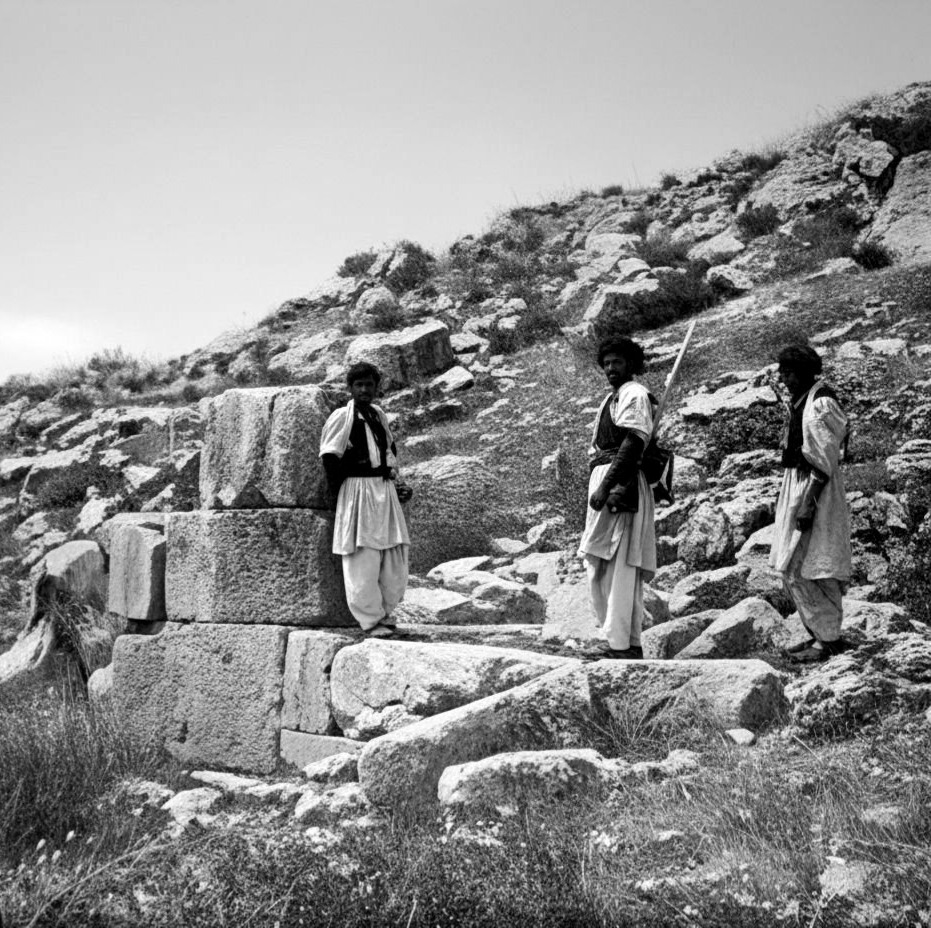
The Zaza are a people of the highlands of eastern Turkey, speaking a language of their own and numbering some millions. Their homeland lies in the mountainous country of eastern Anatolia, in provinces such as Tunceli, Bingöl, Elazığ and Diyarbakır, and in parts of Erzincan, Sivas and beyond.
The identity of the Zaza has long been a matter of discussion: some regard themselves as a distinct people, while others consider themselves a branch of the Kurds, with whom they share much history and geography. What is clear is that the Zaza possess a distinctive language and culture, rooted in the rugged mountains of their homeland.
The Name
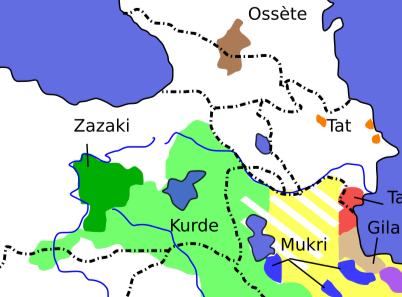
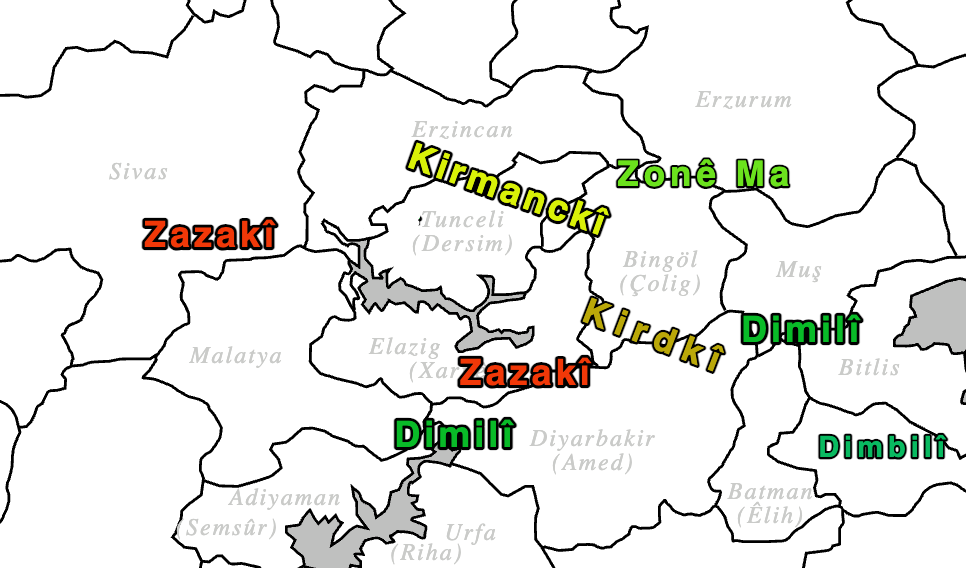
The people are known as the Zaza, and also by other names such as Dimili or, among themselves in some regions, Kirmanc. Their language is called Zazaki, or Dimli, or Kirmancki, according to the region and the speaker.
The Zaza are spread across a broad swathe of eastern Turkey, from the Alevi heartland of Tunceli, the historic Dersim, to the largely Sunni areas around Bingöl and Diyarbakır. Their mountainous country, remote and often isolated, helped preserve their distinct language and traditions over the centuries.
The Language
The Zaza speak Zazaki, a language of the northwestern branch of the Iranian family, related to but distinct from Kurdish, and classified by some scholars within a Zaza-Gorani grouping. Its exact relationship to Kurdish and to other Iranian languages has been much debated.
Zazaki exists in several dialects, broadly a northern, largely Alevi variety and a southern, largely Sunni one. Long unwritten and under pressure from Turkish, the language is today considered endangered, but a movement of writers and activists, at home and in the diaspora, works to preserve and cultivate it.
The Homeland

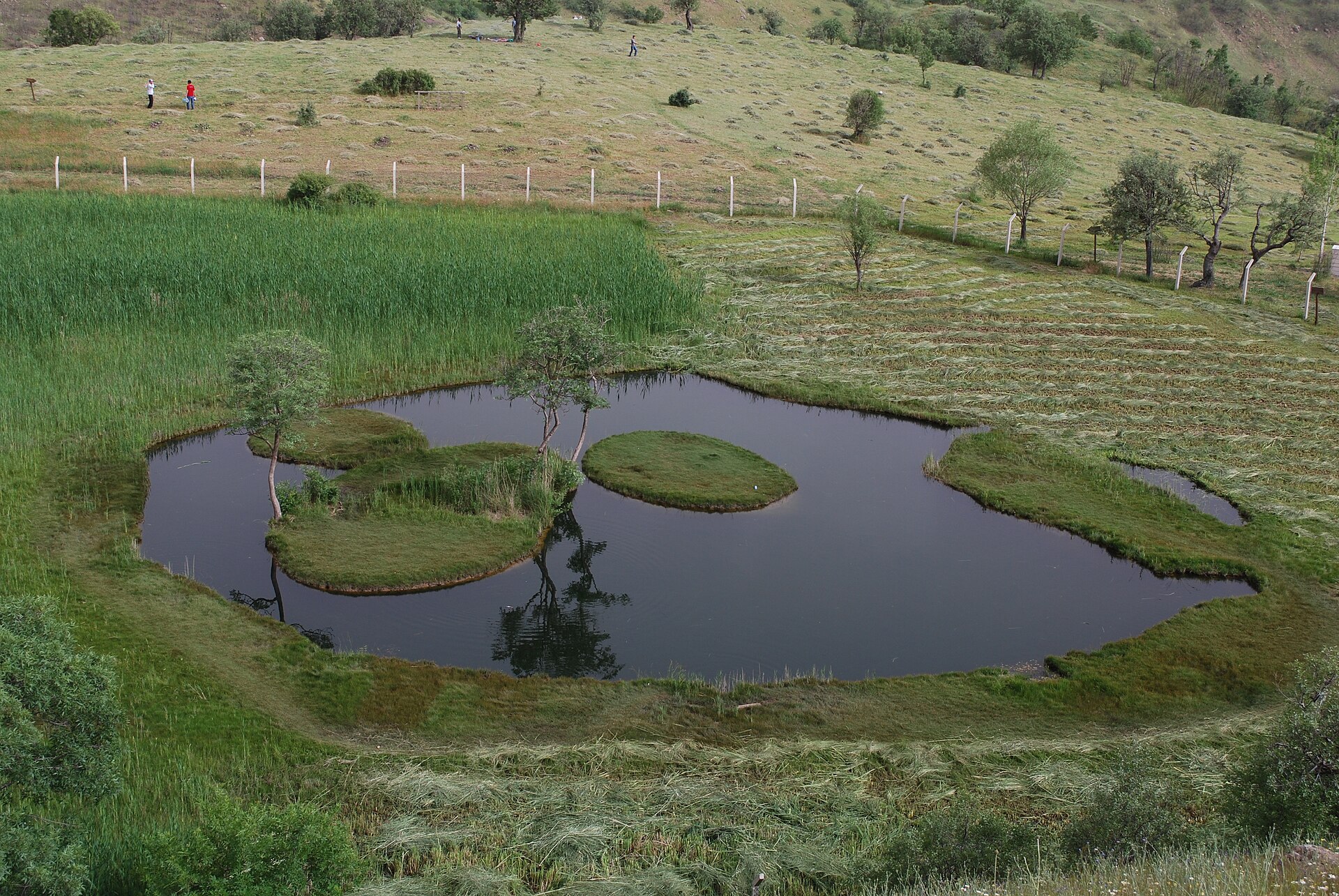
The Zaza homeland is a country of high mountains, deep valleys and swift rivers in eastern Anatolia, among the most rugged terrain in Turkey. The Munzur mountains and their sacred springs at Tunceli, and the highlands of Bingöl and Elazığ, lie at its heart.
This is a harsh and beautiful land of snowbound winters and short summers, where villages cling to the slopes and the rivers cut through steep gorges. The isolation of these mountains shaped a hardy people and helped preserve the distinct language, faith and customs of the Zaza.
The Old Way of Life
The Zaza were traditionally farmers and herders of the mountains, growing grain and other crops on the terraced slopes and in the valleys, and keeping sheep, goats and cattle in the high pastures. The rhythm of the seasons, of planting, harvest and the movement of flocks, governed village life.
In this demanding environment, communities were largely self-sufficient, drawing their livelihood from the land and the herd. This mountain way of life, of farming and pastoralism in isolated villages, shaped Zaza society and endured until the great changes of the modern era.
Society and Community
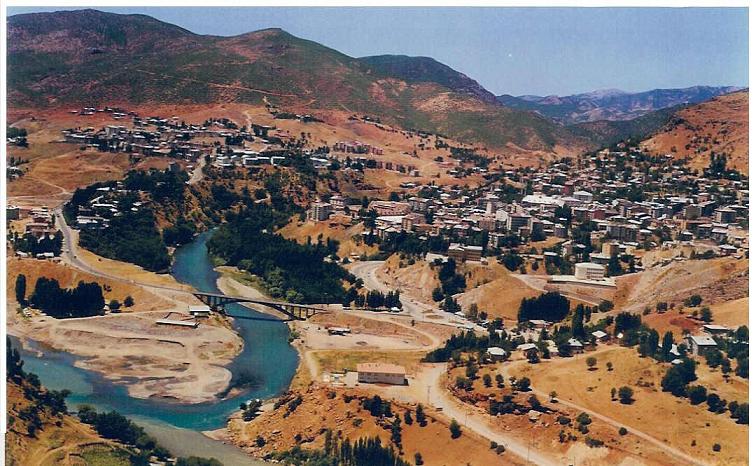
Zaza society was traditionally organised around the family, the village and, in many areas, tribal ties, with a strong attachment to the local community and its land. In the Alevi regions, religious lineages and holy families held special authority, while in the Sunni areas different structures prevailed.
The town of Tunceli, the historic Dersim, is a centre of the Alevi Zaza, while Bingöl and Diyarbakır anchor the Sunni areas. Across these differences, the bonds of language, kinship and shared homeland gave the Zaza a sense of common identity within the wider peoples of the region.
Religion and Belief
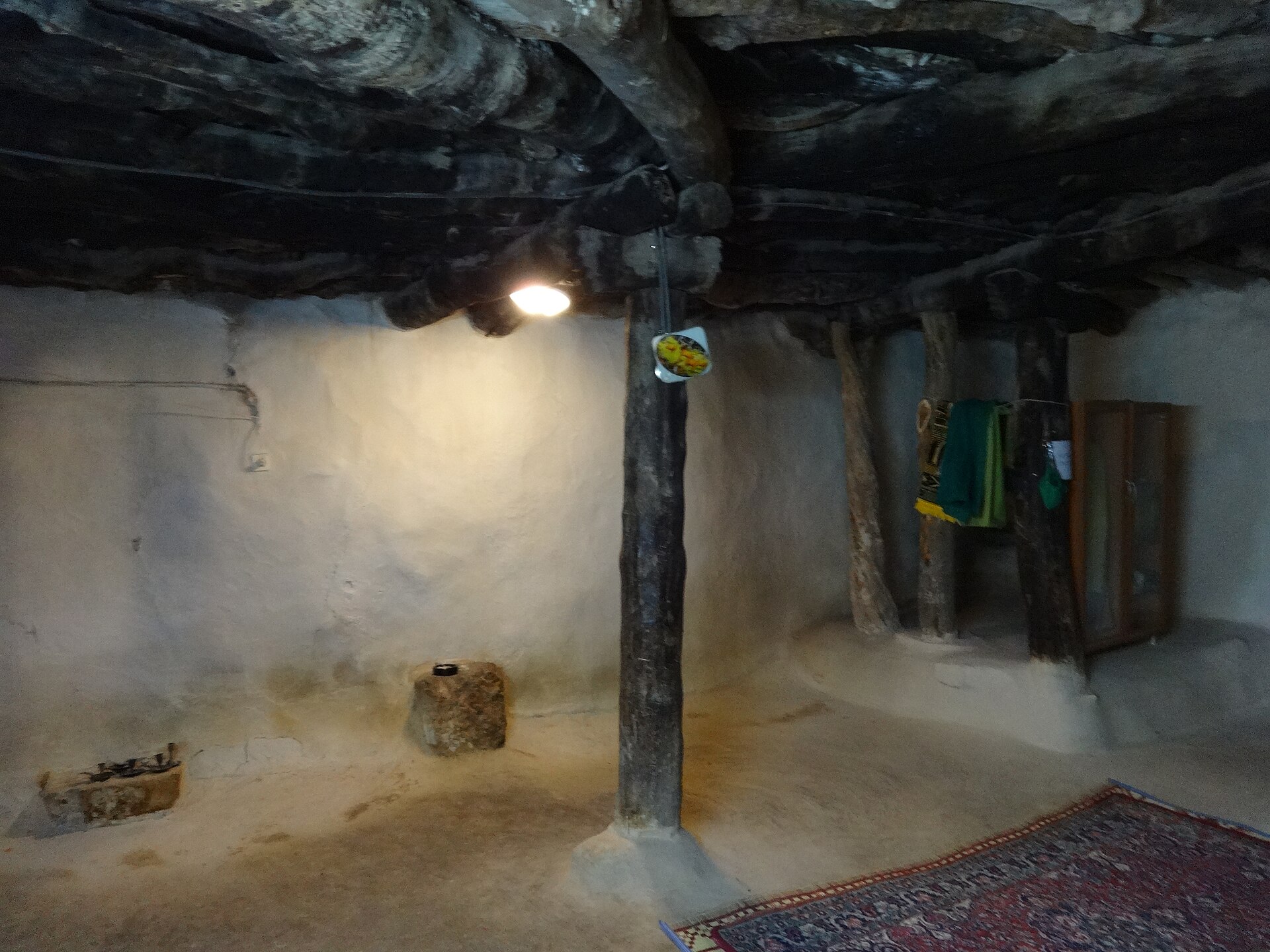
The Zaza are divided in religion, and this division runs deep through their society. Many Zaza, especially in the north around Tunceli, follow Alevism, a distinctive faith drawing on Shia, Sufi and older traditions, with its own ceremonies, holy places and reverence for nature, such as the sacred springs of Munzur.
Other Zaza, particularly in the south around Bingöl and Diyarbakır, are Sunni Muslims of the Shafi’i school. This religious divide, between Alevi and Sunni, is one of the defining features of the Zaza, shaping community life, custom and history across their homeland.
Traditions
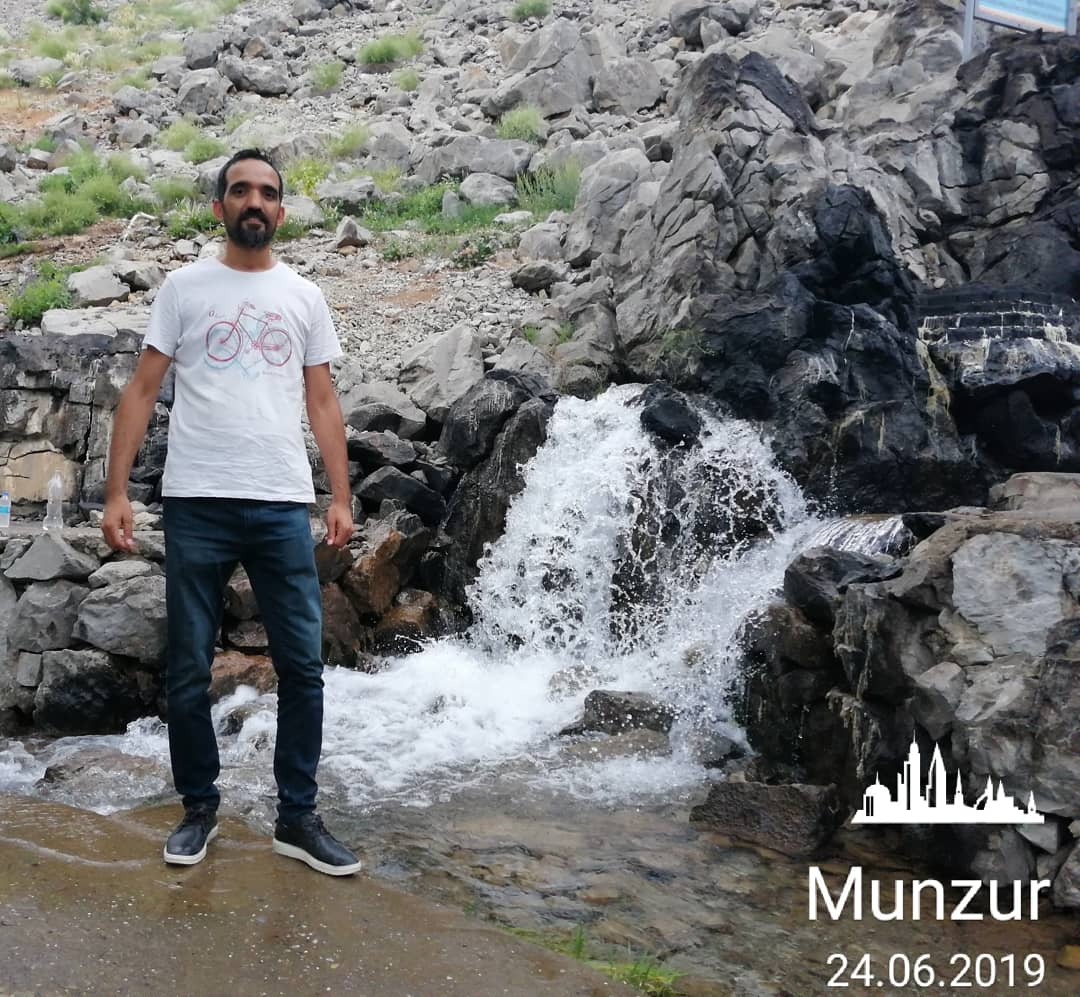
Zaza tradition is expressed in music, song and the ceremonies of faith, differing between the Alevi and Sunni communities. Among the Alevi Zaza, the rituals of the cem, with their music, sacred dance and communal meals, are central, and holy sites such as the Munzur springs and the mountain of Düzgün Baba draw pilgrims.
Folk songs, laments and oral poetry in the Zazaki language carry the traditions and the memory of the people, including the sorrows of their history. Through music, ritual and the spoken word, the Zaza sustain a rich cultural heritage rooted in their mountains.
Crafts
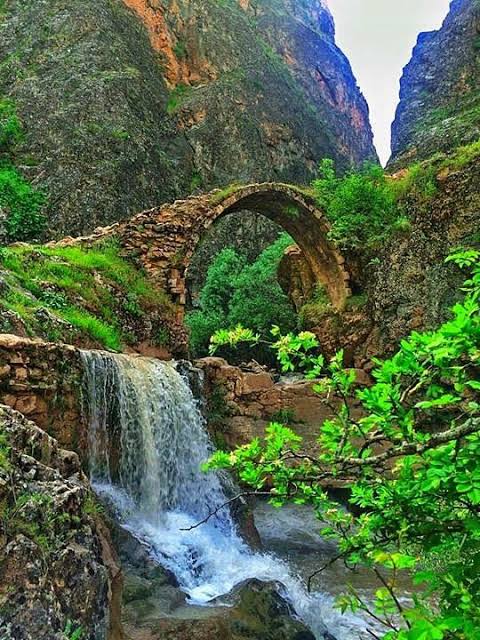
Zaza craftwork reflects the life of a mountain farming people, including weaving, the making of kilims and textiles, and the building of the stone houses, bridges and mills of the highlands. Wool from the flocks was spun and woven into rugs, garments and the furnishings of the home.
The traditional architecture of the region, its stone bridges and dwellings suited to the harsh climate, is itself an expression of local skill. This craftwork, drawn from the materials of the mountains and shaped by necessity, formed part of the everyday culture of the Zaza.
Food
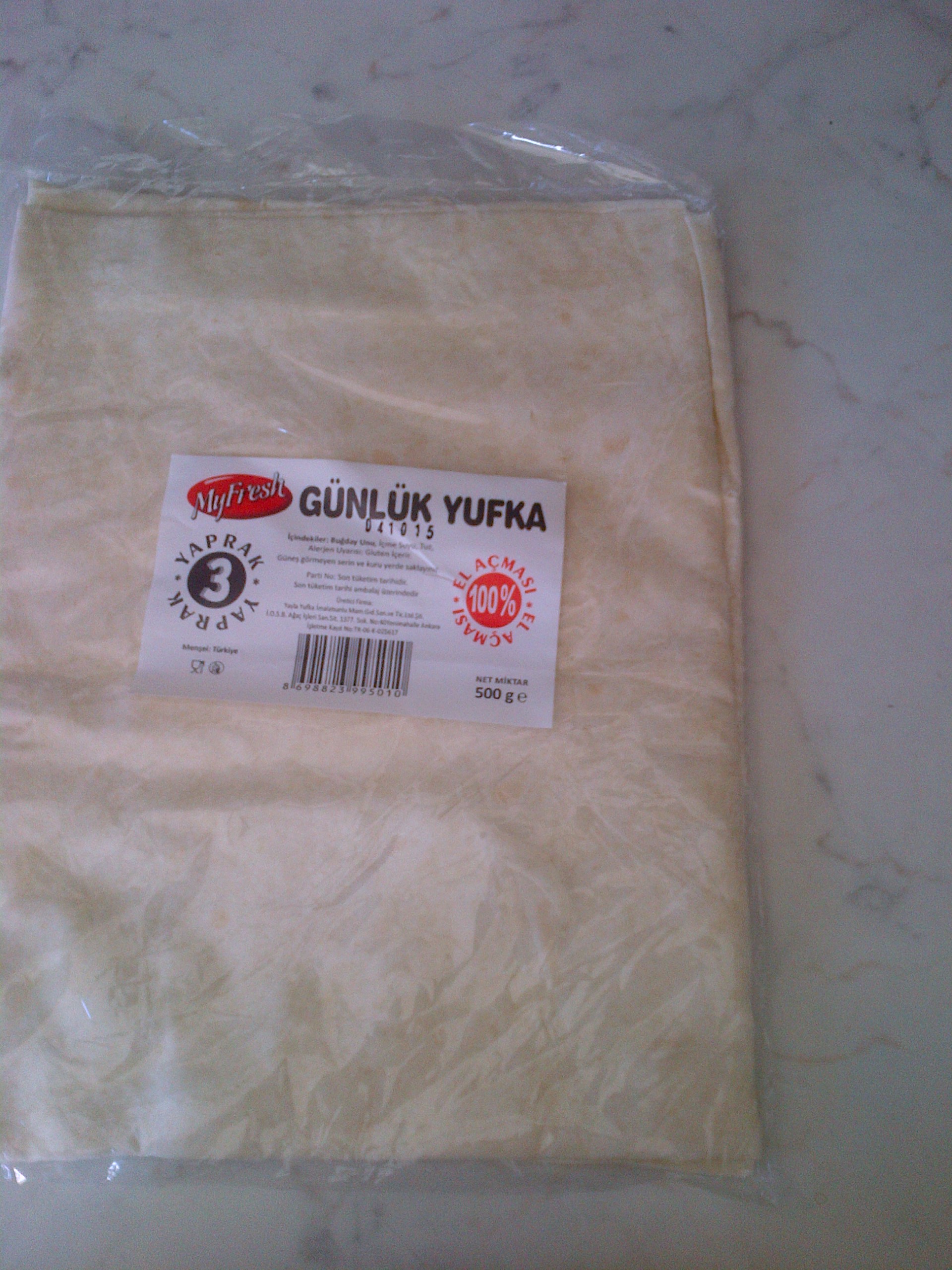
The food of the Zaza is that of the eastern Anatolian highlands, built on grain, dairy and meat. Thin flatbreads such as yufka, dishes of bulgur and beans, soups, and the products of the flock, milk, yoghurt, butter and cheese, form the staples of the table.
Meat from the herd features at feasts and important occasions, and the sharing of food, offered generously to guests, is central to Zaza hospitality. This hearty mountain fare, drawn from the land and the flock, sustained the people through the long highland winters.
Festivals

Zaza communal life is marked by the ceremonies of faith and the celebrations of the life cycle. Among the Alevi Zaza, the cem ceremony and the pilgrimages to sacred sites gather the community, while weddings and seasonal festivals bring families and villages together with music and feasting.
These gatherings, differing between the Alevi and Sunni communities, reaffirm the bonds of kinship and faith. Through them, and through the songs and rituals of their traditions, the Zaza celebrate and sustain their identity across a divided but shared homeland.
History

The Zaza have lived in their eastern Anatolian mountains for many centuries, and the remoteness of their homeland long preserved their distinct language and ways. The region saw repeated tensions with the Ottoman and later the Turkish state over the assertion of central authority in the mountains.
The most painful chapter of Zaza history came in 1937 and 1938, when a rising in Dersim, the modern Tunceli, was suppressed by the Turkish military with great loss of life and the deportation of many, a tragedy that remains a deep wound, especially among the Alevi Zaza. The memory of these events, and of the pressures on their language and identity, weighs heavily in the Zaza sense of their history.
Today
Today the Zaza number in the millions, living in their eastern Anatolian homeland and in the cities of western Turkey, with a substantial diaspora, above all in Germany. Modern life, migration and education have transformed their world, drawing many from the mountain villages to the towns and abroad.
The Zazaki language, though endangered, is the focus of a cultural revival led by writers, publishers and activists at home and in exile, and questions of Zaza identity and heritage are actively debated. Rooted in their mountains and marked by a distinctive language and a divided faith, the Zaza carry a resilient heritage into the modern age.
Related Peoples of the Region
- People of the High Mountains, the Story of the Hazaras of Afghanistan
- Guardians of the Passes, the Story of the Pashtuns of Afghanistan and Pakistan
- People of the Arid Frontier, the Story of the Baloch
- The Marsh Arabs, People of the Mesopotamian Wetlands
- The Samaritans, the Ancient Keepers of Mount Gerizim
- The Mandaeans, the Last of the Ancient Gnostics
- The Qashqai, Nomadic Weavers of Southern Iran
- The Bakhtiari, the Mountain Nomads of Iran
More Peoples of the World
- A Fifth of Humanity, the Story of the Han Chinese
- How the Maori Sailed Across the Pacific to Reach New Zealand
- Zulu of the Green Hills and Their Kingdom Forged by Shaka
- The People Who Never Vanished, the Story of the Maya
- Long Before the Arabs Came, North Africa Belonged to the Amazigh
- The People Who Emerged Into This World, the Story of the Navajo
- Meet the Ainu, an Indigenous People at Japan’s Northern Edge
You May Like
The Bakhtiari, the Mountain Nomads of Iran


