Near the southern coast of Turkey stands what many consider the best-preserved Roman theatre in the world. The theatre of Aspendos, built in the second century AD, survives so complete, with its stage building, seating and even parts of its decoration intact, that concerts and performances are still held there today, just as they were nearly two thousand years ago.
Aspendos was a wealthy city of the region of Pamphylia, and its theatre is only the most famous of its monuments. With its towering stage wall, its perfect acoustics and its remarkable state of preservation, it offers an almost unmatched experience of the Roman world.
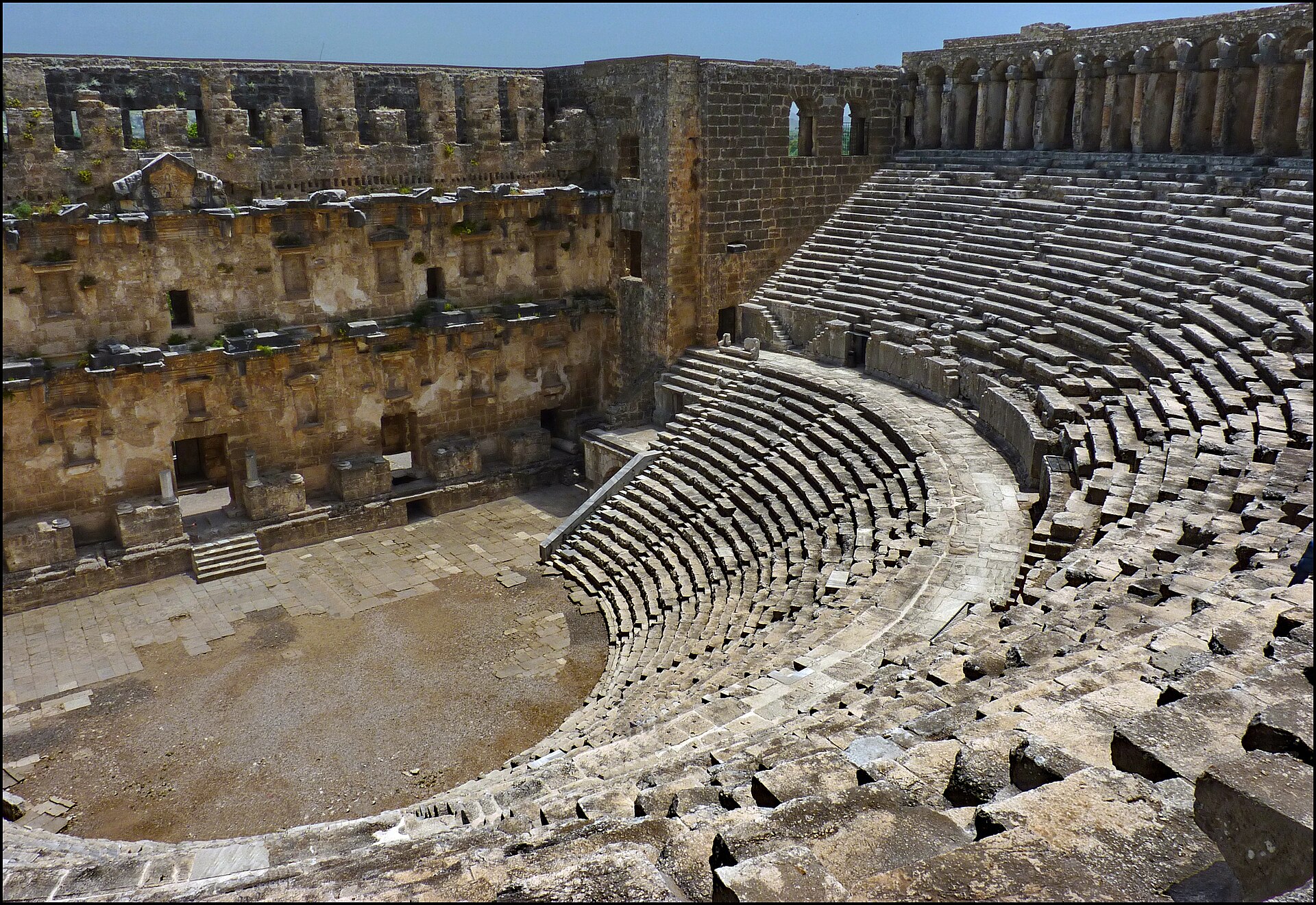
Table of Contents
- The Best-Preserved Roman Theatre
- An Ancient City of Pamphylia
- The Great Theatre of Aspendos
- The Stage Building
- Seating and Acoustics
- The Aqueduct
- The Upper City
- The Nymphaeum and Public Buildings
- The Eurymedon and the City’s History
- From Music Festivals to Heritage Status
- Getting There
- Nearby Places
- Closing Thoughts
The Best-Preserved Roman Theatre
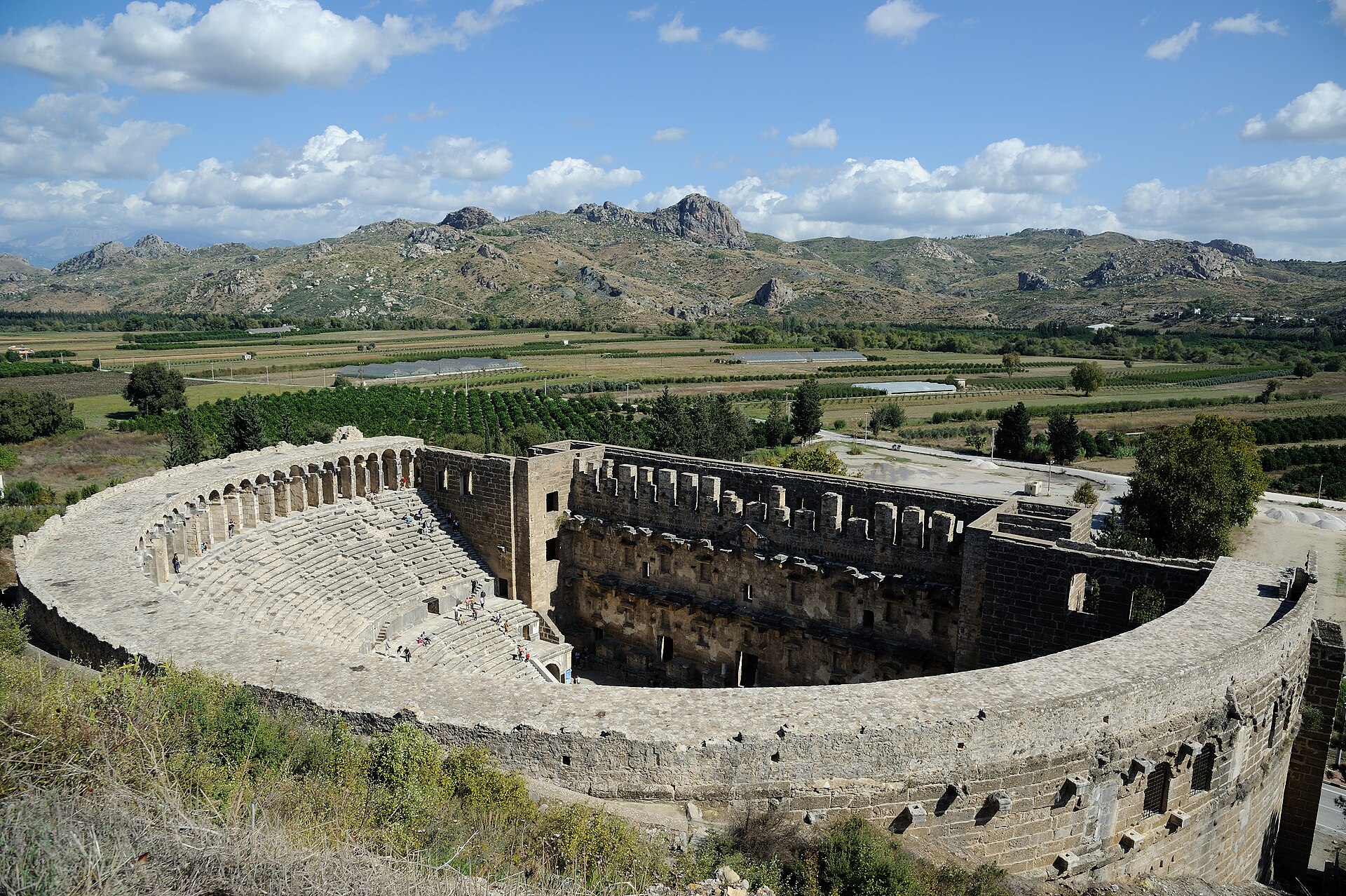
What makes Aspendos so special is its completeness. Where most ancient theatres survive only as curved rows of seats, the theatre of Aspendos keeps its full stage building rising to its original height, enclosing the space almost as it was when built.
This exceptional preservation is due partly to its use in later centuries, including as a palace and caravanserai, which kept it maintained. As a result, it gives the clearest picture anywhere of what a great Roman theatre truly looked like.
An Ancient City of Pamphylia
Aspendos was one of the important cities of Pamphylia, a fertile coastal region of southern Anatolia. Founded long before Roman times, it grew wealthy from trade and agriculture, especially its horses and its salt.
Under Roman rule the city reached its height, adorning itself with grand public buildings. The theatre was the gift of two wealthy local brothers, a mark of the civic pride and generosity of its citizens.
The Great Theatre of Aspendos
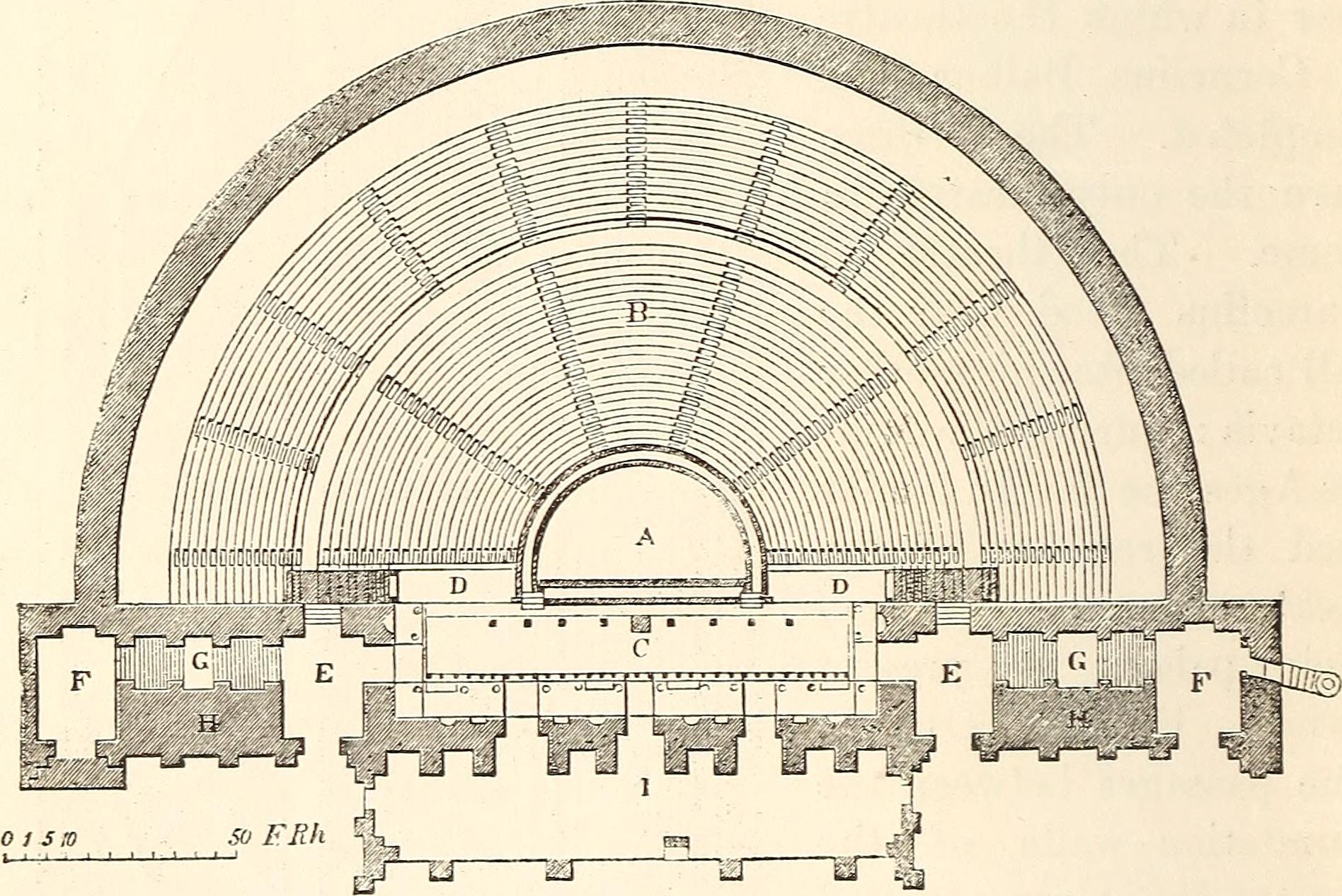
The theatre could seat around fifteen thousand or more spectators, arranged in a great semicircle of stone seats built partly into a hillside. Designed by a local architect named Zeno, it is a masterpiece of Roman engineering.
It was used for plays, music and public gatherings, and, in later Roman times, perhaps for gladiatorial and animal shows. Its design balances beauty, function and durability with remarkable skill.
The Stage Building
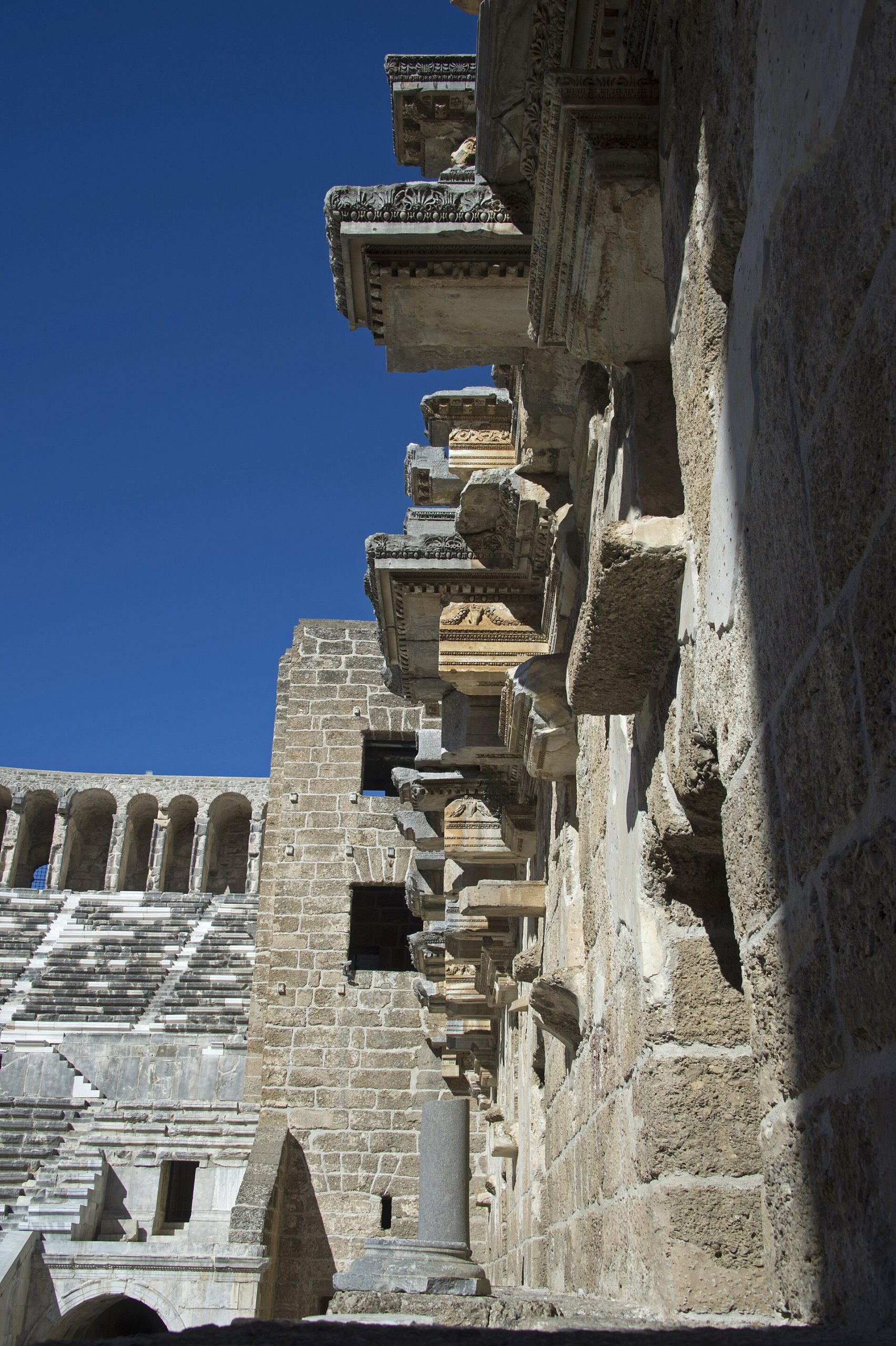
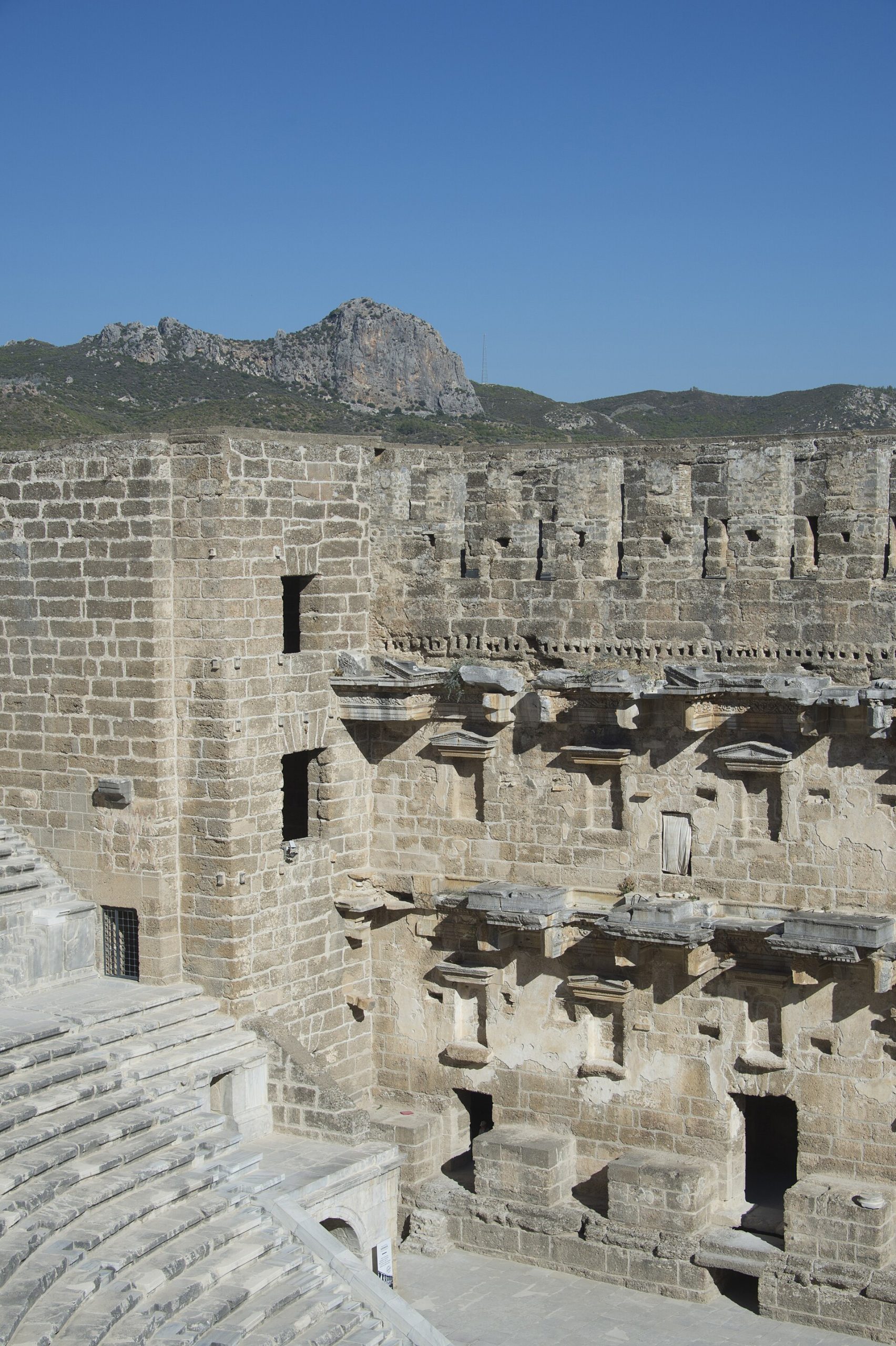
The most impressive feature is the stage building, a tall, richly decorated wall that closed off the back of the stage. Originally adorned with columns, statues and a great sculpted relief, it rose to the same height as the top of the seating.
This towering backdrop not only framed the performances but also helped project the actors’ voices. Its survival, almost complete, is what makes Aspendos so exceptional among ancient theatres.
Seating and Acoustics
The rows of seats sweep up in a great curve, divided by staircases and a walkway, with the higher rows reached through vaulted galleries. Every seat had a clear view of the stage.
The theatre is famous for its acoustics: a voice or note from the stage carries clearly to the highest rows without amplification. This remarkable quality is one reason the theatre is still used for concerts and festivals today.
The Aqueduct
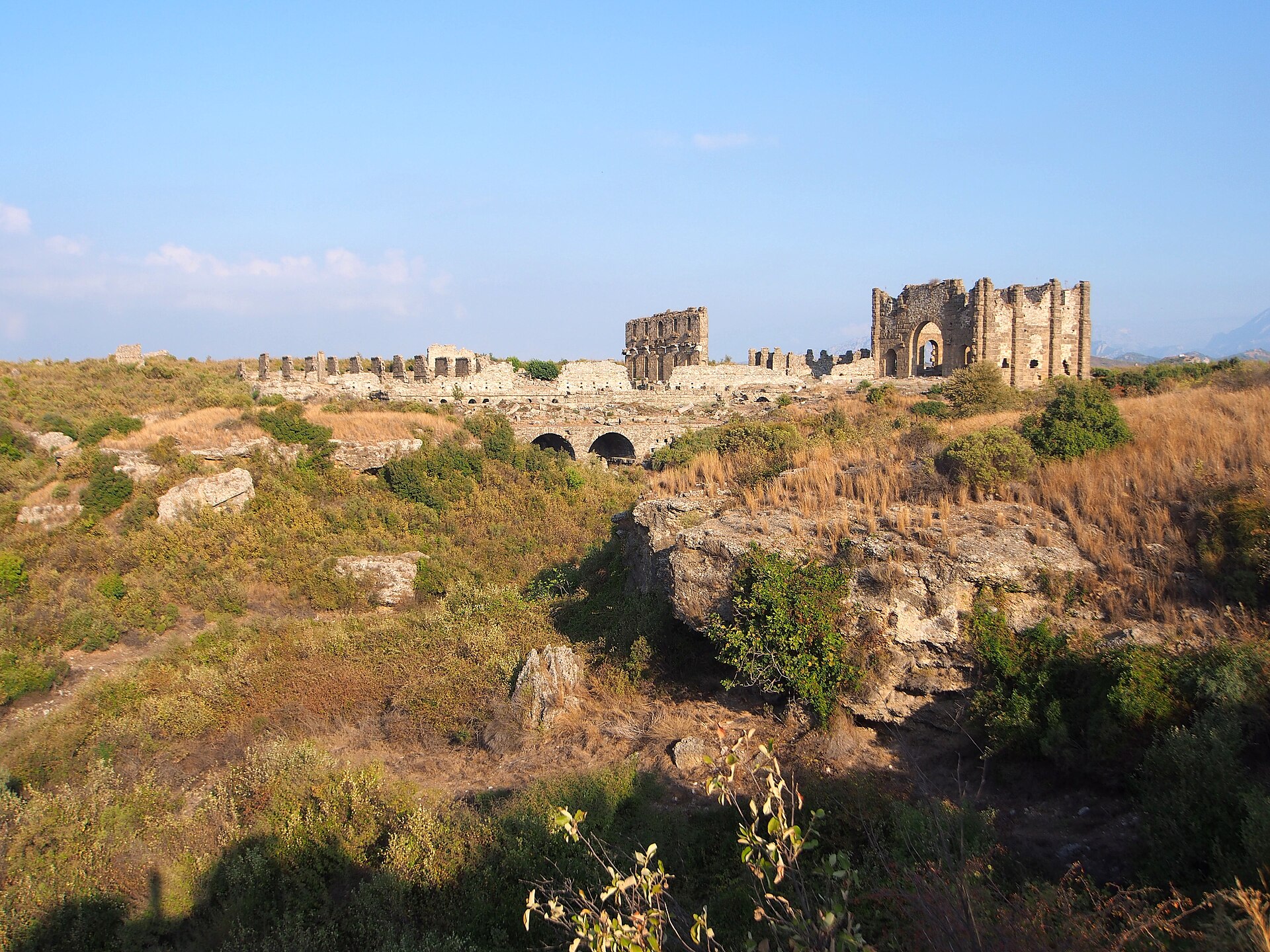
Aspendos was supplied with water by an impressive aqueduct, whose arches and towers still stride across the plain near the city. It carried water from the hills to the settlement using clever engineering.
The aqueduct used a pressurised system to carry water across the valley, a sophisticated feat that reflects the technical skill of Roman engineers. Its ruins are among the most striking of their kind.
The Upper City
Above the theatre, on a flat-topped hill, lay the main city of Aspendos, with its agora, basilica, fountains and other public buildings. Their ruins are less famous than the theatre but reveal the full extent of the town.
From the hilltop there are fine views over the surrounding plain. The remains of the upper city show that Aspendos was a substantial and prosperous community, not just a theatre.
The Nymphaeum and Public Buildings
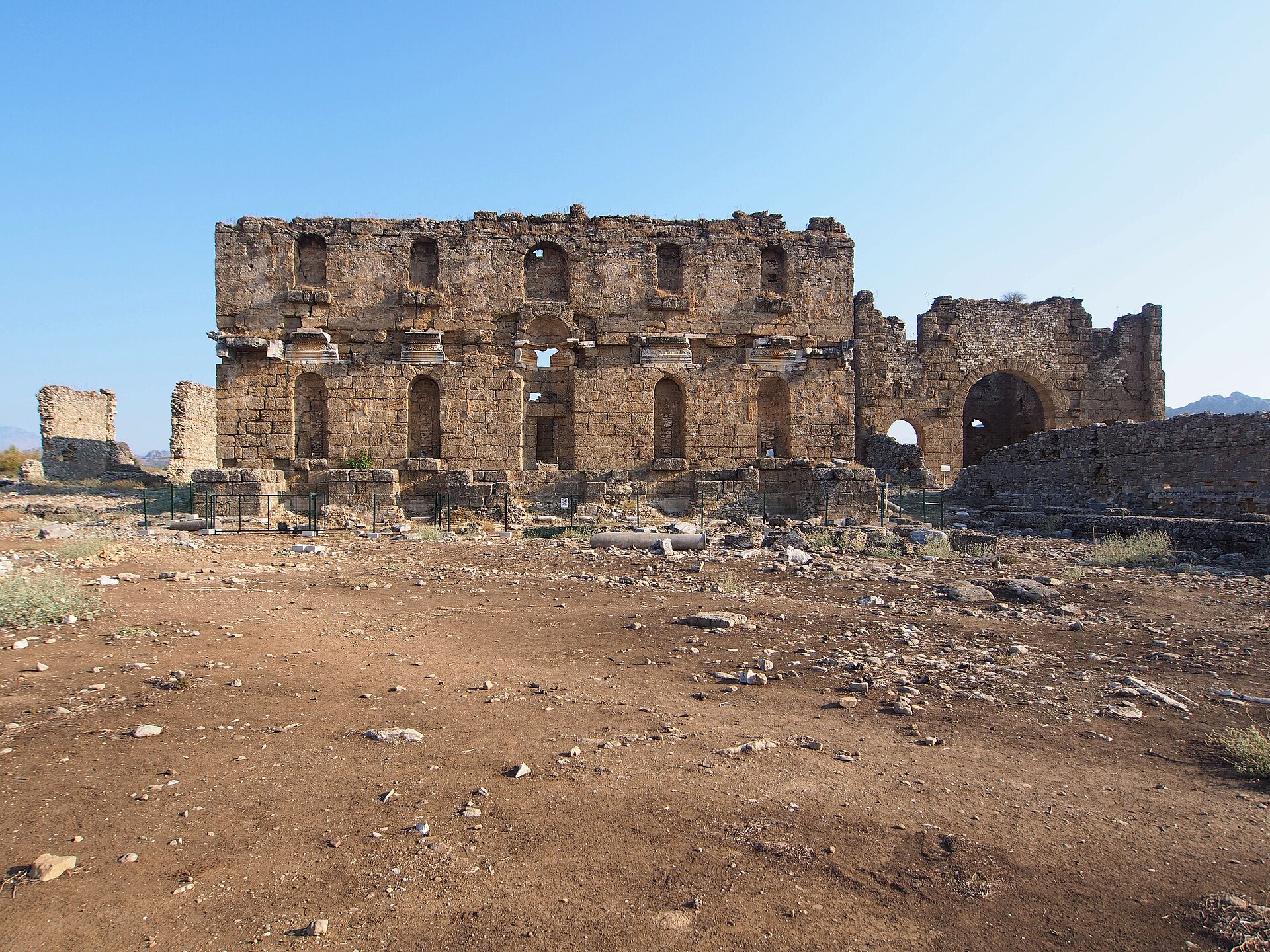
Among the ruins of the upper city stood a nymphaeum, a monumental public fountain that provided water and beautified the civic centre. Such fountains were a proud feature of wealthy Roman cities.
Around it lay the market place and civic buildings where the business and social life of the city was carried on. These remains complete the picture of Aspendos as a thriving Roman town.
The Eurymedon and the City’s History
Aspendos stood on the Eurymedon River, which gave it access to the sea and made it an important trading centre. A famous ancient battle was fought near the river’s mouth between the Greeks and the Persians.
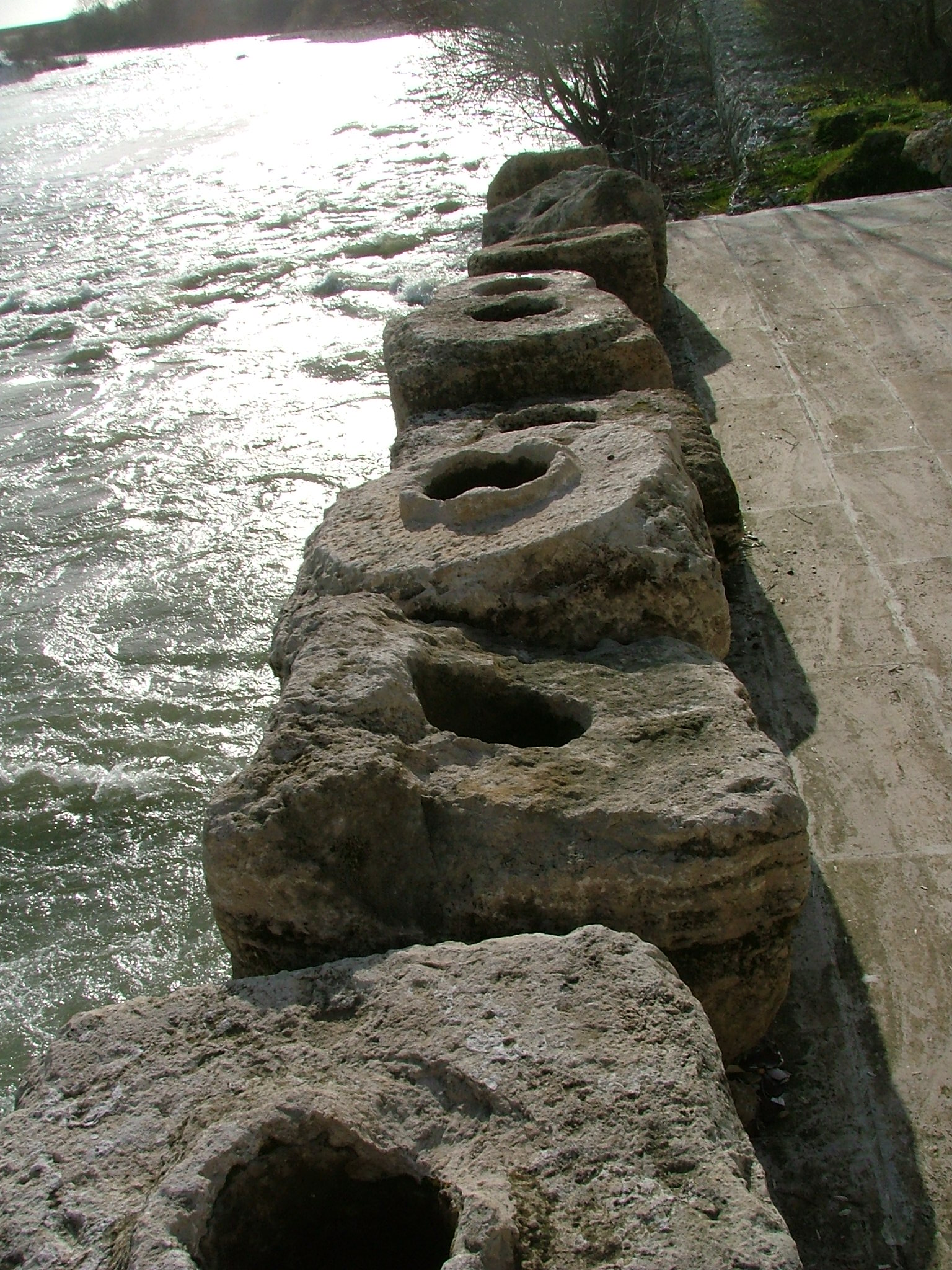
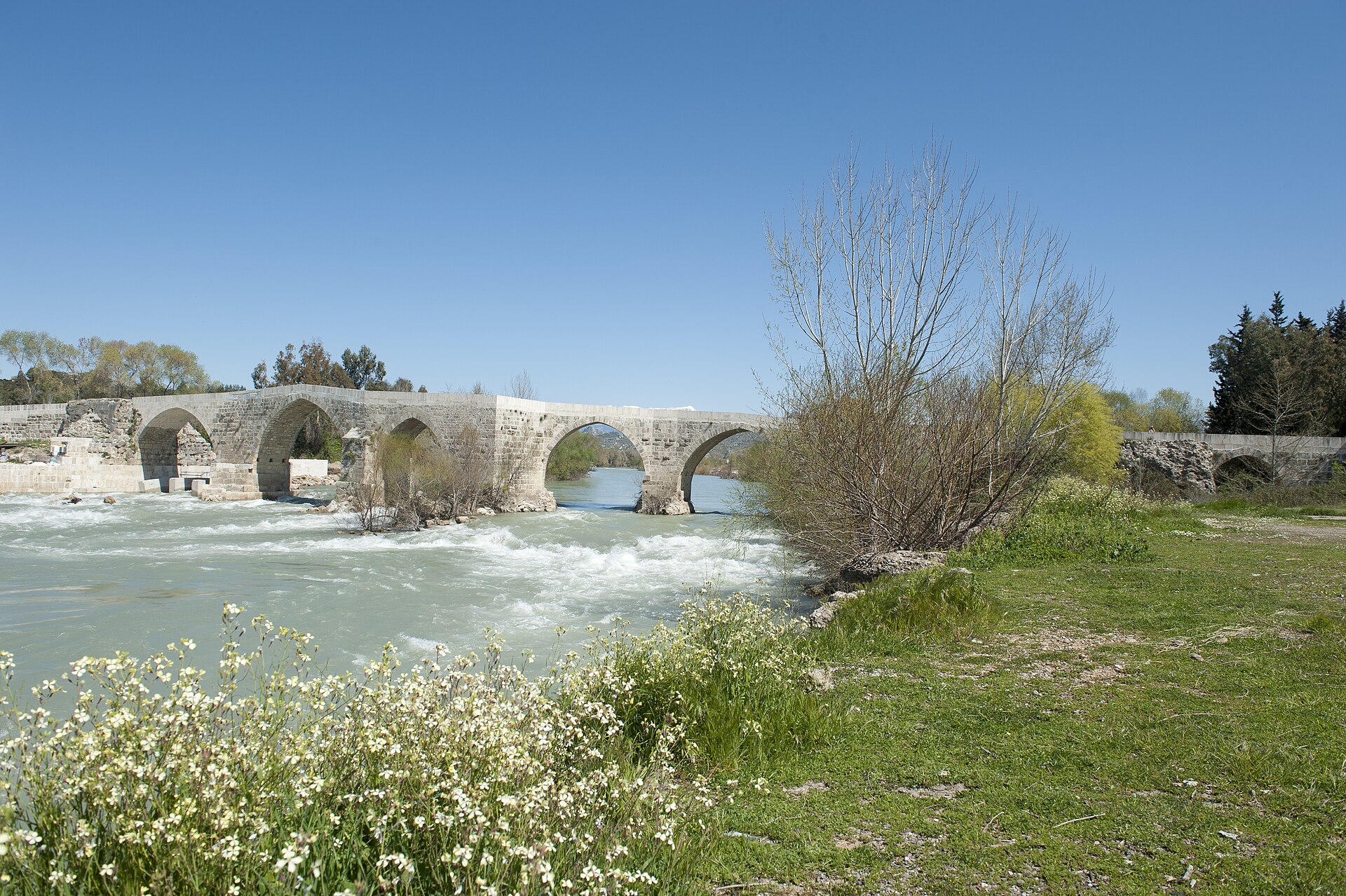
An old bridge over the river, later rebuilt, still stands nearby. The river and its bridge are reminders of the long history of Aspendos, from Greek and Persian times through the Roman and later ages.
From Music Festivals to Heritage Status
Because it is so well preserved, the theatre of Aspendos has never entirely fallen silent. Today it is the setting for an international opera and ballet festival, its ancient seats filled with modern audiences.
The site is on the tentative list for full UNESCO World Heritage status and is one of the most visited ancient monuments in Turkey. Few places let the past live on so vividly in the present.
Getting There
Aspendos lies in Antalya Province on the Mediterranean coast of southern Turkey, about forty kilometres east of the city of Antalya. Antalya has a large international airport with many flights.
From Antalya the site is easily reached by car or organised tour, and is often combined with the nearby ancient cities of Perge and Side. The theatre is the main attraction, with the upper city and aqueduct nearby.
Coordinates: 36.9394, 31.1722 — open Aspendos in Google Maps.
Nearby Places
- Ephesus — the great ancient metropolis of western Turkey, with its own grand theatre and monuments.
- Pergamon — home to the dramatic steep theatre of the Anatolian highlands.
- Hierapolis and Pamukkale — another superbly preserved ancient city of the same region of Turkey.
Closing Thoughts
The theatre of Aspendos is the Roman stage brought back to life: a vast, near-perfect building whose towering wall and sweeping seats survive almost as they were, still filled with music and audiences today.
Together with its aqueduct, upper city and river bridge, it makes Aspendos one of the most complete and rewarding Roman sites in the world. Nowhere else can you so fully experience the grandeur of an ancient theatre.
You May Like
Mafra, the Palace a King Built From a Vow


One thought on “Aspendos: The World’s Best-Preserved Roman Theatre, Still Filled With Music”