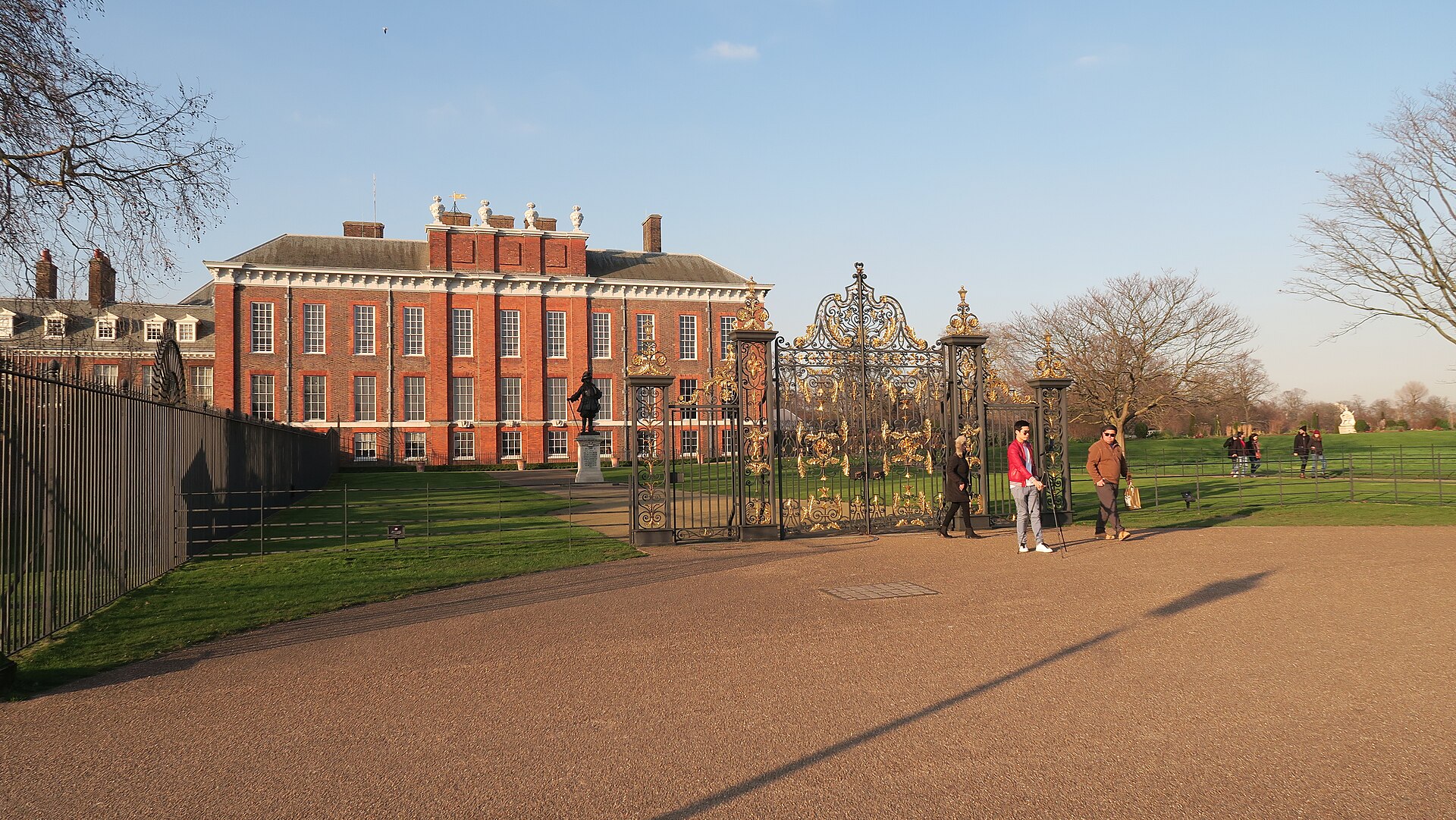
Set amid the greenery of Kensington Gardens in the heart of London stands a royal palace of a gentler, more intimate character than the grand state residences of the monarchy. Kensington Palace has for more than three centuries been a royal home, but a home of a particular kind, less a stage for great ceremony than a place where royal families have actually lived, where children have been born and raised, and where the private lives of princes and princesses have unfolded. It is a palace of domestic royalty, and therein lies its special charm.
Kensington has been home to some of the most significant figures in the history of the British monarchy. It was here that a king found refuge from the damp air of Whitehall, here that a young princess was born and raised who would become Queen Victoria, and here, in more recent times, that a beloved princess made her London home. The palace has been continuously associated with the royal family for over three hundred years, and it remains a working royal residence today.
Behind its comparatively modest brick facades lies a suite of magnificent state apartments, created for the Georgian kings and decorated by one of the greatest designers of the age, whose painted staircases and gilded rooms are among the finest of their kind in Britain. And around the palace spread beautiful gardens, from a famous sunken garden to the wide green expanse of Kensington Gardens, one of the great royal parks of London.
To visit Kensington Palace is to encounter the more human and domestic side of the British monarchy, the side of family life, of childhood and upbringing, of private homes rather than public thrones. This is the story of the palace in the gardens, of the kings and queens who made it their home, of the young Victoria who grew up within its walls, and of the enduring royal residence that stands amid the greenery of London still.
In This Article
- The Palace in the Gardens
- William, Mary, and the Escape from Whitehall
- Queen Anne and the Orangery
- George I, William Kent, and the State Apartments
- The King’s Grand Staircase
- The Cupola Room
- The King’s Gallery
- The Birthplace of Queen Victoria
- Victoria’s Accession
- A Palace of Princes and Princesses
- The Sunken Garden and the Palace Grounds
- Kensington Gardens and the Wider Setting
- Kensington Palace Today
The Palace in the Gardens
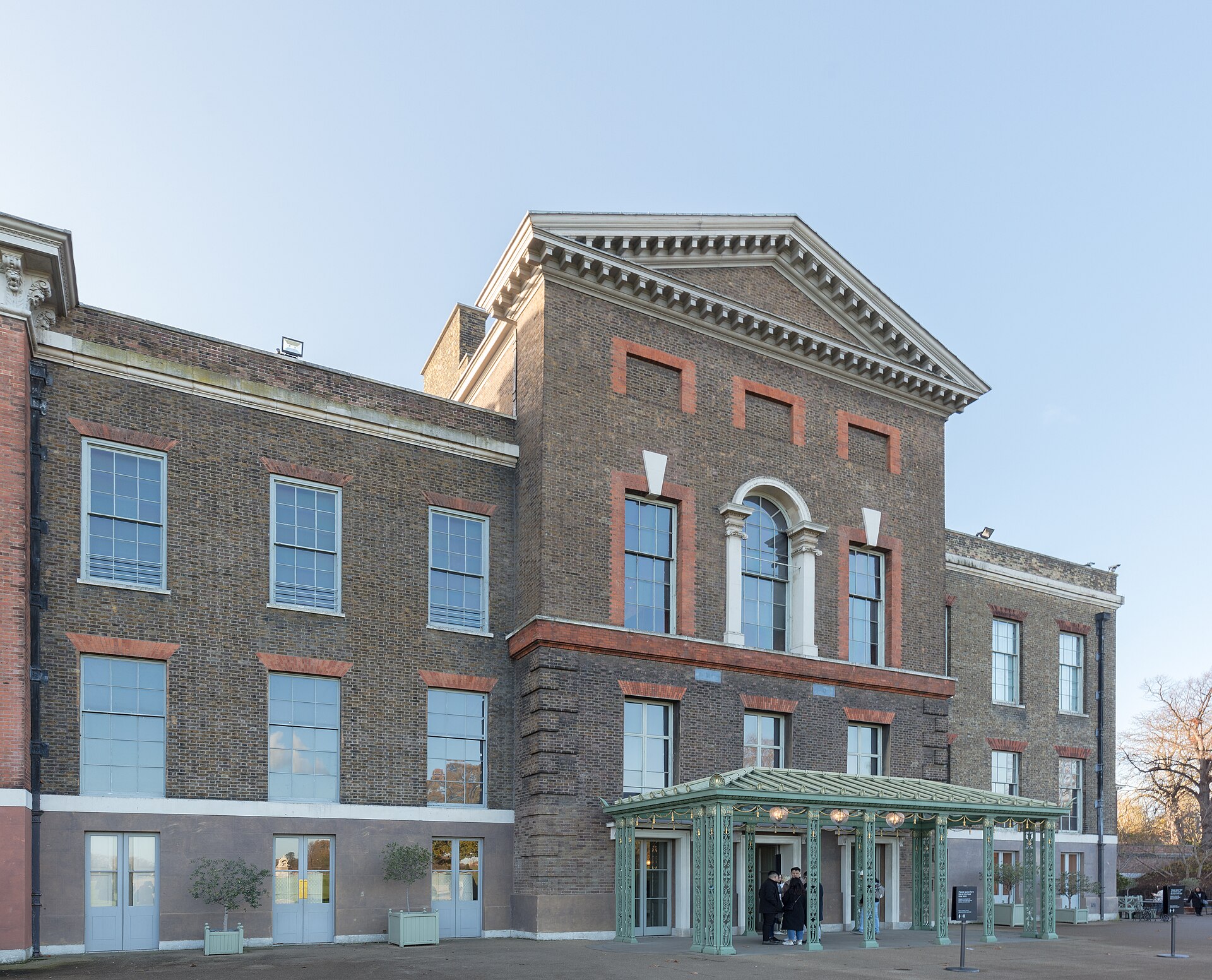
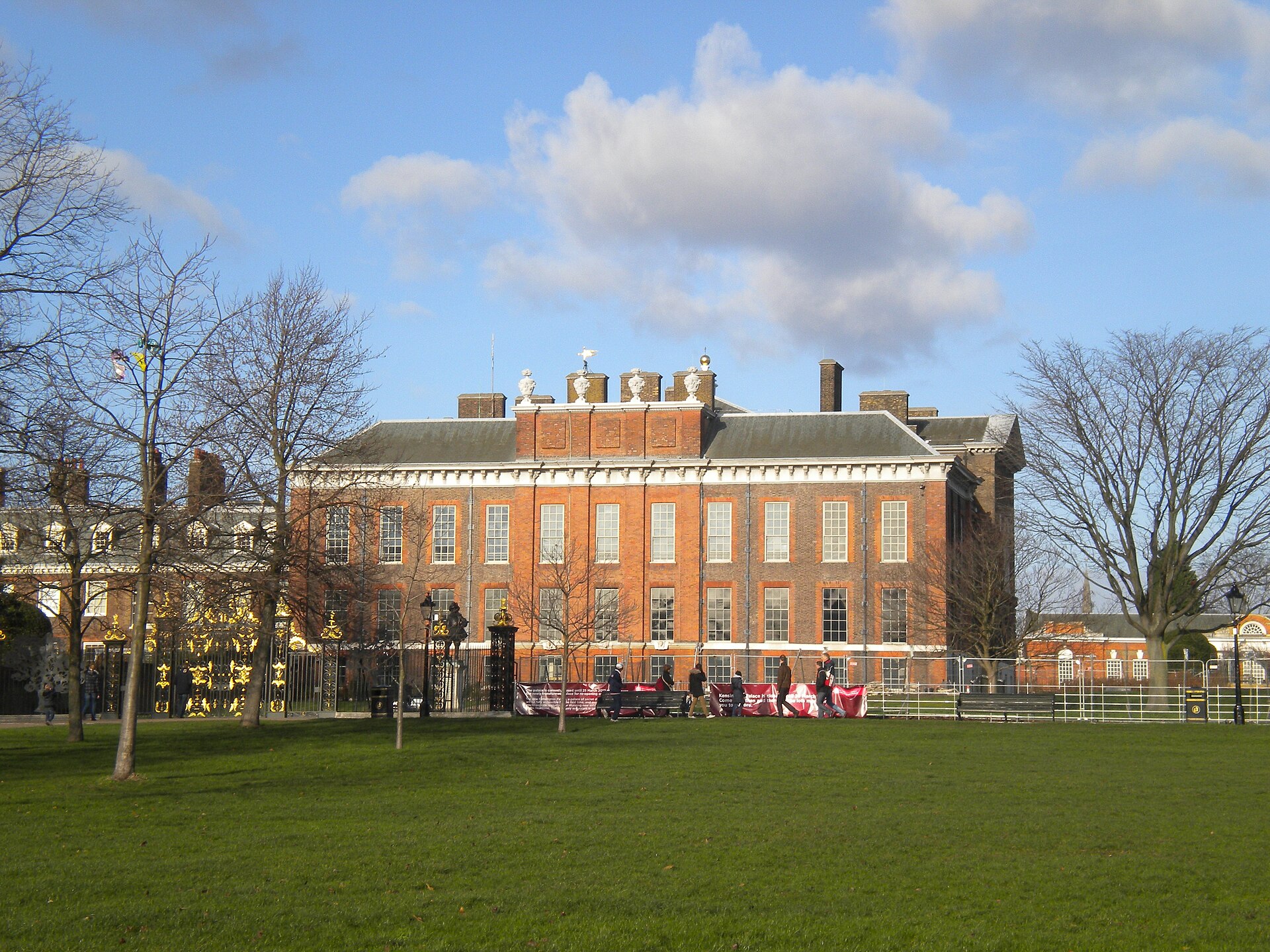
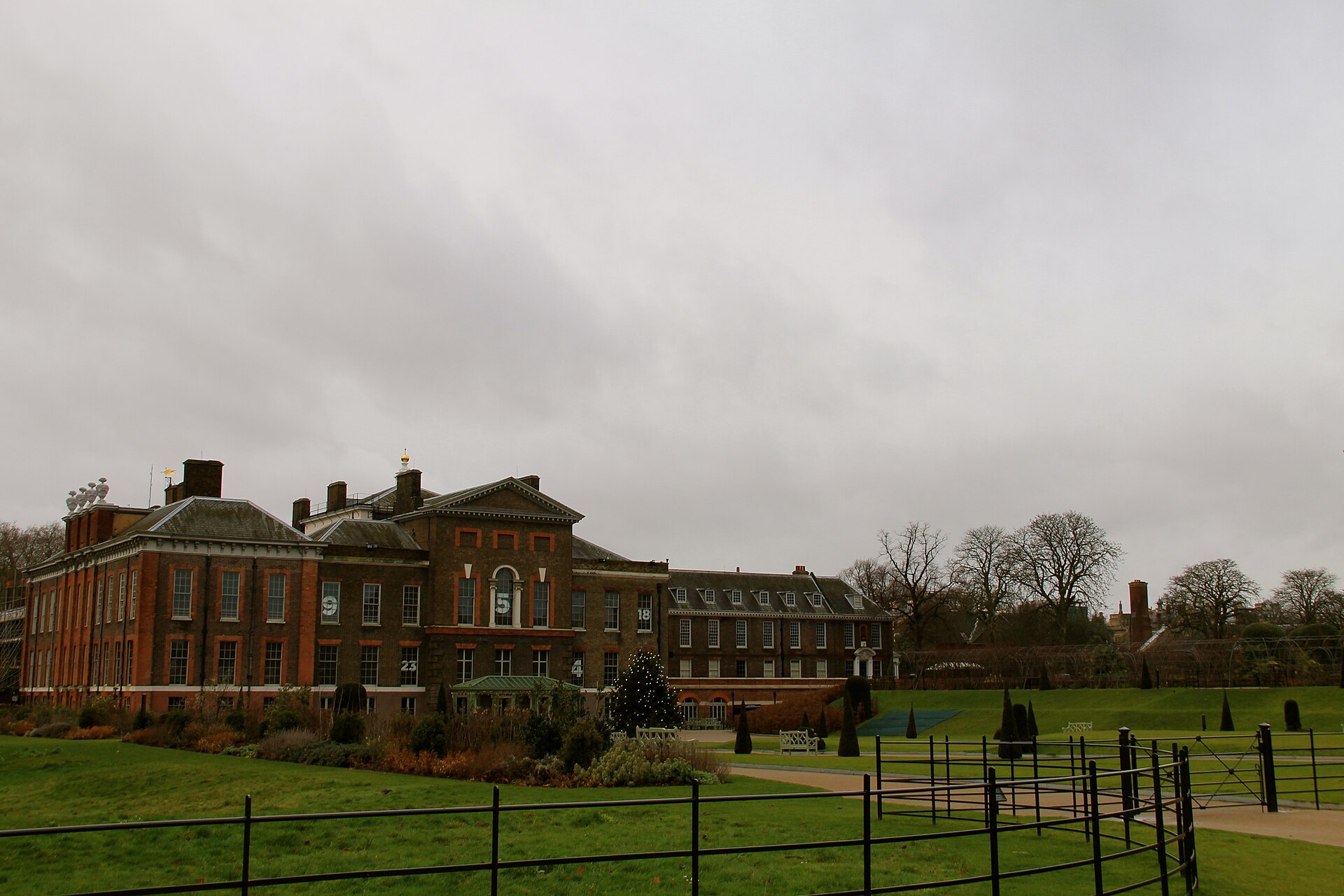
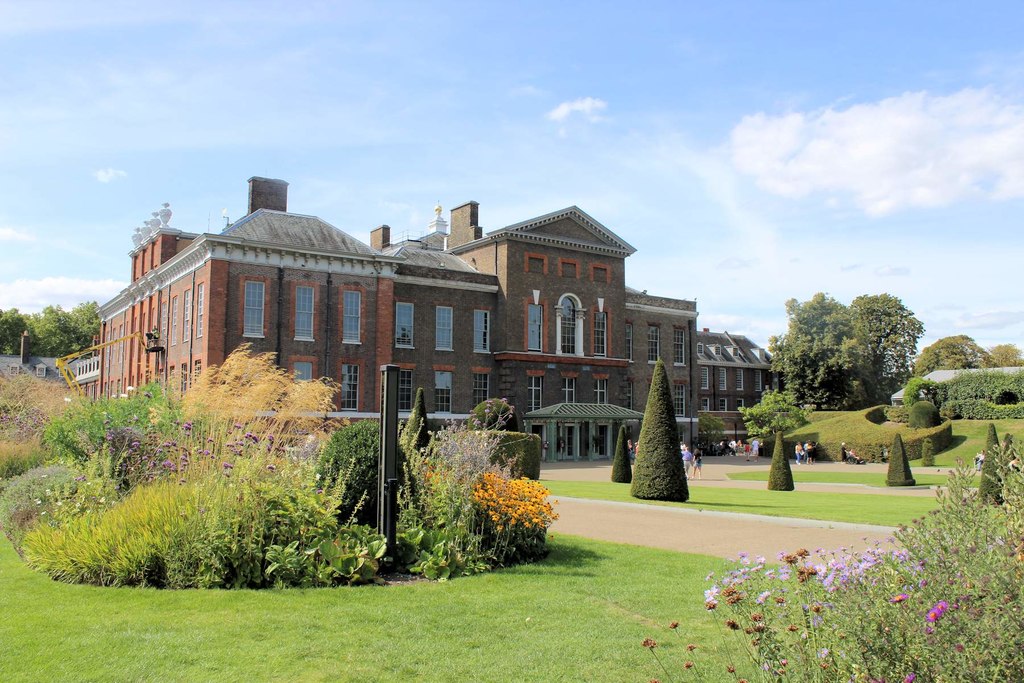
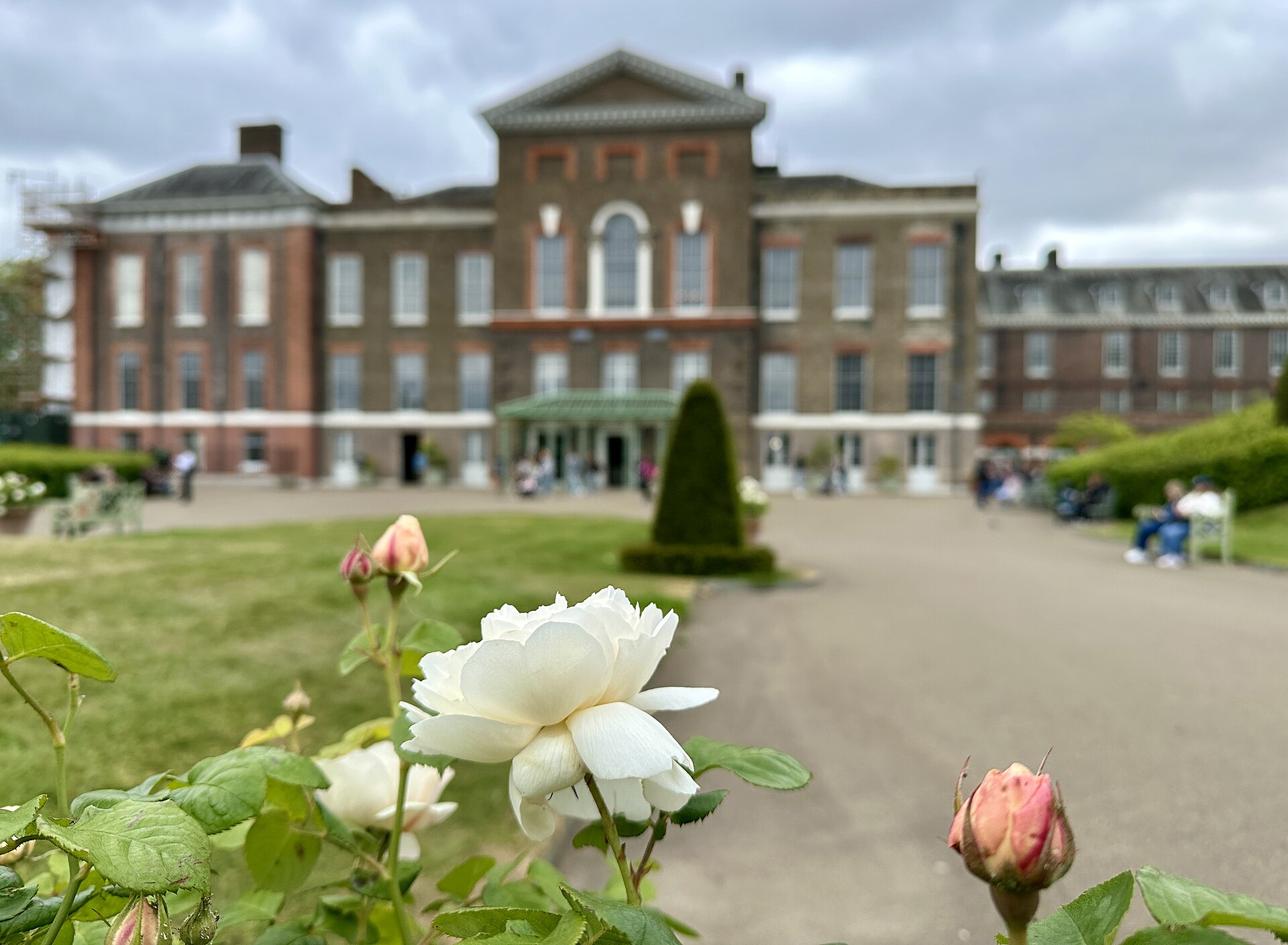
Kensington Palace occupies a unique place among the royal residences of Britain, for it is at once a grand palace and an intimate home. Set within Kensington Gardens in the west of central London, it lacks the overwhelming scale of Buckingham Palace or the fortress grandeur of Windsor, presenting instead a more domestic face to the world, a series of comparatively modest brick ranges set amid trees and lawns.
This more intimate character reflects the palace’s long history as a genuine royal home rather than a great ceremonial seat. For over three centuries it has been lived in by members of the royal family, and it has been the setting for the private and domestic life of the monarchy rather than for its grandest public occasions. It is a place associated with family, childhood, and home as much as with state and ceremony.
Yet within its unassuming exterior the palace conceals interiors of real magnificence, above all the state apartments created for the Georgian kings, which rank among the finest royal rooms of their period in the country. The contrast between the modest facades and the splendour within is one of the characteristic features of Kensington, a palace that keeps its grandeur discreetly hidden behind a domestic face.
Around the palace spread the beautiful Kensington Gardens, once the private grounds of the royal residence and now one of the great public parks of London, dotted with monuments and gardens and thronged with visitors. The union of the palace with its gardens, and its setting amid the greenery in the heart of the capital, gives Kensington a peculiar charm, at once royal and pastoral, grand and intimate.
This blend of the grand and the domestic makes Kensington unlike any other royal palace in Britain. It has never been the setting for coronations or the grandest state ceremonies, and it has never sought to overawe; instead it has been a place where royalty has lived quietly, raised families, and pursued private lives, while also housing interiors of real magnificence. That combination gives the palace a warmth and a human scale that the greater state residences, for all their splendour, can never quite possess.
William, Mary, and the Escape from Whitehall
Kensington became a royal palace at the end of the seventeenth century, when King William III and Queen Mary II sought a new London home. The king suffered from asthma, and the damp air of the riverside palace of Whitehall, then the main royal residence in London, aggravated his condition. The royal couple looked for a house in the healthier air on the western edge of the city, and their choice fell on a mansion at Kensington.
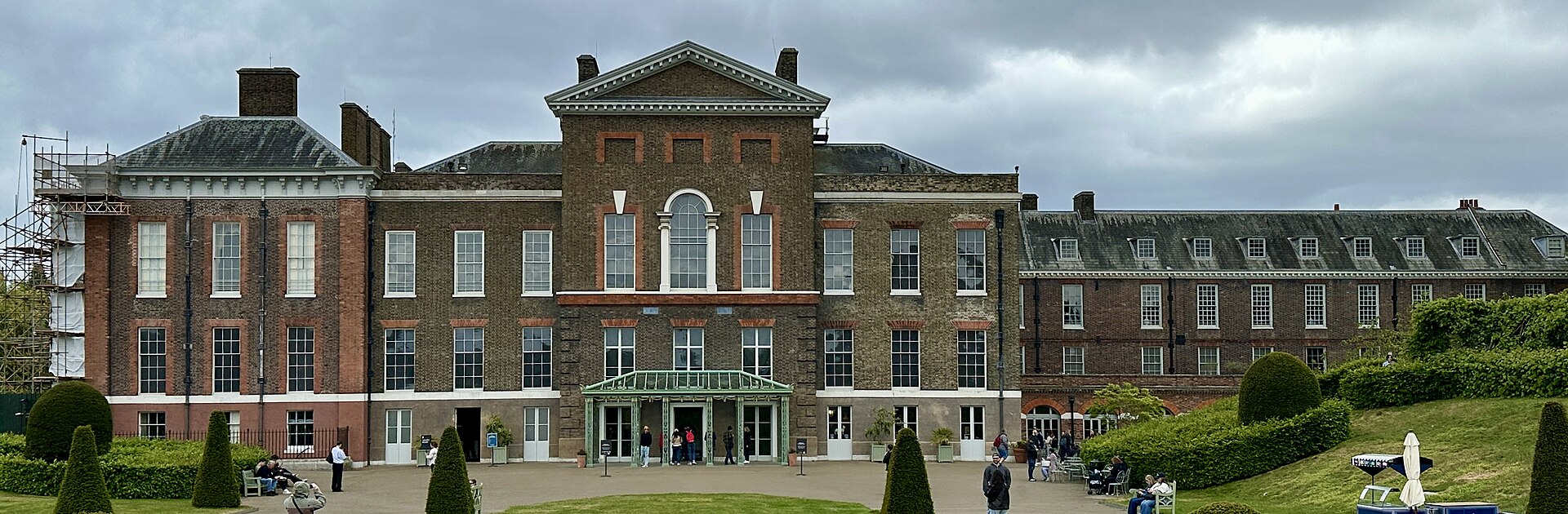
In 1689 they purchased the existing house, a Jacobean mansion, and set about transforming it into a royal residence. The task was entrusted to Sir Christopher Wren, the greatest architect of the age, who enlarged and remodelled the house, adding new ranges and apartments to create a comfortable and dignified royal home, while retaining the domestic scale that suited the couple’s preference for a private retreat.
The new palace at Kensington quickly became a favoured residence of William and Mary, who valued its healthier situation and its more intimate character. It was here, away from the formality and the unhealthy air of Whitehall, that the royal couple chose to live, and the palace became closely associated with their reign and with the significant political changes of their time.
The choice of Kensington by William and Mary set the palace on its long career as a royal home. From a private mansion it had become a royal residence, and it would remain so through the centuries that followed, favoured by successive monarchs and members of the royal family. The escape from Whitehall thus gave the monarchy a new home that would endure long after the old riverside palace had been destroyed by fire and vanished.
The transformation of the modest mansion into a royal palace was carried out with characteristic speed, for William and Mary were eager to take up residence, and Wren and his craftsmen worked quickly to make the house habitable and dignified. The result was not a grand new palace built from scratch but an adapted and enlarged country house, and this origin is still legible in the domestic scale and the irregular, accreted character of the buildings that grew up around the original mansion.
Queen Anne and the Orangery
After the death of William and Mary, the palace passed to Queen Anne, the last of the Stuart monarchs, who made her own contributions to Kensington. A lover of gardens, Queen Anne took a particular interest in the grounds of the palace, laying out gardens and adding one of the most elegant of all the palace’s buildings, the beautiful Orangery.
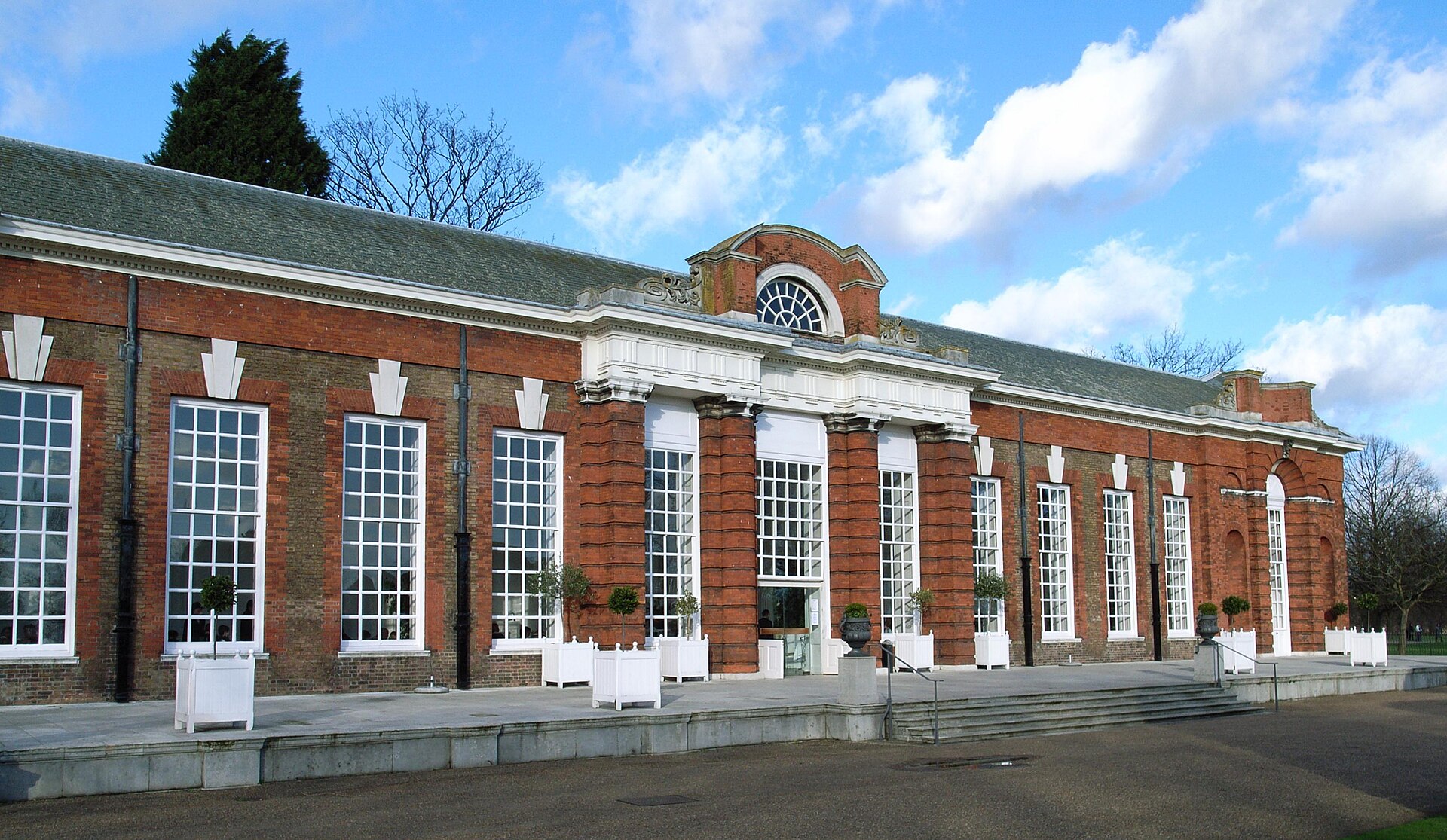
The Orangery is a graceful garden building, designed in an elegant classical style to house the exotic plants and citrus trees that were the delight of the age, and to provide a splendid setting for entertainments and refreshment during the warmer months. Attributed to leading architects of the day, it is a jewel of early eighteenth-century architecture and one of the loveliest structures at Kensington.
Queen Anne’s improvements reflected the growing importance of the palace and its gardens in the life of the court. The Orangery, with its refined proportions and its purpose of pleasure and display, embodied the taste of the age for elegant garden architecture, and it remains one of the highlights of the palace grounds, a beautiful survival of the world of the early eighteenth-century court.
It was also at Kensington that Queen Anne died, one of several significant royal events associated with the palace. Her reign marked an important chapter in the history of Kensington, and her contributions to its gardens and buildings, above all the exquisite Orangery, added to the growing richness of the royal residence and helped to establish its character as a palace as notable for its gardens as for its rooms.
George I, William Kent, and the State Apartments
The grandest phase in the architectural history of Kensington came under the first of the Hanoverian kings, George I, who determined to give the palace a suite of state apartments worthy of a royal residence. He commissioned the creation of magnificent new rooms, and their decoration was entrusted to the artist and designer William Kent, whose work at Kensington is among his finest achievements.
William Kent was one of the most versatile and influential designers of his age, and at Kensington he created a series of dazzling interiors, painting the walls and ceilings of the state apartments with elaborate schemes of decoration. His work transformed the rooms into settings of great splendour, and it introduced to England a new richness of painted decoration in the grand manner of the continental courts.
The state apartments created under George I include some of the most remarkable rooms of their period in Britain, from grand staircases to reception rooms, all decorated by Kent with painted ceilings, mythological and allegorical scenes, and rich ornament. These rooms gave Kensington a magnificence to match the grandest royal residences, concealed behind its modest brick exterior.
The reign of George I, and that of his son George II, marked the high point of Kensington as a principal royal residence, when the court gathered in its splendid new apartments and the palace was at the centre of the life of the monarchy. Though later kings would favour other residences, the magnificent rooms created in this period survive as the glory of the palace, a monument to the taste of the early Georgian court and to the genius of William Kent.
The irony of this great decorative campaign is that it came just as Kensington was about to lose its place as a principal royal residence. George II was the last reigning monarch to use the palace as a home, and after his death the court no longer resided there, so that the magnificent apartments created at such expense were used for only a relatively short time before the palace passed into its long career as a home for lesser members of the royal family.
The King’s Grand Staircase
The most spectacular of William Kent’s creations at Kensington is the King’s Grand Staircase, the magnificent stairway that leads up to the state apartments. What might have been a simple functional space Kent transformed into an astonishing work of art, covering the walls with a vast painted scheme that surrounds the ascending visitor with a crowd of painted figures.
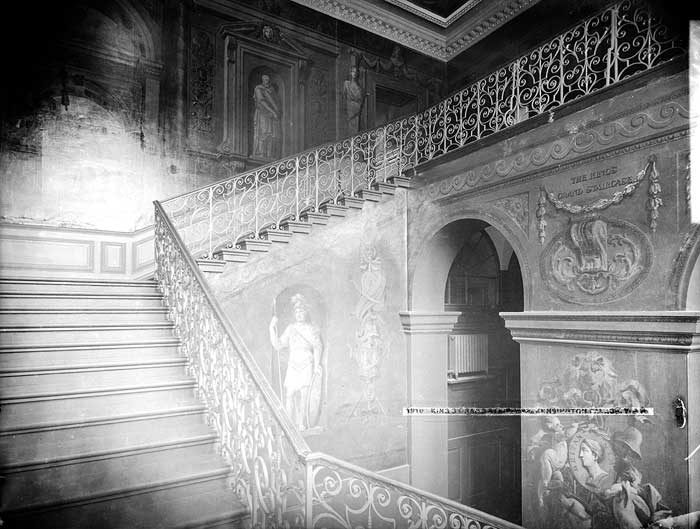
Kent painted the walls of the staircase with a remarkable illusion, depicting a gallery crowded with figures who appear to look down upon the real visitors climbing the stairs. Among the painted throng are courtiers, servants, and various characters said to have been drawn from the actual court of George I, including some of the colourful personalities who peopled the palace, rendered with wit and vivid detail.
This playful and ingenious decoration turns the staircase into one of the most entertaining and original interiors in any royal palace, a place where the boundary between the painted world and the real one seems to dissolve. The crowd of painted onlookers, gazing down from their illusory gallery, creates a sense of theatre and surprise that delights every visitor who climbs the stairs.
The King’s Grand Staircase is a masterpiece of the decorative imagination, and it exemplifies the brilliance of Kent’s work at Kensington. It sets the tone for the state apartments beyond, announcing the richness and inventiveness of the decoration to come, and it remains one of the most memorable and beloved features of the whole palace, a triumph of illusion and artistry.
The identification of the painted figures with real members of George I’s household gives the staircase a documentary as well as an artistic value, for it preserves a vivid picture of the cosmopolitan court that gathered around the first Hanoverian king, including some of the exotic and unusual personalities who attended him. Kent’s decision to fill the walls with these recognisable faces, rather than with the usual mythological figures, was a stroke of originality that has fascinated visitors ever since.
The Cupola Room
Among the grandest of the state apartments is the Cupola Room, the principal state room of the palace, created and decorated under George I as a setting for the most important court occasions. It takes its name from the illusionistic dome, or cupola, painted on its ceiling by William Kent, which appears to open the room upward into a lofty vaulted space adorned with classical ornament.
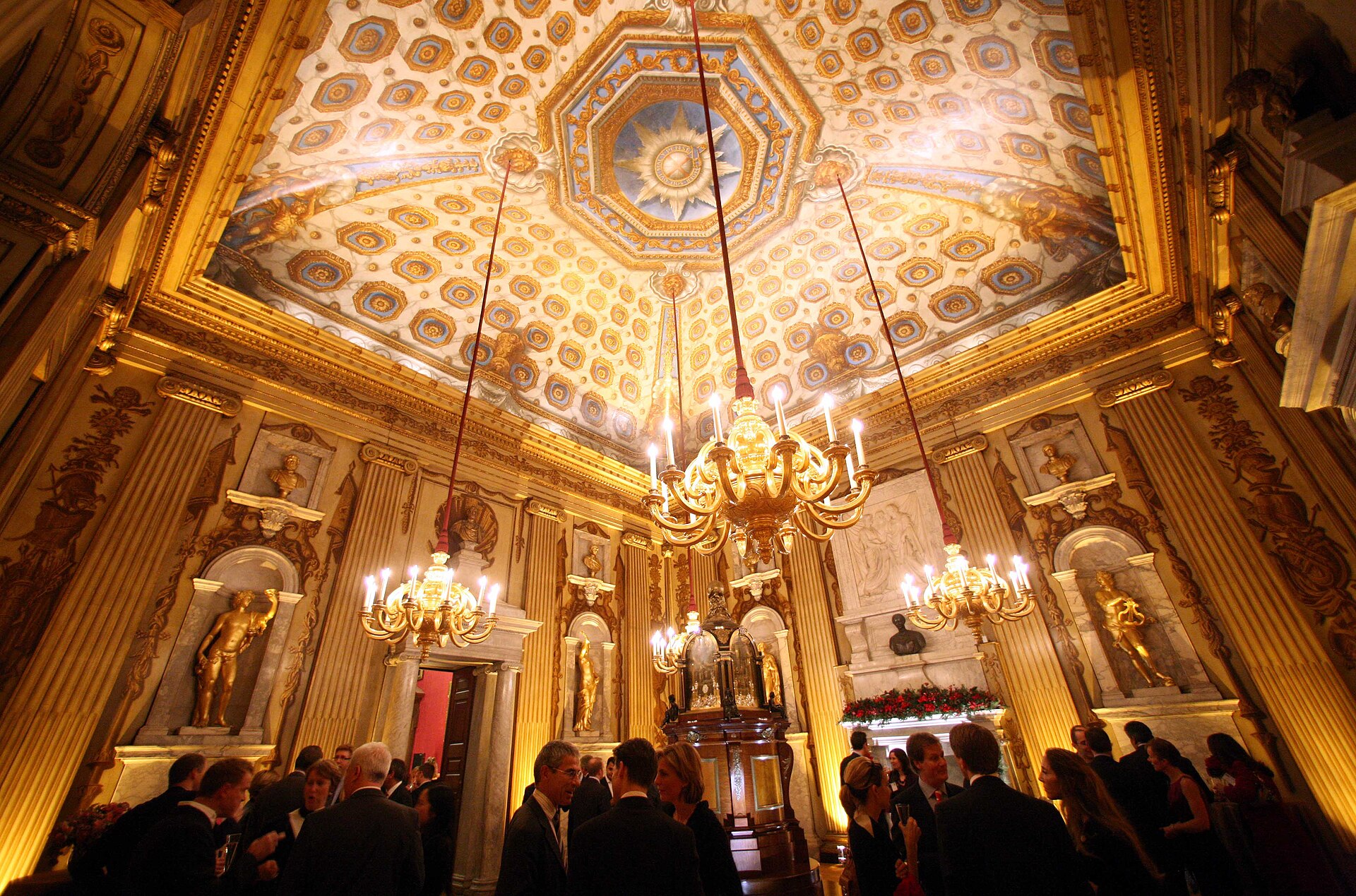
The room is decorated in a rich and imposing manner, with painted and gilded ornament covering its surfaces, classical statues in niches, and an elaborate scheme designed to impress visitors with the dignity of the monarchy. Kent’s painted cupola, giving the illusion of far greater height, is a virtuoso piece of decorative painting, and the whole room conveys a sense of grandeur and formality.
The Cupola Room served as the principal reception room of the palace, the setting for court ceremonies, receptions, and celebrations. It was here that the great occasions of the court at Kensington took place, and its splendid decoration was designed to provide an appropriately magnificent backdrop. The room also has a personal association, for it was here that the future Queen Victoria was baptised.
With its illusionistic ceiling, its rich decoration, and its historic associations, the Cupola Room is one of the highlights of the state apartments. It embodies the ambition of George I to create at Kensington rooms worthy of a great royal palace, and it stands as a fine example of the grand decorative style that William Kent brought to the English court in the early eighteenth century.
The King’s Gallery
One of the finest rooms at Kensington is the King’s Gallery, a long and stately room created for King William III and later redecorated under George I. Designed as a gallery in which to display paintings and to take exercise indoors, it is among the most impressive of the state apartments, its length and proportions giving it an air of grandeur and calm.
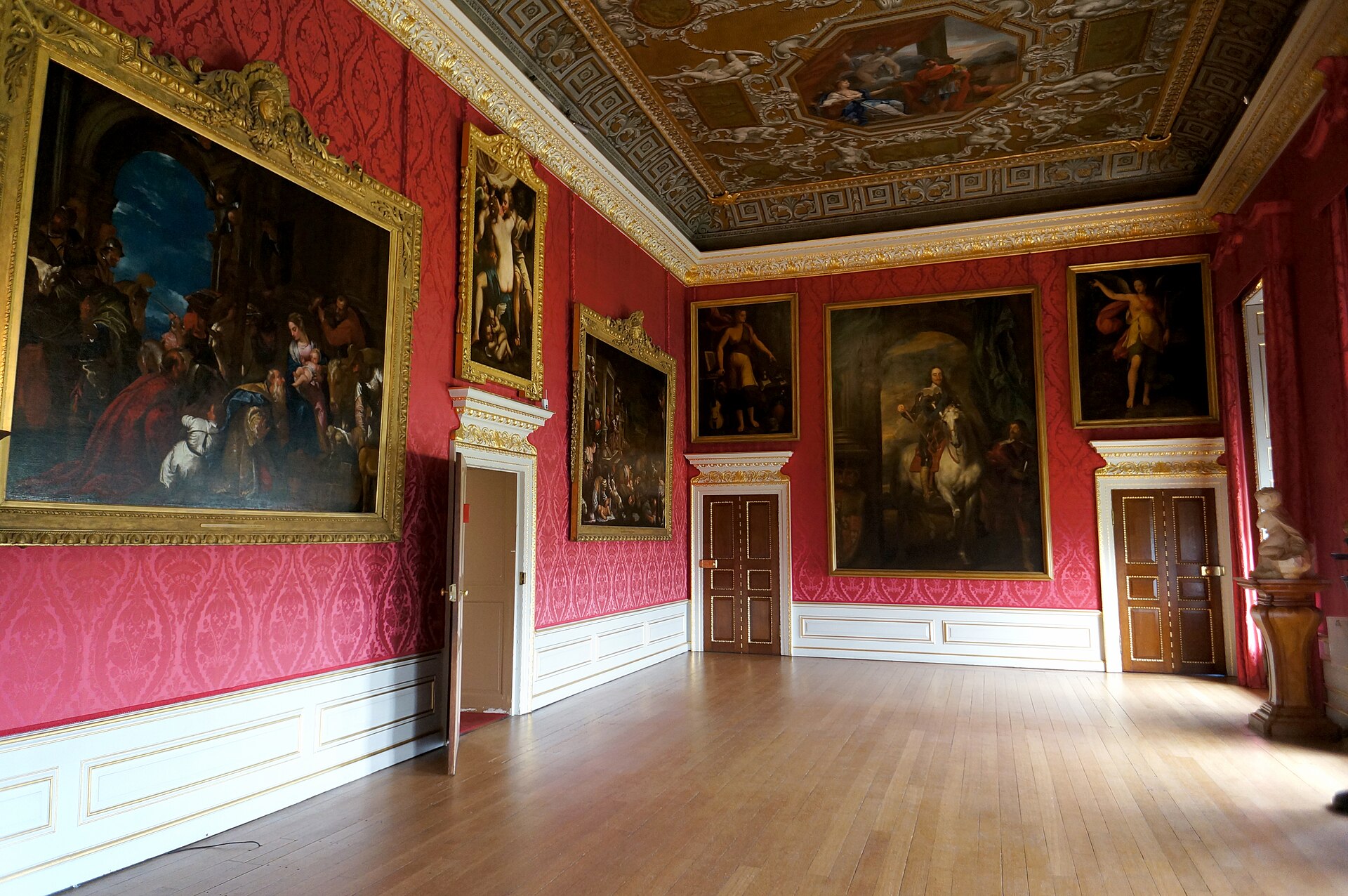
The gallery is richly decorated, with a fine ceiling painted by William Kent depicting scenes from classical mythology, and its walls hung with paintings from the royal collection. Over the fireplace is a curious and charming feature, a dial connected to a wind vane on the roof, which allowed the king to read the direction of the wind, a matter of interest to a monarch concerned with the movements of ships and fleets.
The King’s Gallery reflects the dual character of Kensington as both a place of display and a comfortable royal home. It was designed for the enjoyment of art and for the pleasures of a great room in which to walk and converse, and it combines the grandeur of a state apartment with the more relaxed function of a picture gallery, a space for cultivated leisure.
With its fine proportions, its painted ceiling, and its collection of pictures, the King’s Gallery is one of the most attractive of the state apartments, and it completes the magnificent sequence of rooms created for the Georgian kings. Together with the Grand Staircase and the Cupola Room, it forms the splendid heart of the palace, a rich survival of the decorative art of the early eighteenth century.
The Birthplace of Queen Victoria
Kensington Palace holds a special place in the history of the monarchy as the birthplace and childhood home of one of Britain’s greatest sovereigns, Queen Victoria. She was born at the palace in 1819, the daughter of a younger son of King George III, and she spent the whole of her childhood and youth within its walls, in the rooms that are now shown to visitors as part of her story.
The young princess grew up at Kensington under a strict and isolating regime devised by her mother and her mother’s advisor, a system of upbringing designed to keep her dependent and closely controlled. Confined largely to the palace and kept apart from other children, Victoria’s childhood was lonely and often unhappy, and the rooms of Kensington witnessed the difficult early years of the future queen.
Despite the restrictions of her upbringing, it was at Kensington that Victoria was educated and prepared, however imperfectly, for the great destiny that awaited her. The palace preserves the memory of these formative years, and exhibitions within it tell the story of her childhood, her family, and the world in which she grew up, bringing to life the early years of the woman who would give her name to an age.
The association of Kensington with the young Victoria gives the palace a profound historical significance and a strong human interest. Here the future queen was born, baptised, and raised, and here the foundations of her remarkable life were laid. For many visitors, the story of the young Victoria is the most compelling of all the many histories that the palace has to tell.
The system under which she was raised, devised to control her and to enhance the influence of those around her, kept the young princess under constant supervision, sleeping in her mother’s room and permitted few unsupervised moments. The rooms of Kensington, now presented to visitors, bear witness to this strange and constrained upbringing, and they help to explain the fierce determination with which, on becoming queen, Victoria at once threw off the controls that had bound her.
Victoria’s Accession
It was at Kensington Palace, in the early hours of a June morning in 1837, that one of the most famous moments in the history of the British monarchy took place. The young Princess Victoria, still only eighteen years old, was woken and brought downstairs to be told that her uncle the king had died and that she was now queen. In that moment, in the palace where she had grown up, her long reign began.
Later that same day the new queen held her first meeting of the Privy Council at Kensington, presiding with a composure and dignity that astonished the assembled statesmen, who had expected a nervous girl. The scene, so often depicted, marked the emergence of Victoria from the confinement of her childhood into the full authority of the crown, and it took place in the palace that had shaped her.
One of Victoria’s first acts as queen was to assert her independence from the controlling regime of her upbringing, and within weeks she had left Kensington to take up residence at Buckingham Palace, which she established as the principal royal home. Her departure marked the end of Kensington’s period as a residence of the reigning monarch, but it had witnessed the pivotal moment of her accession.
The events of Victoria’s accession give Kensington a unique place in the story of the monarchy, as the setting for the beginning of one of the greatest reigns in British history. The palace where she had endured a difficult childhood became the place where she claimed her throne, and the memory of that dramatic dawn in June has become one of the most cherished episodes in the history of Kensington.
The image of the young queen at her first council, self-possessed and dignified before the gathered elders of the state, became one of the founding legends of her reign, endlessly retold and depicted. That it unfolded at Kensington, the scene of her constrained childhood, lent it an added power, transforming the palace in a single day from the place of her captivity into the place of her liberation and her triumph.
A Palace of Princes and Princesses
After Victoria moved to Buckingham Palace, Kensington entered a new phase of its history, no longer the home of the reigning sovereign but a residence for other members of the royal family. Its many apartments were granted to princes and princesses and their households, and the palace became, in effect, a community of royal residences, home to a succession of members of the extended royal family.
In the twentieth century this role continued, and Kensington became particularly associated with several well-known royal figures who made their homes there. Among them, in more recent times, was Diana, Princess of Wales, who lived at Kensington and whose association with the palace made it, for a time, one of the most famous royal residences in the world, a focus of enormous public interest and affection.
Following the death of the princess in 1997, Kensington Palace became the setting for one of the most extraordinary outpourings of public grief in modern history, as vast crowds gathered and a sea of flowers was laid before its gates in her memory. The scene fixed the palace in the public mind as her home, and it remains strongly associated with her memory to this day.
Kensington continues in its role as a working royal residence, home to members of the royal family and their households, while parts of it are open to the public. This dual character, as both a private home of the royal family and a historic palace shown to visitors, is characteristic of Kensington, and it reflects the palace’s long and continuing association with the domestic life of the monarchy.
The tradition of housing members of the wider royal family at Kensington continues into the present day, and the palace remains a busy royal residence behind the parts open to the public. Its combination of private apartments and historic show rooms means that, at any given time, the palace is both a family home and a museum, a living institution in which the domestic life of the modern monarchy goes on alongside the display of its past.
The Sunken Garden and the Palace Grounds
The gardens of Kensington are among the chief delights of the palace, and none is more charming than the Sunken Garden, a beautiful formal garden created in the early twentieth century close to the palace. Laid out below the level of the surrounding ground and enclosed by walls and arcades of clipped lime trees, it is a tranquil and secluded spot, planted with flowers in ever-changing seasonal displays.
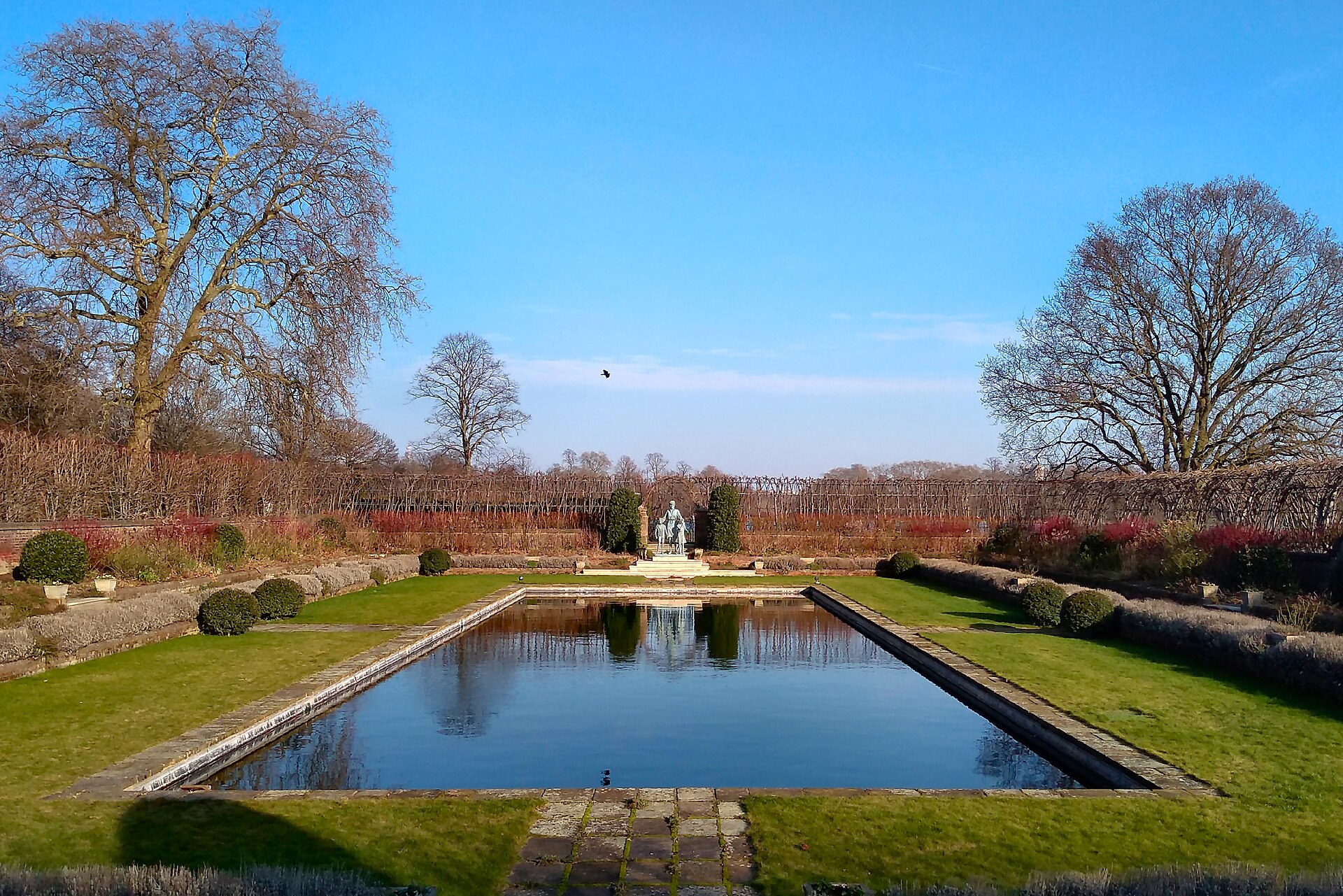
The Sunken Garden is one of the most beautiful corners of the whole palace grounds, its ornamental pools, its flower beds, and its enclosing walks of trained trees creating an intimate and peaceful retreat amid the greenery. Its careful planting, renewed with the seasons, makes it a place of continual delight, and it has become one of the most popular and photographed features of Kensington.
In recent times the Sunken Garden has acquired a new significance, having been chosen as the setting for a memorial statue to Diana, Princess of Wales, unveiled in the garden that lies close to her former home. The choice of this beautiful and tranquil spot as the site of her memorial has added to the poignancy and the popularity of the garden, linking it to the memory of the princess.
Beyond the Sunken Garden, the immediate grounds of the palace include lawns, walks, and the elegant Orangery of Queen Anne, forming a beautiful setting for the royal residence. These gardens, at once formal and intimate, complement the domestic character of the palace, and they provide, in the heart of London, a green and peaceful world that has been enjoyed by royalty and public alike for centuries.
Gardens have been central to the life of Kensington since the days of Queen Anne, and successive generations have shaped and reshaped the grounds according to the taste of their age. The present gardens, with their formal beds, their walks, and their ornamental features, represent the accumulated care of centuries, and they continue to be renewed and replanted, so that the palace is always surrounded by living displays of colour and design.
Kensington Gardens and the Wider Setting
The palace stands within Kensington Gardens, one of the great royal parks of London, which were once the private grounds of the royal residence and are now a beloved public park. Extending over a large area and merging with the adjacent Hyde Park, the gardens provide a magnificent green setting for the palace and a much-loved place of recreation for the people of London.
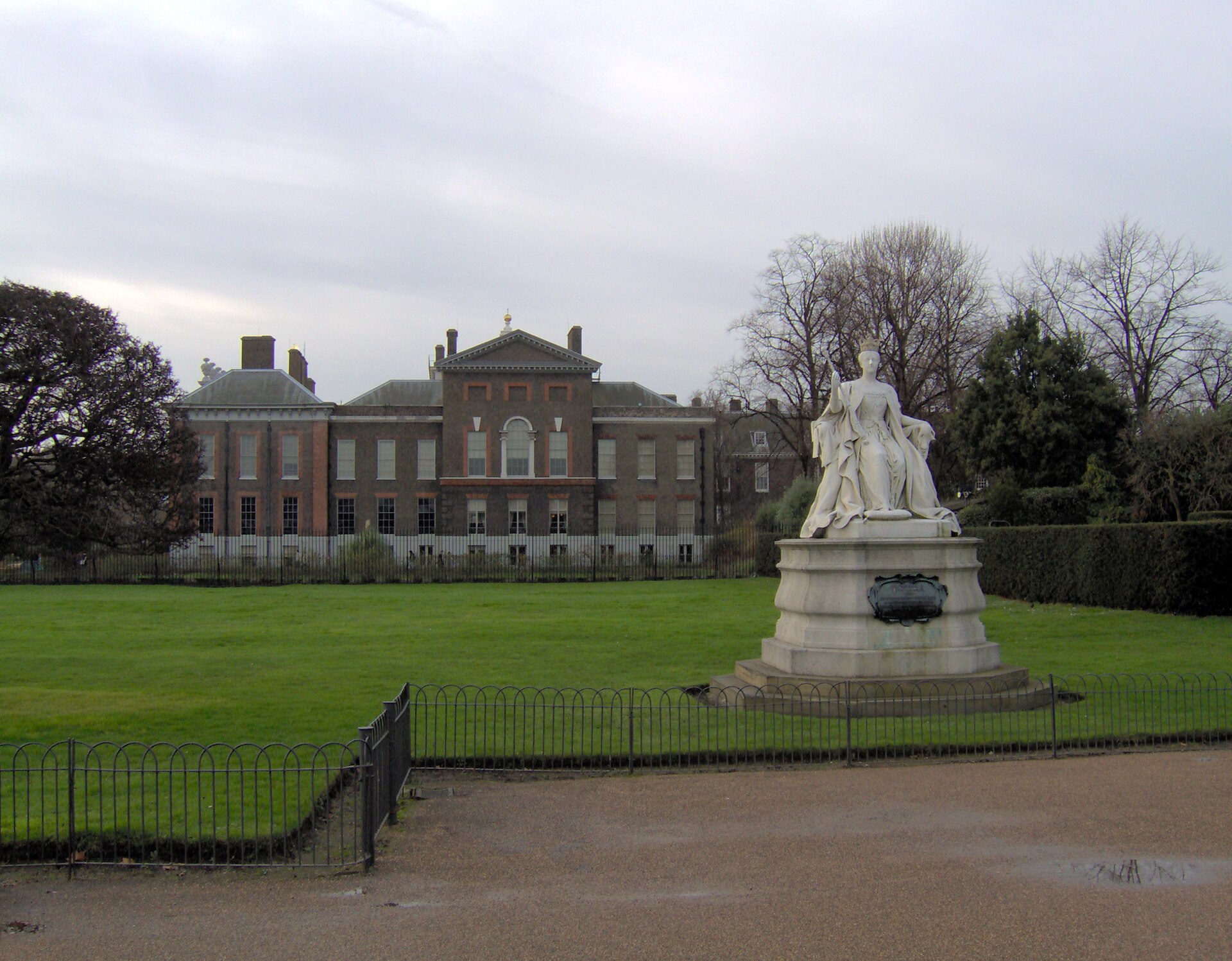
Kensington Gardens are adorned with a number of famous monuments and features, among them a statue of Queen Victoria near the palace, sculpted by her own daughter, which shows the queen as a young woman at the time of her accession. Nearby stands the great memorial to Prince Albert, and elsewhere in the gardens are ornamental waters, avenues, and other attractions that draw visitors throughout the year.
The transformation of the private royal gardens into a public park mirrors the wider opening of the monarchy’s spaces to the people over the centuries. What were once the exclusive grounds of the palace are now enjoyed by all, and the gardens form an essential part of the experience of Kensington, linking the royal residence to the life of the city around it.
The setting of the palace amid these gardens, in the heart of one of the world’s great cities yet surrounded by greenery and open space, is one of its most attractive features. The union of palace and park, of royal residence and public garden, gives Kensington a character quite its own, and makes a visit as much a pleasure of the outdoors as an encounter with the history of the monarchy.
Kensington Palace Today
Today Kensington Palace is cared for by the charity that looks after several of the historic royal palaces, and it continues its dual life as both a working royal residence and a historic site open to the public. Members of the royal family still make their homes in parts of the palace, while the state apartments and other historic rooms are open to visitors throughout the year.
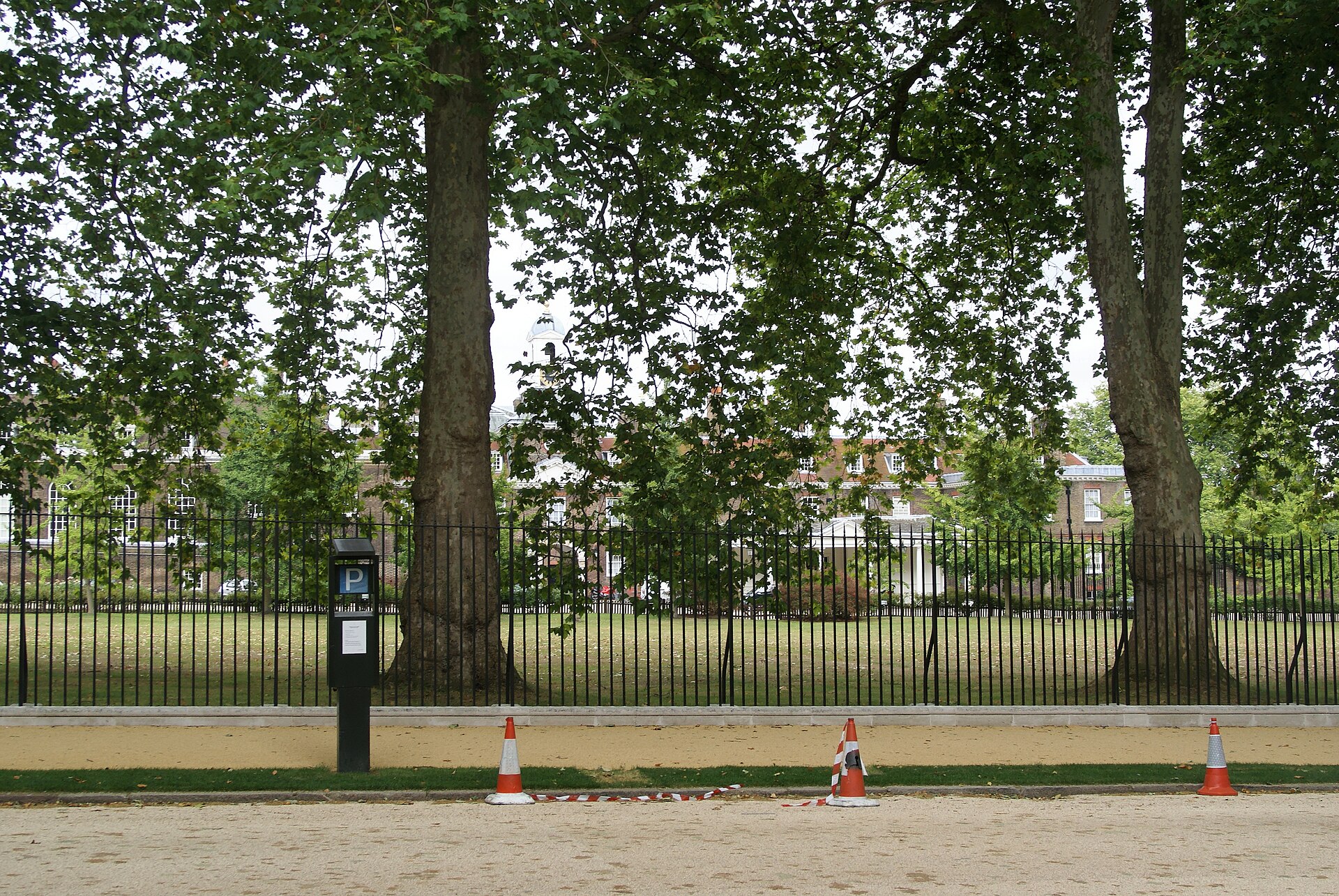
View the exact location on Google Maps
A visit to Kensington offers the chance to see the magnificent state apartments created for the Georgian kings, with William Kent’s remarkable painted staircase and grand rooms, and to explore the story of Queen Victoria’s childhood and accession through exhibitions in the rooms where she grew up. The palace presents its many histories with imagination, bringing to life the various royal lives associated with it.
The palace sits within Kensington Gardens in central London, easily reached and combining the pleasures of a historic royal residence with those of a beautiful park. Its gardens, above all the lovely Sunken Garden, its elegant Orangery, and its setting amid the greenery make it one of the most delightful of all the royal residences to visit, at once grand and intimate.
For more than three centuries Kensington Palace has been a home of the British royal family, from the king who sought healthier air to the young Victoria and the princes and princesses of the present day. More intimate than the great state palaces, rich in domestic history and human interest, and set amid its beautiful gardens, it endures as one of the most charming and best-loved of all the royal residences of Britain.
The palace also plays a role in the ceremonial and public life of the modern monarchy, hosting occasional official events and serving as a backdrop to the activities of the royal family members who live there. In this way Kensington continues to unite its historic role with a living present, remaining, after more than three hundred years, a genuine part of the working monarchy rather than a mere relic of its past.
Palaces Nearby
Kensington is one of several royal palaces within London and its surroundings; these two make natural companions to a visit:
You May Like
The Palaces of Orchha: A Bundela Capital on the Betwa