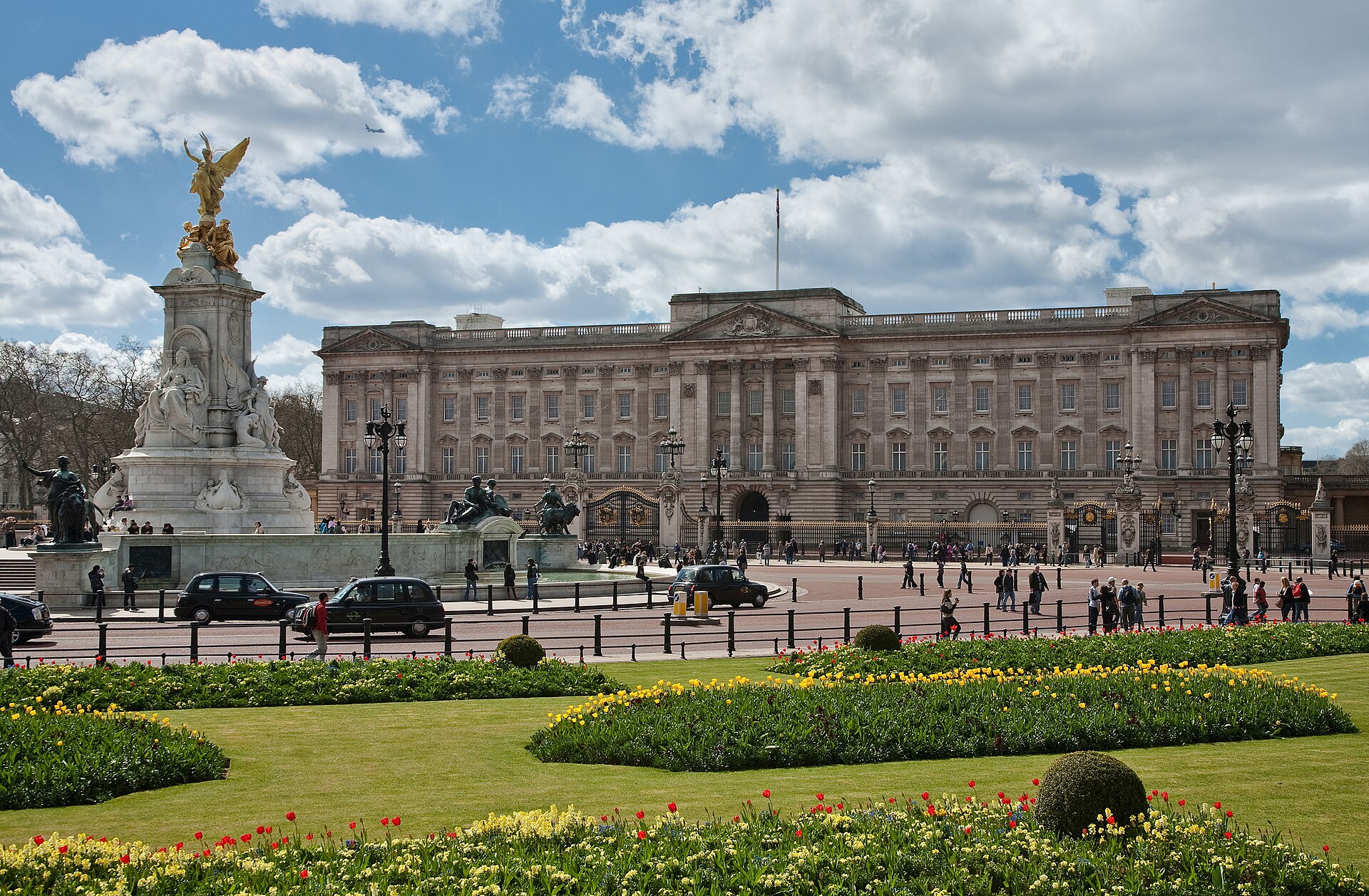
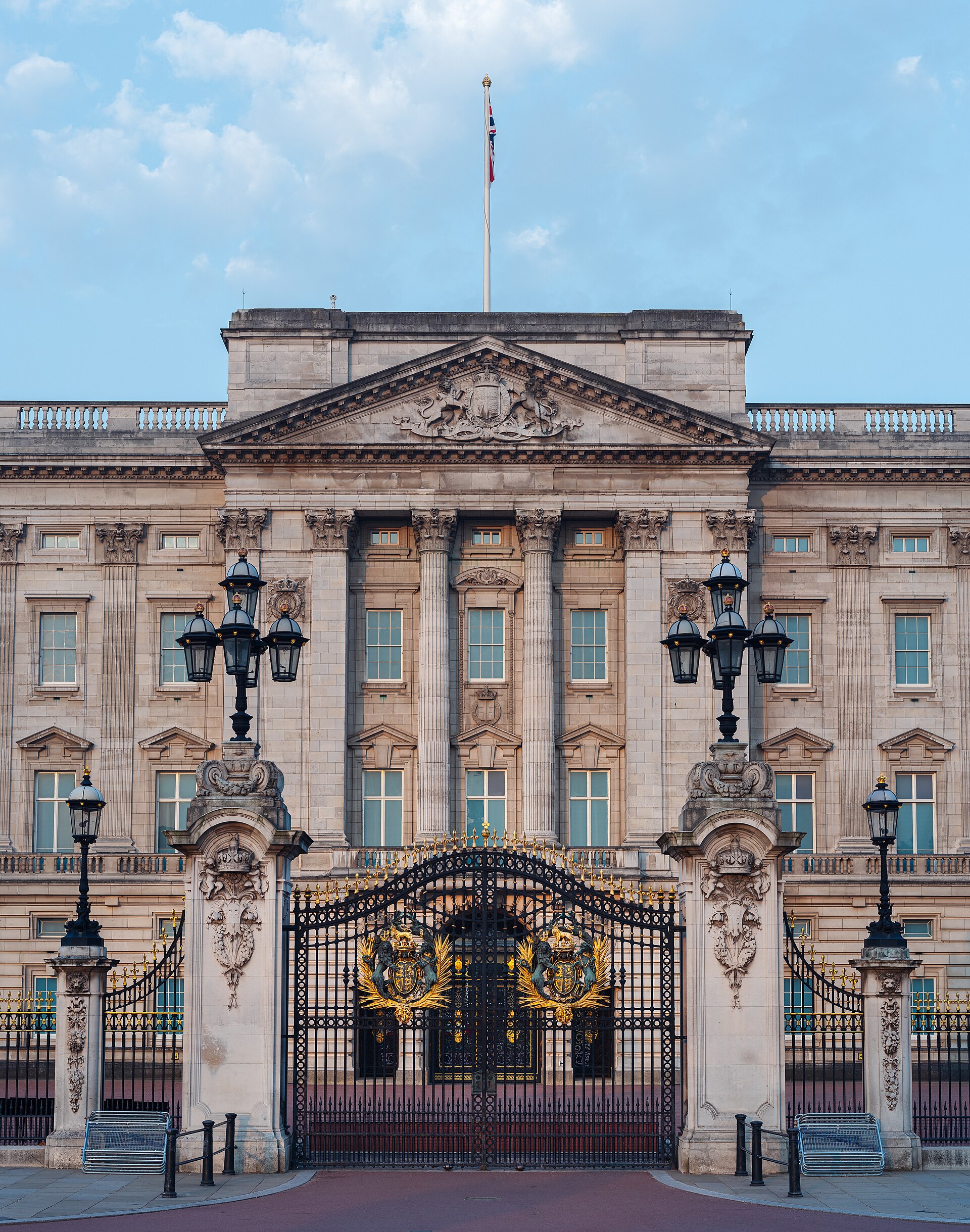
At the end of the great processional avenue of the Mall, behind its railings and its golden memorial, stands the most famous royal residence in the world. Buckingham Palace is the London home and the administrative headquarters of the British monarch, and its long grey facade, its central balcony, and the ceremony of the guard that unfolds before its gates are among the most recognisable images of Britain anywhere on earth. It is the place the world pictures when it thinks of the British crown.
Yet Buckingham Palace is a surprisingly recent creation as a royal residence, far younger than the ancient castles and Tudor palaces that preceded it. It began as a private townhouse, was bought as a comfortable family home by a king, and was only transformed into a grand palace in the nineteenth century. It did not become the official residence of the sovereign until the reign of Queen Victoria, and much of its familiar appearance dates from the early twentieth century.
Behind its restrained facade lies a palace of extraordinary richness, with hundreds of rooms including a magnificent suite of state apartments used for the great ceremonies of the monarchy. Here foreign heads of state are entertained at glittering banquets, here investitures and receptions are held, and here hang some of the greatest treasures of the royal collection. The palace is at once a family home, an office of state, and a stage for the grandest occasions of national life.
Above all, Buckingham Palace is the ceremonial heart of the monarchy, the place where the nation gathers at moments of celebration and mourning, and where the famous balcony appearances draw enormous crowds. This is the story of how a duke’s townhouse became the principal palace of the British crown, of the monarchs and architects who shaped it, and of the great building that stands today as the very symbol of British royalty.
In This Article
- The Symbol of the British Monarchy
- From Buckingham House
- George III and the Queen’s House
- George IV, John Nash, and the Making of a Palace
- Queen Victoria, the First Resident Monarch
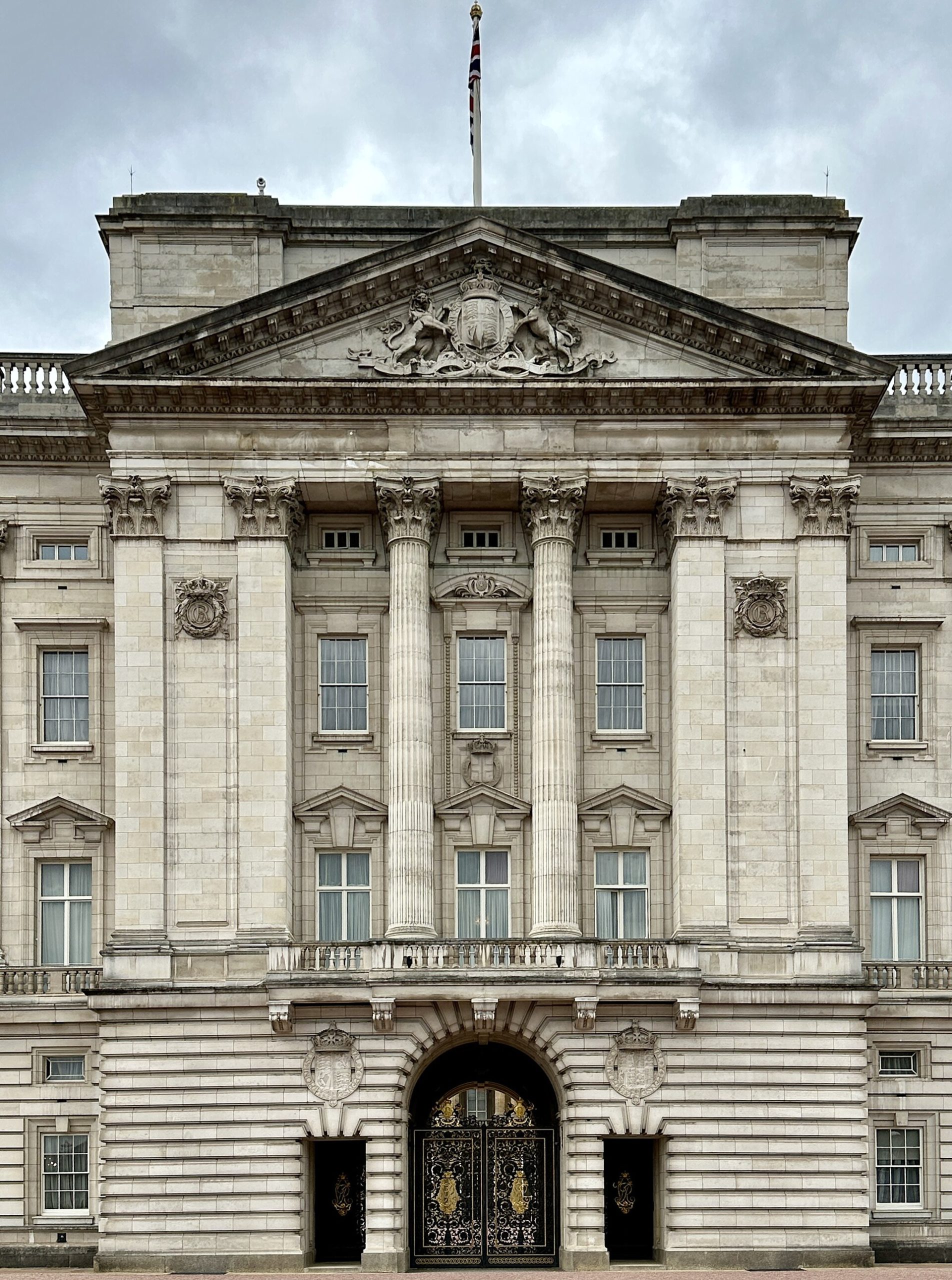
- The East Front and the Famous Balcony
- The State Rooms
- The Throne Room and the Ballroom
- The Picture Gallery and the Royal Collection
- The Victoria Memorial and the Setting
- The Changing of the Guard
- The Palace in War and the Modern Age
- Buckingham Palace Today
The Symbol of the British Monarchy
Buckingham Palace is, more than any other building, the symbol of the British monarchy in the eyes of the world. Situated at the heart of London, at the end of the Mall and facing the great memorial to Queen Victoria, it serves as the official London residence of the sovereign and as the administrative centre of the monarchy, the place from which much of the work of the crown is conducted.
The palace is a vast building, containing many hundreds of rooms, including private apartments for the royal family, offices for the royal household, and a magnificent suite of state rooms used for official occasions. It functions as a working palace, the hub of the monarchy’s public and ceremonial life, as well as a home, and it employs a large staff to maintain its many functions and its enormous fabric.
When the sovereign is in residence, the Royal Standard flies from the flagpole above the palace, a signal recognised throughout the land, just as at Windsor. The daily ceremony of the Changing of the Guard before its gates, the great crowds that gather at moments of national significance, and the famous appearances on its balcony have all made the palace one of the most familiar and beloved sights in Britain.
For all its fame, however, Buckingham Palace is a relatively modern creation as a royal residence, and its story is quite different from that of the ancient castles and medieval palaces of the English crown. Understanding how this building came to occupy so central a place in the life of the monarchy requires going back to its surprisingly humble origins, as a private house built for a duke on the edge of the royal parks.
The palace is also one of the largest working royal residences in the world, with a great number of rooms serving every function from the domestic to the ceremonial, supported by extensive kitchens, offices, and service areas. Behind its familiar public face lies a small city devoted to the life and work of the monarchy, a complex institution employing hundreds of people whose labours sustain the daily functioning of the crown at the very heart of the capital.
From Buckingham House
The building that would become Buckingham Palace began life in the early eighteenth century as a private townhouse, built for the Duke of Buckingham and known as Buckingham House. It was a handsome brick mansion set at the western end of what was then the edge of the built-up area of London, facing across the park toward the older royal palaces of Westminster, a comfortable and fashionable residence for a great nobleman.
Buckingham House was, by the standards of its day, a fine and substantial house, but it was in no sense a palace. It was the home of an aristocratic family, one of many grand townhouses in the growing capital, and there was little to suggest that it would one day become the principal residence of the monarchy. Its transformation into a royal palace lay well in the future, and would come about almost by accident.
The house occupied an excellent position, however, on the edge of the royal parks and close to the centres of power in Westminster. This location, combined with the quality of the house itself, would eventually make it attractive to the crown, and it was this that led, in the mid-eighteenth century, to its acquisition by the royal family and the beginning of its long transformation.
The name of the duke who built it has clung to the building ever since, so that the palace of the British monarch bears, to this day, the name of the aristocratic family for whom the original house was raised. From these private and relatively modest beginnings, the great palace we know today would gradually grow, through a series of royal acquisitions and rebuildings across the following century and a half.
George III and the Queen’s House
The decisive step that brought Buckingham House into royal hands was taken by King George III, who purchased the property in the early 1760s. The king acquired the house not as a grand state palace but as a comfortable private residence for his wife, Queen Charlotte, and their growing family, a home away from the formality of the official royal palace of St James’s, which remained the official seat of the court.
Under George III and Queen Charlotte, the house became known as the Queen’s House, and it served as the family home of the royal couple and their many children. It was here that much of the domestic life of the royal family was conducted, in a setting more intimate and comfortable than the ceremonial palaces, and the house was altered and improved to suit its new role as a royal home.
George III’s acquisition was crucial, for it brought the future palace into the possession of the crown and established it as a royal residence, albeit a private and domestic one rather than a grand state palace. The seeds of its later transformation were thus planted, and the house began its long association with the monarchy that would eventually make it the sovereign’s principal London home.
Throughout George III’s long reign the Queen’s House remained essentially a family residence, its grander destiny still unrealised. It was left to his son and successor, a monarch of very different tastes and ambitions, to begin the transformation of the comfortable royal home into the magnificent palace that Buckingham would become, a change that would occupy much of the following reign and beyond.
George IV, John Nash, and the Making of a Palace
The transformation of the Queen’s House into Buckingham Palace was the work of King George IV, the same monarch whose extravagant tastes so reshaped Windsor Castle. On coming to the throne, George IV determined to turn his father’s comfortable house into a grand palace worthy of the monarchy, and he employed the brilliant and fashionable architect John Nash to carry out the ambitious and costly work.
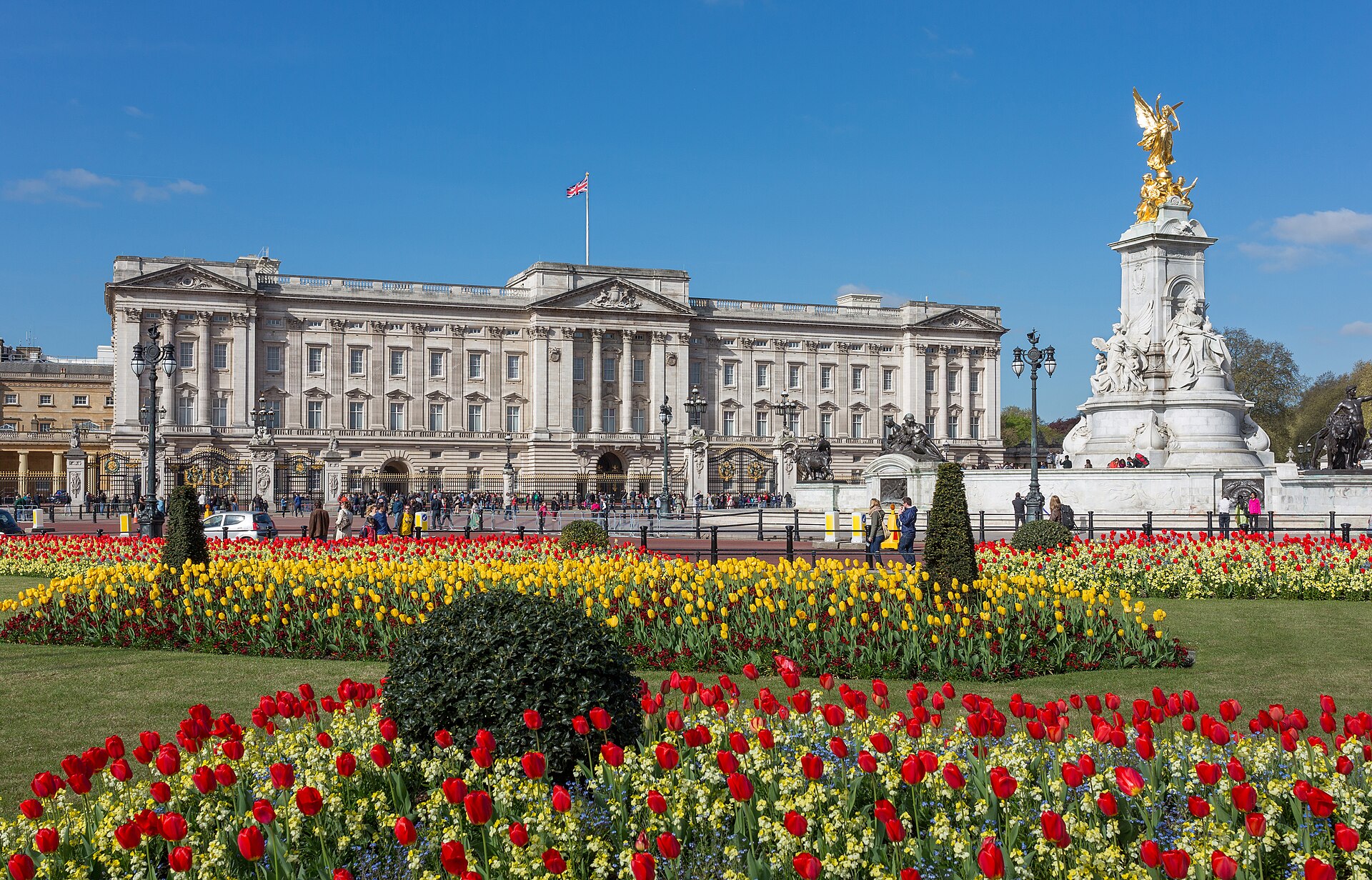
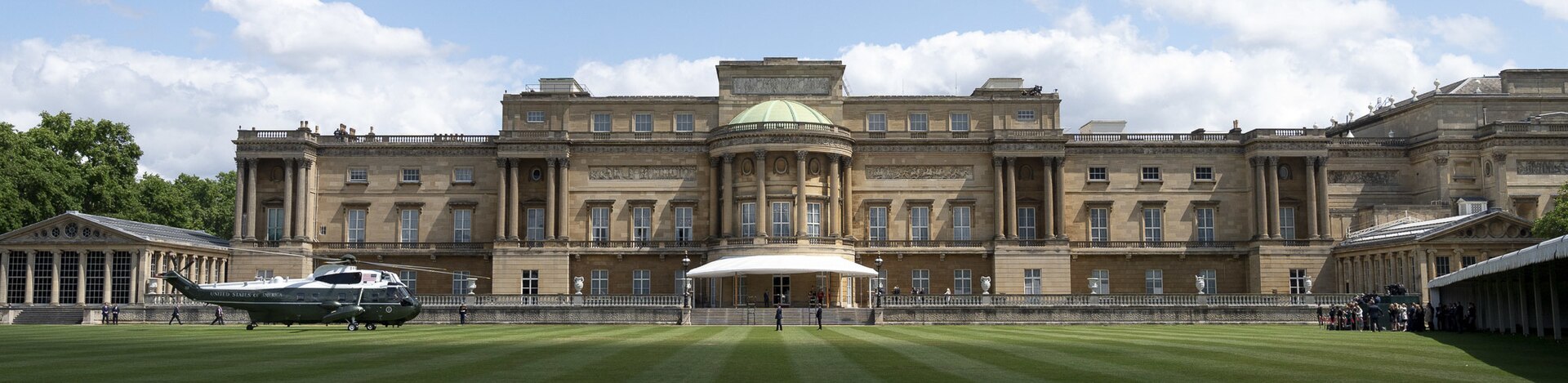
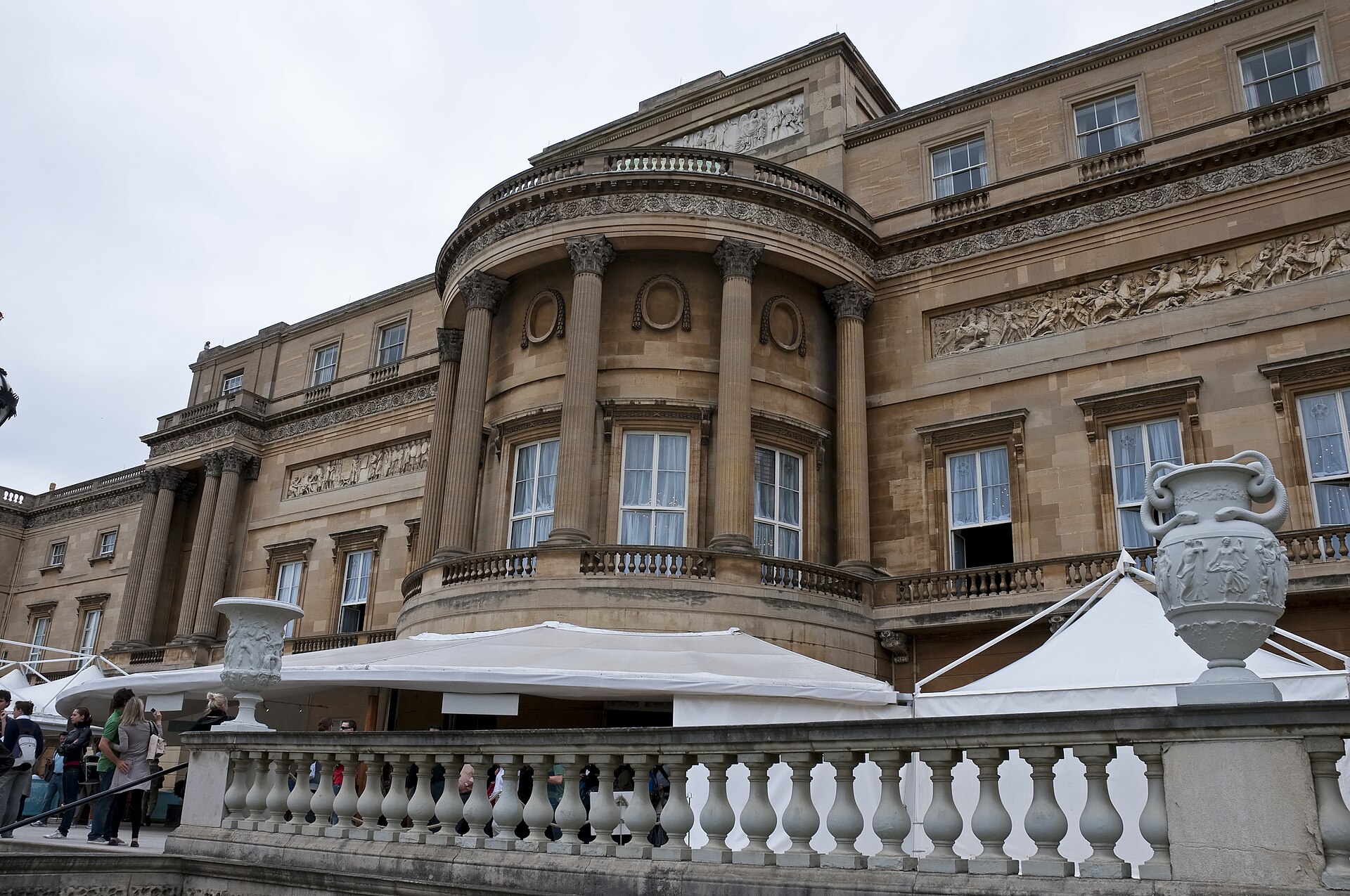
Nash largely rebuilt and enormously enlarged the old house, creating grand new ranges of rooms around a courtyard and giving the palace much of its present form and its magnificent suite of state apartments. Working in an opulent classical style, he lavished the finest materials and decoration on the interiors, creating rooms of great splendour intended to rival the palaces of the continent, in keeping with the king’s grandiose vision.
The project was hugely expensive and became notorious for its spiralling costs, which caused considerable controversy and eventually led to Nash’s dismissal before the work was complete. George IV himself did not live to see the palace finished, and the completion of the building was left to his successors and to other architects, who carried on and modified Nash’s grand design in the years that followed.
Despite the controversies and the changes of architect, it was this great campaign under George IV that turned Buckingham House into a true palace. Nash’s magnificent state rooms remain the ceremonial heart of the building to this day, and the essential form of the palace was established in this period. The comfortable family home had become a grand royal residence, ready to assume its future role as the seat of the monarchy.
Nash’s work at Buckingham gave the palace not only its grand state apartments but also its distinctive plan, arranged around a central quadrangle, and much of the architectural character that survives within. Although later alterations, particularly the addition of the east front, hid much of Nash’s exterior from public view, his interiors remain the ceremonial core of the palace, and his vision of a grand classical residence for the British monarch has endured, in its essentials, to the present day.
Queen Victoria, the First Resident Monarch
Buckingham Palace became the official residence of the British sovereign with the accession of Queen Victoria in 1837. The young queen was the first monarch to make the palace her principal London home, moving in shortly after coming to the throne, and it was under her that Buckingham finally assumed the central role in the life of the monarchy that it has held ever since.
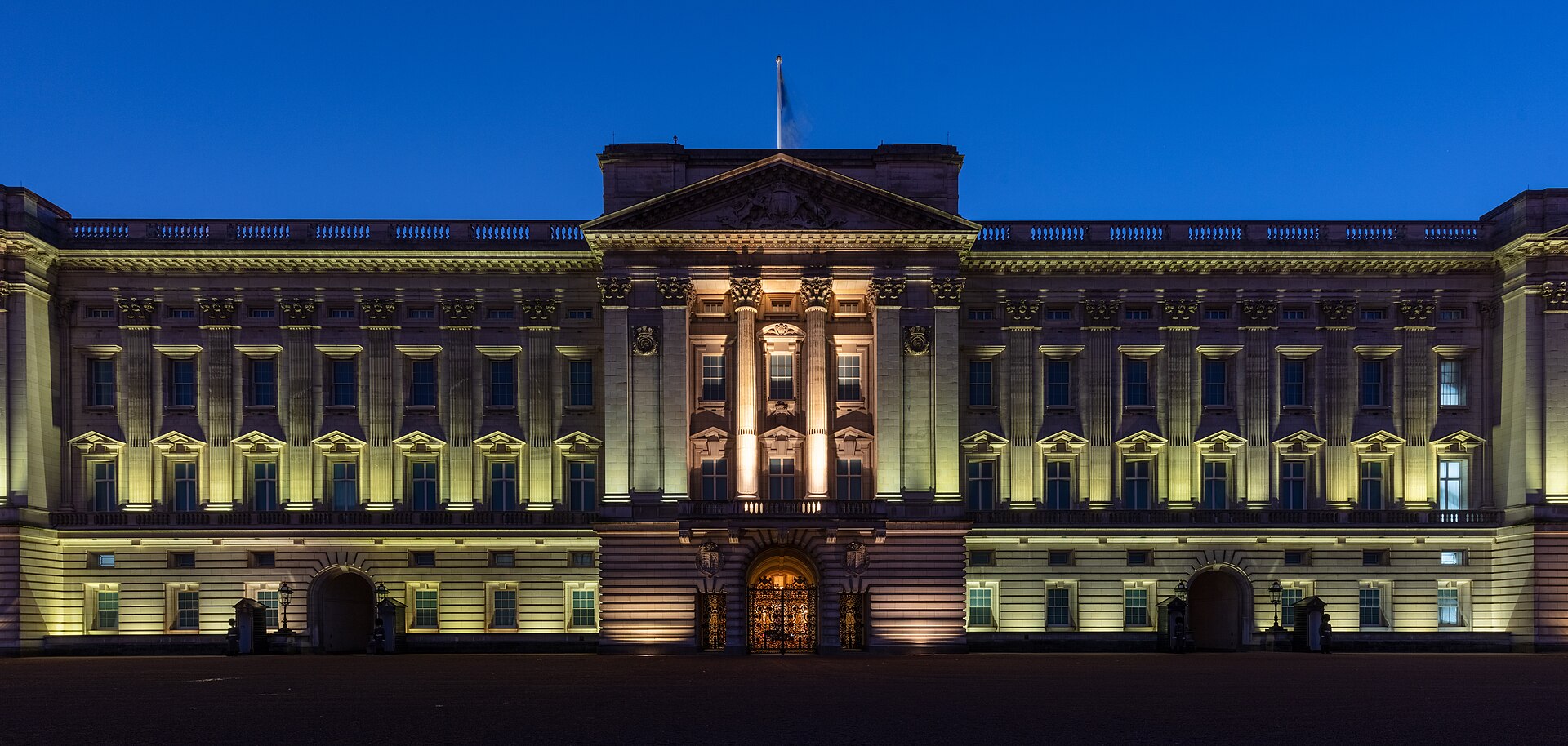
Victoria’s long reign transformed the palace from a newly completed building into the established seat of the crown. The needs of the queen’s large family and of her court soon revealed that the palace, for all its grandeur, was short of space, and a major addition was made in the form of a new range that enclosed the courtyard and provided much-needed accommodation, including a great ballroom for state occasions.
It was during Victoria’s reign that the palace became firmly established in the public mind as the home of the monarchy and the focus of national ceremonial. The queen’s presence there, the great occasions held within its walls, and its role as the backdrop to the events of her reign all cemented its status, and by the end of the nineteenth century Buckingham Palace was, unquestionably, the principal palace of the British crown.
The association of the palace with Queen Victoria is commemorated most visibly in the great memorial to her that stands before its gates, and in the reordering of the palace’s forecourt and facade that accompanied its creation. Under Victoria, the palace found its enduring role, and the modern history of Buckingham Palace as the heart of the monarchy truly begins with her long and momentous reign.
The famous story that the young Queen Victoria found the newly occupied palace beset with practical problems, from smoking chimneys to poor ventilation, reflects the fact that the vast building, hurriedly completed, was not at first an entirely comfortable home. Yet the queen and her husband, Prince Albert, took a close interest in improving and enlarging the palace, and it was under their direction that it acquired much of the accommodation and the ceremonial spaces needed for its role.
The East Front and the Famous Balcony
The face that Buckingham Palace presents to the world, the long grey facade that appears on countless images and postcards, is not the work of the palace’s original builders but a later addition, and its familiar appearance dates only from the early twentieth century. This east front, facing down the Mall, was created to close the open courtyard of Nash’s palace and to give the building a grand public face.
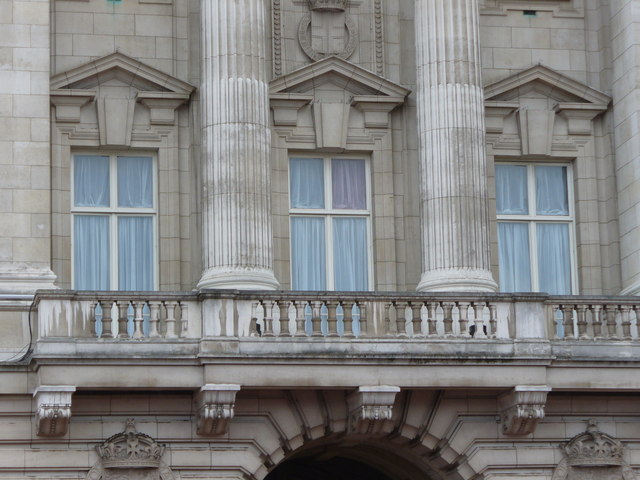
The east front was first built in the mid-nineteenth century, but the facade we see today was refaced in the early twentieth century in Portland stone, giving it the dignified classical appearance that is now so familiar. This refacing was carried out as part of a grand scheme to create a ceremonial approach to the palace along the Mall, culminating in the memorial to Queen Victoria before its gates.
The most famous feature of the east front is the central balcony, from which the royal family makes its celebrated public appearances. On great occasions of national celebration, the balcony is the focus of enormous crowds who gather before the palace, and the appearance of the monarch and the royal family upon it has become one of the defining rituals of the modern monarchy, an image known throughout the world.
The balcony appearances began in the nineteenth century and have marked every great royal occasion since, from coronations and jubilees to weddings and moments of national triumph. The sight of the royal family gathered on the balcony, waving to the multitude below, is perhaps the single most iconic image of the British monarchy, and it has made the east front of Buckingham Palace one of the most famous facades in the world.
The scheme that produced the east front and the ceremonial approach was conceived as a great act of imperial and national display, intended to give the monarchy a stage worthy of its standing at the height of Britain’s global power. The broad, processional Mall, the memorial, and the dignified stone facade together created an axis of ceremony leading to the palace, along which the great state processions of the monarchy have passed ever since.
The State Rooms
At the heart of Buckingham Palace lies its magnificent suite of state rooms, the grand apartments used for the official and ceremonial functions of the monarchy. Created largely under George IV and his architect Nash, and enriched by subsequent monarchs, these rooms are among the most splendid interiors in Britain, decorated with lavish gilding, fine plasterwork, silk hangings, and treasures from the royal collection.
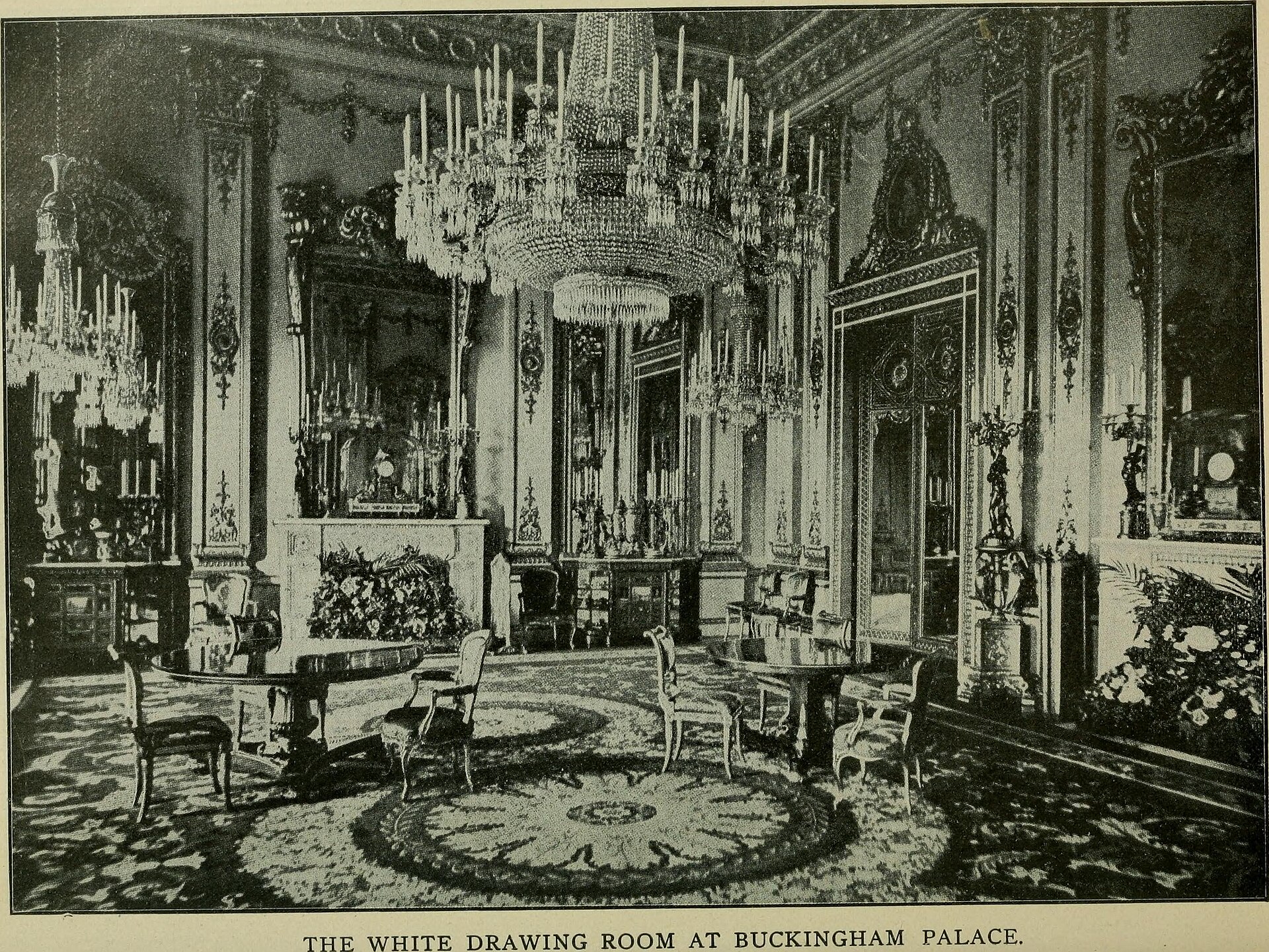
The state rooms form a sequence of interconnected spaces, each with its own character and purpose, through which guests process on great occasions. Among them are grand drawing rooms in white and in other colours, richly decorated and furnished, which serve as reception rooms for the most important events. The opulence of their decoration reflects the wealth and dignity of the monarchy at its ceremonial height.
These rooms are used throughout the year for the ceremonial life of the crown, hosting state banquets for visiting heads of state, investitures at which honours are conferred, receptions, and other great occasions. When the palace is the setting for such events, the state rooms come alive with the pageantry of the monarchy, filled with guests amid surroundings of the utmost magnificence.
The state rooms are also, for part of each year, opened to the public, allowing visitors to walk through the ceremonial heart of the palace and to admire its splendour and its treasures. This opening has made the interiors of Buckingham Palace, long hidden from public view, accessible to all, and it has revealed to visitors the extraordinary richness that lies behind the restrained facade of the world’s most famous royal residence.
The decoration of the state rooms reflects the opulent taste of the age in which they were created, with a lavish use of gilding, richly coloured silks, and elaborate plasterwork, and they are furnished with pieces of the highest quality drawn from the royal collection. Each room forms part of a carefully orchestrated sequence, designed so that guests at a great occasion pass through an unfolding succession of magnificent spaces, building toward the grandest rooms of all.
The Throne Room and the Ballroom
Among the most magnificent of the state rooms is the Throne Room, the grand chamber in which the ceremonial thrones of the monarchy are set beneath a great proscenium arch. Decorated in rich crimson and gold, and used for formal ceremonies and official photographs, it embodies the majesty of the crown, and its splendour makes it one of the most striking rooms in the whole palace.
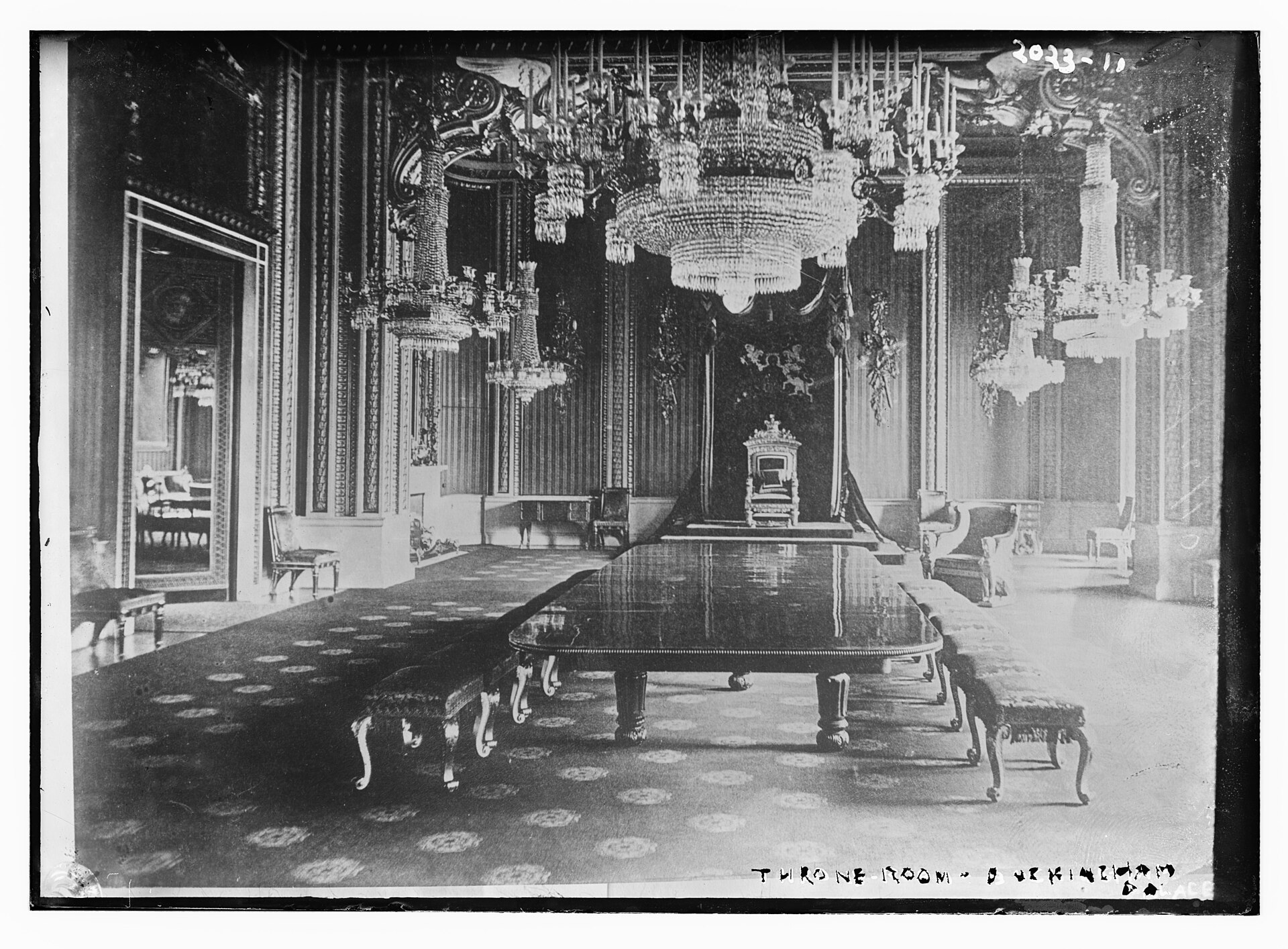
The largest room in the palace is the Ballroom, a vast chamber added during the reign of Queen Victoria to provide a suitably grand setting for state occasions. Richly decorated and capable of holding great numbers of guests, it is here that the largest state banquets and receptions are held, and that many investitures take place. When it was built it was among the largest rooms of its kind in London.
The Ballroom is the setting for some of the most important ceremonies of the monarchy, including the state banquets held in honour of visiting heads of state, at which the sovereign entertains their guests amid scenes of great splendour, with the table laid with gold and silver from the royal collection. It is also used for the ceremonies at which the sovereign confers honours upon those who have served the nation.
Together the Throne Room and the Ballroom represent the ceremonial grandeur of Buckingham Palace at its height. They are the rooms in which the great set-piece occasions of the monarchy unfold, and their scale and magnificence reflect the palace’s role as the principal stage for the public and ceremonial life of the British crown. Few rooms anywhere are so closely associated with the pageantry of monarchy.
The Picture Gallery and the Royal Collection
Buckingham Palace houses part of the Royal Collection, one of the greatest and most extensive art collections in the world, assembled by the monarchs of Britain over the centuries. Among the state rooms is the Picture Gallery, a long top-lit room specially designed to display paintings, which hangs some of the finest works in the collection amid surroundings of appropriate grandeur.
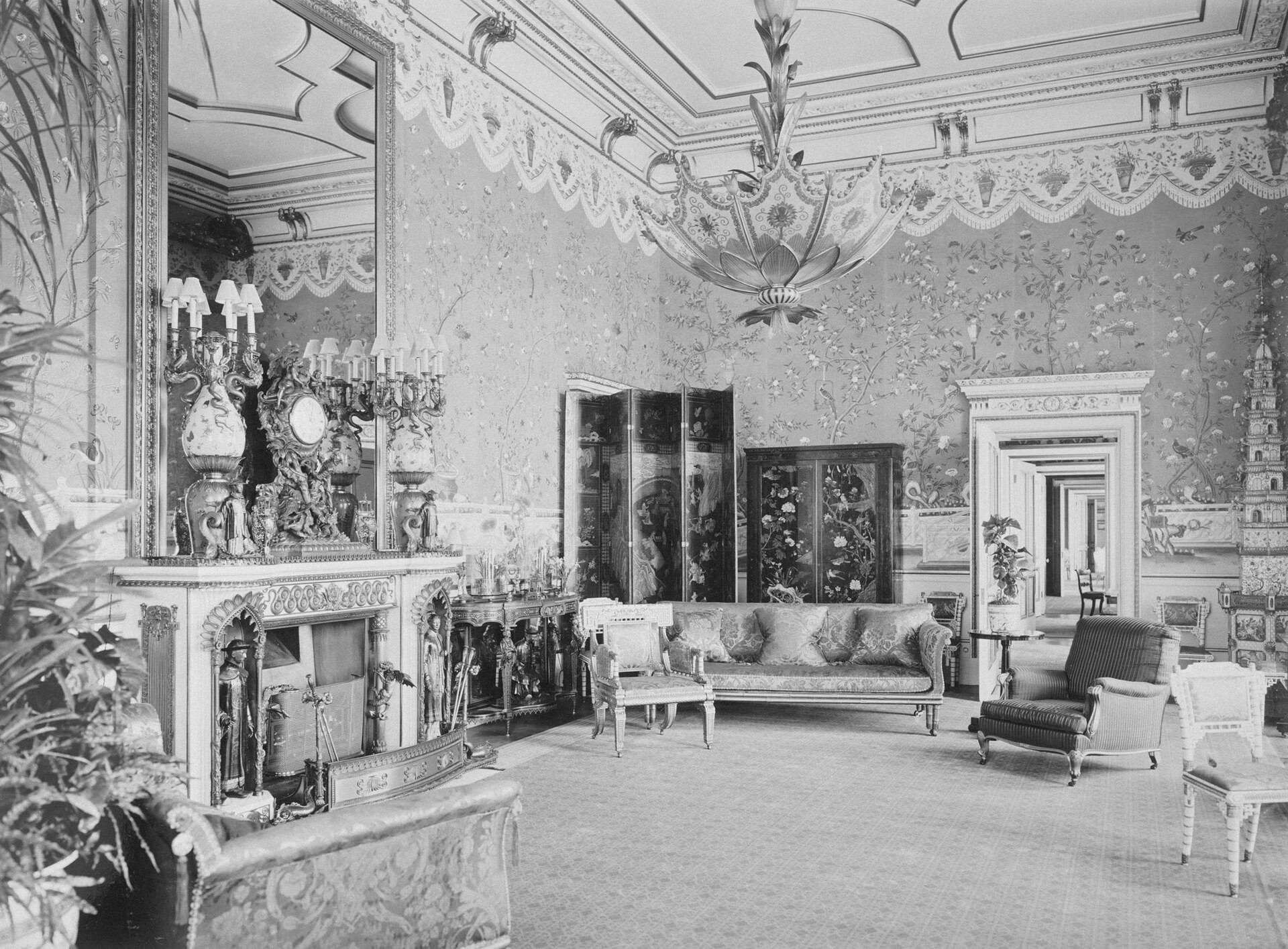
The Royal Collection includes masterpieces by many of the supreme painters of European art, gathered by successive monarchs who were, in many cases, discerning and passionate collectors. The paintings displayed at Buckingham Palace represent only a portion of this vast collection, which is spread across the various royal residences, but they include works of the very highest importance and quality.
Beyond the paintings, the palace holds a wealth of other treasures, from fine furniture, porcelain, and clocks to sculpture, silver, and gold. The state rooms are filled with these objects, many of them of great historical and artistic significance, so that the palace functions not only as a residence and a place of ceremony but as a treasure house of art and craftsmanship of the first rank.
The Royal Collection is held by the monarch in trust for the nation and future generations, and parts of it are regularly displayed to the public, both at Buckingham Palace and at a dedicated gallery adjoining it. The presence of these treasures adds another dimension to the palace, making a visit not only an encounter with the ceremonial life of the monarchy but also with some of the greatest art in the world.
Successive monarchs have added to and shaped the collection according to their own tastes and interests, so that it reflects not only the artistic riches of the nation but also the personalities of the sovereigns who assembled it. The works displayed at Buckingham Palace are rotated and rehung over time, and special exhibitions drawn from the collection are mounted, ensuring that visitors can encounter a changing selection of its extraordinary treasures.
The Victoria Memorial and the Setting
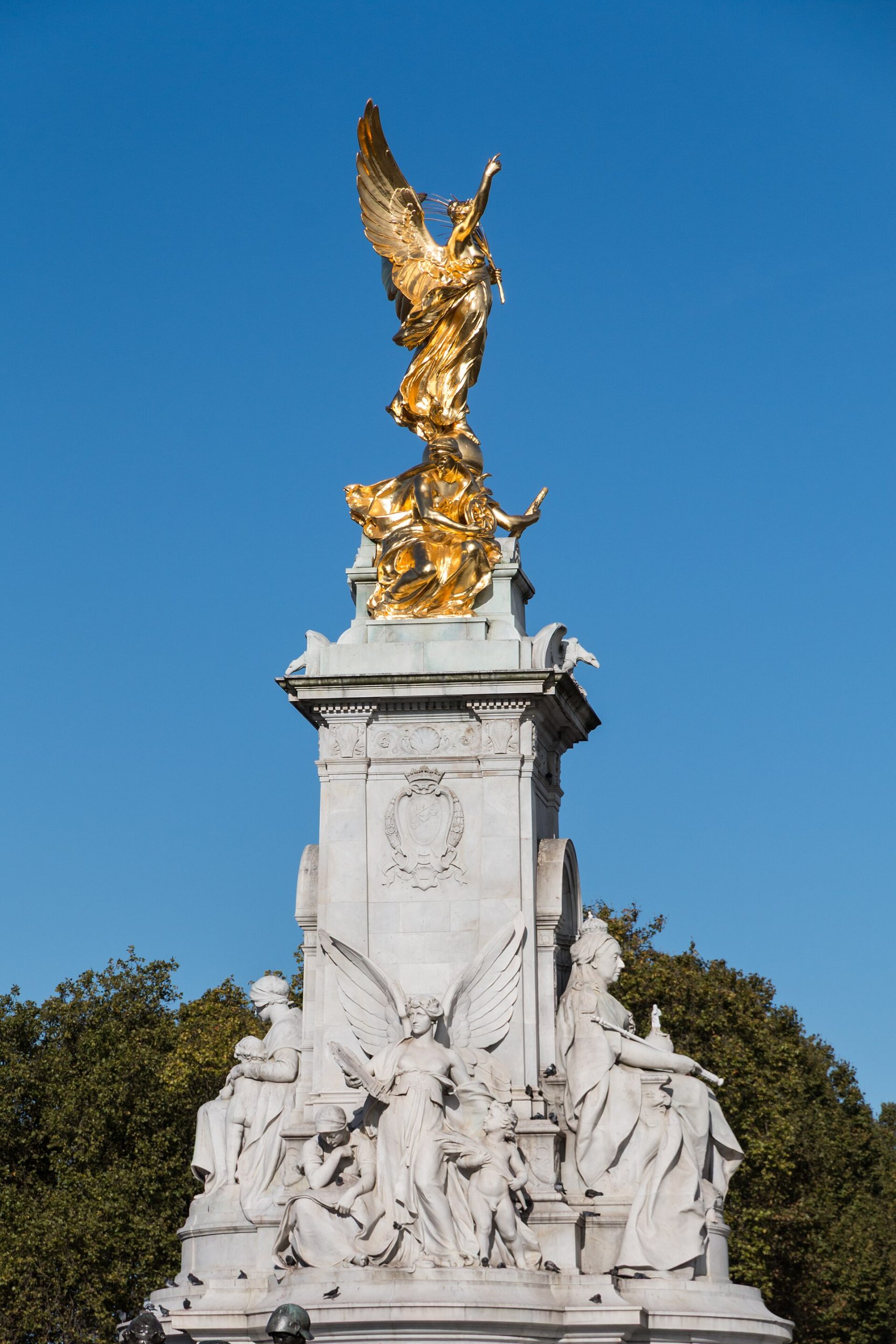
The approach to Buckingham Palace is dominated by the great Victoria Memorial, the vast monument to Queen Victoria that stands in the centre of the roundabout before the palace gates. Unveiled in the early twentieth century, it forms the centrepiece of a grand ceremonial scheme that was created to give the palace a suitably majestic setting and approach.
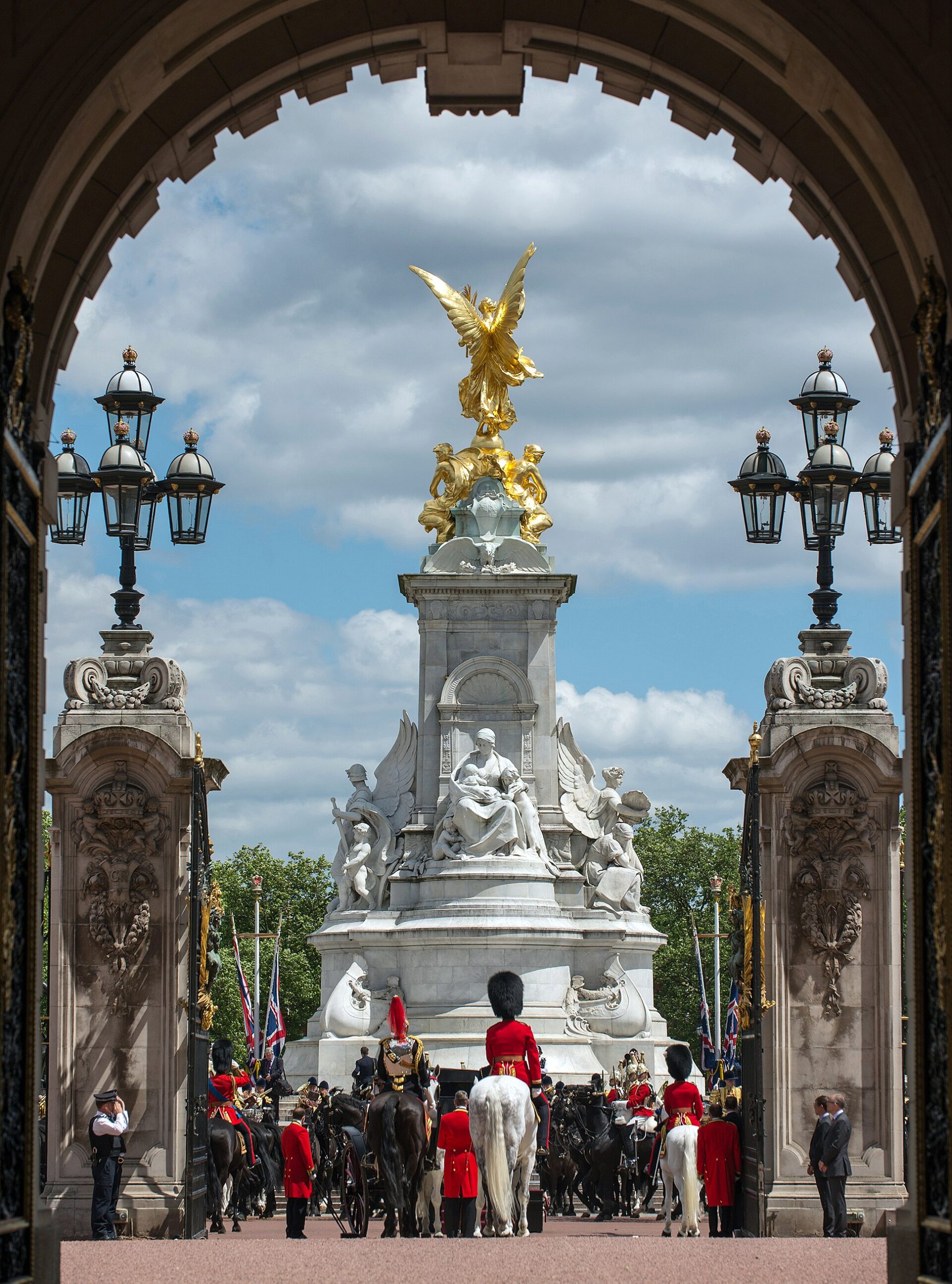
The memorial is a huge sculptural composition in white marble and gilded bronze, crowned by a golden figure of Victory and adorned with allegorical figures representing the qualities and achievements associated with the queen’s long reign. It is one of the largest and most elaborate royal monuments in Britain, and it provides a magnificent focal point for the space before the palace.
The creation of the memorial was accompanied by the laying out of the ceremonial approach along the Mall and the refacing of the palace’s east front, so that the whole ensemble, the avenue, the memorial, and the facade, forms a single grand composition designed for the great processions and public occasions of the monarchy. It transformed the setting of the palace into one worthy of its role.
Today the Victoria Memorial and the space around it serve as the gathering place for the great crowds that assemble before the palace on occasions of national celebration and mourning. From here the multitude looks toward the famous balcony, and the memorial provides both a magnificent adornment to the palace and a focal point for the public life of the monarchy that centres upon it.
Around the memorial and along the approach, the ceremonial landscape of the monarchy is completed by ornamental gates, statuary, and the surrounding royal parks, which together frame the palace within one of the grandest urban settings in Europe. This carefully composed ensemble ensures that the approach to Buckingham Palace is itself an experience of majesty, preparing the visitor for the great building that stands at its head.
The Changing of the Guard
One of the most famous ceremonies associated with Buckingham Palace is the Changing of the Guard, the colourful ritual by which the soldiers responsible for guarding the palace are relieved. Carried out with military precision and accompanied by music, and performed by guardsmen in their distinctive red tunics and tall bearskin caps, it is one of the great spectacles of royal London.
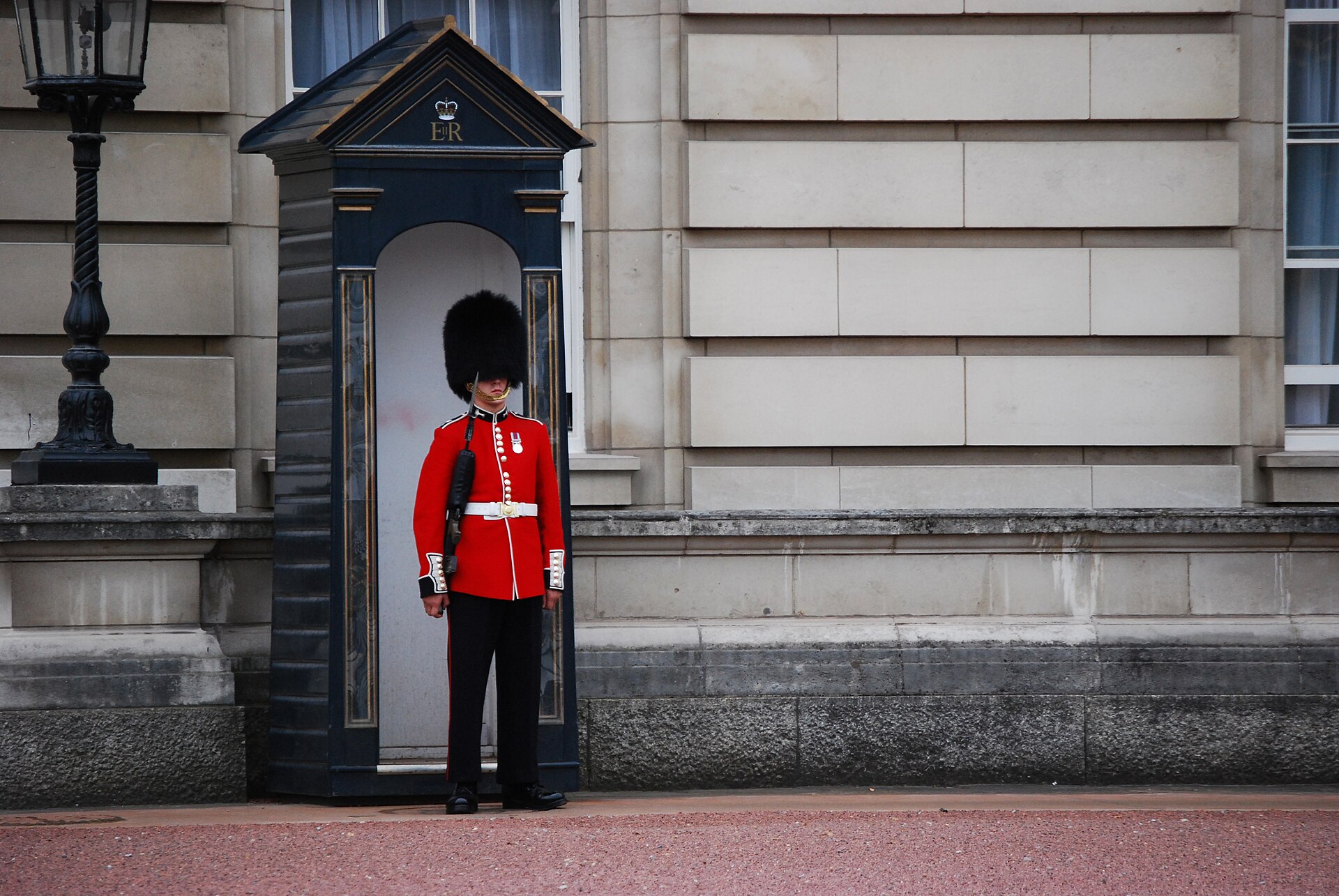
The ceremony draws enormous crowds of spectators, who gather before the palace gates to watch the guardsmen march and manoeuvre in their splendid uniforms. It is a tradition of considerable antiquity, reflecting the age-old duty of the sovereign’s soldiers to guard the royal residence, and it has become one of the most popular tourist attractions in London, a symbol of British ceremony and tradition.
The guardsmen who perform the ceremony belong to the regiments of foot guards, elite units of the British Army with a long and distinguished history, who combine their ceremonial duties with their role as fighting soldiers. Their immaculate turnout, their precise drill, and their famous uniforms make the Changing of the Guard a display of both military discipline and colourful pageantry.
The ceremony embodies the connection between the monarchy and the armed forces, and the continuing tradition of the sovereign’s guard, and it brings the pageantry of the crown before the public in a daily spectacle. For countless visitors to London, watching the Changing of the Guard before Buckingham Palace is an essential experience, a vivid encounter with the living ceremony of the British monarchy.
The guard mounted at Buckingham Palace is part of a wider system of royal guards drawn from the household regiments, whose duties extend to the other royal residences and to the great ceremonial occasions of state. The tradition connects the modern spectacle enjoyed by visitors to centuries of history, in which the personal protection of the sovereign was entrusted to chosen soldiers, and it remains one of the most visible expressions of the bond between crown and army.
The Palace in War and the Modern Age
Buckingham Palace has stood at the centre of national life through times of triumph and of trial, and never more so than during the Second World War. During the Blitz, when London was bombed night after night, the palace itself was struck on several occasions, and the royal family’s decision to remain in the capital and share the dangers of their people became a powerful symbol of national resolve and solidarity.
The damage to the palace, and the presence of the royal family in the bombed capital, forged a strong bond between the monarchy and the people during the darkest days of the war. At the end of the conflict, the palace was the focus of the great celebrations of victory, with vast crowds gathering before it and the royal family appearing on the balcony amid scenes of national rejoicing.
Throughout the modern age, Buckingham Palace has continued to serve as the setting for the great occasions of the monarchy, from coronations and jubilees to weddings and funerals. The balcony appearances, the ceremonies before the gates, and the gathering of crowds at moments of national significance have made the palace the enduring focus of the public life of the crown.
The palace has also adapted to the changing role of the monarchy in the modern world, opening its state rooms to the public, hosting garden parties for thousands of guests in its extensive grounds, and serving as the administrative headquarters of a modern institution. It remains, as it has been for well over a century, the principal residence and the working heart of the British monarchy.
Buckingham Palace Today
Today Buckingham Palace remains the official London residence and administrative headquarters of the British monarch, and it continues to serve as the ceremonial heart of the monarchy. It is the setting for state banquets, investitures, receptions, and the great occasions of national life, and its famous balcony and the ceremony of the guard before its gates remain among the most recognisable images of Britain.
View the exact location on Google Maps
For part of each year, when the sovereign is not in residence, the magnificent state rooms of the palace are opened to the public, allowing visitors to walk through the ceremonial apartments, to admire their splendour and their treasures, and to see part of the great Royal Collection. This opening has made the interior of the palace, long hidden, accessible to visitors from around the world.
The palace stands at the very centre of London, at the end of the Mall and facing the Victoria Memorial and the royal parks, one of the essential sights of the capital. Its grand facade, the daily Changing of the Guard, and its role as the focus of royal ceremony draw enormous numbers of visitors, and it remains one of the most visited and most photographed places in Britain.
From its humble beginnings as a duke’s townhouse, through its transformation by ambitious kings and its establishment as the seat of the monarchy under Queen Victoria, Buckingham Palace has become the supreme symbol of the British crown. It endures today as a working palace, a family home, an office of state, and a stage for the great occasions of the nation, the most famous royal residence in the world.
The palace continues to evolve to meet the demands of the modern age, undergoing extensive programmes of repair and modernisation to preserve its vast and ageing fabric for the future while maintaining its role as a living, working royal residence. In balancing the needs of conservation, of public access, and of its continuing ceremonial and domestic functions, Buckingham Palace remains, as it has long been, both a national monument and the beating heart of the monarchy.
Palaces Nearby
Buckingham Palace is only one of the great royal residences within reach of London; these two are among the most rewarding to visit:
You May Like
The Palaces of Orchha: A Bundela Capital on the Betwa


One thought on “Buckingham Palace: How a Duke’s Townhouse Became the Home of the British Crown”