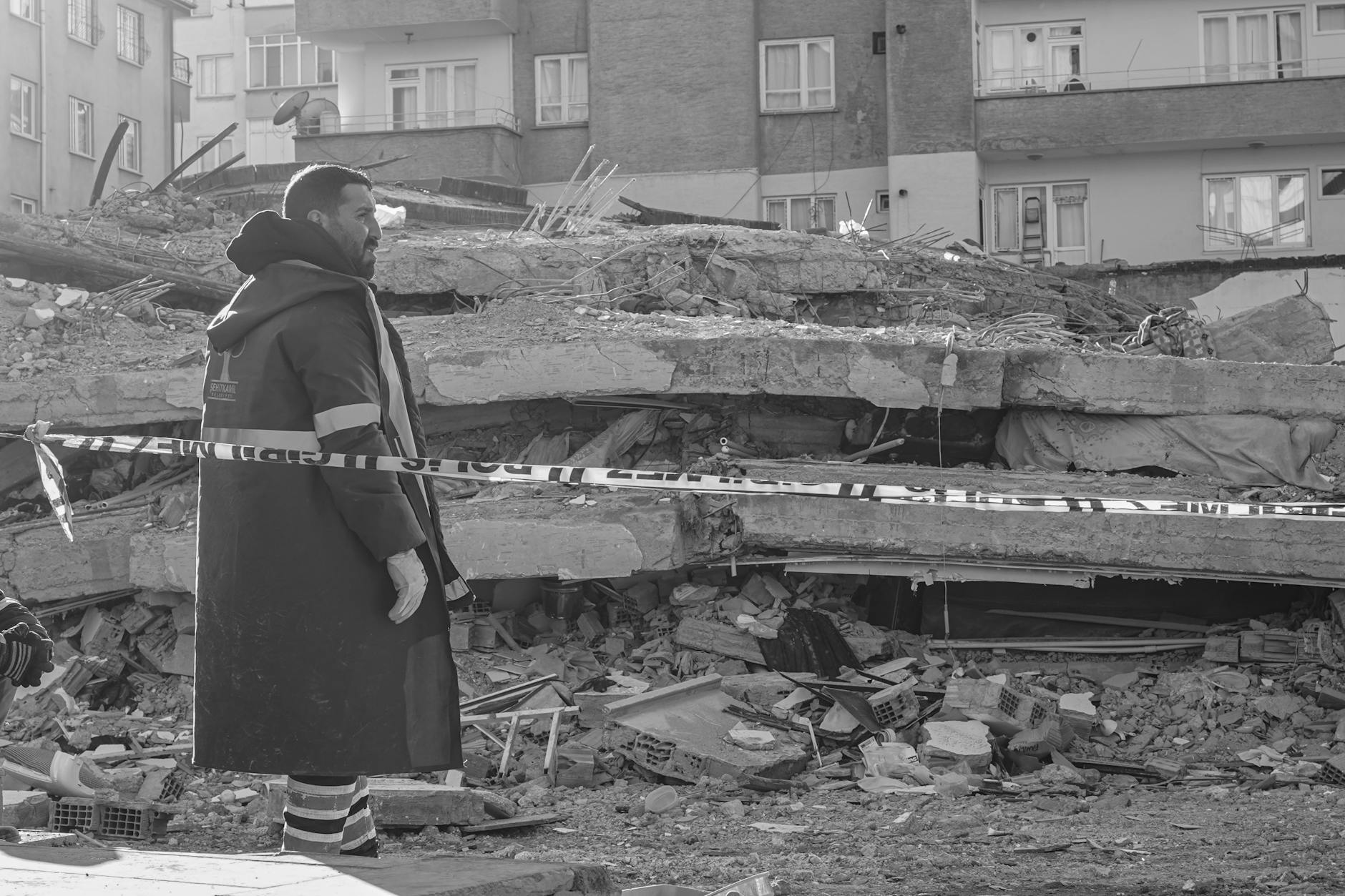
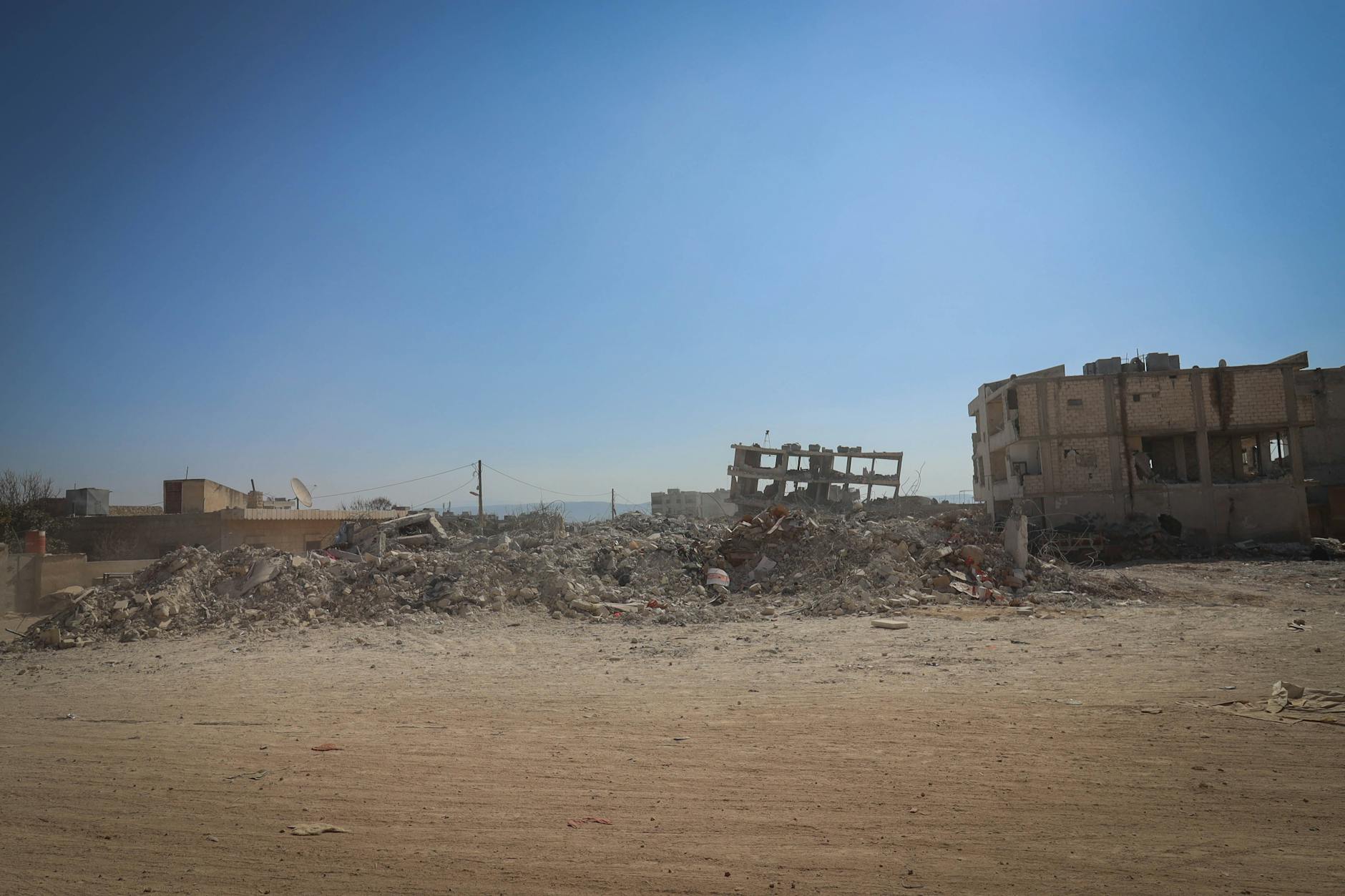
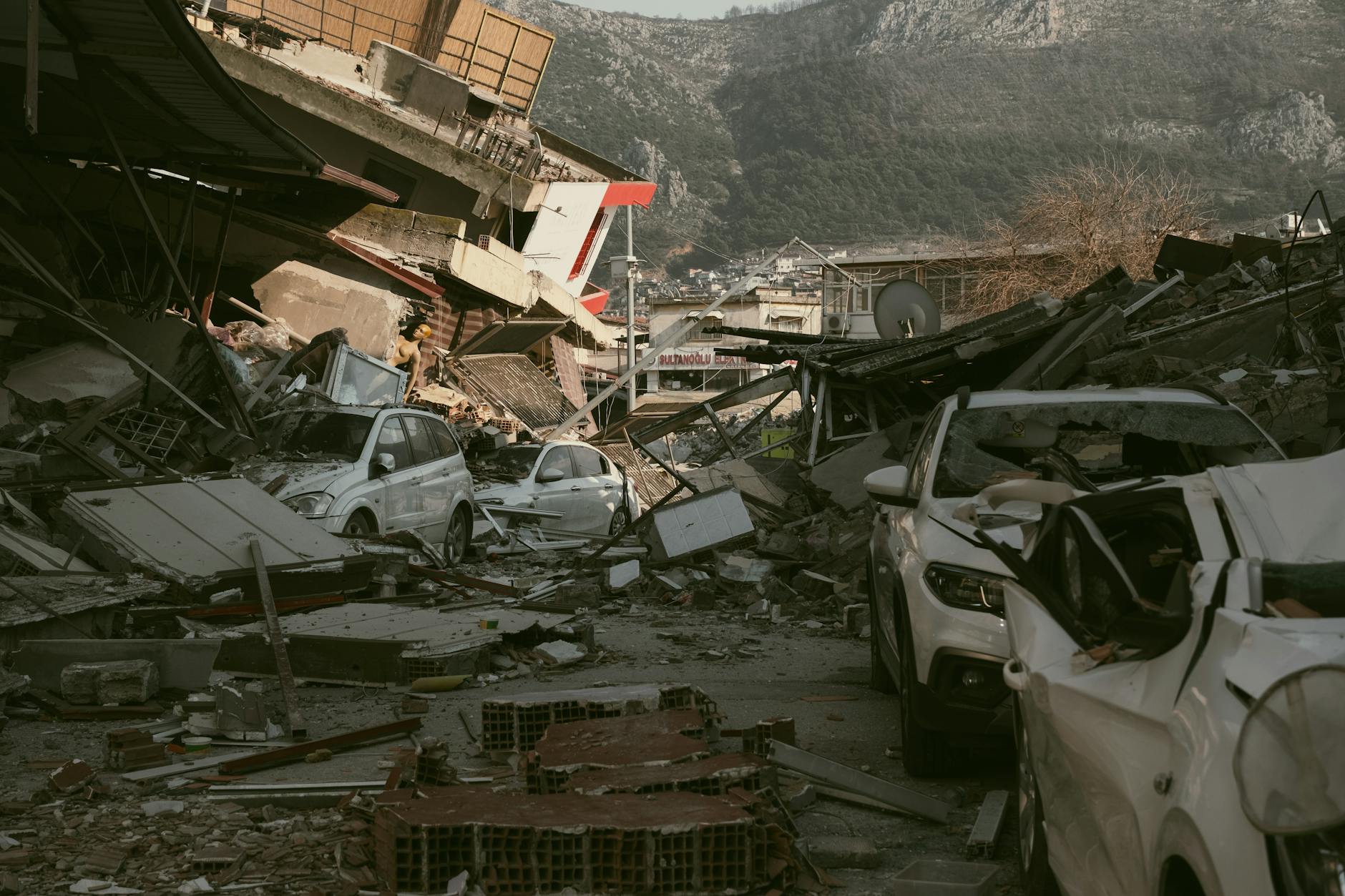
The biggest factor causing human loss in history was the incessant wars. However, infectious diseases for which no cure has been found, natural disasters such as fire, flood and earthquake have also been effective in increasing these losses.
When medieval sources are examined, we see that it is clearly stated that earthquakes occur at the end or before changes such as solar eclipses, lunar eclipses, unusual movements of stars and often comets, long-term redness in the sky, or sudden darkness during the day. The reaction of people to earthquakes in the Middle Ages was no different from today.
Among those who experienced the earthquake, there were many people who lost consciousness, had a heart attack and died of collapse, threw themselves out and got disabled or injured, could not sleep because of the fear of the earthquake, and had psychological disorders, as is the case today. Those who experienced the earthquake could not enter their homes and would sleep outside until they got over the fear. It has been determined by historical sources that many earthquakes occurred in Medieval Anatolia.
However, among these, the earthquake that occurred in Maraş in 1114 attracts attention in terms of the extent of the destruction it caused and the loss of life. The fact that Maraş was one of the oldest and most important cities of Anatolia in the Middle Ages, and therefore had a very large population compared to the period, caused the loss of life in the earthquake to be high. On the other hand, a significant portion of this population was Christians.
More in Deep History March Issue…
You May Like
Fort San Pedro: The Oldest Fort in the Philippines