In the heart of Moravia stands one of the most magnificent and complete baroque ensembles in central Europe, the Archbishop’s Chateau at Kromeriz, together with its extraordinary gardens. Once the summer residence of the powerful prince-bishops and archbishops who ruled the region’s church, it combines a grand palace, a world-class art collection, and two of the finest historic gardens in Europe.
Kromeriz is a place of superlatives, its chateau filled with treasures including one of the most important painting galleries in the country, and its gardens ranking among the greatest achievements of the baroque and the picturesque. Together they form a harmonious whole recognized as a cultural treasure of worldwide importance.
This is the third and final article in a set on the grand palaces and chateaux of the Czech lands, following Lednice and Hluboka. Kromeriz crowns the series with its combination of palace, art, and gardens. By the end you will understand why this archbishop’s residence and its remarkable gardens are regarded as one of the great baroque ensembles of Europe and a treasure of worldwide significance.
In This Article
- Arriving at the Archbishops Chateau
- The Powerful Princes of the Church
- The Grand Baroque Chateau
- The Grand Assembly Hall
- A World-Class Painting Gallery
- The Library and State Rooms
- The Baroque Flower Garden
- The Great Landscape Garden
- A World Heritage Treasure
- A Setting for Film and Culture
- The Tower and the Archbishops Cellars
- Kromeriz on Film
- Visiting Kromeriz Today
Arriving at the Archbishops Chateau
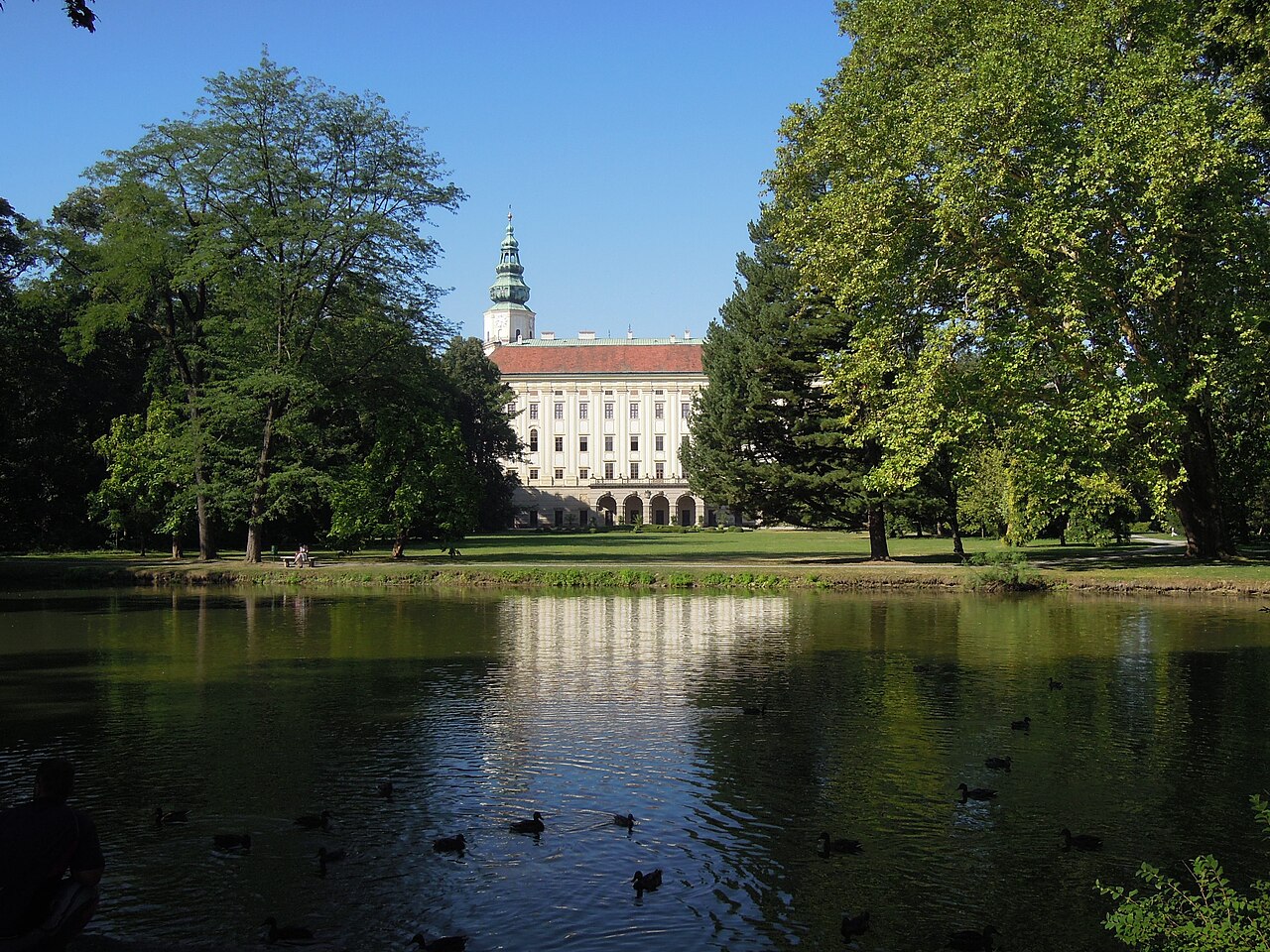
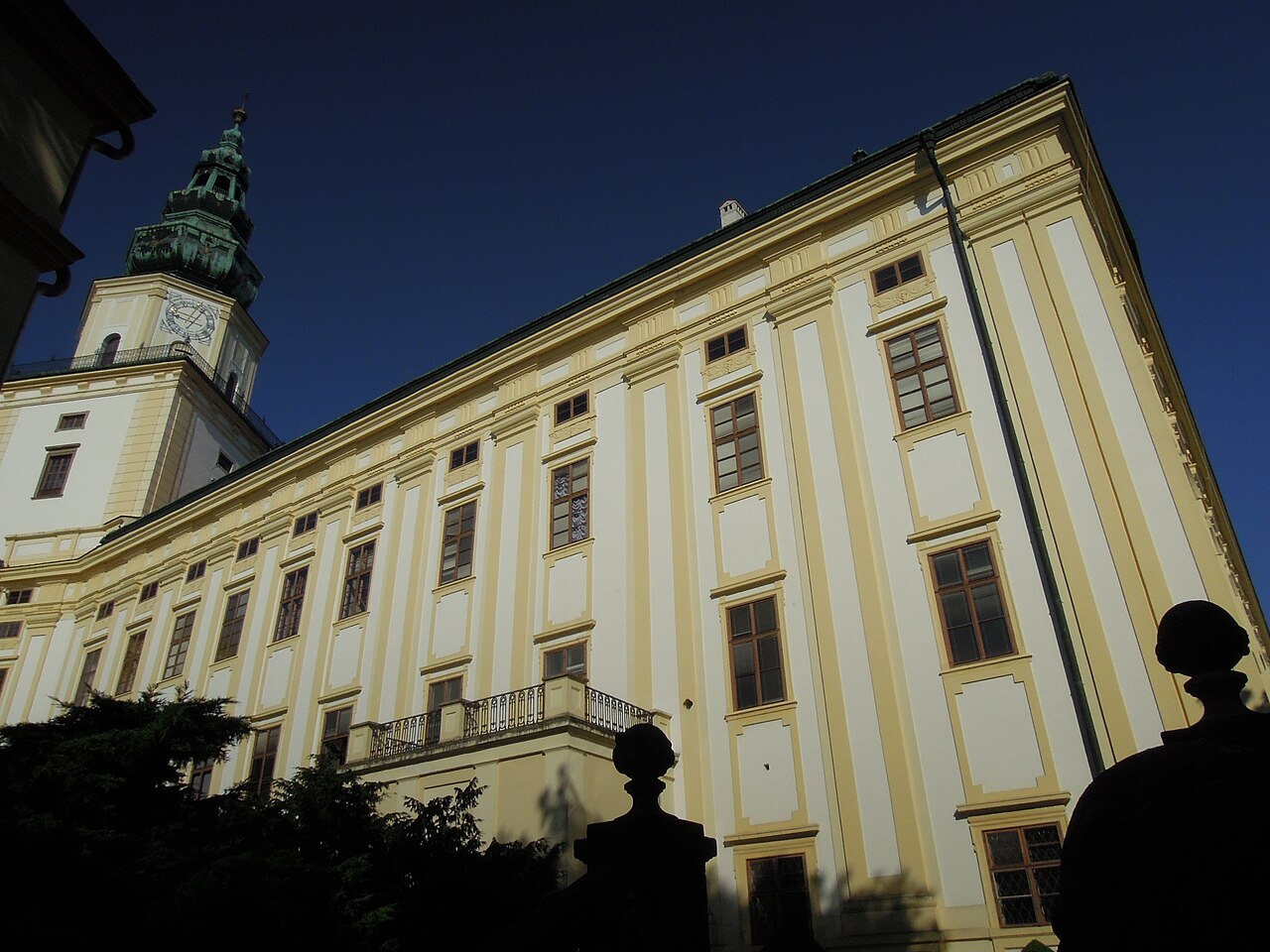
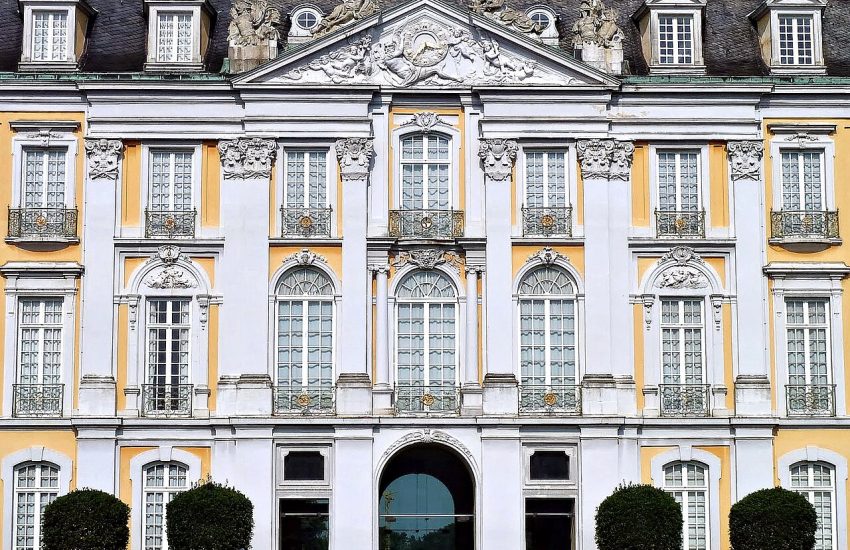
The chateau at Kromeriz presents an imposing baroque face, a grand palace with a tall tower rising above the town, announcing the wealth and power of the church princes who built it. Its scale and dignity reflect its role as the summer residence of the archbishops, and its position makes it the dominant landmark of the town.
The palace is only part of the ensemble, however, for Kromeriz is famous above all for the combination of the chateau with its two great gardens. The relationship between the palace and these gardens is central to the significance of Kromeriz, forming a unified baroque composition of exceptional quality.
Approaching the chateau, you sense the importance of the institution that created it, the powerful church of the region whose leaders lived and ruled in grand style. The palace was built to express this power and to provide a magnificent residence worthy of princes of the church.
As you arrive, take in the grand baroque chateau and remember that it is the centerpiece of an ensemble that includes two of the finest gardens in Europe. Understanding Kromeriz as the residence of powerful archbishops, combining palace, art, and gardens, prepares you for the treasures within and the beauty of the grounds.
The ensemble is unusual in combining a grand palace with two complete and contrasting historic gardens, a rarity that gives Kromeriz its special importance. Few places in Europe offer so complete an experience of baroque splendor, uniting architecture, art, and landscape in a single harmonious whole.
Visitors often arrive expecting a single attraction and are surprised to find a whole world of beauty to explore, from the grand halls and gallery to the two contrasting gardens. Kromeriz rewards a generous allowance of time, inviting unhurried appreciation of its many treasures.
The Powerful Princes of the Church
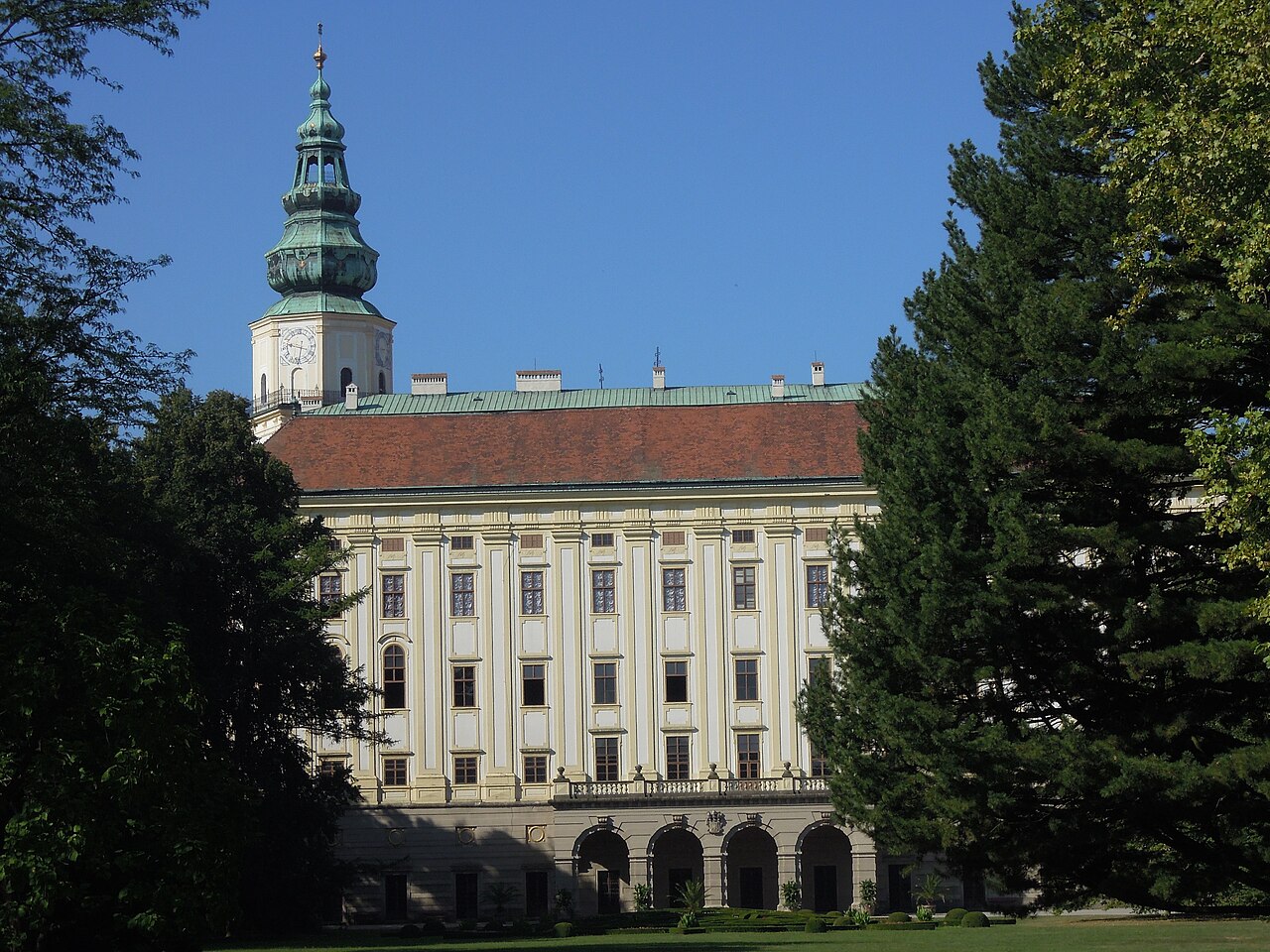
Kromeriz was the summer residence of the bishops and later archbishops of the region, powerful princes of the church who held great wealth and authority. As both spiritual and temporal lords, they ruled extensive lands and lived in a style rivaling that of the secular aristocracy, and their residence at Kromeriz reflected this grandeur.
The church leaders who created and embellished Kromeriz were figures of considerable importance, combining religious authority with the wealth and power of great landowners. Their resources allowed them to build and decorate on a magnificent scale, filling the chateau with treasures and laying out extraordinary gardens.
Over the centuries, successive church princes added to the chateau and its collections, shaping it into the grand ensemble it became. Their patronage of art and architecture made Kromeriz a center of culture as well as a seat of ecclesiastical power, a residence worthy of their exalted status.
Understanding these powerful churchmen is key to appreciating Kromeriz. The chateau and its gardens are the expression of their wealth, taste, and ambition, a residence created to reflect the grandeur of the church they led. The ensemble stands as a monument to the prince-bishops and archbishops who made it their magnificent summer home.
The wealth of the church in the region was considerable, derived from extensive lands and privileges, and it funded the grand life of its princes. Kromeriz, as their summer residence, was the setting for this grandeur, a place where the church displayed its power and cultivated the arts.
The church leaders of the region ranked among the most powerful figures in the land, their authority extending over both spiritual and worldly affairs. Their summer residence at Kromeriz was a visible expression of this dual power, combining the dignity of the church with the splendor of a princely court.
The Grand Baroque Chateau
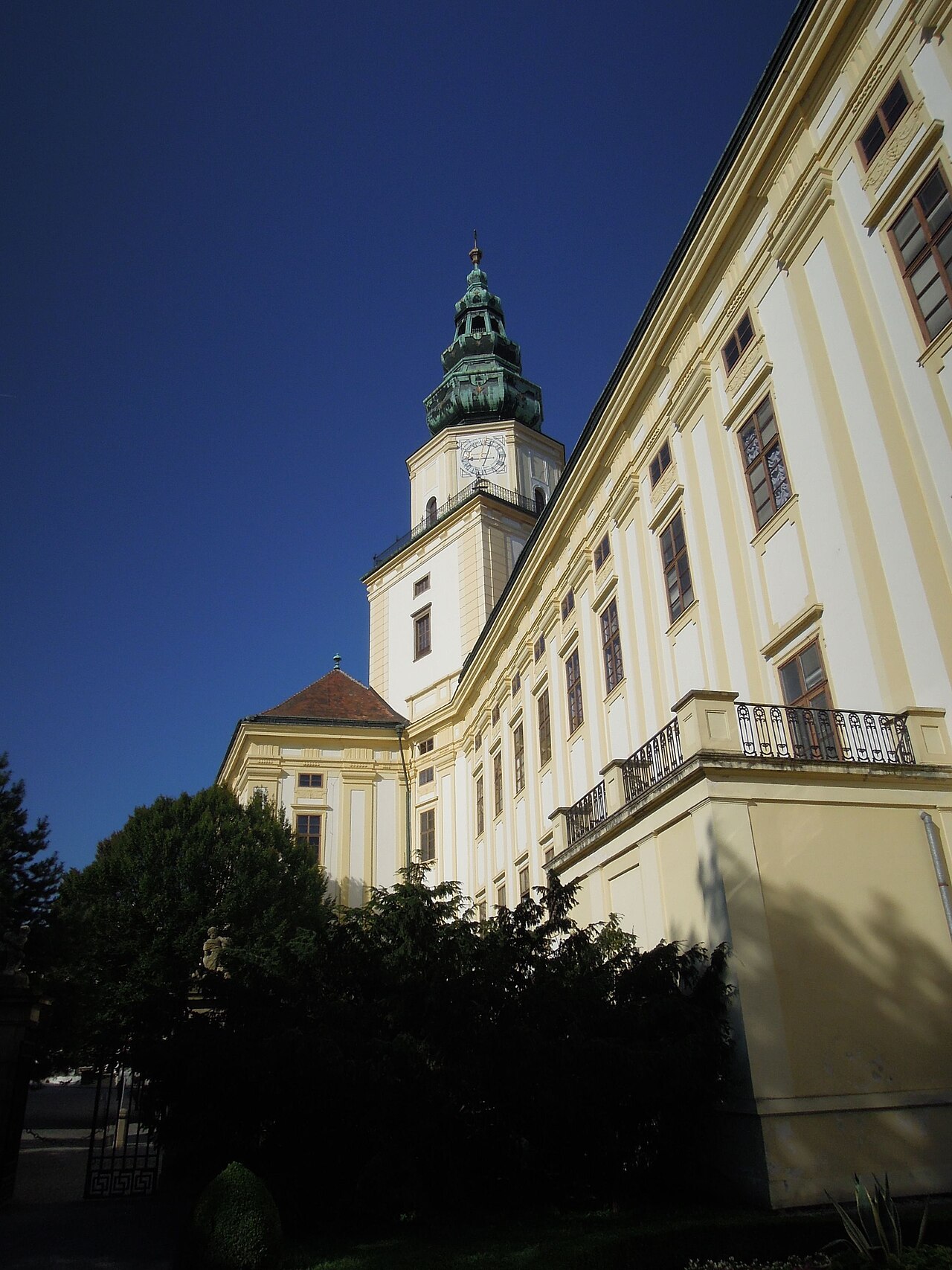
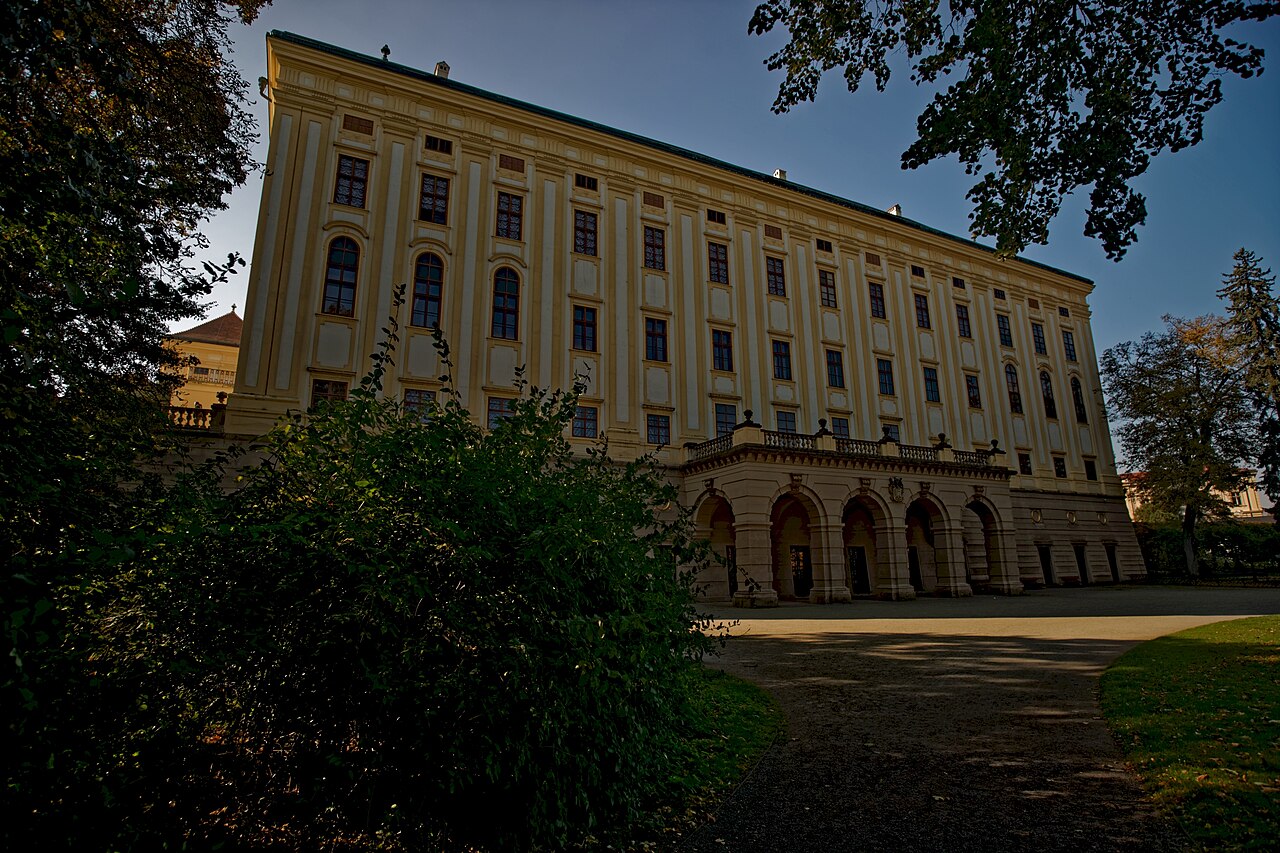
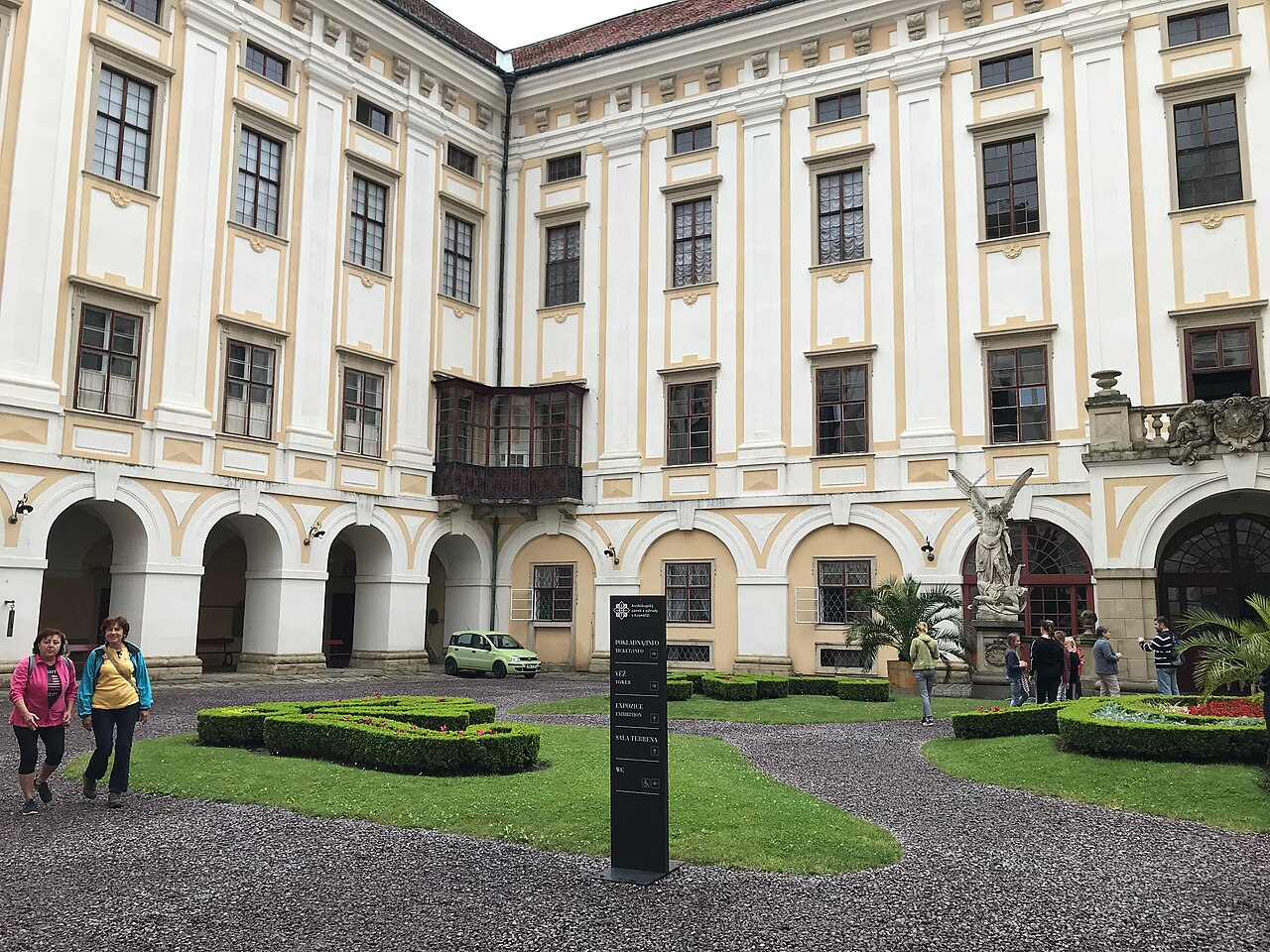
The chateau as it appears today is largely a baroque creation, rebuilt in grand style after an earlier building was damaged. Its imposing facades, grand tower, and richly decorated interiors reflect the baroque love of magnificence, creating a residence worthy of the powerful church princes who owned it.
The rebuilding gave the chateau its present grandeur, with state rooms, galleries, and halls designed for the ceremonial and cultural life of the archbishops. The architecture combines dignity with richness, expressing both the religious authority and the worldly power of its owners.
The baroque style suited the ambitions of the church princes, who sought to create a residence of magnificence and beauty. The chateau was conceived as a complete environment for their summer life, providing for ceremony, art, and the pleasures of the gardens that surround it.
For admirers of architecture, the chateau offers a fine example of the baroque style as developed in the region, grand and dignified. Its scale and richness, combined with the treasures within and the gardens without, make it one of the most important baroque residences in the country.
The rebuilding followed a damaging fire that had destroyed much of the earlier residence, prompting a comprehensive reconstruction in the latest style. The church princes seized the opportunity to create a residence of modern magnificence, and the result is the grand baroque chateau admired today.
The tall tower of the chateau, rising above the baroque facades, is a distinctive feature of the Kromeriz skyline and a reminder of the earlier fortified character of the site. It gives the chateau a vertical emphasis that balances the horizontal sweep of its wings.
The Grand Assembly Hall
Among the most magnificent interiors of the chateau is its grand assembly hall, a splendid baroque space decorated with painting, ornament, and gilding, designed for the most important occasions. This hall is one of the finest rooms in the country, a dazzling expression of the wealth and taste of the church princes.
The hall was created as the ceremonial heart of the chateau, a setting for grand gatherings and events befitting the status of the archbishops. Its rich decoration, including a magnificent painted ceiling, creates an impression of splendor worthy of the powerful institution that built it.
Such grand halls were essential to the life of a great residence, providing settings for the ceremony and display through which power was expressed. The assembly hall at Kromeriz is among the most splendid of its kind, a masterpiece of baroque interior decoration.
Walking through the assembly hall, you experience the baroque love of magnificence at its height. The scale, the richness, and the artistry combine to create a space of real grandeur, one of the chief glories of the chateau and a highlight of any visit to Kromeriz.
The hall has served as a setting for important historical events as well as grand social occasions, adding to its significance. Its combination of beauty and historical resonance makes it one of the most memorable spaces in the chateau, a fitting expression of the power and culture of the church princes.
The painted ceiling of the hall, depicting allegorical and mythological scenes, is a masterpiece of baroque illusionism, drawing the eye upward into an imagined heaven. Such ceilings were designed to overwhelm and to glorify, and this one ranks among the finest in the region.
A World-Class Painting Gallery

The greatest treasure of the chateau is its magnificent picture gallery, one of the most important collections of paintings in the country and among the finest in central Europe. Assembled by the church princes over generations, it includes masterpieces by great European painters, making Kromeriz a destination of the first importance for lovers of art.
The collection is remarkable both for its quality and for the presence of works by some of the greatest masters of European painting. Chief among its treasures is a celebrated masterpiece by one of the supreme painters of the Renaissance, a work of extraordinary power and importance that draws visitors from around the world.
The gallery reflects the cultivated taste and the resources of the archbishops, who gathered art of the highest quality to adorn their residence. The collection turned the chateau into a treasure house of painting, a center of art as well as a seat of ecclesiastical power.
For visitors, the picture gallery is a highlight of exceptional importance, offering the chance to see masterpieces of European painting in a magnificent setting. It is one of the chief reasons Kromeriz ranks among the great cultural destinations of the region, a gallery worthy of a national museum.
The gallery is often ranked second only to the national collection in the capital, a remarkable distinction for a provincial residence. Its treasures reflect centuries of discerning collecting by the church princes, who spared no expense in acquiring works of the highest quality for their summer home.
Visitors to the gallery can trace the development of European painting through its holdings, which span several centuries and national schools. The presence of so distinguished a collection in the chateau reflects the exceptional cultivation of the church princes who assembled it over the generations.
The Library and State Rooms
Beyond the assembly hall and gallery, the chateau contains a sequence of fine state rooms and a notable library, reflecting the cultivated interests of the church princes. The interiors, richly decorated in baroque and later styles, provided settings for the cultural and ceremonial life of the archbishops.
The library, containing a valuable collection of books, reflects the learning and intellectual interests of the church leaders, who were patrons of knowledge as well as of art. Such libraries were essential features of a great ecclesiastical residence, combining beauty with scholarship.
The state rooms, decorated with fine furnishings, paintings, and ornament, created an environment of luxury and refinement befitting the status of the archbishops. They provided settings for the social and ceremonial occasions of the summer residence, complementing the grander spaces of the assembly hall and gallery.
Walking through these interiors, you gain a sense of the cultivated and luxurious world of the church princes at Kromeriz. The library and state rooms, together with the famous gallery, convey the richness of the chateau as both a seat of power and a center of culture and learning.
The collections of books and manuscripts reflect centuries of accumulation by cultivated church leaders who valued scholarship. Together with the art gallery, the library confirms the role of Kromeriz as a center of learning and culture, not merely a seat of power and wealth.
Together, the gallery, library, and state rooms make the chateau a treasure house of art and learning, reflecting the cultivated ambitions of the church princes who created it. Few residences of comparable scale preserve so rich an inheritance of culture.
The Baroque Flower Garden
One of the greatest glories of Kromeriz is its Flower Garden, a rare and magnificent example of a formal baroque garden, laid out with geometric precision and adorned with a rotunda, a long colonnade, fountains, and ornamental planting. It is one of the finest and best-preserved gardens of its kind in Europe.
The Flower Garden was designed as a complete baroque composition, combining architecture, sculpture, and horticulture into a unified work of art. Its geometric layout, with carefully arranged beds, paths, and features, embodies the baroque ideal of imposing order and beauty upon nature.
Among its highlights are an elegant rotunda, a focal point of the design, and a grand colonnade lined with sculpture, offering views over the garden. These architectural elements, combined with the formal planting and fountains, create a garden of exceptional beauty and sophistication.
The survival of such a complete baroque garden is rare and precious, making the Flower Garden one of the chief treasures of Kromeriz. It offers visitors the chance to experience a formal garden of the baroque age in its full splendor, a masterpiece of design that is as impressive as the chateau itself.
The garden was created in the seventeenth century and has been carefully preserved and restored, retaining its original form to a remarkable degree. This fidelity to the original design makes it an invaluable survival, a window into the garden art of the baroque age at its most refined.
The long colonnade, lined with sculptures and offering shaded walks, is one of the garden’s most admired features, providing elevated views over the geometric beds below. From here the full artistry of the design is revealed, a living pattern of paths, hedges, and ornament laid out with mathematical precision.
At the heart of the garden stands an elegant rotunda, a domed pavilion that serves as the focal point of the composition and a place of rest and contemplation. Its architecture complements the formal planting, uniting building and garden in a single harmonious design.
The precision and symmetry of the design reflect the baroque conviction that beauty arises from order, and the garden remains a textbook example of the style. Its careful maintenance ensures that visitors can experience it much as it appeared centuries ago, a living masterpiece of garden art.
The Great Landscape Garden

In addition to the formal Flower Garden, Kromeriz boasts a second great garden, a vast landscape park laid out in the naturalistic style around the chateau. This park, with its winding paths, lakes, and romantic features, offers a complete contrast to the formal garden, representing a different ideal of landscape design.
The landscape park was created in the picturesque style, with carefully composed scenes, ornamental buildings, and naturalistic planting designed to create a beautiful and varied environment. It provided the archbishops and their guests with grounds for walks and recreation in surroundings of romantic beauty.
The combination of the formal Flower Garden and the naturalistic landscape park is one of the distinctive features of Kromeriz, offering two contrasting masterpieces of garden design within a single ensemble. Together they represent the full range of European garden art, from baroque formality to picturesque romance.
For visitors, the two gardens are among the chief attractions of Kromeriz, offering beauty and interest beyond the chateau itself. The landscape park, with its varied scenery and romantic features, provides a lovely place to walk and a perfect complement to the formal splendor of the Flower Garden.
The landscape park extends over a large area, offering ample space for exploration and a sense of escape into a romantic, naturalistic world. Its design, with carefully composed views and ornamental features, reflects the changing taste that succeeded the formal baroque style.
Scattered through the landscape park are ornamental buildings and features that provide focal points and destinations, in the manner of the great picturesque gardens. These structures add variety and romance to the grounds, rewarding those who explore beyond the immediate surroundings of the chateau.
The contrast between the strict geometry of the Flower Garden and the flowing naturalism of the landscape park is one of the great pleasures of Kromeriz, showing two opposite visions of beauty side by side. Experiencing both in a single visit is a rare and instructive delight.
A World Heritage Treasure

The chateau and gardens at Kromeriz are recognized as a cultural treasure of worldwide importance, honored for their exceptional quality and their significance as a complete baroque ensemble. This recognition reflects the outstanding value of the combination of palace, art, and gardens.
The designation acknowledges Kromeriz as an exceptionally well-preserved example of a baroque princely residence and its gardens, a rare survival of a complete ensemble of the period. It places Kromeriz among the great cultural treasures of the world, worthy of protection and admiration.
The recognition has helped ensure the preservation of the chateau, its collections, and its gardens, safeguarding this remarkable ensemble for future generations. It acknowledges not only the beauty of the individual elements but the significance of the whole as a cultural achievement.
For visitors, the recognition underscores the importance of what they are seeing, a baroque ensemble of worldwide significance. It confirms Kromeriz as one of the great cultural destinations of central Europe, a place of exceptional beauty and historical value.
The inclusion of both the chateau and its gardens in the designation recognizes the ensemble as a whole, acknowledging the exceptional quality of the combination. Few sites unite architecture, art, and garden design so completely, which is why Kromeriz holds such a distinguished place among the cultural treasures of the world.
A Setting for Film and Culture

The beauty and authenticity of Kromeriz have made it a popular setting for films, including celebrated productions that have used its magnificent interiors and gardens as backdrops. Its appearance on screen has spread its fame and introduced its beauty to audiences around the world.
The chateau’s grand halls and its remarkable gardens provide perfect settings for period films, evoking the splendor of the baroque age. Filmmakers have been drawn to the authenticity and magnificence of Kromeriz, which offers a ready-made world of historical beauty.
This cultural fame reflects the exceptional quality of the ensemble, which captures the splendor of the baroque era so completely. Its use in film has added to its renown, drawing visitors eager to see in person the settings they have admired on screen.
For visitors, the castle’s role as a film location adds to the appeal of a visit, the chance to see famous settings in reality. It confirms the exceptional beauty of Kromeriz and its power to evoke the grandeur of the past, a quality that has made it beloved far beyond the region.
The grand halls of the chateau have stood in for royal and aristocratic settings in productions admired around the world, their authentic baroque splendor lending credibility that no set could match. This cinematic fame has added a modern layer to the long history of the ensemble.
The Tower and the Archbishops Cellars
Among the features of the chateau are its tall tower, which offers fine views over the town and gardens, and the historic wine cellars beneath the palace, which reflect another aspect of the life of the church princes. These features add to the richness and interest of a visit.
The tower, rising above the chateau, provides a vantage point from which to appreciate the layout of the ensemble, the town, and the gardens spread out below. Climbing it rewards visitors with panoramic views that reveal the full scale and beauty of Kromeriz.
The wine cellars, among the oldest and most notable of their kind, reflect the long tradition of viticulture associated with the church estates. They add a convivial dimension to the chateau, a reminder that the life of the archbishops included pleasures as well as ceremony and devotion.
For visitors, the tower and cellars offer additional attractions beyond the state rooms and gardens, revealing further aspects of the life of the chateau. They help complete the picture of Kromeriz as a complete world, combining grandeur, art, nature, and the pleasures of a great residence.
The combination of the lofty tower and the deep cellars captures the full vertical range of the chateau, from panoramic views above to the cool vaults below. Together they reveal the completeness of the great residence, built to provide for every aspect of the life of its princely owners.
Kromeriz on Film

Because Kromeriz combines a grand chateau with extraordinary gardens, a video walkthrough is a fine way to appreciate it. On film you can take in the baroque palace, move through the magnificent assembly hall and picture gallery, and explore the formal Flower Garden and the great landscape park.
As you watch, notice the combination of palace, art, and gardens that makes Kromeriz so remarkable. Seeing the ensemble in motion conveys the relationship between the chateau and its gardens, the heart of its significance, in a way that still images cannot fully capture.
Video also helps convey the beauty of the Flower Garden, with its rotunda and colonnade, and the scale of the landscape park. Following a camera through the chateau and gardens, you gain a vivid sense of why Kromeriz is regarded as one of the great baroque ensembles of Europe.
Visiting Kromeriz Today

Today the Archbishop’s Chateau and its gardens at Kromeriz are open to visitors, offering the chance to explore the grand baroque palace, its magnificent assembly hall and picture gallery, and its two extraordinary gardens. Its combination of palace, art, and gardens makes it one of the most rewarding destinations in the Czech Republic.
The chateau lies in the town of Kromeriz in Moravia, reached by road and often visited as part of a tour of the region. Its many attractions, from the state rooms and gallery to the Flower Garden and landscape park, ensure a varied and engaging visit, with much to interest lovers of architecture, art, and gardens alike.
Because the chateau offers guided tours and the gardens are extensive, it is worth checking current arrangements and allowing plenty of time to enjoy both the palace and the grounds. The gardens in particular reward an unhurried visit, especially the beautiful Flower Garden.
You will find the Archbishop’s Chateau at Kromeriz in Moravia in the Czech Republic; see the map below to help plan your route: see the map below. Whether you come for the grand baroque palace, the world-class painting gallery, or the extraordinary gardens, Kromeriz offers one of the most rewarding and complete baroque experiences in all of central Europe.
For travellers exploring Moravia, Kromeriz is an essential destination, combining architectural grandeur, a world-class art collection, and two of the finest gardens in Europe. Few places offer so rich and complete an experience, and a visit lingers long in the memory.
Allowing a full day lets you take in the chateau interiors, the picture gallery, and both gardens without rushing. The Flower Garden in particular rewards careful exploration, while the landscape park offers a peaceful contrast, making for a full and deeply satisfying visit.
View the location on Google Maps
Palaces Nearby
If you are exploring the grand palaces and chateaux of the Czech lands, these two pair naturally with a visit here:
You May Like
Konopiste the Bohemian Castle of a Doomed Archduke