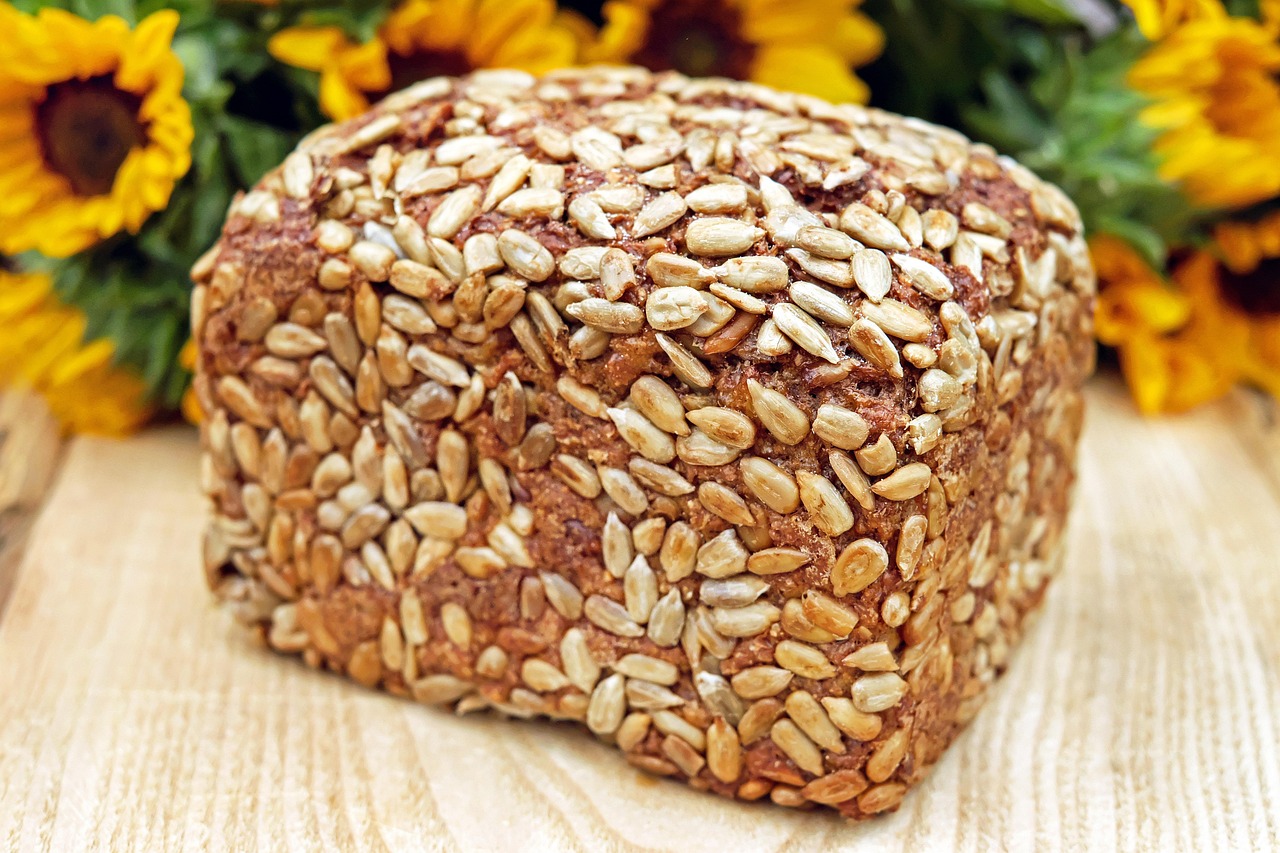
Carbohydrates have a confusing reputation. Some people treat them as the one thing to cut out, while others can’t imagine a meal without bread, rice, or pasta. The truth sits comfortably in the middle: carbohydrates are one of the body’s three main nutrients — alongside protein and fat — and they are its most important source of everyday energy. What really matters is not avoiding carbohydrates, but understanding the different kinds and learning to choose the better ones.
What Do Carbohydrates Do in the Body?
When you eat a food that contains carbohydrates, your digestive system breaks most of it down into glucose — a simple sugar that travels through the bloodstream and is delivered to your cells. Glucose is the body’s preferred fuel. Your muscles use it to move, your organs use it to function, and your brain in particular depends on a steady supply of it to think, focus, and stay alert.
Any glucose you don’t use right away is stored as glycogen in the liver and muscles, ready to be released when energy runs low — between meals, during exercise, or overnight. Carbohydrates also spare protein, meaning that when you have enough of them, your body doesn’t need to break down muscle for fuel. And one special kind of carbohydrate, fiber, isn’t used for energy at all: instead it supports healthy digestion, feeds beneficial gut bacteria, helps you feel full, and helps keep blood sugar and cholesterol in a healthier range.

The Main Types of Carbohydrates
Although foods can be complex mixtures, carbohydrates generally fall into three groups:
- Sugars (simple carbohydrates): the smallest, fastest-digesting units. They include glucose and fructose (found naturally in fruit and honey), lactose (in milk), and sucrose (ordinary table sugar). They give quick energy but, on their own, little else.
- Starches (complex carbohydrates): long chains of sugar units that take longer to break down. They are found in grains, legumes, potatoes, and many vegetables, and they release their energy more gradually.
- Fiber: a complex carbohydrate the body cannot fully digest. It passes through the gut largely intact, adding bulk, slowing digestion, and supporting the heart and the gut.
A simpler way to think about it: the more processed and refined a carbohydrate is, the faster it tends to raise blood sugar; the more whole and fiber-rich it is, the slower and steadier that release becomes.
Which Carbohydrates Should You Eat?
As a general rule, the best carbohydrates are the ones that are as close to their natural state as possible — whole, minimally processed, and rich in fiber. Because these foods are digested slowly, they provide longer-lasting energy, keep you satisfied, and come bundled with vitamins, minerals, and other nutrients. The carbohydrates worth limiting are the refined ones and those high in added sugar, which deliver quick energy but little nourishment.

What Are Natural Carbohydrates?
Natural carbohydrates are those found in whole, minimally processed plant foods — and in some cases dairy — just as nature provides them. Their defining feature is that the carbohydrate never arrives alone. It comes packaged together with fiber, water, vitamins, minerals, and protective plant compounds, and that “packaging” changes everything about how the body handles it. Their main properties include:
- They are rich in fiber, which slows digestion and softens the rise in blood sugar after eating.
- They provide steady, longer-lasting energy instead of a sharp spike and crash.
- They help you feel full and satisfied, which makes it easier not to overeat.
- They carry vitamins, minerals, and antioxidants along with their energy.
- They are generally more filling for fewer calories than refined alternatives.
Which Foods Should You Get Your Carbohydrates From?
To build your diet around quality carbohydrates, focus on whole-food sources such as these:
- Whole grains: oats, brown rice, quinoa, whole-wheat bread and pasta, barley, and bulgur.
- Legumes: lentils, chickpeas, and beans of all kinds — rich in both carbohydrate and protein.
- Vegetables: including starchy ones like potatoes, sweet potatoes, corn, and squash.
- Fruits: whole fresh fruit, which pairs natural sugars with fiber, water, and vitamins.
- Dairy: milk and plain yogurt, which contain the natural sugar lactose along with protein and calcium.

Processed and Non-Natural Carbohydrate Sources
At the other end of the spectrum are refined and processed carbohydrates — foods in which most of the natural fiber and nutrients have been stripped away during manufacturing. The two main groups are refined grains and added sugars:
- Refined grains: white flour, white bread, white rice, and many crackers and breakfast cereals, where the fibrous, nutrient-rich parts of the grain have been removed.
- Added sugars: soft drinks and sweetened beverages, candy, cookies, cakes, pastries, and sugary cereals.
- Many packaged and fast foods, which often combine refined flour and added sugar in the same product.
Because these foods are digested very quickly, they tend to cause a rapid spike in blood sugar followed by an energy slump that can leave you hungry again soon after. They are often described as “empty calories” — high in energy but low in fiber, vitamins, and minerals — and because they are easy to overeat, it is wise to enjoy them only occasionally rather than as the foundation of your diet.

Putting It All Together
Carbohydrates are not the enemy — quality is what counts. When most of your carbohydrates come from whole grains, legumes, vegetables, and fruit, and you keep refined grains and added sugars as occasional extras, carbohydrates become exactly what they are meant to be: a clean, steady source of fuel for your body and mind. A simple guideline is to build each meal around a whole-food carbohydrate, a source of protein, some healthy fat, and plenty of vegetables.
This article is intended as general nutritional information and is not a substitute for personalized advice from a doctor or registered dietitian, especially if you have a medical condition such as diabetes.