For decades, fat was treated as the villain of the dinner table — the one thing to cut out if you wanted to be healthy. We now know that picture was far too simple. Fat is one of the three main nutrients, alongside carbohydrates and protein, and far from being something to fear, the right fats are genuinely essential to life. Your body cannot build itself, protect itself, or even absorb certain vitamins without fat. The real question is not whether to eat fat, but which fats to choose — and that is where this article will take you, all the way to a closing question for you.
Why Your Body Needs Fat
Fat does far more than add flavor and richness to food. It carries out a surprising number of jobs that nothing else can do:
- Energy: fat is the body’s most concentrated source of energy and an important fuel reserve.
- Vitamin absorption: vitamins A, D, E, and K are fat-soluble, which means your body can only absorb and use them properly when fat is present in the meal.
- Cell structure: every cell in your body is wrapped in a membrane built largely from fat, so fat is part of the very fabric of your tissues.
- Hormones: fats provide the raw material the body uses to make several important hormones.
- Protection and warmth: fat cushions and protects your organs and helps insulate the body.
- Brain and nerves: the brain is roughly two-thirds fat, and healthy fats support clear thinking and proper nerve function.
Fat also supplies the essential fatty acids — the omega-3 and omega-6 fats that the body cannot manufacture on its own and must obtain from food. For all these reasons, cutting fat out entirely would deprive the body of things it simply cannot do without. Fat is not the enemy; the key is choosing the right kinds and keeping the whole picture in balance.
The Place of Butter
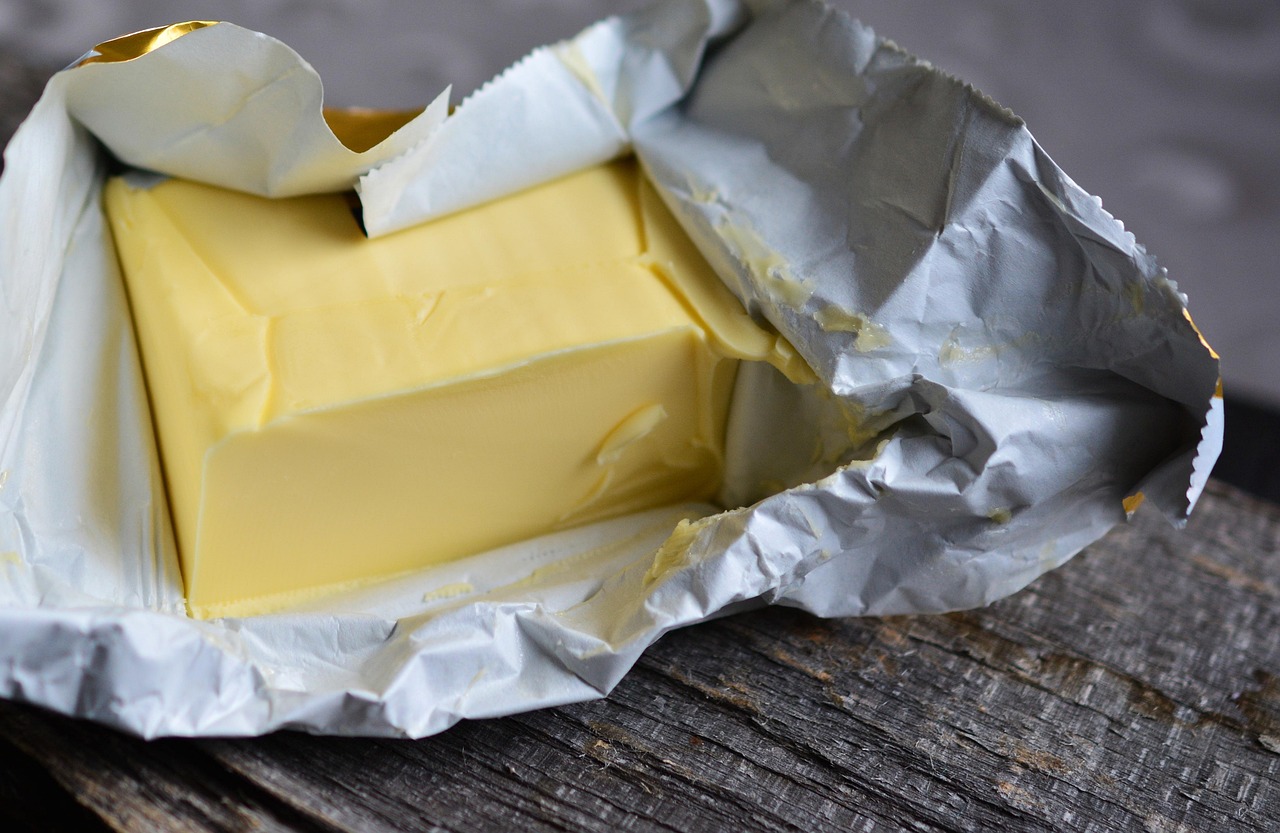
Butter has nourished people for thousands of years, and it still has a place on the table. It carries a flavor few other fats can match, and it naturally contains fat-soluble vitamins such as A and D, along with small amounts of butyrate, a compound that supports the gut. Because butter is mostly saturated fat, it is best enjoyed in moderate amounts as part of a varied diet rather than poured over everything. Used that way, a modest amount of real, simple butter is generally a more wholesome choice than heavily processed spreads — especially the old-style margarines once made with harmful trans fats. When you do reach for butter, reach for good butter, and let a little go a long way.
Which Fats Should You Choose?
Not all fats behave the same way in the body, and the simplest way to eat well is to know the three broad families:
- Unsaturated fats — favor these. Found in olive oil, avocado, nuts, seeds, and oily fish, these fats (usually liquid at room temperature) are the ones to build your diet around. They support the heart and blood vessels.
- Saturated fats — in moderation. Found in butter, fatty meats, and coconut or palm oil, these are fine in modest amounts as part of a balanced diet.
- Trans fats — the ones to avoid. Found in some fried foods, packaged baked goods, and old-style hardened margarines, artificial trans fats are the one type genuinely worth steering clear of, as they are bad for the heart.
In short: make most of your fat unsaturated, keep saturated fat moderate, and avoid trans fats. That single habit covers most of what good fat choices are about.

Fats, the Blood Vessels, and the Joints
Here is where fat truly earns its place. The right fats are essential to the cardiovascular system — the network of the heart and blood vessels. Because the membrane of every blood-vessel cell is made of fat, the body needs a steady supply of good fats to keep that system working. The omega-3 fats found in oily fish, walnuts, and flaxseed are especially valuable: they help keep blood vessels flexible, support healthy blood pressure and triglyceride levels, and calm inflammation throughout the body.
That same anti-inflammatory quality is why fats matter for the joints. Omega-3 fats are widely studied for their ability to ease inflammation, which can support joint comfort and mobility. And because fat is what allows the body to absorb vitamins D and K — both important for bones — healthy fats indirectly help the whole skeletal and joint system too. Far from harming the vascular and joint systems, the right fats are essential to keeping them healthy; it is the wrong fats, eaten in excess, that cause trouble.
Building Good Fats Into Your Day
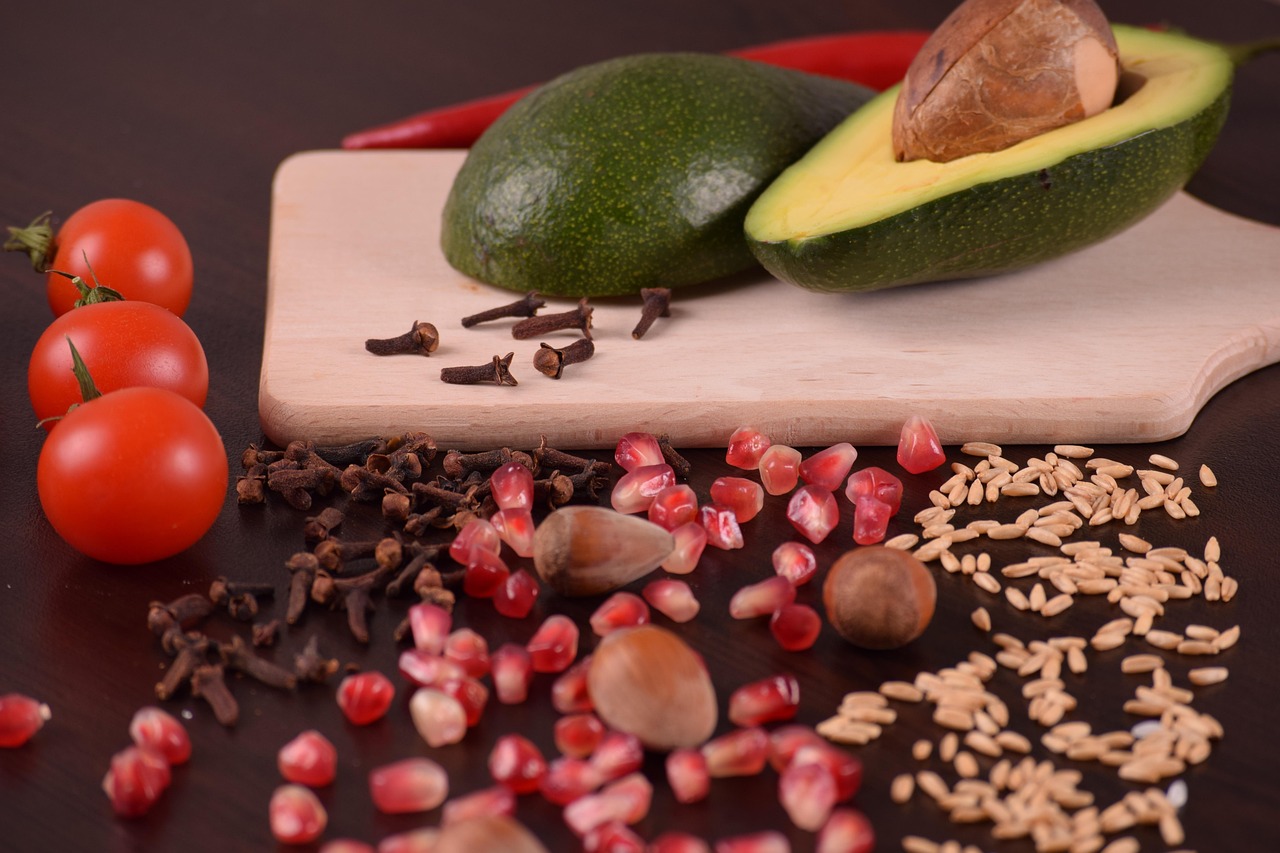
Putting this into practice is easy and enjoyable. Drizzle a good oil over vegetables and salads, add a handful of nuts or seeds to breakfast or snacks, enjoy oily fish such as salmon or sardines a couple of times a week, and let avocado find its way onto your plate. Keep butter and other saturated fats for the moments they truly add something, in modest amounts. The goal is never to eliminate fat, but to choose well and keep things in balance.

A Special Word on Olive Oil
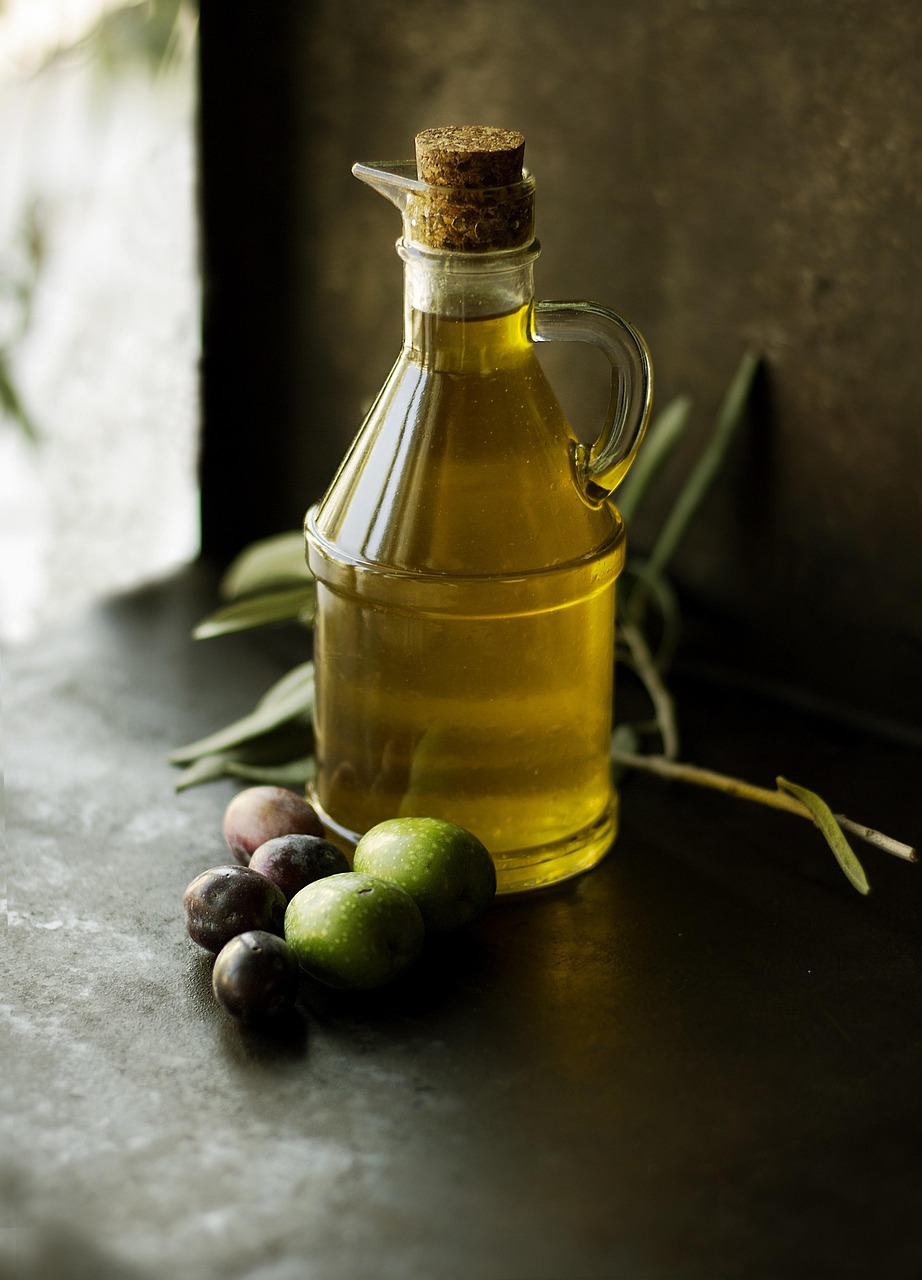
If there is one fat to build your kitchen around, it is olive oil — and especially extra-virgin olive oil. It is rich in heart-friendly monounsaturated fat, and because it is pressed from the fruit without heat or chemicals, it keeps its natural antioxidants, including vitamin E and protective plant compounds called polyphenols. Olive oil is the cornerstone of the Mediterranean way of eating, one of the most studied and admired diets in the world, long associated with heart health and longevity.
Use extra-virgin olive oil generously where its flavor can shine: over salads, drizzled on cooked vegetables, swirled into soups, or simply with good bread. It brings taste and benefit in a single pour, which is why, of all the everyday oils, it is hard to do better than a bottle of good olive oil on the counter.
And you — which oils and fats do you use in your own kitchen? Is it butter, olive oil, or something else entirely? Tell us your go-to choice in the comments below.
This article is intended as general nutritional information and is not a substitute for personalized advice from a doctor or registered dietitian, particularly if you have a condition affecting your heart, cholesterol, or weight.