Continuing through the B family, we come to vitamin B2, known as riboflavin. Like the other B vitamins, it plays a key part in releasing energy from food — but it is also the vitamin most associated with healthy skin and clear, comfortable eyes. Its name even hints at its appearance: riboflavin has a natural yellow color, and it is what gives a faintly yellow tint to the urine of anyone taking a B-vitamin supplement.
What Riboflavin Does
Riboflavin works as a building block for two important coenzymes that sit at the heart of energy metabolism. Through them it carries out several roles:
- Energy release: helping convert carbohydrates, fats, and proteins into usable energy.
- Skin and eyes: supporting healthy skin and the tissues of the eyes; a shortage can cause cracked lips, a sore mouth, and eye discomfort.
- Antioxidant support: helping the body recycle and activate other antioxidants that protect cells from damage.
- Helping other vitamins work: riboflavin is needed to activate vitamin B6 and to help the body use folate, so it quietly supports the whole B team.

A Vitamin That’s Sensitive to Light
Riboflavin has an unusual weakness: it is broken down by light. This is the reason milk — one of its best sources — is sold in opaque cartons or tinted containers rather than clear glass left in the sun. It is a neat example of how storing food properly, not just cooking it, can protect the vitamins inside. The good news is that riboflavin is fairly stable when heated, so normal cooking does not destroy much of it.
Where to Find Riboflavin
Riboflavin is found in a broad range of foods, so it is usually easy to get enough. Good sources include:
- Milk and dairy products, among the most reliable sources.
- Eggs, an excellent and versatile option.
- Lean meats and organ meats.
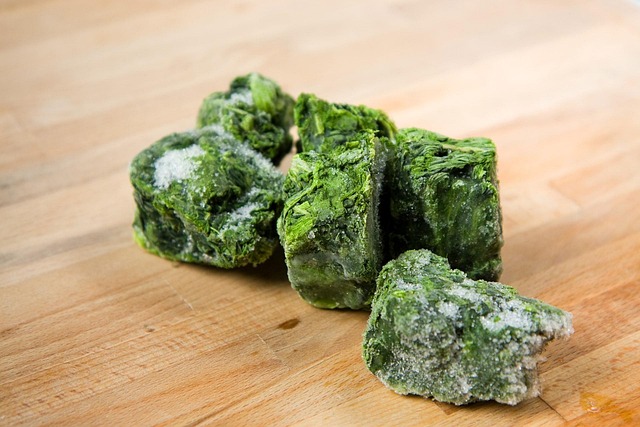
- Green leafy vegetables such as spinach.
- Almonds and fortified grains and cereals.

Because riboflavin is water-soluble and not stored in large amounts, a regular supply matters — but with dairy, eggs, greens, and fortified grains all contributing, most balanced diets cover it comfortably. People who avoid dairy entirely should make a point of including other sources like greens, almonds, and fortified foods.
Next, we turn to vitamin B3, niacin — one of the busiest energy vitamins of all, taking part in hundreds of reactions throughout the body.
This article is intended as general nutritional information and is not a substitute for personalized advice from a doctor or registered dietitian.