There is a reason London keeps topping the lists of the world’s most-searched travel destinations: few cities pack so much history, culture, and sheer energy into one place. Royal palaces sit beside world-class museums, centuries-old pubs share streets with cutting-edge restaurants, and every neighborhood feels like a different city. Whether it is your first visit or your fifth, London always has more to offer. This guide walks you through the essentials — the landmarks, the culture, the neighborhoods, and the practical tips to make your trip smooth.
The Iconic Landmarks
Start with the sights that define the London skyline. No first visit is complete without them:
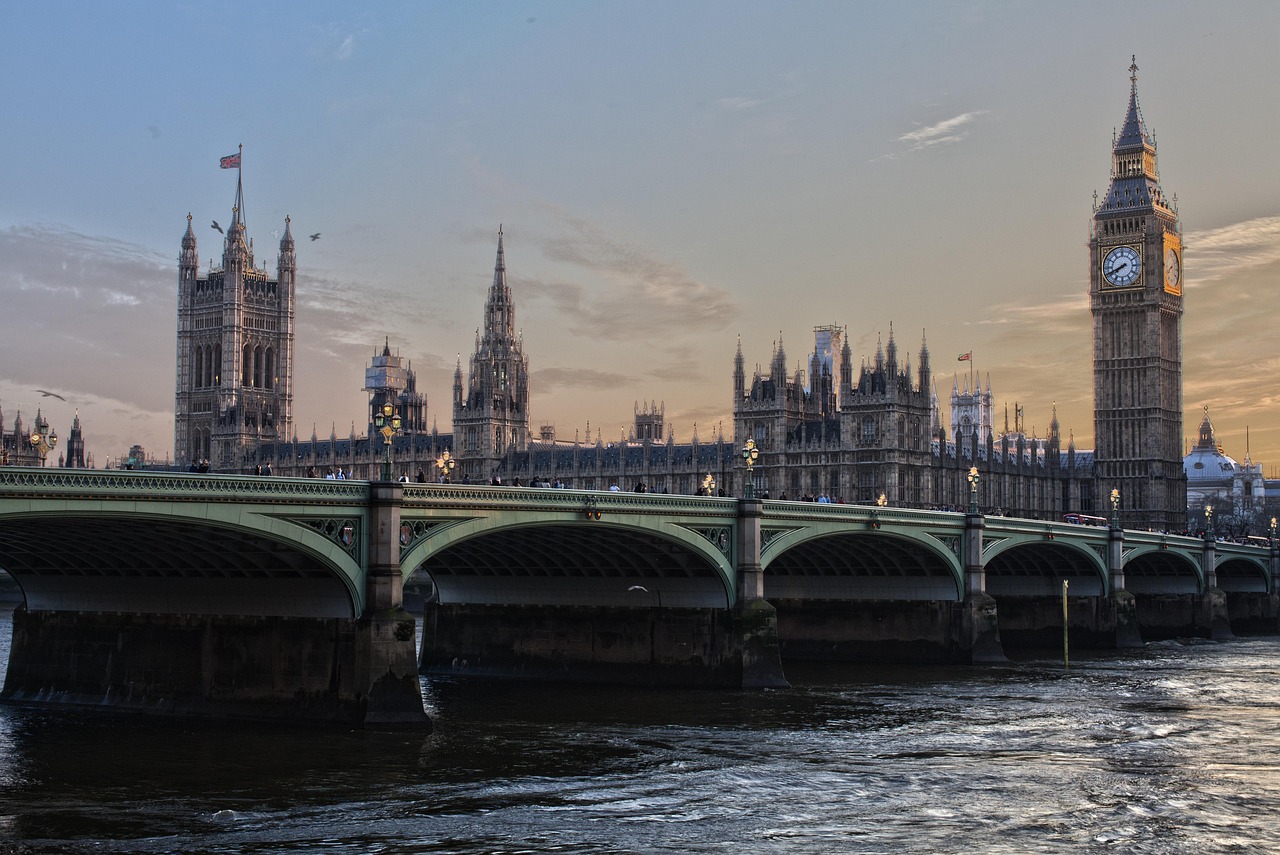
- Big Ben and the Houses of Parliament: the Gothic clock tower beside the River Thames is the city’s most famous symbol.
- Westminster Abbey: the historic church where coronations and royal weddings take place.
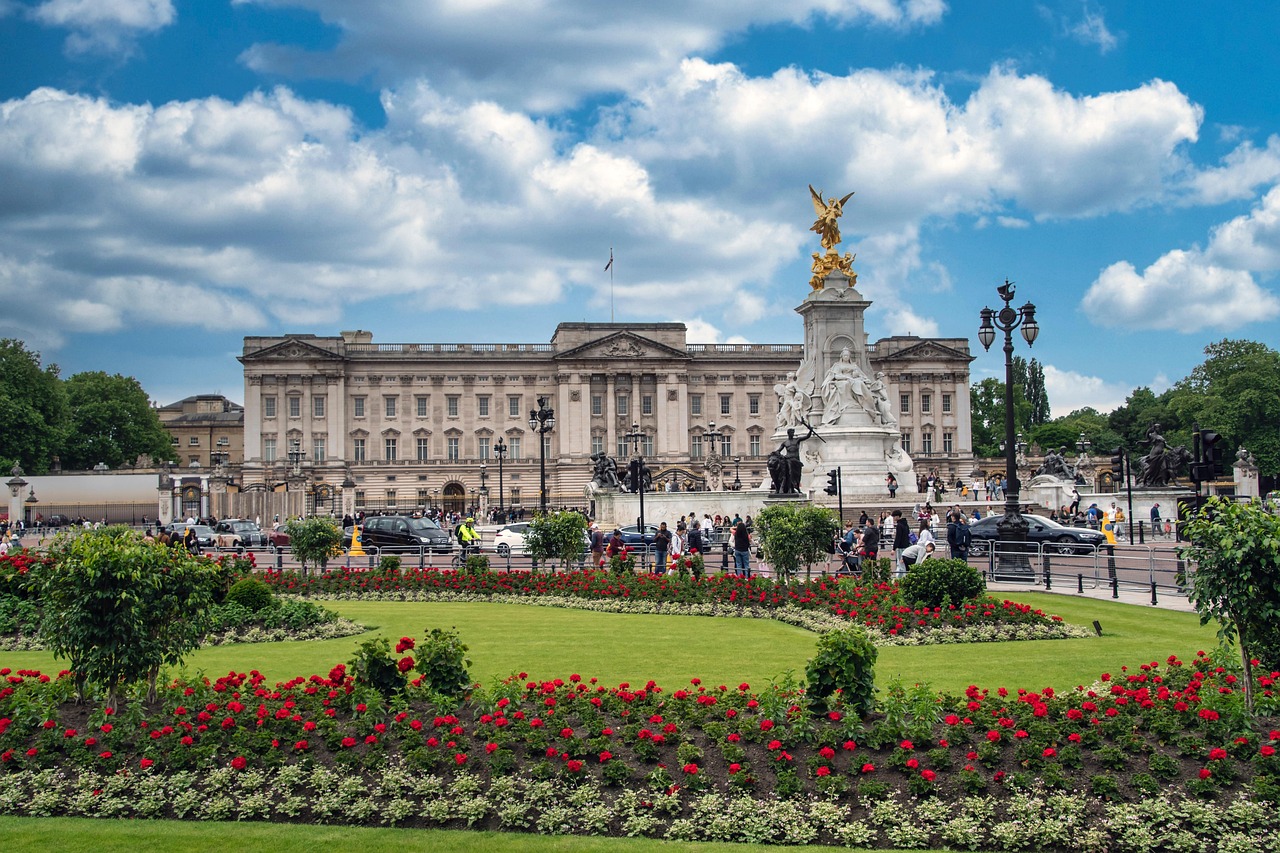
- Buckingham Palace: the King’s official residence, where you can watch the colorful Changing of the Guard.
- The Tower of London: a thousand-year-old fortress that guards the Crown Jewels.
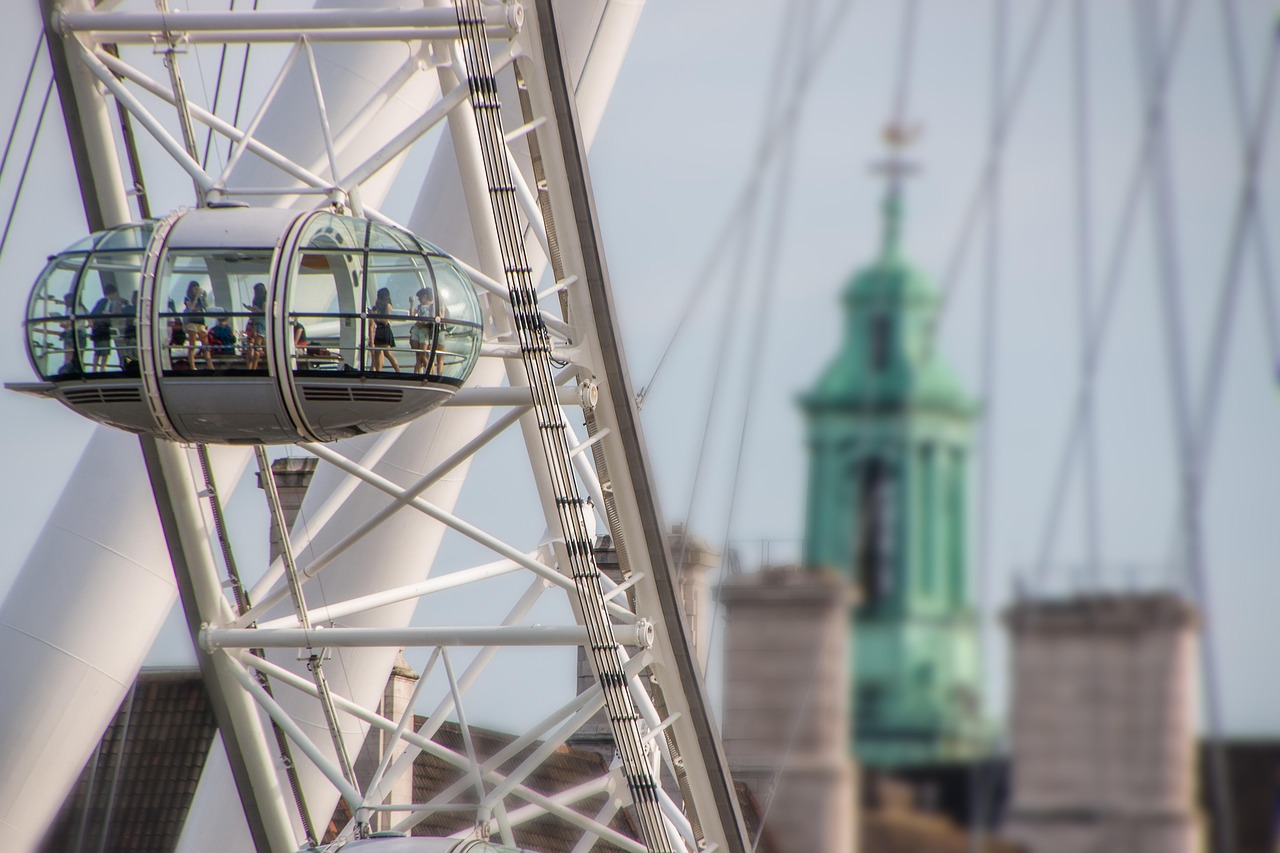
- The London Eye: a giant observation wheel offering sweeping views across the whole city.
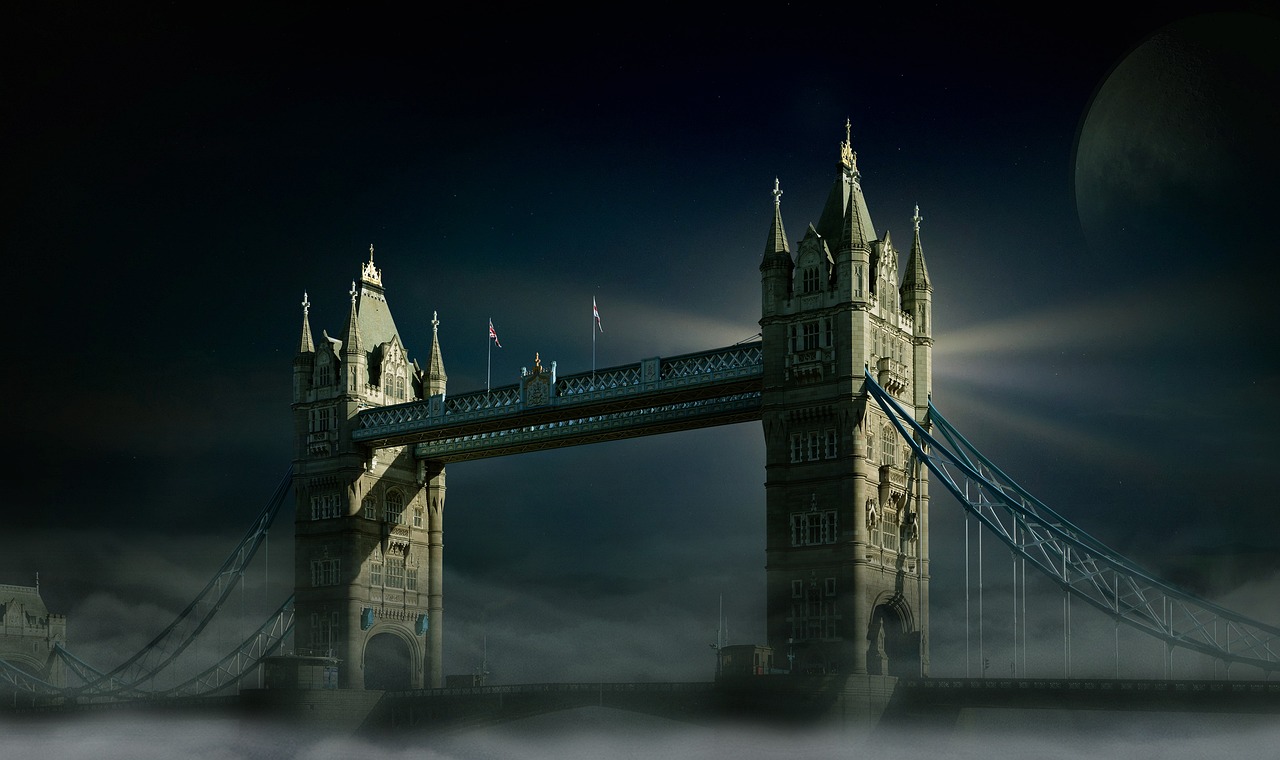
Crossing the Thames, Tower Bridge is often confused with London Bridge, but it is the one with the twin towers and the drawbridge that still lifts for tall ships. Walking across it — or visiting its glass-floored high walkway — is one of London’s classic experiences.
World-Class Museums and Culture
One of London’s greatest gifts to visitors is that many of its finest museums are completely free to enter. You could spend days exploring them without paying admission:
- The British Museum: home to treasures from across human history, including the Rosetta Stone and the Egyptian mummies.
- The National Gallery: centuries of masterpieces overlooking Trafalgar Square.
- The Natural History Museum: a cathedral-like building filled with dinosaurs and wonders, a favorite with families.
- Tate Modern: world-famous modern art inside a converted power station on the river.
Neighborhoods and Markets
To feel the real pulse of London, leave the main sights behind and wander its distinctive neighborhoods. Soho and Covent Garden buzz with theaters, street performers, and restaurants. Camden is alternative and lively, with a sprawling market full of music and street food. Notting Hill charms with its pastel houses and the antiques of Portobello Road. And no food lover should miss Borough Market, a historic feast of artisan produce, cheeses, and dishes from around the world. Exploring on foot, neighborhood by neighborhood, is the best way to discover the city’s many personalities.
Practical Tips for Visiting London
A little planning goes a long way in a city this big:
- Getting around: the Underground (the “Tube”) is the fastest way across the city. Use a contactless card or an Oyster card to tap in and out — it is cheaper than buying paper tickets.
- Best time to visit: late spring (May to June) and early autumn (September) offer the most pleasant weather and lighter crowds than peak summer.
- Weather: London’s reputation for rain is well earned, so pack a compact umbrella and layers whatever the season.
- Save money: take advantage of the free museums, enjoy the many royal parks, and look for theater ticket deals in Leicester Square.
- Mind the gap: stand on the right on escalators, and let passengers off before boarding — locals appreciate it.
London rewards both the careful planner and the curious wanderer. Tick off the great landmarks, lose yourself in a free museum, sample the world on a plate at a street market, and watch the city light up from the river at dusk. However long you stay, you will leave already planning your return. This is the first stop in our series on the world’s most-loved destinations — next, we travel to Tokyo.
Travel details such as opening hours and prices can change, so it is worth checking official sources before you go.