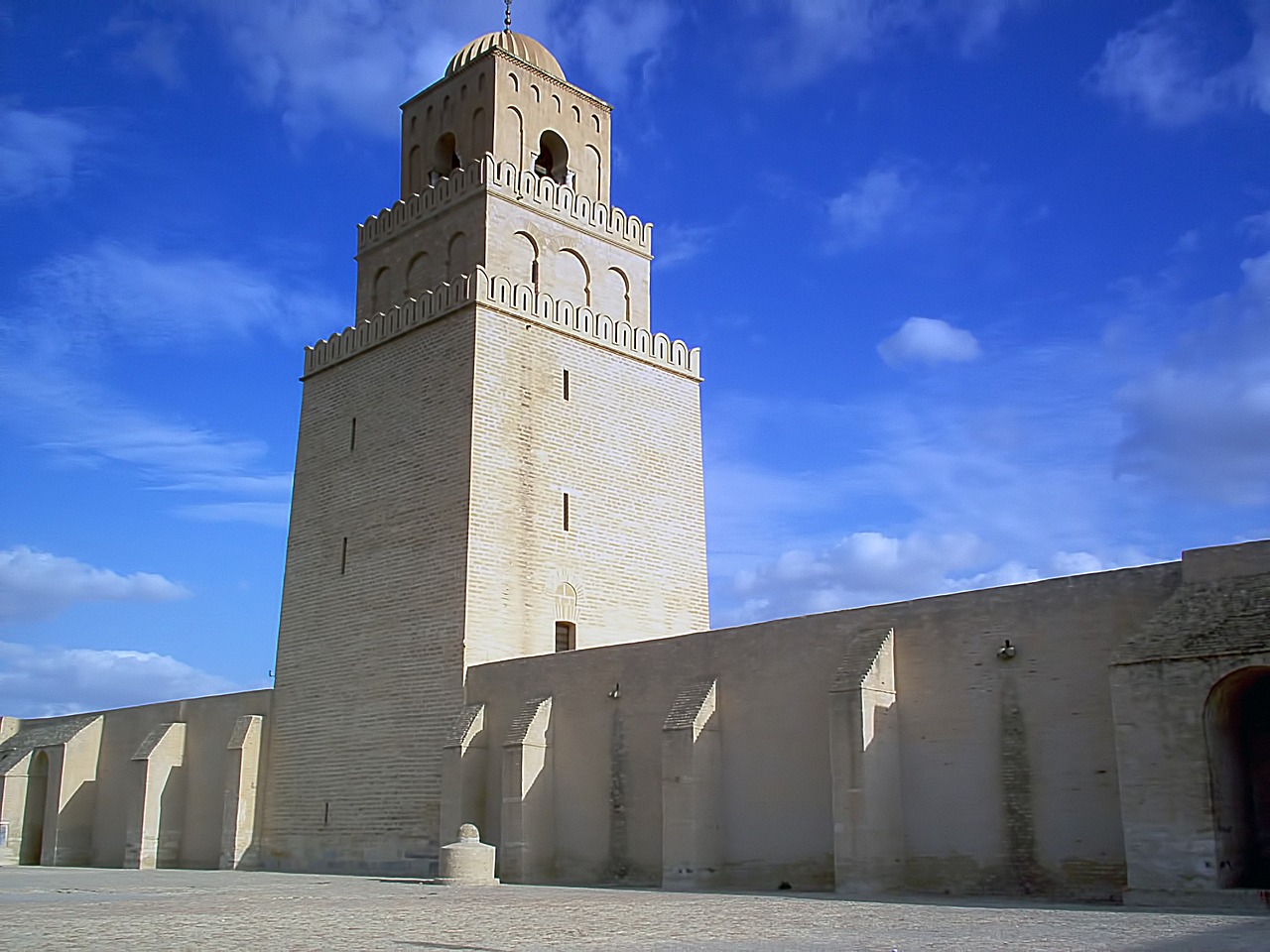
Beyond its famous Great Mosque, Kairouan is a city steeped in history, with an old quarter, or medina, that has changed little in character over the centuries. For visitors, the city offers far more than a single monument: it is a living centre of craft, learning, and tradition, recognised as one of the great historic cities of the Islamic world.
The Historic Medina
Kairouan’s medina is a maze of narrow lanes lined with whitewashed houses, workshops, and small mosques. Encircled by old walls, it preserves the feel of a traditional North African city, where daily life unfolds much as it has for generations. Wandering its streets, visitors encounter craftsmen at work, shaded courtyards, and the gentle rhythm of a community that has grown up around its great sanctuary.
Craft and Tradition
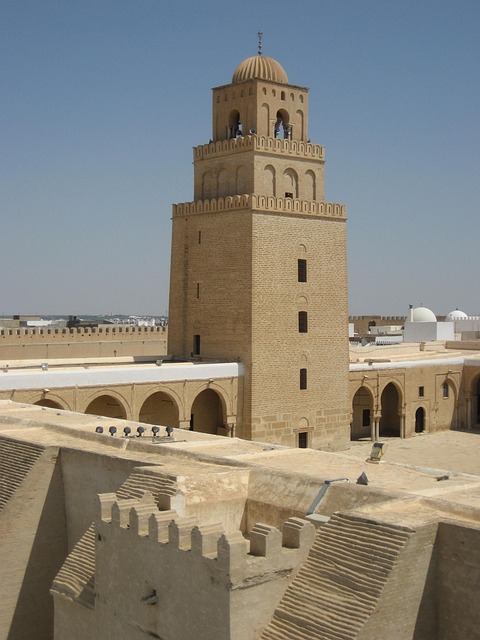
The city is especially renowned for its long tradition of carpet weaving, a craft for which Kairouan is famous throughout Tunisia and beyond. Its workshops and markets have drawn traders for centuries, and the skills passed down through families remain an important part of local life. This blend of artistry and commerce has long given the city a vibrant, distinctive atmosphere.
Other Sacred Sites
Kairouan holds several other places of religious significance, including historic mosques and revered shrines scattered through and around the city. Among them are sites associated with companions of the early Muslim community, which add to the city’s reputation as a centre of devotion. Together with the Great Mosque, these sites make Kairouan a place where the history of Islam in North Africa feels especially close at hand.


