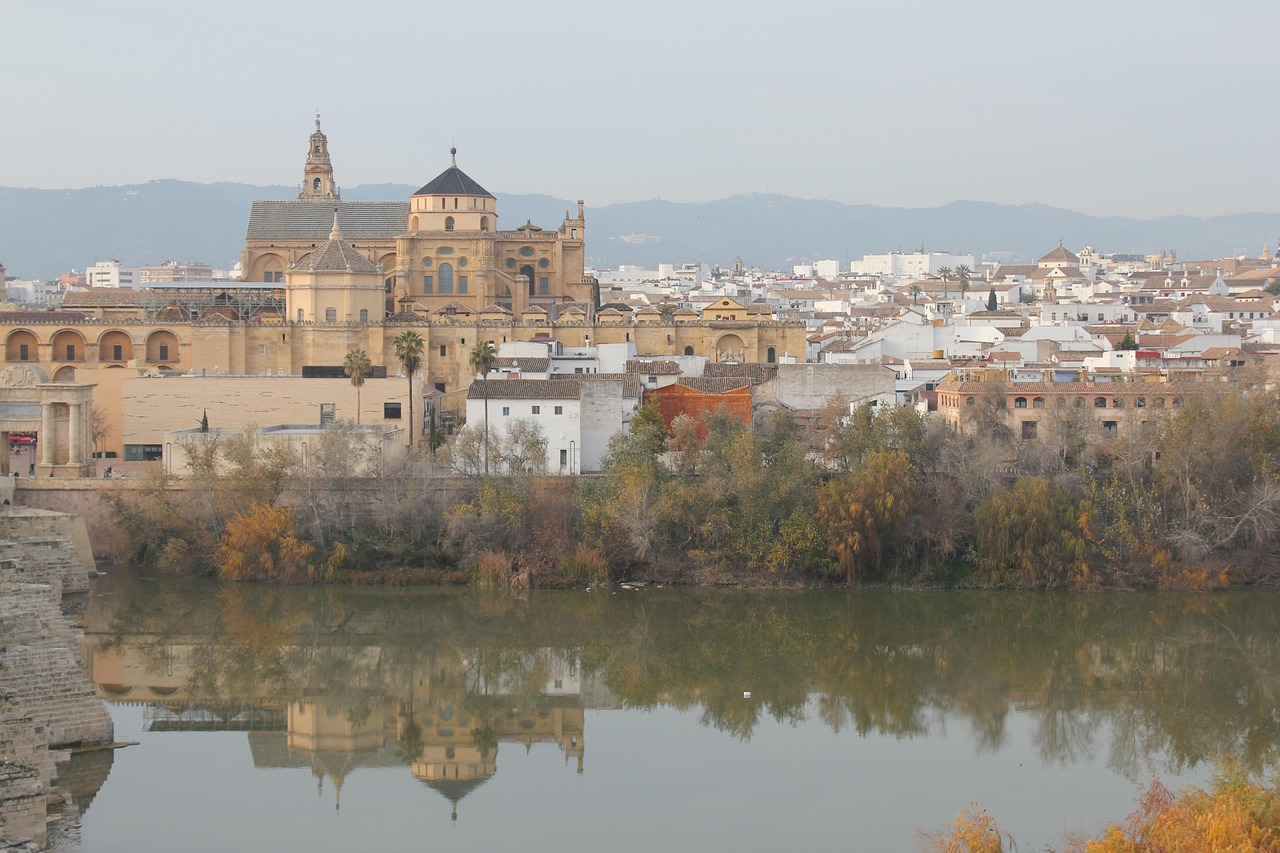
To understand why the Mezquita matters so deeply, it helps to understand the city that built it. For roughly three centuries Cordoba was the capital of Al-Andalus, the Muslim-ruled territory of the Iberian Peninsula, and during that time it grew into one of the most cultured cities in the medieval world.
The Capital of Al-Andalus
When Abd al-Rahman I established his emirate here in the eighth century, he set Cordoba on a path toward extraordinary prosperity. By the tenth century, under the caliphate, the city was famous for its paved and lamp-lit streets, its public baths, and its libraries. Scholars travelled from across Europe and the Islamic world to study here, and the translation of classical texts in Cordoba helped preserve knowledge that would later shape the European Renaissance.
A Meeting of Cultures
Cordoba is often remembered as a place where Muslim, Jewish and Christian communities lived side by side and exchanged ideas in medicine, philosophy and mathematics. While the reality was more complex than any single image, the city undeniably produced thinkers whose influence reached far beyond Spain. The legacy of this intellectual flowering is still woven into the character of the old town.
Walking Through Living History
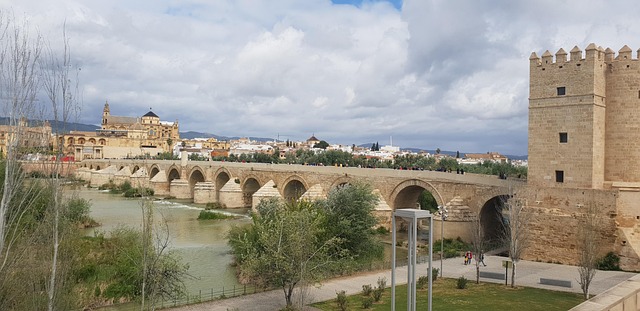
Today the historic centre of Cordoba, much of it included in the expanded UNESCO World Heritage area, invites visitors to wander narrow lanes lined with flower-filled patios, cross the ancient Roman bridge, and pause in quiet squares. Every corner seems to hold an echo of the city’s golden age, making Cordoba one of the most rewarding places in Spain to explore on foot.


